
Modern farming uses a lot of chemicals to keep crops growing well. In 2021, over 1.7 million tons of these chemicals were used worldwide. As a pharmacist, I often get asked if these chemicals are safe for us.
These chemicals do help control weeds, but they’re not harmless. Careful handling is key to avoid health problems. We need to look at how these chemicals affect our bodies over time.
Knowing the difference between quick reactions and long-term harm is important. Evidence-based advice helps us deal with these chemicals better.
Key Takeaways
- Global usage of weed control chemicals exceeds 1.7 million tons annually.
- These substances are not biologically inert and require professional handling.
- Pharmacists emphasize the importance of understanding both acute and chronic toxicity risks.
- Scientific consensus highlights the need for cautious interaction with agricultural chemicals.
- Informed decision-making protects health in environments where these products are present.
Understanding the Scope of Herbicide Use in the United States
In 2021, the United States used more herbicides than any other country. We applied about 300,000 tons of these chemicals. This shows how much we rely on synthetic solutions to control weeds in farms and homes.
Because these chemicals are everywhere, it’s important to know how they affect us. Understanding chemical exposure is key for public health.

The market is mostly made up of a few main active ingredients. These chemicals are made to work well, but they can also spread in our soil and water. The most common ones are:
- Glyphosate: The most used herbicide, often on genetically modified crops.
- 2,4-D: A synthetic auxin used in lawns and pastures to control weeds.
- Atrazine: Common in corn production, it can stay in the environment for a long time.
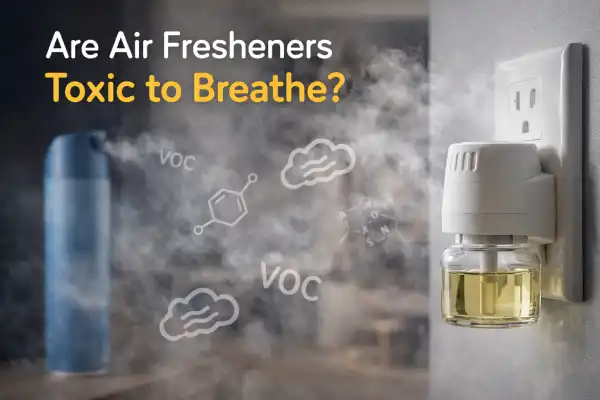
These products are used everywhere, not just on farms. Homeowners use them to keep their lawns looking good. This increases the risk of dermal or respiratory contact in homes. Knowing how much we use these chemicals helps us understand why we need to stay safe.
Is Herbicide Exposure Dangerous to Human Health
Understanding the safety of chemical weed control is key. It involves knowing how these substances affect our bodies. When we ask, is herbicide exposure dangerous, we must consider the chemical’s properties and how much we’re exposed to. Most studies show that the danger level changes based on the product type and how often it’s used.
The health effects of herbicides fall into two main categories: acute and chronic toxicity. Acute toxicity happens right after a big exposure. Chronic toxicity is about long-term health problems from repeated, smaller exposures over time.

At a cellular level, some chemicals can cause oxidative stress. This happens when our body’s antioxidants can’t keep up. It can mess with important cell functions, leading to damage. Knowing these harmful effects of herbicide exposure helps experts understand the real risks.
It’s important to tell the difference between short-term irritation and long-term health risks. Some people might get skin or breathing problems right away. But, the big worry for health experts is the risk of serious problems from long-term exposure. Evidence-based safety practices are the best way to reduce these risks at home and on farms.
Common Routes of Herbicide Exposure
Protecting yourself from chemical hazards starts with knowing how herbicides can get into your body. It’s important to understand these ways to keep safe at home or work.
Dermal Absorption Through Skin Contact
Skin contact is the main way people get exposed to herbicides. When herbicides touch your skin, they can go straight into your blood. This depends on the type of chemical.
Oil-based herbicides can get through your skin better than water-based ones. Remember, touching any strong chemicals is risky, no matter the type.

Inhalation of Airborne Particles and Mists
Inhalation happens when tiny droplets or dust particles float in the air. This is common when using sprayers or applying granules on windy days.
These particles can reach deep into your lungs. Then, they can move through your blood, causing health problems.
Ingestion via Contaminated Water or Food
Herbicide ingestion dangers are real, though less common than skin contact. This usually happens by eating unwashed produce or drinking contaminated water.
Herbicides can stay on fruits and veggies even after they’re picked. Washing all produce well is key to avoiding these risks. Knowing how herbicides move helps keep your family safe.
Acute Versus Chronic Herbicide Toxicity
Herbicide toxicity can show up in two ways: right away or over time. Knowing the difference is key to figuring out when to rush to the hospital or when to watch for ongoing health issues.
Systems like the Globally Harmonized System (GHS) help sort out these risks. They help us tell apart quick, serious problems and slow, building damage. This way, we can handle the health effects of herbicides better in different settings.
Immediate Symptoms of Herbicide Poisoning
Acute toxicity happens when bad effects show up within 14 days of being exposed. This usually happens with high doses, like spills or wrong handling of strong chemicals.
Signs often pop up right after exposure. They might include skin problems, breathing issues, or stomach upset. Quick medical help is vital to avoid serious harm or organ damage.

Long-term Health Effects of Repeated Exposure
Chronic exposure means being around chemicals for months or years. The health effects of herbicides in this case are often not obvious and take time to show up.
Studies show that regular, low-level exposure might lead to serious issues like brain diseases or metabolic problems. Because these problems don’t show up fast, they’re often missed until they’ve caused big health changes.
To stay safe, we need to be careful and follow strict safety rules. By avoiding unnecessary contact and following safety guidelines, we can lower the risk of long-term herbicide toxicity.
Identifying Herbicide Poisoning Symptoms
Spotting herbicide poisoning symptoms needs a sharp eye for small changes and big reactions. Early signs like nausea or mild skin irritation can be mistaken for other illnesses. It’s key to know these signs if you work with or live near treated areas.
Neurological and Respiratory Indicators
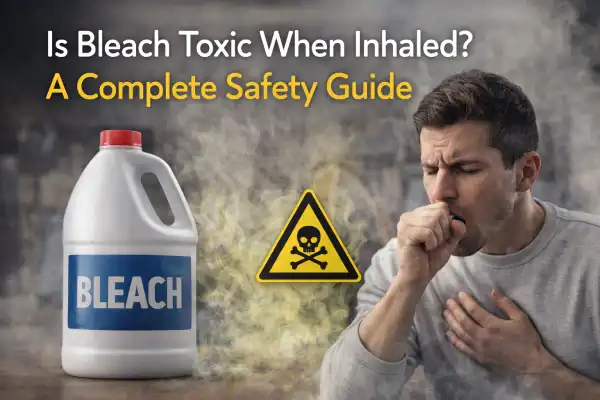
When the body absorbs the chemical, it can show signs like dizziness, headaches, and confusion. These signs mean the chemical has entered your blood. Severe cases might show fast or hard breathing, wheezing, or a constant cough.
Respiratory problems are serious if you breathed in the chemical as a mist or dust. If you think you’ve been exposed, get help fast. Our medical disclaimer can guide you on when to seek emergency care. Spotting these signs early can stop more serious health problems.
Dermatological Reactions and Irritation
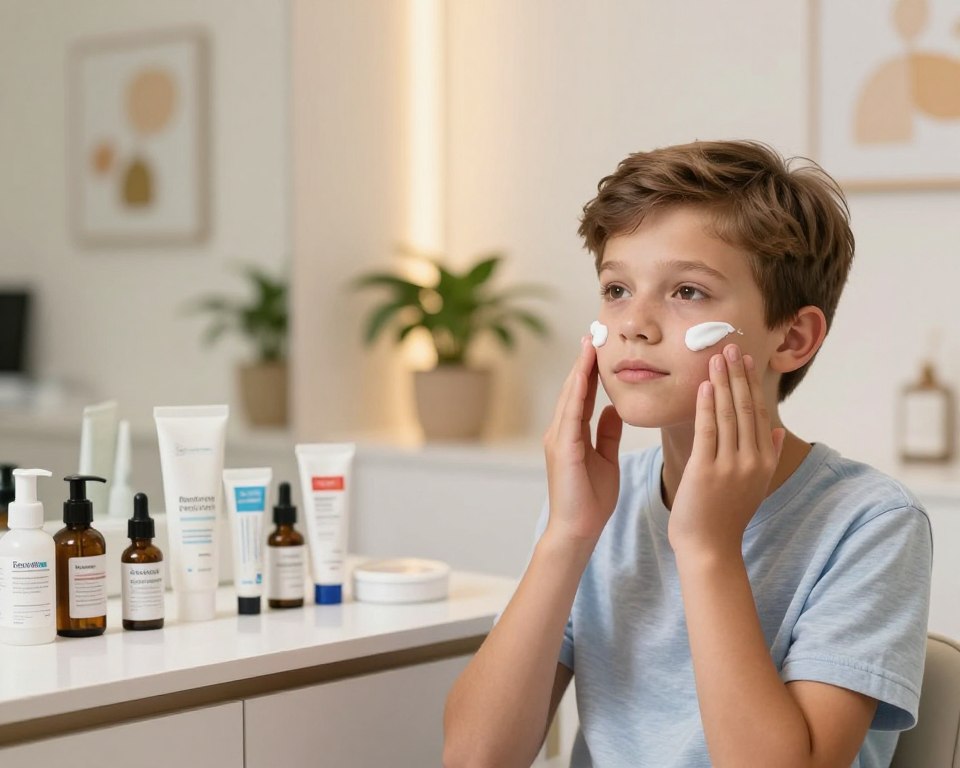
Most people get exposed through their skin. Skin reactions can be redness, itching, or a burning feeling where you touched the chemical. Long exposure can cause skin problems or even burns if the chemical is very strong.
It’s also important to know about herbicide ingestion dangers. Swallowing it can irritate your mouth, throat, and stomach right away. The table below shows common symptoms by body system to help you spot problems fast.
| System Affected | Common Symptoms | Severity Level |
|---|---|---|
| Dermatological | Redness, itching, rashes | Mild to Moderate |
| Respiratory | Coughing, wheezing, shortness of breath | Moderate to Severe |
| Neurological | Dizziness, confusion, fatigue | Moderate to Severe |
| Gastrointestinal | Nausea, vomiting, abdominal pain | Moderate |
Regulatory Standards and Safety Guidelines in the United States
The United States has strict rules to manage herbicide risks. These rules are set by the government to keep people and the environment safe. They help ensure safe use in homes and farms.

Role of the Environmental Protection Agency
The Environmental Protection Agency (EPA) is in charge of chemical rules. Before selling herbicides, the EPA checks their safety. They set limits for chemicals on food to protect everyone.
The EPA keeps an eye on new research to update its rules. This keeps safety standards up to date with new technology.
Understanding Safety Data Sheets for Chemical Products
Every chemical product comes with a Safety Data Sheet (SDS). These sheets are key for safe use of herbicides. They tell you about dangers and how to handle them safely.
An SDS has emergency plans, like what to do in case of spills. By following these plans, you can avoid accidents. Knowledge is the most effective form of protection when working with chemicals.
| Regulatory Component | Primary Function | Target Audience |
|---|---|---|
| EPA Registration | Risk assessment and approval | Manufacturers |
| Tolerance Levels | Residue limits in food | Consumers |
| Safety Data Sheets | Hazard communication | Workers and Homeowners |
Herbicide Safety Measures for Homeowners and Gardeners
Keeping safety first is key to avoiding accidents when you’re working in your yard. Chemical weed killers can be helpful, but they need careful handling to keep your family safe. By sticking to herbicide safety measures, you lower the risk of health problems.

Personal Protective Equipment Requirements
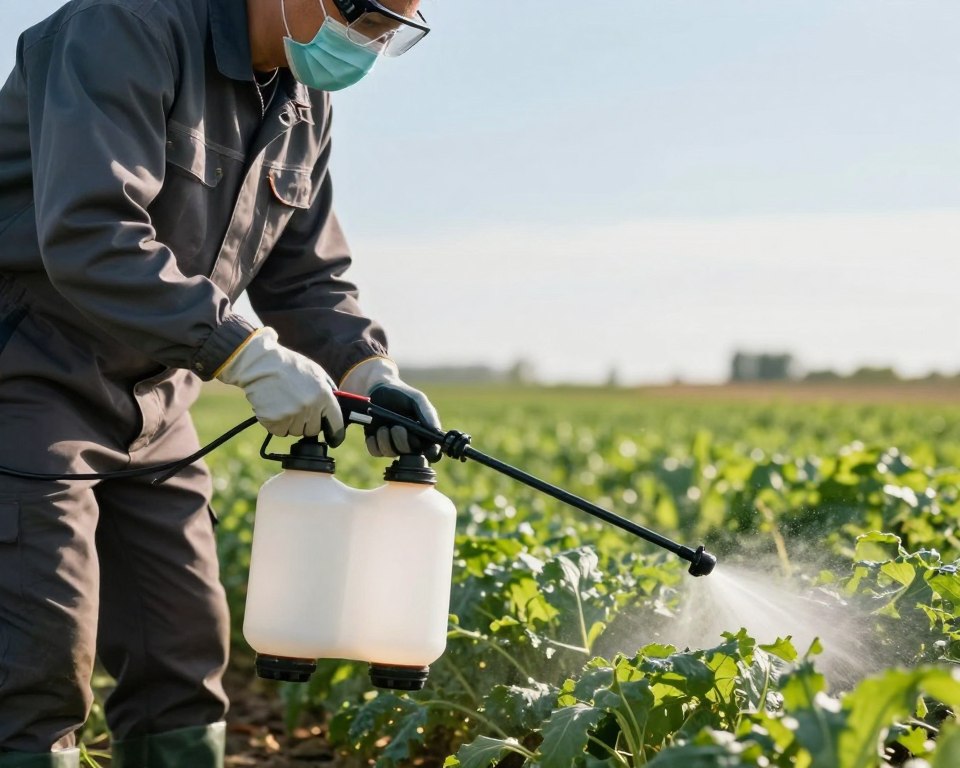
Direct skin contact is a big risk for gardeners. To avoid this, always wear the right protective gear. This means long-sleeved shirts, long pants, and gloves that resist chemicals.
- Rubber gloves: Make sure they’re unlined to stop chemicals from getting in.
- Eye protection: Safety goggles are a must to avoid splashes or mist.
- Footwear: Wear closed-toe shoes or boots that can be easily cleaned.
If you think you’ve been exposed, watch your body for herbicide poisoning symptoms. Spotting skin irritation or breathing problems early is key to getting medical help fast.
Safe Storage and Handling Practices
Storing herbicides right is as important as how you use them. Always keep them in their original containers with labels on. Store them in a locked cabinet or shed, away from kids and pets.
“The safety of your environment depends on your commitment to following label directions and maintaining secure storage protocols for all household chemicals.”
When mixing or applying, avoid windy days to stop drift. Also, keep supplies away from food, water, and living areas. For more on keeping your home safe, learn about chemical safety around pets.
If you see herbicide poisoning symptoms in people or pets, call a poison control center right away. Keeping your workspace clean and organized is the best way to avoid accidents.
Occupational Risks for Agricultural Workers
Agricultural workers face higher risks because they handle large amounts of chemicals. They need to focus on herbicide safety measures to protect their health. It’s important to change how they handle chemicals to a safer approach.
Exposure Risks in Large-Scale Farming
In big farms, the amount of chemicals used increases the risk of accidents. Workers might breathe in mists from heavy machinery. They also spend long hours, which means more chance of skin contact with chemicals.
“The health of agricultural workers is inextricably linked to the rigor of the safety protocols implemented on the farm. Proper training and equipment are not optional; they are essential for long-term occupational health.”
Long-term, low-level exposure can cause serious health problems if not managed right. Learn more about these risks by reading clinical perspectives on chemical safety. Knowing these risks helps create a safer workplace.
Best Practices for Minimizing Workplace Contact
To keep the workplace safe, follow strict herbicide safety measures. These steps help protect workers from harmful chemicals. Here are some key strategies:
- Personal Protective Equipment (PPE): Always wear gloves, respirators, and eye protection as the label says.
- Decontamination Procedures: Have special areas for washing equipment and changing clothes before leaving.
- Regular Training: Hold safety briefings often to make sure everyone knows the dangers of chemicals.
- Equipment Maintenance: Check sprayers and tanks for leaks to avoid spills or exposure.
By following these herbicide safety measures every day, employers show they care about their team’s health. Proactive management is key to lowering workplace dangers. A safe work culture means better health without sacrificing productivity.
The Environmental Impact of Herbicide Runoff
The herbicide environmental impact goes beyond where we apply it. Chemicals used on lawns or fields can move into other areas. This can change the balance of local habitats.
Contamination of Local Water Supplies
Chemicals can get into water through rain and irrigation. This is a big worry for those with large areas or gardens. For more on how to handle this, check out forest herbicide safety and environmental concerns.
Water pollution can harm fish and our drinking water. It’s important to stop these chemicals from getting into water. Here are ways to lessen runoff:
- Avoid applying products right before rain.
- Keep a safe distance from water sources.
- Use only what you need to get the job done.
Effects on Soil Health and Biodiversity
Chemicals in the soil can harm it for a long time. This can mess up the soil’s ability to support plants. Healthy soil needs a mix of bacteria and fungi to work well.
When these microbes are hurt, the soil’s health can suffer. Non-target plants and insects can also get harmed. Using targeted methods can help protect local plants and animals while controlling weeds.
Understanding how these products affect the earth is key to caring for our land. Just like checking if drain cleaner is toxic, we should think about the long-term effects of weed control.
Vulnerable Populations and Sensitivity Factors
It’s important to know who is most at risk from herbicide exposure risks. Chemical rules try to protect everyone, but some people are more affected. Age, how fast you grow, and your health can change how you react to chemicals.
Risks to Children and Developing Fetuses
Children are very vulnerable because they grow fast and their bodies are changing. They might touch or eat things they shouldn’t because of their curiosity. This means they might not get rid of chemicals as well as adults.
Being exposed to chemicals before birth can also harm a fetus. It can affect how they develop. It’s smart to avoid chemicals when you’re pregnant. For more tips on keeping your home safe, check out this resource.
Impact on Individuals with Pre-existing Conditions
People with ongoing health issues or weak immune systems are more sensitive to toxins. If they’re already dealing with health problems, chemicals can make things worse. Research shows that how well your body handles chemicals depends on your health.
“The threshold for safety is not universal; it must be adjusted based on the physiological resilience of the individual, particular those with pre-existing vulnerabilities.”
Here’s a table showing why some groups are more sensitive to chemicals:
| Population Group | Primary Sensitivity Factor | Risk Level |
|---|---|---|
| Infants and Toddlers | Rapidly developing organ systems | High |
| Pregnant Women | Fetal development vulnerability | High |
| Chronic Illness Patients | Compromised metabolic pathways | Moderate to High |
| Elderly Individuals | Reduced detoxification capacity | Moderate |
Knowing about herbicide exposure risks helps us protect the most vulnerable. It’s key to keeping our communities safe from harmful chemicals.
Evaluating Scientific Research on Herbicide Carcinogenicity
Understanding the risks of herbicides is complex. It involves looking at different types of research. It’s key to know the difference between lab results and real-life effects. As new studies come out, our understanding of chemical safety changes.
Current Debates Regarding Glyphosate and Other Chemicals
The glyphosate debate is huge in toxicology today. Some studies link it to a higher risk of non-Hodgkin lymphoma. But, different groups have different views based on their criteria.
“The challenge in toxicology is not just identifying a hazard, but accurately assessing the risk under actual conditions of human use.”
Health agencies like the International Agency for Research on Cancer (IARC) and the EPA often disagree. One might say a chemical is likely to cause cancer, while another might say it’s safe at normal levels. This shows why the harmful effects of herbicide exposure are so debated.
Interpreting Epidemiological Studies
Understanding epidemiological studies is important. They look at big groups over time to find patterns. But, they can’t always show cause and effect. When looking at harmful effects of herbicide exposure, consider these points:
- Sample Size: Bigger studies are usually more reliable than smaller ones.
- Confounding Variables: It’s important to control for other factors like diet or smoking.
- Exposure Levels: Knowing the difference between high doses at work and low doses at home is critical.
To understand the harmful effects of herbicide exposure, look at all the evidence. Being critical helps us judge safety claims better. The best way to stay safe is to use evidence-based resources.
Alternatives to Synthetic Chemical Herbicides
The herbicide environmental impact has led to a big change. Now, many people choose natural ways to control weeds. This helps protect local ecosystems and keeps places looking good or productive.
By avoiding synthetic chemicals, we can reduce harm to soil and water. This is a big step towards a healthier environment.
Mechanical and Cultural Weed Control Methods
Mechanical control means physically stopping weeds. Hand-pulling, hoeing, and mowing are simple ways to do this. They work best when weeds are young.
Cultural practices help good plants grow while weeds struggle. Mulching stops weeds from growing by blocking sunlight. Also, keeping soil healthy with compost and balanced water helps plants grow thick, pushing out weeds.
Organic and Natural Herbicide Options
When physical methods don’t work, organic options are safer. Products like vinegar or essential oils can harm weeds without harming the environment. Choosing organic food is also important because it avoids harmful chemicals.
“Sustainable agriculture is not just about what we put into the soil, but what we choose to leave out. By embracing natural alternatives, we protect the delicate balance of our local water supplies and biodiversity.”
The table below shows the differences between old and new ways to fight weeds. It helps you decide how to reduce your herbicide environmental impact.
| Method Type | Primary Mechanism | Environmental Risk | Effectiveness |
|---|---|---|---|
| Synthetic Herbicides | Systemic chemical disruption | High (Runoff/Persistence) | Very High |
| Mechanical Control | Physical removal | Negligible | Moderate |
| Organic Herbicides | Contact-based desiccation | Low | Moderate |
| Cultural Management | Competition/Prevention | None | High (Long-term) |
Using these methods takes time and effort. But, they greatly improve health and the environment. By doing this, you help make your community a better place.
Conclusion
Modern farming uses chemicals to keep crops healthy and control weeds. These chemicals are important in big farms and gardens. But, we must always be careful to avoid health risks.
Starting with smart choices is key. By knowing how chemicals can affect us, we can stay safe. Making small changes in how we use these chemicals can make a big difference.
Using proven methods is the best way to stay safe. Always check the labels of products from companies like Bayer or Syngenta. Choose the safest option for your needs.
Your efforts make a difference for your family and community. Keep up with the latest research on chemical safety. Knowing the facts helps us deal with today’s weed control challenges.
FAQ
## Understanding the Scope of Herbicide Use in the United States
In the U.S., a lot of chemicals are used to control weeds. Every year, hundreds of millions of pounds are applied. Glyphosate, 2,4-D, and atrazine are the top chemicals used.
These chemicals aren’t just for farms. They’re also on lawns, parks, and golf courses. This means everyone can be exposed to them every day.
## Is Herbicide Exposure Dangerous to Human Health
From a medical point of view, we need to understand how herbicides work. Some studies show they can cause cell damage. This can lead to health problems.
We must be careful about how much we’re exposed to. A little bit might not seem bad, but too much can be harmful.
## Common Routes of Herbicide Exposure
### Dermal Absorption Through Skin Contact
The skin is the main way we get exposed. How a product is made affects how it gets into our bodies. Oil-based products can get in easier than water-based ones.
### Inhalation of Airborne Particles and Mists
When herbicides are sprayed, tiny droplets can be breathed in. These can cause problems in the lungs or get into the blood. This is a big worry for people near farms.
### Ingestion via Contaminated Water or Food
Herbicides can also get into our bodies through food or water. The EPA sets limits for these chemicals in food. But, eating food with these chemicals can be a problem over time.
## Acute Versus Chronic Herbicide Toxicity
### Immediate Symptoms of Herbicide Poisoning
Getting poisoned by herbicides is a serious emergency. It happens when a lot of chemical gets on the skin or is swallowed. Knowing how bad a chemical is helps doctors treat it right.
### Long-term Health Effects of Repeated Exposure
Long-term exposure can cause problems that are hard to see. It can mess with how our bodies work or even hurt our brains. Just because we don’t see problems right away doesn’t mean they won’t show up later.
## Identifying Herbicide Poisoning Symptoms
### Neurological and Respiratory Indicators
It’s important to know the signs of poisoning. Headaches, dizziness, and trouble seeing are signs from the brain. Breathing problems after spraying are a sign of lung trouble.
### Dermatological Reactions and Irritation
Our skin can also react to herbicides. A rash or itching after using chemicals is a warning sign. If you get a rash while working in the yard, check the chemicals you’re using.
## Regulatory Standards and Safety Guidelines in the United States
### Role of the Environmental Protection Agency
The EPA checks if herbicides are safe. They look at the data to decide if a product can be sold. But, just because it’s approved doesn’t mean it’s completely safe.
### Understanding Safety Data Sheets for Chemical Products
Every chemical has a Safety Data Sheet (SDS). It’s important to read this for anyone using herbicides. The SDS has important information on how to use the chemical safely.
## Herbicide Safety Measures for Homeowners and Gardeners
### Personal Protective Equipment Requirements
Wearing the right gear is key to staying safe. Always wear long sleeves, gloves, and eye protection. Never spray chemicals without proper clothing.
### Safe Storage and Handling Practices
Keep all chemicals in their original containers in a locked cabinet. This is the best way to avoid accidents. Children should never have access to these chemicals.
## Occupational Risks for Agricultural Workers
### Exposure Risks in Large-Scale Farming
Workers on big farms face the biggest risks. They handle a lot of chemicals and can get exposed easily. This is why they need to be careful.
### Best Practices for Minimizing Workplace Contact
Workers should always clean up after using chemicals. Wear special clothes that can be washed separately. Use systems that prevent spills when mixing chemicals.
## The Environmental Impact of Herbicide Runoff
### Contamination of Local Water Supplies
Herbicides can get into water sources. This is a big problem for animals and plants in rivers and lakes. It can even affect the water we drink.
### Effects on Soil Health and Biodiversity
Herbicides can harm the soil and the plants and animals that live there. This can make it hard for plants to grow without chemicals.
## Vulnerable Populations and Sensitivity Factors
### Risks to Children and Developing Fetuses
Children and babies are more sensitive to chemicals. Their bodies are not fully developed, making them more vulnerable. They can get sick from chemicals more easily.
### Impact on Individuals with Pre-existing Conditions
People with health problems may have a harder time dealing with chemicals. Their bodies might not be able to get rid of toxins as well.
## Evaluating Scientific Research on Herbicide Carcinogenicity
### Current Debates Regarding Glyphosate and Other Chemicals
There’s a lot of debate about glyphosate, found in Roundup. Some say it’s harmful, while others think it’s safe. The truth is in the science.
### Interpreting Epidemiological Studies
Studies on farmers show the real effects of herbicides. These studies help us understand the risks. They are important for keeping people safe.
## Alternatives to Synthetic Chemical Herbicides
### Mechanical and Cultural Weed Control Methods
Using natural ways to control weeds is safer. Mulching, pulling weeds by hand, and using plastic to heat the soil are good options. They don’t harm the environment.
### Organic and Natural Herbicide Options
There are safer chemicals like vinegar or citrus oils. They can kill weeds without lasting harm. Choosing organic food is also a good way to avoid chemicals.
Is herbicide exposure dangerous for pets?
Yes, pets are at high risk because they walk through treated areas and lick their paws, leading to herbicide ingestion dangers. Always keep pets off treated lawns until the product has completely dried or been watered in, according to the label instructions.
What are the most common herbicide poisoning symptoms to watch for?
Look for skin rashes, nausea, headaches, and respiratory irritation. If someone has swallowed a chemical, seek emergency medical care immediately, as herbicide toxicity can escalate quickly.
Can herbicides cause long-term health issues?
Chronic health effects of herbicides may include endocrine disruption, kidney damage, or respiratory issues. The risk increases with the frequency and duration of exposure over many years.
What herbicide safety measures should I take at home?
Always wear nitrile gloves, long pants, and closed-toe shoes. Avoid spraying on windy days to prevent inhalation and store all chemicals in a locked, cool, and dry location away from children.
How does herbicide environmental impact affect my local area?
Runoff can contaminate local ponds and groundwater, potentially harming aquatic life and reducing the biodiversity of beneficial soil microbes that keep your garden healthy.
Are “natural” herbicides completely safe?
While they generally have lower long-term herbicide exposure risks, natural products like high-strength vinegar can also cause severe skin and eye burns. They should be handled with the same respect as synthetic chemicals.
How can I find out more about the specific herbicide toxicity of a product?
Request the Safety Data Sheet (SDS) from the manufacturer, such as Bayer or Monsanto. This document provides detailed clinical information on the chemical’s profile and necessary safety precautions.