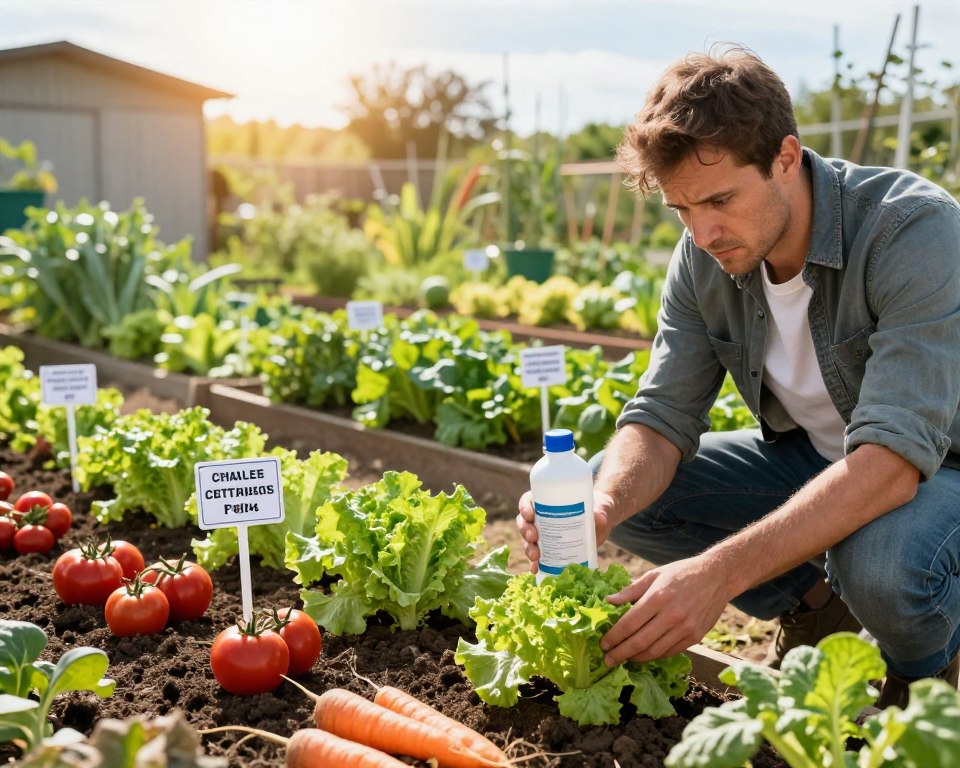
Growing your own food at home is rewarding but raises safety concerns. Many gardeners worry if chemicals used to fight pests can get into their vegetables. As a pharmacist, I focus on the science behind these chemicals to keep your food safe.
Plants can absorb and change chemicals in different ways. Some chemicals stay on the surface, while others get inside the plant. Knowing the safety of each chemical used in your garden is key to safe food.
Just like you check if your grill cleaner spray is safe for food, you should do the same with garden chemicals. Understanding how these chemicals work helps you make better choices for your family’s health. We’ll look at how these chemicals affect the soil and your food.
Key Takeaways
- Systemic absorption depends on the specific chemical structure and plant species.
- Surface residues often persist despite rainfall or manual washing.
- Always review the safety data sheet for every product applied to edible crops.
- Proper application timing significantly reduces the risk of ingestion.
- Prioritize non-toxic alternatives to maintain a healthy ecosystem.
Understanding the Reality of Garden Chemical Contamination
The truth about garden chemical contamination is often not clear. This can cause too much worry or unsafe use. Many gardeners use synthetic products to fight pests and diseases. These products help big farms keep their produce quality high and fresh for longer.
It’s key to know the difference between big farms and home gardens. Big farms follow strict rules and use chemicals carefully. Home gardens, on the other hand, might not have the same level of control. This can lead to unintended environmental exposure if chemicals are used wrong.
Gardeners use these chemicals to grow healthy plants. But, we should think about the risks. It’s important to use these products carefully. Knowing how they work helps gardeners choose the best way to keep their plants and food safe.
Types of Chemicals Commonly Used in Home Gardens
Home gardens use many types of chemicals. These help control pests, weeds, and boost plant growth. Knowing about these chemicals is key to avoiding garden chemical contamination in your food.
Synthetic Pesticides and Their Persistence
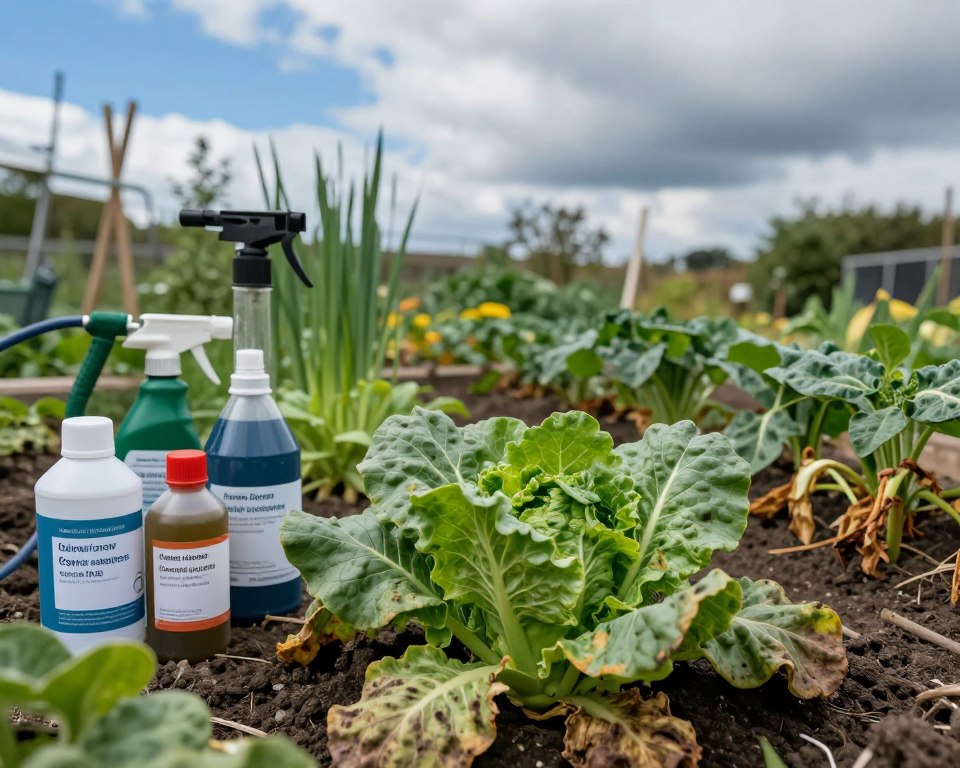
Synthetic pesticides target specific pests or fungi. Their safety depends on how long they stay active. Quick breakdown in soil is safer for future plants.
But, some pesticides last longer. They can stay in soil or on plants for a long time. This raises the risk of garden chemical contamination. Choose products that break down fast to avoid this.
Herbicides and Soil Residuals
Herbicides kill weeds but can harm soil. They leave behind chemicals that can affect future plants. These can stay in soil for months.
How long they last depends on soil, moisture, and microbes. Pick weed control wisely to avoid lasting damage. Don’t overuse to prevent chemical buildup.
Chemical Fertilizers and Nutrient Runoff
Chemical fertilizers give plants the nutrients they need. But, using too much can harm the environment. Excess fertilizer can wash away, polluting soil and water.
This can harm your garden’s health. Use fertilizers carefully to avoid waste. This keeps your soil healthy and your garden safe.
How Chemicals Interact with Vegetable Crops
Understanding how vegetable contamination from garden chemicals works is key. These substances don’t just sit on plants. They can get inside or stick to the surface in certain ways.
Systemic Absorption Through Roots
Systemic pesticides are taken in by a plant’s roots. They then spread through the plant to fight off insects. This can lead to vegetable contamination from garden chemicals if not handled right.
Surface Residue and Foliar Contact
When sprays or dusts land on leaves, stems, or fruit, it’s called surface residue. This is mostly on the outside and depends on when it’s applied. Some residue might wash off, but others stick tight to resist rain and wear.
Translocation Within Plant Tissues
Translocation is when a chemical moves through the plant. Once inside, it can reach the parts we eat, like fruit or roots. Knowing this helps gardeners avoid chemical accumulation in their food.
| Mechanism | Primary Entry Point | Distribution | Risk Level |
|---|---|---|---|
| Systemic Absorption | Root System | Internal Tissues | High |
| Foliar Contact | Leaf/Fruit Surface | External Only | Moderate |
| Translocation | Vascular System | System-wide | High |
Can Garden Chemicals Contaminate Vegetables Through Soil Uptake
When we think about can garden chemicals contaminate vegetables, the soil-to-plant path is key. Some residues break down quickly, but others stay in the soil. This can harm your crops over time. It’s important to learn how to garden safely even with contaminated soil.
Soil Composition and Chemical Binding
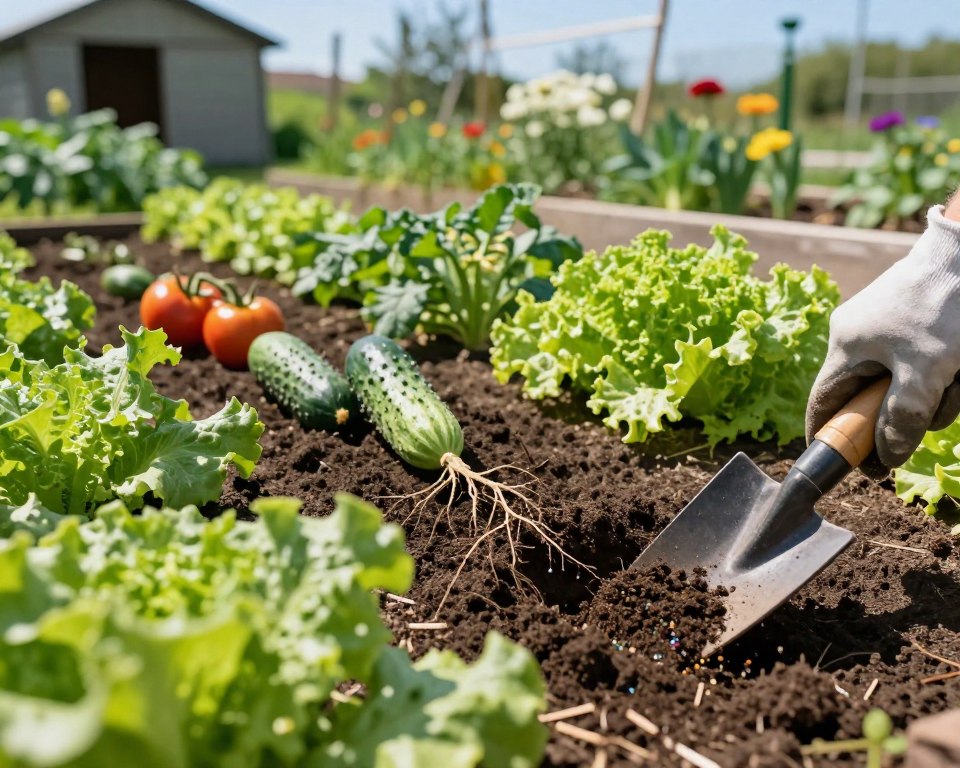
The type of soil in your garden affects how chemicals act. Soils with lots of organic matter or clay can hold onto chemicals. This makes it harder for plants to absorb them.
- Clay particles: They have a lot of surface area for chemicals to stick to.
- Organic matter: It can trap synthetic compounds like a sponge.
- Sandy soils: They let chemicals move faster, which can be good or bad.
The Role of Soil pH in Chemical Mobility
Soil pH is like a chemical switch. It decides if a substance stays in the soil or gets taken up by plants. Most garden chemicals work best at certain pH levels. But, changes in pH can make them more or less soluble.
If the soil’s pH gets too far off, chemicals can dissolve more easily. This makes it easier for plants to absorb them along with water and nutrients.
Bioaccumulation in Root Vegetables
Root and tuber crops are not the best choice for contaminated soil. They grow right in the dirt, making them more likely to absorb chemicals. This is unlike leafy greens or fruit plants.
For crops like carrots, potatoes, and radishes, the answer to can garden chemicals contaminate vegetables is yes. These plants take in soil moisture and minerals, storing chemicals in their edible parts. It’s wise to test your soil before planting these crops to ensure a safe harvest.
Environmental Factors Influencing Contamination Levels
Your garden’s exposure to the elements affects the risk of vegetable contamination from garden chemicals. The natural environment plays a big role in how long these substances stay in your soil or on your crops. Knowing these patterns helps you know when your produce is safe to pick.
Rainfall Patterns and Chemical Leaching
Water is key in moving chemicals in your garden. Heavy rain can push substances deeper into the soil, away from vegetables’ roots. But, it can also move them into groundwater or nearby waterways.
Too much water can break down some chemicals faster. But, it can also make others move more. Keep an eye on the weather, as big rainfalls after applying chemicals can change how much residue stays on plants.
Sunlight Degradation of Pesticide Residues
Sunlight is great at breaking down synthetic pesticides through photolysis. UV rays from the sun change the chemical makeup of residues, making them less harmful over time. Plants in full sun may lose surface chemicals faster than those in the shade.
This natural breakdown depends on the chemical used. Sunlight can reduce surface residues but doesn’t always get rid of chemicals absorbed deep in plants.
Temperature Effects on Chemical Volatility
Temperature changes affect how stable garden chemicals are. Warmer temperatures make volatile compounds evaporate faster from the soil. Turning moist soil on a warm day can help reduce soil residue levels for these chemicals by exposing them to air.
Cooler temperatures, on the other hand, keep residues in the soil longer. By doing soil maintenance when it’s warmer, you can manage vegetable contamination from garden chemicals better in your garden.
Health Implications of Consuming Treated Produce
Looking into the safety of home-grown veggies means understanding how chemicals affect us. Most pesticides don’t build up much in plants, but knowing the effects of garden chemicals on vegetables is key. This knowledge helps you keep your garden safe.
Acute Versus Chronic Exposure Risks
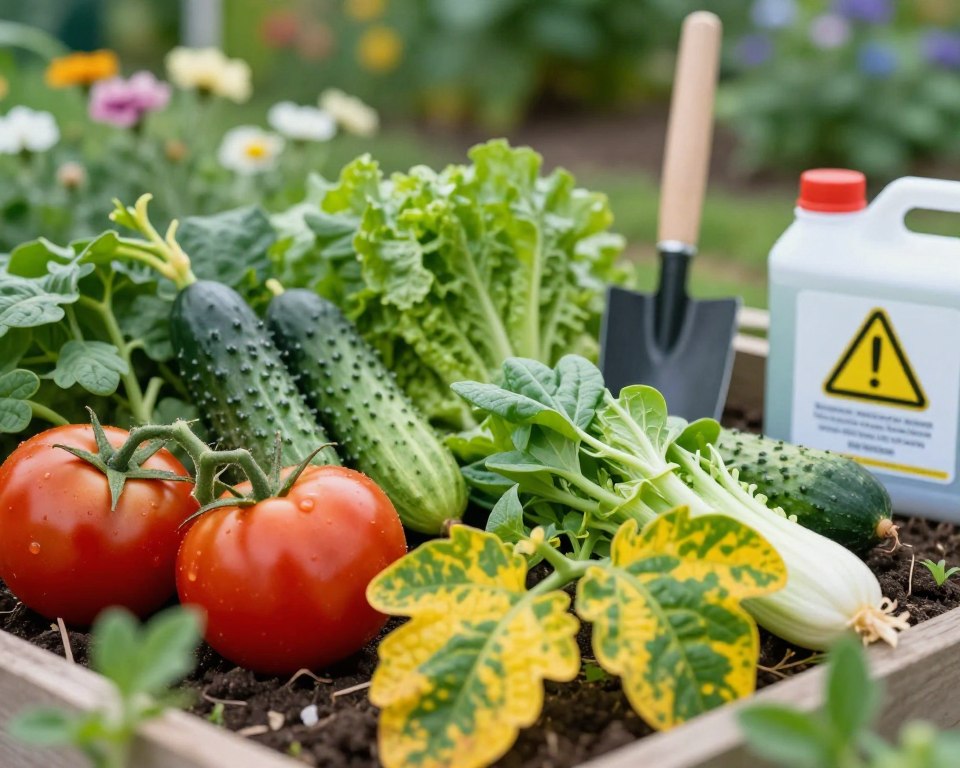
Health risks come in two types: immediate and long-term. Acute exposure happens right away with a big dose, but this is rare in home gardens. It usually happens when you don’t follow the label.
Chronic exposure is about long-term, small amounts of chemicals. Regular checks on how you use chemicals can lower these risks. Here’s what you need to know:
- Acute: Symptoms show up fast, often from mistakes or bad handling.
- Chronic: Health problems can build up over years of small exposures.
Vulnerable Populations and Chemical Sensitivity
Some people are more at risk from chemical residues. Kids, pregnant women, and the elderly are more sensitive. This is because their bodies process chemicals differently.
It’s wise to be extra careful when these groups are around. Use fewer chemicals in areas where kids play or where food is picked for them. This is a good safety move.
Understanding Maximum Residue Limits
Agencies set Maximum Residue Limits (MRLs) for pesticide residues in food. These limits are based on lots of research. They make sure the effects of garden chemicals on vegetables are safe for most people.
MRLs are mainly for big farms, but they’re useful for gardeners too. The best way to stay safe is to wait the time suggested on the label before eating your veggies.
Identifying Signs of Chemical Stress in Vegetables
Watching your crops closely can show you the effects of garden chemicals on vegetables before they harm your harvest. By understanding what your plants tell you visually, you can protect your garden. Catching problems early means you can fix them quickly, keeping your food safe and fresh.
Phytotoxicity Symptoms in Leaves
Phytotoxicity happens when plants react badly to chemicals, showing damage on their leaves. Look for chlorosis, or yellow leaves, and necrotic spots after spraying. Leaves might also curl, twist, or get scorched.
“Plants often communicate their distress through subtle changes in leaf color and texture, serving as a biological early warning system for the gardener.”
Growth Stunting and Developmental Issues
Too much chemical can mess with a plant’s growth. Treated veggies might not grow as big as those without chemicals. Signs of stress include:
- Reduced internode length, making plants look compact or “bunched”.
- Delayed or missing flowers and fruit during the best time.
- Weaker roots that can’t hold the plant up or get nutrients.
Discoloration and Abnormal Fruit Formation
The effects of garden chemicals on vegetables can also show up in the fruit. Look for misshapen veggies, odd skin textures, or early ripening. Some pesticides can even make fruits taste bad, even if they look okay.
If you see these problems, check your recent chemical use. Spotting these issues early helps you change your gardening ways. Keeping your garden free from chemicals is the best way to get the best harvest.
Best Practices for Safe Chemical Application
Using garden chemicals wisely is key to protecting your crops and the environment. Knowing how to prevent vegetable contamination from garden chemicals is essential. By following strict guidelines, you can control pests without harming your produce.
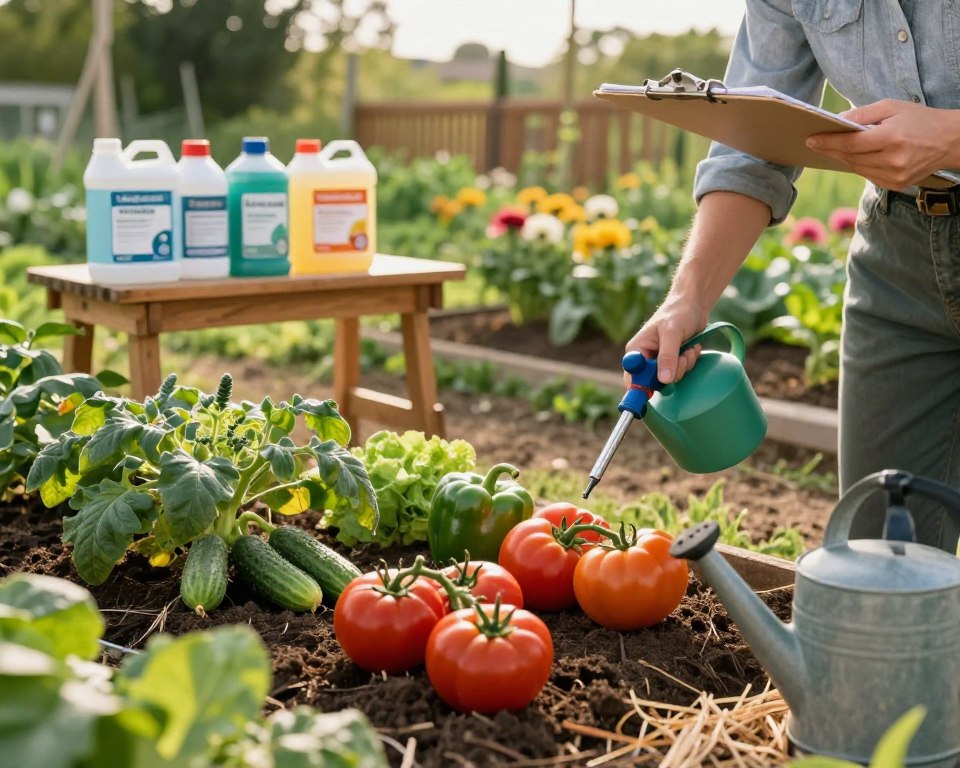
Reading and Interpreting Product Labels
The product label is your main guide for safe use of chemicals in gardening. It tells you how to apply, what gear to wear, and how to protect the environment. Always read the label fully before using the product to know the legal and safety rules.
It’s important to follow the disposal instructions on the label. The best way to get rid of a pesticide is to use it as directed. Never dump extra chemicals down drains or into storm sewers, as it can harm the environment.
Timing Applications to Minimize Exposure
When you apply treatments is just as important as how you do it. Applying during certain growth stages, like avoiding the flowering phase, can reduce chemical uptake. Also, check the weather forecast to avoid spraying on windy days, which can prevent chemicals from drifting to unwanted plants.
Using Targeted Application Methods
Being precise with your application is the best way to limit chemical spread. Instead of spraying everything, use spot treatments to target specific plants or pests. This method reduces the amount of chemicals in your garden.
| Action | Safety Benefit | Implementation |
|---|---|---|
| Label Review | Prevents misuse | Read before every use |
| Spot Treatment | Reduces drift | Use handheld applicators |
| Weather Monitoring | Limits runoff | Avoid windy or rainy days |
| Proper Disposal | Protects water | Follow label instructions |
The Importance of Pre-Harvest Intervals
Following pre-harvest intervals is key to keeping your veggies safe. It’s a main way to prevent vegetable contamination from garden chemicals at home. By waiting, you let nature break down the chemicals before you eat them.
Defining Pre-Harvest Intervals for Home Gardeners
A pre-harvest interval, or PHI, is the time between the last chemical use and harvest. It’s set after lots of testing to ensure safety. Every product label will tell you how long to wait, from hours to weeks.
Why Waiting Periods Protect Consumer Health
Waiting periods let chemicals break down naturally. If you pick too soon, you might eat harmful residues. Following these rules is vital for safe use of chemicals in gardening, keeping you safe from synthetic compounds.
Calculating Safe Harvest Windows
To figure out when to harvest, check the label for the PHI. If it’s seven days, wait a week after application. Use a garden log or calendar to keep track and avoid mistakes.
| Product Type | Typical PHI Range | Primary Degradation Factor |
|---|---|---|
| Horticultural Soaps | 0 to 1 Day | Evaporation and Rinsing |
| Botanical Insecticides | 1 to 3 Days | UV Light Exposure |
| Synthetic Fungicides | 7 to 14 Days | Microbial Soil Breakdown |
| Systemic Herbicides | 21+ Days | Metabolic Plant Processing |
Effective Methods for Cleaning Vegetables After Harvest
To cut down on vegetable contamination from garden chemicals, start with a good clean after picking. Many gardeners focus on safety when using chemicals. But, it’s also key to handle veggies safely after picking. This helps get rid of any dirt or chemicals that might have stuck to them.
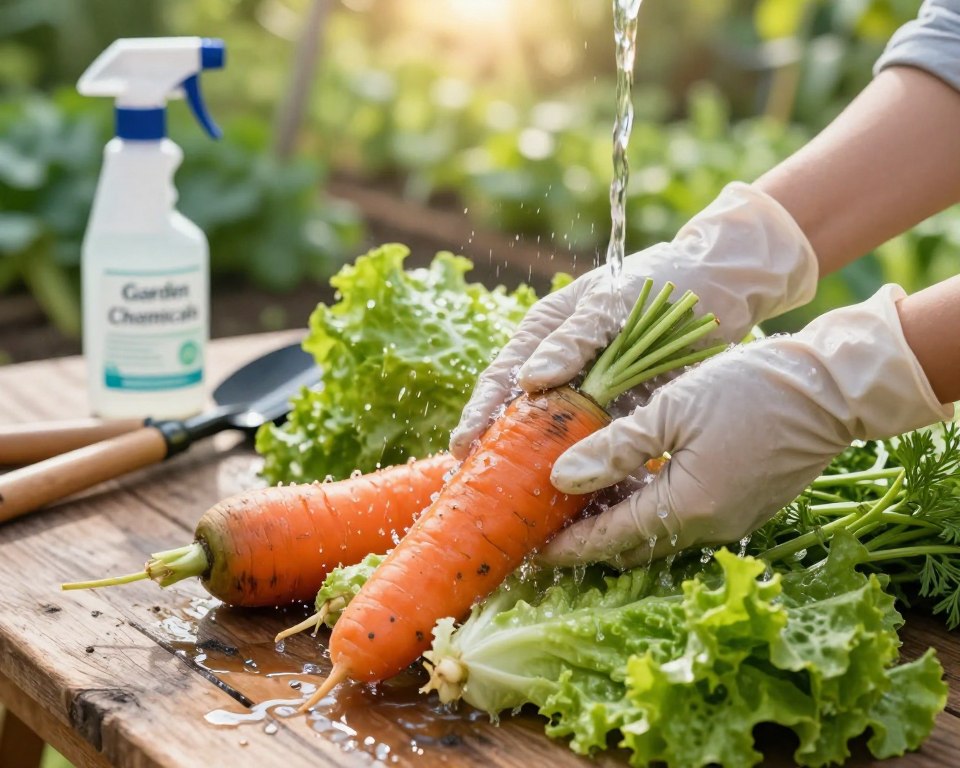
Mechanical Washing Techniques
The best way to clean veggies is with a mix of mechanical action and water. Use a soft brush on hard veggies like carrots or potatoes. This helps get rid of dirt and chemicals hiding in crevices.
Leafy greens need to be soaked in cool water and gently moved around. This makes sure all parts get clean. Pay extra attention to veggies with big leaves. These areas often catch dirt and chemicals.
Always rinse veggies well under running water. This helps get rid of dirt and chemicals instead of spreading them around.
The Efficacy of Peeling and Trimming
Peeling and trimming can really help reduce chemical exposure. Taking off the outer layers of veggies like cucumbers or carrots can cut down on residue. This method is often better than just washing for veggies with thick skins.
Trimming off the outer leaves of lettuce or cabbage helps keep veggies clean. This way, you get rid of the parts most likely to have picked up chemicals. It’s a simple but important step for keeping veggies safe.
Limitations of Home Washing Solutions
Some gardeners think special washes or vinegar can better protect veggies from vegetable contamination from garden chemicals. But, these solutions have their limits. They might clean off surface dirt, but they can’t get rid of chemicals absorbed by the plant.
Chemicals that get into the plant’s system can’t be washed off. No matter how hard you try, you can’t remove them from inside the veggie. So, the best way is to use careful application and mechanical cleaning to keep veggies safe.
Transitioning to Organic Gardening Practices
Switching to organic gardening practices helps reduce chemical use in your garden. It makes your garden safer for your family and the environment. This change takes time, but it greatly improves your soil and crops.
Benefits of Natural Pest Management
Natural pest control is all about prevention, not quick fixes. Instead of using harsh chemicals, you can use sustainable gardening practices to keep pests away. A diverse garden is less likely to attract pests.
- Increased biodiversity helps fight off pests.
- Healthy plants are less appealing to pests.
- Natural methods cut down on toxic chemicals.
Building Soil Health Without Synthetic Inputs
Soil is key to a good garden. Adding compost or leaf mulch helps keep it clean and healthy. This also feeds the soil’s tiny life, helping plants grow strong.
By focusing on soil health, you avoid using harmful fertilizers. Healthy soil acts as a natural filter, giving plants nutrients slowly. This keeps your garden safe and productive for years.
Utilizing Beneficial Insects for Control
Using beneficial insects is a big part of sustainable gardening practices. Ladybugs, lacewings, and wasps help control pests like aphids. By welcoming these insects, you keep your garden balanced.
Planting native flowers and herbs attracts these helpful bugs. This natural method is safe and effective. It lets you enjoy a healthy harvest without worry.
Sustainable Alternatives to Synthetic Chemicals
Learning how to prevent vegetable contamination from garden chemicals starts with safer choices. Natural pest management keeps your garden healthy and your home safe. This is key for those looking to keep their homes safe from chemicals.
Neem Oil and Horticultural Soaps
Neem oil and horticultural soaps are great for fighting pests. They stop insects without leaving harmful residues. Organic gardening practices use these to keep your veggies safe.
Companion Planting for Natural Defense
Companion planting uses plants to keep pests away. Adding herbs like basil or marigolds helps. It’s a key part of sustainable gardening practices.
Physical Barriers and Row Covers
Physical barriers are a top way to protect plants. Row covers and mesh keep pests out. Raised beds and containers also help keep soil clean, ensuring your food is safe.
| Method | Primary Benefit | Ease of Use | Safety Level |
|---|---|---|---|
| Neem Oil | Broad-spectrum control | Moderate | High |
| Companion Planting | Natural deterrence | High | Very High |
| Row Covers | Total exclusion | Moderate | Very High |
| Raised Beds | Soil isolation | Low | Very High |
Testing Your Garden Soil for Chemical Residues
Many gardeners start with land that has an unknown past. Soil analysis is key for safety. If your land was heavily treated with pesticides, testing is a must. It helps you know if your garden is safe for your family and food.
When to Seek Professional Soil Analysis
Get a professional test if your land was used for big farming or industrial activities. Also, test if your plants keep getting sick. For more info, check out pesticide safety guidelines for gardeners.
Interpreting Laboratory Results
When you get your test results, look at the chemicals found and how much. Labs show these in parts per million (ppm). This helps you see if your soil is safe for veggies or needs help.
Remediation Strategies for Contaminated Soil
If your soil has bad stuff, you can fix it. You can replace the top layer with new, clean soil. Or, use special soil helpers to break down the bad stuff.
Raised beds are also a good idea. They let you grow veggies safely while you clean up the soil. Keep checking your soil and use organic stuff to keep it healthy.
Regulatory Standards for Garden Chemicals in the United States
In the United States, the federal government has strict rules for garden chemicals. The Environmental Protection Agency (EPA) makes sure these chemicals are safe for people and the environment. Knowing these rules is key to using garden chemicals safely.
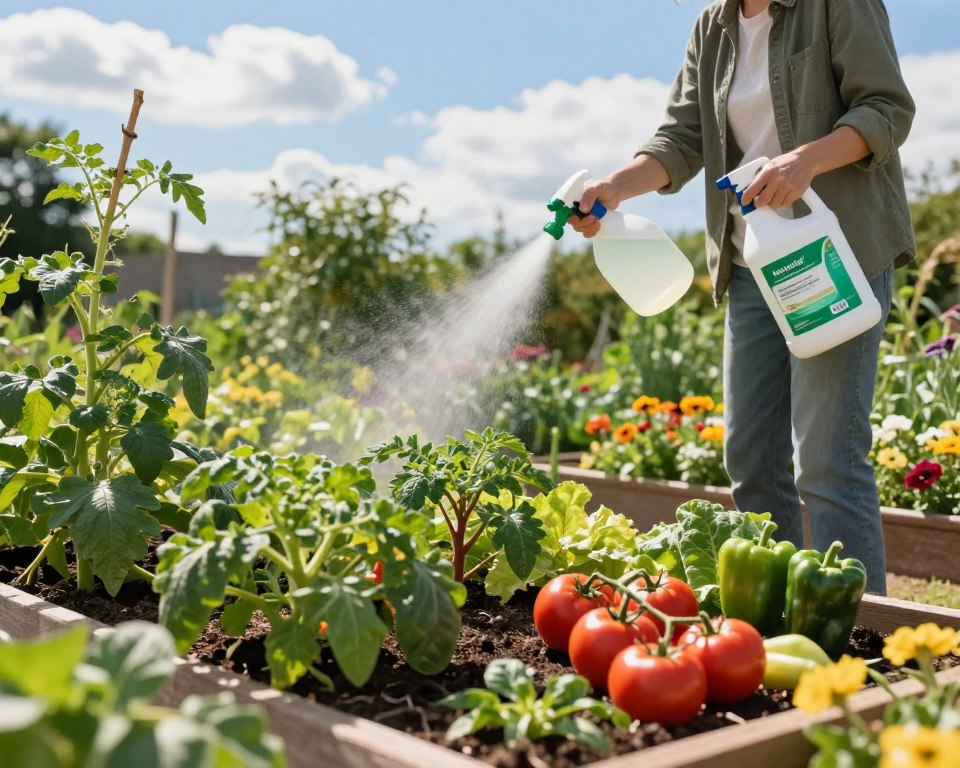
EPA Oversight of Home Garden Products
The EPA checks all pesticide products before they hit the stores. They look at how these chemicals affect vegetables and other plants. Companies must show lots of data on safety and health risks to get approval.
The Difference Between Agricultural and Residential Labels
It’s important to know the difference between farm and home garden products. Farm products have stronger chemicals and need special tools. Home garden products are made for smaller areas and are easier to use.
- Residential labels are safer and easier to use.
- Farm products need special training and equipment.
- Always check the label to make sure it’s safe for vegetables.
Consumer Rights and Product Safety Information
Every buyer has the right to know about product safety. The label on the product tells you how to use it safely. If you need more info, you can ask for a Safety Data Sheet (SDS) from the maker.
These sheets give you all the details on the chemical and how to handle emergencies. By using this info, you can garden safely and protect your food. Being well-informed is the best way to avoid risks in your garden.
Common Myths Regarding Vegetable Safety
It’s important to know the truth about your backyard veggies. Many worry if garden chemicals can contaminate vegetables and harm their health. By looking at science, we can clear up these worries and garden safely.
Debunking Misconceptions About Organic Produce
Some think organic food is always better than regular crops. But, organic gardening practices are more about the environment than nutrition. Plants grow well with or without pesticides, keeping their nutrients the same.
Going organic is a choice that helps the soil and nature. Yet, it’s a myth that organic means no chemicals. Organic farming uses natural substances that need careful use to keep veggies safe.
Clarifying the Risks of Home Versus Commercial Chemicals
Many believe home chemicals are more dangerous than those used by farmers. But, home products are made with less concentration and safety in mind. The real danger is how you use them, not where they come from.
Always follow the product label to stay safe. Farmers follow strict rules, but you can too. By following the label, you ensure your garden is safe and healthy.
The Truth About Washing Away All Residues
Some think a quick rinse can get rid of all chemicals. But, washing is just the start. Some chemicals are inside the plant and can’t be washed off.
Washing helps remove some dirt and chemicals, but it’s not perfect. For some crops, peeling or trimming can be better. Knowing this helps you choose the best way to prepare your food.
| Common Myth | Scientific Reality | Actionable Advice |
|---|---|---|
| Organic food is more nutritious | Nutrient levels are similar | Focus on soil quality |
| Home chemicals are toxic | Labels define safe usage | Always read the label |
| Washing removes all residues | Systemic chemicals remain | Peel or trim when needed |
Conclusion
To keep your garden safe, you need to keep learning and watch closely. Studies on pesticide residue monitoring show most food is safe. But, it’s important to stay alert and know how your crops grow.
Keeping your soil healthy is key to a safe garden. Use organic stuff and natural ways to fight pests. This way, you avoid harmful chemicals and keep your garden safe for your family.
Make smart choices to avoid chemicals. Pick plants that fight pests well and harvest at the right time. Doing this makes your garden a great place for healthy food.
Review your gardening methods and change them if needed. Your hard work keeps you and your family safe. Always look for trusted info to keep your garden safe and growing strong.
FAQ
Can garden chemicals contaminate vegetables through the soil?
Yes. Vegetables can absorb synthetic substances through their roots, leading to contamination. This is common with root vegetables like carrots and potatoes.
Are organic gardening practices completely chemical-free?
Not necessarily. Organic gardening uses natural pesticides and fertilizers. While these are generally safer, they must be used responsibly to ensure vegetable safety.
What is the most effective way to prevent vegetable contamination from garden chemicals?
Prevention and proper technique are key. Focus on building soil health, use physical barriers, and follow Pre-Harvest Intervals and application rates on product labels.
Does washing vegetables remove all chemical residues?
No. Washing and peeling can remove surface residues but not internalized chemicals. This highlights the importance of safe chemical use during growth.
How can I tell if my vegetables are suffering from chemical stress?
Look for signs like yellowing leaves, stunted growth, or “leaf burn.” Distorted or twisted stems and fruit also indicate chemical exposure.
Are home-grown vegetables always safer than those from the grocery store?
Not automatically. Home-grown produce is only as safe as the growing methods. Ignoring label instructions or using improper chemicals can lead to higher residue levels than commercial produce.
What should I do if I suspect my garden soil is contaminated?
Seek professional soil analysis from a reputable lab like Logan Labs or a local university extension. They can test for specific contaminants and guide remediation strategies.