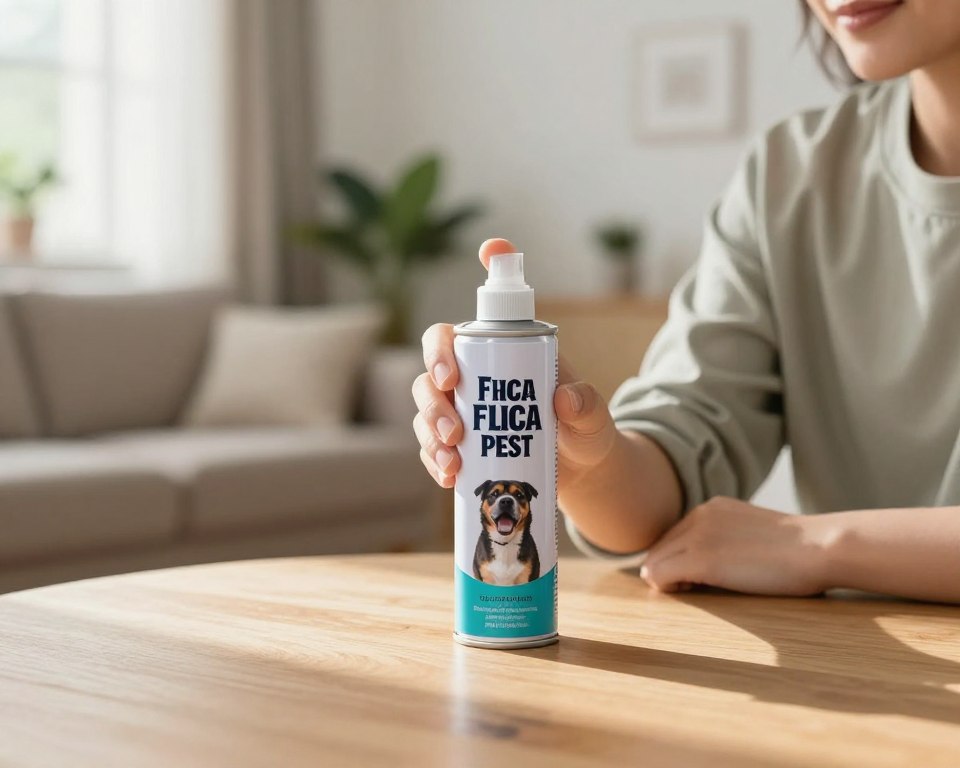
Keeping your home free from pests is important, but it must not harm your family. Flea sprays help prevent diseases like cat scratch fever. But, using them wrong can be very dangerous.
Many people ask, is flea spray toxic? It depends on the chemicals in the spray and how you use it. To keep your home and pets safe, choose treatments wisely.
Studies show that bad reactions often happen when people misuse these products. You can find out more about flea product toxicity in dogs and how to protect your pets. Always get advice from a vet to make sure you’re using the right method safely for everyone.
Key Takeaways
- Proper application is critical to preventing accidental chemical exposure in pets.
- Always verify that a product is specific to your pet’s species.
- Consulting a veterinarian before starting any new treatment plan reduces health risks.
- Store all pest control chemicals in secure locations away from children and animals.
- Monitor pets closely for signs of distress, such as tremors or excessive salivation, after application.
Understanding the Chemical Composition of Flea Sprays
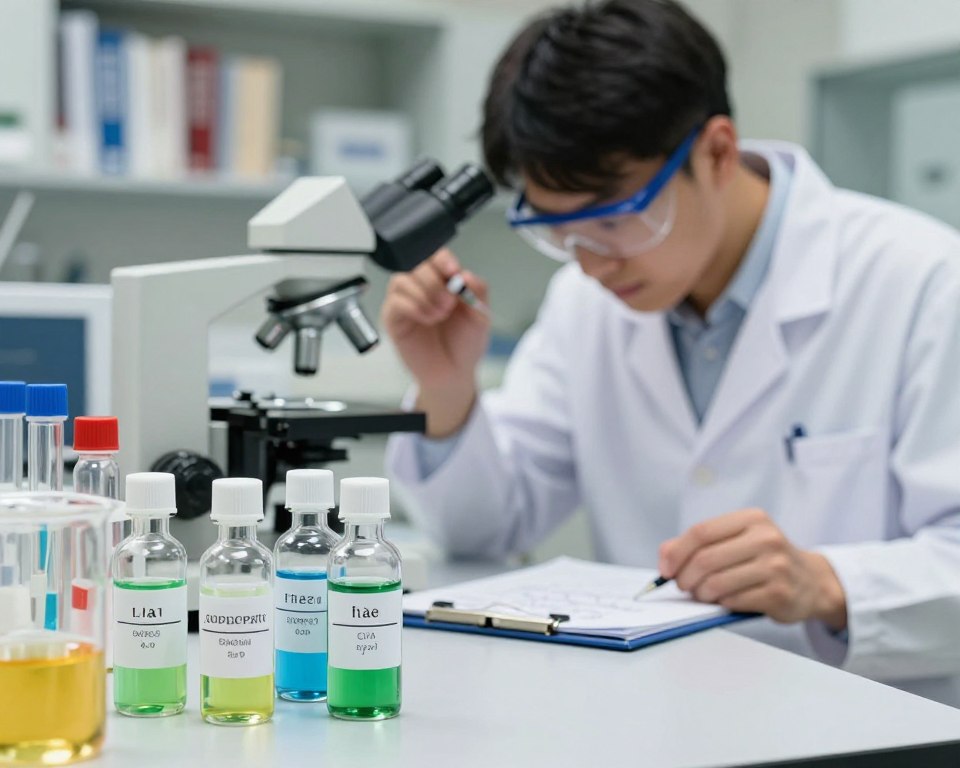
Knowing how flea sprays work is key for pet owners. These sprays use special chemicals to kill pests without harming the environment. By looking at these ingredients, pet owners can make better choices.
Common Synthetic Pesticides in Flea Control
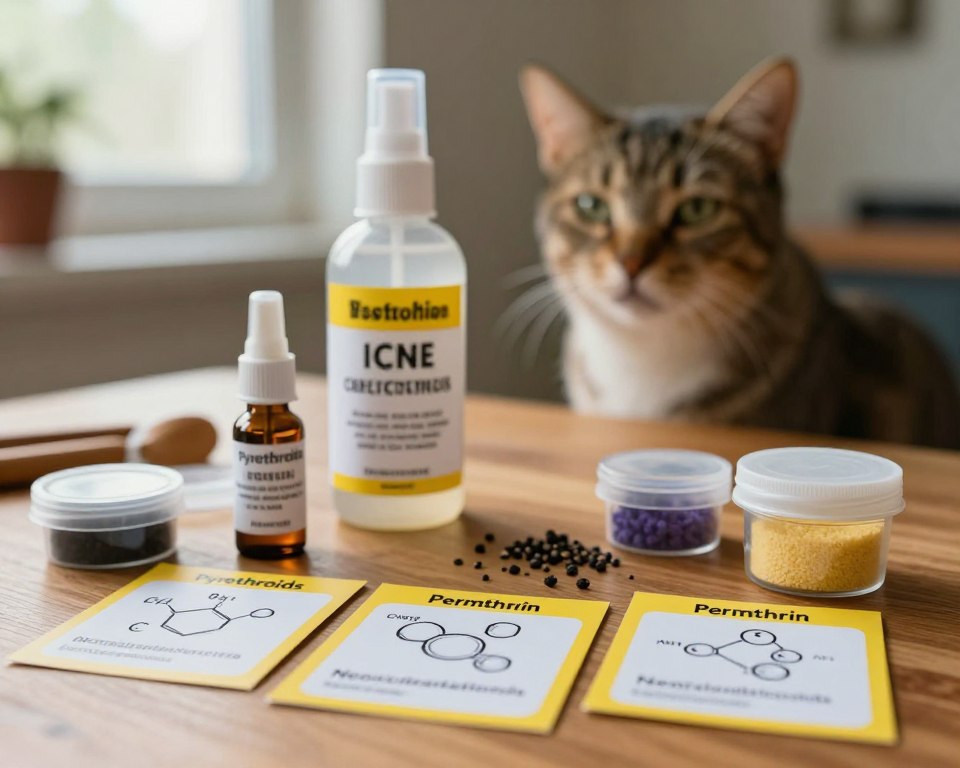
Flea sprays often use pyrethrins or pyrethroids. Pyrethrins come from chrysanthemum flowers, and pyrethroids are synthetic versions. These are powerful neurotoxins that kill fleas quickly.
These pesticides are mixed with additives like piperonyl butoxide. This helps the spray work better by stopping the insect from breaking down the toxin. This mix helps kill even tough flea populations.
How Pyrethrins and Pyrethroids Affect Mammals
These pesticides work by attaching to sodium channels in insect nerves, causing them to die. Humans and animals have similar channels, but our bodies can handle these chemicals better. Dogs usually don’t get sick from them.
But, different species react differently. Cats, for example, can’t break down some pyrethroids as well. This makes them more at risk, even at safe levels for other animals.
The Role of Insect Growth Regulators
Modern flea sprays also use Insect Growth Regulators (IGRs). Methoprene or pyriproxyfen mimic hormones to stop flea eggs and larvae from growing. This breaks the flea life cycle in your home.
IGRs don’t work like adulticides. They create a long-lasting barrier to stop new infestations. Using them with adulticides gives a full plan to fight pests without just using quick-acting sprays.
Is Flea Spray Toxic? Evaluating the Risks to Pets
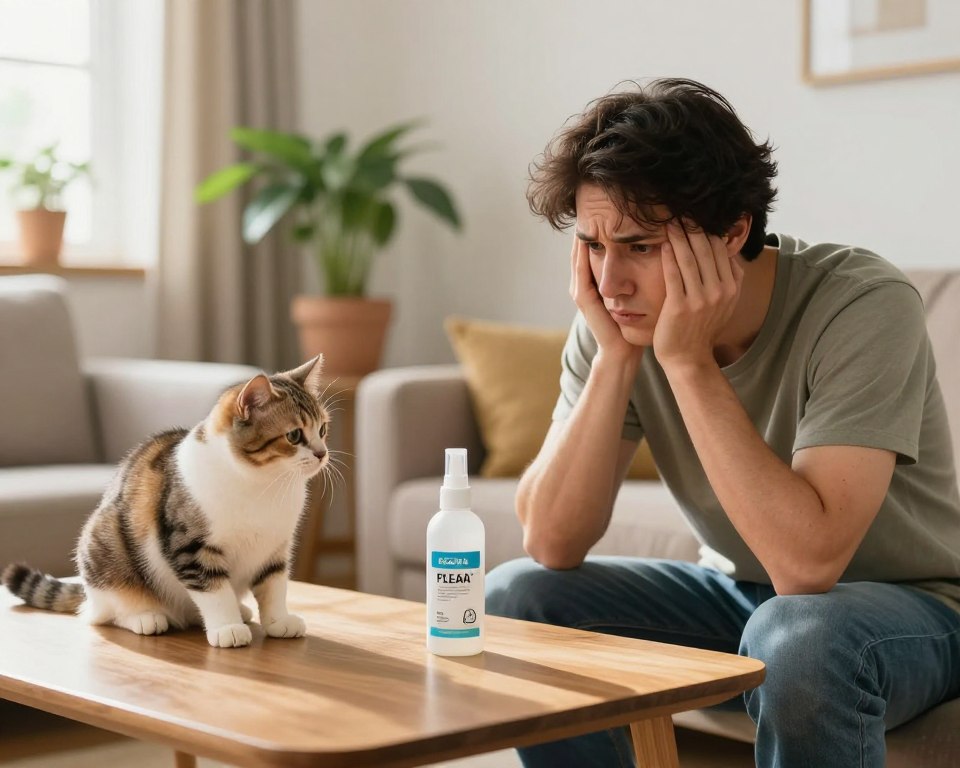
Looking at how pets metabolize chemicals is key to understanding flea spray toxicity. Many products are made for homes, but it’s important to know if they’re safe for pets. The size, species, and health of the animal play a big role. Owners should choose safe flea control for pets to avoid poisoning.
Signs of Toxicity in Dogs and Cats
It’s important for pet owners to know the signs of chemical poisoning. If you think your pet has been exposed, watch for these signs:
- Neurological symptoms: Tremors, twitching, or seizures.
- Behavioral changes: Unusual lethargy, disorientation, or extreme agitation.
- Gastrointestinal distress: Excessive drooling, vomiting, or diarrhea.
- Physical irritation: Redness of the skin, watery eyes, or difficulty breathing.
If you see these signs, get your pet to the vet right away. Quick action can help a lot.
Why Cats Are More Susceptible to Chemical Exposure
Cats are more sensitive to pesticides than dogs because of their unique body chemistry. They lack an enzyme called glucuronidation that helps break down chemicals.
This means cats can’t get rid of toxins as well as dogs. So, even if a product is safe for dogs, it can be highly toxic to cats. Always check that any treatment is safe for cats before using it.
The Impact of Flea Spray on Human Health
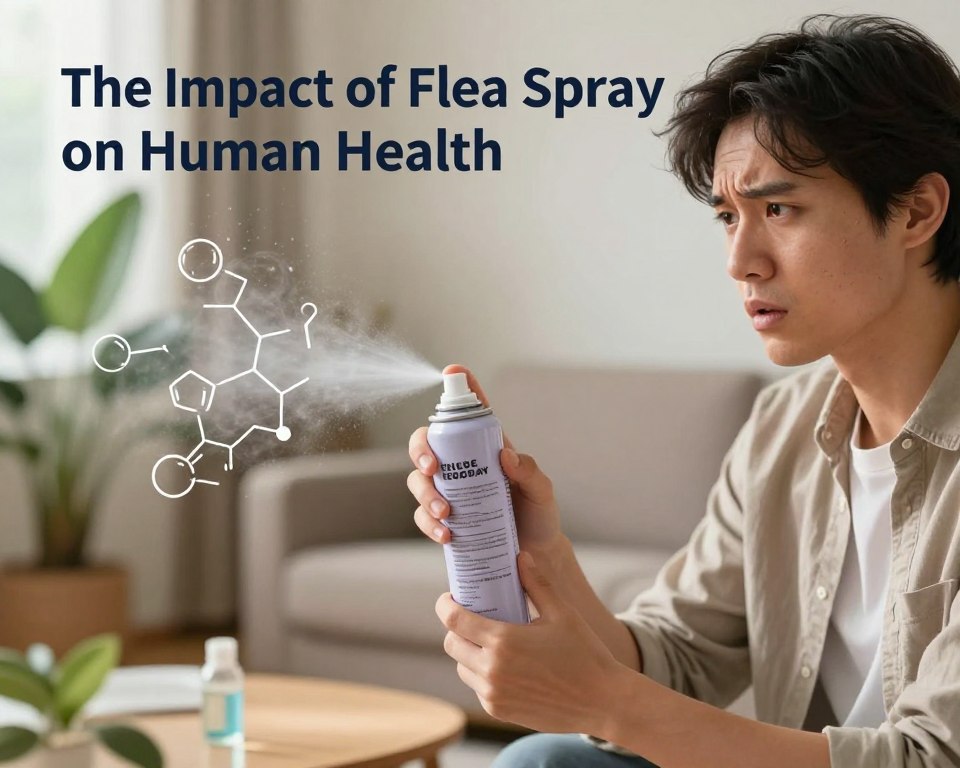
Many indoor pest control products have chemicals that need careful handling to avoid human exposure. These sprays aim to get rid of parasites but can harm people if safety steps are skipped. Understanding the risks is key to keeping a safe home.
Dermal Absorption and Inhalation Risks
Many flea sprays can get into the body through the skin and lungs. Dermal absorption happens when skin touches treated surfaces. This is common in homes where people walk barefoot or sit on treated areas.
Inhalation is another big risk. When sprays are used in closed spaces, tiny droplets or vapors can stay in the air. People might breathe them in, causing irritation or serious health issues.
Protecting Children and Vulnerable Family Members
Children are more likely to get exposed because they play on the floor and put their hands in their mouths. Their bodies are more vulnerable to the harmful effects of pesticides. It’s very important to keep children away from treated areas until it’s safe.
People with breathing problems, like asthma, should be extra careful. They might react more to the chemicals in flea sprays. Keeping the home empty during treatment can help avoid bad reactions.
| Exposure Route | Primary Risk Factor | Prevention Strategy |
|---|---|---|
| Dermal Contact | Residue on surfaces | Wear protective clothing |
| Inhalation | Airborne particles | Ensure proper ventilation |
| Ingestion | Hand-to-mouth contact | Wash hands thoroughly |
| Systemic | Prolonged exposure | Limit application frequency |
Identifying Harmful Ingredients to Avoid
Looking through many pest control products can be tricky. It’s key to check the labels for harmful ingredients in flea spray. This is important for pet owners who care about their family’s health.
Older products often use chemicals that are now questioned by experts. Knowing which chemicals to steer clear of helps keep pets and people safe from harmful chemicals.
Organophosphates and Carbamates
Organophosphates and carbamates work by blocking a key enzyme. They kill insects well but can harm mammals if exposed too much.
Studies show these chemicals can cause shaking, drooling, and breathing problems in animals. Many new products avoid these chemicals for safer options.
“The dose makes the poison; yet, avoiding risky chemicals in household pesticides is best for safety.”
Potential Carcinogens in Household Pest Control
Some older pest control agents might harm health over time. It’s important to watch for harmful ingredients in flea spray that could cause long-term health problems.
The table below lists common chemical worries in old pest control products:
| Chemical Class | Primary Risk | Status |
|---|---|---|
| Organophosphates | Neurotoxicity | Phasing Out |
| Carbamates | Enzyme Inhibition | Restricted |
| Certain Solvents | Carcinogenic | Avoidance Recommended |
Choose products that have been thoroughly tested for safety. If you see unknown ingredients, talk to a vet or pest control expert first. Being careful about harmful ingredients in flea spray makes your home safer for everyone.
Safe Application Practices for Flea Sprays
Using pest control sprays right is as important as what’s in them. To keep everyone safe, follow strict rules. This way, you can fight fleas without harming your family.
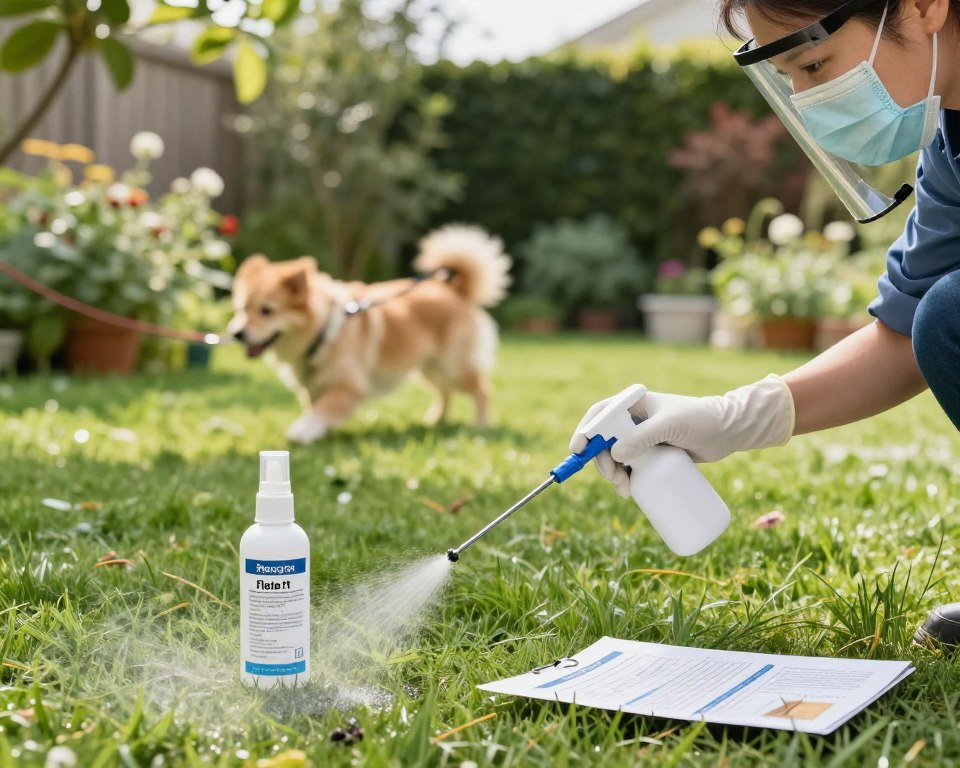
Proper Ventilation During Treatment
Before you start, make sure the area is ready. Open windows and doors for a breeze. This helps get rid of harmful particles fast.
Move pets, kids, and food out of the room before spraying. Stay out for 2 to 4 hours, as the label says. Wait until everything is dry and the air is fresh before going back in.
Dosage Guidelines and Avoiding Over-Application
Some think more product means faster results. But too much can harm pets. Always follow the maker’s instructions for pet-safe pest control.
Target areas where fleas hide, like carpets and pet beds. A light spray is enough. If you’re unsure, learn about flea spray safety to choose wisely.
Being consistent in how you apply is key to pet-safe pest control. Don’t overdo it to keep your air clean and your home safe for everyone.
Natural Flea Spray Alternatives
Looking into non-toxic flea treatment means checking both how well it works and if it’s safe. Many think plant-based products are always safe, but that’s not true. A natural flea spray needs to be tested as carefully as any chemical to keep pets and people safe.
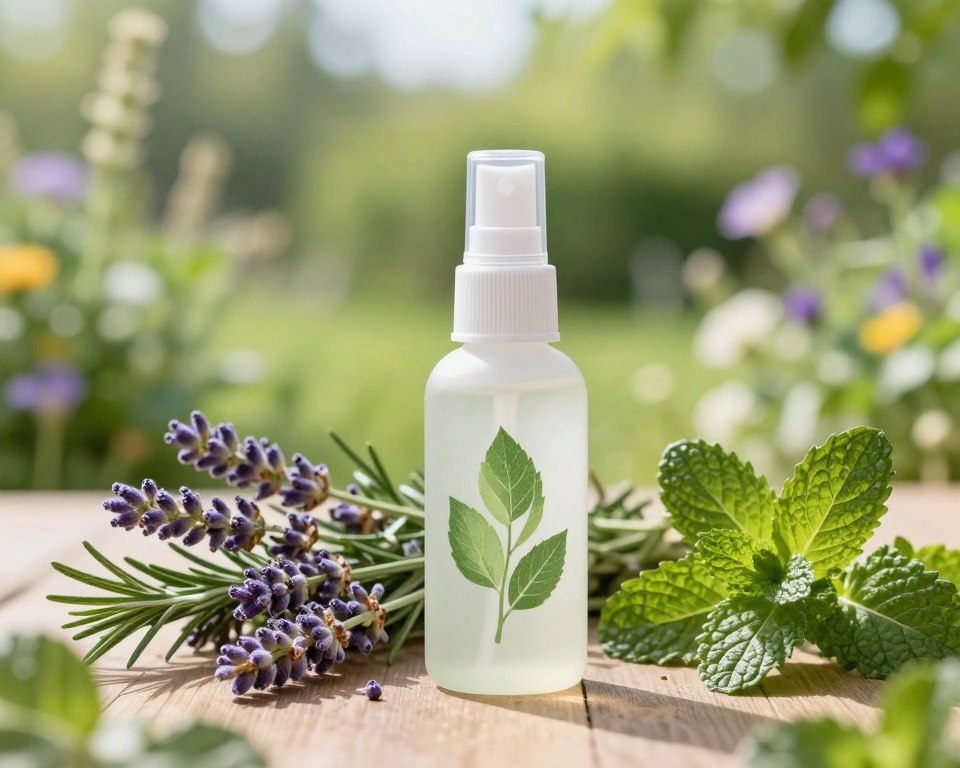
Essential Oils and Their Safety Profiles
Essential oils are found in many eco-friendly flea sprays. Some oils might keep bugs away, but others can be very harmful to pets. For example, tea tree, peppermint, and clove oils can cause serious problems in animals if used wrong.
“The dose makes the poison; even natural substances can cause significant harm if the concentration exceeds the physiological tolerance of the animal.”
Make sure any oil-based product is made for the pet you’re treating. Never put undiluted essential oils on a pet’s skin, as it can cause bad reactions.
Diatomaceous Earth and Mechanical Control
Diatomaceous earth (DE) is a popular choice for controlling pests. It dries out fleas instead of poisoning them. It’s important to use only food-grade DE, as other types have harmful stuff in them.
When using this powder, avoid making dust that pets or people can breathe. A light dusting in carpets or pet beds is the best way to use it without harming air quality.
Vinegar and Citrus-Based Solutions
Vinegar and citrus sprays are seen as easy, eco-friendly flea spray options. Vinegar’s acidity makes it hard for fleas to live, but it doesn’t always get rid of them. Citrus extracts, like d-limonene, also kill bugs.
But these solutions don’t last long and need to be used often. They can also be too strong for pets’ noses. Watch your pet for signs of trouble when you use any new natural flea spray at home.
Evaluating Pet-Friendly Flea Spray Options
Finding a pet-friendly flea spray is more than just looking at the label. You need to dig deeper to understand what’s in the product. This way, you can make sure your pets stay safe.
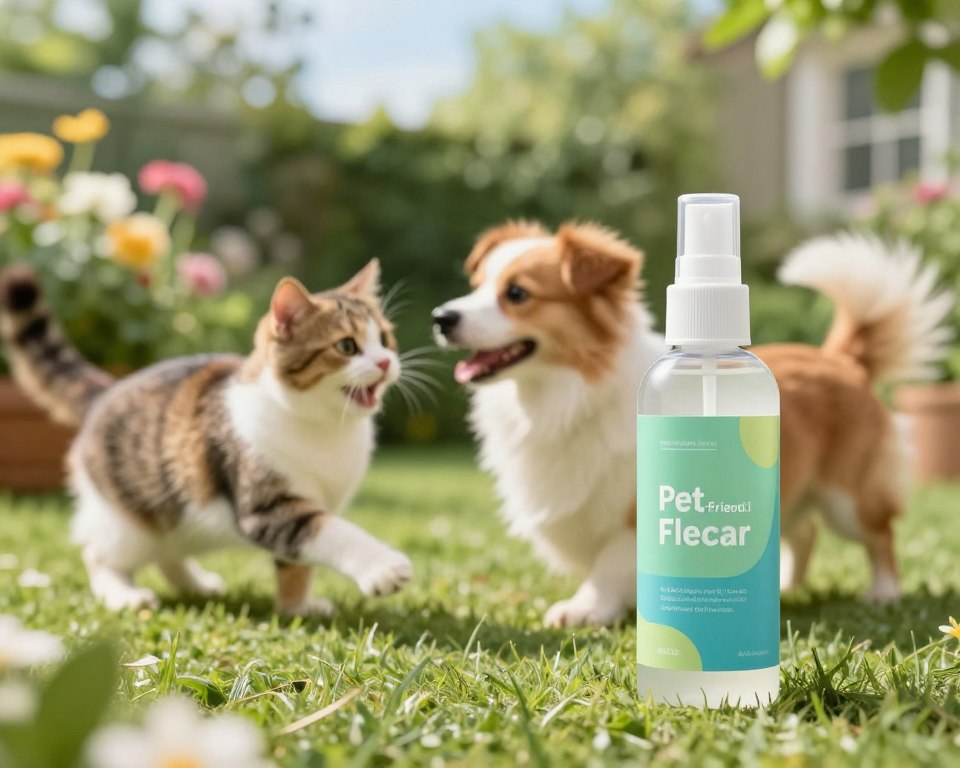
What Makes a Product Truly Pet-Safe
For a product to be safe, it must be made for the right species. Products for dogs can be very bad for cats. Never use dog products on cats because they can’t handle the chemicals.
It’s also important to know how the product works and what’s in it. Even if a spray seems gentle, it can be dangerous in small spaces or for pets with health issues. Always choose products that have been tested for your pet’s species.
Reading Labels for EPA Registration
When looking for safe flea control for pets, check for an EPA registration number. This number shows the product has been checked for safety. Products without this number might not be safe or effective.
Also, look at the ingredients. Some things, like rug deodorizer powder, can react badly with flea treatments. Make sure the product is safe for where your pet lives.
Follow the instructions on how to use the product. Using too much can be harmful, even if it’s labeled as pet-friendly flea spray. Always use it as directed to keep your home pest-free and safe for your pets.
The Importance of Veterinary Consultation
Getting safe flea control for pets often needs a vet’s help. Many over-the-counter products are out there. But a vet can make sure these treatments are safe for your pet.
Every pet is different, with their own health history. This includes allergies or conditions that might not react well to certain chemicals. A vet can figure out the right ingredients for your pet.
When to Seek Professional Advice
If your pet has skin issues, neurological problems, or is pregnant or nursing, see a vet. These situations change the risks of common sprays.
“The most effective parasite prevention programs are those tailored to the individual patient’s lifestyle and physiological needs, not a one-size-fits-all approach.”
Also, if your pet keeps scratching even with treatment, get expert advice. A vet can tell if it’s a treatment failure, infection, or a bad reaction to the product.
Integrating Sprays with Oral and Topical Medications
Many people use more than one product at a time. This can lead to too much of a chemical in your pet. Mixing sprays with other meds needs careful planning to avoid harm.
Vets know how to mix different treatments safely. They make sure safe flea control for pets and that the treatments work well together. Always check that your spray won’t harm any meds your pet is taking.
Environmental Considerations of Flea Control
Dealing with fleas is more than just treating your pet. It’s about the environmental impact of the products you use. Many people focus on quick fixes, but the long-term effects of chemicals in your home are key. Choosing an eco-friendly flea spray helps avoid harsh chemicals in your living space.
Impact on Indoor Air Quality
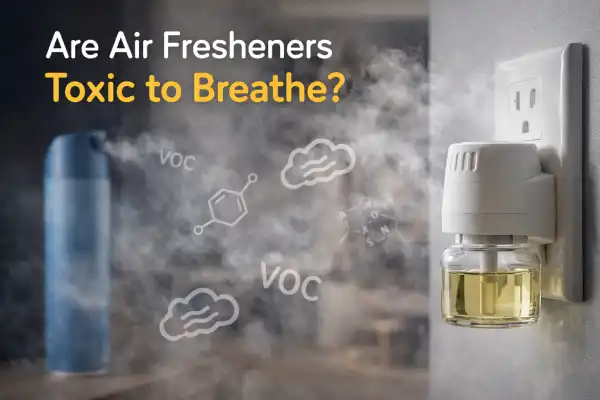
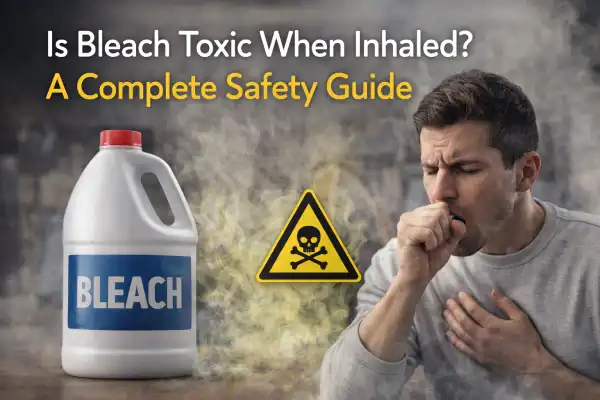
Chemical sprays can release harmful VOCs that affect the air you breathe. Just like knowing the dangers of is bleach toxic when inhaled, it’s important to understand that pesticides can stay in the air. Proper ventilation is key to getting rid of these particles fast.
To keep the air in your home healthy, always open windows and use fans. This helps move fresh air around the treated area. If you’re worried about air quality, pick an eco-friendly flea spray made from plants. These are less likely to pollute your home’s air.
Safe Disposal of Pesticide Containers
Being a pet owner doesn’t stop when the fleas are gone. Throwing away pesticide containers the wrong way can harm the environment. Always check the label for how to dispose of it properly.
Don’t pour leftover chemicals down the drain or throw them away unless the label says it’s okay. Instead, take empty containers to a hazardous waste collection site. This way, you keep your local environment safe and make a smart choice with an eco-friendly flea spray.
Managing Flea Infestations Without Toxic Sprays
Dealing with fleas doesn’t mean you need harsh chemicals. Focus on removing fleas physically and keeping your environment clean. This non-toxic flea treatment stops fleas from coming back by breaking their life cycle.
The Role of Regular Grooming and Vacuuming
Removing fleas mechanically is key to pet-safe pest control. Use a flea comb to get rid of adult fleas from your pet’s fur. This helps you see how bad the problem is.
Vacuuming is your best defense against flea eggs, larvae, and pupae. These stages hide in carpets and furniture. Here’s how to vacuum effectively:
- Vacuum all high-traffic areas, including under furniture and along baseboards.
- Empty the vacuum canister or dispose of the bag immediately in an outdoor bin.
- Use a vacuum with a HEPA filter to ensure that eggs and debris remain trapped.
Treating the Environment Instead of the Pet
It’s more effective to treat your home than your pet. Fleas live mostly in carpets, bedding, and floor cracks, not on pets. Changing these areas makes your home less welcoming to fleas.
Washing your pet’s bedding in hot water weekly kills flea eggs. Also, less clutter means fewer places for fleas to hide. This pet-safe pest control method keeps your home safe and healthy for everyone.
Keeping your environment clean takes time, but it’s a better choice than using chemicals. By cleaning well and using non-toxic flea treatment, you can control fleas without harming your family.
Regulatory Standards for Flea Control Products in the United States
In the United States, the safety of flea control products is not left to chance. It is governed by strict federal oversight. Manufacturers must follow specific legal requirements before their products can be sold to the public. This ensures that consumers have access to products that have been checked for risks to pets, humans, and the environment.
The Role of the EPA in Pesticide Approval
The Environmental Protection Agency (EPA) is the main authority for regulating pesticides. This includes most topical and spray-based flea treatments. Before any product hits the market, the EPA does a thorough risk assessment. They check if the active ingredients pose risks to health or the environment.
After approval, a product gets an EPA registration number. This number is shown on the label. It means the product has passed the necessary tests. Pet owners should check out resources like the safe use of flea and tick products for pets to use them safely.
Understanding Safety Data Sheets
Consumers and professionals can find a Safety Data Sheet (SDS) for more detailed information. An SDS is a document that gives detailed data on a substance’s chemical properties and hazards. It’s key for knowing how to handle, store, and dispose of flea control products right.
SDSs include important information like:
- Hazard Identification: Clear descriptions of health risks, such as skin irritation or respiratory sensitivity.
- First Aid Measures: Specific instructions for what to do in case of accidental ingestion or eye contact.
- Fire-Fighting and Accidental Release: Steps to take for spills or exposure to high heat.
- Handling and Storage: Guidelines to prevent product degradation and accidental exposure.
By looking at these documents, users can go beyond marketing claims. They can make choices based on evidence-based safety standards. Using these official resources helps keep a safer home for pets and family members.
Best Flea Spray for Sensitive Pets
Choosing the right flea treatment is key when your pet has skin sensitivities. Pets with allergies or weak immune systems often react badly to common pesticides. It’s important to find a pet-friendly flea spray that is safe and effective.
Criteria for Selecting Products for Allergic Animals
When picking a product for an allergic pet, aim to reduce chemical exposure. Look for sprays without synthetic fragrances, dyes, and harsh chemicals. Many pet owners prefer sprays with plant-based ingredients that are safe and effective.
Make sure the product is made for your pet’s type. Some ingredients safe for dogs can harm cats. Always check the label for clear information on ingredients to avoid allergens.
Testing for Sensitivity Before Full Application
Even hypoallergenic products can cause different reactions in pets. A crucial safety step is to do a patch test. Apply a small amount to a test area and watch for 24 hours.
If you see redness or discomfort, clean the area with mild soap. If there’s no reaction, you can use it lightly. Watch your pet closely after treatment to make sure they’re okay.
| Ingredient Category | Risk Level | Recommendation |
|---|---|---|
| Synthetic Pyrethroids | High | Avoid for sensitive pets |
| Essential Oils (Undiluted) | Moderate | Use with extreme caution |
| Plant-Based Extracts | Low | Preferred for allergies |
| Fragrance/Dyes | High | Avoid completely |
Common Myths About Flea Spray Safety
Flea control can be tricky, with many myths out there. People often think a product is safe just because it’s on store shelves. But, true flea spray safety means looking beyond the label and understanding the chemicals involved.
Debunking Natural Does Not Mean Non-Toxic
Many believe natural flea spray is safer than synthetic ones. But, natural doesn’t always mean safe. Plant extracts in these sprays can be very strong and harmful to pets and humans.
“The dose makes the poison; even substances found in nature can cause significant harm if used improperly or in high concentrations.”
It’s important to be careful with natural sprays just like synthetic ones. Some essential oils can be very toxic to cats, causing breathing problems or brain issues. Always check the ingredients list, not just the word “natural.”
Addressing Misconceptions About Over-the-Counter Efficacy
Some think over-the-counter (OTC) flea treatments are weaker than professional ones. They believe these products are less risky because they’re “watered down.” But, many OTC sprays have strong ingredients that can be harmful.
When looking at household cleaners or pesticides, think about their toxicity. Just like asking is mold remover spray toxic, be careful with flea treatments. Always follow these tips for safe use:
- Read the entire label, including the fine print regarding application frequency.
- Ventilate the area thoroughly after applying any spray to reduce inhalation risks.
- Monitor your pets closely for any signs of lethargy, drooling, or skin irritation after treatment.
By clearing up these myths, you can better protect your home. Trusting science over stories is the best way to fight infestations and keep your family safe.
Emergency Response to Accidental Exposure
If you think your pet has been exposed to a toxic substance, act fast. Quick action is key to reduce risks from accidental chemical exposure. Stay calm to assess the situation and provide care before help arrives.
Immediate Steps to Take After Exposure
First, remove the source of contamination. If the product is on your pet’s skin or fur, gently wash the area with mild, fragrance-free dish soap and lukewarm water. This helps neutralize harmful ingredients in flea spray that may be absorbed through the skin.
After washing, move your pet to a well-ventilated area to avoid inhaling more fumes. Watch for signs of distress like excessive drooling, tremors, or lethargy. Keep the product packaging handy, as it’s important for the vet to know what to do.
When to Contact Poison Control
If your pet shows persistent symptoms or you’re unsure about the product’s safety, seek professional help. Even with the best flea spray for sensitive pets, accidents can happen. Calling a poison control center or your emergency vet gives you access to expert advice.
Be ready to give details like the product name, when you applied it, and how much. Don’t wait for symptoms to get worse before getting help. Early advice from experts can greatly improve your pet’s chances of recovery.
Conclusion
Managing fleas well means taking care of your pets and keeping your home safe. Using methods backed by science helps avoid risks. This way, you can keep your space free from pests.
Always talk to your vet before trying new treatments. They know what’s best for your pet based on their health and how they react to things. Following the instructions on the label is key to avoid using too much and to keep your family safe.
Using both vacuuming and special treatments is a strong way to fight fleas. It’s important to know if the products you use are safe. For example, learning about lufenuron in flea medication helps you choose the right one for your pets. This stuff works on fleas but is safe for cats and dogs.
Keeping an eye on things is the best way to keep your home flea-free for good. By working with your vet and choosing products wisely, you can keep your home healthy for everyone. Always read labels carefully and take good care of your pets.
FAQ
Is Flea Spray Toxic to humans and pets?
It depends on the ingredients and how much is used. Many sprays are safe, but some chemicals can be harmful. Always follow the instructions to stay safe.
How can I ensure I am using a pet-friendly flea spray?
Look for EPA-approved products with IGRs. Make sure the label says it’s safe for your pet’s species. Dog sprays can be dangerous for cats.
What are the most common harmful ingredients in flea spray?
Be careful of Tetrachlorvinphos, Propoxur, and high levels of Permethrin. These can be toxic. Many newer products are safer.
Is a natural flea spray safer than a synthetic one?
Not always. Natural sprays might use essential oils that can harm pets. Always choose pet-safe products.
What is the best flea spray for sensitive pets with allergies?
Look for fragrance-free, gentle sprays. Do a patch test and talk to your vet before using it on your pet.
Can I use an eco-friendly flea spray effectively indoors?
Yes, eco-friendly sprays can work. But, they might need more use and should be used with other methods for best results.
What should I do if my pet shows signs of flea spray safety issues, like tremors?
This is an emergency. Wash your pet with mild soap and lukewarm water. Then, call a vet or Pet Poison Helpline.
Are there non-toxic flea treatment options that actually work?
Yes, non-toxic methods like vacuuming and washing bedding in hot water can be very effective. They don’t use harmful chemicals.
Why is flea spray safety more complex for cat owners?
Cats can’t break down some chemicals well. This makes them very sensitive to certain sprays. Dog sprays can be deadly to cats.