
Keeping yourself safe from Lyme disease and other illnesses is key. Many ask, is tick spray safe for everyday use? As a pharmacist, I see people worried about the risks of bug-borne diseases versus the side effects of chemical sprays.
Fortunately, EPA-registered products are tested thoroughly. They are safe and work well when used right. But, it’s important to choose wisely what you put on your skin. Check out our medical disclaimer to learn how we check these products. Finding the right balance is all about clinical precision to keep you safe without harm.
Key Takeaways
- EPA-registered repellents are scientifically vetted for human safety.
- Tick-borne diseases pose a greater immediate health risk than approved chemicals.
- Always follow label instructions to minimize absorption and irritation.
- Distinguish between regulated products and unverified natural alternatives.
- Consult a healthcare professional if you have specific skin sensitivities.
Understanding the Chemistry of Tick Repellents
To understand tick repellent safety, we need to look at their chemistry. These products work by blocking ticks’ sense of smell. This makes it hard for them to find and bite humans.

Common Active Ingredients in Commercial Sprays
The market offers many tick spray ingredients. These range from man-made chemicals to oils from plants. EPA-registered products are tested to ensure they work well and are safe for people.
On the other hand, some products are labeled as 25(b) exempt. These are seen as natural options. But, they don’t have to pass the same tests as EPA-registered ones. This means their effectiveness in stopping tick-borne diseases is not proven. Always think about the risks when using bug spray indoors or around pets, as some can harm animals.
How Repellents Interact with Human Skin
The safety of a repellent depends on how it interacts with skin. When applied, some chemicals can get into the bloodstream. This happens based on the chemical’s properties, like its size and how it dissolves.
How a repellent is made is key in controlling this process. Companies add special ingredients to keep the repellent on the skin’s surface. Knowing how these chemicals work helps us choose the safest and most effective repellents for our needs.
Is Tick Spray Safe for Daily Use
Many people in tick-prone areas use tick repellents every day. But, it’s key to think about how these products affect our bodies. To know if tick spray is safe for you, weigh the risks of tick-borne diseases against the chance of chemical exposure. Most repellents are made to be safe when used as directed.
Evaluating Long-Term Exposure Risks
Using tick sprays daily over time can add up. For those in high-risk areas, the need for protection might be more important than the risk of skin irritation. But, it’s vital to only use what’s necessary.
If you’re not in a tick hotspot, you might not need to use it every day. It’s wise to check your area’s tick risk. This helps decide if daily use is right for you and cuts down on chemical use.
Dermal Absorption Rates and Systemic Toxicity
The skin is a barrier, but it can let some chemicals through. How much gets in depends on the product, your skin, and more. When you apply repellent, a bit of it might get into your blood.
Most adults are not at risk of harm from these products when used right. Our bodies usually break down and get rid of these chemicals. Using repellents correctly, like on unbroken skin, helps avoid too much absorption. Choose products that have been thoroughly tested for safety.
Analyzing DEET and Its Safety Profile
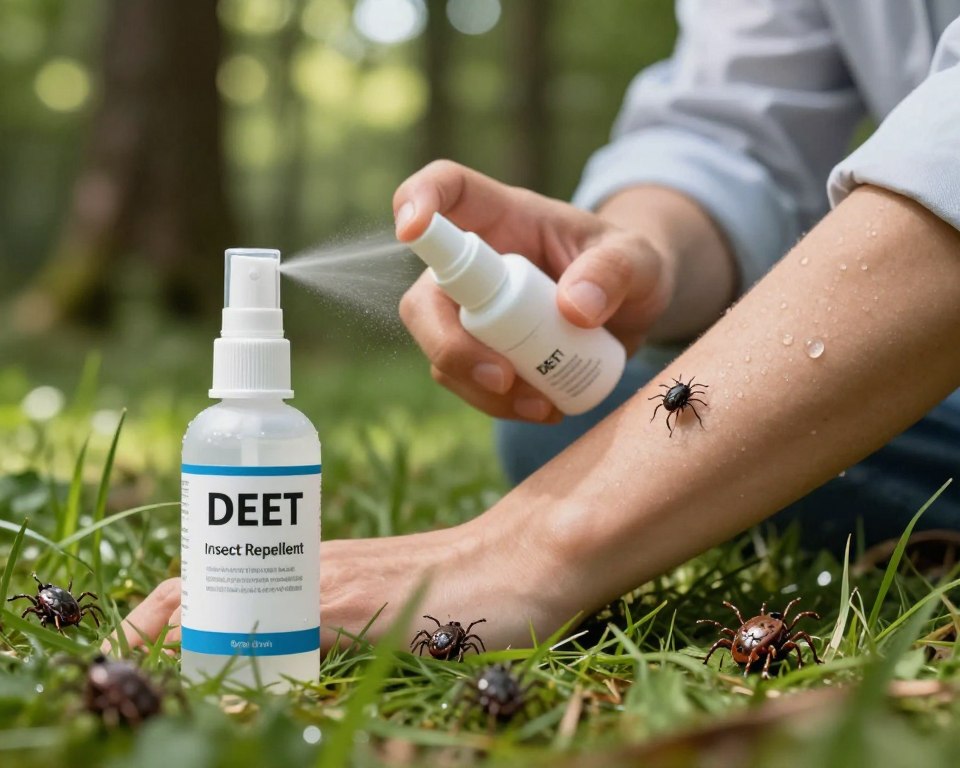
For decades, DEET has been the top choice for fighting tick bites. Many worry about chemical exposure. But knowing the balance between insect repellent effectiveness and safety is key.
The Efficacy and Safety Balance of DEET
Clinical trials show DEET-based products offer top-notch protection. They often show ≥ 97% repellency in tough tests. This makes them a top safe tick repellent when used right.
“The primary goal of any repellent is to create a barrier that prevents the tick from identifying a host, and DEET achieves this through its unique vapor-phase action.”
Some worry about breathing in DEET. But using these products in open areas is common. Just like with ant spray, avoid breathing it in and apply it carefully.
Recommended Concentrations for Different Age Groups
The protection time from DEET depends on its concentration. Higher percentages don’t always mean better protection. They just last longer before you need to apply again.
- 10% to 30% DEET: Usually good for most adults and kids over two months for outdoor fun.
- Below 10%: Good for short times outside, but you’ll need to apply more often.
- Above 30%: Best for places where tick-borne illnesses are a big risk.
Always talk to a pediatrician before using any chemical repellent on babies. Choose the lowest effective concentration for your activity. This keeps insect repellent effectiveness high while reducing chemical exposure.
Picaridin as a Modern Alternative
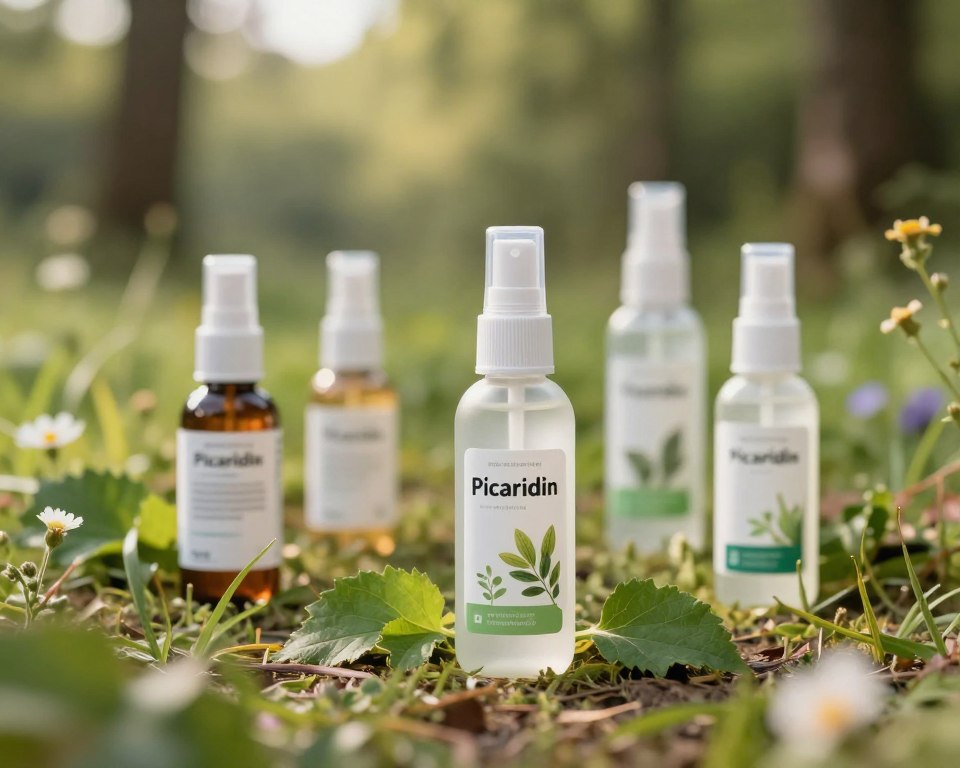
Picaridin is a top choice for outdoor lovers, backed by the CDC. It’s a synthetic made from piperine, the spicy part of black pepper. This makes it a better choice than old repellents, without the bad smells or sticky feel.
Why Picaridin is Gaining Popularity
People like picaridin because it doesn’t smell and isn’t oily. It won’t damage plastics or fabrics, which is great for those who carry expensive gear. It’s also easy to apply, which means people use it right.
This repellent keeps insects, including ticks, away for a long time. It stays on the skin well, making it a safe choice for outdoor activities. Its mix of effectiveness and ease of use makes it a favorite among health experts.
Comparing Picaridin Safety to Traditional Options
Picaridin is known for being gentle on the skin. It doesn’t sting or cause rashes like some other repellents do. It’s designed to stay on the skin’s surface, not get absorbed into the body.
Studies show picaridin is safe to use every day. It keeps ticks away and reduces the risk of chemical harm. For those looking for a safe and effective repellent, picaridin is a good choice.
Natural Tick Deterrent Options and Their Limitations
Many people look for a natural tick deterrent to avoid synthetic chemicals outdoors. These products smell nice and use plants, but we need to check if they really work. It’s important to know the difference between what they say and what science shows.

Essential Oils and Plant-Based Repellents
Ingredients like oil of lemon eucalyptus, cedarwood, peppermint, and citronella are common. In lab tests, they show some repellent power. But, they don’t last long, usually less than 120 minutes.
This short time makes it hard for people who spend a lot of time outside. Unlike synthetic repellents, these oils evaporate fast. So, using a natural tick deterrent without reapplying often can leave you exposed.
The Reality of Effectiveness in High-Risk Areas
In places with lots of ticks, you can’t afford to make mistakes. These areas have ticks that can give you Lyme disease. The choice of protection is very important for your health.
If you pick a natural tick deterrent, know it might not be as reliable as EPA-registered ones. Consistency is key, but even with perfect use, they might not keep ticks away as well. For high-risk areas, it’s best to use both physical barriers and proven repellents.
Permethrin and Clothing Treatment Safety
It’s important to know the difference between skin repellents and clothing treatments. Permethrin is a strong insecticide for fabrics, not for skin. It creates a barrier against ticks on treated clothes.
Why Permethrin Should Never Be Applied to Skin
Permethrin is only for clothes, shoes, and outdoor gear. On skin, it breaks down fast and doesn’t last long. This means it won’t protect you for as long as you’d hope.
Also, putting it on your skin can cause irritation. It’s not safe for skin because it’s an insecticide, not a repellent. Always keep permethrin products away from your skin to follow safety rules.
Best Practices for Treating Gear and Apparel
To keep ticks away, treat your clothes right. Start by applying the treatment outside in a well-ventilated area. Make sure to cover all items like pants, shirts, socks, and boots well, but don’t soak them.
The key is to let treated items dry completely before wearing. This usually takes at least two hours, sometimes longer. Once dry, the permethrin sticks to the fabric, protecting you through many washes. Never treat clothes while wearing them to avoid skin contact and breathing in the spray.
Tick Spray Safety for Infants and Children
Infants and young children have sensitive skin that reacts differently to chemicals. Their skin is more open than adults’, and their bodies are not fully developed. It’s important for parents to be careful when using insect repellents to protect them from ticks.

Age-Appropriate Guidelines for Repellent Use
The American Academy of Pediatrics has rules for using repellents based on age. For babies under two months, it’s best to avoid chemical repellents. Instead, use stroller netting or protective clothes to keep them safe.
For kids over two months, you can use DEET or Picaridin repellents at lower strengths. Always consult your pediatrician before trying a new product on your child. They can give advice based on your child’s health and the local tick situation.
“The best defense against tick-borne illness in children is a combination of vigilant physical inspection and the judicious, age-appropriate use of EPA-registered repellents.”
Reducing Exposure Risks During Outdoor Play
Physical barriers are the best way to prevent tick bites. Dress your kids in light-colored, long-sleeved clothes and pants tucked into socks. This makes it easier to see ticks and reduces skin exposure.
After playing outside, do a full-body tick check right away when you get inside. Look closely at places like the scalp, behind the ears, and between the toes. By using physical barriers and choosing repellents wisely, you can keep your kids safe while they enjoy the outdoors.
Protecting Pets from Tick Control Products
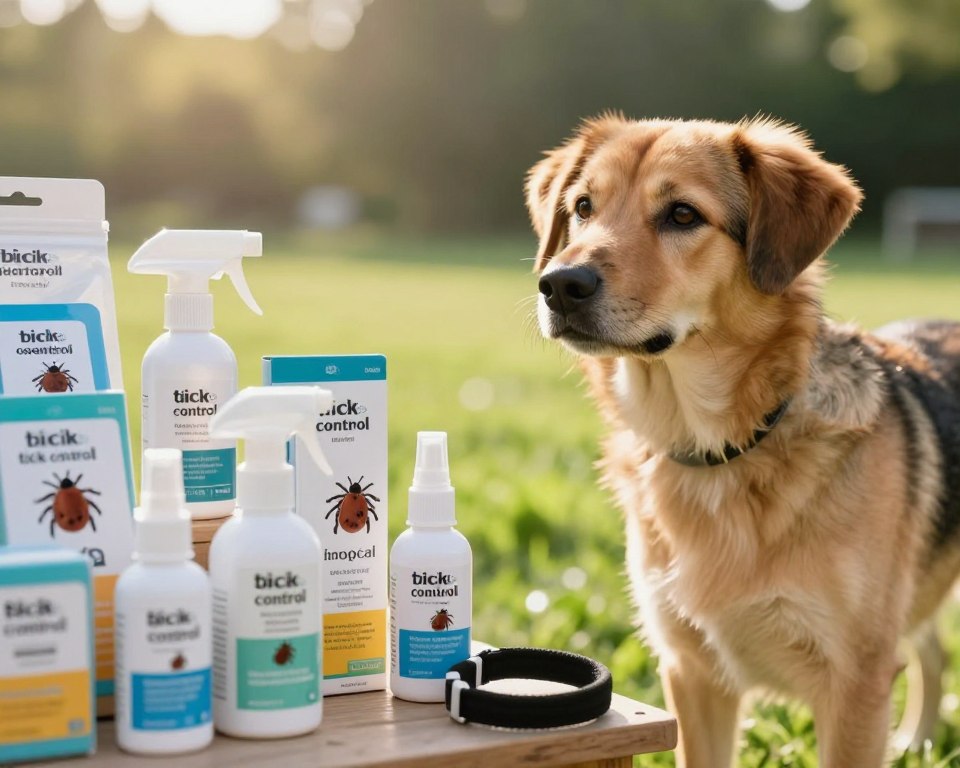
Keeping your home safe from ticks is important, but it’s even more critical when you have pets. Some tick spray ingredients can be very dangerous to animals. It’s key to know which ones to avoid to keep your pets safe.
Toxic Ingredients to Avoid Around Dogs and Cats
Cats are very sensitive to many chemicals found in pest sprays. For example, permethrin, used in some treatments, is very harmful to cats. It can cause serious problems with their nervous system. Also, avoid products with organophosphates or too much DEET, as they can harm dogs and cats.
Always check the label of any tick control products before using them at home. Even if a product is safe for dogs, it might not be for cats. Some treatments for dogs can be deadly for cats if they groom them after being treated.
Safe Application Methods for Pet Owners
To reduce risks, spray in well-ventilated areas away from pets. Make sure treated areas or clothes are dry before letting pets near them. For more information on keeping pets safe, check out this guide on flea and tick prevention and treatment for.
Use physical barriers or natural repellents in your pets’ favorite spots. If you must use sprays, keep pets in a different room until it’s safe. Consistency and caution are key to avoiding accidents.
| Ingredient | Risk Level for Cats | Risk Level for Dogs |
|---|---|---|
| Permethrin | High (Toxic) | Moderate (Use caution) |
| DEET | Moderate | Low (If used correctly) |
| Organophosphates | High | High |
| Picaridin | Low | Low |
Potential Side Effects and Allergic Reactions
Tick repellents are usually safe when used right. But, some people might get skin irritation or allergic reactions. It’s important to know how your body reacts to these chemicals, which is key for staying healthy outdoors.
If you have sensitive skin, do a patch test first. Put a small amount on your inner forearm and wait 24 hours. This helps you see if you’ll have a bad reaction before using it all over.
Identifying Signs of Skin Irritation
Skin irritation can show up as redness, itching, or a burning feeling where you applied the product. These signs usually happen right after you put it on.
You might also see a rash or small bumps where you applied the repellent. If you notice these, stop using the product and wash the area with mild soap and water. This helps get rid of any leftover product.
When to Seek Medical Attention After Exposure
Most minor irritations go away after washing the skin. But, if you have a bad allergic reaction or think you might have swallowed something toxic, you need to see a doctor.
Look out for serious signs like trouble breathing, swelling in your face or throat, or hives that spread fast. If you feel dizzy, sick to your stomach, or get a fever after using a repellent, get help right away. A doctor can make sure you’re okay.
| Reaction Type | Common Symptoms | Recommended Action |
|---|---|---|
| Mild Irritation | Redness, itching | Wash with soap and water |
| Contact Dermatitis | Rash, swelling, bumps | Discontinue use and monitor |
| Severe Allergy | Difficulty breathing, hives | Seek emergency medical care |
| Systemic Toxicity | Dizziness, nausea, fever | Contact poison control or doctor |
Environmental Impact of Tick Control Products
The use of tick control products often worries people about the environment. These products are key to stopping tick-borne diseases. But, they can harm nature if not used right. It’s important to know how these chemicals affect the environment.
Effects on Local Ecosystems and Pollinators
Many pest treatments harm not just pests but also helpful insects. This includes bees and butterflies, which are important for plants. Chemicals can also get into water and soil, affecting life in these areas.
Following label instructions is key to avoiding harm. Labels tell you how to use chemicals safely. By doing this, you can lower the risk of harming your area.
Choosing Eco-Friendly Application Strategies
Not all areas need to be sprayed. Focus on where ticks hide, like leaf litter or tall grass. This way, you use less chemical.
When you treat, do it when pollinators are not around. This could be early morning or late evening. Also, using physical barriers can cut down on the need for chemicals. This makes a safer place for everyone and wildlife.
Best Practices for Safe Application
To protect against ticks, you need more than just the right product. You also need to apply it correctly. This ensures safety and effectiveness. Follow these tick protection tips to keep pests away and avoid too much chemical use.
Proper Techniques to Minimize Inhalation
Inhaling repellent particles can irritate your lungs or get absorbed into your body. Always spray repellents outside in well-ventilated areas, not in small rooms or cars. Never spray directly toward your face. Instead, spray it onto your hands first, then apply it to your skin.
When using aerosol cans, keep the nozzle six to eight inches from the surface. This helps avoid a thick mist that could be inhaled. When applying repellent to clothes, do it in a way that prevents the spray from blowing back towards you.
“The effectiveness of any repellent is entirely dependent on the user’s ability to apply it consistently and safely according to the manufacturer’s instructions.”
Avoiding Sensitive Areas and Open Wounds
Repellents are for intact skin only. Never apply them to the eyes, mouth, or any open cuts or abrasions. These areas absorb chemicals quickly into the bloodstream. If repellent gets in your eyes, rinse them with clean water for several minutes.
Here are key tick protection tips for sensitive areas:
- Don’t apply repellent under clothing to avoid irritation.
- Don’t apply products to young children’s hands to prevent eye or mouth contact.
- Always check the product label for warnings about sensitive skin or mucous membranes.
- Use only the amount needed to cover exposed skin, as too much doesn’t help.
By following these tips, you make a safer space for yourself and your family. Careful and consistent application is key to using tick protection tips effectively and safely.
Regulatory Standards and Safety Testing
Finding safe tick repellents means looking beyond what’s advertised. Not all products are tested equally. Knowing how these products are tested helps find safe ones.
Understanding EPA Registration Labels
In the U.S., the EPA checks tick repellents as pesticides. A product with an EPA registration number has been tested for safety and works well. This number shows the product has been scientifically proven safe.
Check the back of the packaging for this number. If it’s missing, the product hasn’t been reviewed by the EPA. Choosing EPA-registered products means you’re using a scientifically validated tick bite prevention tool.
How Safety Data Sheets Inform Consumer Choices
For more info, look at the Safety Data Sheet (SDS). It details the chemical makeup, health risks, and emergency steps. While made for industrial use, it’s key for anyone wanting to know what they’re applying.
The SDS shows the health risks of each ingredient. This helps you choose based on facts, not just ads. It also warns about dangers like skin or breathing problems that might not be on the bottle.
| Regulatory Indicator | Purpose | Consumer Benefit |
|---|---|---|
| EPA Registration Number | Federal safety verification | Ensures proven efficacy |
| Safety Data Sheet (SDS) | Technical hazard disclosure | Provides detailed health data |
| Active Ingredient List | Chemical identification | Allows for allergy management |
| Usage Instructions | Application guidance | Minimizes exposure risks |
Tick Bite Prevention Beyond Chemical Sprays
Preventing tick bites is more than just using sprays. Repellents work best when used with other methods. This way, you can greatly reduce your risk of getting bitten.
Physical Barriers and Clothing Choices
Stopping ticks before they bite is key. Wear long-sleeved shirts and pants to keep them away. Tucking your pants into socks is also a smart move, when walking in tall grass or woods.
Wearing light-colored clothes is another smart choice. It makes it easier to see ticks before they attach. For more tips, check out these expert recommendations for preventing tick bites.
Landscape Management for Tick Reduction
Your yard’s condition affects how many ticks you meet. Keeping your yard clean can lower tick numbers. Here are some tasks to help:
- Clear leaf litter and brush from around your home and lawn edges.
- Keep your grass mowed short to reduce humidity levels that ticks prefer.
- Create a wood chip or gravel barrier between your lawn and wooded areas.
- Remove old furniture, wood piles, or trash where rodents—which often carry ticks—might hide.
By keeping your yard clean, you reduce tick habitats. These methods are important for long-term safety. They help you rely less on sprays, making your home safer for everyone.
Navigating Misinformation in Tick Protection
It’s key to know the difference between real science and online myths to avoid ticks. In today’s world, false information spreads fast. This can lead to bad choices in tick repellent safety.
Only 25% of people in Lyme disease areas use repellents regularly. This is because of confusing info on social media and blogs. It’s important to stick to methods that have been tested well.
Debunking Common Myths About Repellents
Some people prefer natural tick deterrents to avoid chemicals. But, plant-based oils don’t last long enough for outdoor use. Relying only on these can be risky.
Another myth is that certain foods or ultrasonic devices can keep ticks away. But, studies show these don’t work. Evidence-based protection means using EPA-registered products that really work.
| Common Myth | Scientific Reality | Risk Level |
|---|---|---|
| Garlic or Vitamin B consumption | No proven repellent effect | High |
| Ultrasonic devices | Ineffective against ticks | High |
| Essential oils alone | Short duration of protection | Moderate |
| EPA-registered repellents | Clinically proven efficacy | Low |
Relying on Evidence-Based Health Resources
For good health choices, check with places like the Centers for Disease Control and Prevention (CDC). They give advice based on solid research. Always check the source when looking for natural tick deterrents or other safety tips.
Science is the best guide for health. Choosing products with regulatory oversight means they’re safe and work well. Always choose verified facts over rumors to keep your family safe outdoors.
Conclusion
Effective tick management needs a mix of proven products and good habits. Using chemical repellents with physical barriers and keeping your habitat clean can greatly reduce tick-borne illness risks.
Choosing the best tick prevention methods is key. It’s important to follow product labels and application guidelines. Whether you pick synthetic or plant-based options, using them correctly is essential for safety.
Good tick protection tips include checking your yard often and removing leaf debris. This limits where ticks can move. Professional treatments can also help by creating a safe area around your home. Staying updated with health information helps you make the best choices for your area.
Being always on guard is your best defense against ticks. By taking these steps, you build a strong defense for your family and home all season long.
FAQ
Common Active Ingredients in Commercial Sprays
Most sprays use DEET, Picaridin, and Oil of Lemon Eucalyptus (OLE) as their main ingredients. These chemicals work by masking scents or creating a barrier that deters ticks. Knowing the concentration of these ingredients is key to understanding how long they last.
How Repellents Interact with Human Skin
The skin acts as a semi-permeable barrier. Even though EPA-registered products are tested for low absorption, some tick control products might cause irritation. The type of product—whether it’s an aerosol, lotion, or pump spray—can affect how the active ingredient interacts with the skin.
Evaluating Long-Term Exposure Risks
For those in high-risk areas, daily use might be necessary. Is tick spray safe for long-term use? Studies show that DEET, when used as directed, does not build up to toxic levels in the body. Rotating between different safe tick repellents can help avoid skin irritation over time.
Dermal Absorption Rates and Systemic Toxicity
DEET is absorbed by the skin at a rate of 5% to 15%. It is then quickly broken down and removed from the body. In contrast, Sawyer Picaridin shows even lower absorption rates, making it a safer choice for those concerned about systemic exposure.
The Efficacy and Safety Balance of DEET
DEET has been used for 70 years and remains the top choice for best tick prevention. Brands like Off! Deep Woods offer strong protection in dense areas. It is safe as long as it’s not ingested or applied to broken skin. Rarely, massive exposure or accidental ingestion can lead to neurotoxicity.
Recommended Concentrations for Different Age Groups
Adults can use 20% to 30% DEET for several hours of protection. For children over two months, the American Academy of Pediatrics (AAP) suggests a maximum of 30% DEET. For younger children, 10% is often enough for shorter periods outdoors.
Why Picaridin is Gaining Popularity
Picaridin, found in products like Cutter Advanced, is becoming more popular. It’s odorless, non-greasy, and doesn’t damage plastics or synthetic fabrics. From a clinical standpoint, its tick repellent safety is similar to DEET but has a better scent profile.
Comparing Picaridin Safety to Traditional Options
Studies show that 20% Picaridin is as effective as high-concentration DEET against ticks. For those with sensitive skin, Picaridin is a better option due to its lower irritation rate.
Essential Oils and Plant-Based Repellents
Many look for natural tick deterrents like peppermint or lemongrass oils. While they may repel ticks, they are not as rigorously tested as chemical repellents. The EPA classifies them as 25(b) exempt products.
The Reality of Effectiveness in High-Risk Areas
The main drawback of natural tick deterrents is their volatility. These oils evaporate quickly, providing less than 30 minutes of protection. In high-risk areas, relying solely on these may leave you vulnerable to disease.
Why Permethrin Should Never Be Applied to Skin
Permethrin is a contact insecticide, not a repellent. It’s highly effective for tick control products but must be applied strictly to clothing. Applying it to skin can lead to irritation and is ineffective.
Best Practices for Treating Gear and Apparel
Use Sawyer Permethrin to treat boots and pants. Apply in a well-ventilated area and let it dry completely (usually 2-4 hours). Once dry, it’s odorless and safe for skin contact, providing tick protection tips that last through several washes.
Age-Appropriate Guidelines for Repellent Use
For the youngest populations, safety is the top priority. Repellents should never be used on infants under two months. For older children, apply the spray to your hands first, then rub it onto the child to avoid the eyes and mouth.
Reducing Exposure Risks During Outdoor Play
To follow the best tick protection tips for kids, apply the spray to shoes, socks, and lower legs. When the child returns indoors, wash the treated skin with soap and water to end any ongoing chemical exposure.
Toxic Ingredients to Avoid Around Dogs and Cats
Pet owners must be cautious; tick spray ingredients safe for humans can be lethal for pets. Permethrin is highly toxic to cats. Never use a “human” spray on an animal unless it is labeled for veterinary use.
Safe Application Methods for Pet Owners
Use EPA-approved veterinary products like Frontline or Seresto. If you’ve treated your own clothing with permethrin, keep it away from cats until it’s fully dry, as the liquid form is highly toxic.
Identifying Signs of Skin Irritation
Common side effects of tick control products include redness, itching, or a mild rash. This is usually a localized contact dermatitis. If a reaction occurs, wash the area immediately and stop using that specific active ingredient.
When to Seek Medical Attention After Exposure
Seek medical help if you experience swelling of the lips or tongue, difficulty breathing, or widespread hives. These are signs of a rare but serious allergic reaction. As a health professional, I remind patients that tick repellent safety also involves monitoring for these systemic responses.
Effects on Local Ecosystems and Pollinators
Chemicals like permethrin can harm bees and aquatic life if they enter waterways. To minimize environmental impact, use targeted treatments. Avoid broad-spectrum yard sprays that can disrupt the ecosystem.
Choosing Eco-Friendly Application Strategies
For those prioritizing the environment, insect repellent effectiveness can be achieved through targeted treatments. Thermacell or Tick Tubes are more eco-friendly than spraying an entire lawn with liquid insecticides.
Proper Techniques to Minimize Inhalation
Always apply tick control products outdoors or in a well-ventilated room. Avoid spraying directly toward the face. Instead, spray into the palms and pat onto the face, avoiding the eyes and mouth to reduce inhalation and ingestion risks.
Avoiding Sensitive Areas and Open Wounds
Never apply repellent to cuts, scrapes, or irritated skin. This increases the rate of dermal absorption and can lead to systemic toxicity. Focus on tick bite prevention by applying to intact skin and over the top of clothing where appropriate.
Understanding EPA Registration Labels
An EPA registration number on a bottle of safe tick repellents ensures it has been tested for safety and insect repellent effectiveness. If a product lacks this number, its safety and efficacy are unverified.
How Safety Data Sheets Inform Consumer Choices
For detailed clinical data, Safety Data Sheets (SDS) provide information on the toxicology and first-aid measures for tick spray ingredients. These documents are essential for verifying the safety profiles of new products.
Physical Barriers and Clothing Choices
The best tick prevention involves a multi-layered approach. Tucking pants into socks and wearing light-colored clothing helps create a mechanical barrier. This supplements your tick repellent safety routine.
Landscape Management for Tick Reduction
Managing your environment can reduce the need for heavy chemical use. Keeping grass short, removing leaf litter, and creating a woodchip barrier between woods and lawns are effective tick protection tips that don’t involve tick control products.
Debunking Common Myths About Repellents
There’s a common myth that eating garlic or taking Vitamin B1 repels ticks; there’s no scientific evidence to support this. Relying on such myths can lead to a false sense of security and increase your risk of disease.
Relying on Evidence-Based Health Resources
For accurate information, consult the CDC or the Environmental Protection Agency (EPA). As a pharmacist, I advise consumers to ignore social media “hacks” and stick to insect repellent effectiveness data that has been peer-reviewed and clinically validated.
Is tick spray safe for pregnant women to use?
Yes, the CDC and the EPA state that EPA-registered tick repellent safety profiles, including DEET and Picaridin, are safe during pregnancy and breastfeeding. Choosing these over natural tick deterrent options is safer because they more effectively prevent diseases like Lyme, which can complicate pregnancy.
What are the most common tick spray ingredients I should look for?
For high insect repellent effectiveness, look for DEET, Picaridin, Oil of Lemon Eucalyptus (OLE), or IR3535. These are the primary ingredients that have undergone rigorous testing for both safety and their ability to provide tick bite prevention.
How often should I reapply tick control products?
Reapplication depends on the concentration of the active ingredient. For example, Sawyer Picaridin (20%) typically lasts up to 12 hours, while lower concentrations of DEET may require reapplication every 4 to 6 hours. Always check the label for tick protection tips specific to that product.
Are natural tick deterrent oils safer than DEET?
Not necessarily. “Natural” does not always mean non-toxic; for example, Oil of Lemon Eucalyptus (OLE) is a natural tick deterrent but is not is tick spray safe for children under three years old due to possible eye irritation. They often lack the long-term insect repellent effectiveness required for high-risk areas.
What is the best tick prevention for someone with sensitive skin?
I generally recommend Picaridin-based products, such as Cutter Advanced, for sensitive skin. It has a lower rate of dermal irritation compared to DEET and is a mainstay in safe tick repellents for those who react poorly to traditional formulas.
Can tick bite prevention sprays damage my outdoor gear?
DEET-based tick control products can damage plastics, watch crystals, and synthetic fabrics like spandex or rayon. If you are concerned about your gear, Picaridin or Permethrin treatments are the best tick prevention alternatives that will not harm synthetic materials.
Where can I find more tick repellent safety information?
For evidence-based guidance, visit the EPA’s Search Tool for skin-applied repellents. This tool allows you to find safe tick repellents based on the specific protection time and active ingredients you require.