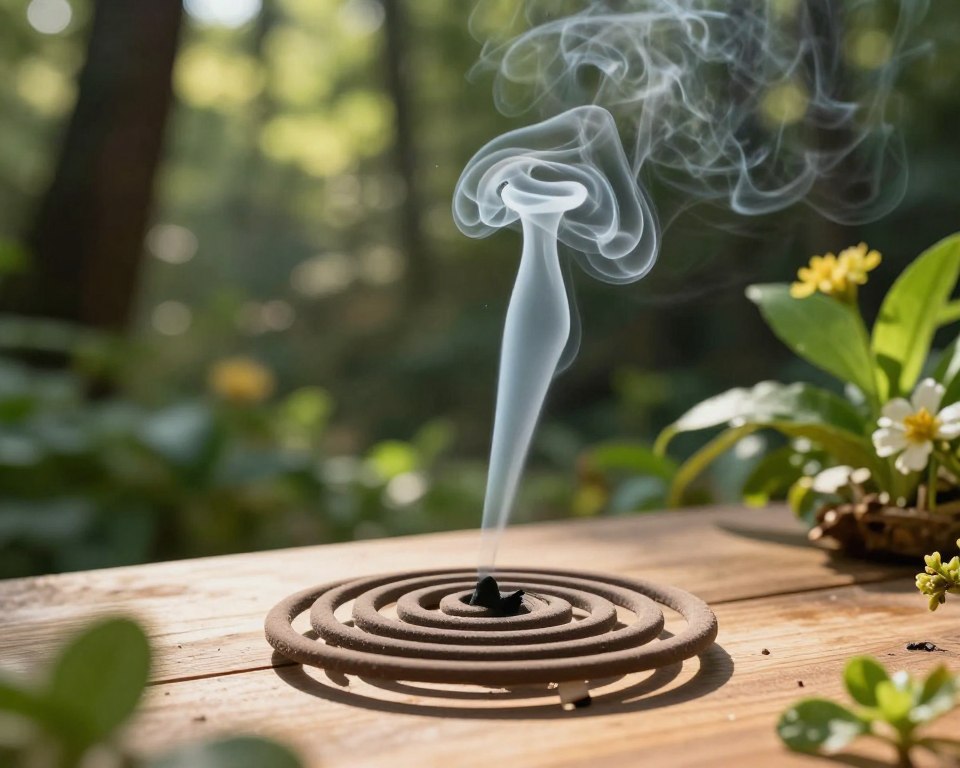
Many people use incense-like spirals to keep mosquitoes away. They are easy to use and don’t cost much. But, as a pharmacist, I get asked a lot about their safety.
These products do keep bugs away, but they might not be safe for you. It’s important to know what’s in them and what experts say about using them inside.
Studies show that burning one of these spirals can release as much harmful air as smoking 75 to 137 cigarettes. This means that breathing in these fumes for a long time could harm your lungs. I want to give you the facts so you can choose safer options for your home.
Key Takeaways
- Burning these pest control spirals releases high levels of fine particulate matter.
- The smoke output from one unit can be comparable to smoking over 100 cigarettes.
- Indoor use is generally discouraged due to poor ventilation and air quality concerns.
- Pharmacists recommend prioritizing safer alternatives like fans or physical barriers.
- Understanding chemical ingredients is vital for protecting vulnerable family members.
Understanding the Composition of Mosquito Coils
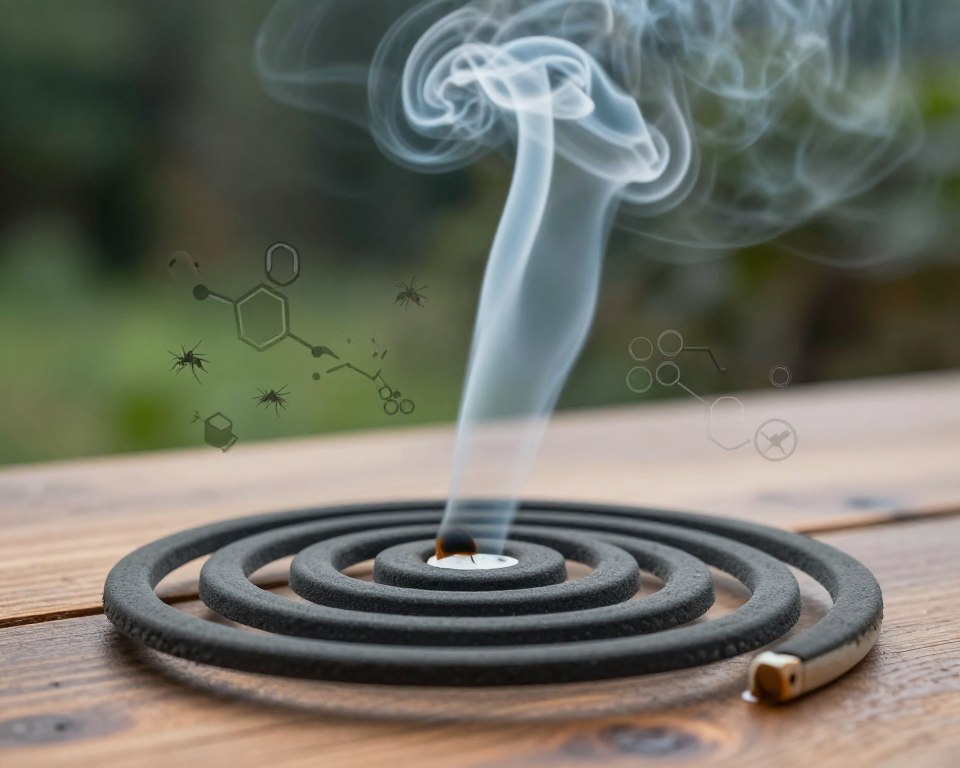
To grasp the mosquito repellent coil dangers, we need to look at what’s inside. These products are made of a special paste that burns slowly. This process releases substances into the air.
Common Active Ingredients in Commercial Coils
Most coils use pyrethroids, synthetic versions of natural insecticides. Some also add citronella or essential oils for a scent-based repellent.
These ingredients are picked for their power to repel flying insects. But, using them in closed spaces can be risky.
The Role of Binders and Fillers in Combustion
A coil is more than just an insecticide. It’s a mix of materials that burn slowly. Fillers like coconut shell powder or wood flour fuel this process.
These materials help the coil burn evenly. As it smolders, it releases smoke carrying the active ingredients.
| Component Type | Common Examples | Primary Function |
|---|---|---|
| Active Ingredient | Allethrin, Pyrethroids | Insect repulsion |
| Combustible Base | Coconut shell powder | Provides fuel for smoke |
| Binding Agent | Starch, Guar gum | Maintains structural integrity |
| Dyes/Fragrances | Synthetic pigments | Aesthetic and scent appeal |
How Mosquito Coils Work to Repel Insects
The way they work is simple but effective outdoors. When lit, the coil’s heat turns the active ingredients into vapor. This vapor spreads through the smoke.
This smoke acts as a barrier. It messes with mosquitoes’ sense of smell. This keeps the area around the coil free of pests without touching them.
Are Mosquito Coils Toxic to Humans and Pets
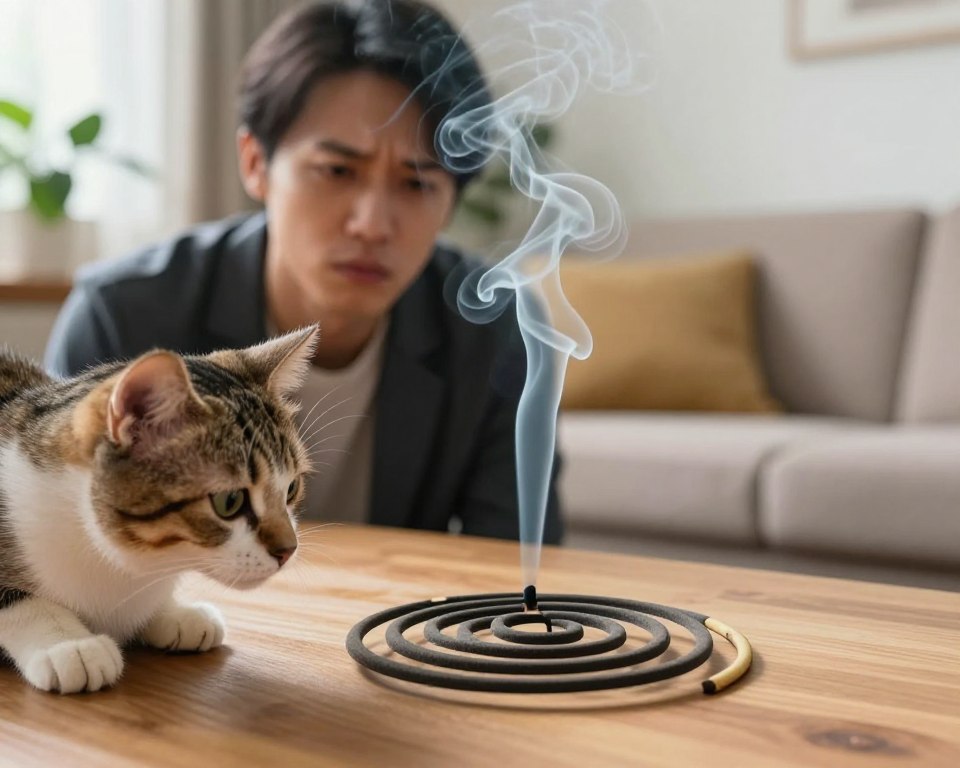
When we ask, are mosquito coils toxic, we need to look at the chemicals they release. These products keep bugs away, but the smoke has harmful stuff in it. It’s important to know how these chemicals affect our breathing.
Acute Toxicity Risks from Inhalation
Inhaling coil smoke can irritate your senses. You might cough, feel your throat dry, or get eye irritation right away. Studies show that burning one coil is like smoking 51 cigarettes in terms of formaldehyde release.
This pollution can cause immediate respiratory distress in some people. Even healthy adults can get headaches and feel dizzy from breathing in these fumes for too long. These signs show the air quality has dropped.
Chronic Exposure Concerns and Long-term Health Effects
The health risks of mosquito coils go beyond just irritation. Using them indoors every day can fill your lungs with harmful particles. This can lead to long-term lung problems and breathing issues.
Using them outside is less risky, but burning them in bedrooms every night is a big concern. Consistent inhalation of these chemicals is a big worry for keeping your home air clean. Long-term studies show we should be careful.
Specific Risks for Vulnerable Populations
Some groups are more at risk from mosquito coil smoke. Kids, whose lungs are not fully grown, are very sensitive to the chemicals. The elderly and people with breathing problems like asthma or COPD also face bigger risks.
Even a little smoke can be a big problem for these groups. Keeping the air clean in their living spaces is key. If you’re worried about your family’s health, it’s best to avoid using mosquito coils indoors.
The Chemistry of Mosquito Coil Smoke
The smoke from a mosquito coil is made up of many substances. When these coils smolder, they release harmful particles into the air. It’s important to know about these emissions, as they can be harmful in closed or poorly ventilated areas.
Particulate Matter and Air Quality Impacts
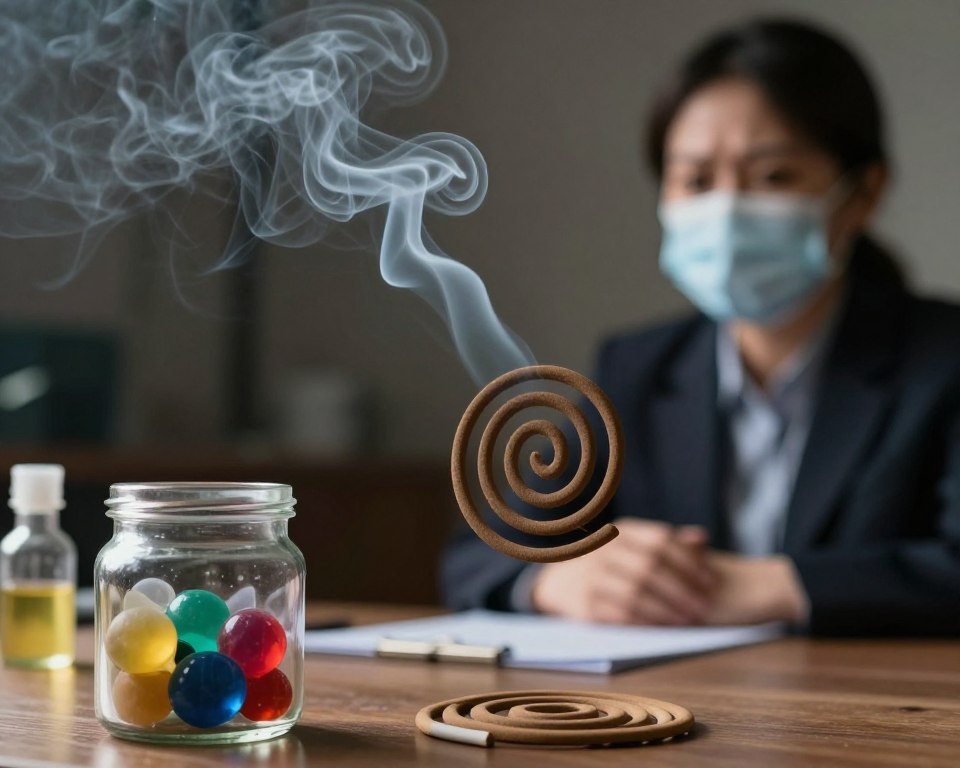
The main worry is the fine particles, or PM2.5, in the smoke. These tiny particles can go deep into our lungs, causing irritation or damage. High levels of these particles can make indoor air very poor, turning homes into unhealthy places.
Volatile Organic Compounds Released During Burning
When coils burn, they release harmful chemicals into the air. These include aldehydes and PAHs, some of which can cause cancer. The risks of inhaling mosquito coil smoke increase because these chemicals stay in the air for a long time.
Comparing Coil Smoke to Cigarette Smoke
Studies show that coil smoke is similar to cigarette smoke in many ways. Both involve burning organic materials, releasing harmful pollutants. While the exposure levels are different, the smoke’s chemical makeup is concerning.
| Pollutant Type | Coil Smoke | Cigarette Smoke |
|---|---|---|
| Particulate Matter | High (PM2.5) | High (PM2.5) |
| Formaldehyde | Present | Present |
| PAHs | Detected | Detected |
| Health Impact | Respiratory Irritant | Carcinogenic/Irritant |
This data shows that the risks of inhaling mosquito coil smoke are real. It’s important to have good air flow to prevent harmful buildup in your home.
Health Risks of Mosquito Coils in Indoor Environments
Mosquito coils work well outside, but they’re a problem inside. They can harm the air quality. People use them to keep bugs away, but they don’t think about the health risks of mosquito coils in small spaces. The smoke from these coils is full of chemicals that can change the air inside.
Respiratory Issues and Asthma Triggers
The smoke from coils has tiny particles that can get deep into your lungs. If you have asthma or other breathing problems, this smoke can make things worse. It can cause wheezing, coughing, and trouble breathing.
Being around these particles for a long time can make breathing problems worse. The chemicals in the smoke are meant to kill bugs, but they’re bad for people’s lungs too.
Impact on Indoor Air Quality Standards
Using coils indoors can make the air very bad. There are rules to keep the air safe. But burning a coil indoors is like smoking dozens of cigarettes at once.
This makes the air quality drop fast. It’s not safe to stay in a room with air this bad for a long time. We need to know how quickly the air can get bad.
Why Manufacturers Advise Against Indoor Use
Most companies say not to use their coils inside. They know how the coils work and what happens when they burn. Health groups also warn against using them indoors.
By listening to these warnings, we can stay safe. We should use better ways to keep bugs away without making the air worse.
Harmful Chemicals in Mosquito Coils
Lighting a mosquito coil starts a chemical reaction. This reaction releases compounds into your space. It’s important to know these substances to understand mosquito repellent coil dangers at home. The smoke from these coils contains many particles and gases.
Pyrethroids and Their Biological Mechanism
Most coils use pyrethroids, synthetic versions of pyrethrum. Pyrethrum comes from chrysanthemum flowers. It’s made to harm insects by messing with their nervous systems.
In people, breathing in these chemicals can cause irritation or serious breathing problems. Studies show that indoor air can have too much of these chemicals. The way these chemicals work is very effective against pests but needs careful use to avoid harm.
Dangers of Substandard or Counterfeit Ingredients
The pest control market has many low-quality or fake products. These often have harmful chemicals in mosquito coils not listed on the label. Cheaper, toxic ingredients are used to save money.
These additives can include heavy metals or banned pesticides, posing health risks. Without quality checks, these products can release more harmful particles than safe brands. Be cautious of products without clear ingredient lists or safety stamps.
Identifying Toxic Additives in Low-Quality Products
To spot toxic ingredients in bug coils, look for official labels. In the U.S., products must follow EPA rules, showing what’s inside. If a product lacks a number or is unclear, don’t use it.
The table below shows what’s in different coils and their safety levels:
| Ingredient Type | Primary Function | Safety Profile |
|---|---|---|
| Pyrethroids | Insect knockdown | Moderate; respiratory irritant |
| Binders (Sawdust/Starch) | Combustion support | Low; produces smoke particles |
| Unlisted Additives | Unknown/Cost-cutting | High; possible toxicity |
| Fragrance Agents | Masking odor | Variable; might be an allergen |
Choose products that clearly list their ingredients. This reduces the risk of harmful, hidden substances. Knowing what you’re using is the best way to keep your family safe from insect repellent dangers.
Mosquito Coil Toxicity Effects on the Respiratory System
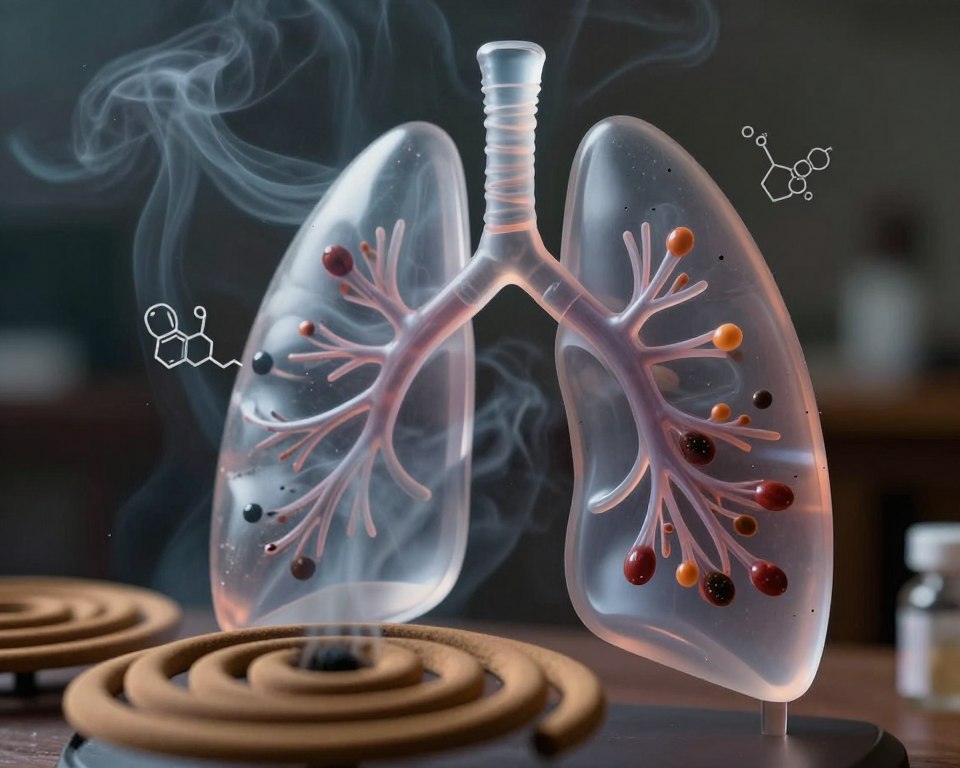
Burning a mosquito coil releases smoke that can irritate your airways. These products aim to keep insects away but can harm your respiratory system. The smoke contains fine particles and chemical vapors.
Inflammatory Responses in the Airways
Inhaling smoke causes an immediate inflammatory response. Your body tries to filter out the harmful particles. Studies on animals show that long-term exposure can damage the windpipe’s protective lining.
This damage can lead to swelling and more mucus. Over time, it weakens the lungs’ defense, making them more prone to infections.
Potential for Developing Chronic Bronchitis
Long-term exposure to coil smoke can cause serious respiratory problems. Chronic bronchitis is a major concern. It leads to a persistent cough and makes breathing harder.
“The cumulative effect of inhaling combustion byproducts can permanently alter the delicate architecture of the lung tissue, leading to reduced pulmonary function over time.”
Even small amounts of smoke daily can harm your lungs. It’s important to know that mosquito coil toxicity effects can build up over time. This can lead to a gradual decline in lung health.
Managing Symptoms of Smoke Inhalation
If you have throat irritation, coughing, or shortness of breath after using these products, get fresh air right away. Moving to a well-ventilated area helps clear pollutants from your lungs.
If symptoms don’t go away, check if indoor air pollution is making you uncomfortable. Drinking water can soothe irritated mucous membranes. Using an air purifier can also help remove pollutants from your home.
Risks of Inhaling Mosquito Coil Smoke for Children
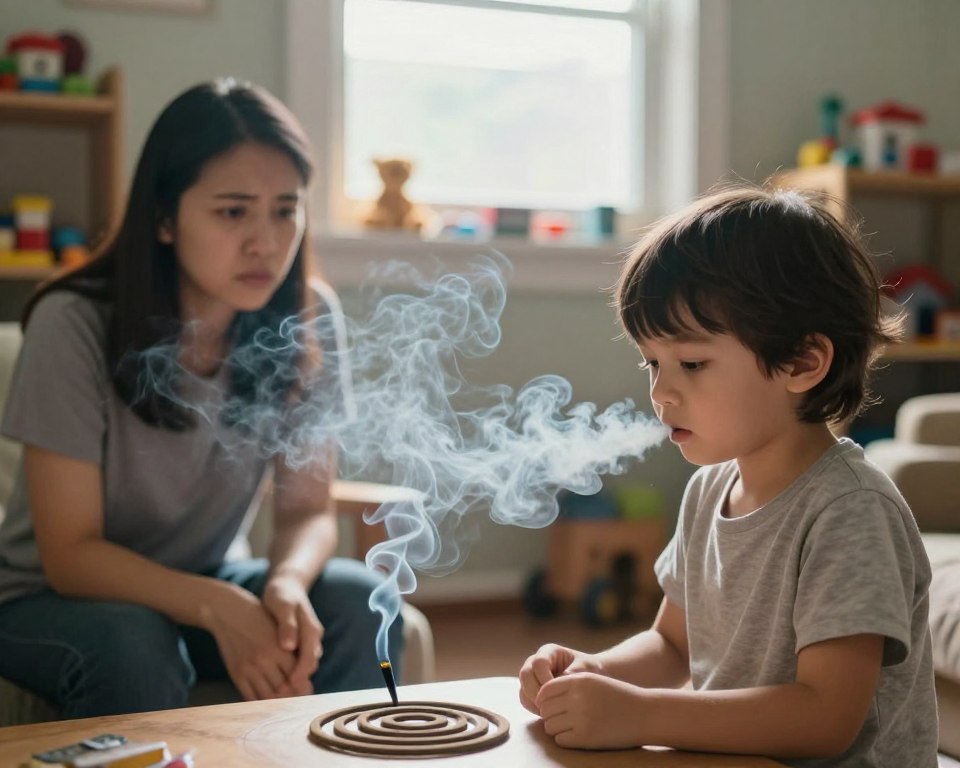
The risks of inhaling mosquito coil smoke are very concerning for families with young kids. Kids’ bodies are growing, and they face special challenges from airborne chemicals. Knowing these dangers helps keep homes healthy.
Developmental Vulnerability to Chemical Exposure
Children breathe more air per pound of body weight than adults. This makes them more likely to inhale pollutants. Their lungs are also developing, making them more prone to damage from harmful particles.
When coils burn, they release tiny particles that can reach deep into lungs. For kids, this can cause inflammation or worsen breathing problems. Protecting these vulnerable airways is key for their health.
Signs of Overexposure in Infants and Toddlers
Parents should watch for signs that a child is reacting to bad air. If you see these signs, move the child to fresh air right away and stop using the product.
- Persistent coughing or a dry, scratchy throat.
- Wheezing or trouble breathing easily.
- Watery, red, or irritated eyes.
- Unexplained tiredness or crankiness after being in a room with a burning coil.
Creating Safe Zones for Families
You can manage insects without the risks of inhaling mosquito coil smoke. Make a safe zone with barriers and non-toxic repellents that don’t harm air quality. Here are some good strategies:
- Install fine-mesh window screens to keep insects out while keeping air flowing.
- Use electric fans to make a breeze, as mosquitoes find it hard to fly in moving air.
- Put up mosquito netting over cribs or beds.
- Choose EPA-approved topical repellents that are safe for kids when used right.
By using these steps, families can have a comfortable home. Keeping air clean is important for kids’ health and safety.
Are Bug Coils Poisonous to Household Pets
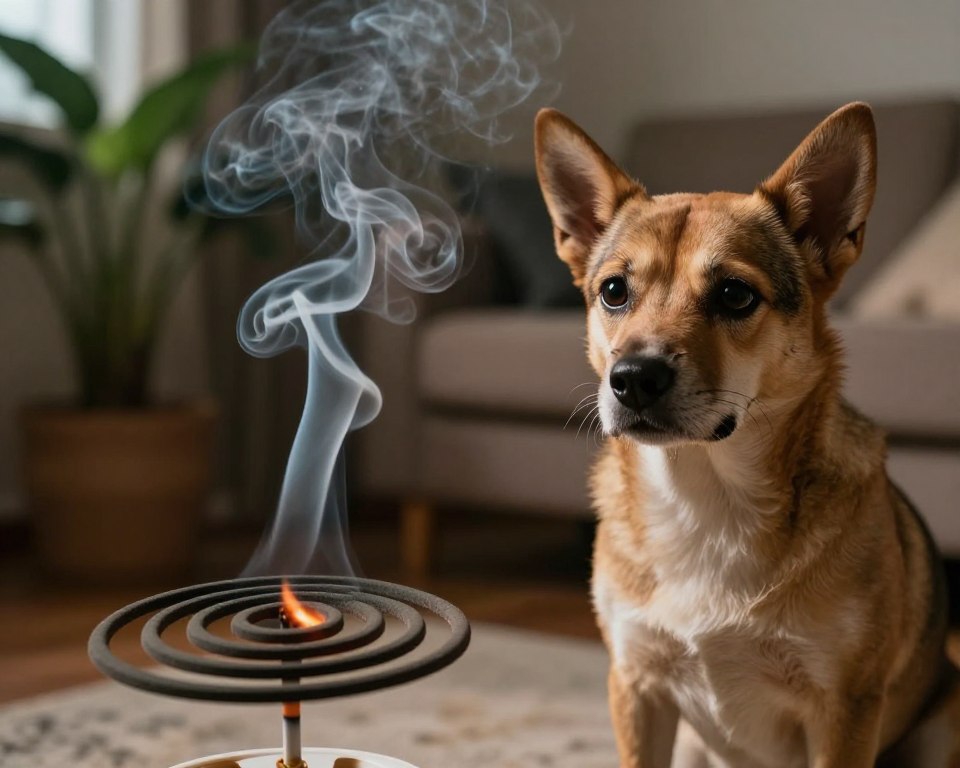
Many pet owners worry about the smoke from mosquito coils harming their pets. These products keep bugs away but can be bad for animals. Knowing if are bug coils poisonous helps us understand the risks.
Sensitivity of Cats to Pyrethroids
Cats are very sensitive to pyrethroids in mosquito coils. Unlike dogs or people, cats can’t break down these chemicals well. This makes them more likely to get sick from small amounts.
When cats breathe in or touch coil residue, they can get very sick. Clinical signs include shaking, drooling, and trouble walking. Many vets say it’s best not to use these coils where cats live.
Symptoms of Toxicity in Dogs and Birds
Dogs can also get sick from smoke, but not as badly as cats. Mosquito coil toxicity effects in dogs might show as breathing problems, coughing, or feeling tired. Long-term exposure can make allergies worse or hurt their lungs.
Birds are very sensitive because they breathe differently. Even a little smoke can hurt them a lot. Owners need to watch out for their bird pets.
Emergency Steps if a Pet Ingests or Inhales Coil Residue
If you think your pet has breathed in too much smoke or eaten coil ash, act fast. Move them to a place with clean air to stop more harm. Then, call your vet or a pet poison hotline for help.
“The safety of our pets depends on our ability to recognize environmental hazards before they cause irreversible harm.”
Remember, using bug spray indoors can be harmful to pets. Keep these products away and make sure your home is free of chemicals. If you’re unsure if are bug coils poisonous, it’s best to keep them away from pets.
Safety Measures for Using Mosquito Coils Outdoors
Using mosquito coils outdoors can help reduce insect bites during gatherings or quiet evenings. But, using them wisely is key to avoid health risks. By following best practices, you can protect yourself while avoiding harmful chemicals.
Optimal Placement for Maximum Effectiveness
Where you place the coil matters a lot. Position it downwind from seating areas to keep smoke away from you. Also, keep it at least three to five feet from people to avoid harmful particles.
Always use a non-flammable surface for the coil to prevent fires. A metal stand or ceramic tray helps keep ash contained and prevents accidents. Keeping it stable ensures a safe burn and prevents hazards.
Maintaining Proper Ventilation and Airflow
Coils are meant for outdoor use, but avoid enclosed spaces like small porches or garages. These areas can trap smoke, leading to harmful buildup. Natural airflow is essential to avoid smoke buildup.
On patios, make sure there’s a breeze to spread out the smoke. Without air movement, smoke can linger and cause irritation. Always choose open-air spaces for smoke to clear out quickly.
Duration Limits for Safe Usage
Limiting coil use is important to reduce chemical exposure. You don’t need to burn it all day if mosquitoes aren’t a problem. Turn off the coil when you go inside or when mosquitoes are less active.
Here are some tips to manage your exposure:
| Safety Factor | Recommended Practice | Benefit |
|---|---|---|
| Placement | Downwind, 3-5 feet away | Reduces direct inhalation |
| Environment | Open-air spaces only | Prevents smoke accumulation |
| Duration | Use only when needed | Limits chemical exposure |
| Surface | Non-flammable tray | Prevents fire hazards |
Viewing mosquito coils as temporary tools helps keep your outdoor space safe. Sticking to these habits ensures a healthy outdoor environment.
Alternatives to Traditional Mosquito Coils
Looking for ways to keep mosquitoes away without harming your health? Many people are moving away from burning coils. Instead, they’re choosing cleaner, modern methods that don’t release harmful particles. These alternatives help control insects while keeping your air clean.
Natural Essential Oil-Based Repellents
Plant-based oils are a great, non-burning way to keep mosquitoes at bay. Oils like citronella, eucalyptus, and peppermint are popular. They work by hiding the smells that attract mosquitoes to people.
- Citronella oil: A favorite for outdoor use, often in candles or diffusers.
- Lemon eucalyptus oil: Health groups say it’s a top plant-based repellent.
- Peppermint and lavender: Good for small, enclosed areas where strong smells are a problem.
Electric Vaporizers and Ultrasonic Devices
Electric vaporizers are a smokeless option. They heat up to release scents into the air without flames. This cuts down on harmful pollutants compared to traditional coils.
Ultrasonic devices use sound waves to try to keep pests away. But, the science on their effectiveness is mixed. Always check research on insect repellents to make sure you’re really protecting yourself.
Physical Barriers and Landscaping Strategies
The best way to keep mosquitoes out is to stop them from getting in. Physical barriers are the top choice for lasting protection. Fine-mesh screens on windows and doors let air in while keeping bugs out.
Landscaping is also key in fighting mosquitoes. Clearing standing water from places like gutters and flower pots stops them from breeding. Keeping your yard neat and trimming back plants also helps keep mosquitoes away.
Regulatory Standards for Mosquito Repellents in the United States
Knowing how the government watches over mosquito repellent coil dangers helps you make smart choices. In the United States, the Environmental Protection Agency (EPA) is in charge of checking pesticides, including those in mosquito coils.
These products go through a strict process before they hit the stores. This ensures they work well and are safe for people and the environment when used right.
EPA Registration and Safety Labeling
Every mosquito coil sold in the U.S. must have an EPA registration number on it. This number shows the EPA has checked the product’s chemicals and safety.
Labels are more than just advice; they are legal rules. They tell you where and how to use the product, and what safety steps to take.
How to Read Product Warning Labels
Look for words like “Caution,” “Warning,” or “Danger” on the packaging. These words tell you how toxic the product is and the risks if you use it wrong.
Make sure to check if the coil is safe for indoor use. Many coils are meant for outside, and using them inside can harm your health.
| Regulatory Component | Purpose | Consumer Action |
|---|---|---|
| EPA Registration Number | Verifies legal compliance | Check for the number on the box |
| Signal Words | Indicates toxicity level | Read “Caution” or “Warning” labels |
| Usage Instructions | Ensures safe application | Follow ventilation requirements |
| Ingredient List | Identifies active chemicals | Review for known allergens |
Reporting Adverse Reactions to Health Authorities
If you get sick after using a repellent, tell someone. You can call the National Pesticide Information Center (NPIC) to report it.
Telling them helps find out if there are mosquito repellent coil dangers that weren’t caught before. Your report helps keep everyone safer.
Environmental Impact of Mosquito Coil Combustion
It’s important to know how mosquito coils affect the environment. These products keep bugs away but release harmful chemicals when they burn. Knowing this helps us choose better ways to keep our outdoor spaces safe and healthy.
Effects on Local Pollinator Populations
Mosquito coils use pyrethroids, man-made versions of natural bug killers. These chemicals target mosquitoes but can harm other insects too. This means bees and butterflies might get hurt when they’re near these vapors.
Pyrethroids can mess with the way pollinators find food. Even a little bit can make it hard for them to navigate. Using fewer chemical coils is key to keeping our gardens full of life.
Residue Accumulation in Outdoor Spaces
When a mosquito coil burns, it doesn’t just disappear. The smoke settles on things like furniture and plants. Over time, this can build up and create a problem.
When it rains, this buildup can get washed into the soil or water. Using coils a lot in the same spot can make this worse. Being careful where you use them and not using them too often helps avoid this.
Sustainable Pest Control Practices
There are better ways to keep mosquitoes away without harming the environment. Instead of just using coils, we can use physical barriers and manage habitats. Getting rid of standing water and using screens are great ways to stop mosquitoes from breeding.
If we do need to use chemicals, we should choose ones that target mosquitoes more precisely. This helps protect our gardens and the animals that live there. It keeps our outdoor spaces safe for everyone.
| Method | Environmental Impact | Target Specificity | Residue Level |
|---|---|---|---|
| Mosquito Coils | Moderate | Low | High |
| Electric Vaporizers | Low | Moderate | Low |
| Physical Barriers | None | High | None |
| Essential Oil Sprays | Minimal | Moderate | Low |
Best Practices for Storing and Handling Mosquito Coils
Keeping your home safe from dangers of using mosquito coils starts with how you store and dispose of them. Burning materials can cause physical harm, not just respiratory issues. By following safety rules, you can fight pests without risking your home.
Preventing Accidental Fire Hazards
Stopping fires is the top safety rule. A 1999 fire in South Korea killed 23 people, showing the dangers of unattended coils. Always use a non-flammable stand from the manufacturer.
Don’t put a burning coil near curtains or bedding. Make sure it’s on a stable, flat surface. If you worry about safety of household items, remember fire safety is key.
Safe Disposal of Ash and Used Coils
Disposing of ash safely is important to avoid fires. Let the ash cool before moving the stand. It’s best to put it in a metal container or wrap it in something non-flammable.
Don’t throw hot ash in plastic bins or near dry plants. This way, you avoid secondary fires. Check for glowing embers before throwing away the coil.
Keeping Products Out of Reach of Children
The harmful chemicals in mosquito coils are dangerous if kids or pets eat them. Store unused coils in their packaging in a cool, dry, and locked place. This keeps them safe and effective for later use.
Tell everyone in your family not to touch the coil or stand. If you have pets, keep the coil away from them. Keeping a safe area around the coil protects your family.
| Safety Category | Recommended Action | Risk Mitigated |
|---|---|---|
| Placement | Use a heat-resistant stand | Surface damage and fire |
| Environment | Keep away from curtains | Accidental ignition |
| Storage | Locked, dry cabinet | Ingestion by children/pets |
| Disposal | Cool ash completely | Trash bin fires |
Common Myths Regarding Mosquito Coil Safety
Many people think that just because a product is common, it’s safe. But, it’s important to ask are mosquito coils toxic to keep your air clean.
Debunking the Natural Ingredient Fallacy
Some think “natural” means safe when burned. But, pyrethrum in coils changes when burned. Burning any organic material can harm your lungs, no matter where it comes from.
“The safety of a substance is not determined solely by its origin, but by its chemical behavior when subjected to high temperatures and inhalation.”
People often ignore that toxic ingredients in bug coils aren’t just synthetic. The smoke from burning them can hurt your breathing. Relying on “natural” labels can be risky, leading to use in bad air spaces.
Addressing Misconceptions About Smoke Toxicity
Some think if they can’t smell smoke, it’s okay. But, many harmful particles are odorless and invisible. When asking are bug coils poisonous, remember the main risk is the smoke density, not just the chemical.
Long-term exposure to smoke can cause lung problems. It’s wrong to think outdoor products are safe indoors just because they kill bugs. Always have good air flow to avoid smoke dangers.
Clarifying the Difference Between Repellents and Insecticides
It’s key to know the difference between repellents and insecticides. Repellents keep bugs away, while insecticides kill them. Most mosquito coils are insecticides, with strong chemicals that harm insects’ nervous systems.
| Myth | Scientific Reality | Safety Implication |
|---|---|---|
| Natural means safe | Combustion creates toxins | Avoid indoor inhalation |
| No smell means no risk | Particles are often invisible | Ensure proper ventilation |
| Repellents and killers are same | Different chemical mechanisms | Use only as directed |
Knowing these differences helps you choose better pest control. Always check the label to see if it’s for indoors or outdoors. Prioritizing safety means understanding the chemicals in these products, not just believing myths.
Conclusion
Managing insects needs a balanced approach. This means looking at both quick fixes and long-term safety. Knowing the health risks of mosquito coils helps families keep their air and lungs safe.
Products like Raid or Coleman might seem easy, but they can harm your air. Instead, using physical barriers or EPA-approved options is safer. These methods help avoid using harmful repellents indoors.
It’s important to know what’s in your home. By choosing to ventilate and using non-toxic methods, you can avoid health risks. This makes your home a safer place for everyone.
Are Mosquito Coils Toxic?
Mosquito coils are generally safe when used outdoors. But they can be toxic if used indoors, releasing harmful particulate matter and VOCs that can irritate the respiratory system.
What are the primary mosquito repellent coil dangers?
The main dangers include respiratory irritation, triggering asthma attacks, and long-term lung damage. They also pose a fire hazard and can be toxic to pets, like cats and birds.
What are the health risks of mosquito coils for people with asthma?
For people with asthma, the smoke from coils can cause immediate airway inflammation and bronchospasms. Indoor use can lead to severe respiratory distress.
Are bug coils poisonous to household pets?
Yes, they can be. Cats are sensitive to pyrethroids, and exposure can be life-threatening. Birds are also at risk due to their sensitive respiratory systems; smoke inhalation can be fatal.
What are the mosquito coil toxicity effects on children?
Children are more susceptible to the dangers of mosquito coils. Their developing lungs and increased respiratory rate make them more vulnerable to respiratory infections and sensitivities.
What are the toxic ingredients in bug coils?
Common active ingredients are pyrethroids like allethrin. The combustion process also releases harmful byproducts, including formaldehyde, PAHs, and fine particulate matter (PM2.5).
Is the risk of inhaling mosquito coil smoke similar to cigarette smoke?
Research suggests that the PM2.5 released from one mosquito coil can be equivalent to burning over 75 cigarettes. While the chemical makeup is different, the sheer volume of smoke particles poses a similar risk to lung health.
What are the main health concerns with mosquito coils regarding indoor air quality?
Using coils indoors can quickly exceed safe air quality standards. The smoke contains harmful pollutants that can cause headaches, dizziness, and nausea.
How can I reduce the dangers of using mosquito coils?
Use them outdoors, place them upwind and away from your face, and never leave them burning longer than necessary. Always ensure they are placed on a non-flammable surface and kept out of reach of children and animals.