Many people ask me about the safety of using bug sprays every day. They worry about the chemical exposure from these products. It’s a big concern for those who care about their health.
Scientists say DEET is the best choice for keeping bugs away. But it’s important to know how these products work and if they’re safe for daily use.
As a pharmacist, I give advice based on solid evidence. This review will help you understand the safety of insect repellents. It’s all about making smart choices for your family.
Key Takeaways
- DEET is the top choice for fighting pests.
- Using these products often means following the label carefully to stay safe.
- Groups that check these products look at how toxic they are and how they’re absorbed by the body.
- How your skin reacts to these products is very important when choosing one.
- Using evidence-based methods helps find a balance between keeping bugs away and avoiding harmful chemicals.
Understanding the Chemistry of Common Repellents
To check insect repellent safety, we need to know how these products work. They use chemicals to block mosquitoes and other insects from finding us. This creates a shield around us.
These chemicals mess with insects’ ability to find us. This makes it hard for them to bite. Knowing how they work helps us choose the right repellents for our skin.
Active Ingredients Explained
Top repellents use DEET or Picaridin to keep bugs away. DEET hides the smells that attract mosquitoes, like our carbon dioxide and lactic acid.
It confuses the insects, making it hard for them to find us. Picaridin works the same way. It creates a barrier that blocks insects’ senses.
How Repellents Interact with Human Skin
When we put them on, these ingredients make a thin film on our skin. This film is key for insect repellent safety. It keeps the chemicals from getting too deep into our skin.
Our skin only lets a little bit of the product in. Proper application techniques help keep the repellent on the skin. This way, we get the most protection with the least amount of chemical in our body.
Is Insect Repellent Safe for Daily Use
To know if insect repellent is safe for daily use, we need to look at how safety is checked. Many people worry about chemicals getting into their bodies when they use these products often. By looking at the science, we can see if it’s safe to use these products every day.

Evaluating Regulatory Guidelines
In the U.S., the Environmental Protection Agency (EPA) is very strict about insect repellent safety. They check not just the chemicals but also how they’re mixed together. This careful testing makes sure products are safe before they hit the market.
Groups like the EPA look at how safe these products are for everyone. When a product is approved, it means it’s been thoroughly checked. Following the instructions on the product label helps keep you safe.
The Difference Between Occasional and Chronic Exposure
Using bug spray every day is different from using it just sometimes. Occasional use is for short times, like on hikes. Chronic use is for people who live in places where bugs can spread diseases.
“The safety profile of a repellent is highly dependent on the frequency and duration of application. While occasional use poses minimal risk, chronic exposure requires a more nuanced approach to minimize the total chemical load on the body.”
The table below shows the main differences between occasional and chronic use. It helps you understand how to stay safe.
| Exposure Type | Typical Frequency | Primary Goal | Risk Management |
|---|---|---|---|
| Occasional | Weekly or less | Short-term protection | Minimal, follow label |
| Chronic | Daily or multiple times | Disease prevention | Strategic application |
| High-Risk | Constant | Vector control | Medical supervision |
Knowing the difference helps you make better choices. It’s about finding a balance between staying safe and preventing bugs from spreading diseases.
Common Active Ingredients and Their Safety Profiles
Understanding what’s in repellents is key to making smart choices. My experience shows that the right amount matters as much as the ingredient itself. It’s helpful to look at how these products work and their safety.
DEET: Efficacy and Long-Term Safety Data
DEET has been a top choice for bug protection for years. It creates a barrier that bugs can’t sense. Despite its chemical makeup, studies show it’s safe when used right.
Key safety considerations for DEET include:
- It works well against many bugs.
- 20% to 30% DEET is best for most outdoor use.
- Using it correctly avoids rare skin problems.
Picaridin: A Modern Alternative
Picaridin is a newer, effective choice. It’s made like piperine, found in black pepper plants. Health groups like it for its reliable bug protection.
Tests show 20% Picaridin lasts up to 12 hours. People like it because it’s odorless and safe for plastics and fabrics. It’s great for those who want long-lasting protection without strong smells.
Oil of Lemon Eucalyptus and Natural Options
Natural options like Oil of Lemon Eucalyptus (OLE) are popular. But, it’s different from regular essential oils. Pure essential oils might not last as long.
Important distinctions for natural options:
- Only OLE is backed by health groups as a safe choice.
- Other essential oils need frequent use, which can lead to skin issues.
- Being natural doesn’t always mean it’s safe; high doses can cause skin problems.
Potential Health Risks of Frequent Application
Insect repellents are key to preventing diseases, but their frequent use raises health concerns. People often ask if daily use builds up chemicals in the body. It’s important to understand how these products interact with our bodies to stay safe.
Dermal Absorption Rates
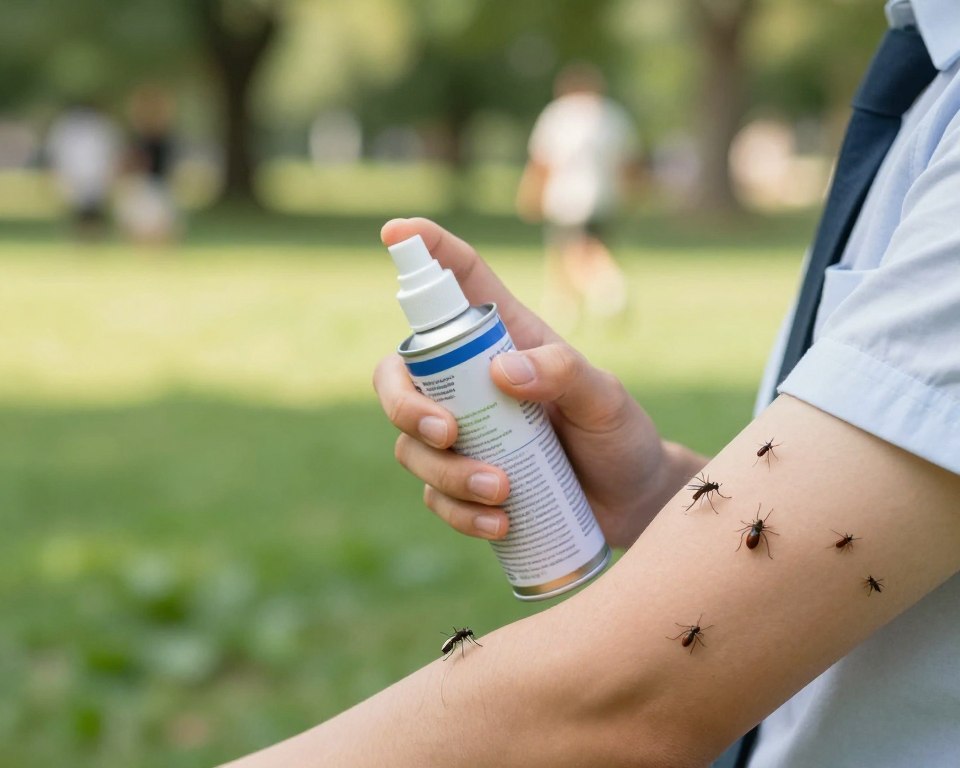
The skin acts as a barrier against outside substances, but it’s not perfect. When you apply repellent, some of it might get into your body. Things like skin condition, temperature, and the repellent’s type affect how much gets in.
Studies show that most EPA-approved repellents are absorbed at a low rate when used right. But, longer skin contact can lead to more chemical exposure. Always follow the label to reduce absorption.
Systemic Toxicity Concerns
Looking at the risks of long-term insect repellent use, scientists check how the body handles these chemicals. Most repellents are made to be broken down and removed quickly. Toxicity usually happens when people misuse the products, like eating them or using too much.
Research shows that sticking to the recommended use keeps the body’s chemical load low. This balance ensures the benefits of avoiding diseases outweigh the risks of chemical exposure.
Neurological and Endocrine Considerations
Many people worry about the insect repellent toxicity concerns for their nervous and endocrine systems. Scientists have closely looked at these areas to ensure safety. For example, Picaridin is seen as safe if inhaled and has no links to brain harm or cancer.
The table below shows the safety of common repellent ingredients based on recent studies:
| Ingredient | Primary Safety Profile | Systemic Risk Level |
|---|---|---|
| DEET | Well-studied; low risk if used correctly | Low |
| Picaridin | High safety; non-neurotoxic | Very Low |
| Oil of Lemon Eucalyptus | Natural; requires careful handling | Low |
Evidence-based guidance is the best way to deal with these worries. By picking safe products and using them as needed, you can protect yourself while avoiding health risks.
Best Practices for Daily Insect Repellent Application
Using daily insect repellent application correctly keeps you safe and reduces chemical exposure. Always follow the EPA-approved label on your product. These instructions help you stay safe and effective.
Proper Dosage and Coverage Techniques
Apply just enough repellent to cover your skin and clothes. You don’t need to soak your skin to keep pests away. Over-application can cause skin irritation or absorption.
When using repellent on your face, spray it on your hands first. Then rub it on your skin. Avoid spraying directly at your face to prevent eye or skin irritation. For more advice, check out these Insect repellents guidelines for safe use.
Avoiding Sensitive Areas of the Body
Keep repellents away from sensitive spots like your eyes, mouth, and nostrils. Don’t apply it to broken, irritated, or sunburned skin. If you have a cut or scrape, cover it with a bandage first.
Frequency Limits for Different Age Groups
Following best insect repellent practices means knowing how often to apply it by age. Kids have thinner skin and different metabolisms, so they need more careful use. Always check the age limits on the product label before use.
| Age Group | Application Frequency | Safety Focus |
|---|---|---|
| Infants (Under 2 months) | Not Recommended | Physical barriers only |
| Children (2 months – 12 years) | Once daily or as labeled | Low concentration products |
| Adults | Follow label instructions | Reapply only as needed |
Insect Repellent Safety for Infants and Children
When using insect repellent on kids, we aim to keep them safe and protected. Young ones have thinner skin and different body processes than adults. This means we need to choose products that work well but are also gentle.

Age-Appropriate Ingredient Selection
Choosing the right ingredient is key to keeping kids safe. The Environmental Protection Agency (EPA) says Picaridin is safe for kids as young as 2 months. Always check the label to make sure it’s right for your child’s age.
Don’t use oil of lemon eucalyptus on kids under 3. For babies under 2 months, use physical barriers like mosquito nets instead of chemicals. This keeps them safe from harmful chemicals during their most vulnerable times.
Application Tips for Toddlers
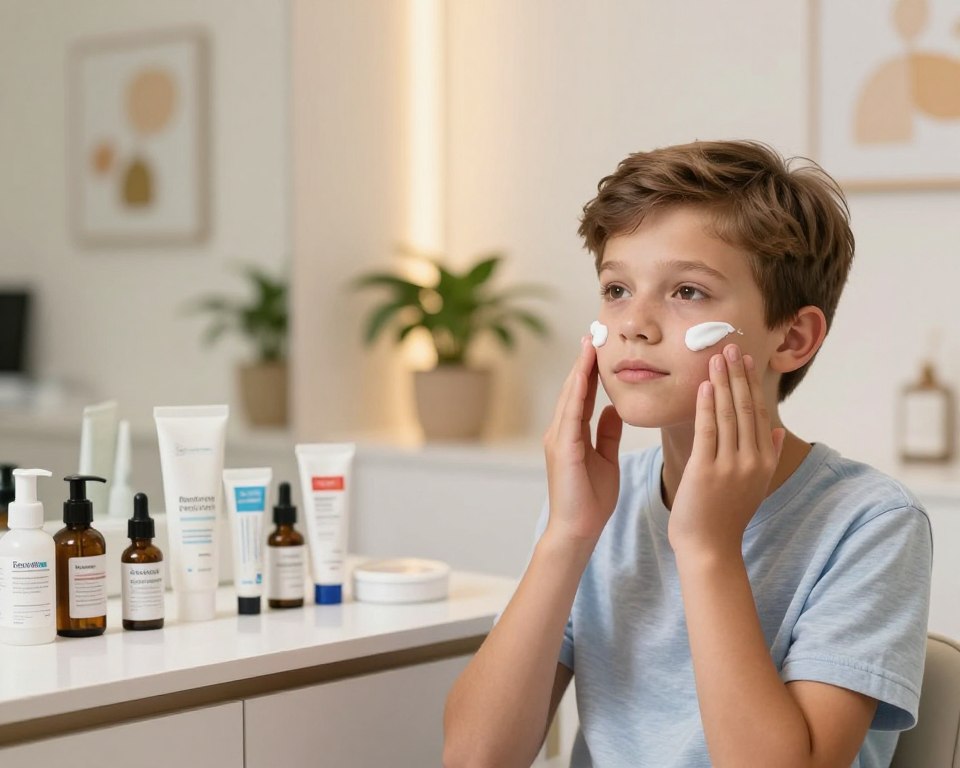
Putting repellent on a wiggly toddler needs patience and care. Don’t spray it on their face. Spray it on your hands first, then gently rub it on their skin. This keeps them from breathing in the mist or getting it in their eyes or mouth.
Apply it to skin and clothes that are exposed. Avoid putting it on hands, as kids often touch their faces or mouths. If using a sunscreen-repellent combo, remember to reapply more often than sunscreen alone.
When to Consult a Pediatrician
Every child is different, and some may have skin issues that need a doctor’s advice. If your child has eczema, skin rashes, or allergies, talk to your pediatrician. They can suggest the safest products for your child’s health.
Also, see a doctor before traveling to areas with diseases like Zika or West Nile virus. In these cases, preventing serious illness might be more important than avoiding chemical exposure. Your pediatrician can help you decide what’s best for your family.
| Age Group | Recommended Strategy | Key Precaution |
|---|---|---|
| Under 2 Months | Physical barriers (netting) | Avoid all chemical repellents |
| 2 Months to 3 Years | EPA-approved Picaridin | Do not apply to hands or face |
| 3 Years and Older | Standard EPA-approved products | Supervise all applications |
Protecting Pets from Repellent Exposure
Keeping pets safe from insect repellent toxicity concerns is a big job for pet owners. These products work well for people but can harm animals if they eat them or get them on their skin.
Toxic Ingredients for Dogs and Cats
Some sprays and lotions have ingredients that are bad for pets. For example, permethrin is very harmful to cats. It can cause serious brain problems if a cat touches the wet stuff.
Even though dogs can handle dried permethrin, it’s a big risk for cats when it’s wet. DEET can also upset a pet’s stomach or cause skin problems if they lick it. Always read labels carefully, like when you’re wondering is Lysol toxic to dogs when cleaning.
Safe Application Around Household Animals
To lower insect repellent toxicity concerns, spray repellent in a place with good air flow, away from pets. Don’t spray near their food, water, or where they sleep to stop them from getting it by accident.
If you use lotion or cream, make sure it’s fully soaked into your skin before your pet touches or licks you. Consistency is key. Keeping your repellent use separate from your pet’s space helps avoid chemical transfer.
Recognizing Signs of Repellent Poisoning in Pets
Spotting exposure early is very important. Look for signs like excessive drooling, vomiting, being very tired, or muscle shakes. These could mean your pet has gotten into something bad.
If your pet acts strangely or seems sick, call your vet right away. Tackling insect repellent toxicity concerns quickly can stop serious health problems. It keeps your pet safe and healthy at home.
Environmental Factors Influencing Repellent Efficacy
Mosquitoes use many cues to find a blood meal. They are very sensitive to their surroundings. This means the environment affects how well a repellent works.
Knowing these factors helps you keep a consistent barrier against bites all day.
Humidity and Sweat Impact
High humidity and sweating change how well repellents work. Sweat can wash away the active ingredients, leaving you unprotected.
Also, moisture in the air makes repellents evaporate faster. In hot, humid places, you might need to reapply more often than usual.
Sunscreen and Repellent Interaction
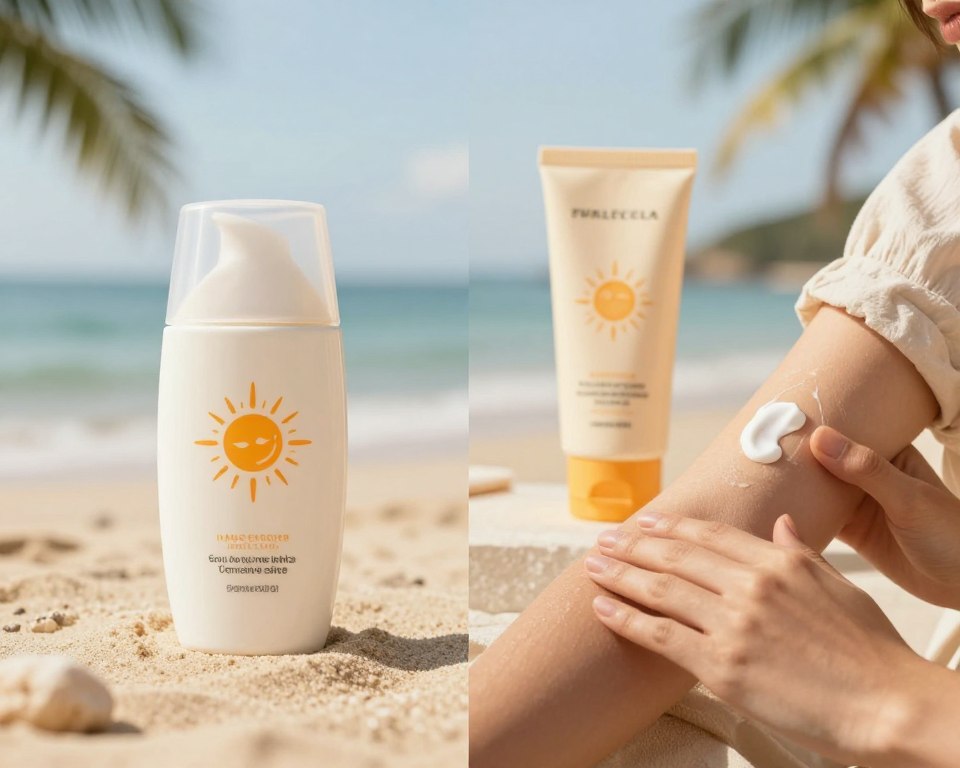
Many people use sunscreen and repellent together. But, they can interact in ways you might not expect. DEET-based repellents can increase the absorption of sunscreen ingredients.
To avoid problems, put on sunscreen first and let it dry. Then apply the repellent. If using a combo product, follow the maker’s instructions carefully.
Reapplication Timing for Maximum Protection
The time your repellent lasts changes with your activity and the environment. If you’re hiking or swimming, it won’t last as long.
Watch for signs that the repellent is fading, like more bugs near you. Instead of a thick layer, apply a moderate amount. Reapply as needed to stay protected without overusing chemicals.
Managing Skin Sensitivity and Allergic Reactions
It’s important to know how your skin reacts to chemical repellents. Everyone’s skin is different, even though products are tested well. By watching how your skin reacts, you can stay safe without harming your dermal health.
Identifying Contact Dermatitis
Contact dermatitis is a common problem with repellents. It shows up as red, itchy, or inflamed skin where you applied the product. You might also see small bumps or feel a burning sensation that lasts a long time.
It’s key to tell the difference between a mild irritation and a real allergy. True allergic contact dermatitis can take hours or days to show up. Irritant dermatitis happens right after you apply the product. If your skin stays red or swells, it’s time to pick a new product.
Patch Testing New Products
Always do a patch test before using a new repellent on your whole body. This is the best way to check for sensitivities before they spread. Put a small amount on your forearm or behind your ear.
Wait 24 hours to see if any redness, itching, or blisters show up. If your skin looks fine, it’s probably safe to use on more areas. This preventative measure is very important for people with sensitive skin or allergies.
“The skin acts as a primary barrier, but it is not impenetrable. Performing a patch test is a simple, effective way to respect your body’s unique chemical threshold.”
What to Do If a Reaction Occurs
If you think you’re having a reaction, take off the product right away. Clean the area with mild soap and cool water to remove all chemicals. Don’t scrub too hard, as this can hurt your skin more and make it worse.
After cleaning, you can use a cool compress to calm the irritation. If the problem doesn’t get better or gets worse, see a doctor for advice on treatments or antihistamines. Here’s a table to help you tell normal feelings from signs of a reaction.
| Sensation | Normal Response | Potential Reaction |
|---|---|---|
| Itching | Brief, mild tingling | Persistent, intense urge to scratch |
| Redness | None | Visible rash or blotchy patches |
| Skin Texture | Smooth | Bumps, blisters, or swelling |
| Duration | Fades within minutes | Lasts for hours or days |
Long-Term Health Effects of Chronic Exposure
While we know short-term safety, the long-term health effects of chronic insect repellent use are being studied. Many people worry about the hidden risks of daily use over years. It’s key to separate worries from real health issues.

Reviewing Current Epidemiological Studies
Recent studies give us good news. They show that using repellents as directed doesn’t lead to chronic illnesses. Scientific consensus says our bodies can handle and get rid of these chemicals.
Cumulative Exposure Risks
Cumulative exposure looks at lifetime chemical intake. Most repellents are applied on the skin, and only a bit gets into the blood. This minimal systemic absorption lowers the risk of long-term use.
Balancing Disease Prevention vs. Chemical Exposure
As a pharmacist, I tell patients to think about chemical risks versus disease dangers. Diseases like West Nile virus and Zika are serious threats. Preventing these infections is more important for public health.
The insect repellent health effects seen are mostly minor skin issues. Using EPA-approved products means you’re choosing safe options. These tools help protect your health in risky places.
Non-Chemical Alternatives for Daily Protection
Using a multi-layered approach to pest control is key to reducing chemical use. Topical products work well, but adding non-chemical methods is vital. This way, you can lower how often you need to use chemicals on your skin.
Physical Barriers and Clothing Choices
Creating a physical barrier is the best way to avoid bites without chemicals. Wear long-sleeved shirts, pants, and socks to keep mosquitoes and ticks away. Light-colored, tightly woven clothes also help spot insects early.
Permethrin is a great tool for those in high-risk areas. It’s an EPA-approved insecticide for clothes, boots, and camping gear, not skin. Treated items stay effective through many washes, protecting against ticks and other pests.
Environmental Management of Mosquito Habitats
Lowering the insect population around your home is a smart move. Mosquitoes need standing water to survive, so removing breeding spots is key. Here’s how to manage your area:
- Empty containers that collect rainwater, such as flower pots, buckets, and birdbaths.
- Ensure roof gutters are clear of debris to prevent water accumulation.
- Maintain your lawn by keeping grass trimmed short to reduce resting areas for adult mosquitoes.
- Repair damaged window and door screens to keep insects out of your living space.
Natural Essential Oil Efficacy
Many people prefer natural options like essential oils to avoid synthetic chemicals. While some plant-based oils repel insects, their protection doesn’t last long. These products need frequent reapplication to offer any real protection.
Essential oils should be seen as a supplement, not a main defense in high-risk areas. Relying only on them might not keep you safe from diseases spread by insects. Always choose proven methods that offer lasting protection when looking for best insect repellent practices.
Regulatory Standards and Safety Testing in the United States
In the United States, the Environmental Protection Agency (EPA) is key in keeping consumers safe from insect repellents. The EPA makes sure products on the market are safe for humans and the environment. They focus on insect repellent safety to protect people from diseases spread by insects.

The Role of the EPA in Product Approval
To get EPA approval, a chemical must pass through a lot of tests. Manufacturers have to share data on how well the product works, its safety, and any harm it might cause to the environment. This careful check ensures the product’s benefits are greater than its risks.
The EPA doesn’t just approve products once. They keep checking new research to update their safety rules. This means consumers can trust that their products have been thoroughly reviewed.
Understanding Labeling Requirements
Product labels are important for users. The EPA requires that all registered repellents have clear instructions on how to use them. These labels also warn about sensitive areas and how to use the product on children.
It’s important to follow these instructions to stay safe when using insect repellent safety. If a label says not to use it more than a certain number of times a day, you should listen. Not following these directions can lead to skin problems and too much chemical exposure.
How to Interpret Safety Data Sheets
Safety Data Sheets (SDS) give a detailed look at a product’s chemicals. While made for professionals, they are also available to the public. They include information on what’s in the product, how it works, and its safety.
Understanding SDS can help you make better choices about what you put on your body. By looking at the health hazards and first aid sections, you can learn how to handle risks. This openness is key to insect repellent safety today.
| Regulatory Aspect | EPA Requirement | Consumer Benefit |
|---|---|---|
| Efficacy Testing | Proven bite prevention | Reliable protection |
| Toxicity Review | Dermal and systemic safety | Reduced health risk |
| Labeling Standards | Clear usage instructions | Proper application |
| Environmental Impact | Biodegradability checks | Eco-conscious choice |
Common Myths Regarding Repellent Toxicity
When looking at insect repellent toxicity concerns, it’s key to separate myths from facts. Many people get confused by the conflicting advice on social media. The best way to deal with these fears is to rely on scientific research and official guidelines.
Debunking Internet Misinformation
One common myth is that any chemical on the skin will poison you. But, the EPA tests these products to make sure they’re safe when used right. Misinformation often ignores the difference between acute exposure and the controlled, topical application of these substances.
Another myth is that “chemical-free” products are safer. While natural ingredients might seem better, they’re not always tested as much. It’s best to choose products with clear, scientific evidence behind them, not just online stories.
Clarifying Ingredient Safety Levels
Understanding insect repellent toxicity concerns means knowing how scientists measure safety. Safety isn’t just yes or no; it depends on how much of an ingredient you use and how often. Most repellents are made to stay on the skin’s surface, not get into your blood.
Pharmacists say the risk of getting sick from bugs is much higher than the risks from repellents. By following the directions, you can protect yourself well and avoid health risks. Proper application is the key to minimizing any possible health risks.
The Truth About Natural vs. Synthetic
The debate between natural and synthetic repellents often misses important points. Synthetic ingredients like DEET and Picaridin have lots of safety data. But, natural essential oils can irritate skin or cause allergic reactions, even though they’re labeled as natural.
| Feature | Synthetic Repellents | Natural Alternatives |
|---|---|---|
| Regulatory Oversight | Strict EPA Approval | Varies by Ingredient |
| Duration of Effect | Long-lasting (6-12 hours) | Short-lived (1-2 hours) |
| Safety Data | Extensive Clinical Studies | Limited Long-term Data |
| Primary Risk | Potential Skin Irritation | Allergic Dermatitis |
In the end, the choice between natural and synthetic repellents depends on your needs. By focusing on facts, we can make better choices for our health. Always talk to a doctor if you’re worried about your skin or health history.
When to Prioritize Repellent Use Over Safety Concerns
In some cases, the need to avoid insect-borne diseases is more important than using bug spray daily. Many people try to avoid chemicals, but the risk of serious illness can change this. It’s important to know when your environment is a real danger to your health.
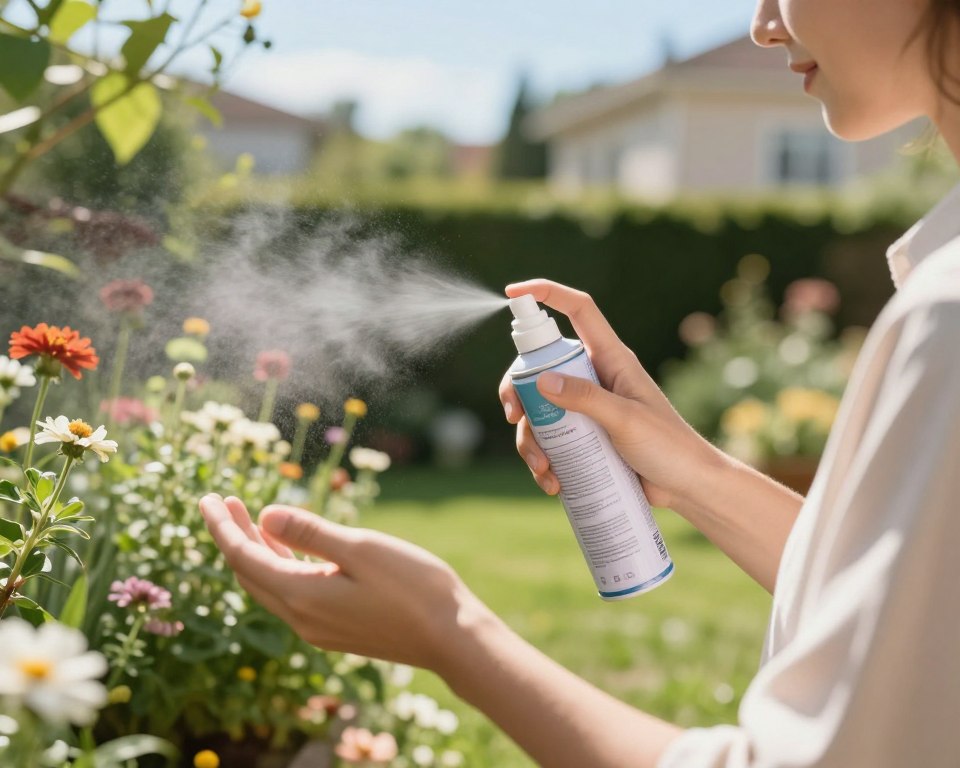
Assessing Local Disease Risks
Start by checking if diseases spread by insects are common in your area. The CDC and other health groups have maps showing where these diseases are found. If you live where these diseases are active, using repellents is key to staying healthy.
- Check local health department alerts for seasonal outbreaks.
- Monitor the density of local tick or mosquito populations.
- Consult with a healthcare provider if you have underlying health conditions that increase your vulnerability.
High-Risk Environments and Travel
Traveling to tropical or subtropical areas means you might face diseases not found at home. In these places, using bug spray daily is a must for staying safe. Travelers should apply repellent regularly to keep bugs away.
Places like dense forests, wetlands, and areas with poor sanitation are high-risk. These areas have many insects that can spread diseases like malaria, dengue, or chikungunya. Consistent protection is your best defense in these places.
Weighing the Benefits of Vector-Borne Disease Prevention
Think about the long-term effects of getting a disease from an insect. Many of these diseases can cause serious health problems, hospital stays, or even be life-threatening. By using bug spray daily in risky situations, you can avoid these serious outcomes.
Make a choice based on your own situation. While it’s good to be careful about chemicals, don’t let fear stop you from using repellents when needed. Using proven methods is the best way to stay safe in tough environments.
Practical Tips for Reducing Chemical Load
It’s important to find a balance between keeping bugs away and not using too many chemicals. By adjusting how you use daily insect repellent, you can protect yourself without overloading your skin with chemicals.
Strategic Application Methods
One smart way to cut down on chemicals is to only apply products where needed. Instead of covering your whole body, just treat the skin that’s exposed or apply it to your clothes.
Putting repellent on your outer clothes can be enough to keep bugs away. This strategic approach means less of the stuff gets absorbed by your skin during use.
Washing Off Repellents After Use
Chemicals should only stay on your skin when you’re outside and might get bitten. Once you’re back inside, wash them off.
Washing with soap and water gets rid of any leftover chemicals. This simple step is a highly effective strategy for anyone worried about the long-term effects of using these products.
Choosing Formulations with Lower Concentrations
You don’t always need the strongest bug spray. Look at the bug situation in your area and pick the weakest formula that works for you.
Lower-strength sprays are good for shorter times or in places with fewer bugs. Choosing the right product for your area helps you stay safe while using less chemical.
Conclusion
Protecting yourself from vector-borne illnesses needs a smart mix of chemical use. Make sure your repellent is approved by the U.S. Environmental Protection Agency. This ensures it’s safe for both adults and kids.
Looking for DEET-free bug repellent options? There are many choices out there. Whether it’s Picaridin, PMD, or essential oils, always read the label carefully.
Science backs up the use of these repellents if you follow the instructions. By using them right, you lower risks and keep mosquitoes and ticks away.
Being accurate in your health choices helps you face environmental challenges with confidence. Keep up with the latest advice from health experts. This way, your protection plans stay up-to-date and effective.
FAQ
Is it safe to use DEET every day?
Yes, the EPA says DEET is safe for daily use when used correctly. To be safe, use the lowest amount needed and wash it off when you’re indoors.
What are the risks of long-term insect repellent use?
Long-term use can cause skin irritation or allergic reactions. But, using bug spray safely can lower these risks. Always follow the right application methods.
Is Picaridin a better choice for daily insect repellent application?
Picaridin is a good choice for daily use. It’s less likely to irritate your skin and doesn’t damage clothes. It’s also less absorbed by the skin than DEET.
Can I apply bug spray to my infant every day?
No, don’t use bug spray on babies under two months. For older kids, use the right amount and talk to a doctor about daily use in high-risk areas.
How can I address insect repellent toxicity concerns for my pets?
Never use human bug spray on pets. DEET and Permethrin are toxic to them. Keep these products away from pets to keep them safe.
Does using bug spray daily lead to neurological problems?
No, studies show bug spray doesn’t cause neurological problems when used as directed. Most concerns come from misuse or accidental ingestion.
Should I wash off bug spray before going to bed?
Yes, washing off bug spray at night is important. It helps prevent your skin from absorbing it while you sleep.
How do environmental factors like sweat affect insect repellent safety?
Sweat and humidity can make bug spray less effective. To avoid this, use a water-resistant formula or wear protective clothing.