Homeowners often use strong insecticides to fight stinging insects near their homes. As a pharmacist, I get many questions about these chemicals. It’s key to know the difference between pest control and health risks to keep your home safe.
Many products use strong neurotoxins to kill insects. These formulas work well but can be dangerous if not used right. It’s important to use them correctly and in well-ventilated areas to avoid exposure.
Before using any chemical, think about the risks to your family. For those worried about chemical safety, learning about bug spray indoors and its effects on pets can help. My aim is to guide you with accurate information.
Key Takeaways
- Most insect-killing products rely on neurotoxins that target specific biological pathways in pests.
- Human health risks depend heavily on the concentration of active ingredients and the method of application.
- Always prioritize ventilation to prevent the inhalation of airborne chemical particles during use.
- Read product labels carefully to identify signal words like “Caution” or “Danger” regarding possible harm.
- Consider non-chemical alternatives or professional services if you are uncomfortable managing these substances yourself.
Understanding the Chemical Composition of Wasp Sprays
It’s important to know how these products work, mainly if you’re worried about the toxicity of wasp spray in your home. Most commercial sprays are made to quickly stop stinging insects. They also aim to be safe for people’s homes.
Common Active Ingredients in Insecticides
The main strength of most best wasp spray products comes from pyrethrins or pyrethroids. These chemicals are found in amounts from 0.04% to 0.06%.
- Pyrethrins: These are natural compounds from chrysanthemum flowers.
- Pyrethroids: These are synthetic versions that last longer outdoors.
How Pyrethroids and Pyrethrins Function
These ingredients work by attacking the nervous system of insects. They attach to sodium channels in nerve cells. This causes the insect to fire its nerves over and over, leading to paralysis.
Humans have different nervous systems and metabolism, making these chemicals less harmful at low doses. But, it’s important to be careful to avoid breathing them in or touching them on the skin when using.
The Role of Synergists and Solvents
Manufacturers add extra parts to make the active ingredients work better. Synergists, like piperonyl butoxide, help stop the insect from breaking down the insecticide too fast.
Solvents and propellants are also key. They let you spray the product over a distance. These help the active chemicals get into the insect’s skin, making sure the toxicity of wasp spray hits the target pest. They also keep the canister stable.
Is Wasp Spray Toxic to Humans
Many people wonder if Is Wasp Spray Toxic to humans. They worry about getting poisoned when using it for pest control. But, these products are made to harm insects, not humans.
Acute Exposure Pathways
Accidental inhalation or skin contact can lead to acute exposure. In homes, these sprays usually cause mild irritation. You might see redness or feel a sting if they touch your eyes or skin, but it’s usually just a local reaction.
Doctors say these sprays aren’t meant to harm humans. The ingredients are too weak for that. Is Wasp Spray Toxic enough to be deadly? Usually, no, when used as directed.
Chronic Health Risks and Long-term Exposure
Some worry about long-term health effects. But, there’s no proof that occasional use of these sprays harms adults. Our bodies can handle and get rid of these chemicals when used sparingly.
It’s important to know these sprays are for pests, not people. Some think they can use them to defend against humans. But, that’s not safe. Is Wasp Spray Toxic enough to use as a human deterrent? No, experts say it’s not safe for that.
Recognizing Symptoms of Wasp Spray Poisoning
Knowing the early signs of chemical exposure can help avoid serious health issues. Many household bug sprays have strong neurotoxins. So, it’s key to understand the Wasp Spray Danger for home safety. If you think you’ve been exposed, check our medical disclaimer for what this info can and can’t do.
Mild Toxicity Indicators
First signs show up quickly after touching the skin or eyes. You might see redness, itching, or a burning feeling where it touched. These are common when the spray settles on skin or gets in the eyes.
When you breathe in the spray, you might get a dry cough, a scratchy throat, or a little stuffy nose. These usually go away when you get some fresh air and clean the affected area with soap and water.
Severe Reactions Requiring Medical Attention
While some irritation is normal, serious poisoning is a big Wasp Spray Danger that needs quick help. If someone has trouble breathing, feels their chest tight, or wheezes, they might have a serious lung problem. This means the chemicals have gotten into their lungs or blood in big amounts.
Neurological symptoms are very serious and need fast care. Look out for:
- Persistent dizziness or feeling lightheaded
- Involuntary muscle twitching or tremors
- Nausea and persistent vomiting
- Confusion or feeling like you’re in a different world
If you see these bad signs, don’t wait. Get emergency help right away to keep the person or pet safe.
Risks of Using Wasp Spray Around Children
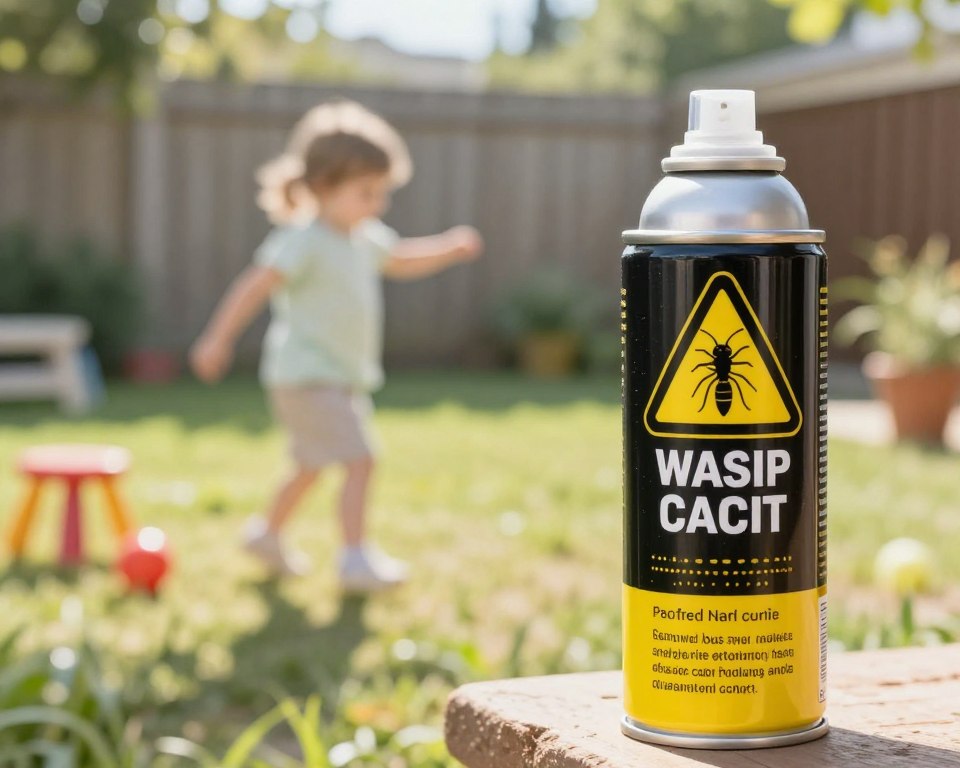
Many parents don’t realize the Wasp Spray Danger when using insecticides at home. These products can control stinging insects but are not safe for human skin or breathing. It’s important to keep your home safe from these chemicals.
Why Children Are More Vulnerable
Children are more at risk from chemicals than adults. Their smaller size means they can get more toxins from a small amount. Also, their bodies are not as good at handling these chemicals.
Children often touch things and then put their hands in their mouths. They are curious and touch surfaces that have been treated with insecticides. This can lead to them getting chemicals on their skin or swallowing them by accident.
Preventing Accidental Ingestion and Skin Contact
To avoid the Wasp Spray Danger, follow safety rules carefully. Make sure kids stay away from treated areas until everything is dry and well-ventilated. Here are some ways to keep your family safe:
- Store all insecticides in high, locked cabinets that are completely inaccessible to young children.
- Always read the manufacturer’s label to determine the required drying time before allowing children back into the area.
- Clean any surfaces that may have received overspray using soap and water to remove chemical residues.
- Never apply sprays near toys, play equipment, or outdoor furniture where children frequently sit or play.
By being careful with these products, you make your home safer for your family. Always stay alert to prevent accidents in your home.
Wasp Killer Safety for Household Pets
Pets are at risk because they use their noses and paws to explore. The toxicity of wasp spray can be very dangerous for them if they touch treated areas before it dries.
Toxicity Risks for Dogs and Cats
Dogs and cats groom themselves, which means they can ingest chemicals. Even if they don’t walk through wet spray, they might breathe in particles or touch contaminated surfaces.
To keep pets safe, keep them away from treated areas until everything is dry and well-ventilated. Preventing accidental contact is key to avoiding the dangers of wasp spray.
Signs of Insecticide Poisoning in Animals
If you think your pet has been exposed to something harmful, watch them closely. Signs of poisoning can show up fast and need immediate veterinary attention to avoid serious problems.
Look out for these signs of insecticide exposure in pets:
- Excessive drooling or foaming at the mouth
- Vomiting or diarrhea
- Muscle tremors or twitching
- Difficulty breathing or rapid panting
- Lethargy or uncoordinated movement
If you think your pet has been exposed to a chemical, don’t wait for symptoms to get worse. Call your vet or an animal poison control center right away for professional guidance on what to do next.
Environmental Impact and Outdoor Safety
The chemicals used to kill stinging insects don’t just disappear. They can harm more than just the wasps they’re meant for. It’s important to know how these chemicals affect our environment.
Effects on Beneficial Pollinators
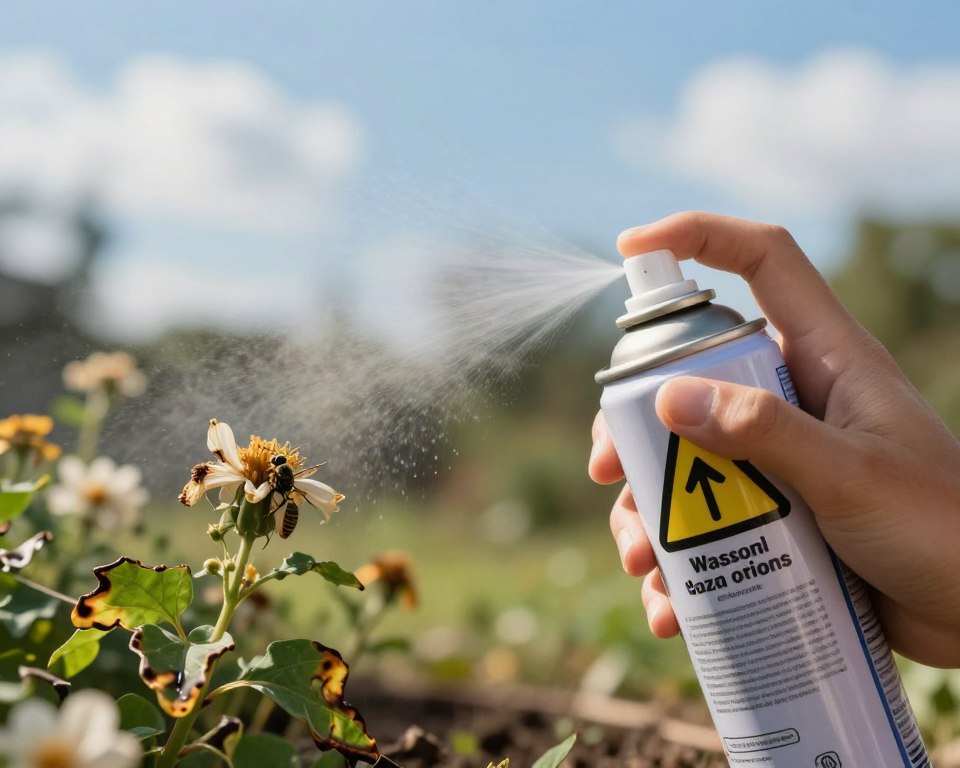
Many insecticides are not selective. They can hurt good insects as much as they harm wasps. Bees and butterflies are at risk when they land on treated surfaces. Indiscriminate spraying can greatly reduce these important pollinators.
To learn more about managing stinging insects safely, check out the guidelines for managing stinging insects. Protecting these insects helps keep our gardens healthy. Always aim to target only the specific nest, not the whole area.
Contamination of Soil and Water Sources
Chemicals can also run off into the soil or water during rain or irrigation. This can harm the environment and affect aquatic life. It’s a long-term risk of using wasp spray.
Being careful about when and where you spray is key. Avoid spraying near water or on windy days. This can help prevent environmental damage. Here’s a table showing the main environmental concerns with insecticides.
| Environmental Factor | Potential Impact | Risk Level |
|---|---|---|
| Beneficial Pollinators | Direct mortality of bees/butterflies | High |
| Soil Health | Accumulation of chemical residues | Moderate |
| Water Quality | Runoff into local streams/ponds | High |
| Local Biodiversity | Disruption of food chains | Moderate |
Proper Application Techniques to Minimize Exposure
When using chemical treatments, keeping yourself safe is key. Knowing the Risks of Using Wasp Spray is important for DIY pest control. By following safety steps, you can avoid harmful contact.
Choosing the Right Protective Gear
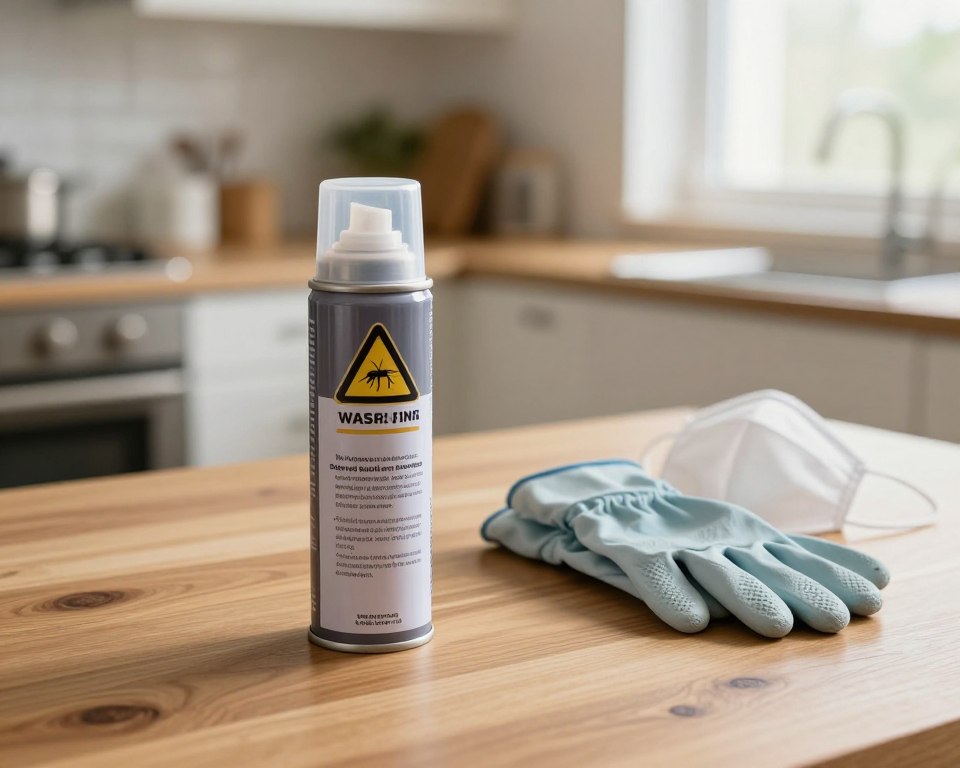
First, wear the right protective gear. You need long sleeves, pants, and closed-toe shoes to avoid skin contact. Chemical-resistant gloves are also a must for your hands.
Don’t forget eye protection. Aerosol droplets can irritate or harm your eyes. Safety goggles that fit snugly are best. For more tips, check best practices for using pesticides safely.
Wind Direction and Spray Distance Considerations
Weather affects how you apply insecticides. Always check the wind before starting. Stand so the wind blows away from you.
Keep the right distance when spraying. Most cans are made for 15 to 20 feet. This keeps you safe from splash-back and vapors. For more on safe cleaning, see toxicity in household solutions.
Safe Storage Practices for Insecticides
Effective Wasp Killer Safety starts before you use a spray can. Storing insecticides right is key to avoiding accidents at home. By keeping your utility area tidy, you lower risks to your family and pets.
Preventing Leaks and Accidental Access
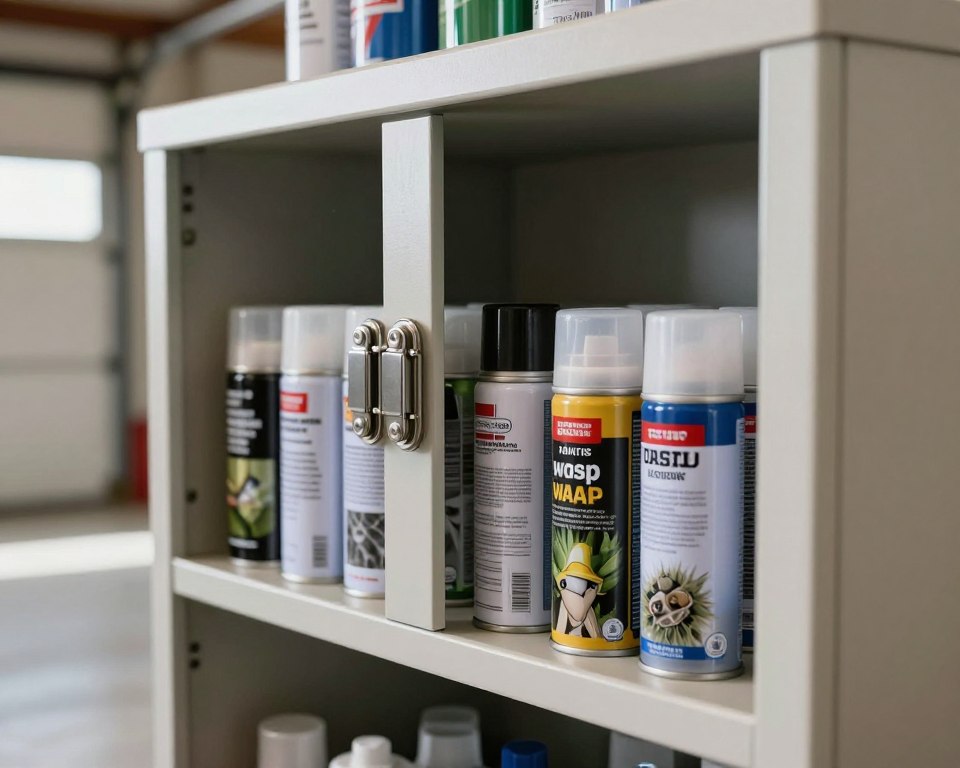
Always keep insecticide canisters in their original packaging. This way, safety instructions are always visible. Store them in a locked cabinet or on a high shelf where kids and pets can’t reach. This step stops unauthorized use and ingestion.
Check your storage area often for signs of damage or leaks. If a canister is damaged, throw it away safely. Keeping your space clean and organized is key to Wasp Killer Safety.
Temperature and Environmental Storage Requirements
Chemicals need a cool, dry place to stay stable. Keep insecticides away from sunlight and heat sources like water heaters. High temperatures can cause cans to burst or leak.
Don’t store these chemicals near food, drinks, or animal feed. A well-ventilated utility closet or a garage shelf is best. These guidelines help keep the product working well and safe for your home.
| Storage Factor | Recommended Action | Reasoning |
|---|---|---|
| Accessibility | Locked, high cabinets | Prevents child/pet contact |
| Temperature | Below 90°F (32°C) | Maintains chemical stability |
| Environment | Dry, shaded area | Prevents corrosion and leaks |
| Organization | Original containers | Ensures label instructions |
First Aid Measures for Wasp Spray Exposure
Keeping safe from Wasp Killer Safety means being ready for accidents. If you get exposed, staying calm and acting fast can help avoid serious health issues.
Immediate Steps for Skin and Eye Contact
If the product touches your skin, act fast to stop it from being absorbed. Take off any clothes that got sprayed, as they can hold the chemical against your skin.
- Wash the area: Use lots of soap and cool water to clean the skin for at least 15 minutes.
- Flush the eyes: If the spray gets in your eyes, rinse them with clean, lukewarm water for 15 to 20 minutes while keeping your eyelids open.
- Seek assistance: Don’t use ointments or creams, as they can keep the chemical in your skin.
What to Do in Case of Inhalation or Ingestion
Inhalation and ingestion are serious and need quick action. If someone breathes in the spray, get them to a place with fresh air right away to avoid more irritation.
“When dealing with chemical ingestion, never induce vomiting unless a medical professional tells you to, as it can harm your esophagus or cause aspiration.”
If someone swallows the substance, rinse their mouth with water and call for help or a poison control center. Always have the product container ready to give the exact chemical name and active ingredients to medical help. Making sure everyone knows these safety steps is key to Wasp Killer Safety.
When to Seek Professional Medical Help
Many minor exposures can be handled at home. But, some situations need immediate medical help. It’s key to know that Is Wasp Killer Harmful if not used right. Knowing when to get help can stop serious health problems.
Contacting Poison Control Centers
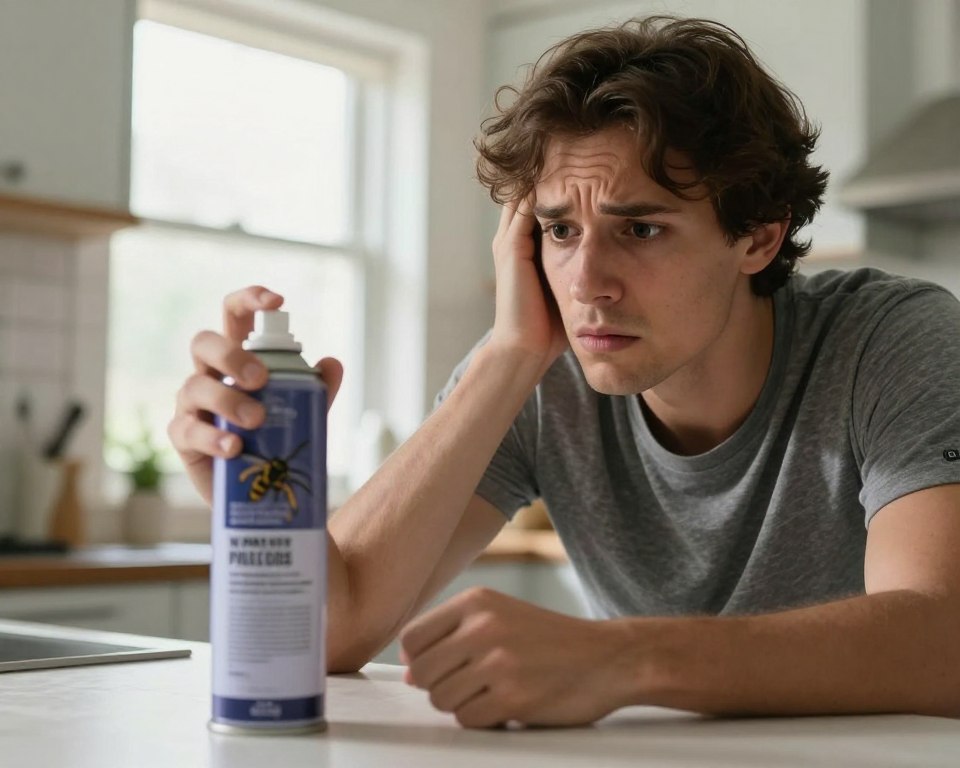
If you think you’ve had a big exposure, call the Poison Control Center. They’re available 24/7 in the United States at 1-800-222-1222. They give quick, expert advice based on the product’s chemical makeup.
Don’t wait for bad symptoms to call for help. Like with ant spray, wasp sprays need a specialist if you breathe them in or swallow them.
Preparing Information for Emergency Responders
If you need to go to the emergency room, having the right info helps doctors. Always bring the product container with you. The label has important info on what’s in it and how to treat it in emergencies.
Be ready to tell doctors about the event. Say how long you were exposed and how you got it. If you notice any symptoms, like trouble breathing or skin problems, tell them. Knowing that Is Wasp Killer Harmful in big amounts helps you explain the situation to emergency workers.
Natural Alternatives to Chemical Wasp Sprays
Many homeowners wonder, “Is wasp killer harmful?” when they find a nest near their home. Synthetic insecticides work well but can add harmful chemicals to your space. Luckily, there are natural ways to keep wasps away without using harsh chemicals.
Essential Oils and Botanical Repellents
Certain oils, like peppermint oil, can keep wasps away because of their strong smell. You can make a repellent by mixing peppermint oil, water, and dish soap in a spray bottle. Spray this mixture on areas where wasps might nest.
Using these oils can help make your home less appealing to wasps. But, remember to use them carefully. Consistency is key because these natural solutions might need more frequent use than chemical sprays.
“The most effective pest management strategy is one that prioritizes prevention and low-toxicity solutions to maintain a healthy balance in our living spaces.”
Physical Barriers and Nest Removal Strategies
Keeping wasps away from your home is best done physically. Seal cracks in siding, install fine-mesh screens on vents, and keep trash cans closed. These steps help prevent wasps from nesting.
If a nest is already there, removing it can be done, but carefully. Try to do it at night or early morning when wasps are less active. Wear protective clothes and have a clear path to leave.
If you’re unsure about using traditional products, remember that removing nests physically is safer for the environment. If natural methods fail, it might be time to get help from a pest management expert.
Regulatory Standards and Labeling Requirements
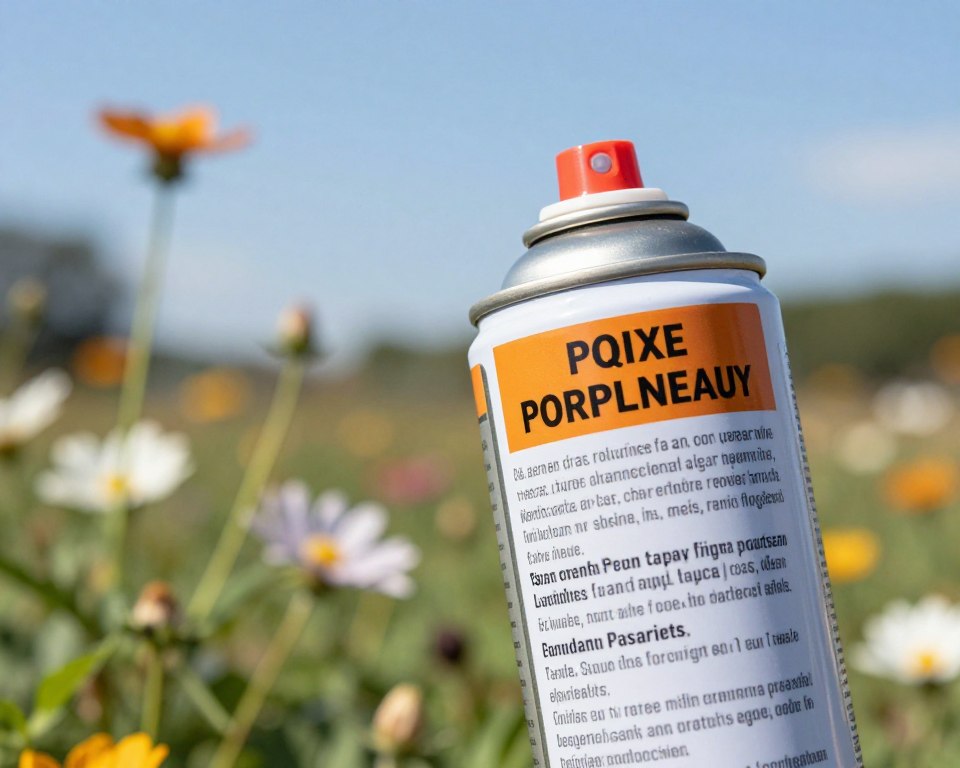
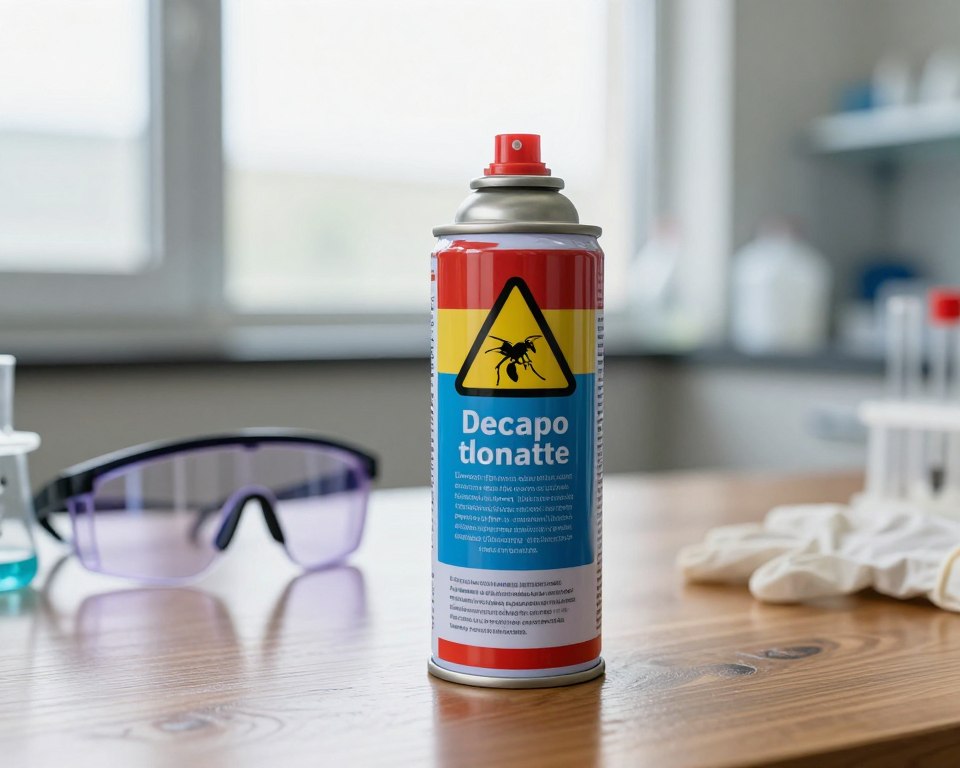
Every can of wasp spray sold in the U.S. has important info to keep you safe. The Environmental Protection Agency (EPA) makes sure all pesticide labels are clear. This way, you can know about Wasp Repellent Toxicity before using it.
Understanding EPA Registration Labels
When you buy an insecticide, you’ll see an EPA number on the label. This number shows the product has been tested for safety and works well. The EPA checks the chemical to make sure it’s safe for people and the environment.
Companies must give a lot of data to the EPA before they can sell their products. They study how the chemicals act in homes. Always look for this number to know the product is safe.
Interpreting Signal Words on Packaging
Law says manufacturers must put signal words on the front of the packaging. These words tell you how toxic the product is. Knowing these labels is key for keeping your home safe from Wasp Repellent Toxicity.
| Signal Word | Toxicity Level | Risk Description |
|---|---|---|
| Caution | Low Toxicity | Slightly harmful if swallowed or absorbed. |
| Warning | Moderate Toxicity | Moderately toxic; can cause irritation. |
| Danger | High Toxicity | Highly toxic; can cause serious harm. |
| Poison | Severe Toxicity | Extremely dangerous; seek medical help right away. |
The “Caution” label is common for home sprays, showing a lower risk. But, products with “Danger” or “Poison” need extra care. Always read the label fully to use the product safely.
Common Myths About Wasp Spray Toxicity
Wasp repellent toxicity is often misunderstood due to online rumors and marketing claims. Many think natural products are safe. But, scientific evidence shows even natural ingredients can be harmful if not used right.
Debunking Misconceptions About Natural Sprays
Some believe plant-based insecticides are safe for humans and pets. While they lack harsh chemicals, they can irritate skin or lungs. Natural does not mean non-toxic. Always follow the label, no matter the product’s origin.
Clarifying the Safety of Indoor Use
Many think indoor use of wasp sprays is safe if not sprayed on people. But, particles can stay in the air, posing risks in closed rooms. It’s key to know about Wasp Repellent Toxicity to keep your home safe. Always ensure proper airflow and don’t use outdoor sprays indoors.
Managing Wasp Infestations Without Harsh Chemicals
Integrated Pest Management (IPM) is a smart way to deal with stinging insects. It focuses on the main reasons for infestations. This approach helps lower Insecticide Health Risks and keeps your home comfortable.

Integrated Pest Management Principles
IPM starts with making your home less appealing to wasps. This means fixing cracks in siding and repairing window screens. Also, make sure trash cans are closed tight.
Blocking wasps’ access to your home is key. Seal off wall voids and attics to stop them from nesting. This often means you won’t need to use strong chemicals.
Professional Extermination vs DIY Methods
Choosing between a pro or DIY depends on the nest size and location. Small, easy-to-reach nests can be handled with traps or by hand early on.
But, big or hidden nests need special tools and skills. Experts can safely deal with these, keeping your family and pets safe from Insecticide Health Risks.
If you’re not up for the risks, getting a licensed pro is best. They offer safe, long-term solutions instead of quick, chemical fixes.
The Importance of Ventilation During Application
Good airflow is key to avoiding harmful chemical vapors when using indoor insecticides. In small spaces, the concentration of chemicals can quickly become dangerous. It’s vital to keep air quality high for safe pest control at home.
Indoor Spraying Hazards
Using wasp spray indoors is different from outside. Chemicals and solvents don’t spread out in a closed area. They stay on surfaces or in the air for a long time.
Inhaling these vapors can cause breathing problems, dizziness, or nausea. You should be careful with insecticides just like household chemicals like nail polish remover. Without good ventilation, people and pets can get exposed by accident.
Ensuring Airflow in Enclosed Spaces
To avoid dangers, manage the environment when using insecticides. Just opening a door might not clear the air well enough. You need a plan to get rid of chemical residues fast.
Here are some steps to stay safe and lower Insecticide Health Risks:
- Create a cross-breeze: Open windows on opposite sides to get fresh air flowing.
- Use mechanical ventilation: Place box fans in windows to remove bad air, not spread it.
- Clear the area: Make sure everyone, including kids and pets, leaves the room for a few hours after spraying.
- Monitor the scent: If you can smell the chemical, the air isn’t safe yet.
Remember, time is important for safety. Even after the spray looks gone, tiny particles might stay in the air. Waiting for the room to fully air out is the best way to keep your family safe from chemicals.
Conclusion
Managing wasps needs a careful balance. We must think about quick fixes and the risks of chemicals. Every choice we make about using insecticides matters a lot.
It’s important to know how pesticides affect our health. By learning about the ingredients and risks, you keep your family and pets safe. This knowledge helps prevent poisoning or harming the environment.
Using proven methods is key for homeowners. Safe practices keep your home pest-free without harming the air or your health. Being careful and storing chemicals right makes your home safer for all.
Always read labels and choose safer options when you can. Making small changes in how you handle chemicals can make a big difference. Your smart choices today help create a healthier home for the future.
FAQ
Is Wasp Spray Toxic to humans if accidentally inhaled?
Raid Wasp & Hornet Killer uses pyrethroids, which target insects. They are not very toxic to humans. A brief spray might cause some irritation or coughing. But, using it in a closed space can be dangerous. Always use it in a well-ventilated area.
Is Wasp Killer Harmful to household pets like dogs and cats?
Yes, pets, like cats, can be at risk. Cats can’t break down pyrethroids well. If a pet touches a treated area and then grooms, it could get sick. Watch for signs like drooling or vomiting. Keep pets away until the area is dry.
What are the primary symptoms of Wasp Repellent Toxicity in humans?
Exposure usually causes irritation. Skin contact might feel tingling or burning. Eyes can get red and sting. Rarely, you might feel dizzy or nauseous. Spotting these signs early helps in quick action.
Can I use wasp spray as a tool for self-defense?
No, it’s not safe. Wasp sprays are meant for hitting nests, not for self-defense. They can harm your eyes and are not as effective as pepper spray. The label says it’s only for killing pests.
How should I respond if a child accidentally touches a treated surface?
Kids are more at risk because of their size and habits. If a child touches a treated area, wash their skin well with soap and water. If they’ve eaten it, call Poison Control at 1-800-222-1222. Don’t make them vomit unless a doctor tells you to.
Are there natural alternatives that avoid the Toxicity of Wasp Spray?
Yes, there are safer options. Essential oils, like peppermint, can keep wasps away. You can also use physical barriers or decoy nests. These might need more use than chemical sprays.
What information does Poison Control need if an exposure occurs?
If you’re worried about wasp spray, call with the product in hand. Tell them the brand, EPA number, when you were exposed, and any symptoms. This helps them give the right advice.
Does wasp spray pose a threat to the local environment or bees?
Yes, it can harm both the environment and bees. It’s not selective, so it can kill bees too. It’s also bad for fish if it gets into water. Spray away from flowers and avoid using it before rain.