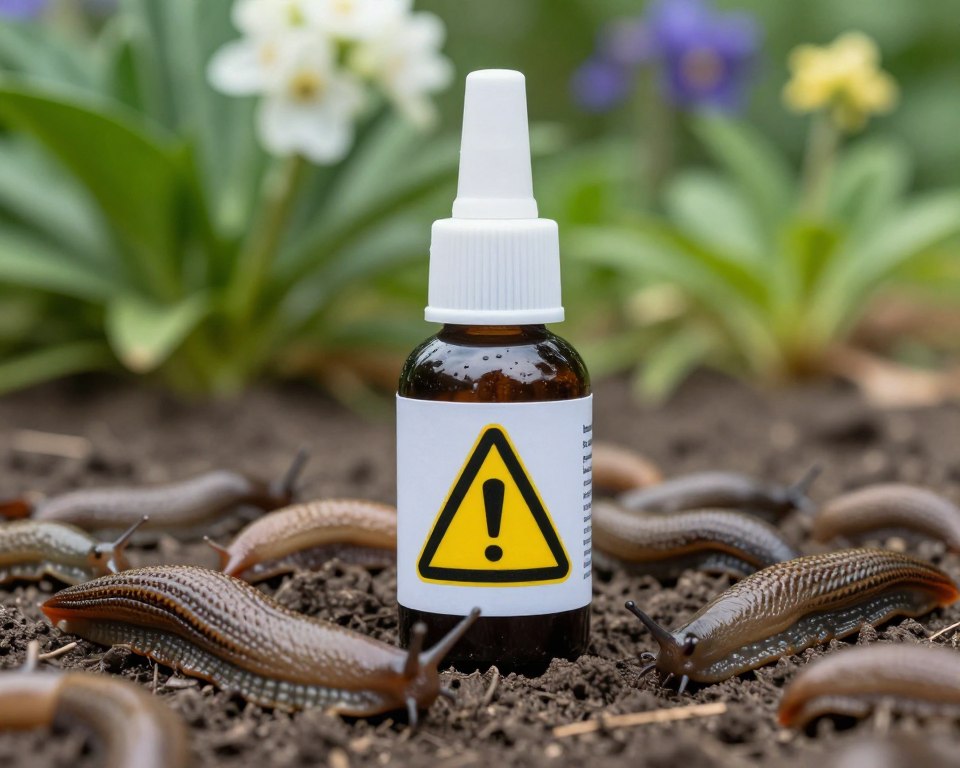
About 10% of pet poisonings at emergency centers involve garden products. Many people use chemicals to protect their gardens. But, these products can be dangerous for pets and children.
In April 2022, the UK banned metaldehyde because of its harm to wildlife and the environment. This change shows how important it is to know what’s in your garden. Even though safer options are coming, it’s key to handle and store them safely.
Whether a product is risky depends on its chemicals. If you think your pet has been poisoned, look up signs of metaldehyde toxicity and slug bait poisoning. Using reliable information helps keep your garden safe for everyone.
Key Takeaways
- Metaldehyde was banned in the UK in 2022 due to environmental and wildlife risks.
- Modern garden products need strict safety rules to avoid accidents.
- The danger level changes based on the chemical ingredients.
- Keep all molluscicides out of pets’ reach to avoid emergencies.
- Get advice from vets to find safe ways to control pests.
Understanding the Chemical Composition of Slug Killers
The success of any slug killer depends on its chemical makeup. As a pharmacist, I stress that the mode of action affects the risk to other animals and wildlife. Knowing this helps gardeners choose safe pest control methods.
Common Active Ingredients in Commercial Molluscicides
Early slug control products used strong chemicals. These were effective but risky for animals. Now, the focus is on safer, iron-based alternatives due to new regulations and toxicology knowledge.
“The dose makes the poison; this fundamental principle of toxicology is the cornerstone of evaluating any chemical intervention in the garden.”
How Metaldehyde Affects Biological Systems
Metaldehyde is a well-known slug killer. It breaks down into ethanal in slugs or snails. This leads to mucus buildup, dehydration, and death.
Though effective, metaldehyde is dangerous for dogs and other animals. Its attractants make it tempting for them. This is why many places limit or ban its use.
The Role of Iron Phosphate in Modern Slug Control
Iron phosphate is now the main slug killer. It’s safer for mammals and birds. It affects a slug’s calcium and digestion.
This stops the slug from eating and can take days to kill. Iron phosphate is natural and safe when used right. It’s a good choice for garden protection without harming the environment.
Is Slug Killer Toxic to Dogs and Cats
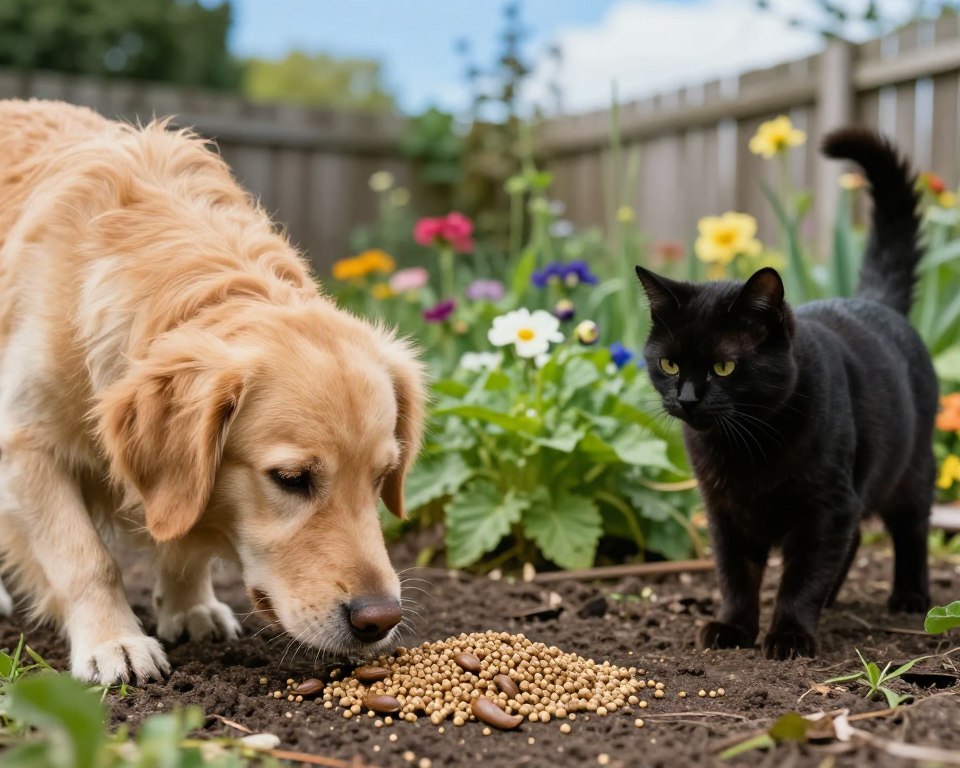
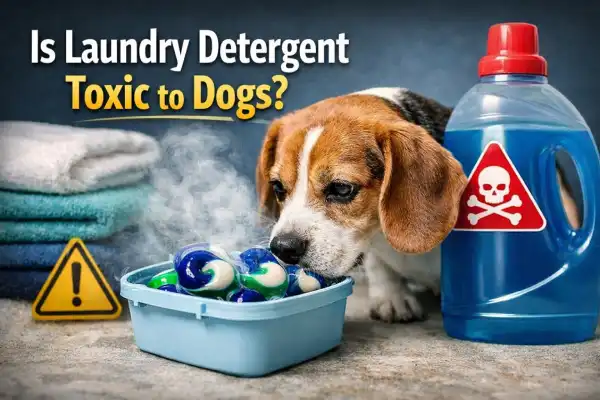
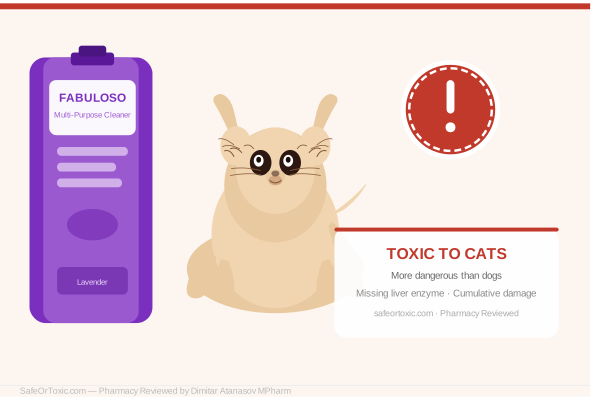
When we garden, we often wonder: is slug killer toxic to dogs and cats? Many slug killers have chemicals that can harm pets if they eat them. Even safer options need careful use to keep pets safe, like checking if Fabuloso is toxic to cats.
Recognizing Symptoms of Poisoning in Pets
Metaldehyde-based slug killers are very dangerous. They can cause pets to shake violently and have very high body temperatures. Look for signs like a lot of drooling, vomiting, and diarrhea too.
“Early detection of toxic ingestion is the single most important factor in determining a positive clinical outcome for poisoned animals.”
Immediate Actions to Take After Accidental Ingestion
If your pet eats a slug bait, act fast. Don’t wait for symptoms to call the vet. Call your vet or an animal poison control center right away for help.
- Remove any remaining bait from the pet’s mouth if it is safe to do so.
- Collect the product packaging to provide the veterinarian with the exact ingredient list.
- Follow professional instructions regarding decontamination, which may include inducing vomiting under clinical supervision.
Long-term Health Risks for Domestic Animals
Iron phosphate is safer than some other slug killers, but it’s not completely safe. Eating a lot of it can upset a pet’s stomach and kidneys. Is slug killer toxic in the long term? Yes, it can harm organs like the liver and kidneys if not treated.
Watching pets closely and using barriers is best to avoid harm. Choosing non-toxic ways to control pests keeps pets safe from chemicals.
Human Health Risks and Exposure Pathways
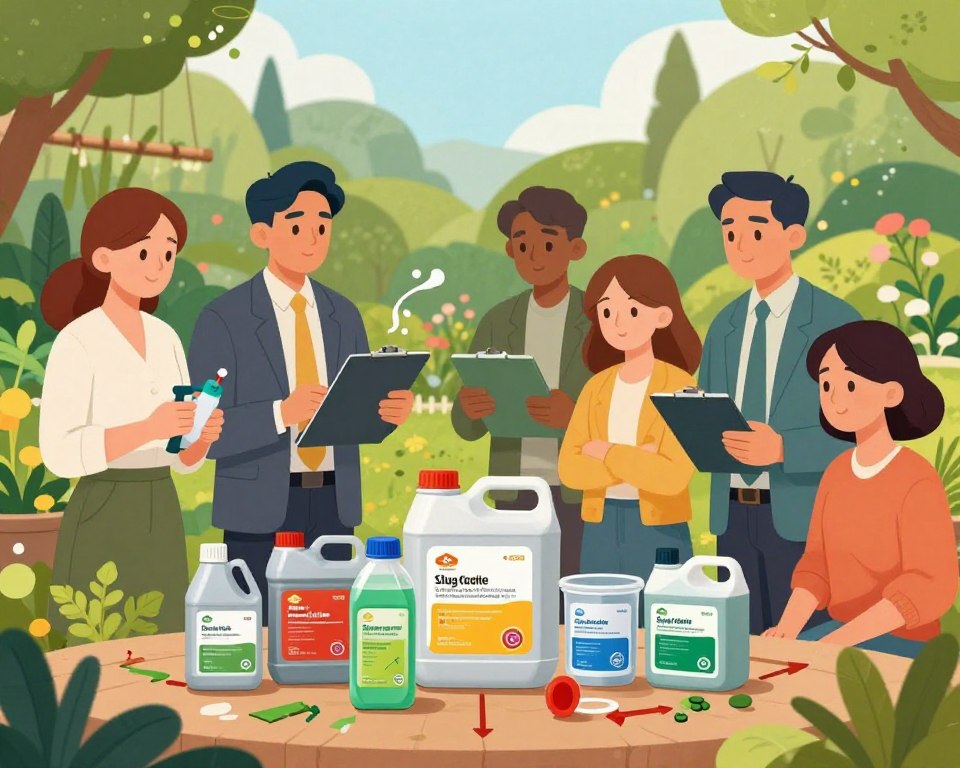
It’s important to know how garden chemicals affect our bodies. Many products are made for outside use but can be harmful if not handled right. Knowing how to avoid exposure is key to staying safe.
Dermal Absorption and Inhalation Hazards
Chemicals for slug control can get into our bodies through the skin or lungs. Dermal absorption happens when we touch treated areas and then eat or touch our faces without washing. This is a big risk if we touch treated soil and then eat or touch our faces.
Inhalation dangers come from the way we apply these chemicals, like with powders or granules. Fine dust particles can fly around in the wind or when we pour the product. Always apply upwind to avoid breathing in these harmful particles.
Risks to Children and Vulnerable Populations
Children are more at risk because they love to explore and are closer to the ground. Their bodies are also more sensitive to chemicals. This makes them more vulnerable to harm.
Even small amounts of certain chemicals can be very harmful. It’s important to keep children away from these chemicals. The elderly and those with weak immune systems should also be careful around treated areas.
Safety Protocols for Handling Garden Chemicals
Using safety measures can greatly reduce the risk of exposure. Always wear protective gloves when handling molluscicides. Wash your hands and any exposed skin with soap and water right after.
Storing chemicals safely is also very important. Keep them in their original, labeled containers in a locked cabinet or shed. Never put them in food containers, as this is very dangerous.
| Exposure Pathway | Primary Risk | Mitigation Strategy |
|---|---|---|
| Dermal | Skin absorption | Wear gloves and wash hands |
| Inhalation | Respiratory irritation | Apply upwind; avoid dust |
| Ingestion | Systemic toxicity | Secure storage; keep away from children |
Environmental Impact of Traditional Slug Pellets
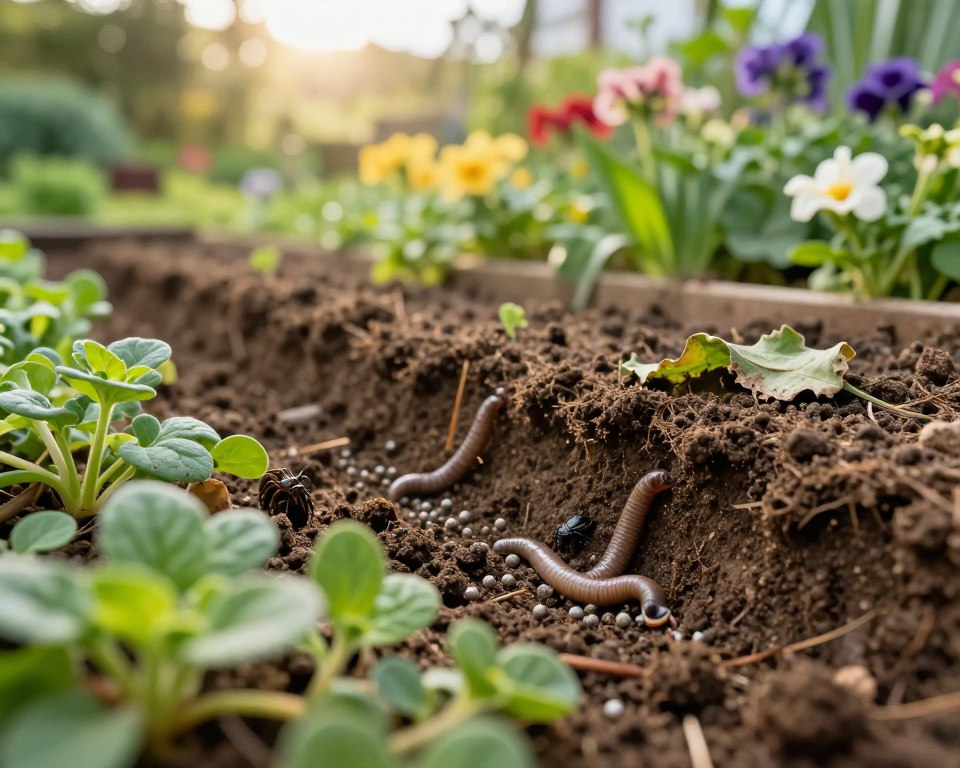
The impact of garden pest control goes beyond just slugs. When picking pest control products, think about how they affect your garden. It’s important to protect your plants and keep the soil and wildlife healthy.
Effects on Soil Health and Microorganisms
Soil health depends on good bacteria, fungi, and earthworms. Chemical molluscicides can harm these if they’re too harsh. Sustainable gardening uses products that break down safely, keeping the soil healthy.
Chemicals in the soil can change its pH or stop good organisms from growing. Choose products that help the soil stay healthy for the long term. Healthy soil is key to a strong garden.
Bioaccumulation in Local Wildlife Populations
Bioaccumulation happens when substances build up in animals over time. This is a big risk for birds and hedgehogs that eat slugs with toxic chemicals. Avoiding harmful substances is important for local wildlife.
Using products that don’t build up in the food chain helps protect animals. Make sure to check the ingredients to ensure they break down quickly. This keeps the whole ecosystem healthy.
Impact on Beneficial Garden Insects and Pollinators
Pollinators like bees and butterflies are vital for a healthy garden. But, they can be hurt by broad-spectrum pesticides. Modern pesticides are designed to target slugs without harming these important insects. For example, ferric phosphate is safe for bees if used correctly.
Always follow the instructions when using any treatment to avoid harming other insects. Using careful application methods, like placing pellets in safe spots, helps protect beneficial insects. This way, you can control slugs without harming your garden’s visitors.
Evaluating Non-Toxic Slug Control Alternatives
Starting with environmentally safe slug killer methods is key. Many gardeners use non-toxic ways to protect their plants. These methods help prevent slugs over time, not just kill them.
Physical Barriers for Garden Protection
Physical barriers are a great first step in non-toxic slug control. They stop slugs from getting to your plants. You can use copper fencing, mesh screens, or grit to keep them away.
Biological Controls and Natural Predators
Creating a balanced garden ecosystem helps control slugs naturally. By welcoming birds, frogs, toads, and beetles, you get a natural pest management system. These animals help keep slug numbers down without your help.
The Efficacy of Copper Tape and Barriers
Copper tape is great for protecting plants in pots and raised beds. It gives slugs a mild electrical charge when they touch it. This keeps them away and is a favorite in organic gardening.
| Method | Mechanism | Best Use Case | Maintenance |
|---|---|---|---|
| Copper Tape | Electrical deterrent | Pots and raised beds | Occasional cleaning |
| Biological Predators | Natural predation | Large garden plots | Habitat maintenance |
| Physical Fencing | Mechanical exclusion | Vegetable rows | Regular inspection |
Choosing the right non-toxic slug control depends on your garden and the slug problem. Using physical and biological methods keeps your garden safe for everyone. It also helps your plants stay healthy.
Natural Slug Repellent Methods That Work
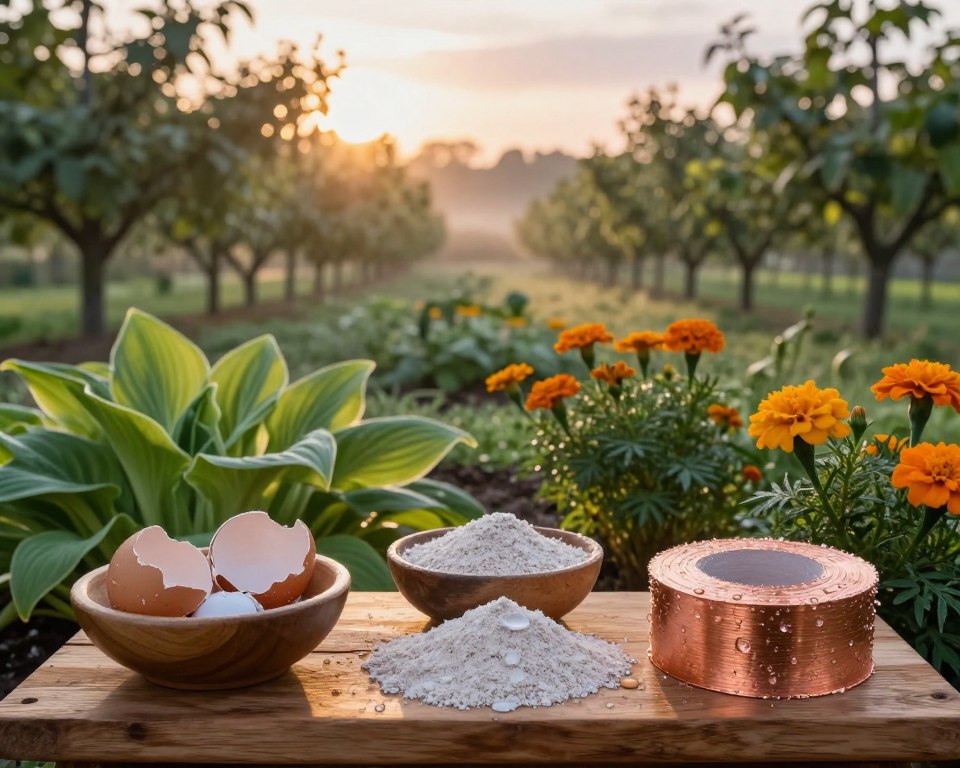
Finding a reliable natural slug repellent is key for organic gardeners. Chemical pellets work fast, but many prefer safer options. These include physical barriers and scent-based deterrents to protect plants.
Environmental conditions affect these methods. In wet weather, many barriers fail and need frequent reapplication.
Using Diatomaceous Earth for Slug Deterrence
Diatomaceous earth (DE) is a powder from ancient sea creatures. It acts as a mechanical barrier when applied around plants. The sharp edges cause dehydration, keeping slugs away.
Use food-grade DE for safety. Remember, DE must be dry to work. Moisture makes it useless.
Coffee Grounds and Eggshells as Garden Deterrents
Kitchen waste helps manage slugs. Crushed eggshells and coffee grounds deter slugs. The caffeine and texture of coffee grounds repel them.
These items are cheap and effective. They work best with other methods to protect your garden.
Essential Oils and Botanical Sprays
Botanical solutions use scent to protect plants. Oils like mint, lavender, and geraniol confuse slugs. Spraying these oils around your garden creates a barrier.
These sprays are safe but must be applied carefully. They lose scent over time, so regular application is needed.
| Method | Primary Mechanism | Best Use Case | Weather Sensitivity |
|---|---|---|---|
| Diatomaceous Earth | Desiccation | Dry garden beds | High |
| Crushed Eggshells | Physical barrier | Small containers | Low |
| Essential Oils | Scent masking | Perimeter defense | Medium |
| Coffee Grounds | Abrasive/Chemical | Soil amendment | Medium |
Pet-Friendly Slug Control Strategies
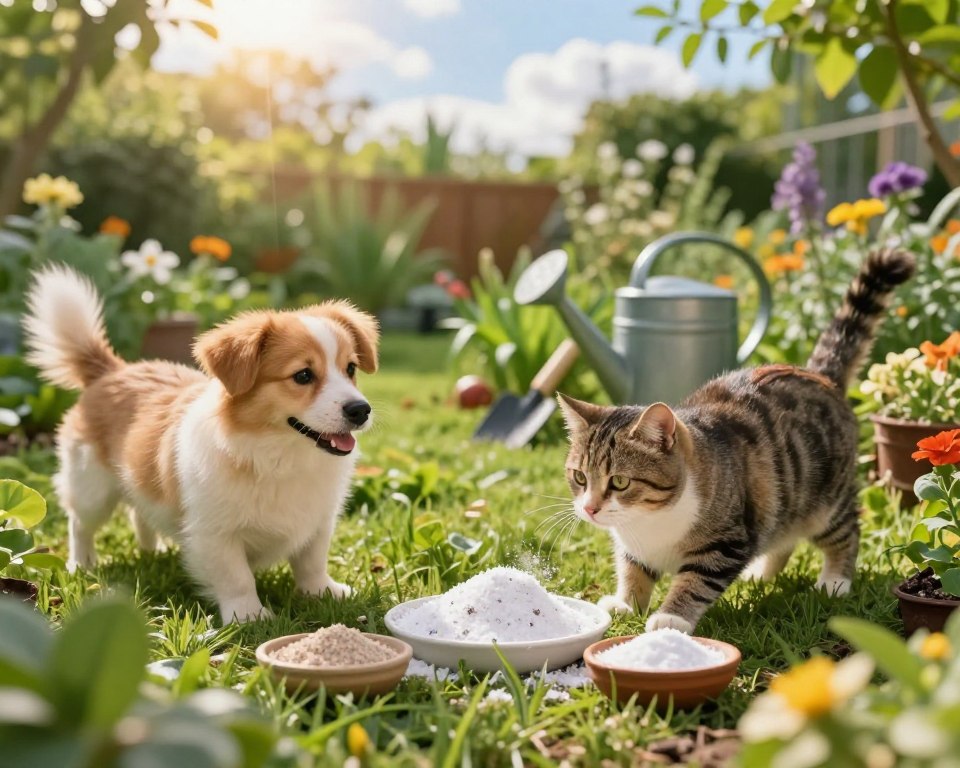
Keeping your garden beautiful doesn’t mean risking your pet’s safety. By using pet-friendly slug control, you can protect your plants and keep dogs and cats safe from harmful substances.
Selecting Safe Products for Households with Pets
Choose products with iron phosphate over metaldehyde for pet safety. Iron phosphate is safer for pets, but use it carefully.
Always check the label to make sure the product is safe for pets. Always store slug control products in closed containers. Keep them high up or in locked cabinets to prevent pets from getting into them.
Creating Slug-Resistant Garden Layouts
Designing your garden to be less slug-friendly can help a lot. Remove damp, dark spots where slugs like to hide.
Clear away decaying leaves, wood, and dense plants near your veggies. Strategic planting of herbs like rosemary or lavender can also help. These plants are less appealing to slugs than others.
Managing Slug Populations Without Chemical Intervention
Use physical barriers for pet-friendly slug control instead of chemicals. Copper tape can deter slugs from crossing onto your plants.
Manual removal is a reliable method for small gardens. Check your plants in the early morning or late evening when slugs are active. By picking them off by hand, you can keep your garden completely safe for pets.
Eco-Friendly Slug Deterrent Practices
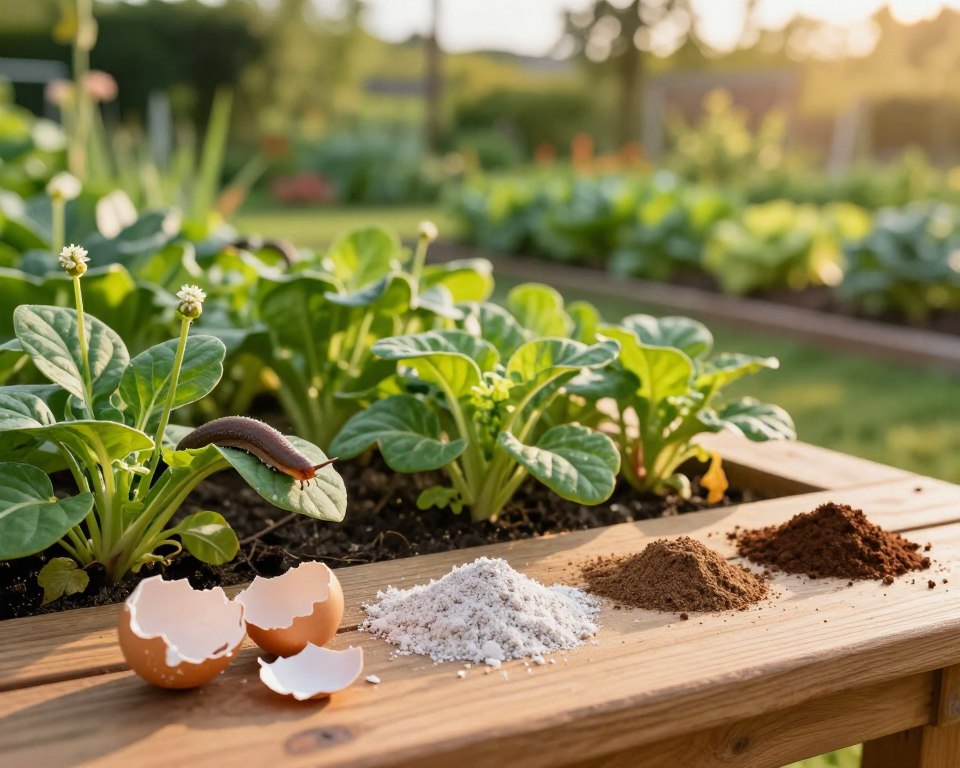
Creating a self-regulating ecosystem is key to a successful eco-friendly slug deterrent strategy. By tackling the root causes of pest outbreaks, gardeners can encourage nature to manage itself. This approach reduces the need for external help and keeps the landscape healthy.
Promoting Biodiversity to Manage Slug Numbers
A diverse garden acts as a natural defense against pests. By welcoming various wildlife, you create a balanced ecosystem. Predators help control slug numbers by eating eggs and young slugs.
To enhance your garden’s defenses, consider these elements:
- Bird baths and feeders to attract birds that eat insects.
- Native plant borders that offer shelter for beneficial insects.
- Small ponds to attract frogs and toads, which eat slugs.
The Importance of Garden Hygiene and Maintenance
Garden hygiene is vital for any eco-friendly slug deterrent plan. Slugs prefer damp, dark, and cluttered areas. By removing these spots, you make your garden less welcoming to them.
Regular maintenance helps keep slug numbers down. Remove rotting leaves, wood, and dense weeds near veggies. Dry soil and sunlight make your garden less appealing to slugs.
Sustainable Gardening Techniques for Long-term Results
Success in gardening comes from sustainable practices that focus on soil health and plant strength. Healthy plants resist pests better, and rich soil supports beneficial microbes. These methods keep your garden productive and eco-friendly slug deterrent for years.
For lasting results, focus on these strategies:
- Mulch management: Use coarse materials like straw or wood chips that slugs find less appealing.
- Strategic watering: Water early in the morning to let the soil dry before night.
- Soil aeration: Improve drainage to prevent damp conditions that slugs love.
Organic Slug Prevention for Vegetable Gardens
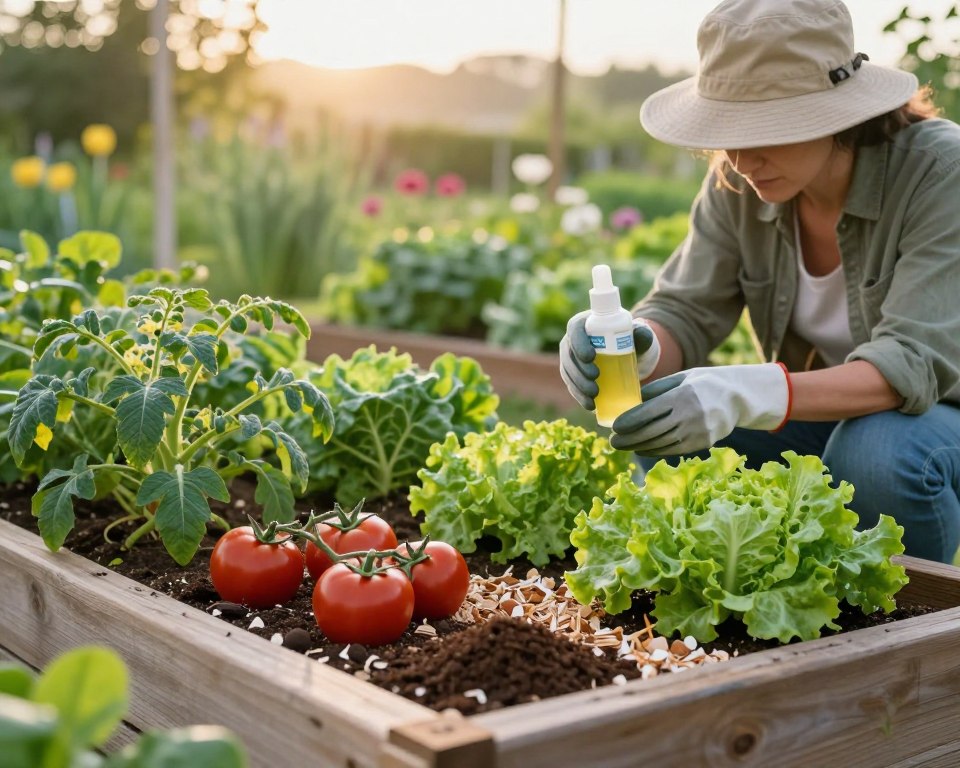
Organic slug prevention is key to green gardening. It focuses on changing the environment, not using harmful chemicals. By knowing how slugs behave, gardeners can make their gardens less welcoming to these pests. This keeps vegetables safe and healthy.
Companion Planting to Discourage Slug Activity
Placing plants wisely is a strong natural slug repellent. Some herbs and flowers have smells that slugs dislike. This creates a barrier around veggies.
Adding rosemary, lavender, or sage near lettuce and brassicas can keep slugs away. These plants don’t kill slugs but make the area less appealing for them.
Timing Irrigation to Reduce Slug Attraction
Slugs love damp places to move and live. Watering in the morning instead of evening helps prevent them. This makes the soil dry during the day, which slugs don’t like.
Watering in the morning lets the soil dry out during the day. This makes the garden dry and less welcoming to slugs at night.
Utilizing Traps and Manual Removal Techniques
For quick control, removing slugs by hand is best. Doing this in the morning or evening helps keep your garden safe.
Simple traps, like containers with yeast or melon rinds, can also help. These natural slug repellents let you get rid of slugs without using harmful chemicals.
| Method | Primary Benefit | Effort Level |
|---|---|---|
| Companion Planting | Long-term deterrence | Low |
| Morning Irrigation | Reduces habitat suitability | Low |
| Manual Removal | Immediate population reduction | High |
| Simple Traps | Targeted collection | Medium |
Non-Harmful Slug Control for Urban Environments
Keeping a garden lush in the city needs smart pest control. Urban areas often have less soil, which helps manage pests. Using vertical space and barriers keeps plants safe without chemicals.
Container Gardening and Elevated Bed Solutions
Elevated beds and container gardens stop slugs from reaching plants. These structures sit above ground, creating a barrier. Slugs like moist, dark places, so raised beds remove their home.
Make sure containers drain well to avoid water pooling. A dry area around pots keeps slugs away. This simple step is key to safe slug elimination in small gardens.
Managing Slugs in Small Balcony Spaces
Balconies are great because they’re isolated from big gardens. Fewer pests means easier plant care. Keeping the balcony clean stops slugs from hiding.
Remove slugs early morning or evening. Copper tape around pots repels them. These steps keep your balcony safe for plants and pets.
Community Gardening Safety Standards
Community gardens need everyone to follow safety rules. Avoiding toxic substances protects neighbors and wildlife. A shared approach to non-harmful slug control keeps everyone’s garden safe.
Talking to fellow gardeners is important. Encourage using traps or manual removal over chemicals. Together, you can create a safe, thriving garden.
| Method | Primary Benefit | Ease of Use |
|---|---|---|
| Elevated Beds | Physical separation | High |
| Copper Tape | Repellent barrier | Medium |
| Manual Removal | Immediate results | High |
| Safe Slug Elimination | Chemical-free | High |
Safe Slug Elimination in Large Landscapes
Managing slugs in big areas means moving from using chemicals to planning ahead. Safe slug elimination in large spaces needs consistent effort and using natural defenses. This way, gardeners can keep their ecosystems balanced without harming them.
Scaling Up Natural Control Methods
To control slugs on a big scale, find where they like to be. Focus on spots like veggie patches or hosta beds. This way, you can target your efforts and save time and effort.
Using physical barriers is also helpful. Copper tape around beds or crushed stone paths can keep slugs away. These methods are safe and don’t need to be done over and over.
Integrated Pest Management Principles
Integrated Pest Management (IPM) is the best way to handle pests without chemicals. It uses biology, culture, and physical methods to control slugs. Knowing when to act helps stop slugs from breeding.
IPM also uses natural helpers like ground beetles and toads. Making homes for these animals is key to a healthy garden. This approach keeps your garden strong against pests.
Balancing Aesthetic Goals with Ecological Safety
Keeping your garden beautiful and slug-free is possible with sustainable management. You can get rid of slugs without losing your garden’s look. Healthy plants and soil help them fight off slugs better.
Here’s a table with good ways to manage big areas while keeping them safe:
| Method | Primary Benefit | Maintenance Level | Ecological Impact |
|---|---|---|---|
| Biological Predators | Natural population control | Low | Positive |
| Physical Barriers | Immediate protection | Medium | Neutral |
| Cultural Practices | Long-term prevention | High | Positive |
| Manual Removal | Targeted reduction | High | Neutral |
In the end, non-toxic slug control means gardening with nature, not against it. Using non-harmful slug control methods keeps your garden safe for everyone.
Effective Non-Toxic Slug Killer Options
Finding an environmentally safe slug killer is key. It balances garden safety with household safety. Modern gardeners look for pest control without harsh chemicals. This way, they keep their gardens healthy and safe for all living things.
Reviewing Iron Phosphate-Based Products
Iron phosphate is top for pet-friendly slug control. It stops slugs from eating by messing with their stomachs. Slugs then hide and die, protecting your plants.
Iron phosphate is better than old chemicals because it turns into nutrients. This is great for vegetable gardens where food safety matters. Using it regularly is important for the best results.
Comparing Efficacy of Organic Molluscicides
It’s good to compare organic slug killers. This helps see how they work and their impact on the environment. Here’s a table showing how different methods do in gardens.
| Method | Mechanism | Safety Level | Persistence |
|---|---|---|---|
| Iron Phosphate | Stops feeding | High | Low |
| Diatomaceous Earth | Physical abrasion | High | Moderate |
| Copper Barriers | Repellent | High | High |
| Nematodes | Biological parasite | High | Moderate |
Best Practices for Application and Storage
To use an effective non-toxic slug killer right, follow the maker’s guide. Don’t put too much down, as it won’t help more and might attract other pests. Spread the pellets thinly around plants instead of piling them up.
Storing the product right is also key. Keep it in a sealed container in a cool, dry spot. This keeps it safe and effective. By doing this, you can keep your garden safe and healthy for everyone.
Image Disclosure and Educational Context
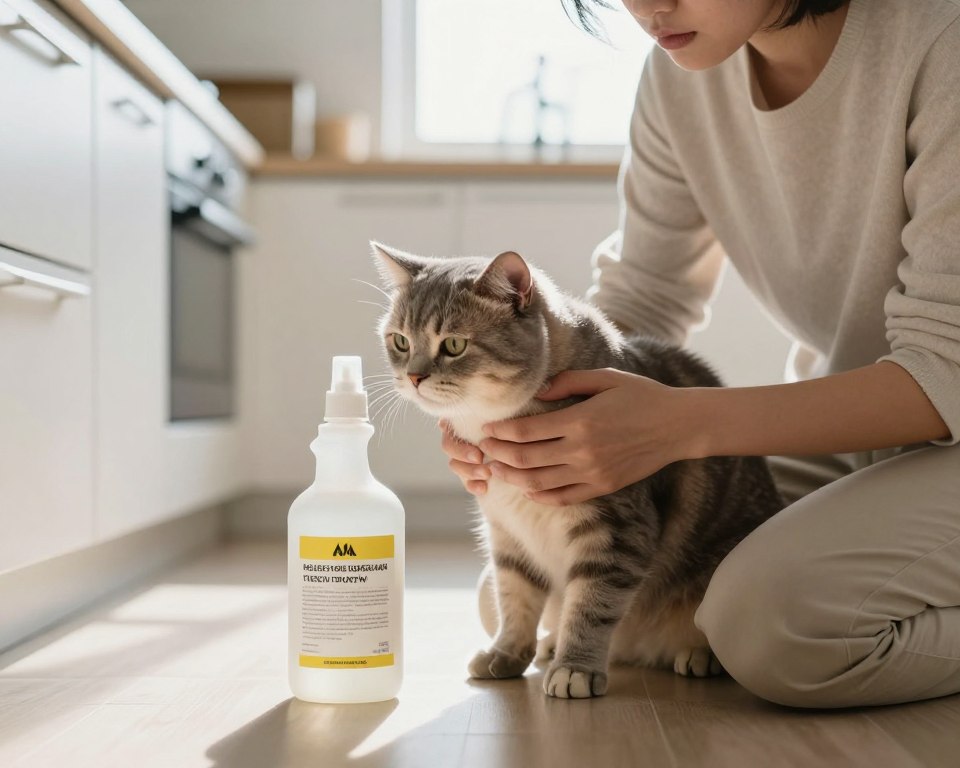
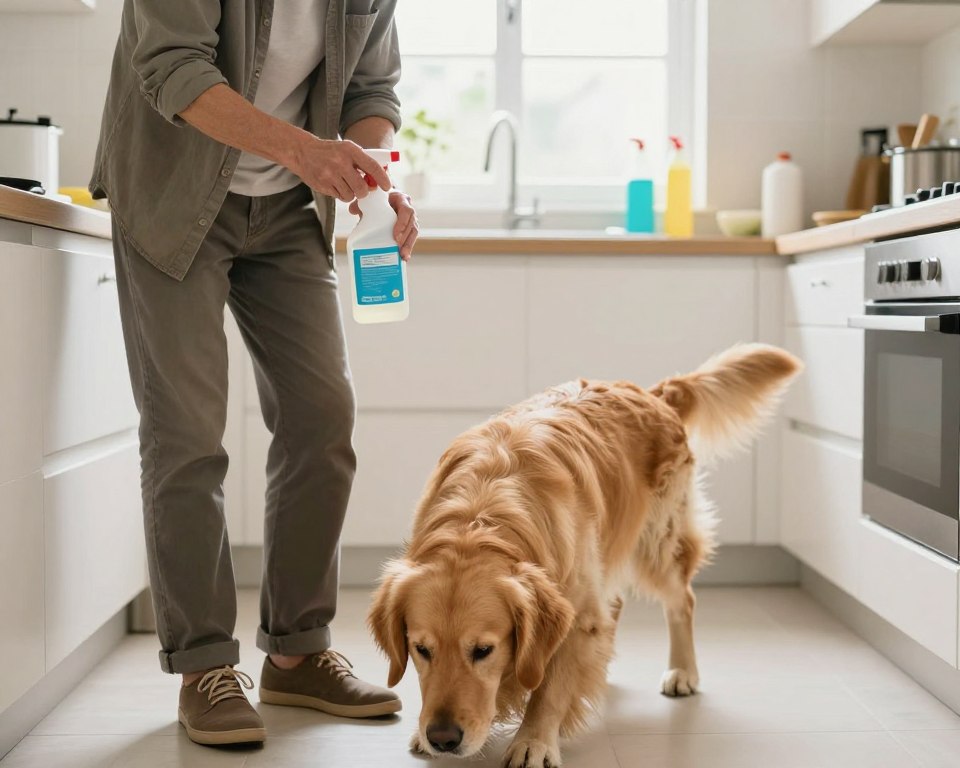
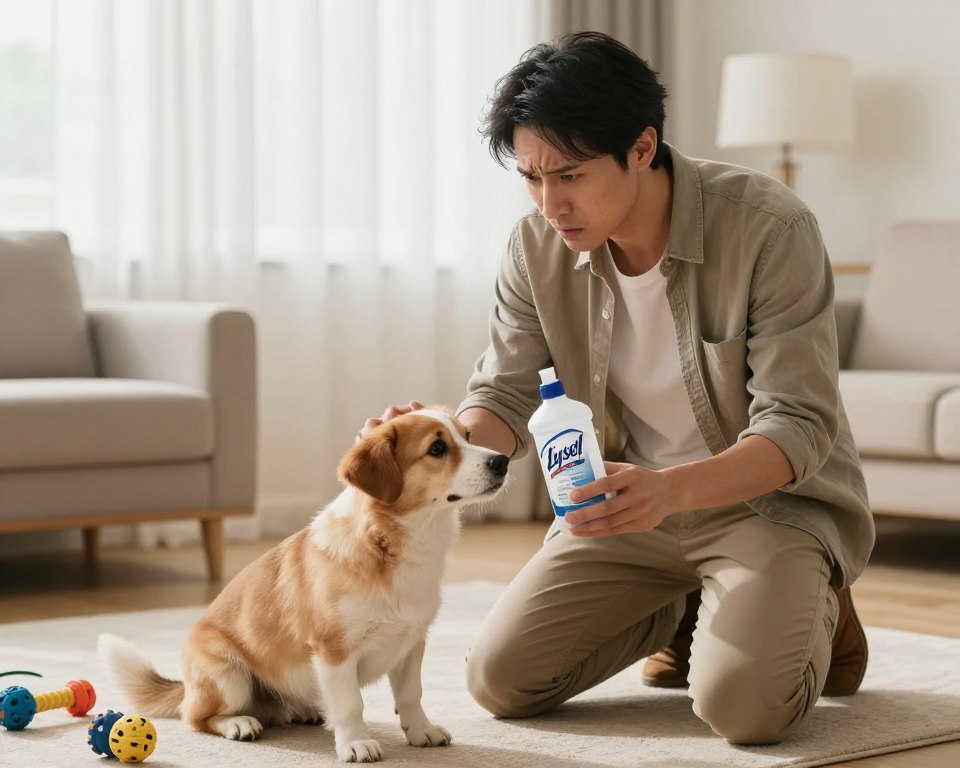
We are open about where our images come from and why we use them. This guide includes pictures to help you understand safety topics. Some images are made by AI or edited to show ideas clearly.
Understanding the Role of AI-Enhanced Illustrations
Digital images help connect complex data to real-life use. They act as visual aids to make hard ideas simple. Our goal is to make safety info easy for all pet owners to get.
These pictures focus on key points, not real cases. They make the text more engaging and simple to follow. For example, they help you know if a rug deodorizer powder is safe for your pets.
Limitations of Digital Visuals in Veterinary Education
Digital tools are great for learning, but they have limits. AI images can’t show the details and changes in real animals. They are conceptual representations, not real photos or medical proof.
Using only digital images to check a pet’s health can lead to mistakes. Real vet care needs a physical check, lab tests, and a full history. See these images as learning tools, not as a way to diagnose.
Why Professional Diagnosis Remains Essential
For pet owners, professional vet diagnosis is key for animal health. If you think your pet has been poisoned, act fast. Don’t compare your pet’s signs to pictures or guides to judge the danger.
Getting expert advice is vital for saving lives. Always talk to a vet or poison control if worried about your pet. We aim to give you the info you need, but always with a vet’s help.
Regulatory Standards and Safety Labeling
Reading the fine print on pesticide labels is key for any gardener. These labels are not just suggestions; they are legal documents. They protect users, pets, and the environment. By understanding them, you can make choices that keep you safe.
Interpreting Pesticide Labels and Warning Symbols
Commercial molluscicides often have warning symbols that show how toxic they are. You might see a blue dye in pellets to keep birds away. Always look for words like “Caution,” “Warning,” or “Danger” to know the risk level.
Remember, mixing cleaning sprays or garden chemicals can be dangerous. When looking for an eco-friendly slug deterrent, choose products with clear ingredient lists and instructions. This helps avoid accidents and keeps the product working well.
The Role of Environmental Protection Agencies
In the United States, the Environmental Protection Agency (EPA) controls pesticide sales and use. They check products to make sure they’re safe for humans and the environment. This helps those who want to use organic slug prevention in their gardens.
The EPA also requires data on how chemicals break down in soil and affect other species. By following these rules, you help make gardening safer and more sustainable.
How to Research Product Safety Data Sheets
For detailed info, the Safety Data Sheet (SDS) is vital. Every pesticide must have an SDS, which lists chemical makeup, physical properties, and emergency steps. You can find these on the manufacturer’s website or the EPA’s database.
Looking at an SDS helps you know the dangers of a product before using it. This is important for responsible gardening. If a product lacks an SDS, it’s best to avoid it, as lack of transparency is a red flag.
Conclusion
Keeping your garden healthy means using a balanced approach to pest control. It’s best to focus on preventing problems first. This way, you keep your plants safe and your home safe too.
If you can’t stop pests with simple methods, finding a safe slug killer is key. These options help control slugs without harming your environment.
Always be careful with any chemicals, even if they’re labeled as organic. Make sure to handle them safely and store them right to avoid accidents.
As a gardener, you help keep your area healthy. Choosing a safe slug killer helps your garden and the good bugs that live there.
Keep up with the latest safety info on your products. Talk to local experts or vets if you’re worried about safety in your area.
FAQ
Is slug killer toxic to household pets like dogs and cats?
The danger depends on the active ingredient. Old pellets with metaldehyde are very toxic. They can cause serious problems like tremors and seizures if pets eat them. But, new products like Sluggo use iron phosphate and are safer for pets.
Even though they are safer, it’s important to keep them out of pets’ reach. This is because even non-toxic pellets can upset a pet’s stomach if they eat too much.
What is the most effective non-toxic slug killer for an organic vegetable garden?
For a safe, non-toxic slug killer, iron phosphate products are the best. Monterey Sluggo and Natria Snail & Slug Killer are top choices. They break down into safe soil nutrients.
These products stop slugs from eating right away. They also meet organic gardening standards.
How can I implement organic slug prevention without using any pellets at all?
Organic slug prevention needs a few steps. Start by removing slugs by hand in the evening. Also, water your garden in the morning.
This makes the soil dry by night, which slugs don’t like. Adding homes for natural predators like beetles and toads also helps keep slugs away.
Are there any reliable natural slug repellent methods that work in wet weather?
Finding a natural repellent for wet weather is tough. Diatomaceous earth works well when it’s dry but not when it’s wet. For wet areas, copper tape or mesh is better.
Copper stops slugs with a tiny shock. It’s safe and works well, even when it’s wet.
Is iron phosphate truly an environmentally safe slug killer?
Yes, iron phosphate is safe for the environment. It doesn’t harm the food chain like older slug killers do. It’s a targeted way to control slugs without harming other animals.
Can I use coffee grounds as an eco-friendly slug deterrent?
Coffee grounds are a good eco-friendly slug deterrent. The caffeine hurts slugs, and the texture stops them. But, they’re best used as a little extra help, not the main solution.
They lose their power quickly in the soil, so they’re not enough on their own.
What are the best strategies for non-harmful slug control in small urban balconies?
In cities, controlling slugs is easier because your space is smaller. Use planters and container gardens to keep slugs out. Put petroleum jelly or copper wire around the base of pots to stop them.
These barriers are great for city gardens. They keep your space safe without using harmful chemicals.
How do I identify symptoms of slug bait poisoning in my dog?
If your dog eats a toxic slug killer, like one with metaldehyde, they’ll show signs fast. Look for muscle tremors, high body temperature, vomiting, and a fast heart rate. This is an emergency.
If you think your dog ate it, call a vet or the ASPCA Animal Poison Control Center right away. Quick action, like making them vomit or giving activated charcoal, can help a lot.
Are there long-term benefits to choosing non-toxic slug control over chemical alternatives?
Yes, there are big benefits. Non-toxic control keeps your soil healthy and your garden safe. It stops the harm that chemicals can do to your soil and its creatures.
This way, your garden stays a happy place for everyone, including pets and local animals.
Where can I find more information on the safety of specific garden products?
Always check more than the front of the package. Look for the Safety Data Sheet (SDS) for any product. It has all the details on safety and how to use it right.
This is the best way to make sure a product is safe for your garden and the environment.