Did you know over 80% of American homes use chemical pest control each year? Many people use common bait stations without knowing the chemicals inside. Understanding what you bring into your home is key to a healthy environment.
These products mix a food attractant with a specific insecticide. Even though they’re made to be safe for humans, it’s important to know the chemistry for home safety. Before using any chemical, please check our medical disclaimer to know our safety advice.
As a pharmacist, I see most commercial options are made to be safe. But, it’s up to you to handle them carefully to avoid accidents. When you ask is ant killer toxic, it really depends on how you use and store it at home.
Key Takeaways
- Most commercial baits combine food attractants with low-dose insecticides.
- Products are generally formulated to minimize risks to humans and pets.
- Proper placement and storage are essential to prevent accidental ingestion.
- Always read the manufacturer’s label for specific safety instructions.
- Consult a professional if you have concerns about chemical sensitivities.
Image Disclosure
This section gives important context about the images in our educational materials. The pictures are meant to help you understand pest control safety and how chemicals work.
Some images in this article might be AI-made or enhanced for learning. These pictures are for educational help only. They should not replace a vet’s diagnosis or treatment.
We make sure our materials are accurate to help all readers. If you’re worried about whether an ant spray is toxic to, talk to a vet or a professional. Don’t just rely on pictures.
We aim to share scientifically accurate info to help you make smart choices. Always check the product labels and safety data sheets for the best advice on handling chemicals.
Understanding the Chemical Composition of Ant Killers
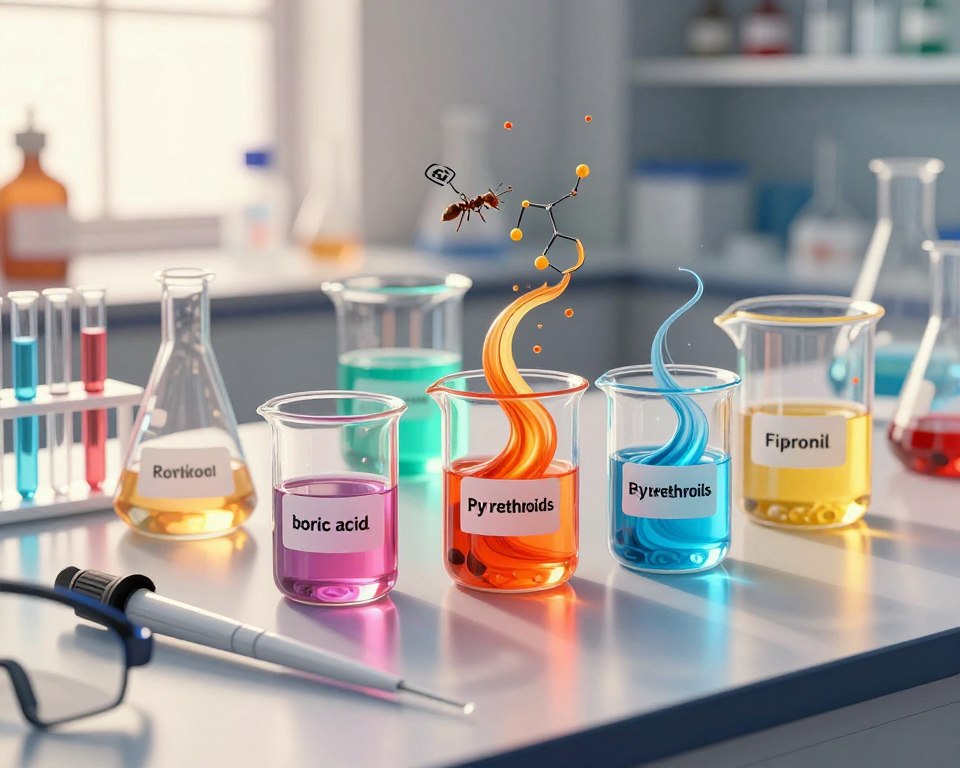
It’s key to know what’s in common pesticides to keep your home safe. These products have different active ingredients. Each one works in its own way to target insects.
By knowing what’s in these products, you can see if they might be harmful to people or pets.
Common Active Ingredients in Household Pesticides
Today’s pest control uses chemicals like fipronil, avermectin, indoxacarb, and hydramethylnon. These chemicals mess with ants’ nervous systems, causing them to stop moving and eventually die. Because they work well at small amounts, they’re often in bait stations and gels.
It’s vital to understand how these chemicals work. You can learn more by reading about pesticide exposure and health outcomes. Knowing this helps keep your home safe.
How Synthetic Pyrethroids Affect Mammalian Systems
Many sprays and killers have synthetic pyrethroids. These are man-made versions of natural insecticides. They overstimulate insects’ nervous systems, making them fall down fast. They’re not as toxic to humans as older pesticides but can irritate skin.
High exposure to these chemicals in mammals can cause skin problems or breathing issues. It’s important to follow the instructions to avoid breathing them in or touching them on the skin. Good air flow is the best way to stay safe while using these sprays.
The Role of Boric Acid and Borax in Pest Control
Borax, or sodium tetraborate decahydrate, is a natural mineral used in many baits. Unlike nerve agents, it poisons ants’ stomachs. When ants bring the bait back to their nest, it messes with their digestion, slowly killing them.
Many see borax as a safer choice than synthetic neurotoxins because it’s a mineral. But, it’s a chemical and should be handled with care. Make sure to keep any borax baits out of reach of kids and pets to avoid accidents.
Is Ant Killer Toxic?
When we ask if is ant killer toxic, we look at how long and how much you’re exposed to. The danger depends on the chemical and how much you’re exposed to. It’s important to know how these products affect our bodies.
Differentiating Between Acute and Chronic Toxicity
We divide pesticide exposure into two main types. Acute toxicity happens right after a big exposure. It needs quick medical help to avoid harm.
Chronic toxicity is about long-term health problems from small, repeated exposures. Most accidental exposures don’t cause big harm because of the low chemical levels. But, knowing the difference is key for keeping healthy over time.
Routes of Exposure: Ingestion, Inhalation, and Dermal Contact
We need to know how people get exposed. Eating products with borax or boric acid is very dangerous. It can cause stomach problems and more.
Breathing in chemicals from sprays in closed spaces is another big risk. Touching the chemicals on the skin is less common but can cause skin problems or allergies. Keeping safe means using products right and following the instructions closely.
Assessing Risks to Household Pets
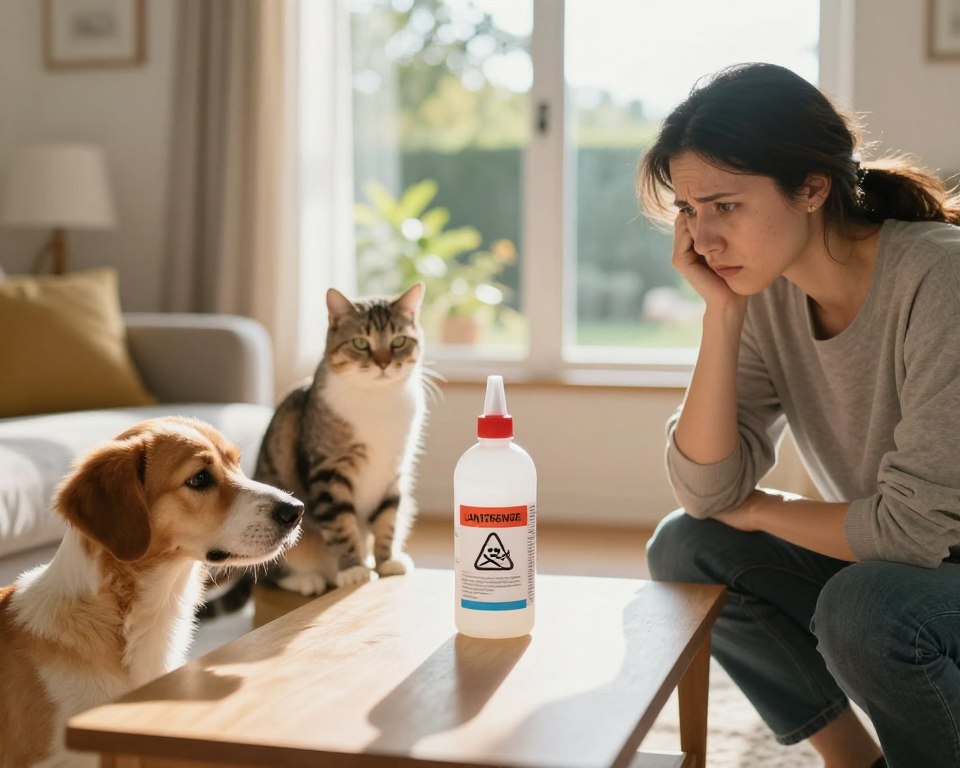
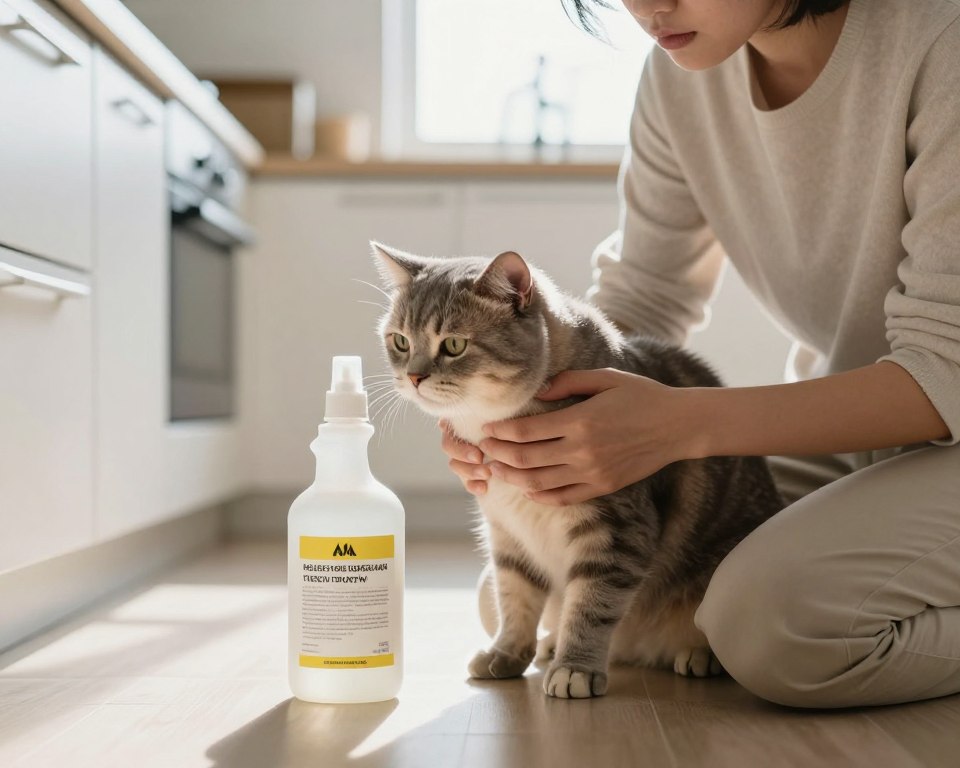
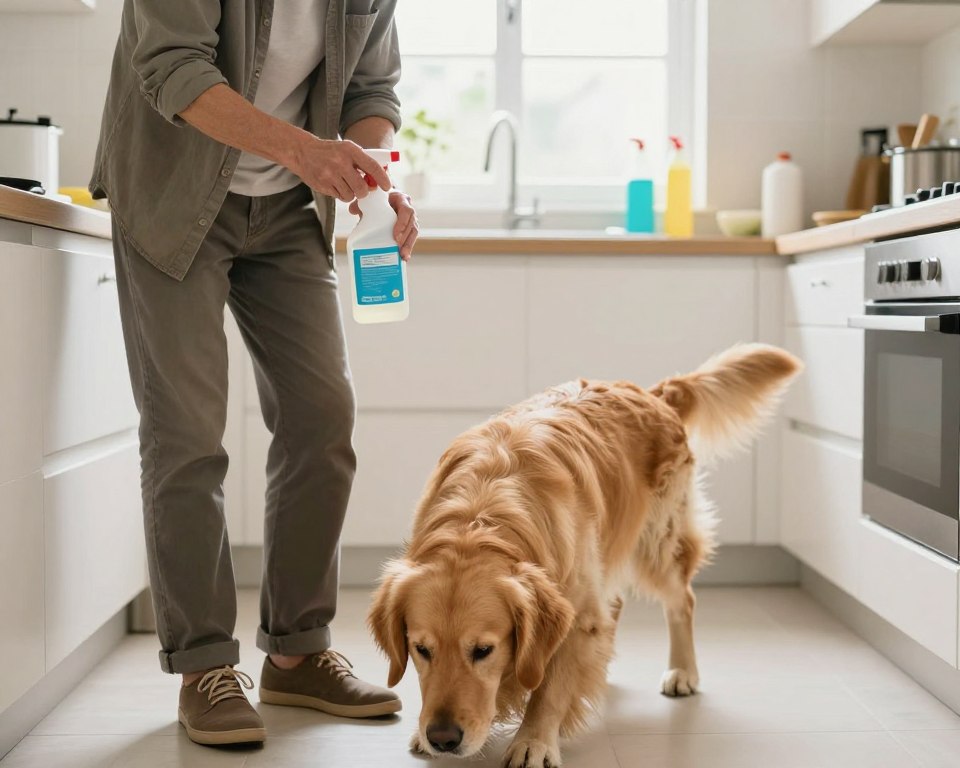
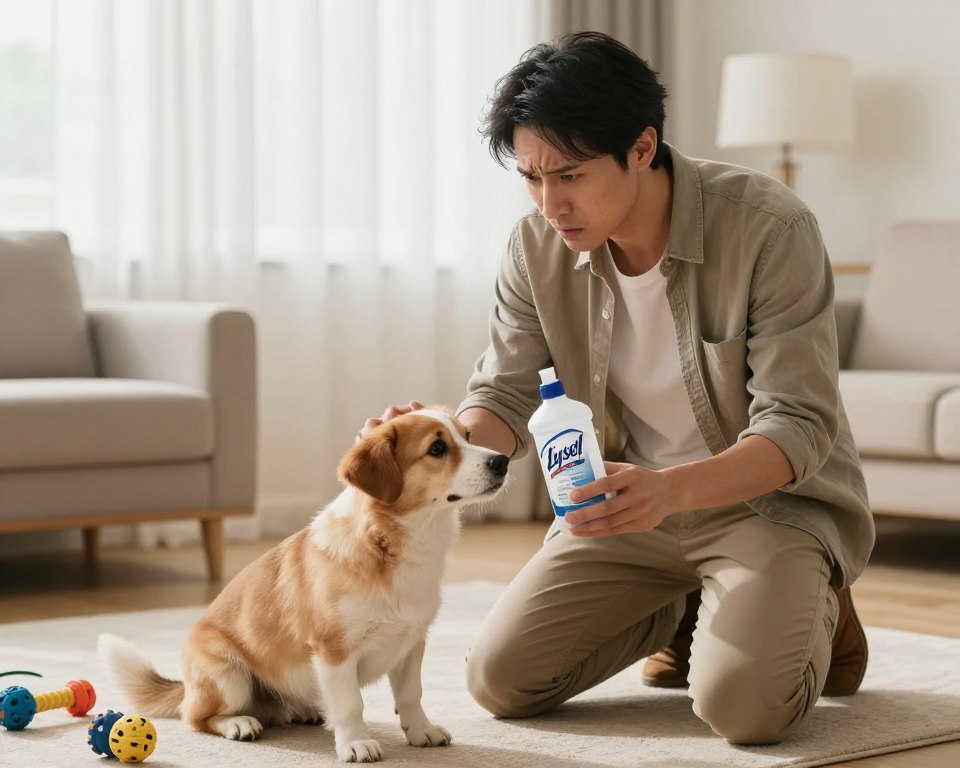
Keeping pets safe from chemicals is key. Many ant killers work well but can harm pets if they touch or eat them. It’s important to know the risks.
Choosing a pet-safe ant killer is a good start. But, where you put it is even more important. Bait stations keep pets out while letting ants in.
Signs of Pesticide Poisoning in Dogs and Cats
Spotting early signs of poisoning can help your pet. Symptoms depend on the chemical but often include:
- Sudden vomiting or diarrhea.
- Excessive drooling or foaming at the mouth.
- Lethargy, weakness, or trouble walking.
- Neurological signs like tremors, seizures, or odd behavior.
Why Smaller Pets Face Higher Toxicity Risks
Smaller pets, like toy-breed dogs or cats, are at a higher risk of poisoning. They can get sick from a small amount of poison fast. This is because they have less body mass.
They often want to check out bait stations or sprayed areas. Owners need to watch them closely. This is because smaller pets can get sick from less poison than bigger pets.
Immediate Actions to Take if Your Pet Ingests Ant Killer
If you think your pet ate a pesticide, don’t wait. Call your vet or a pet poison hotline right away. They can give you advice based on the product.
Have the product packaging ready when you call. This helps the vet figure out the right treatment for your pet.
Safety Precautions for Families with Children
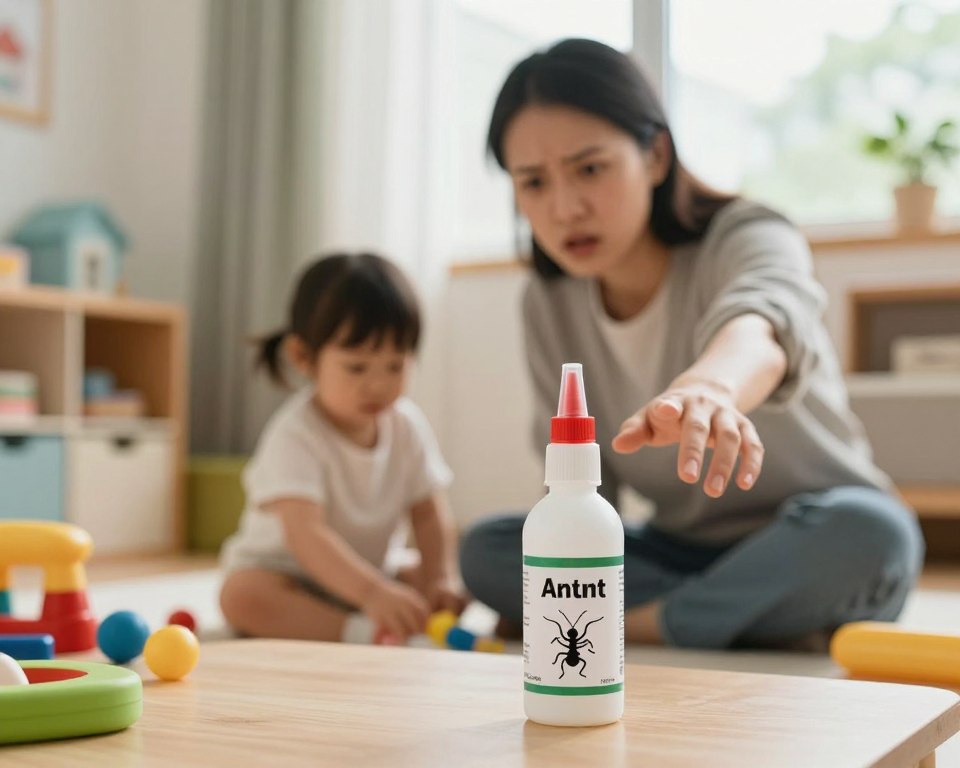
Keeping your home pest-free is important, but so is keeping your kids safe. It’s key to know about ant killer hazards to protect your home. This way, your kids won’t accidentally touch harmful stuff.
Preventing Accidental Exposure in Toddlers
Toddlers love to explore with their hands and mouths. This makes it very important to keep chemicals away from them. Keep all chemicals in locked cabinets or places they can’t reach.
Don’t leave chemicals out where kids can get to them. Use barriers to keep them safe from harmful chemicals.
Proper Storage Techniques for Chemical Baits and Sprays
Good pest control means keeping products safe. Make sure kids can’t get to ant baits. And never open bait stations yourself, as they’re made to keep the chemicals inside.
Store aerosol sprays in a cool, dry place kids can’t get to. Always check that the cap is tight after you use it to avoid spills.
| Storage Method | Safety Benefit | Risk Level |
|---|---|---|
| Locked Cabinets | Prevents physical access | Very Low |
| High Shelving | Keeps products out of reach | Low |
| Original Packaging | Maintains clear warning labels | Low |
Recognizing Symptoms of Pesticide Exposure in Children
Even with the best precautions, accidents can happen. Knowing the signs of exposure is very important. Symptoms include nausea, vomiting, dizziness, or skin irritation.
If you think your child has been exposed, call a poison control center right away. Quick action is key to keeping your child safe and healthy.
Evaluating Non-Toxic Ant Killer Alternatives
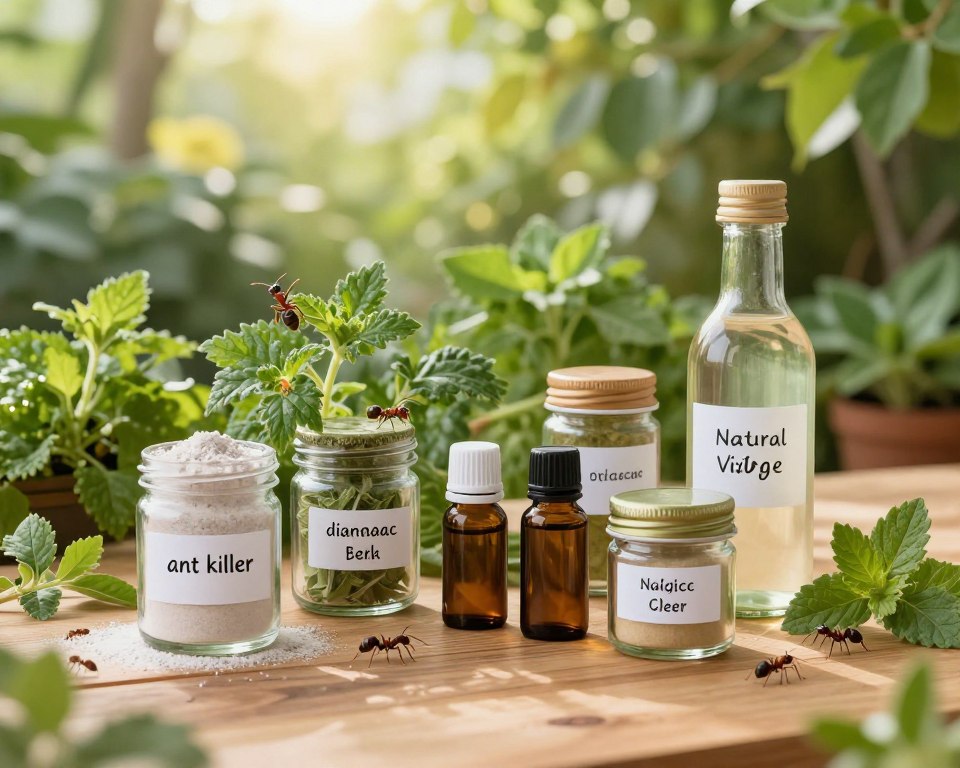
Finding a safe natural ant killer is key for families worried about chemicals at home. Many look for these options to avoid synthetic pesticide risks. Though safer, these methods need careful use to avoid minor issues.
The Efficacy of Diatomaceous Earth
Diatomaceous earth is a top non-toxic ant killer. It works by physically harming ants, not poisoning them. This powder, made from ancient sea creatures, dehydrates ants. It’s best used in dry spots where ants move, like cracks or behind baseboards.
Using Essential Oils as Natural Repellents
Essential oils like peppermint, tea tree, and clove keep ants away. They mess up the trails ants use to find food and each other. Consistency is key when using these oils, as they need frequent reapplication to keep ants out.
Vinegar and Soap Solutions for Ant Management
White vinegar mixed with water is great at stopping ants from following trails. Adding dish soap makes it even more effective, killing ants on contact. For tough colonies, mix sugar, honey, or peanut butter with borax to target the source.
The Reality of Eco-Friendly Ant Killer Products
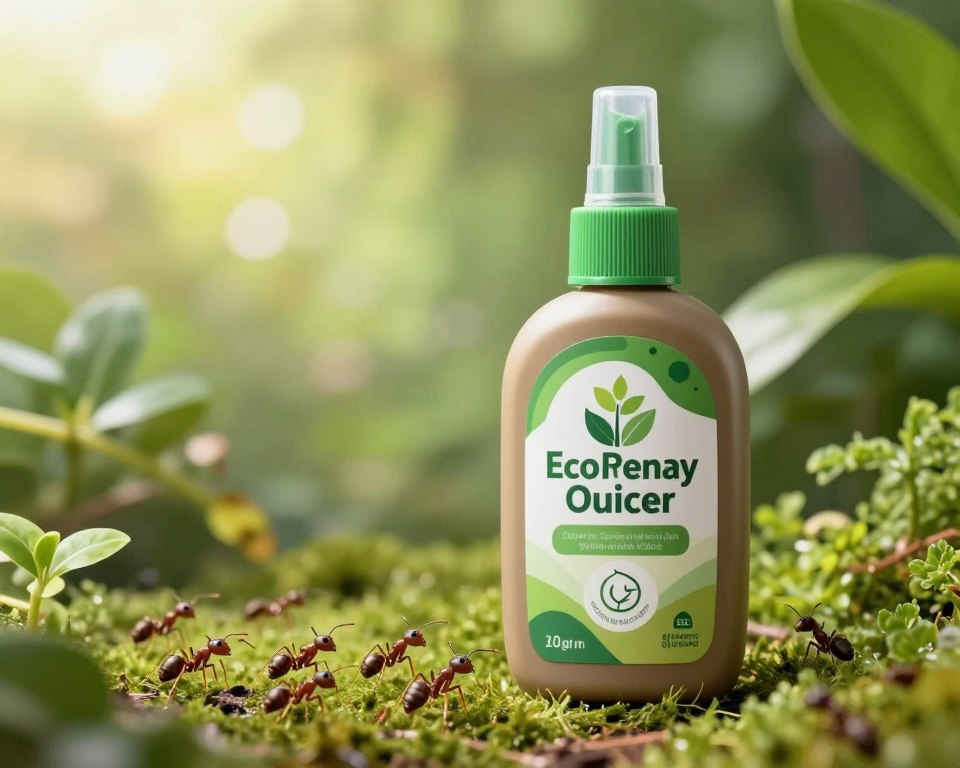
The rise of green marketing has made it hard to choose a safe pest control product. Many people look for an eco-friendly ant killer to keep their families and pets safe. But, the terms on packaging can hide the real chemicals in the product.
Understanding Green Labeling and Marketing Claims
Terms like “natural,” “green,” or “plant-based” are not always clear in the pesticide world. A product might use essential oils or plant extracts but also have harmful additives. Just looking at the packaging is not enough to know if it’s safe.
To choose wisely, you need to check the active ingredients on the back of the container. Even an eco-friendly ant killer might have ingredients that need special care to avoid harm.
Here are steps to check if a product is safe:
- Always read the active ingredient list instead of just the marketing words.
- Look for EPA registration numbers to see if the product has been reviewed by the government.
- Make sure there are clear instructions for safe use around kids and pets.
- Learn about the toxicity of the plant-based ingredients, as “natural” doesn’t always mean “safe.”
Biodegradability and Environmental Impact
The environmental effect of an eco-friendly ant killer depends on its chemical makeup and how fast it breaks down. Biodegradability means how well a substance can be broken down by living things.
Many plant-based pesticides break down quicker than synthetic ones. But, their effect on local ecosystems is important. Responsible use is key to reducing harm, no matter the marketing. Always apply these solutions carefully to avoid harming soil or water.
Ant Killer Effects on Indoor Air Quality
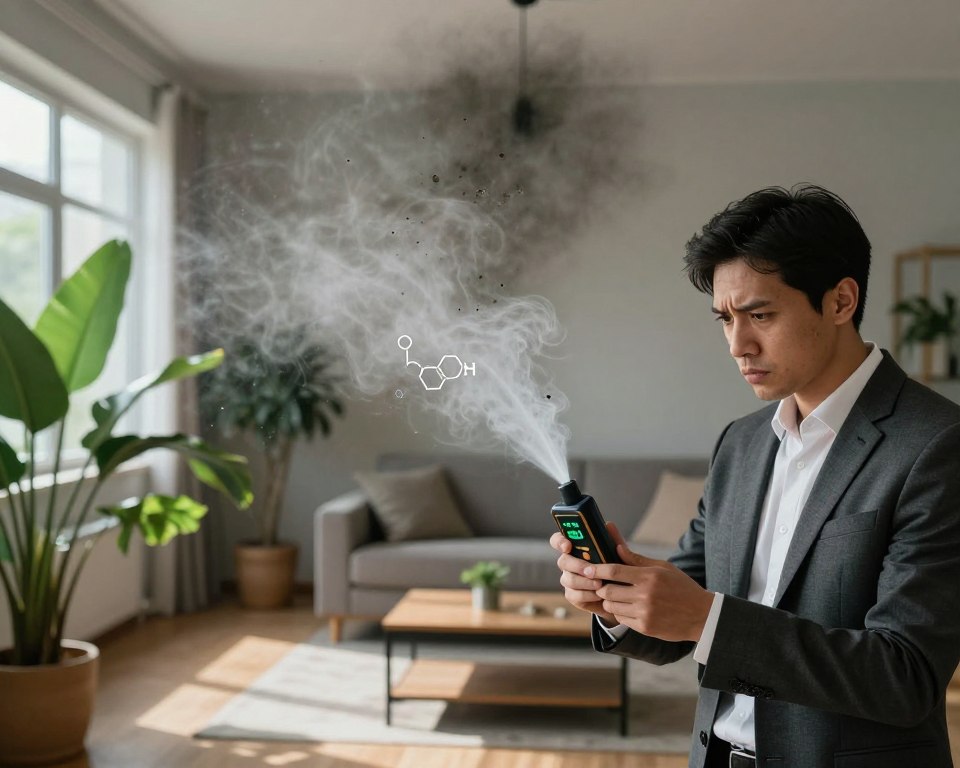
Dealing with ants often means using aerosol sprays. But these products can change your indoor air. They’re meant to kill pests, but they can also harm the air you breathe. It’s important to know how they affect your home’s air.
Volatile Organic Compounds in Aerosol Sprays
Aerosol pesticides often have volatile organic compounds, or VOCs. These gases are released when you spray the product. They can make breathing harder or cause discomfort in your home.
The levels of these gases are highest right after you spray. The goal is to stay away from them as much as possible. People with asthma or chemical sensitivities should be extra careful.
Ventilation Strategies During and After Application
Good airflow is key when using chemical sprays. Open windows and doors before you spray. This helps spread out the particles and reduces VOCs in your home.
After spraying, keep the area open for hours. If it’s not too hot, use fans to bring in fresh air. These steps help control pests without harming your air quality.
Analyzing Ant Killer Toxicity Levels in Baits Versus Sprays
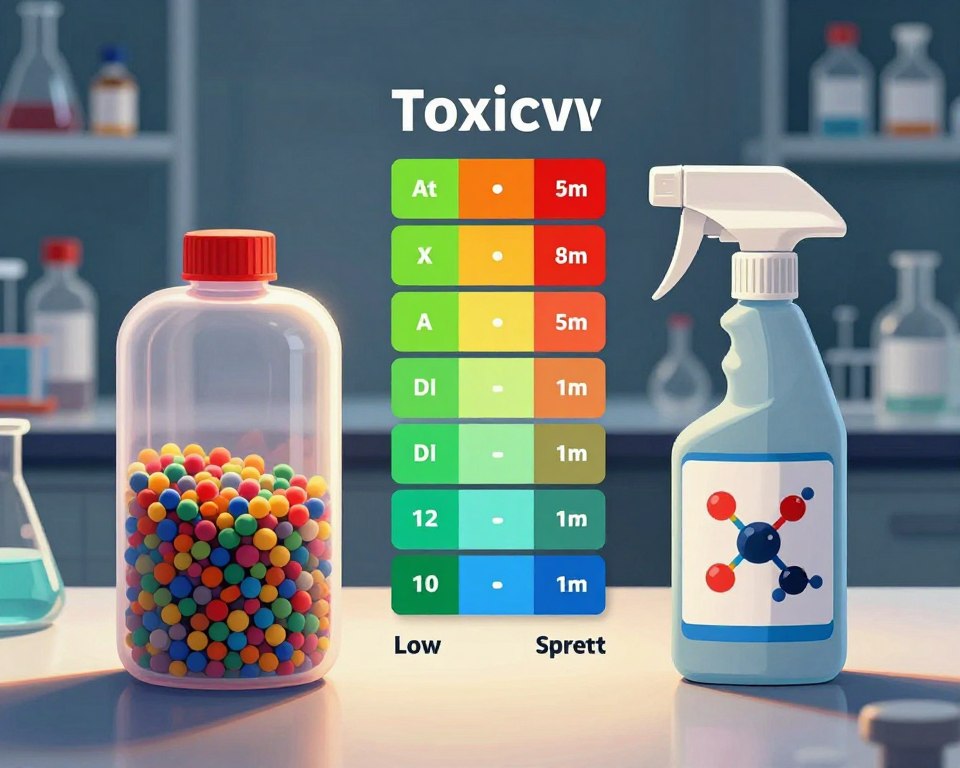
When dealing with ants, how you apply the treatment matters a lot. The right choice can keep your family and pets safe from harmful chemicals.
Why Bait Stations Are Generally Safer
Bait stations are the top choice for indoor pest control. They keep the insecticide in a safe, hard-to-open container. This makes it much less likely for people or pets to get in touch with the chemicals.
This method makes sure the poison only reaches the ants. It doesn’t spread out over surfaces. This reduces the chance of inhalation or dermal contact, which are common ways for chemicals to be harmful.
The Dangers of Broadcast Spraying in Living Areas
Broadcast spraying, on the other hand, covers a lot of area. This means chemicals can stay in your home longer. Using bug spray indoors can contaminate floors, baseboards, and furniture. This method often leads to higher ant killer toxicity levels because of the large amount of product used.
“The most effective way to reduce chemical risk is to limit the application area to the smallest possible footprint, prioritizing containment over broad coverage.”
The table below shows the main differences between bait stations and broadcast sprays. It helps you choose the best option for your home.
| Feature | Bait Stations | Broadcast Sprays |
|---|---|---|
| Containment | High (Enclosed) | Low (Exposed) |
| Application Area | Targeted/Localized | Wide/Surface-based |
| Residue Risk | Minimal | High |
| Safety Profile | Generally Safer | Requires Caution |
Professional Pest Control Versus DIY Methods
Many homeowners face a tough choice when DIY ant treatments don’t cut it anymore. For small problems, store-bought solutions might work. But, big infestations or aggressive ants need a more detailed plan. The choice between DIY and professional help depends on the problem’s size and the ant type.
When to Call a Licensed Exterminator
If ants keep coming back, it’s time to call a pro. A licensed exterminator knows how to tackle different ants. They can find hidden nests that homeowners can’t reach.
Also, if ants are in your kitchen or pantry, or if they’re damaging your home, get help. Experts do more than just get rid of ants. They aim for long-term solutions, not just quick fixes.
Safety Protocols Used by Professionals
Professionals use strict safety rules to protect your home. They wear Personal Protective Equipment (PPE) to avoid accidents. This is a big plus over DIY treatments.
They apply pesticides carefully, focusing on where ants come in and nest. This method keeps your home safe for everyone. It also gets rid of ants without leaving harmful chemicals behind.
| Feature | DIY Methods | Professional Services |
|---|---|---|
| Cost | Low | Higher |
| Expertise | Limited | Advanced |
| Safety | User-dependent | Regulated/Certified |
| Effectiveness | Variable | High/Long-term |
Regulatory Standards for Pesticide Safety in the United States
The United States has strict rules for ant killers. These rules protect homes by checking if products are safe and work well. This makes sure products are safe for people to use.
These rules help keep homes safe from harmful chemicals. They help people choose safe products for their homes.
The Role of the EPA in Pesticide Approval
The Environmental Protection Agency (EPA) is in charge of pesticide rules in the United States. Before a product can be sold, it goes through a thorough review process. This checks if it’s safe for people and the environment.
The EPA looks at how toxic the ingredients are and how likely people are to get exposed. If a product doesn’t pass, it can’t be sold. This keeps chemical pest control safe for everyone.
Reading and Interpreting Product Warning Labels
Knowing how to read labels is very important for homeowners. These labels are not just suggestions. They are legal documents with important safety tips.
Most pesticides have signal words that show how toxic they are:
- Caution: Means the product is slightly toxic if you eat it, breathe it in, or touch it.
- Warning: Shows the product is moderately toxic.
- Danger: For products that are very toxic or can burn your skin, posing a big risk.
Always check the precautionary statements on the packaging before you use it. Following these tips helps avoid accidents and ensures safe use.
Managing Ant Infestations Without Harsh Chemicals
Effective pest management starts with proactive strategies that prevent problems before they start. Instead of using a non-toxic ant killer right away, it’s better to tackle the root cause. Changing your environment can make your home less appealing to ants.
Physical Barriers and Sealing Entry Points
Ants sneak into homes through tiny cracks and gaps. Sealing these entry points is a great way to keep them out without chemicals. Use silicone caulk for exterior walls and weather stripping under doors for a tight seal.
Check your home’s edges often for new cracks or changes. By physically blocking their paths, ants will look elsewhere for food. This method is a solid alternative to using a non-toxic ant killer for every ant you see.
Sanitation Practices to Deter Ant Colonies
Ants mainly look for food and water. Keeping your home clean is key to keeping them away. Store food in airtight containers and clean surfaces right after meals to avoid crumbs or spills.
Don’t forget about moisture control, as ants like damp places. Fix any leaks and keep sinks dry at night. By removing these essential resources, you discourage ants from making your home their own.
Long-Term Health Considerations of Pesticide Exposure
As a pharmacist, I often see patients worried about chemical residues in their homes. Modern products aim to reduce immediate risks. But, the ant killer effects over time are a focus of ongoing research. It’s key to consider how long-term, low-level exposure might affect your health.
Cumulative Effects of Low-Level Exposure
Household pesticides are tested for immediate harm. But, the effects of repeated, low-dose exposure are complex. Cumulative exposure happens when small amounts are inhaled or absorbed through the skin over time. Studies are ongoing to understand how these substances affect the body over time.
Several factors can affect your risk, including:
- The frequency and duration of product application in your home.
- The specific chemical class of the ant killer effects being used.
- How your body processes synthetic residues.
- The quality of air in your home.
Consulting with Medical Professionals Regarding Chemical Sensitivity
Some people are more sensitive to chemical residues than others. If you experience headaches, skin irritation, or breathing problems after using pest control, take it seriously. These symptoms might mean you’re more sensitive and need to be careful with home products.
I always tell patients to talk to their doctor if they’re worried about chemical sensitivity. A doctor can check if your symptoms are from environmental factors or other health issues. By talking openly with your doctor, you can make smart choices about ant killer effects and keep your health safe in the long run.
Best Practices for Safe Application
Using strict ant killer safety measures is key to controlling pests safely. This approach helps avoid harm to people and pets. It’s all about being precise and clean to lower the risk of chemical exposure.
Creating a safe space needs careful planning at the start and regular upkeep. This ensures a pest-free home without danger.
Applying Products in Hard-to-Reach Areas
When using baits or gels, aim to keep them out of reach of kids and pets. Place them in spots where people rarely go. Good spots include:
- Behind heavy kitchen appliances like refrigerators or stoves.
- Inside wall voids or behind baseboards where ants often pass through.
- Underneath cabinets or in dark, hidden corners of utility rooms.
Using these secret spots makes treatments work better and safer. Make sure bait stations are fixed tight to avoid pets knocking them over.
Post-Application Cleanup Procedures
After applying treatments, focus on cleaning up well. Wash your hands right away after touching any chemicals. This stops them from getting on food or surfaces.
If you’re worried about leftover chemicals, check if products like Comet cleaner is toxic. This helps keep your home safe from harmful chemicals.
“The difference between a safe home and a hazardous one often lies in the simple, consistent practice of washing hands and cleaning surfaces after any chemical intervention.”
To keep ant killer safety high, follow these important steps:
- Wipe down surfaces near the treated area with a damp cloth to remove chemical dust or spills.
- Throw away empty bait packaging or applicator tips in a sealed trash bin.
- Check the treated areas often to make sure no bait has leaked or spread into open areas.
Sticking to these disciplined steps keeps your pest control safe and effective for your home’s health.
Conclusion
Managing ant infestations needs a mix of prevention and smart product use. Homeowners get the best results by keeping things clean and using barriers first. Then, they can use chemicals if needed.
Knowing what’s in ant killers helps you make better choices. Always check the labels to see what’s inside. This way, you can keep your family and pets safe.
Getting help from experts is key. If you accidentally get something on you, call your local poison control right away. They know how to handle emergencies safely.
Learning about this helps keep your home safe and healthy. Stay alert and store pesticides correctly. Your efforts keep your home pest-free and everyone safe.
FAQ
Is ant killer toxic to humans if it touches the skin?
Most household ant killers, like Terro, are not very toxic to the skin. But, sprays can cause minor irritation. Always wash the area with soap and water right away to avoid any issues.
How can I find a pet-safe ant killer for my home?
Look for bait stations that pets can’t get into. Or, try natural options like essential oils or diatomaceous earth. Just make sure pets can’t breathe in or eat a lot of it.
What are the most common ant killer hazards I should be aware of?
The biggest dangers are kids or pets eating it and breathing in chemicals from sprays. Keep everything locked up and air out the room well when you spray.
Are non-toxic ant killer alternatives as effective as chemical ones?
Non-toxic options like vinegar or soap can stop ants from following trails. But, they might not get rid of a big colony. For tough cases, use low-toxicity baits like Advion.
Does an eco-friendly ant killer mean it is 100% safe?
No, not always. Eco-friendly killers are better for the planet but can irritate skin or lungs. Always check the EPA label to know if it’s safe.
What should I do if my child accidentally touches a bait station?
Wash their hands well if they touch a bait station. Most baits are very safe. Keep the packaging and call poison control if you think they ate it.
How do ant killer toxicity levels differ between sprays and baits?
Baits are safer because the poison is in a station. Sprays can be breathed in and leave residue, making baits safer for inside use.
Can natural ant killer products cause allergies?
Yes, some natural products like peppermint or clove oils can cause allergies or breathing problems. Always test a small area first and make sure the area is well-ventilated.