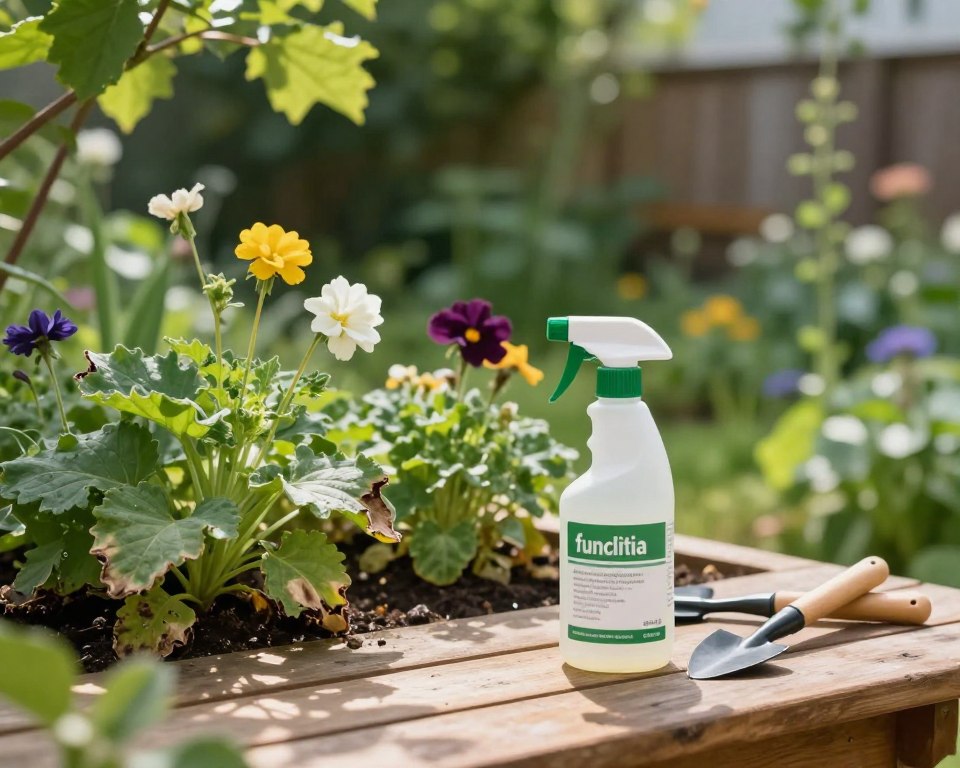
Studies show that about 70% of home gardens face constant threats from fungi. These threats can harm the health of plants. To fight these enemies, many gardeners use chemical treatments.
These treatments are key to keeping plants safe. But, many worry: is garden fungicide dangerous to people or pets? It’s important to find a balance between keeping plants healthy and staying safe.
These chemicals are used to stop diseases before they start. But, safe handling is the best way to avoid risks. By following the right advice, you can keep your garden healthy and safe.
Key Takeaways
- Fungicides are often used to protect food crops and plants from diseases.
- Using them before problems start helps keep plants healthy.
- Even though there are safety concerns, they can be managed with care.
- Using evidence-based methods helps gardeners in their homes.
- Always wear protective gear and follow the label when using chemicals.
Understanding the Basics of Garden Fungicides
Effective plant care often requires understanding garden fungicide risks to ensure both plant vitality and user safety. These substances are specialized chemical agents designed to inhibit or kill fungal pathogens that threaten ornamental plants, vegetables, and fruit trees.
Defining Fungicides in Modern Horticulture
In modern horticulture, fungicides serve as a critical line of defense against common issues like powdery mildew, rust, and leaf spot. These products are formulated to disrupt the life cycle of fungi, preventing them from spreading across a garden environment. By managing these pathogens, gardeners can preserve the aesthetic and structural integrity of their plants.
How Fungicides Work to Protect Plant Health
Fungicides generally function by interfering with the metabolic processes of fungal cells. Some treatments act as preventative barriers, stopping spores from germinating on the leaf surface. Others work by inhibiting the growth of existing mycelium, effectively halting the progression of an active infection.
When understanding garden fungicide risks, it is important to recognize that these chemicals do not distinguish between harmful fungi and beneficial microbes. Proper application ensures that the treatment targets the intended pathogen while minimizing unnecessary exposure to the surrounding ecosystem.
The Difference Between Systemic and Contact Fungicides
The method of application and the way a product interacts with plant tissue are key factors in disease management. Contact fungicides remain on the surface of the plant, creating a protective shield that must be present before the infection begins. In contrast, systemic fungicides are absorbed into the plant’s vascular system, allowing them to move through the tissues to provide internal protection.
| Feature | Contact Fungicides | Systemic Fungicides |
|---|---|---|
| Application Site | Surface only | Absorbed into tissue |
| Longevity | Short-term (washes off) | Long-term (internal) |
| Primary Use | Preventative | Preventative and Curative |
| Risk Profile | Lower systemic impact | Higher potentially for residue |
Choosing between these two types is essential for understanding garden fungicide risks. While systemic options offer convenience, contact treatments are often preferred for localized issues where minimal chemical absorption is desired.
Is Garden Fungicide Dangerous to Human Health?
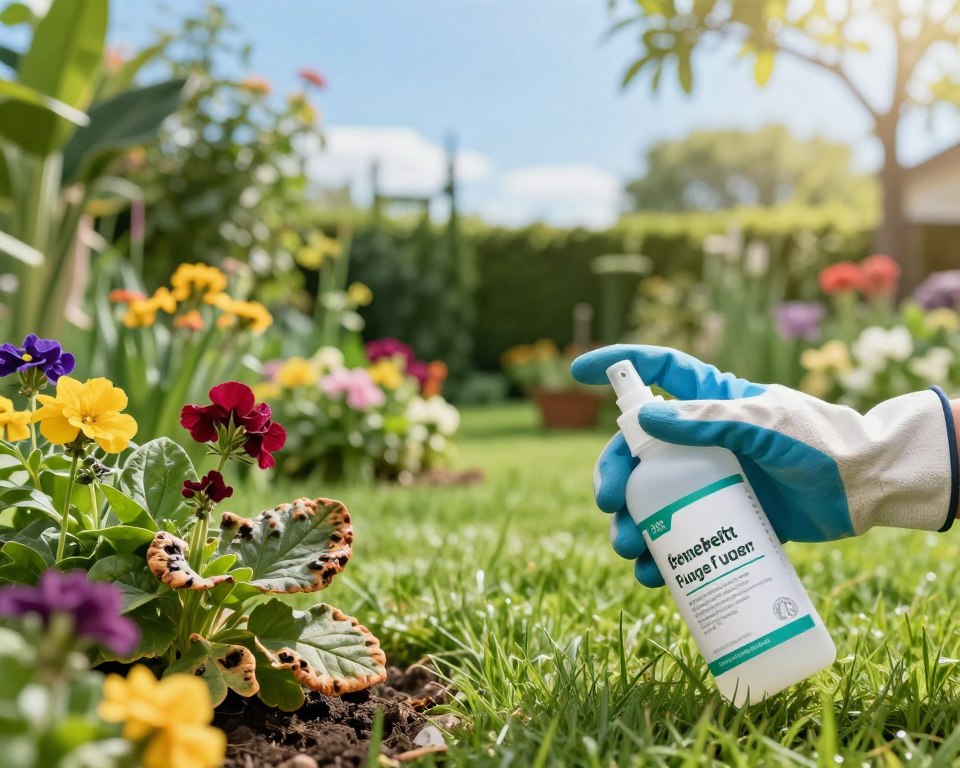
It’s important for homeowners to check if common garden chemicals are safe. Many people worry about the dangers, but looking at the science helps. Most treatments are made to be safe if used as directed.
Acute Toxicity Risks for Home Gardeners
When we ask if is garden fungicide dangerous, we find it’s not as harmful as some other chemicals. Acute toxicity means immediate harm from a single exposure. Garden fungicides target fungi, not humans.
But, improper handling can cause irritation or accidental ingestion. Always wear protective gear to avoid skin or eye contact. Even though it’s not toxic, concentrated forms can be uncomfortable if not handled carefully.
Chronic Exposure Concerns and Long-term Health
The risks of using garden fungicide often involve long-term exposure. This means being exposed to small amounts over time. Home gardeners usually don’t face the same risks as industrial agriculture, but misuse can cause health problems.
To avoid these risks, follow the recommended re-entry intervals on the label. These times help ensure the chemical has dried, reducing the chance of exposure. Keeping your workspace clean and washing hands after use is key to avoiding long-term health issues.
Vulnerable Populations and Sensitivity Factors
Some people are more at risk from garden chemicals. Children, for example, are more vulnerable because their systems are developing. People with chemical sensitivities or breathing problems should be extra careful.
The table below shows the risks of different garden treatments. It helps you make safer choices:
| Treatment Type | Acute Toxicity Level | Primary Risk Factor | Safety Priority |
|---|---|---|---|
| Biological Fungicides | Very Low | Minor Skin Irritation | Standard Hygiene |
| Sulfur-Based | Low | Respiratory Sensitivity | Mask Usage |
| Synthetic Fungicides | Moderate | Systemic Absorption | Full PPE Required |
| Copper-Based | Low to Moderate | Ingestion/Eye Contact | Eye Protection |
Understanding these risks helps protect you and your family. Always choose the safest option for your garden needs and follow the label instructions.
Assessing Toxicity Risks for Pets and Wildlife
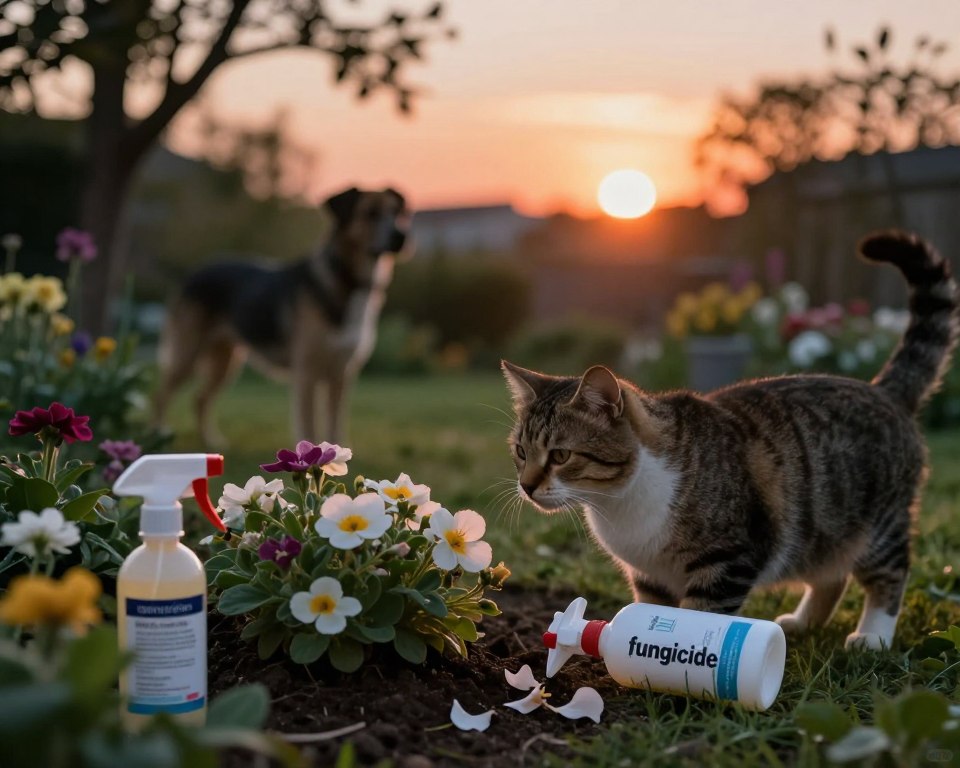
The risks of using garden fungicide go beyond just the person spraying it. They affect pets and wildlife too. Gardeners need to think about how these chemicals affect the environment. This ensures that plants don’t harm nearby living creatures.
Common Risks for Dogs and Cats in Treated Areas
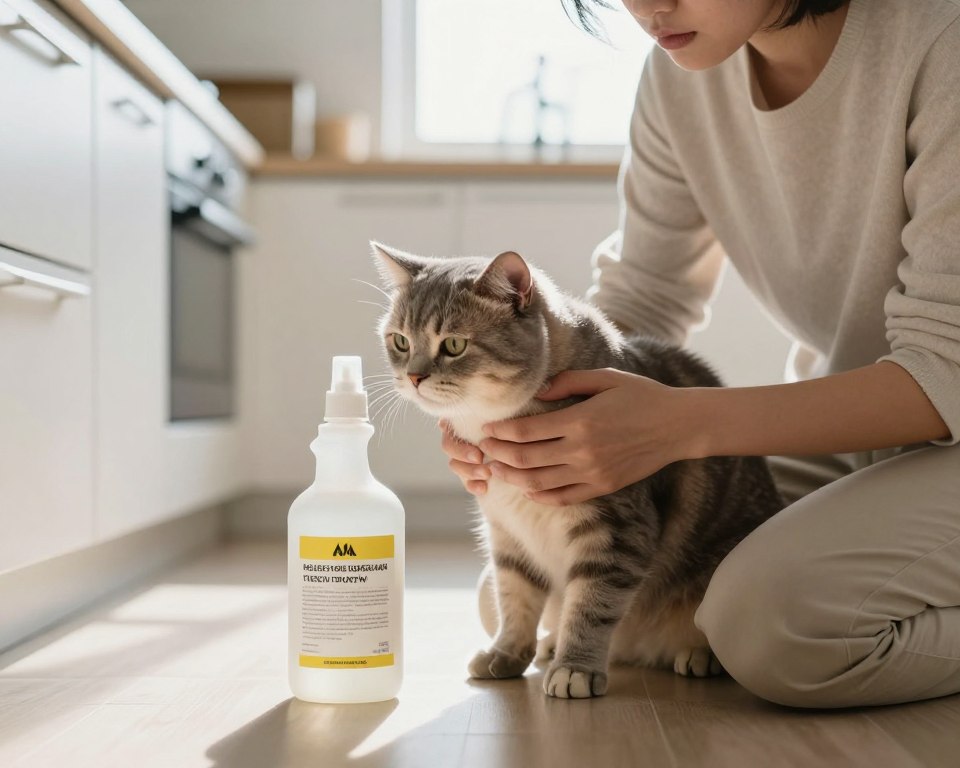
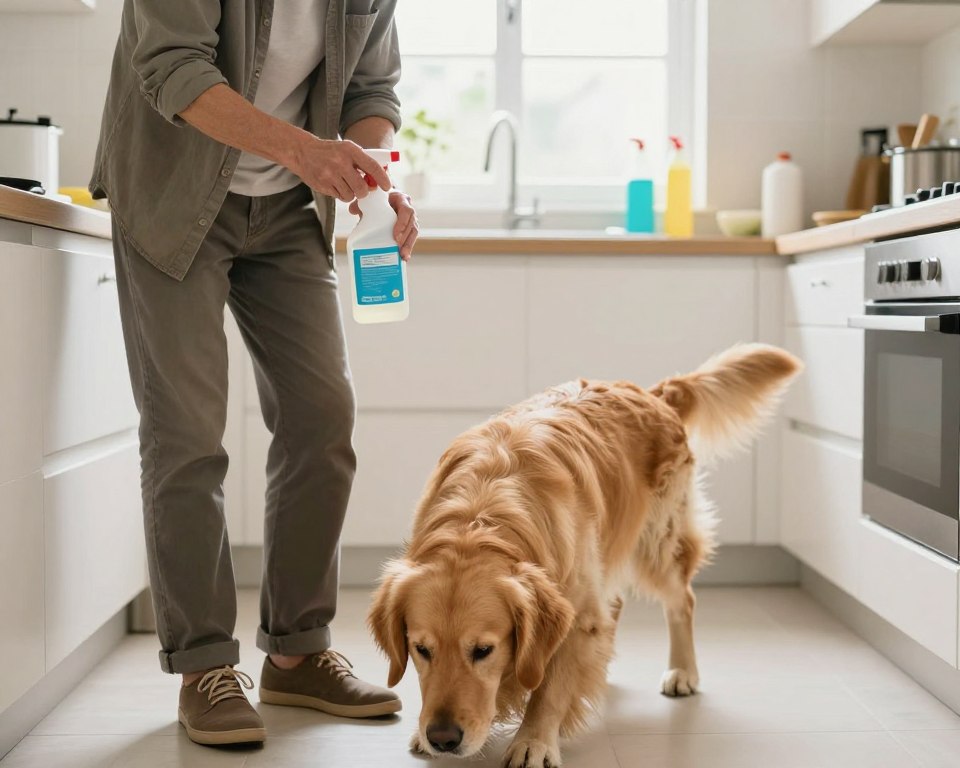
Dogs and cats often explore gardens by sniffing or licking surfaces. This increases the harm from garden fungicide. Leftover chemicals on grass or leaves can make them sick or cause skin problems.
To keep pets safe, keep them inside when you spray. Make sure the area is dry before letting them out. Also, store strong chemicals in places pets can’t get to.
Impact on Beneficial Pollinators and Insects
Pollinators are key to a healthy garden, but they’re very sensitive to chemicals. Copper-based fungicides can harm bees if sprayed on flowers they visit often.
Try not to spray when bees are most active. Use targeted sprays instead of broad ones. This helps keep important insects safe and your garden healthy.
Protecting Local Bird and Aquatic Populations
Chemicals from garden fungicides can move through the landscape. Rain or irrigation can carry them into ponds or streams, harming aquatic life.
Birds might eat insects that have been poisoned or drink from treated water. Create buffer zones near water and avoid spraying before it rains. This helps keep the environment clean.
| Target Group | Primary Risk Factor | Mitigation Strategy |
|---|---|---|
| Domestic Pets | Ingestion via grooming | Keep off treated areas until dry |
| Pollinators | Direct contact on blooms | Avoid spraying open flowers |
| Aquatic Life | Chemical runoff | Maintain buffer zones |
| Local Birds | Contaminated food sources | Apply during low-wind conditions |
Environmental Impact and Soil Health Concerns
When we use fungicides, we’re not just treating leaves. We’re adding substances to complex soil ecosystems. These products help fight plant diseases but can harm if not used carefully. It’s important for gardeners to understand these effects.
Fungicide Persistence in Soil Ecosystems
Chemical treatments don’t vanish right after use. Studies show they stay in soil for about 54 days. This persistence means residues can build up over time, if treatments are repeated.
These chemicals stay active for weeks or months. They can change the soil’s chemical makeup. Gardeners should know that frequent use can lead to a buildup that soil can’t handle.
Potential for Groundwater Contamination
Chemicals moving through soil is a big worry. If fungicides are used too much or during heavy rain, they can seep into groundwater. This is a risk to our water sources.
Once in the water table, it’s hard to get rid of these chemicals. We must be careful with how much we apply and watch the weather to avoid runoff.
Disruption of Beneficial Soil Microbes
Soil needs a mix of bacteria and fungi to work well. Unfortunately, garden fungicide toxicity concerns affect these helpful microbes. Fungicides target fungal growth, which can harm beneficial fungi that help plants.
When these microbes are harmed, soil’s ability to feed plants can drop. Keeping a balanced ecosystem is key for a healthy garden. These microbes are the heart of a thriving landscape.
Common Active Ingredients and Their Safety Profiles
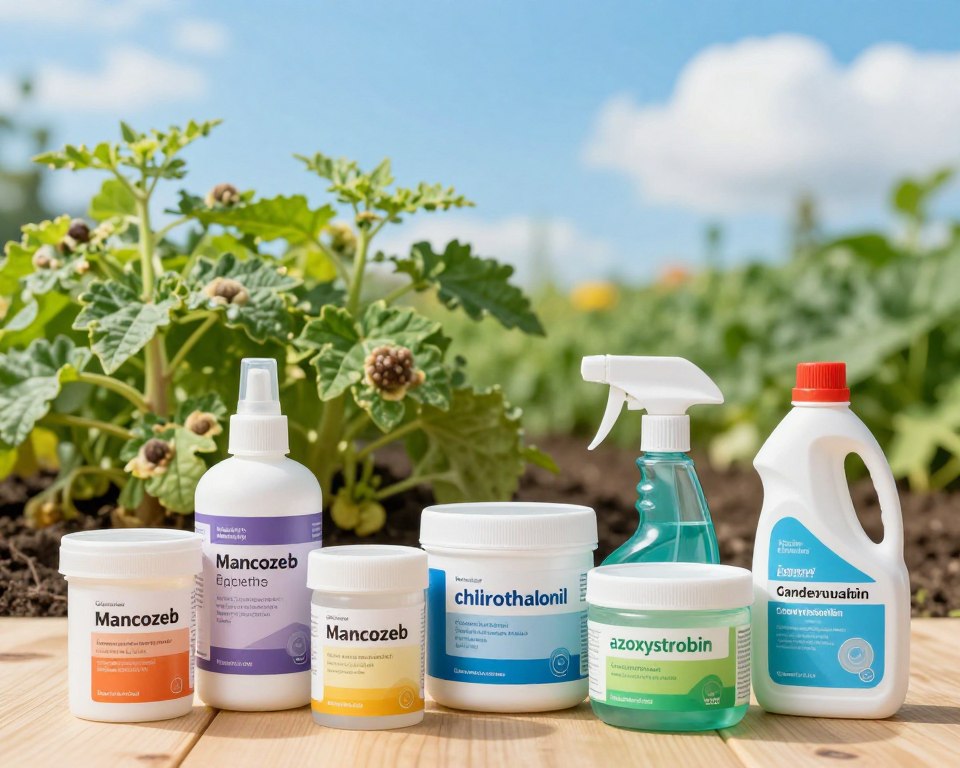
Not all fungicides are the same. Their active ingredients affect how they work with your plants and health. It’s key to look beyond the brand name and check the chemicals inside. Knowing these details helps you manage risks, like knowing if a mold remover spray is toxic before using it.
Copper-Based Fungicides and Their Limitations
Copper has been used in gardens for years to fight diseases. But, excessive copper in the soil can be a problem. It doesn’t break down quickly, staying in your garden for years.
Using copper products too much can harm your plants. Always follow the label to avoid damage. Too much can also hurt good earthworms and soil life.
Sulfur-Based Treatments and Skin Sensitivity
Sulfur is used to fight powdery mildew and rust. It’s less toxic than some synthetic options but has its own issues. The main problem is skin and eye irritation from direct contact.
When using sulfur dust or sprays, the fine particles can get airborne. People with sensitive skin or breathing issues need to be careful. Also, sulfur can react with certain oils, so check the labels for warnings.
Synthetic Fungicides: Chlorothalonil and Myclobutanil
Synthetic fungicides offer strong protection that lasts longer than natural ones. Chlorothalonil is known for extended foliar protection against many diseases. It breaks down quickly in soil, reducing environmental buildup.
Myclobutanil works by moving through the plant to stop fungal growth. These chemicals need careful handling to avoid exposure. Treat them with the same caution as strong household chemicals.
| Active Ingredient | Primary Use | Persistence | Safety Note |
|---|---|---|---|
| Copper | Broad-spectrum | High (accumulates) | Can be toxic to soil life |
| Sulfur | Powdery Mildew | Low | Causes skin irritation |
| Chlorothalonil | Foliar Protection | Moderate | Avoid inhalation |
| Myclobutanil | Systemic Control | Moderate | Handle with gloves |
Recognizing Symptoms of Fungicide Exposure
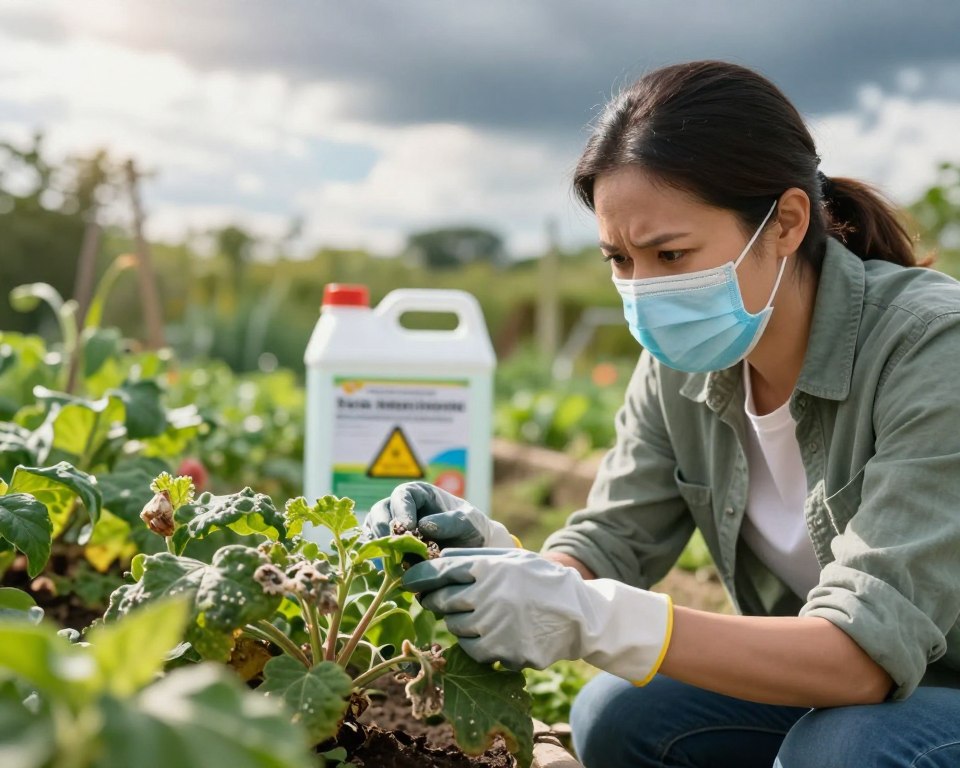
Garden fungicides can cause subtle physical symptoms that need quick attention. These products are meant to protect plants but can harm humans if touched. Spotting these signs early is key to managing risks.
Immediate Physical Reactions to Skin Contact
Most gardeners get exposed to chemicals through their skin. If a fungicide splashes on you, you might feel redness, itching, or a burning sensation. Long exposure can cause skin problems like dermatitis or swelling.
Eyes are very sensitive to these chemicals. Getting spray in your eyes can cause stinging, too much tearing, or blurry vision. Flush the area with clean, lukewarm water for at least fifteen minutes to avoid damage.
Respiratory Issues Following Inhalation
Inhaling chemical mists or dust can irritate your nose, throat, and lungs. You might cough a lot, feel short of breath, or have a scratchy throat. If you feel dizzy or taste something metallic, get to fresh air fast.
People with asthma should be very careful. These chemicals can make breathing problems worse. Always work in areas with good air flow to avoid inhaling harmful particles.
Signs of Ingestion and When to Seek Medical Help
Swallowing a fungicide is a serious emergency that needs quick action. Symptoms include nausea, vomiting, stomach pain, or dizziness. If someone swallows a fungicide, don’t wait for symptoms to get worse before getting help.
“The most effective way to prevent toxicity is to treat every chemical product with the same level of caution you would apply to a hazardous household cleaner.”
If you’re worried about accidental exposure, learn more about managing chemical risks in the home. Always have the product label ready, as it has important info for doctors about the chemical and treatment.
| Exposure Type | Common Symptoms | Immediate Action |
|---|---|---|
| Skin Contact | Redness, itching, burning | Wash with soap and water |
| Eye Contact | Stinging, tearing, blurriness | Flush with water for 15 mins |
| Inhalation | Coughing, throat irritation | Move to fresh air |
| Ingestion | Nausea, vomiting, dizziness | Call Poison Control/911 |
Best Practices for Safe Application in the Garden
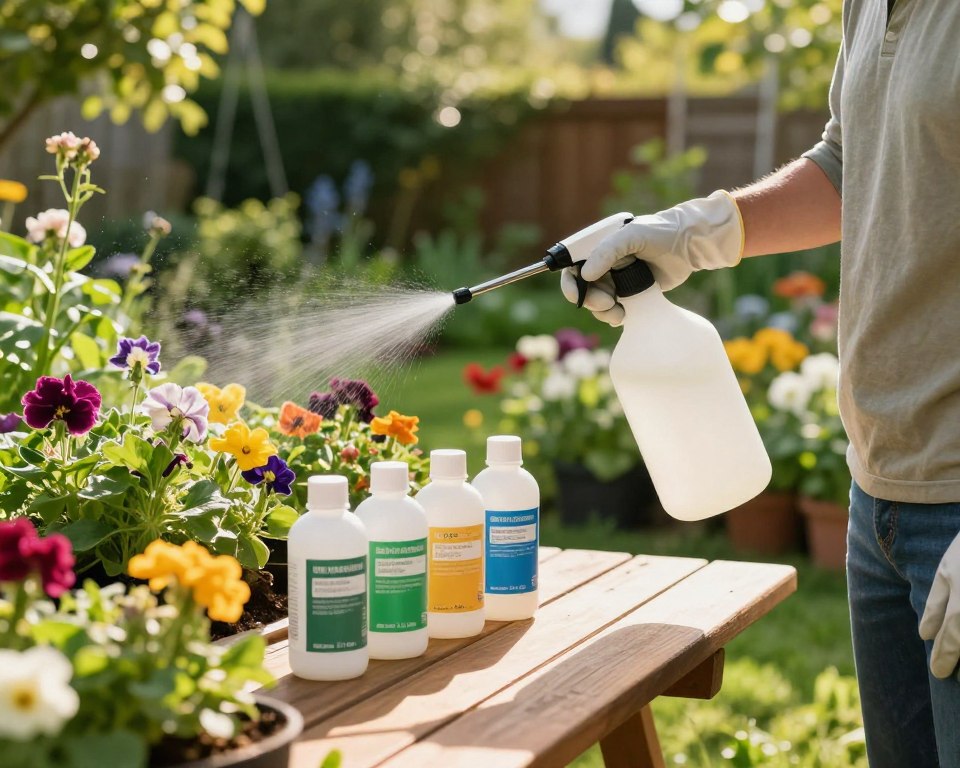
To control diseases well, you need to handle chemicals carefully. Keeping your garden safe from fungicides starts with a simple rule. Always follow what the product label says about how much to use, when to use it, and on which plants.
Timing Applications to Minimize Drift
It’s important to spray when it’s calm to avoid chemicals spreading where you don’t want them. The best times are early morning or late evening when the air is steady. Avoid spraying on windy days because the wind can blow droplets to unwanted places.
Calculating Correct Dosage and Dilution Ratios
Getting the mix right is key. Always use the right tools to measure the exact amounts the label says. Never just guess how much to use, as too much can harm your plants and the environment.
Using the right amount means your treatment works well without wasting product. Keep a record of how much you use. This helps you keep your garden safe all season long.
Weather Conditions That Influence Safety
The weather affects how chemicals work after you spray them. Hot weather can make some products evaporate or damage plants. Rain can wash the treatment away before it works. Always check the weather forecast before spraying.
If rain is coming soon, wait to spray. Watching the weather helps your treatment work better and keeps water sources clean. By following these tips, you can keep your garden healthy and fight off diseases.
Personal Protective Equipment Requirements
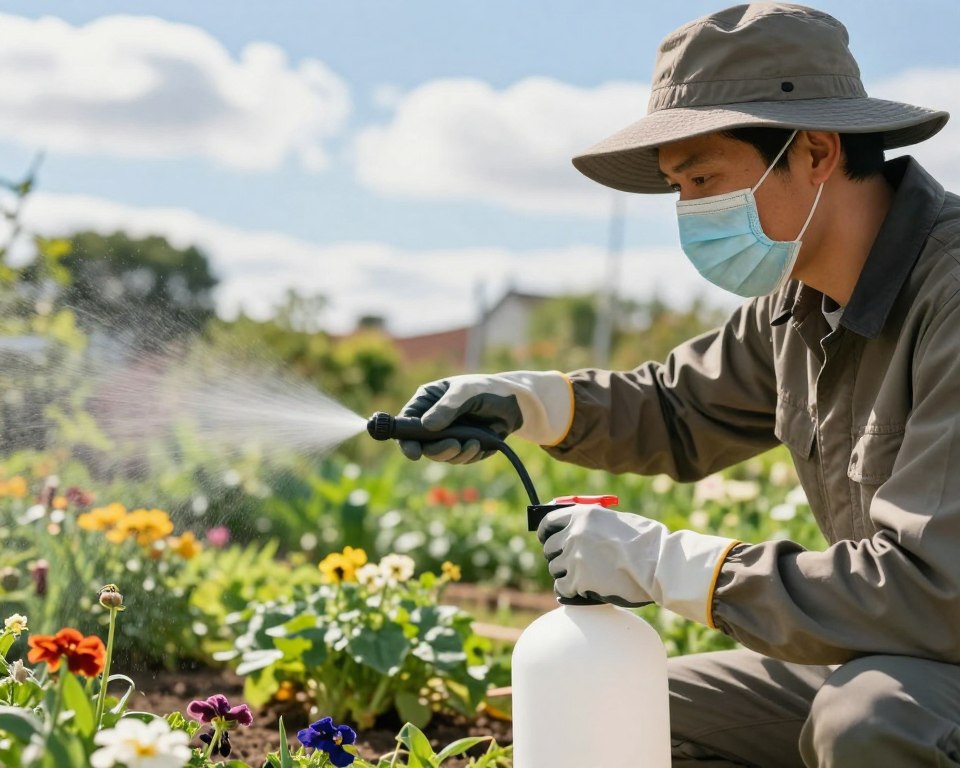
Keeping yourself safe when using chemicals is key to avoiding garden fungicide health hazards. Many gardeners focus on their plants, but your safety is just as important. Wearing the right gear helps keep you safe all season.
Selecting the Right Gloves and Protective Clothing
Your skin can absorb chemicals easily, so wearing protective clothes is a must. Wear long-sleeved shirts and pants to cover more skin. Chemical-resistant gloves are a must when working with strong solutions.
Don’t use cloth or leather gloves because they soak up liquids. Instead, choose nitrile or neoprene gloves for better protection. Always check the label to make sure the gloves won’t break down from the chemicals.
Respiratory Protection for Spraying Applications
Using sprayers can be risky because they create fine mists that you can breathe in. Even outside, wind can carry these droplets towards your face. If you’re worried about indoor use, learn about is mold spray safe indoors to understand the risks better.
For most garden work, a basic N95 respirator is enough to block out particles. But if the label says you need a vapor-rated cartridge, make sure to use it. Proper fit testing is key to ensure the mask fits snugly.
Hygiene Protocols After Handling Chemicals
After you’re done spraying, your safety routine is far from over. It’s important to wash your hands and arms right away to avoid spreading chemicals. Always wash your clothes separately from your regular laundry to avoid contamination.
Removing your protective clothes carefully is important to avoid touching the outside. Taking a shower after use is the best way to make sure you’re clean of any chemicals.
Safe Storage and Disposal of Chemical Fungicides
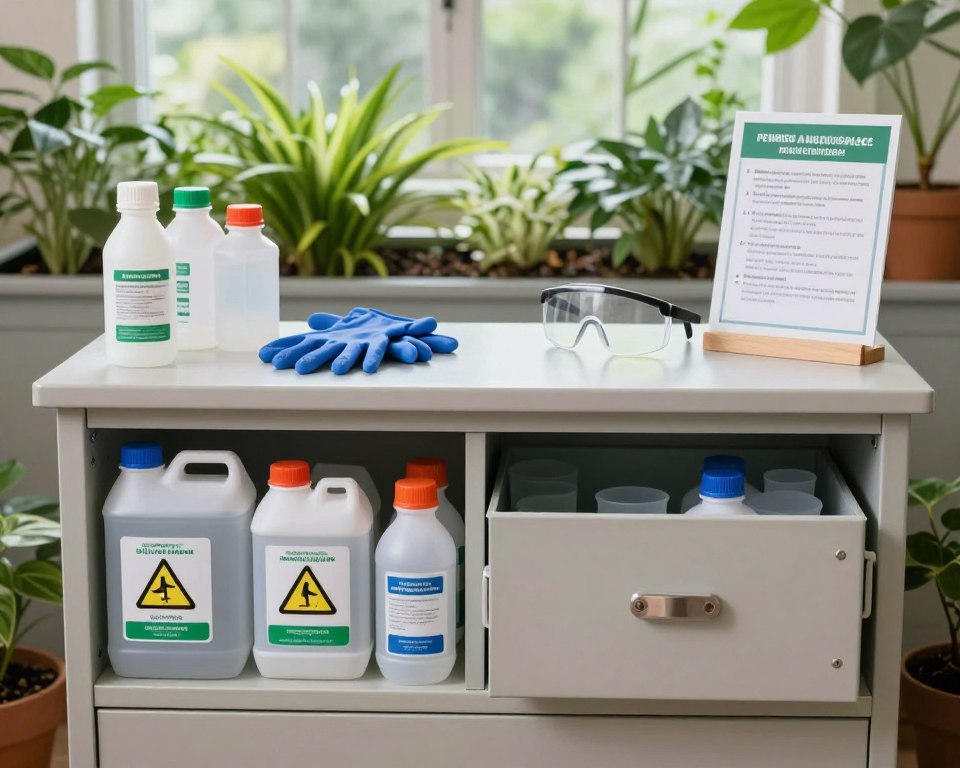
Storing garden chemicals right is key for every homeowner. It keeps you and the environment safe. By following the right steps, you can keep your garden shed tidy and safe.
Preventing Accidental Spills and Leaks
The main rule is to always keep products in their original containers. These containers are made to handle the chemicals safely. If a container gets damaged, put it in a bigger, sealed plastic container.
Check your containers often for signs of wear. You can find more tips on storing garden chemicals online. Never put chemicals in food or drink containers to avoid accidents.
Proper Labeling and Keeping Products Out of Reach
Labels tell you how to handle the chemicals safely. If a label gets worn out, treat the product as hazardous waste. Store all fungicides in a locked cabinet or high up where kids and pets can’t reach.
Storing chemicals the same way every time helps avoid accidents. Like with household cleaners, keep them in a cool, dry place. This stops the chemicals from breaking down too fast.
Environmentally Responsible Disposal Methods
Disposing of fungicides needs careful attention to local rules. Never pour leftover chemicals down the drain or on the ground. This can harm local water. Many places have special days for disposing of garden chemicals safely.
If you have a bit left over, check the label for disposal tips. If unsure, call your local waste management. Proper disposal is important to protect the environment.
Exploring Organic and Natural Fungicide Alternatives
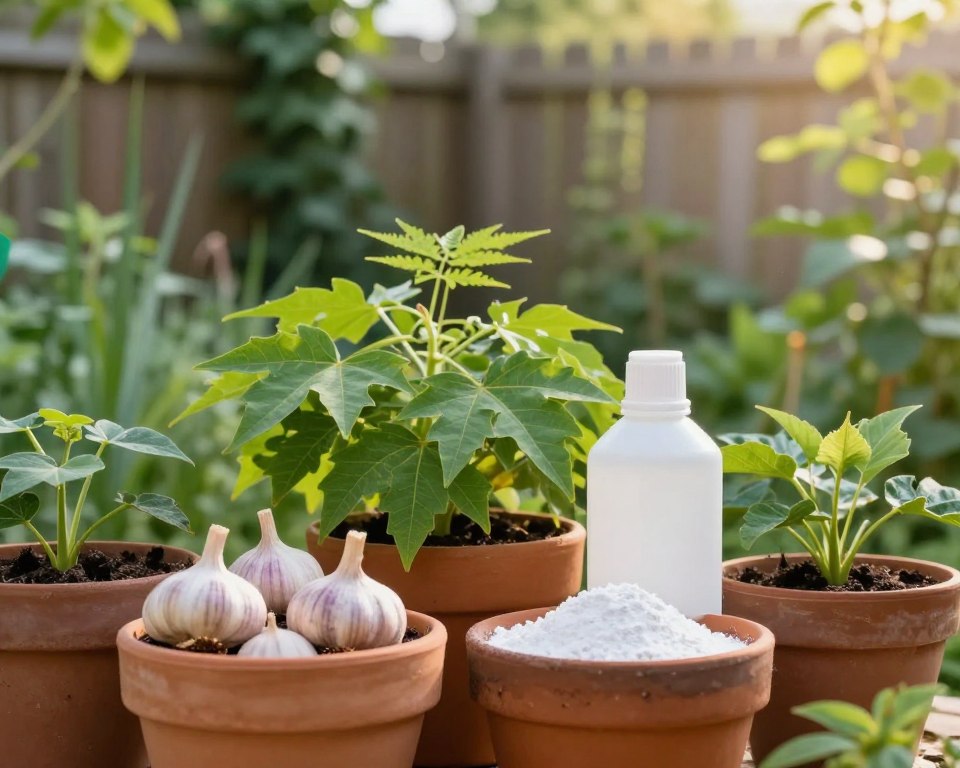
Many homeowners look for safe alternatives to garden fungicide because of environmental and health concerns. Natural substances can be very effective in controlling fungal diseases. This approach helps keep gardens healthy without using synthetic products.
Neem Oil and Horticultural Oils
Neem oil comes from the neem tree and fights both fungi and insects. It’s a versatile tool for gardeners. When used right, it stops fungi like powdery mildew and rust from growing.
Horticultural oils, made from plants or petroleum, create a barrier on leaves. This stops fungal spores from growing. They are safe alternatives to garden fungicide if used as directed, best during cooler times to avoid damage.
Baking Soda and Milk-Based Solutions
Household items can also fight fungal diseases. Mixing baking soda, water, and a bit of soap changes the leaf’s pH. This makes it hard for fungi to live.
Milk-based solutions are also good against powdery mildew. The proteins in milk react with sunlight to kill fungi. These methods are not as strong as chemicals but are a low-risk strategy for small problems in home gardens.
Biological Fungicides and Beneficial Bacteria
Biological controls are the latest in natural plant protection. Bacillus subtilis products are great at fighting soilborne diseases and powdery mildew on leaves.
These beneficial bacteria take over the plant’s surface, beating out harmful fungi. They help create a stronger garden ecosystem. Using these living agents is a key effective safe alternative to garden fungicide for those caring for their soil’s health.
Regulatory Standards and Labeling Compliance
Understanding garden fungicide risks starts with the label on the product. In the United States, the Environmental Protection Agency (EPA) tests all pesticide products before they hit the market. These labels are legal documents that give you important safety tips.
Understanding EPA Label Requirements
Every fungicide container has a standard label. It lists the active ingredients, how to use it, and safety steps. These labels help avoid dangers by giving clear, tested advice. Always see the label as your main safety guide when using these products.
Following these rules is not just a choice; it’s key to safe gardening. For more on safe household products, check out cleaning products safe for food areas. Make sure the product is approved for the plant or fungus you want to treat.
Interpreting Signal Words: Caution, Warning, and Danger
The EPA makes sure labels have specific signal words. These words show how toxic the product is to humans and pets. Knowing these labels is a big step in understanding garden fungicide risks before you even use the product.
| Signal Word | Toxicity Level | Risk Description |
|---|---|---|
| Caution | Low Toxicity | Slightly toxic if ingested or absorbed. |
| Warning | Moderate Toxicity | Moderately toxic; can cause irritation. |
| Danger | High Toxicity | Highly toxic; can cause serious harm. |
The Importance of Following Re-entry Intervals
A re-entry interval (REI) is the time you must wait after applying a product. It lets the chemical dry or settle, reducing exposure risks. Not following these times can lead to skin contact or breathing in residues.
Always look at the label for the REI time. It changes based on the product and how you apply it. Sticking to these times keeps your garden safe for your family and wildlife. Following these standards is the best way to care for your garden while avoiding chemical risks.
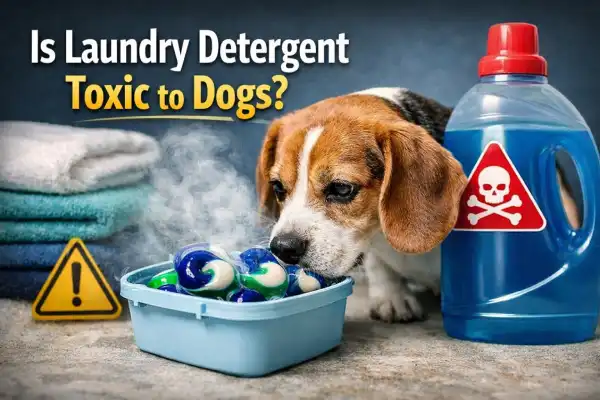
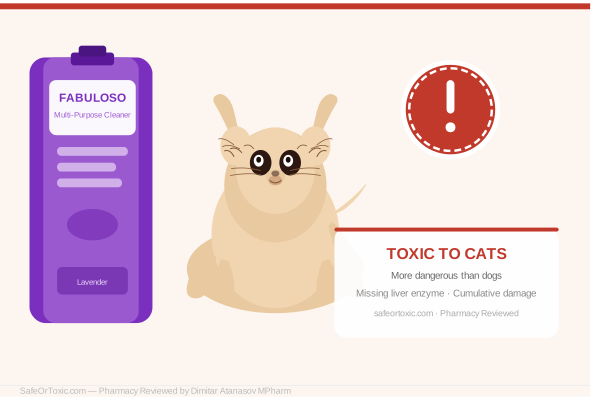
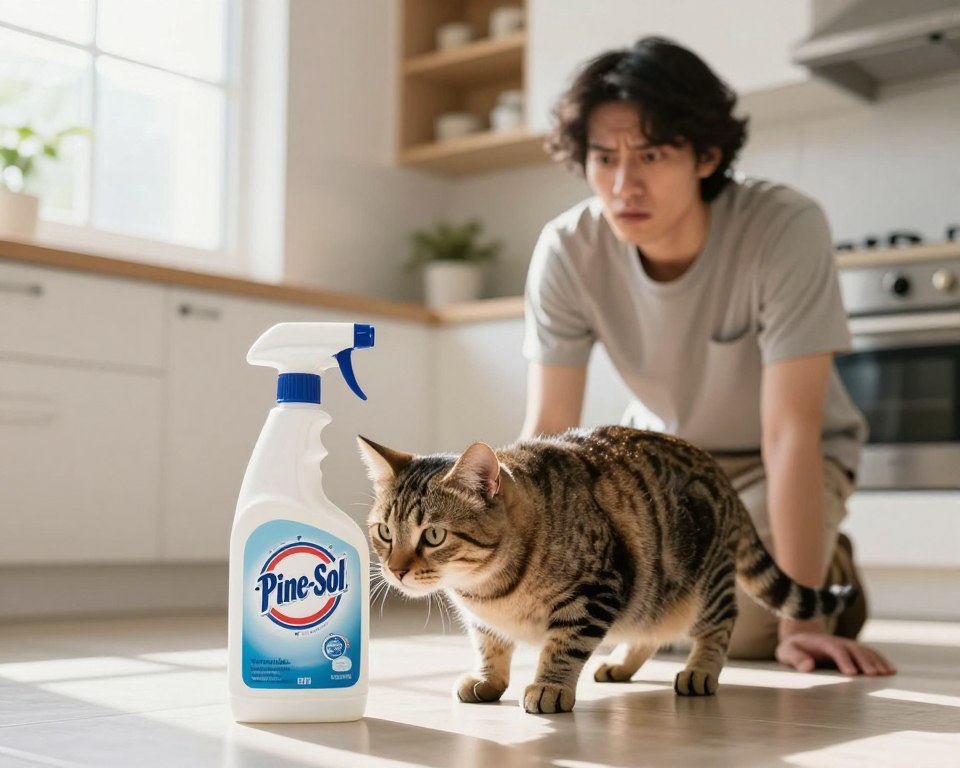
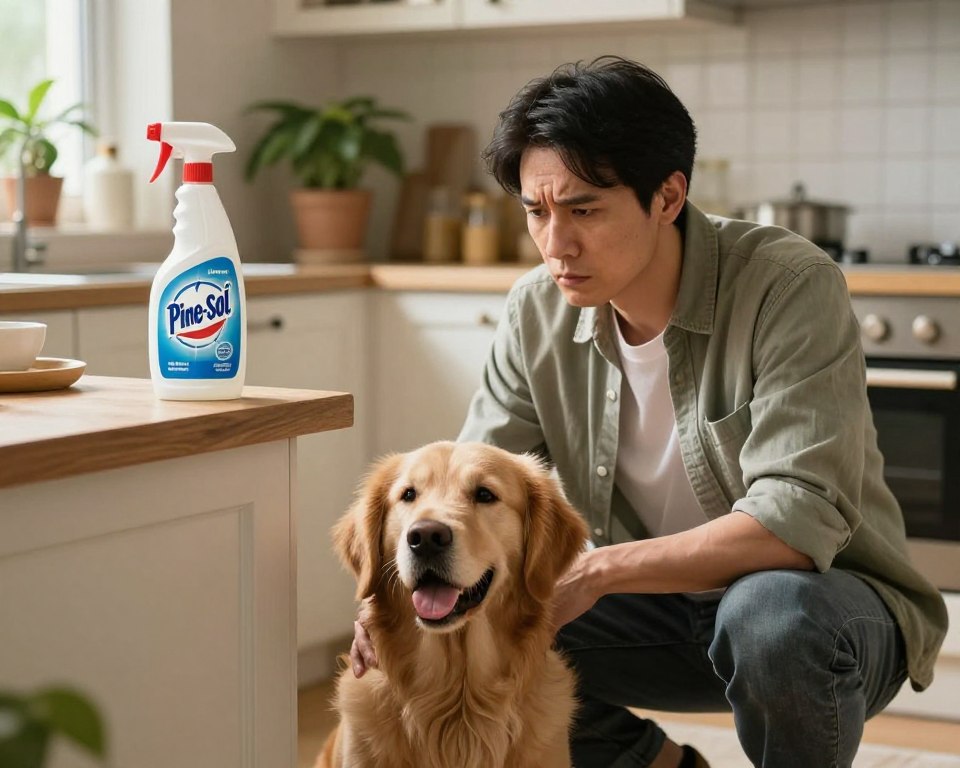
Image Disclosure and Educational Context
This section gives important context about the images used in this guide. Pictures help explain safety information for gardeners and pet owners.
Purpose of Visual Aids in Veterinary and Botanical Education
Diagrams and illustrations make complex ideas easier to understand. They help make safety rules clear for everyone.
These tools aim to achieve several educational goals:
- Clarifying application techniques for garden treatments.
- Highlighting anatomical areas of concern for pets and wildlife.
- Visualizing safety zones to prevent accidental exposure.
Clarification on AI-Generated and Enhanced Imagery
Some images in this article might be AI-made or enhanced. These tools help explain botanical and safety ideas.
Even though these images are accurate, they are interpretive representations. They are not real photos of chemical reactions. We focus on clarity and learning when choosing or making these images.
Limitations of Visual Representations in Safety Guidance
Remember, these pictures are for learning only. They are not a substitute for expert advice or medical help.
If you think someone has been harmed by a substance, do the following:
- See a vet or doctor right away.
- Check the product label for emergency contact info.
- Don’t use pictures to judge how serious a reaction is.
Conclusion
Keeping your garden healthy is all about balance. It’s key to follow the label and use methods wisely. This way, you protect your family, pets, and wildlife.
Using cultural practices can cut down on chemical use. Try rotating crops, improving soil, and picking plants that resist diseases. These steps make your garden strong against common pests.
For small problems, look into safer options than fungicides. Neem oil or baking soda can work well. They’re better for the environment and keep your garden safe for everyone.
Your dedication to gardening the right way keeps your soil and water safe. Knowing about product labels and choosing gentle methods makes your garden sustainable. This way, you enjoy a beautiful garden and peace of mind for years.
FAQ
Is Garden Fungicide Dangerous to humans if inhaled?
Yes, inhaling garden fungicides can irritate the lungs or cause serious health problems. Sulfur and synthetic chemicals like chlorothalonil are harmful to the lungs. Always wear the right protective gear and avoid spraying on windy days.
What are the primary garden fungicide health hazards I should be aware of?
Common hazards include skin irritation, eye damage from splashes, and long-term health issues. Even low-toxicity products can harm sensitive people or children. Knowing the risks is key to safe use.
Are there safe alternatives to garden fungicide for organic growers?
Yes, there are safer options like neem oil, baking soda solutions, and biological controls. These alternatives are less toxic for humans and pets than synthetic chemicals.
How can I ensure garden fungicide safety for my pets?
Keep pets indoors during application and wait until the product dries before letting them outside. This reduces the risk of them getting sick from the chemical. Always follow the product’s “re-entry intervals.”
What are the main garden fungicide toxicity concerns for the environment?
Concerns include harming beneficial soil microbes, toxicity to bees, and aquatic contamination. Copper-based fungicides, for example, are toxic to fish if they enter waterways.
How should I address the potential harm from garden fungicide if a spill occurs?
Don’t wash spills with a hose, as it spreads contamination. Use absorbent materials like kitty litter, then sweep it into a plastic bag for disposal.
What is the best way to start understanding garden fungicide risks before I buy a product?
Read the “Signal Word” on the label—Caution, Warning, or Danger. This tells you the product’s toxicity level. Also, research the active ingredients to understand their safety needs.
Are the risks of using garden fungicide higher for children?
Yes, children are more at risk due to their size, metabolism, and tendency to touch and eat things. Always store fungicides safely and keep children away from treated areas for at least 24 hours.