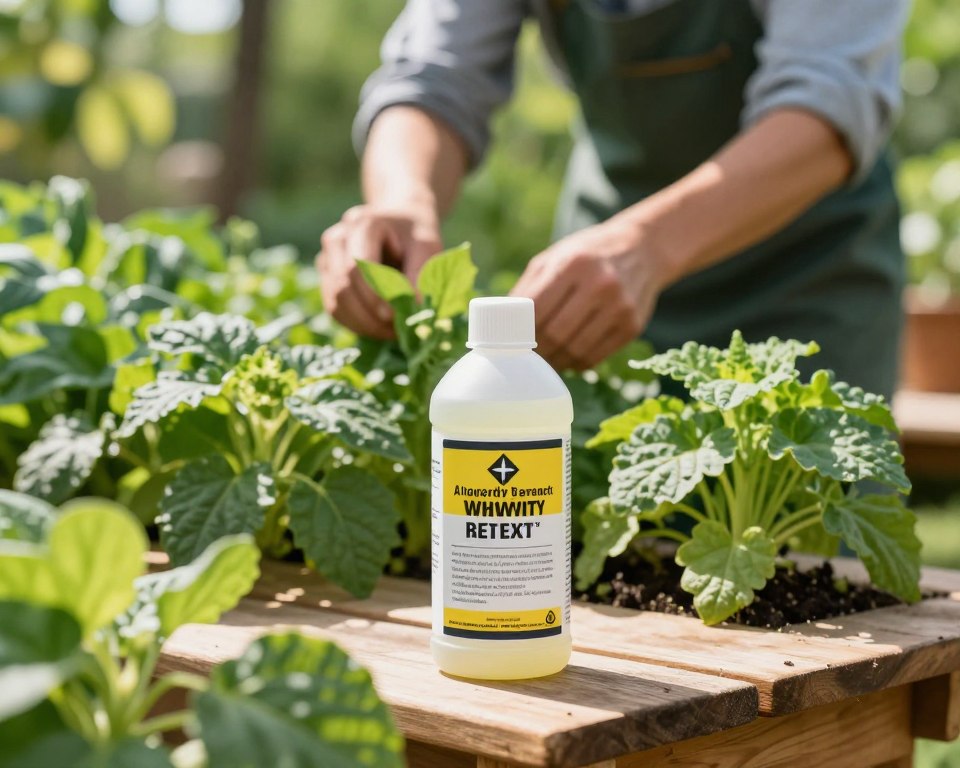
Millions of Americans use chemical treatments on their lawns every year. But, there’s a big gap in how safe these chemicals are seen. The Environmental Protection Agency says Roundup is safe, but the International Agency for Research on Cancer thinks glyphosate might cause cancer. This makes many homeowners worry about the dangers in their garden sheds.
As a pharmacist, I see many patients worried about chemicals in their homes. Knowing what’s in your products is key to staying safe. But, using these products wrong can lead to poisoning or health problems later on.
I want to give you facts, not scare stories. By looking at the science, we can understand these concerns better. Keeping your family safe means knowing what you’re spraying on your lawn.
Key Takeaways
- Regulatory agencies like the EPA and IARC often hold conflicting views on chemical safety.
- Glyphosate remains the most common active ingredient in residential herbicides.
- Always read product labels to identify specific chemical components before application.
- Improper use of garden chemicals can lead to serious health risks for humans and pets.
- Consulting professional resources helps you make informed decisions about home safety.
Understanding the Basics of Herbicide Toxicity
To understand the toxicity of herbicides, we must look at how they work at a cellular level. These substances are made to disrupt certain processes in plants that are not found in humans or animals. This way, they can effectively control unwanted plants.
How Herbicides Function in Plant Biology
Many weed killers work by messing with a plant’s internal chemistry. For example, glyphosate stops the 5-enolpyruvilshikimate-3-phosphate synthase (EPSPS) enzyme. This blocks a key pathway for making amino acids in plants.
This blockage stops plants from making proteins needed for growth. This is why herbicides are toxic. They target plant-specific systems. Knowing this helps us understand why some herbicides stay in the environment.
Distinguishing Between Selective and Non-Selective Herbicides
Herbicides are divided into two main types. Selective herbicides target specific weeds without harming other plants. They work by using the differences in plant physiology.
Non-selective herbicides, on the other hand, kill almost all green plants. They are very powerful and must be used carefully to avoid harming other living things.
| Herbicide Type | Primary Mechanism | Target Range |
|---|---|---|
| Selective | Targeted Enzyme Disruption | Specific Weed Species |
| Non-Selective | Broad-Spectrum Metabolic Blockage | All Green Vegetation |
| Pre-Emergent | Inhibits Seed Germination | Developing Seedlings |
Is Weed Killer Toxic to Humans and Pets
Understanding if is weed killer toxic means looking at how it affects living things. These chemicals are made to kill weeds but can harm mammals too.
Knowing the weed killer health risks is key for home gardeners. By learning how exposure happens, we can keep our families safe.
Absorption Pathways Through Skin and Inhalation
Herbicides mainly get into our bodies through skin contact and breathing them in. Dermal absorption happens when chemicals on grass or surfaces get on our skin, more so if it’s wet.
Breathing in these chemicals is another big risk, mainly when wind spreads the spray. Tiny droplets can stay in the air, getting into our lungs. Occupational exposure studies show these are the main ways we absorb these chemicals.
Specific Risks for Domestic Animals and Wildlife
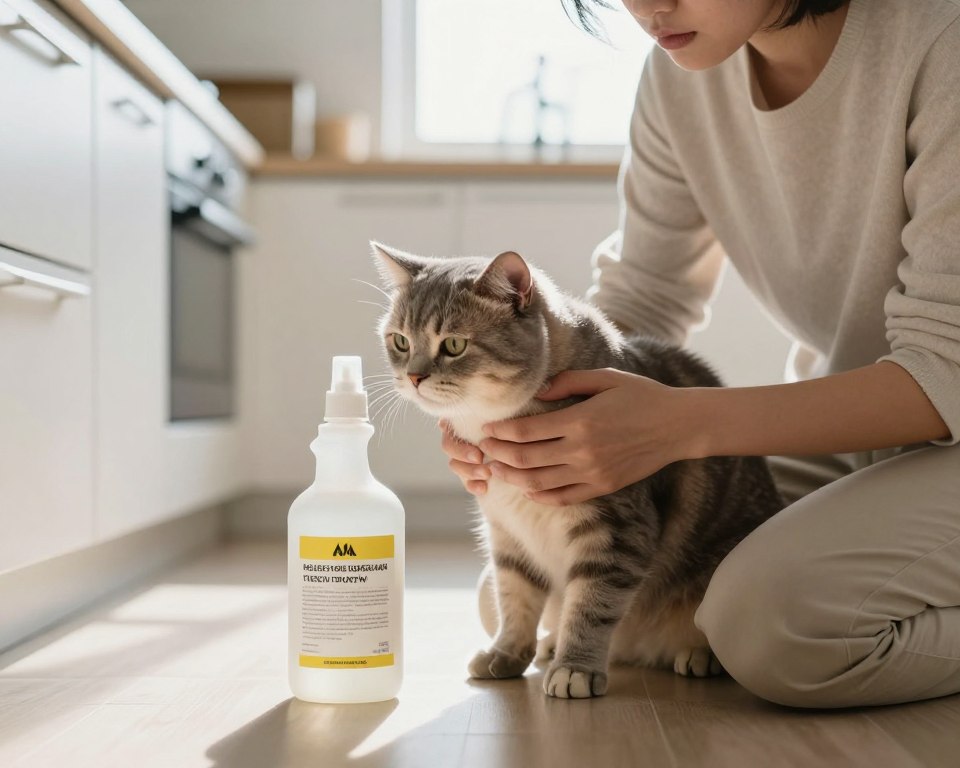
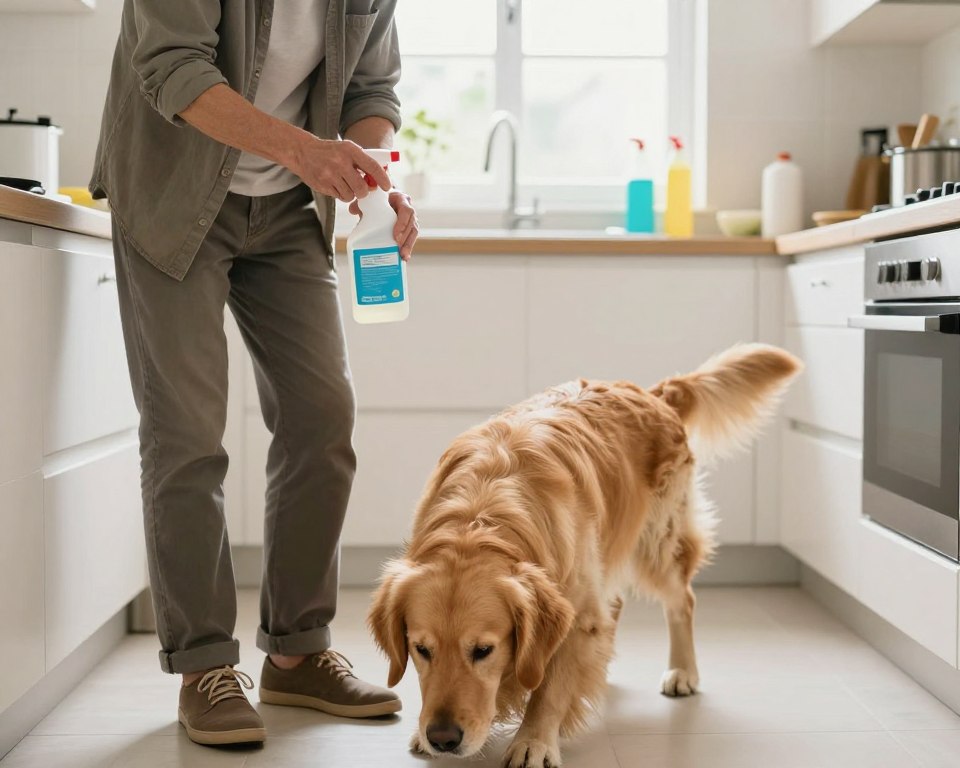
Pets are at risk because they often touch treated areas. Dogs and cats can pick up chemicals on their paws and fur when walking on treated lawns.
Pets can get sick from licking their fur or paws, which can have systemic toxicity. Wildlife, like birds and small animals, also face dangers when they eat in treated areas.
Remember, how is weed killer toxic to your area depends on how much and how often you use it. Knowing these weed killer health risks helps us make better choices for our lawns and pets.
Common Chemicals Found in Commercial Weed Killers
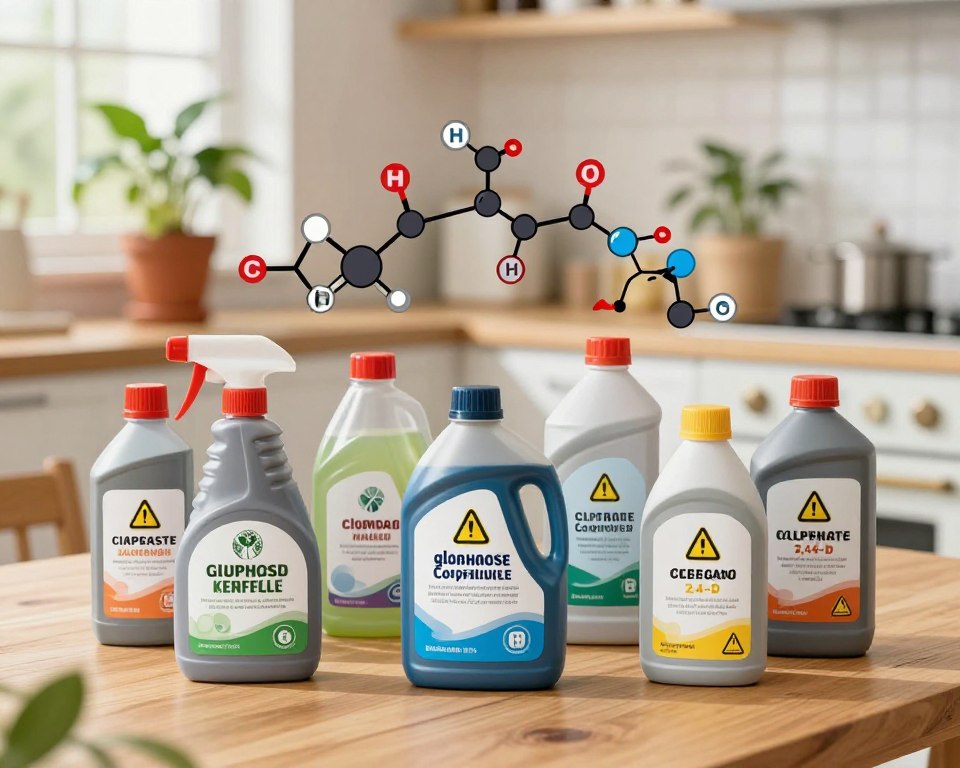
Knowing what’s in your weed killer is key to keeping your home and the planet safe. Many think a weed killer has just one ingredient, but today’s products have many. It’s important to know what’s in them to avoid harmful chemicals.
Commercial weed killers often have additives to work better. One common one is polyethoxylated tallow amine. It helps the weed killer get into plants better. But, it also changes how the chemical acts on living things.
Glyphosate and Its Prevalence in Modern Agriculture
Glyphosate is the top herbicide in the U.S. and worldwide. It stops plants from growing by blocking a key enzyme. Because humans and pets don’t have this enzyme, it’s seen as safe for them.
But, using glyphosate everywhere has raised concerns. Experts say we should look at the whole chemical mix, not just the main ingredient. This is because additives can also be harmful.
The Role of 2,4-D and Dicamba in Lawn Care
2,4-D and Dicamba are used in lawn care to kill weeds. They make plants grow out of control and then die. They work well, but you have to be careful not to get them on you.
These chemicals are in weed and feed products. They can stay in the environment for a while. Knowing about these chemicals helps you choose safer options for your garden and home.
The Dangers of Weed Killer Exposure
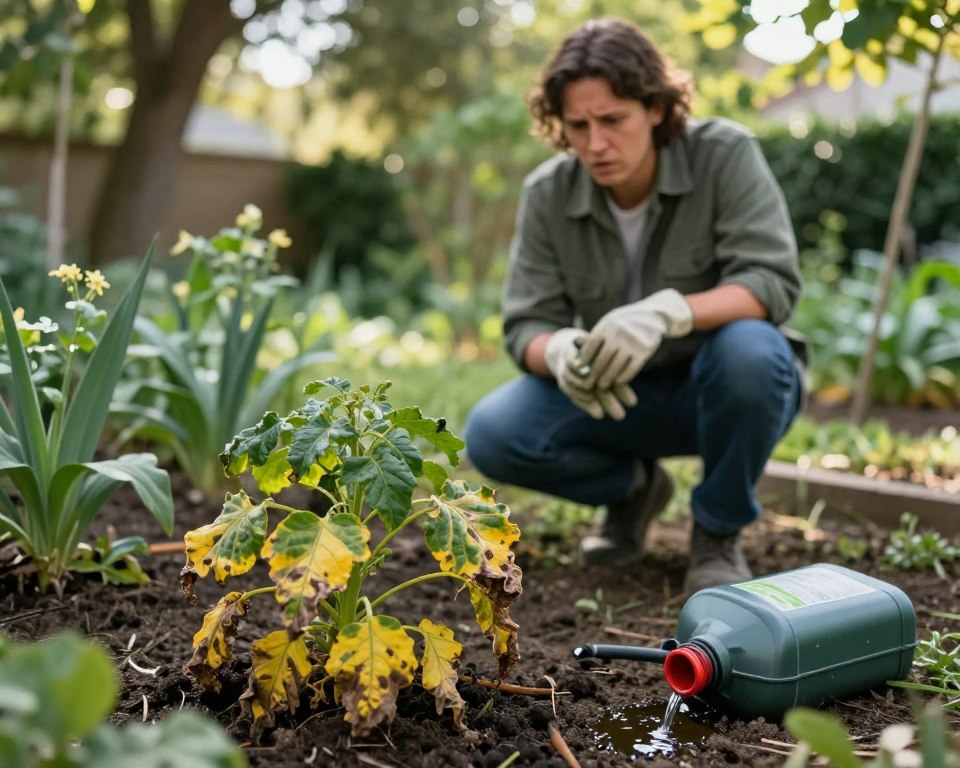
When you take care of your lawn, it’s important to know the dangers of weed killer. These products are meant to keep weeds away but can harm people. Knowing the risks helps keep your home safe.
Immediate Reactions to Chemical Contact
Getting weed killer on your skin can cause irritation. You might see redness, itchiness, or swelling. Respiratory distress can also happen if you breathe in the mist, affecting your nose, throat, and lungs.
These symptoms need quick attention to avoid worse problems. If you’re uncomfortable after using garden chemicals, check our medical disclaimer for advice. Spotting these signs early helps prevent bigger issues.
Long-Term Health Implications of Regular Exposure
Long-term exposure to weed killer can lead to serious health problems. This is true for people who use it often, like gardeners or homeowners. These issues might not show up until they become serious health problems.
The dangers of weed killer build up over time. It’s key to watch out for this and take safety steps. Using protective gear and reducing chemical spread can help avoid serious health issues later on.
Acute Versus Chronic Health Risks of Herbicides
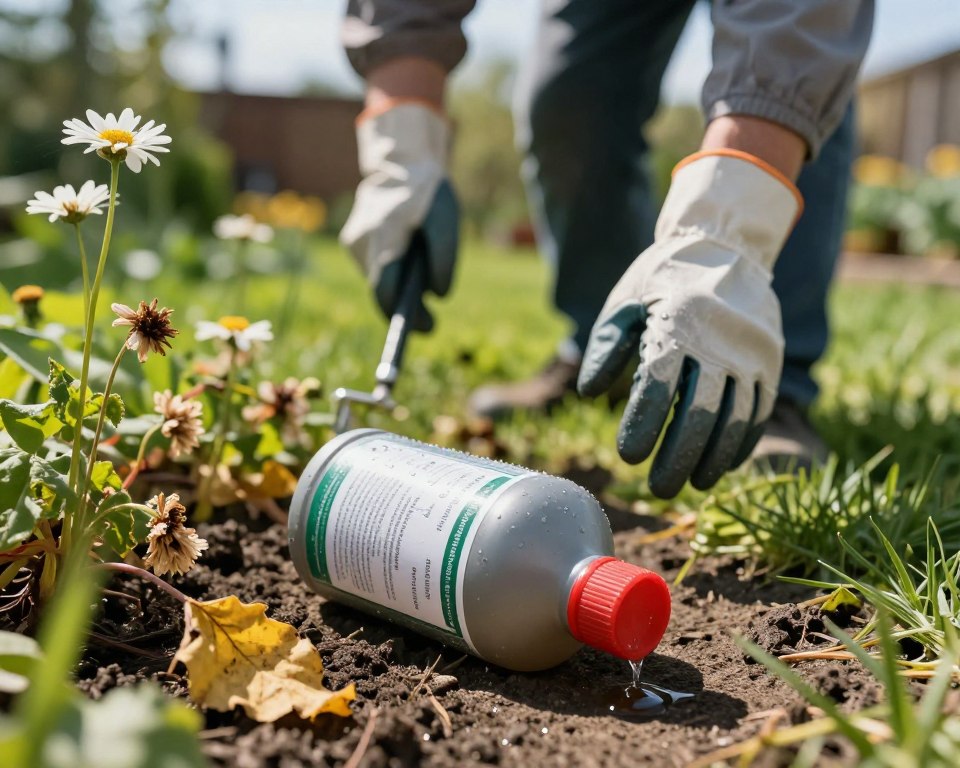
Understanding the dangers of weed killer is key. Acute poisoning shows symptoms right after exposure. Chronic risks, on the other hand, take years to show up as disease. Knowing the difference is important for those handling garden or farm chemicals.
Identifying Acute Poisoning Symptoms
Acute toxicity is a quick reaction to a chemical. Symptoms like nausea, skin irritation, dizziness, or burning sensations in the throat and lungs happen fast. They can occur within minutes or hours after touching the skin, eyes, or breathing in the chemical.
If you get these symptoms after using garden products, clean the area well and see a doctor. Spotting these weed killer health risks early helps a lot. Always wear protective gear to avoid these quick reactions.
Understanding Chronic Exposure and Its Risks
Chronic exposure means being around chemicals for a long time. It’s through skin absorption, breathing in, or drinking contaminated water. These effects are not as obvious and take a long time to show up.
Studies are looking into how these chemicals might cause serious health problems, like cancer. A 2025 study in Food and Chemical Toxicology found a link between glyphosate and autism in kids. This adds to the debate on herbicide safety. Being careful is the best way to protect public health, given the mixed views from regulators.
Environmental Impact of Weed Killers on Soil and Water
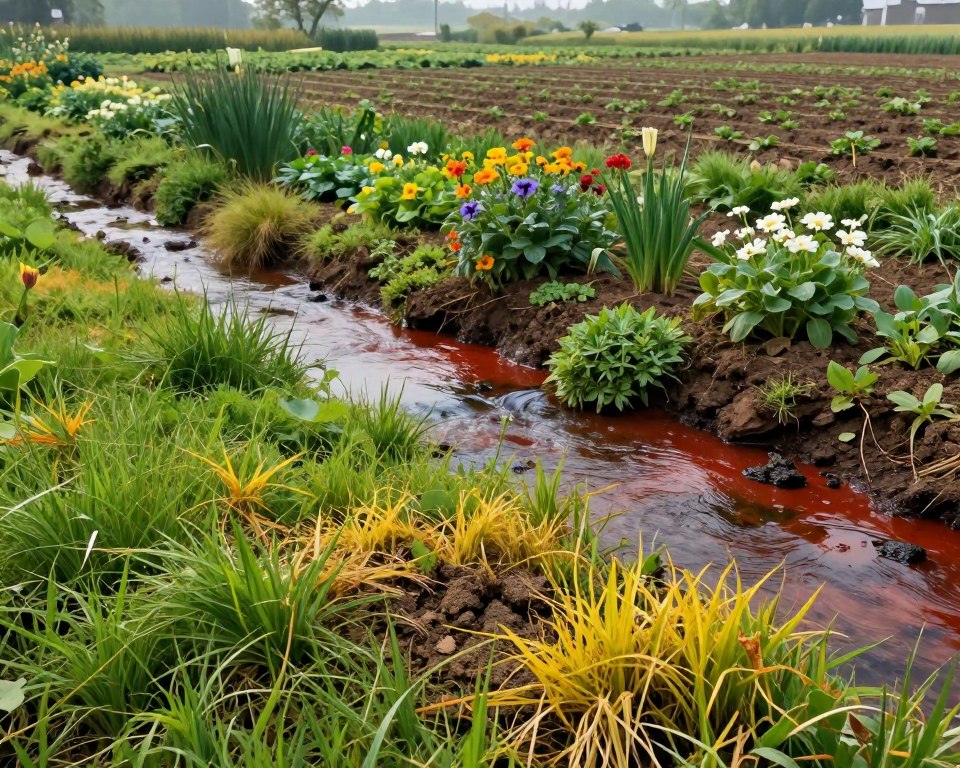
Understanding the environmental impact of weed killers is key. These substances don’t just disappear after use. They stay in the environment, affecting other ecosystems.
How Chemicals Migrate Through Groundwater
Herbicides are often very soluble in water. This makes them move through soil easily during rain or irrigation. They can then get into underground water sources.
Studies by the United States Geological Survey (USGS) show a big problem. Glyphosate and AMPA are found in almost 70 streams across the U.S.
Chemicals don’t just move through surface water. They can stay in the ground for months. This makes keeping water clean a long-term issue in many places.
Effects on Beneficial Soil Microorganisms
Our gardens rely on life beneath the surface. Microorganisms like bacteria and fungi are key for plant health. But, weed killers can harm these important organisms.
Chemicals can upset the soil’s balance in several ways:
- Reduced Nutrient Availability: Herbicides can slow down nutrient breakdown.
- Altered Soil Structure: Fewer microbes can lead to poor soil and less water retention.
- Increased Plant Stress: Without fungi, plants may not get the minerals they need.
Using weed killers wisely is important. By choosing less harmful options, we can protect our soil and water.
Identifying Weed Killer Chemicals to Avoid
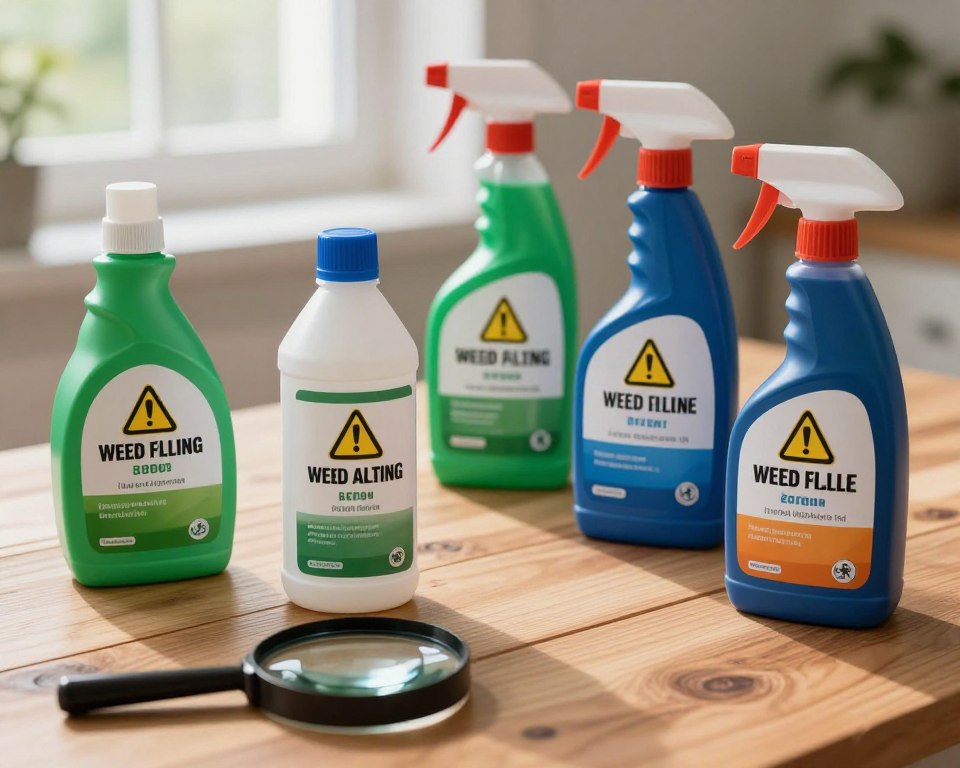
Knowing what’s in your lawn care products is key to a safer home. Many people focus on how well a product works without thinking about the risks. By spotting Weed Killer Chemicals to Avoid, you can lower the risk of harm to your family and pets.
Reading Labels for Hazardous Ingredients
Every herbicide has a label that’s like a safety manual. Look for the “Precautionary Statements” section for warnings about risks to humans and pets. It’s as important as knowing how to use bug spray indoors safely around animals.
Also, check the “Active Ingredient” box. It tells you what kills plants and lets you research its safety. The concentration levels matter too; higher amounts can be more dangerous.
Understanding Restricted-Use Pesticides
Not all herbicides are for sale to everyone. The EPA calls some “Restricted-Use Pesticides” (RUPs) because they’re very toxic or can harm the environment. These are meant for certified applicators who have special training.
If a product is labeled for restricted use, it’s a sign it’s too dangerous for home use. Using these without the right training is illegal and risky. Stick to products made for homes to avoid Weed Killer Chemicals to Avoid that need special safety measures.
Safe Weed Killer Alternatives for Your Garden
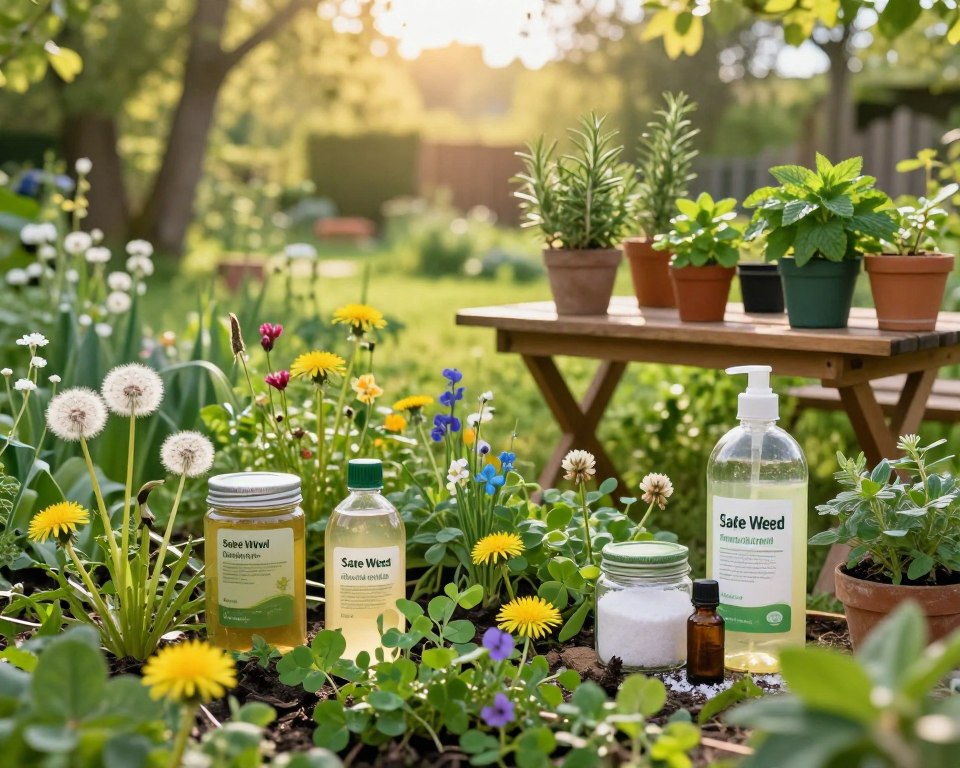
Many homeowners are now looking for safe weed killer alternatives to care for their gardens. They want to avoid synthetic chemicals. But, it’s important to remember that natural substances can also be harmful if not used right. Natural does not always mean non-toxic, and every gardening product needs careful use to stay safe.
Natural Oils and Vinegar-Based Solutions
Vinegar-based herbicides work by removing the leaf’s protective layer, causing the plant to dry out fast. But, how well they work depends on the vinegar’s strength and the weed type. For tough weeds, you need stronger vinegar, which can irritate your skin and eyes.
Plant-based oils and soaps are also safe weed killer alternatives for killing weeds. They cover the leaves, stopping the plant from breathing. Always wear protective gear because these oils can hurt sensitive areas.
“The dose makes the poison; even the most natural substances in your garden should be treated with the same respect and caution as any commercial chemical product.”
Corn Gluten Meal as a Pre-Emergent Option
Corn gluten meal stops weeds before they start by blocking their roots. It’s a good choice for safe weed killer alternatives that stop weeds from growing in lawns. It works best when applied early, before weed seeds sprout.
It’s safe for use around plants and pets because it comes from corn. But, it only works on new weeds, not on those already growing. Using it as part of a larger garden care plan can help avoid harsh chemicals.
Organic Weed Control Methods That Work
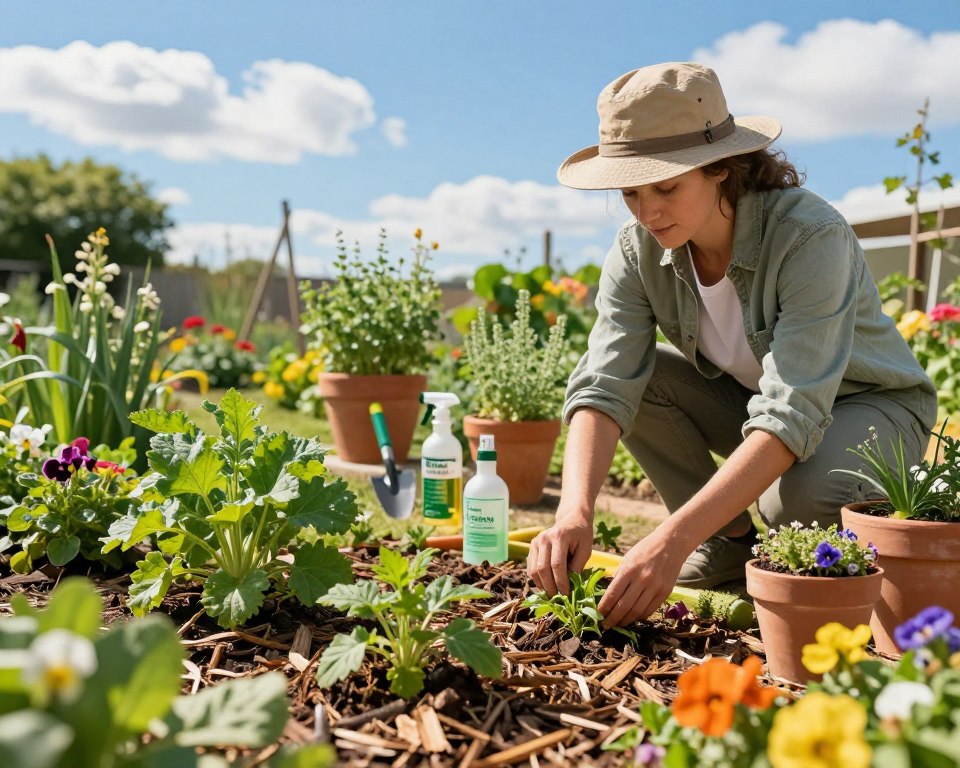
Organic weed control methods are a safe way to keep your garden healthy. They use physical barriers and mechanical methods to control weeds. This approach helps your soil stay healthy for a long time.
Manual Removal and Mulching Techniques
Removing weeds by hand is a simple yet effective method. Pulling weeds by the root stops them from growing back. It’s great for small gardens where you need to be careful not to harm other plants.
Mulching acts as a strong non-chemical barrier against weeds. It blocks sunlight, preventing weeds from growing. It also keeps the soil moist and controls its temperature, helping your garden thrive.
The Efficacy of Flame Weeding and Heat Treatment
Flame weeding uses hot flames to kill young weeds. The heat damages the plant’s cells, causing it to wilt and die. This method is safe and doesn’t use harmful chemicals.
Heat treatment works best when weeds are young. Consistency is key to make sure weeds don’t come back. It’s also good for areas where pulling weeds is hard, like gravel paths.
| Method | Primary Benefit | Best Use Case |
|---|---|---|
| Manual Pulling | Immediate removal | Small garden beds |
| Organic Mulching | Prevents germination | Large landscape areas |
| Flame Weeding | Rapid destruction | Driveways and paths |
Best Practices for Handling Herbicides Safely
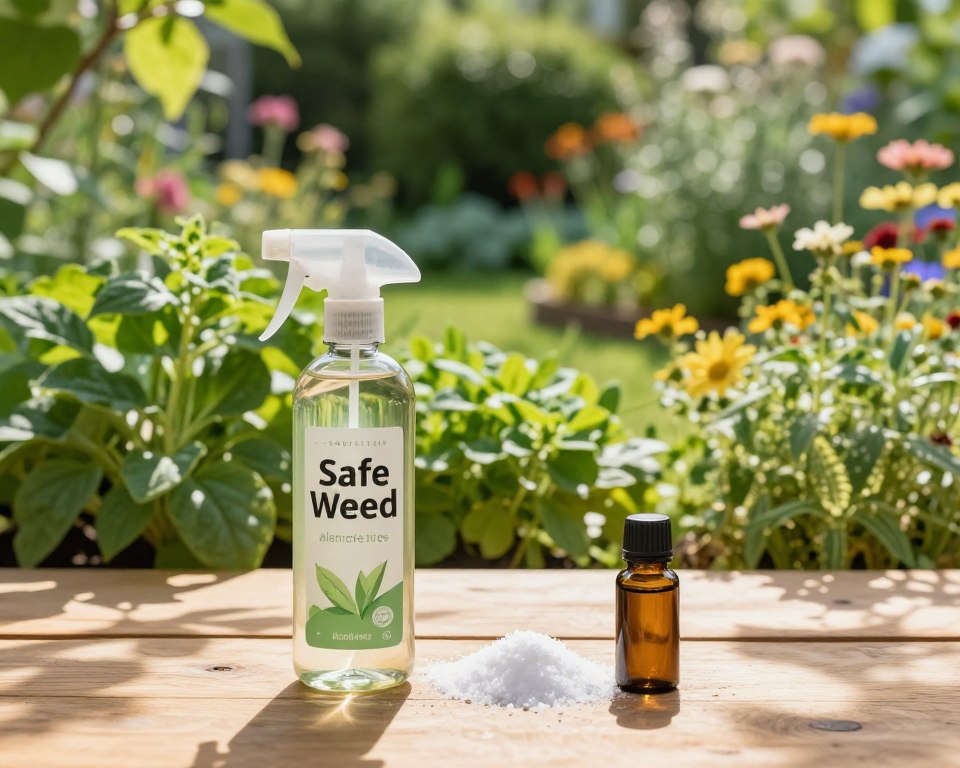
When you need to use chemicals to control weeds, following safety rules is key. Many people look for Safe Weed Killer Alternatives to avoid risks. But if you choose synthetic products, you must handle them carefully. Always check the label to avoid harm.
Personal Protective Equipment Requirements
Wearing the right personal protective equipment (PPE) is the first step. Check the product label to see what you need. This usually includes chemical-resistant gloves and eye protection to avoid skin and eye contact.
Don’t think regular gardening clothes are enough. You need long sleeves and pants to protect your skin. Also, read the “First Aid” section on the label before starting. It has important info in case of spills.
Proper Storage and Disposal Protocols
Managing chemicals is important after you use them. Store all herbicides in their original containers for safety. Keep them in a locked cabinet or high shelf, away from kids and pets.
Disposing of leftovers is also critical to protect the environment. Don’t pour chemicals down drains or into sewers. They can harm local water. Instead, contact your local waste management for hazardous waste collection days. By following these steps, you can take care of your garden safely. And you can always switch to Safe Weed Killer Alternatives later.
Recognizing Symptoms of Herbicide Poisoning
Knowing the signs of chemical poisoning can save lives. It’s key to understand the toxicity of herbicides to act fast in case of an accident. Even though these products are made for outdoor use, they can be dangerous if not used right or swallowed.
When to Seek Immediate Medical Attention
Watch for signs like breathing problems, stomach upset, or feeling dizzy. Serious cases might show brain changes, which are big warning signs of harmful effects of weed killer. Studies show that high levels of S100B protein can predict brain issues after big exposures.
Take the product container or label to the hospital. This helps doctors figure out the right treatment. Don’t wait if you think you’ve been exposed badly.
First Aid Steps for Skin and Eye Contact
Quick action is key to stop chemicals from getting into your body. Here’s how to lessen the harmful effects of weed killer:
- Skin Contact: Take off any dirty clothes right away and clean the skin with soap and water for 15 minutes.
- Eye Contact: Rinse your eyes with clean water for 15 to 20 minutes, making sure to open your eyelids wide.
- General Safety: Don’t use strong chemicals or creams on the affected area, as they can keep the herbicide in.
Knowing about the toxicity of herbicides is important for safe gardening. By remembering these first aid tips, you can keep yourself and your family safe from chemical accidents.
Regulatory Standards and Safety Labels in the United States
It’s important to know how the Environmental Protection Agency (EPA) checks weed killers. The EPA and other federal agencies make sure chemical products are safe before they hit the market. These rules help keep us healthy, but they might not match what other countries do.
When using chemical products, always check the terms of use. This ensures you’re using them safely. Following these guidelines helps keep your home and the environment safe from harm.
The Role of the EPA in Herbicide Approval
The EPA is in charge of approving herbicides in the U.S. Before they can be sold, the EPA looks at their health and environmental effects. They check how toxic the product is, how long it stays in the soil, and its impact on other living things.
Right now, the EPA says products like Roundup are safe for use. This means they can be sold without warning labels about cancer risks. But, it’s important to remember that rules can change as new research comes in.
Interpreting Signal Words on Product Packaging
Every herbicide sold in the U.S. has a signal word on its label. These words are legally required to show how toxic the product is. Knowing what these words mean helps you understand the risks before you use the product.
“The label is the law. Following the instructions on a pesticide container is the most effective way to minimize risk to yourself, your family, and the environment.”
Here’s a table that shows the standard signal words and their toxicity levels:
| Signal Word | Toxicity Level | Risk Description |
|---|---|---|
| Danger | High | Highly toxic; can cause severe skin or eye irritation. |
| Warning | Moderate | Moderately toxic; requires careful handling and protection. |
| Caution | Low | Slightly toxic; standard precautions are needed. |
Always read the whole label before you use the product. Even if it says Caution, you need to wear protective gear. This keeps your home safe.
Protecting Children and Wildlife from Chemical Runoff
Keeping your family and the environment safe is key. When you use herbicides, they can move into areas you don’t want. By taking proactive safety measures, you can keep your garden safe for everyone and the planet.
Creating Buffer Zones Near Water Sources
It’s important to put a barrier between your lawn and water. A buffer zone stops chemicals from getting into streams or ponds. Maintaining a strip of native vegetation helps trap runoff before it reaches water.
For a chemical-free option, use Organic Weed Control Methods near water. Methods like manual weeding or mulching don’t harm water quality. This keeps the water and wildlife safe.
Timing Applications to Minimize Drift
The weather affects how safe your garden is. Wind can spread herbicide droplets far off target. Always check the weather and choose calm, windless days for gardening.
Apply treatments in the early morning or late evening for better air. This reduces spray drift and keeps your treatment focused. Using these timing strategies with Organic Weed Control Methods makes gardening safer.
| Strategy | Primary Benefit | Implementation Difficulty |
|---|---|---|
| Buffer Zones | Prevents Water Contamination | Moderate |
| Calm Weather Timing | Reduces Airborne Drift | Low |
| Organic Alternatives | Eliminates Chemical Toxicity | High |
Using these practices shows you care about your garden and community. Whether with products or Organic Weed Control Methods, your efforts keep everyone safe. Regular use of these methods makes your outdoor space healthier and more sustainable.
Long-Term Effects of Herbicide Accumulation in the Ecosystem
The environmental impact of weed killers is often measured by how these substances accumulate in nature. These products target specific unwanted plants but leave chemical residues in soil and water. This residue stays for a long time, changing the balance of local ecosystems.
Impact on Pollinator Populations
Pollinators like bees and butterflies are hit hard by herbicides. These chemicals kill the wildflowers that pollinators need to survive. With fewer flowers, pollinators have less food, leading to smaller colonies and less reproduction.
Herbicides also mess with pollinators’ ability to find food and navigate. This makes it harder for them to do their job, leading to a long-term decline in their numbers. We need to change how we manage land to protect these important insects.
Bioaccumulation in the Food Chain
Bioaccumulation happens when chemicals build up in the food chain, harming predators more than the environment. Studies show that glyphosate in water can lower biodiversity. This hurts the health of tiny creatures that are key to many food webs.
As these chemicals move up the food chain, they can harm birds and small mammals. Understanding these long-term impacts is key to keeping our gardens healthy and sustainable. By reducing the environmental impact of weed killers, we protect the food chain for the future.
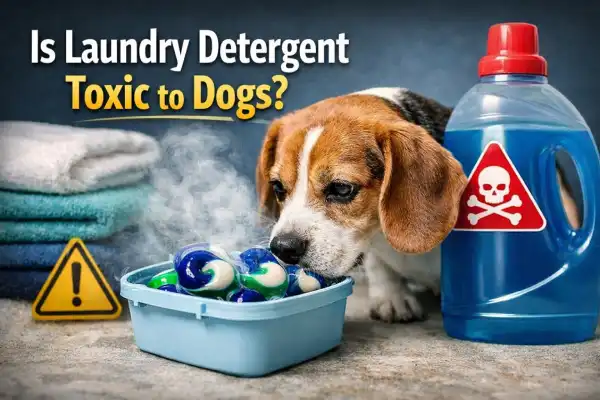
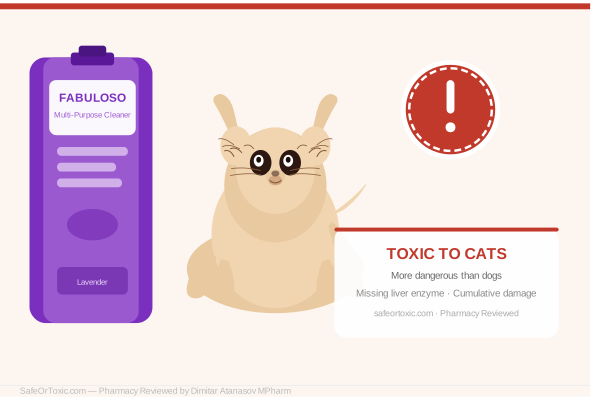
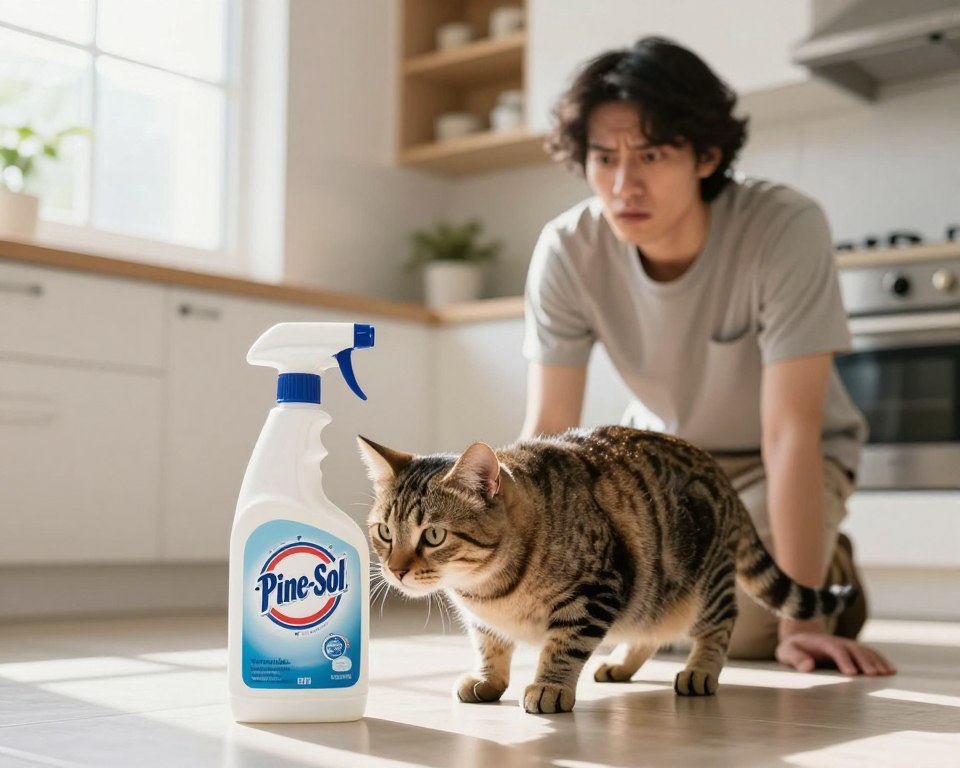
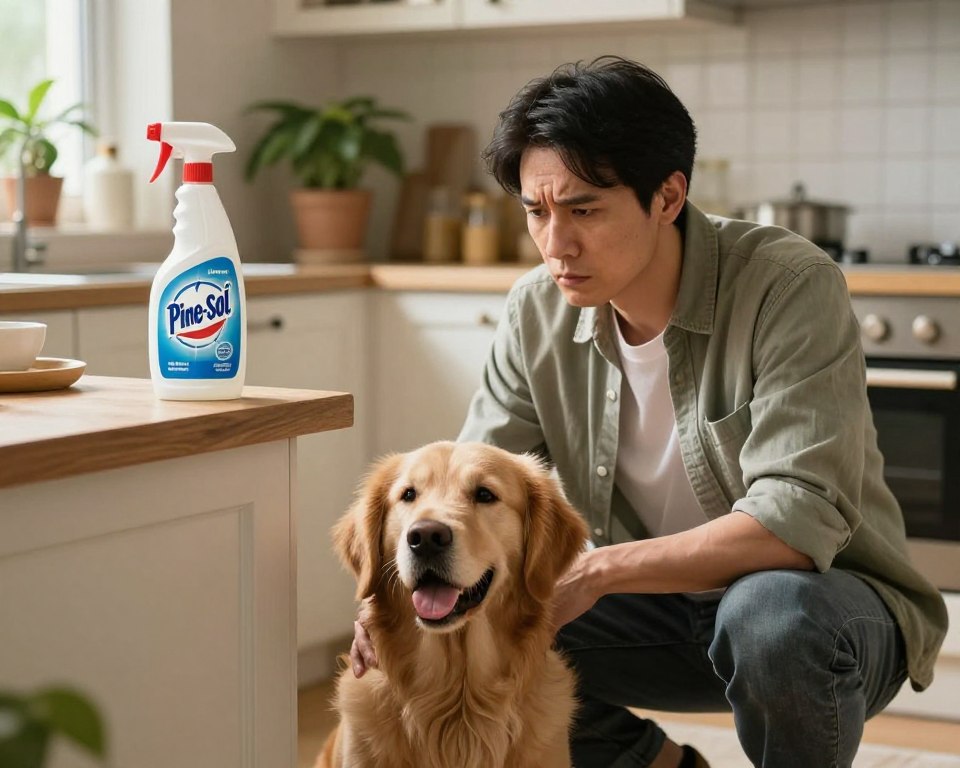
Image Disclosure and Educational Context
Some images in this guide are enhanced or AI-generated. They help explain herbicide toxicity and safety. These visuals aim to make complex topics easier to understand.
Purpose of AI-Generated Illustrations
These graphics aim to provide clear, accessible context. They are for educational use only. They don’t show real cases or findings.
Our goal is to connect technical data with everyday understanding. These images are a supplemental resource. They help you see the concepts we talk about.
Limitations of Visual Aids in Veterinary Diagnosis
Remember, these images can’t replace a veterinary diagnosis or treatment. If you think your pet was exposed to something toxic, see a vet right away. They can give a proper assessment.
Don’t rely on illustrations or online info for a medical emergency. Only a vet can ensure your pet’s safety when chemicals are involved.
Conclusion
Keeping your landscape healthy means finding a balance in weed control. You have the power to keep your home safe by choosing methods that focus on long-term health. This is more important than quick fixes.
Always read the labels on weed products to protect yourself. Brands like Ortho or Roundup give clear instructions on how to use them safely. Following these guidelines helps prevent chemicals from getting into your home or water.
Studies show that organic methods are often better for your yard. Instead of using harmful chemicals, try weeding by hand, mulching, or using heat. These methods are safe and help your garden thrive.
By making smart choices, you make your home safer for kids and pets. Even small changes in lawn care can make a big difference. Keep looking for reliable safety information to keep your garden a safe haven.
FAQ
How Herbicides Function in Plant Biology
Herbicides work by interrupting key processes in plants. For example, glyphosate in Roundup targets a plant enzyme. This is unique to plants and some bacteria. But, it can also affect other living things in ways we’re not always aware of.
Distinguishing Between Selective and Non-Selective Herbicides
Selective herbicides target specific weeds without harming other plants. Non-selective ones, like Roundup, kill almost any plant. It’s important to use these carefully to avoid harming the environment.
Absorption Pathways Through Skin and Inhalation
People can get exposed through skin contact, breathing in mist, or eating it. Products like diquat can be absorbed through the skin. Breathing in mist can also cause problems, making it hard to breathe or leading to other health issues.
Specific Risks for Domestic Animals and Wildlife
Pets are more at risk because they often walk through treated areas. They can then eat the chemicals when they groom themselves. Animals like amphibians are very sensitive to weed killers because their skin absorbs chemicals easily.
Glyphosate and Its Prevalence in Modern Agriculture
Glyphosate is used all over the world. It’s in products like Roundup and Spectracide. There’s a big debate about its safety, but the EPA says it’s safe when used right.
The Role of 2,4-D and Dicamba in Lawn Care
2,4-D and Dicamba are in “weed and feed” products. They make weeds grow fast until they die. But, they can also move to other places and harm other plants.
Immediate Reactions to Chemical Contact
Getting exposed to weed killers can cause problems right away. You might get skin rashes, stinging eyes, or a sore throat. If you get it on your skin or in your eyes, wash it off with water right away.
Long-Term Health Implications of Regular Exposure
Long-term use can lead to serious health issues. Studies link it to problems like endocrine issues and certain cancers. It’s important to limit how much you’re exposed to over time.
Identifying Acute Poisoning Symptoms
Acute poisoning is a serious emergency. Symptoms can vary, but some herbicides are very dangerous. If you’re exposed to a lot, you might feel dizzy, confused, or have muscle tremors.
Understanding Chronic Exposure and Its Risks
Chronic risks are harder to see because they take years to show up. There’s debate about the long-term effects of low-level exposure. We rely on long studies to understand these risks.
How Chemicals Migrate Through Groundwater
Weed killers can get into the water through the soil. Once in the water, they can stay for a long time. This can harm drinking water and aquatic life.
Effects on Beneficial Soil Microorganisms
Soil needs good bacteria and fungi to be healthy. Herbicides can kill these important organisms. This can make the soil unhealthy and need more chemicals to fix it.
Reading Labels for Hazardous Ingredients
Look at the “Active Ingredient” section on labels. Avoid chemicals like Atrazine, Paraquat, and Glufosinate. Knowing these can help you choose safer products.
Understanding Restricted-Use Pesticides
Some herbicides are only for professionals. These are more dangerous than what you can buy at The Home Depot or Lowe’s. Make sure professionals tell you about the risks.
Natural Oils and Vinegar-Based Solutions
Use natural oils or vinegar to kill weeds. Brands like Green Gobbler offer vinegar-based products. But, remember, 30% vinegar can hurt your eyes, so wear safety gear.
Corn Gluten Meal as a Pre-Emergent Option
Corn gluten meal stops weeds from growing. It’s safe for lawns but might need more time to work than chemical products.
Manual Removal and Mulching Techniques
Hand-pulling weeds is effective, best after rain. Mulching or using landscape fabric stops weeds from growing. This makes your lawn safer without chemicals.
The Efficacy of Flame Weeding and Heat Treatment
Flame weeding kills weeds with heat. It’s good for driveways or patios. Steam machines also kill weeds without chemicals, making your lawn safe for kids and pets.
Personal Protective Equipment Requirements
Always wear protective gear when using chemicals. This includes long sleeves, gloves, and safety goggles. It keeps you safe from splashes and mist.
Proper Storage and Disposal Protocols
Keep herbicides in their original containers. Don’t pour leftovers down the drain. Many places have special days for disposing of garden chemicals safely.
When to Seek Immediate Medical Attention
If you have trouble breathing, keep vomiting, or feel dizzy after using weed killers, get help fast. If your pet seems sick, call a vet or the ASPCA Animal Poison Control Center.
First Aid Steps for Skin and Eye Contact
For skin, remove clothes and wash with soap and water for 15 minutes. For eyes, flush with water. Keep the product label handy for the doctor.
The Role of the EPA in Herbicide Approval
The EPA checks herbicides under the Federal Insecticide, Fungicide, and Rodenticide Act (FIFRA). They make sure products are safe when used as directed. But, they update these standards as new research comes in.
Interpreting Signal Words on Product Packaging
Every label has a signal word: CAUTION, WARNING, or DANGER. This tells you how dangerous the product is. Checking this on a Ortho GroundClear bottle helps you understand the risk.
Creating Buffer Zones Near Water Sources
Keep a “no-spray” area of 25 to 50 feet from water. This stops chemicals from getting into the water and harming fish and insects.
Timing Applications to Minimize Drift
Don’t spray when it’s windy. Also, avoid spraying before a big rainstorm. This prevents chemicals from washing away before they can work.
Impact on Pollinator Populations
Herbicides can harm birds and pollinators by killing their food. They can also make bees lose their way or get sick, which hurts their colonies.
Bioaccumulation in the Food Chain
Some chemicals build up in animals over time. Even though most weed killers break down quickly, some can stay in animals for a long time. This can harm birds and small mammals that eat treated plants or insects.
Purpose of AI-Generated Illustrations
The images in this guide might be enhanced or made by AI. They help show complex ideas clearly. This makes learning easier and helps you understand things you can’t see with your eyes.
Limitations of Visual Aids in Veterinary Diagnosis
These pictures help explain the dangers of weed killers. But, they’re not for diagnosing illnesses in pets. Always trust a vet’s diagnosis and tests.
Is Weed Killer Toxic to my family and pets even after it dries?
Many weed killers are safe once dry, but some residues can stay. As a pharmacist, I advise waiting 24 to 48 hours before letting kids or pets on the lawn. This reduces the risk of skin contact or accidental ingestion.
What are the most significant Dangers of Weed Killer exposure for pregnant women?
Some studies link certain herbicides, like Atrazine, to developmental problems or low birth weight. Pregnant women should avoid chemicals and use Organic Weed Control Methods instead.
What are the primary Harmful Effects of Weed Killer on local wildlife?
Weed killers can harm birds and pollinators by killing their food and habitats. They can also disrupt the water system, affecting aquatic life and their ability to reproduce.
Which Weed Killer Chemicals to Avoid if I want to protect my soil health?
Avoid chemicals like Imazapyr or Picloram because they can stay in the soil for a long time. They can kill good microbes and prevent new plants from growing.
Are there Safe Weed Killer Alternatives that actually work on tough weeds?
Yes, natural oils or vinegar can kill weeds like thistle or dandelions. Brands like Green Gobbler offer these products. But, they might need more time and effort than chemical products.
What Organic Weed Control Methods are best for large gardens?
For big areas, mulching with wood chips or straw works well. Using a flame weeder for paths and corn gluten meal in spring can also reduce weeds without chemicals.