Nearly 80 million households in the United States have private green spaces. Yet, many don’t know that common yard products have complex chemicals. These chemicals help grass grow but can be toxic to humans and pets if not handled carefully.
As a pharmacist, I see cases where people get hurt by using these products wrong. It’s crucial to know what’s in your yard supplies to keep your home safe.
This guide offers facts on how these chemicals affect your space. We want to help you make smart choices. This way, you can keep your family safe and your yard looking good.
Key Takeaways
- Most residential yard products are safe when manufacturers’ instructions are followed precisely.
- Improper application increases the risk of chemical absorption through skin contact or inhalation.
- Pet owners should restrict access to treated areas until the product has fully settled or dried.
- Environmental runoff can carry chemical residues into local water supplies, impacting broader ecosystem health.
- Pharmacist-verified safety protocols help homeowners mitigate possible exposure during routine maintenance.
Understanding the Composition of Modern Lawn Fertilizers
To figure out if lawn fertilizer is toxic, we need to look at what’s in it. Most lawn fertilizers use the NPK system, which includes nitrogen, phosphorus, and potassium. These are key for plants, but how they’re delivered can be a concern.
Common Chemical Components in Synthetic Fertilizers
Synthetic fertilizers are made to give plants nutrients fast. They also have synthetic carriers, surfactants, and stabilizers. These help the fertilizer spread evenly but can affect the environment.
The table below shows what each nutrient does for grass:
| Nutrient | Primary Function | Common Source |
|---|---|---|
| Nitrogen (N) | Promotes leaf growth and green color | Urea or Ammonium Nitrate |
| Phosphorus (P) | Supports root development | Superphosphate |
| Potassium (K) | Enhances overall plant resilience | Potash |
How Plants Absorb Nutrients Versus How Chemicals Interact with Soil
Plants take in nutrients through their roots. When you use synthetic fertilizer, you want plants to absorb it fast. But, soil chemistry can affect how well this happens.
Excess chemicals might not be absorbed right away. They could leach into the soil profile or get washed away. This is when concerns about lawn fertilizer toxicity grow. If the soil is too wet or you use too much, the chemicals can stay active. This could be harmful to pets or kids who play on the treated grass.
Is Lawn Fertilizer Toxic to Humans and Pets
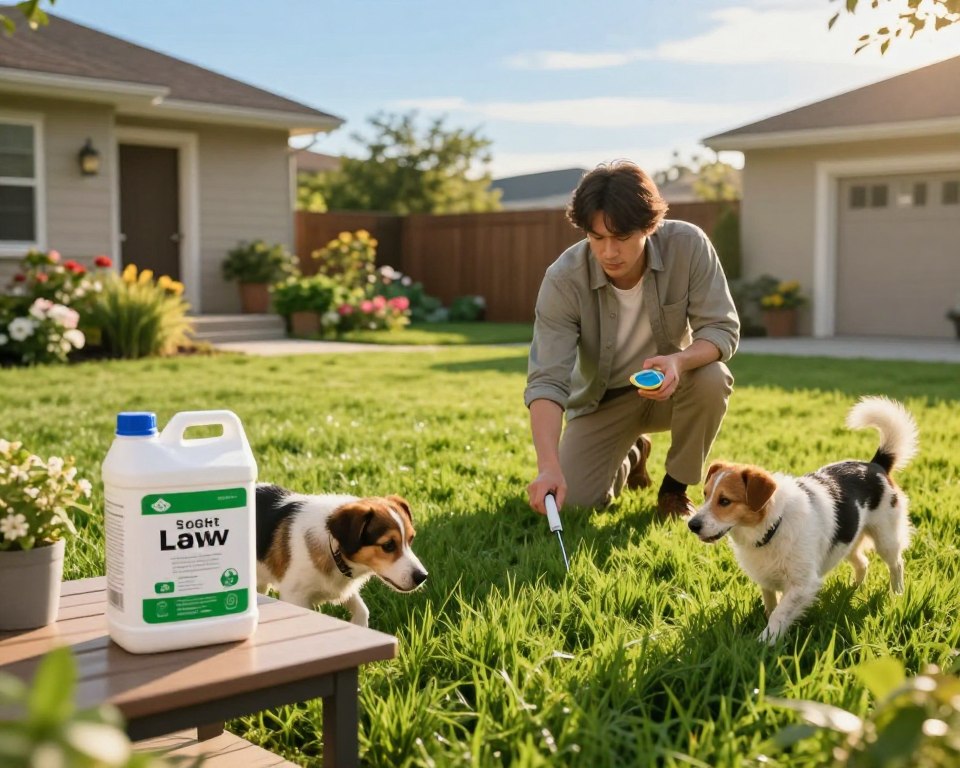
The dangers of lawn fertilizer often come from the chemicals added, not the basic nutrients. These chemicals are meant to kill weeds or keep pests away. But they can be more harmful. Whether is lawn fertilizer toxic depends on the mix and how it’s used.
Immediate Risks of Exposure Through Skin and Inhalation
People usually get exposed by touching the fertilizer or breathing in dust and vapors. When you spread granular fertilizers, tiny particles can get in the air. This can bother your lungs. Dermal absorption is also a worry, as some chemicals can get through the skin if you’re not wearing the right clothes.
People with sensitive skin or breathing problems might get irritated or have allergic reactions right away. It’s important to wash your hands well after touching these products. Also, use masks and make sure the area is well-ventilated to avoid breathing in harmful dust.
Ingestion Hazards for Domestic Animals and Wildlife
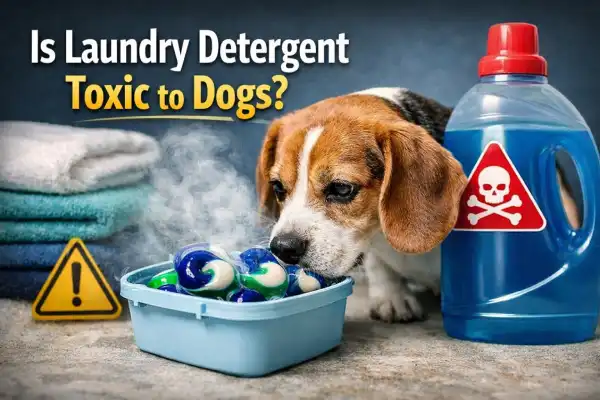
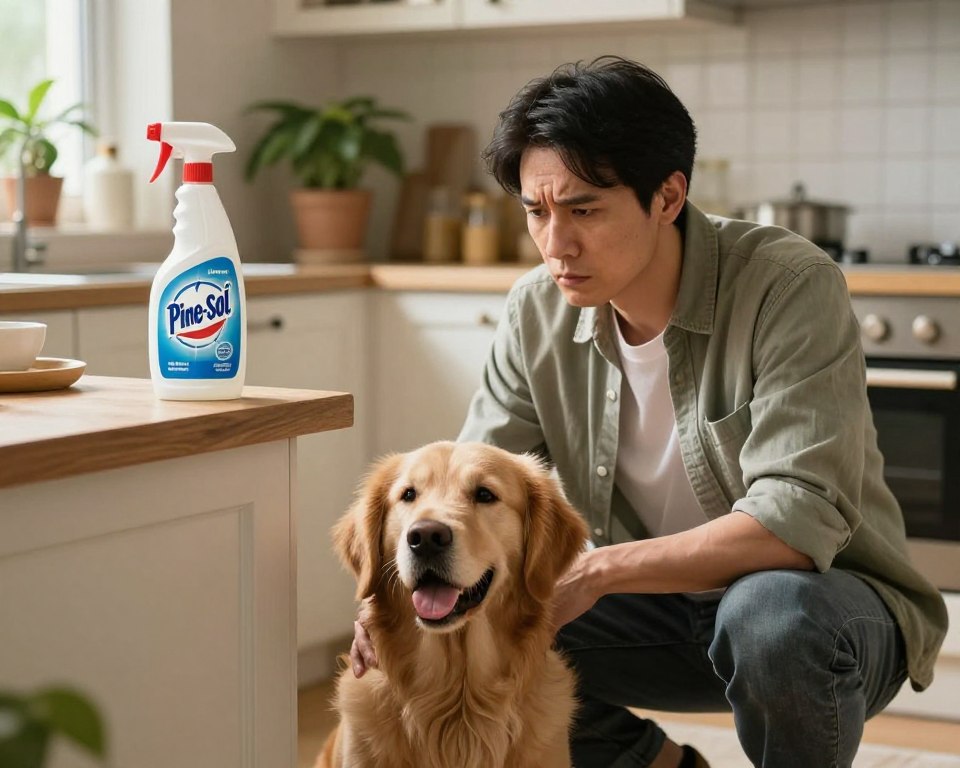
Dogs are often at risk from dangers of lawn fertilizer because they like to roll around on the ground. They might eat chemicals when they lick their paws. Herbicides like 2,4-D can upset their stomachs and cause bigger problems if they eat too much.
Wild animals, like birds and small mammals, also face dangers when they eat plants treated with chemicals. They can’t tell the difference between safe and treated plants. This makes them more likely to get sick from eating them.
| Exposure Route | Primary Risk | Affected Population | Severity Level |
|---|---|---|---|
| Dermal Contact | Skin Irritation | Humans & Pets | Low to Moderate |
| Inhalation | Respiratory Distress | Humans | Moderate |
| Ingestion | Systemic Toxicity | Pets & Wildlife | High |
| Grooming | Chemical Ingestion | Pets | High |
To know if is lawn fertilizer toxic, you need to be careful. Keep pets away from treated lawns and handle the fertilizer safely. This can help protect your family and pets from harm.
The Environmental Impact of Chemical Fertilizers
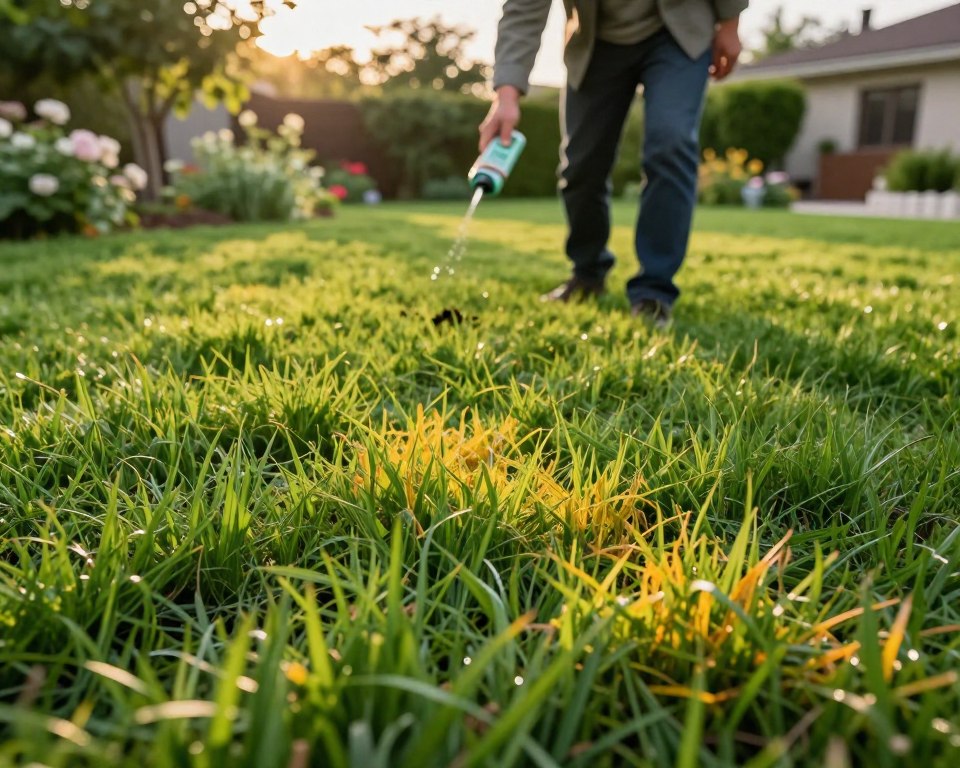
Standard lawn care practices often have hidden costs. They go beyond the garden gate. Synthetic products quickly green the lawn, but their impact on the ecosystem is often ignored by homeowners. These substances disrupt natural cycles, causing unintended harm to local habitats.
Nutrient Runoff and Its Effect on Local Waterways
When it rains or we water, excess nutrients can wash away. These nutrients then flow into storm drains, streams, and ponds. This is called nutrient runoff and it can upset the balance of water bodies.
When these chemicals reach water, they feed algae too fast. This leads to huge algae blooms that cover the water. When these blooms die, they use up a lot of oxygen. This can kill fish and other water life.
Impact on Soil Microbiome and Beneficial Insects
A healthy lawn needs a good mix of microorganisms like bacteria and fungi. Synthetic chemicals can mess with this balance by changing the soil’s pH and reducing microbial diversity. This weakens the lawn’s natural defenses over time.
Also, the effects of lawn fertilizer harm insects like pollinators and beetles. These insects may get sick or lose their food. Keeping the soil healthy is key to a stable ecosystem.
| Environmental Factor | Impact of Synthetic Fertilizer | Long-term Consequence |
|---|---|---|
| Water Quality | High nutrient runoff | Algae blooms and oxygen loss |
| Soil Microbiome | Microbial suppression | Reduced natural nutrient cycling |
| Beneficial Insects | Habitat disruption | Decline in local biodiversity |
| Soil Structure | Chemical accumulation | Compaction and loss of aeration |
Recognizing Symptoms of Fertilizer Poisoning
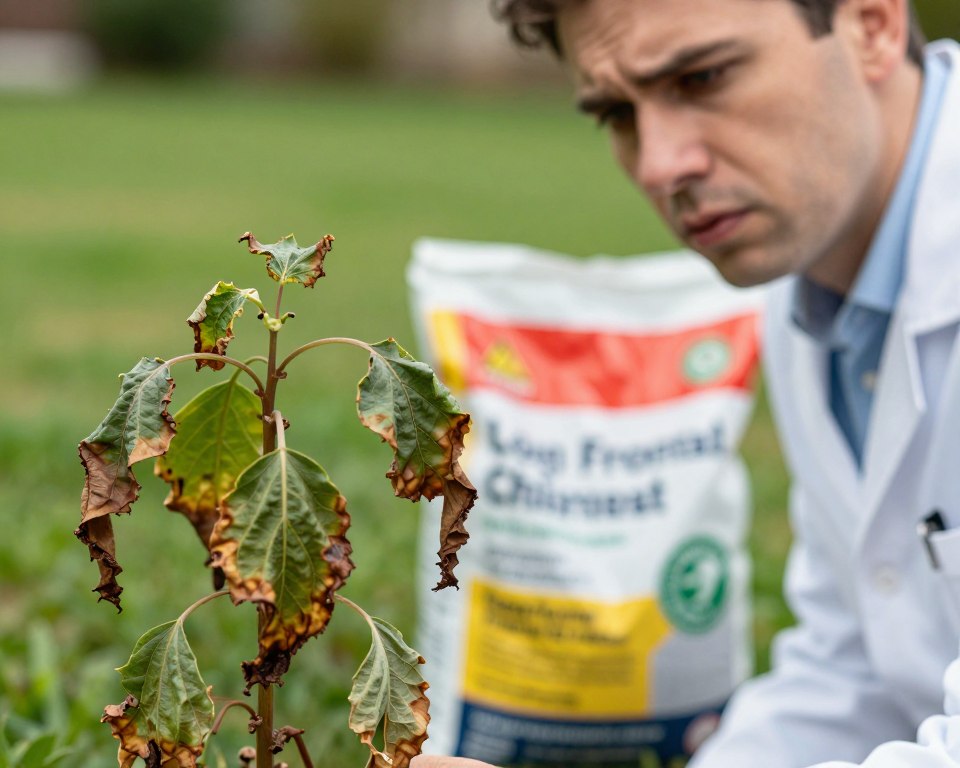
Spotting the signs of fertilizer poisoning can save a lot of trouble. When people or pets get too close to chemicals, they show signs of trouble right away. Rapid detection of these signs is key to getting help fast and keeping everyone safe.
Clinical Signs in Dogs and Cats
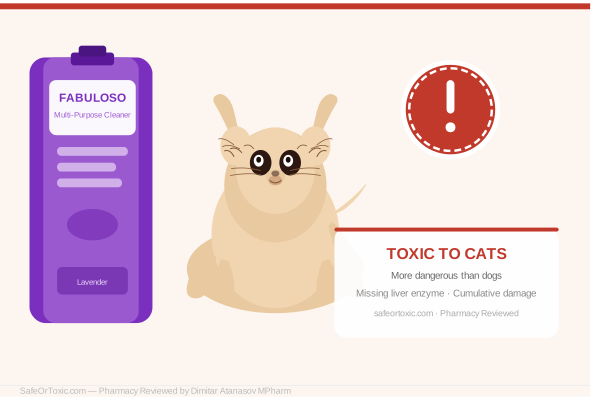
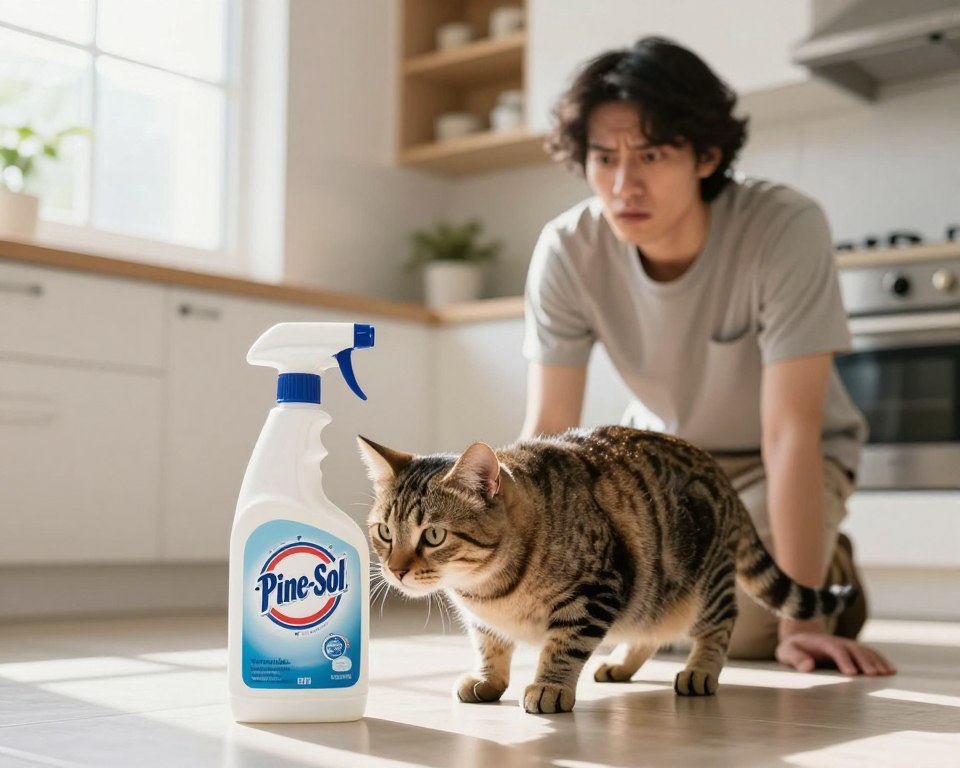
Pets are at high risk because they play and sleep on treated grass. The first signs are often vomiting, diarrhea, and a lot of drooling. These happen fast after a pet touches or eats treated grass.
Severe cases can lead to muscle shakes, feeling very tired, or even seizures. If your pet seems off or has trouble walking after lawn care, get vet help right away to stop serious harm.
Human Health Indicators Following Accidental Exposure
People usually get exposed through their skin or breathing in chemicals. The first sign is often skin irritation, like redness, itching, or burning on hands and arms. Breathing in chemicals can cause coughing, sore throats, or trouble breathing.
If someone accidentally eats a chemical, it’s a big emergency. They might feel sick to their stomach, have belly pain, or throw up. Knowing these signs helps you act fast if someone gets sick after yard work.
| Symptom Category | Common Pet Indicators | Common Human Indicators |
|---|---|---|
| Gastrointestinal | Vomiting and diarrhea | Nausea and cramping |
| Dermal | Redness and paw irritation | Skin rash and burning |
| Respiratory | Rapid or labored breathing | Coughing and throat irritation |
| Neurological | Tremors and lethargy | Dizziness and headache |
Regulatory Standards and Safety Labeling
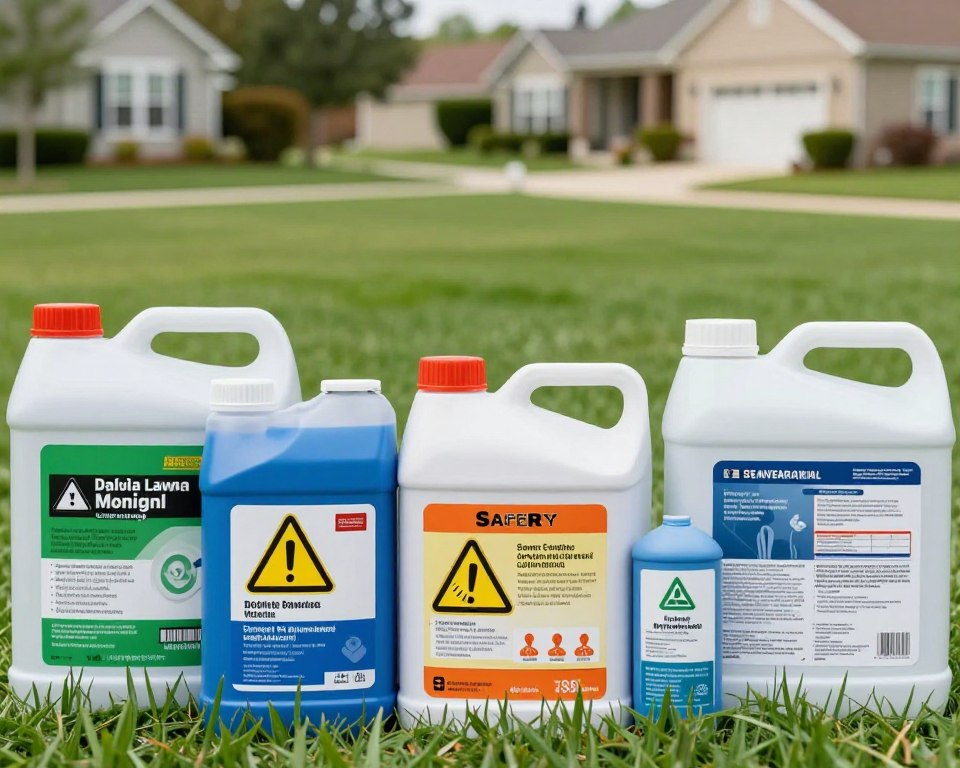
Knowing the laws about lawn chemicals is key for any homeowner. In the U.S., the Environmental Protection Agency (EPA) sets strict rules. These rules help keep people and the environment safe from harmful chemicals.
Interpreting EPA Guidelines for Lawn Chemicals
The EPA makes sure lawn care products have clear labels. These labels tell users about the chemicals’ dangers. They are legally binding instructions on how to use the products safely.
Look for words like “Caution,” “Warning,” or “Danger” on labels. They show how risky a product is. Labels also tell you what protective gear to wear and when it’s safe to go back on the lawn.
“The label is the law. It is the most important document a consumer has to ensure they are using a product in a way that minimizes harm to themselves and their surroundings.”
Understanding Material Safety Data Sheets
While labels give a quick overview, Material Safety Data Sheets (SDS) offer more details. These documents are essential resources for anyone using chemicals at home. An SDS tells you about the chemical’s makeup, physical properties, and health risks.
You can find SDSs online or by asking the manufacturer. Reading them helps you understand long-term health risks. This knowledge helps you make safer choices for your lawn.
| Feature | Product Label | Safety Data Sheet (SDS) |
|---|---|---|
| Primary Audience | General Consumer | Professionals and Responders |
| Detail Level | Brief and Actionable | Comprehensive and Technical |
| Availability | On the Product Bottle | Online or Manufacturer Request |
| Focus | Usage Instructions | Toxicity and Emergency Data |
Best Practices for Safe Application
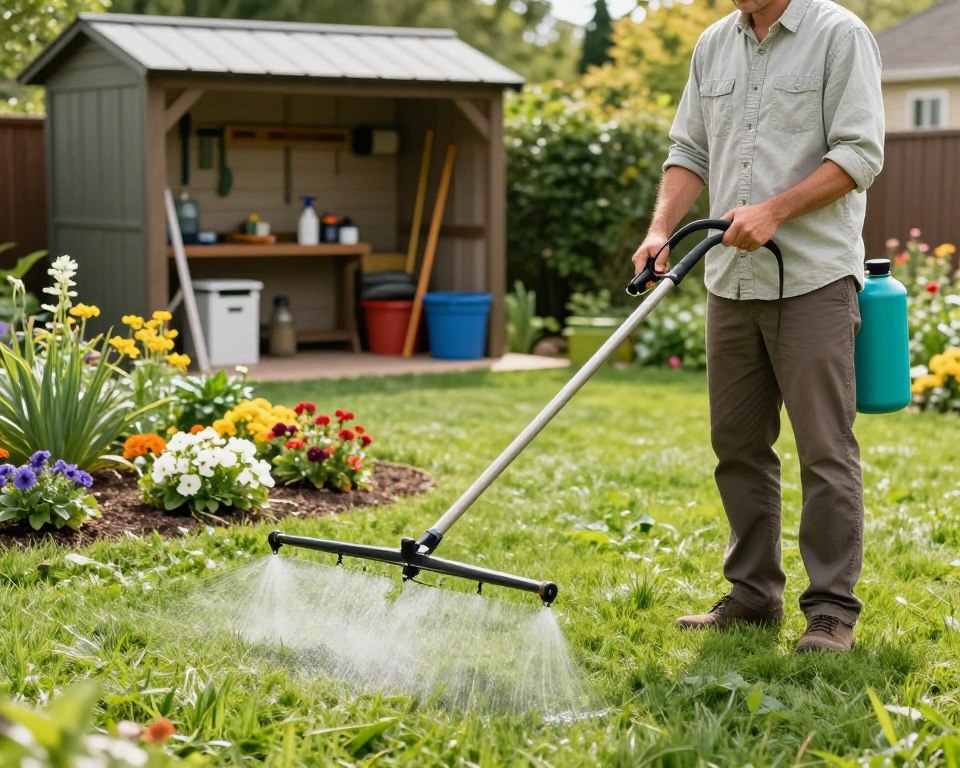
Using safe practices when applying fertilizers keeps your family and the environment safe. By following proven methods, you make sure chemicals stay where they belong. This avoids turning your home into a danger zone. Learning about the dangers and safer options for lawn is a smart first step.
Optimal Timing to Minimize Exposure Risks
Choosing the right time to apply fertilizers is key to avoiding accidents. Always check the weather forecast to prevent runoff from rain or wind. For liquid fertilizers, wait two to six hours before letting kids or pets back on the lawn.
Don’t apply on windy days to stop chemicals from spreading. Sticking to a regular schedule keeps your home safe for everyone.
Protective Gear and Handling Procedures
Start with the right gear for safe handling. Wear long sleeves, pants, and gloves made for chemicals. If you’re working with powders or sprays, a mask is a must to avoid breathing in harmful particles.
After you’re done, wash your hands and any skin that got exposed with soap and water. Take off your shoes before going inside to keep chemicals out of your home. Here’s a list of must-haves for a safe lawn care session.
| Equipment/Action | Purpose | Frequency |
|---|---|---|
| Chemical-resistant gloves | Prevent skin absorption | Every application |
| Protective eyewear | Avoid eye irritation | During mixing |
| Respirator mask | Prevent inhalation | When spraying |
| Drying period | Ensure surface safety | Post-application |
The Role of Organic Lawn Fertilization
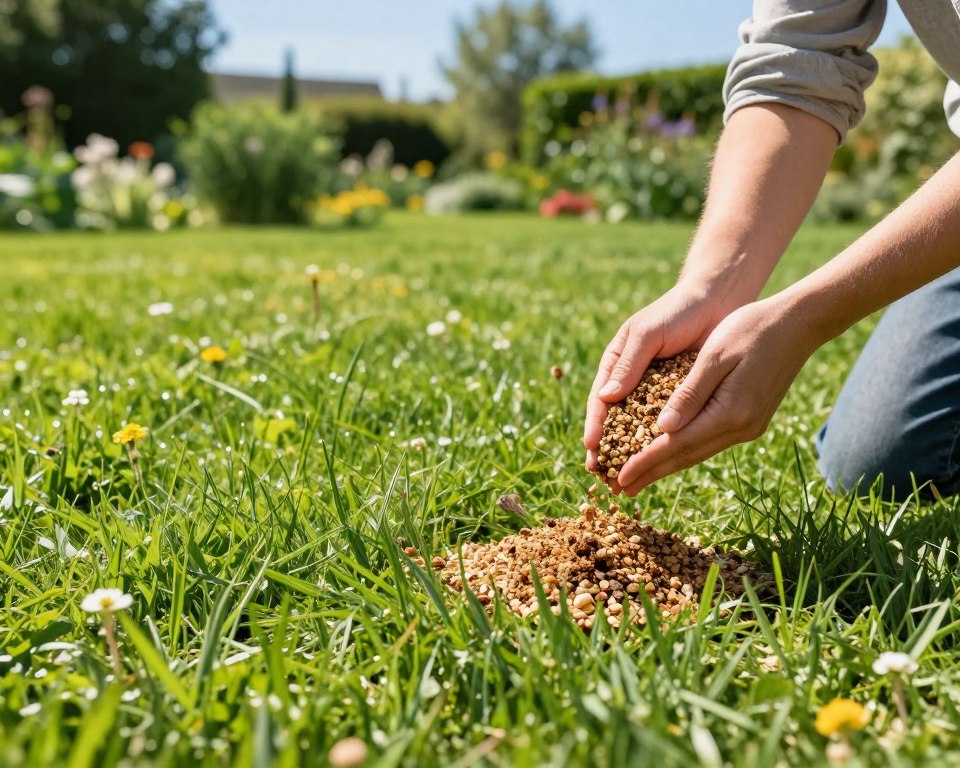
Building soil health is key for those looking for alternatives to toxic lawn fertilizers. By focusing on the earth’s biological needs, homeowners can create a strong landscape. This approach avoids using synthetic products.
Benefits of Compost and Natural Soil Amendments
Compost is the base for a healthy lawn. It improves soil structure and water retention. It also adds beneficial microbes that help break down organic matter into nutrients.
Natural products solve lawn problems without the harm of traditional chemicals. For example, corn gluten meal stops weeds from growing. Horticultural vinegar is great for killing weeds in specific areas.
Comparing Nutrient Release Rates of Organic Versus Synthetic
Synthetic fertilizers give nutrients quickly, which can stress plants. Organic amendments, on the other hand, release nutrients slowly. This steady supply keeps grass well-nourished all season.
The table below shows the main differences between organic and synthetic lawn care:
| Feature | Organic Fertilizers | Synthetic Fertilizers |
|---|---|---|
| Nutrient Release | Slow and steady | Rapid and immediate |
| Soil Impact | Improves structure | Can deplete microbes |
| Safety Profile | Generally non-toxic | Requires caution |
Choosing alternatives to toxic lawn fertilizers helps your soil last longer. While synthetic fertilizers might look good fast, organic lawn fertilization makes your landscape stronger and more lasting.
Eco-Friendly Lawn Care Strategies
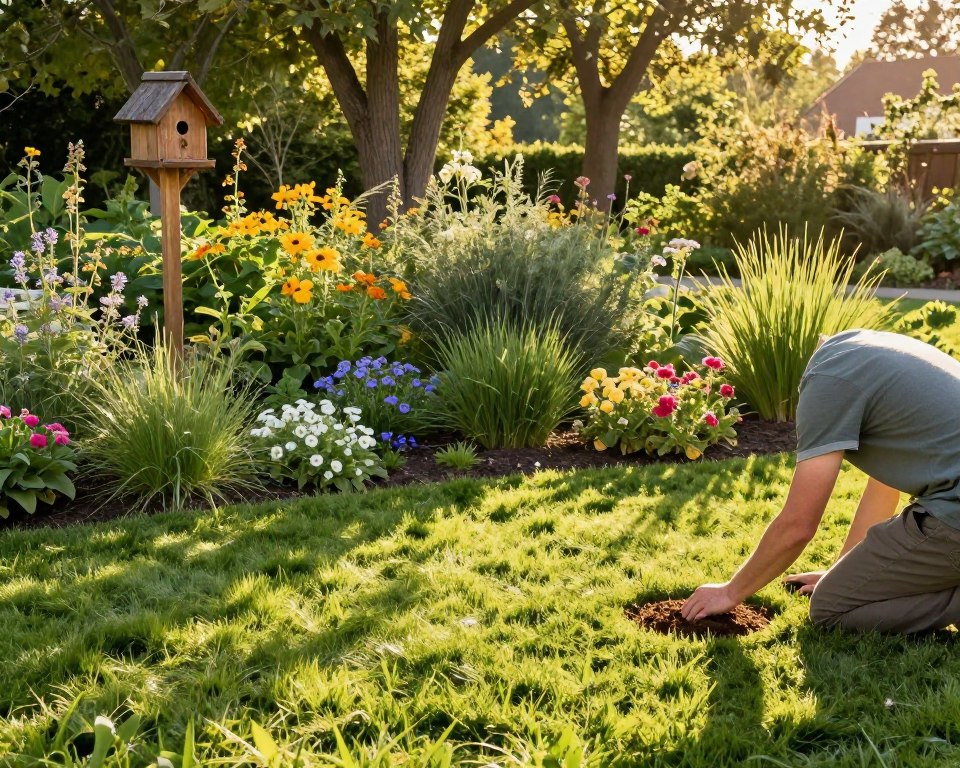
Keeping your lawn green doesn’t harm the environment. Eco-friendly lawn care helps your lawn grow strong and healthy. It focuses on keeping the soil healthy over using harmful chemicals.
Integrated Pest Management for Healthier Turf
Integrated Pest Management (IPM) is key for environmentally friendly lawn treatments. It doesn’t use broad-spectrum pesticides right away. Instead, it finds the problem’s source and uses natural solutions like ladybugs or nematodes.
Regular checks help you act only when needed. This way, you protect other species and keep your soil’s balance. Healthy turf fights off pests better, needing less help from you.
Reducing Dependency on High-Nitrogen Fertilizers
Traditional lawns often use lots of synthetic fertilizers for quick growth. But this weakens the roots and makes them more prone to disease. Environmentally friendly lawn treatments help your grass grow strong and deep.
For a green, sustainable lawn, follow these tips:
- Core Aeration: It boosts oxygen to the roots, cutting down on chemical use.
- Grasscycling: Leaving clippings on the lawn feeds the soil naturally.
- Organic Amendments: Compost or seaweed extracts give nutrients slowly.
- Proper Mowing Heights: Taller grass shades the soil, stopping weeds.
Using less synthetic stuff is a big step in eco-friendly lawn care. When you care for your soil, your lawn takes care of itself, needing less to stay healthy all year.
Pet-Safe Lawn Care Alternatives
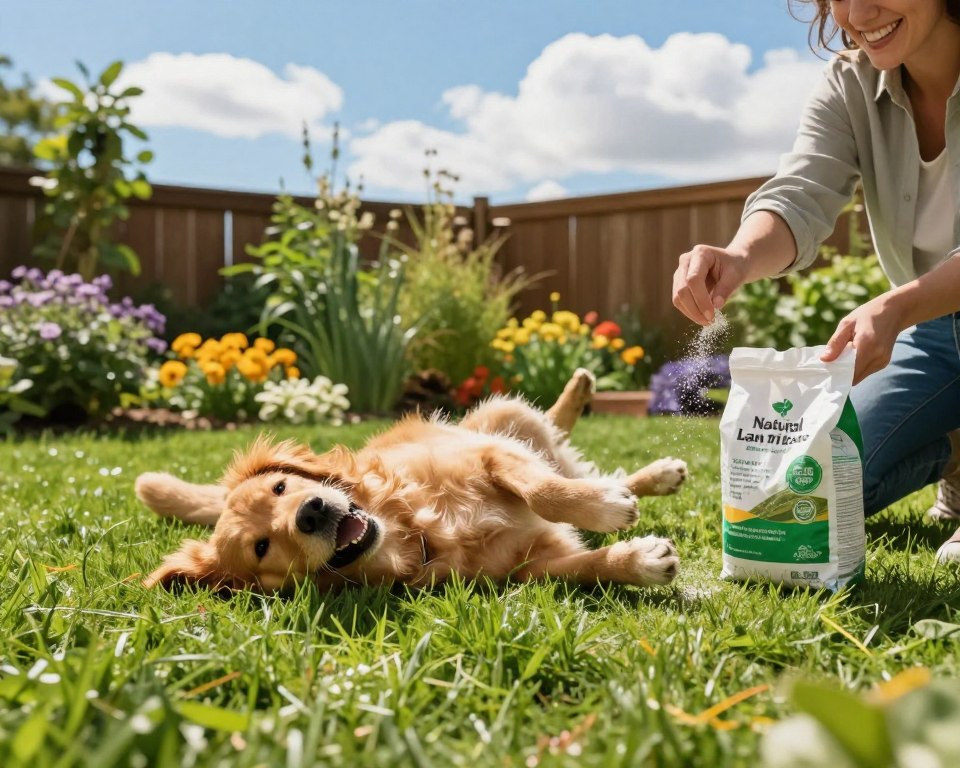
Keeping your lawn green doesn’t mean using harmful chemicals. By choosing pet-safe lawn care, you can make your yard safe for pets. It’s all about knowing what’s in your lawn products and how pets interact with them.
Selecting Non-Toxic Fertilizers for Backyard Safety
Staying safe means avoiding harmful chemicals. Many lawn products are full of dangerous stuff that pets shouldn’t eat. Instead, use alternatives to toxic lawn fertilizers like compost, bone meal, or seaweed.
Make sure the product is safe for pets. Always read the label carefully. Even organic products can have bad stuff. Choose organic fertilizers that release slowly, so pets don’t get into them.
Creating Barriers and Safe Zones for Pets
Using physical barriers adds extra safety. If you must use chemicals, divide your yard into safe areas. Keep pets inside or in a safe spot until the chemicals are gone.
Teach your pets to stay away from treated areas. Use fences or stakes to block off parts of the lawn. This way, you keep your yard safe and healthy for everyone.
Chemical-Free Lawn Maintenance Techniques
Understanding your soil’s biological needs is key to chemical-free lawn care. Focus on improving soil health over quick fixes. This makes your lawn self-sustaining and less reliant on harmful chemicals.
Aeration and Overseeding for Natural Density
Mechanical aeration is vital for a healthy lawn. It lets oxygen, water, and nutrients reach the roots better. This helps your grass grow strong and thick.
After aeration, overseeding becomes more effective. High-quality grass seed germinates better in the aerated soil. As new grass grows, it crowds out weeds, reducing the need for harmful chemicals.
Managing Soil pH Without Harsh Additives
Soil pH affects how well your grass absorbs nutrients. Start by getting a professional soil test. This tells you if your soil is too acidic or alkaline.
If your soil needs adjusting, choose natural additives. Use elemental sulfur to lower pH or agricultural lime to raise it. These natural options slowly balance your soil, supporting healthy microbes.
| Method | Primary Benefit | Impact on Soil |
|---|---|---|
| Core Aeration | Reduces Compaction | Improves Oxygen Flow |
| Overseeding | Increases Density | Crowds Out Weeds |
| Natural Lime | Balances pH | Supports Nutrient Uptake |
| Compost Top-Dressing | Adds Organic Matter | Boosts Microbial Life |
Regular mechanical care is the best way to keep your lawn lush. By focusing on natural methods, you create a safer space for your family and wildlife. These foundational practices lead to a healthier, more sustainable lawn.
Addressing the Dangers of Lawn Fertilizer in Residential Areas
Many homeowners want a lush, green yard. But, they must do it safely for everyone around. Knowing the dangers of lawn fertilizer is key. Using fertilizers wisely keeps neighbors, pets, and nature safe.
Managing Drift and Contamination in Shared Spaces
Wind can spread chemicals beyond where they’re meant to go. Apply fertilizers on calm days to avoid this. Always check local weather forecasts before treating your lawn.
Storing chemicals right is also important. Keep them in original, labeled containers. This way, safety info is easy to find. Store them high up and out of reach of kids and pets.
Protecting Children and Vulnerable Populations
Kids and pets are most at risk from lawn chemicals. Wait a bit after treating before letting anyone walk on the grass. This helps avoid skin contact or accidental eating of chemicals.
Use barriers or signs to warn neighbors when you’ve treated your lawn. This helps keep everyone safe until the chemicals are safe. By focusing on safety, you make your neighborhood better for all.
| Safety Practice | Primary Benefit | Implementation Tip |
|---|---|---|
| Wind Monitoring | Prevents chemical drift | Apply only in calm air |
| Proper Storage | Prevents accidental ingestion | Use original, labeled containers |
| Restricted Access | Protects children and pets | Wait until dry before entry |
| Clear Communication | Informs neighbors | Use temporary yard markers |
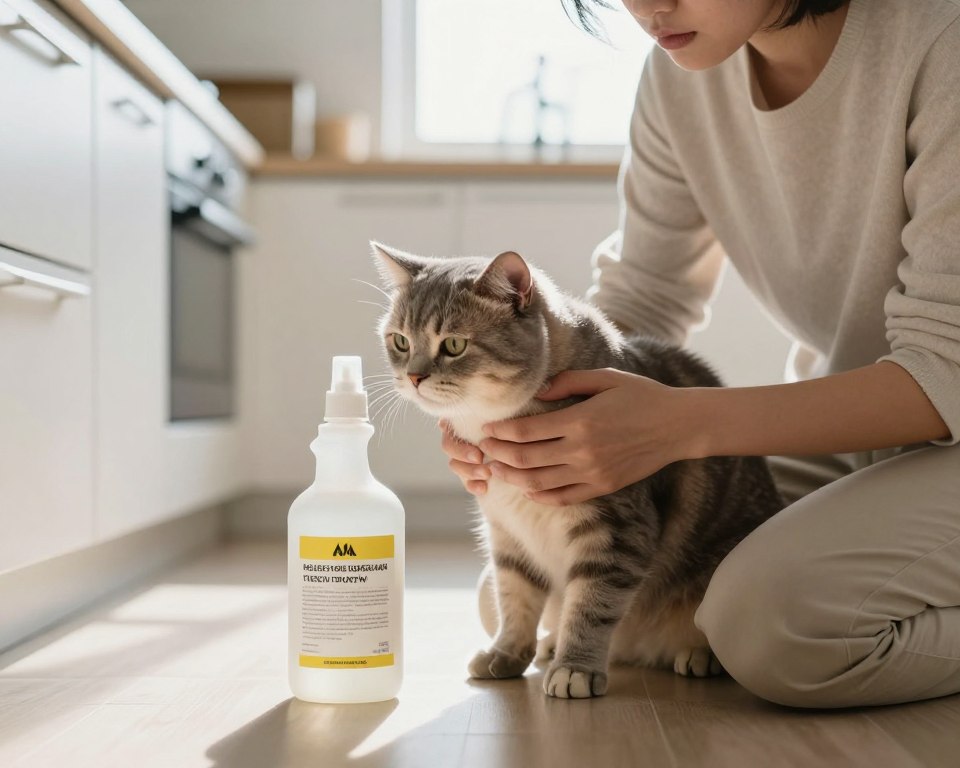
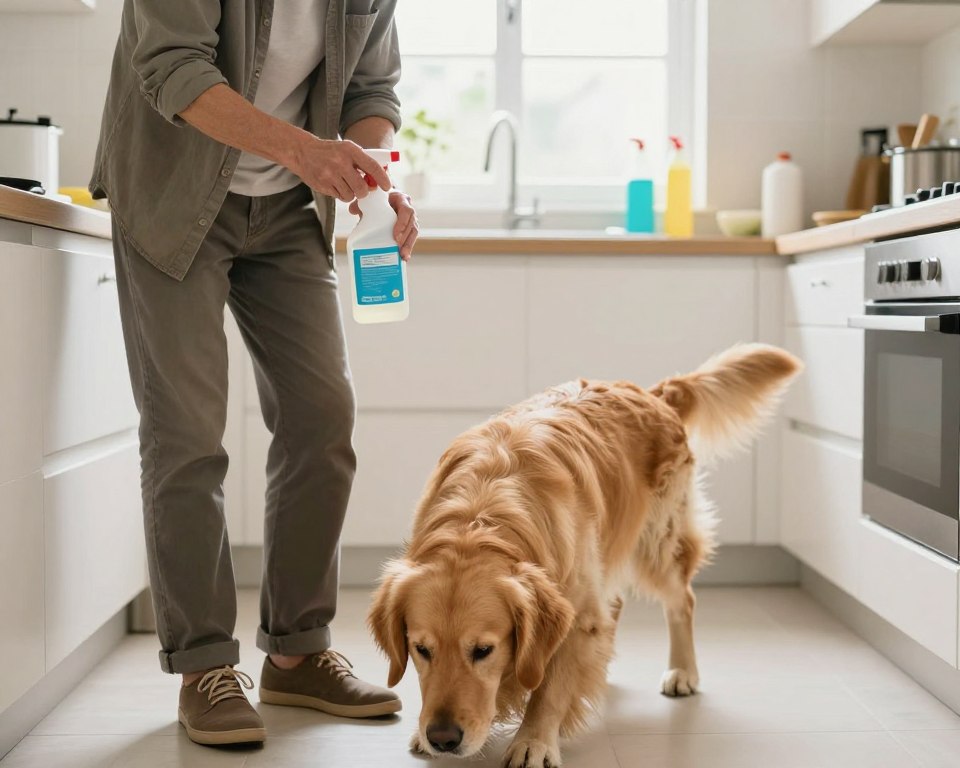
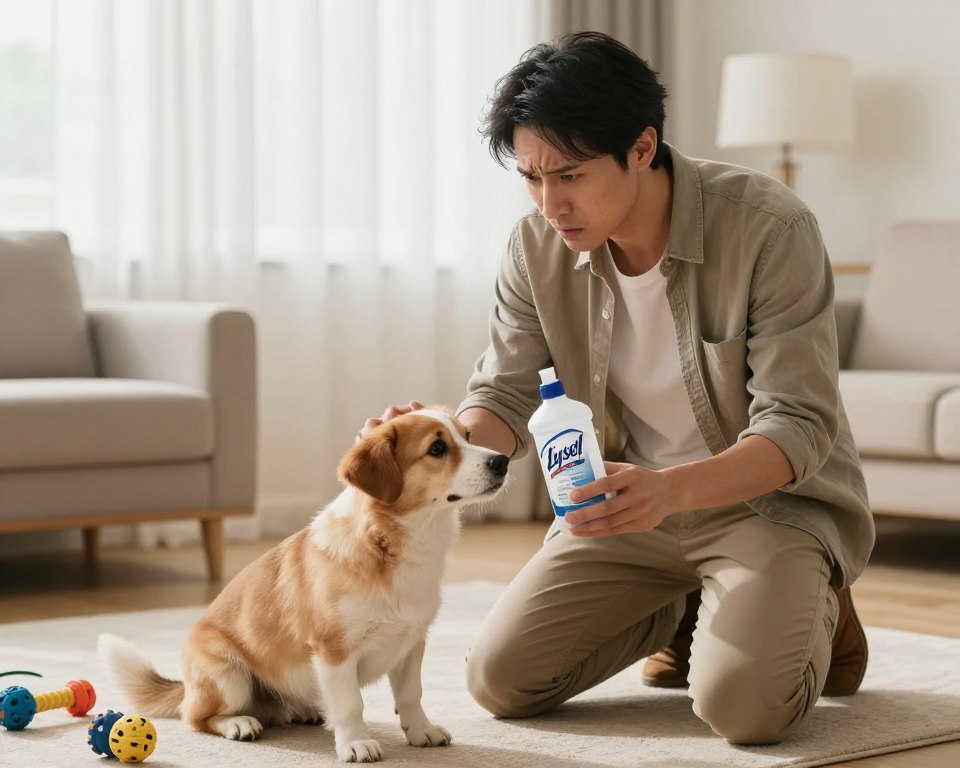
Image Disclosure and Educational Context
We always aim to be transparent with our educational materials. To help you understand complex topics, we’ve added many images to this article. These visuals make it easier to grasp chemical and veterinary concepts.
Understanding the Use of AI-Enhanced Visuals
Some images in this guide are AI-generated or digitally enhanced. They are meant to help you understand technical information. They don’t show real-world cases.
We use these digital tools to connect abstract chemical data with home safety. They help make safety rules easier to follow for homeowners.
Limitations of Digital Illustrations in Veterinary Education
It’s important to remember that these digital images are not a substitute for a vet’s diagnosis or treatment. They help identify risks but can’t replace a vet’s knowledge of an animal’s health.
If you think your pet has been harmed, always go to a vet. Digital media is just a tool for learning, not a replacement for a vet’s care.
| Feature | Educational Illustration | Clinical Diagnosis |
|---|---|---|
| Primary Purpose | Conceptual Understanding | Medical Intervention |
| Data Source | Synthesized Patterns | Physical Examination |
| Reliability | General Reference | Professional Accuracy |
| Action Required | Informative Reading | Immediate Veterinary Care |
Long-Term Effects of Fertilizer Accumulation
Many people focus on quick results from using synthetic fertilizers. But, the effects of lawn fertilizer can last for years. It’s important to understand these long-term effects for a sustainable and healthy lawn.
Soil Degradation and Nutrient Imbalance Over Time
Using synthetic products too much can harm your soil. For example, herbicides like glyphosate don’t just disappear. They break down into harmful substances like aminomethylphosphonic acid (AMPA) and methylphosphonic acid.
These chemicals can change your soil’s chemistry. This can lead to:
- Reduced microbial activity, which is key for natural nutrient cycling.
- Soil compaction, making it hard for roots to get water and oxygen.
- Changes in pH levels that might hurt the growth of good plants.
Bioaccumulation in Local Ecosystems
The effects of lawn fertilizer don’t stop at your yard. These chemicals can move through the environment. When they build up in soil, they can harm local plants or get washed into water during rain.
This can lead to bioaccumulation, where chemicals get more concentrated as they move up the food chain. Small insects and soil creatures are often the first hit by these chemicals. As they get eaten by birds, amphibians, and small mammals, the chemicals spread to bigger animals.
Checking your soil health and using fewer synthetic products can help. Choosing organic options can protect your lawn and the environment around it.
Transitioning to Sustainable Landscaping
Sustainable landscaping is a smart way to create a beautiful yard that’s good for the environment. It moves away from using lots of resources for upkeep. This method focuses on long-term health, not just quick fixes.
Replacing Traditional Lawns with Native Plantings
Native plants fit perfectly with your local climate and soil. They need less chemical help to grow well. Switching to native plants means you use fewer synthetic fertilizers and pesticides.
These plants grow strong roots that fight weeds and pests naturally. By choosing native plants, you help local pollinators and create a self-sustaining yard. This is key for eco-friendly lawn care today.
Water Conservation and Soil Health Synergy
Traditional lawns need a lot of water to stay green. But native plants use water wisely, saving local water. This is important for a healthy yard.
Soil health is also key. Healthy soil filters and stores nutrients without harsh chemicals. Adding compost improves soil and supports good microbes. These eco-friendly lawn care steps keep your yard lively and green for years.
Professional Services and Safety Certifications
When you choose to outsource lawn care, safety and sustainability are key. Many think all services follow the same safety rules, but this isn’t true. Picking a service that cares about pet-safe lawn care keeps your yard safe for your family and animals.
What to Look for in Eco-Conscious Landscaping Companies
Look for companies that use Integrated Pest Management (IPM) strategies. IPM prevents pests with natural methods, not just chemicals. A good company will tell you what products they use and how they apply them.
When talking to contractors, ask these questions to see if they care about environmentally friendly lawn treatments:
- Do you offer organic-based fertilization programs?
- Can you provide a list of all ingredients used in your standard treatment plans?
- How do you manage runoff to protect local water sources?
- Are your technicians trained in the specific safety requirements for households with pets?
Verifying Organic Certification Standards
Not all “natural” or “organic” products are safe. Make sure the company uses products certified by the Organic Materials Review Institute (OMRI). These certifications show the products are safe for the environment and work well.
Always ask to see the labels or Material Safety Data Sheets (MSDS) for the products they plan to use. A service that values pet-safe lawn care will happily share this info. By checking this, you can find a reliable partner for a safe, non-toxic home environment and quality environmentally friendly lawn treatments.
Conclusion
Keeping your lawn green doesn’t mean using harmful chemicals. You can make your outdoor space beautiful and safe for your family and animals.
Choosing organic options helps your lawn grow strong and healthy. By taking care of your soil and using eco-friendly methods, you avoid using harmful chemicals. This way, your lawn stays green without harming the environment.
Being careful with how you use lawn care products is key. Making a few simple changes can make a big difference. It helps keep your yard safe and the environment healthy.
We urge you to start using these safe lawn care tips. Your efforts will help make your community a better place for everyone.
FAQ
Is lawn fertilizer toxic to humans and household pets?
Lawn fertilizer’s base nutrients are not very toxic. But, many products like Scotts Turf Builder have added chemicals. These can be harmful, mainly to dogs who might eat the granules or lick their paws after walking on treated grass.
What are the most common effects of lawn fertilizer on the local environment?
Lawn fertilizer mainly causes nutrient runoff. This runoff harms waterways by causing algae blooms and depleting oxygen. It also kills good soil microbes, which are important for soil health.
Are there effective alternatives to toxic lawn fertilizers for a green yard?
Yes, there are. Homeowners are switching to organic fertilizers like Espoma Organic or Milorganite. These products use natural materials that improve soil over time without harming wildlife.
How can I implement pet-safe lawn care in my backyard?
To keep your lawn safe for pets, avoid using “weed and feed” products. Choose pet-safe fertilizers and follow the instructions carefully. You can also create a chemical-free zone or use natural lawn care methods.
What does chemical-free lawn maintenance involve?
It involves using mechanical and biological methods. This includes aeration, overseeding, and mowing at a higher height. These methods help create a dense, healthy lawn that needs less chemical treatment.
Is eco-friendly lawn care as effective as traditional synthetic treatments?
Eco-friendly lawn care is very effective but takes a different approach. It focuses on building soil health and using natural methods. Brands like Sunday Lawn Care offer plans that are safe for the environment and look great.
What are the clinical signs of fertilizer poisoning in dogs?
Dogs may drool, vomit, have diarrhea, or feel pain in their belly. In severe cases, they might shake or have trouble breathing. If you think your dog has been poisoned, call a vet and have the product’s information ready.
How long should children and pets stay off the grass after a treatment?
After using liquid treatments, wait until they dry completely. For granular fertilizers, wait 24 to 72 hours and water the lawn well. Using natural treatments can reduce these waiting times.