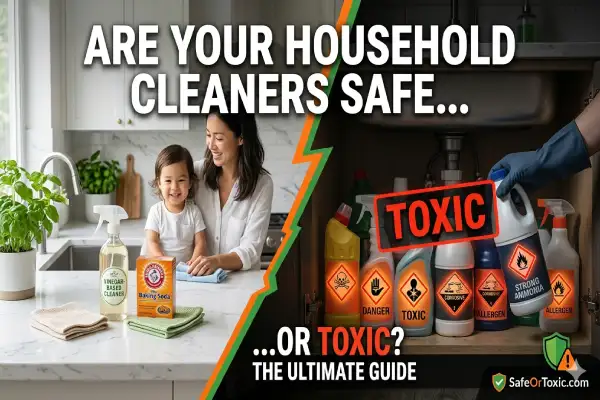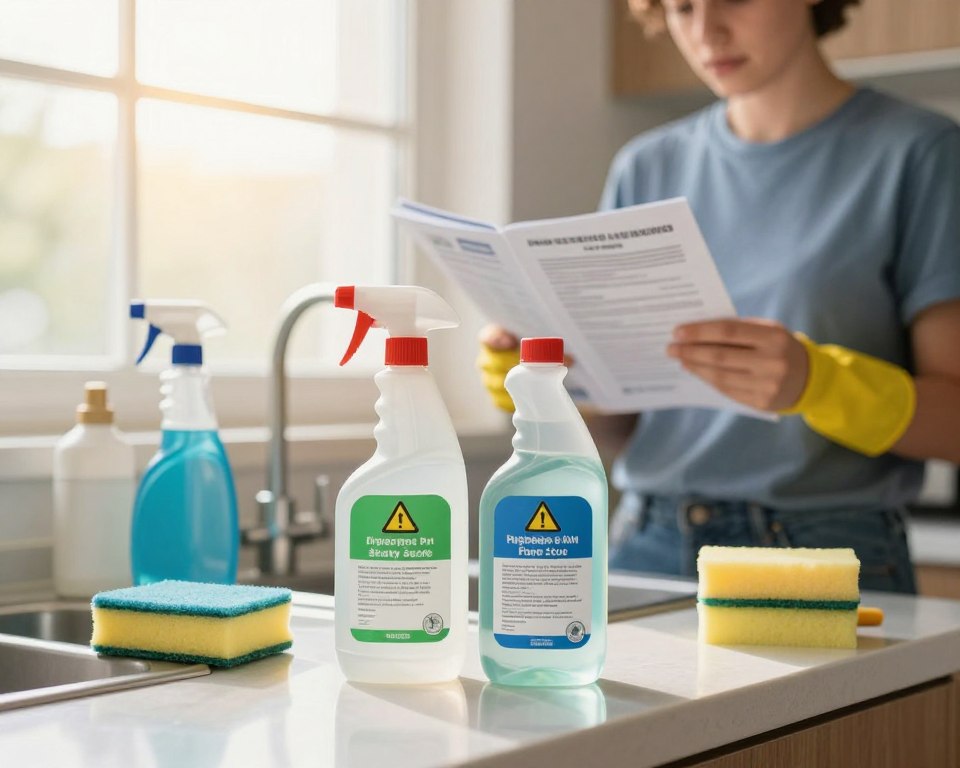
Keeping our homes clean is important to many of us. But, we must be careful with strong chemical cleaners. They can be dangerous if not handled right.
It’s crucial to learn how to safely store household cleaners. By using secure cleaning agents storage, we can lower the risk of accidents or poisoning.
We want our homes to be safe and clean. This guide offers expert tips. It helps you organize your cleaning supplies and keep kids and pets safe.
Key Takeaways
- Always keep chemical products in their original containers with labels intact.
- Utilize high cabinets or locked cupboards to prevent unauthorized access by children.
- Never mix different chemical solutions, as this can create dangerous fumes.
- Store hazardous items away from food preparation areas to avoid cross-contamination.
- Dispose of expired or unused products according to local community guidelines.
Assessing the Risks of Household Cleaning Chemicals
We often overlook the dangers in our cleaning bottles. It’s important to know what’s in them. Learning how to safely store household cleaners starts with understanding their risks.
Identifying Toxic Ingredients in Common Products
Many cleaning supplies have strong chemicals. Ingredients like ammonia, bleach, and phthalates are common. They work well but can be harmful if not handled right.
Always check the labels for these chemicals. This helps us know which cleaners need extra care.
Understanding the Dangers of Ingestion and Inhalation
Using strong chemicals can be risky. Inhaling fumes or swallowing cleaners can harm us. Knowing how to safely store household cleaners reduces these risks.
Accidental ingestion is a big worry. Even a little bit of strong cleaner can hurt. We should treat these cleaners as we do medicine.
Recognizing Vulnerable Family Members
Some family members are more at risk. Infants, young kids, and pets are more likely to get hurt. They might touch cleaners or explore places they shouldn’t.
It’s up to us to keep them safe. By following strict rules on how to safely store household cleaners, we protect our most vulnerable family members.
Establishing a Secure Storage Strategy
Creating a solid plan for household cleaning products storage is crucial for families. We need to look at our home’s layout to lower risks. This way, we keep our living areas safe from accidents.
Choosing the Right Location for Cleaning Supplies
It’s best to pick spots that kids can’t reach. High shelves, utility closets, or special cabinets are great. Consistency is key in choosing these spots around the house.
The Importance of High-Up and Locked Storage
Just putting things on high shelves isn’t enough for secure cleaning agents storage. We need cabinets with strong locks. These locks keep kids safe from harmful substances, even if they try to climb or explore.
Separating Chemicals from Food and Personal Care Items
Keeping cleaning agents away from food is very important. We should never mix bleach or detergents with snacks or cooking stuff. This keeps our home safe and organized.
| Storage Zone | Safety Level | Primary Benefit |
|---|---|---|
| High Utility Shelf | High | Out of reach |
| Locked Cabinet | Maximum | Prevents access |
| Pantry Floor | Low | High risk of spills |
| Dedicated Closet | High | Centralized control |
Essential Hardware for Secure Cleaning Agents Storage
Keeping our loved ones safe is more than just watching over them. It also means using the right tools to keep harmful substances out of reach. By choosing top-notch hardware, we build a strong defense against accidents. The first step to a safer home is to store cleaning products correctly.
Utilizing Child-Proof Cabinet Locks and Latches
Child-proof locks on cabinets with chemicals are a must. They act as a critical barrier to stop little ones from getting into harmful stuff. Look for magnetic locks or heavy-duty latches that are hidden but super secure.
“Safety is not just a goal; it is a continuous process of creating environments where our families can thrive without unnecessary risks.”
Selecting Durable Storage Bins and Containers
After securing cabinets, we need to organize what’s inside. Durable, spill-proof bins are key for organizing household cleaners well. They catch spills and leaks, protecting your cabinets and keeping chemicals separate.
Choose clear, shatter-resistant plastic bins. They let you see what’s inside without having to open them, which cuts down on spill risks.
Installing Wall-Mounted Organizers for Safety
Wall-mounted systems are great for saving space. They keep heavy bottles off the floor, out of reach of kids and pets. This setup also keeps your floor clear, reducing tripping hazards in utility areas.
Make sure these systems are securely attached to wall studs. This ensures they can hold heavy items safely over time. The right household cleaning products storage combines smart tools with good habits to safeguard our families.
How to Safely Store Household Cleaners in Different Rooms
Storing household cleaners safely needs a plan for each room. This keeps our families safe from harm. By focusing on each area, we can keep our homes safe from accidents.
Managing Supplies in the Kitchen and Pantry
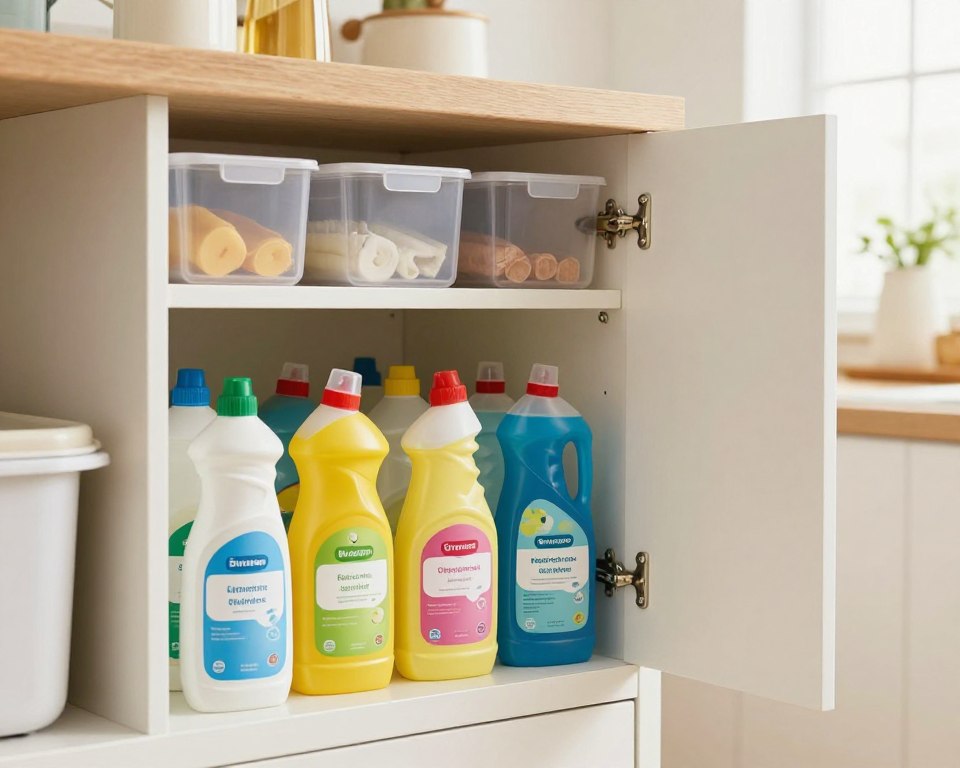
The kitchen is busy, and cleaning products are used a lot. We must keep sprays and cleaners out of kids’ reach. It’s best to store them in high cabinets, not under the sink.
- Use high-mounted shelving for all toxic sprays.
- Keep pantry items separate from cleaning supplies to avoid contamination.
- Install child-proof locks on lower cabinets for non-toxic supplies.
Organizing Bathroom Cabinets for Maximum Safety
Bathrooms have strong chemicals, like toilet cleaners. They are small and busy, so we need to be careful. Use locked bins for unused products.
Never leave bottles on the tub edge or floor. A child might grab a colorful bottle. Always put things back in their safe place after use.
Securing Laundry Room Chemicals and Detergent Pods
The laundry room is risky because of all the chemicals. Modern detergents come in pods that look like candy. We must be as careful with them as with medicine.
Handling Liquid Detergents vs. Laundry Pods
Liquid detergents and pods both need careful handling. But they pose different dangers. Liquid detergents are hard for kids to open but can still harm skin or cause poisoning. Pods are very strong and dissolve fast when wet.
| Product Type | Primary Risk | Storage Requirement |
|---|---|---|
| Liquid Detergent | Spills and skin contact | High shelf or locked cabinet |
| Laundry Pods | Ingestion and rapid dissolution | Original container, locked, out of sight |
We should always use the original packaging for laundry products. If using pods, store them in a secure, elevated location that kids can’t reach. These steps help keep laundry time safe and efficient.
Best Practices for Storing Cleaning Agents
Keeping your cleaning products organized is not just about being tidy. It’s a crucial safety step. Following industry guidelines helps keep your home safe for everyone. By sticking to these best practices, you can lower the chance of accidents or chemical reactions.
Keeping Products in Their Original Containers
It’s best to keep cleaning agents in their original packaging. These containers are made to handle the chemicals inside. They also have important safety warnings and clear ingredient lists for emergencies.
Don’t move liquids into unmarked bottles or food containers. This can lead to accidents. Keeping the original labels helps everyone know what the product is and how to use it safely. This simple step is key to safe household chemicals storage.
Managing Labels and Expiration Dates
Chemicals can lose stability over time, leading to dangerous reactions. Check your supplies’ expiration dates twice a year. If a product is past its shelf life, it might not work well or could be unstable.
If a label gets damaged or hard to read, it’s safer to throw the product away. Keeping your supplies up to date is important for proper household cleaners storage. Always make sure labels are clear to avoid confusion in your storage areas.
Avoiding Dangerous Chemical Combinations
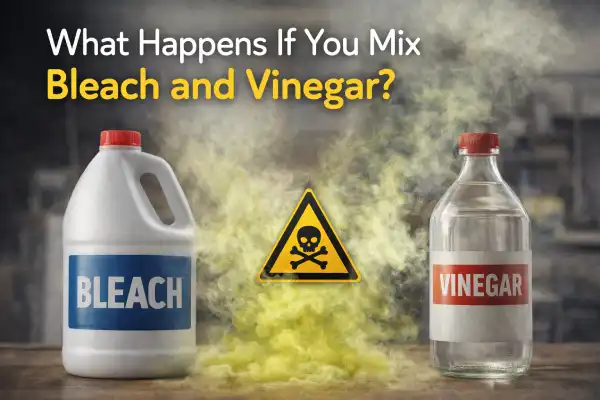
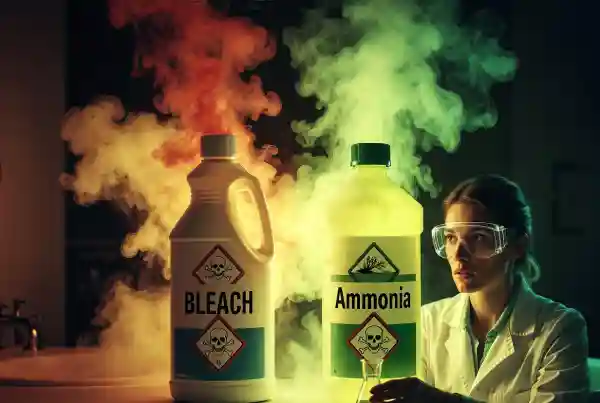
Mixing the wrong chemicals can cause serious accidents. For example, mixing bleach with ammonia can release toxic gases that are harmful to breathe. Never mix different cleaning agents, even if they seem similar.
The table below shows some chemicals that should never be mixed for your safety:
| Chemical A | Chemical B | Resulting Hazard |
|---|---|---|
| Bleach | Ammonia | Toxic Chloramine Gas |
| Bleach | Vinegar | Chlorine Gas |
| Hydrogen Peroxide | Vinegar | Peracetic Acid |
| Drain Cleaner | Different Drain Cleaner | Violent Chemical Reaction |
Knowing about these dangerous combinations helps you keep your home safe. Store these items in separate places to avoid spills. Being careful all the time is the best way to ensure safe household chemicals storage in your home.
Maintaining Organization and Safety Protocols
Keeping your home safe is an ongoing task, not just a one-time job. We see safety as a never-ending process. By following these tips for storing cleaning supplies, you keep your home safe from accidents.
Conducting Regular Safety Audits of Your Supplies
It’s important to check your cleaning products every few months. Look for signs like cracked caps, leaks, or faded labels. Finding these problems early stops spills and chemical reactions.
Also, check the expiration dates on your bottles. Over time, chemicals can lose their strength or become unstable. If a product is past its expiration date, get rid of it right away.
Proper Disposal of Old or Unused Chemicals
When getting rid of hazardous materials, we must be careful. Don’t pour harsh chemicals down the drain or toilet, as they can harm our water. Instead, look for local hazardous waste collection events.
Many places have special drop-off spots for household chemicals. Always keep products in their original containers when taking them for disposal. This helps workers know what they’re handling, which is key for proper household cleaners storage and management.
Creating a Household Inventory List
Having a simple inventory list helps us keep track of what we have. It stops us from buying too many dangerous chemicals that clutter our cabinets. Knowing what you have helps avoid buying things you don’t need.
Use a digital app or a notebook to record your supplies. Include the following in your list:
- Product name and primary use.
- Date of purchase.
- Expiration date or shelf-life estimate.
- Location where the item is stored.
Keeping this list helps you stay organized and reduces the risk of keeping dangerous items too long. Being proactive is the best way to protect your family.
Educating Your Family on Chemical Safety
We think education is key to keeping our homes safe. While barriers are important, knowing how to act is even more crucial. By following these tips for storing cleaning supplies, we teach our families to stay safe.
Teaching Children About Household Hazards
Children are always curious, so we need to tell them why some things are not for them. We explain that certain items are only for grown-ups. It’s vital to teach them that cleaning products are not toys and should never be touched.
“An ounce of prevention is worth a pound of cure.”
We tell our kids to ask an adult if they find a bottle or container. This way, we avoid accidents. Being consistent with our message helps it stick with them.
Establishing Rules for Handling Cleaning Products
As kids get older, we set clear rules. We decide who can handle certain chemicals and when. This makes sure that safe cleaning supplies storage is a team effort.
We make sure cleaning is done in well-ventilated areas to avoid breathing in harmful fumes. We also require that products are put away right after use. This keeps things tidy and reduces the risk of spills or poisoning.
Preparing for Accidental Exposure Emergencies
Even with precautions, accidents can still happen. So, we must be ready to react fast. We save the Poison Control Center number in our phones and on the fridge. This saves time in an emergency.
We also keep a first-aid kit ready with info on chemical exposure. If there’s a spill, we wash the area with water and get medical help right away. Staying calm and prepared is the best way to protect our family in emergencies.
Advanced Solutions for Household Cleaners Storage
To truly master home safety, we need advanced tech and thoughtful design. Going beyond basic cabinets helps us create a safer space for our families. With modern tools, our safe cleaning supplies storage stays effective and reliable.
Implementing Smart Home Monitoring for Storage Areas
Today’s tech gives us powerful tools to track our cleaning supplies. We can put smart contact sensors on cabinet doors. These send alerts to our phones if someone opens them without permission.
These systems are great for parents who want to watch over high-risk areas. By using these sensors, we follow the best ways to store cleaning agents. We also add digital security to keep our family safe.
Transitioning to Non-Toxic or Natural Alternatives
Reducing chemicals in our homes makes it safer. We can switch to natural cleaners like vinegar, baking soda, or plant-based solutions. This lowers the risk of poisoning or harmful inhalation.
“The best way to prevent accidents is to remove the hazard entirely from the home environment.”
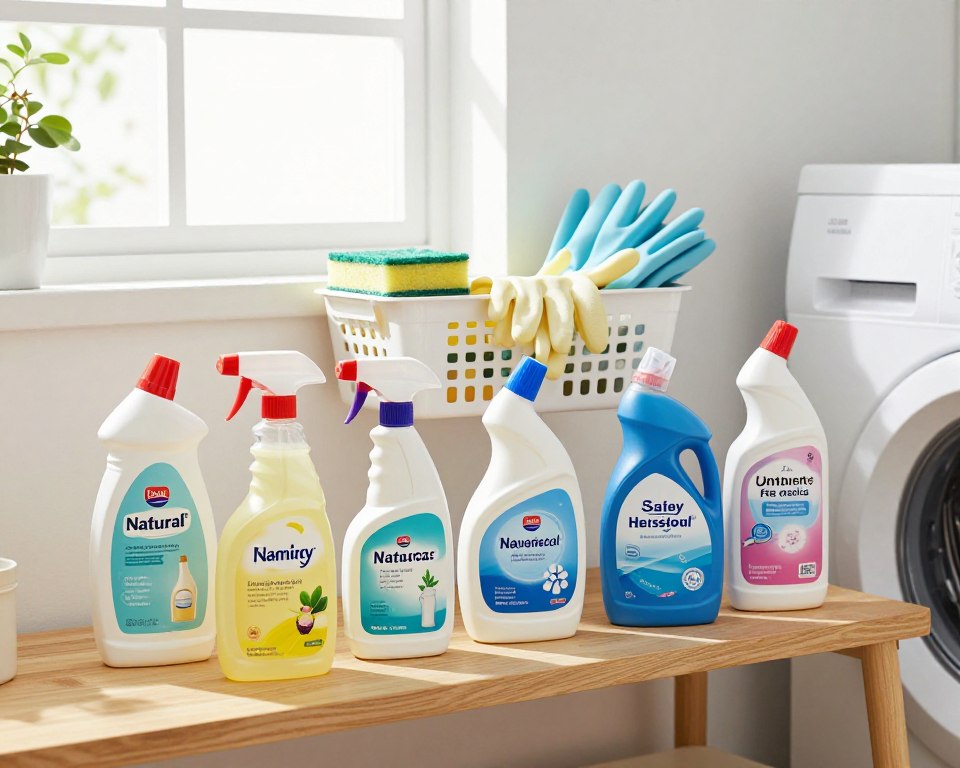
Switching to these alternatives makes our storage needs simpler. These products are often less volatile. It’s a sustainable best practice for storing cleaning agents for modern homes.
Designing a Dedicated Utility Closet
Putting all our supplies in one secure closet is a big improvement for home organization. We should install a heavy-duty, lockable door to keep kids out. This design keeps everything organized and easy to manage.
- Install high-quality deadbolts or keypad locks on the closet door.
- Use wall-mounted shelving to keep items off the floor and out of reach.
- Ensure the area is well-ventilated to prevent the buildup of fumes.
By having a specific space for these items, we have better control over our supplies. This architectural approach is the best way to ensure long-term safety in our homes.
Conclusion
Protecting our families starts with small choices we make daily. Taking control of our home environment prevents accidents before they happen.
We must see safety as a continuous effort, not just a one-time task. Using the best ways to store cleaning agents creates a safe barrier. This keeps dangerous chemicals away from curious kids.
It’s important to check our current setup for any gaps in safety. Upgrading our storage solutions gives parents and caregivers peace of mind.
Brands like Rubbermaid or Sterilite offer strong containers that keep harmful liquids safe. Making small changes in our utility closets or laundry rooms greatly benefits our health.
We encourage you to act today and secure your supplies. Being proactive makes our homes clean, organized, and safe for everyone we love.
FAQ
What are the best tips for storing cleaning supplies in homes with small children?
Always keep cleaning agents safe by using high-up cabinets or magnetic locks. This way, we can keep them out of sight and reach. It’s the best way to prevent accidents and keep our homes safe.
How can we implement proper household cleaners storage for laundry detergent pods?
Laundry detergent pods, like those from Tide or Gain, look like candy to kids. So, we must store them in their original, opaque packaging. Place these containers on a high shelf or in a locked cabinet to keep them safe.
Why is organizing household cleaners in their original containers considered a safety priority?
Keeping products in their original bottles is crucial. It ensures we can read safety instructions and ingredient lists. This prevents accidents and dangerous chemical reactions.
What are some effective household cleaners storage solutions for cramped spaces like bathrooms?
In small spaces, use wall-mounted organizers or Rubbermaid bins on high shelves. This keeps strong cleaners like Lysol and Mr. Clean safe from pets and toddlers.
How do we know how to safely store household cleaners that might be chemically volatile?
Store chemicals in a cool, dry, and well-ventilated area. Keep them away from sunlight and heat. Never mix products, as it can create harmful gases.
What should we do if we need to dispose of old or expired cleaning agents?
Check local guidelines for disposing of hazardous waste. Don’t pour products like Drano down the drain. This protects our water supply and manages our chemical footprint.
How often should we conduct a safety audit of our household cleaning products storage?
Do a thorough check of your supplies every six months. This helps spot leaks, expired items, and ensures everything is secure and child-proof.