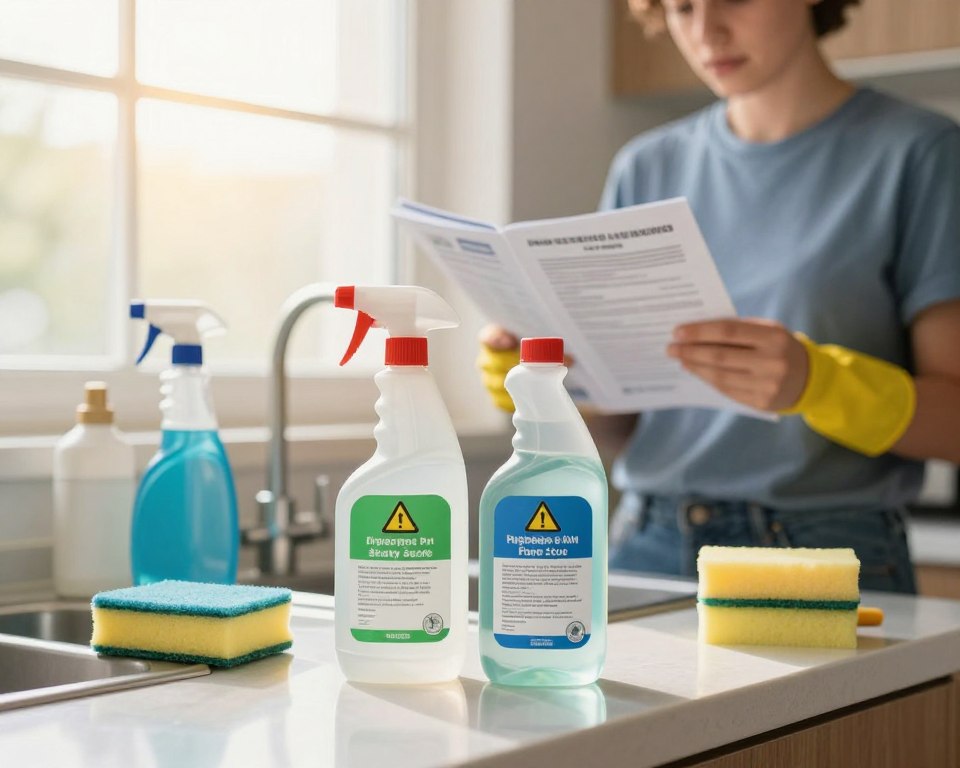
Did you know that over 70% of homeowners unknowingly damage their natural stone surfaces by using improper cleaning agents? Granite is a porous material that requires specific care to maintain its structural integrity and aesthetic appeal. Many people assume that common household liquids are harmless, but the chemical composition of your stone tells a different story.
A frequent question involves whether a mix dish soap and vinegar safe solution works for daily maintenance. While these ingredients are popular for general cleaning, they often contain acidic properties that can etch or dull polished granite over time. Using the wrong substances not only compromises the stone but can also leave residues that are undesirable in areas where you prepare meals.
Maintaining a sanitary environment requires balancing effective cleaning with the preservation of your countertop’s sealant. Choosing pH-neutral products ensures that your surfaces remain protected while keeping your kitchen hygienic for daily food preparation.
Key Takeaways
- Granite is a porous natural stone that requires pH-neutral cleaning agents to prevent long-term damage.
- Acidic substances like vinegar can etch the surface of granite, leading to dull spots and increased porosity.
- Residue from improper cleaning agents can pose hygiene concerns in areas used for food preparation.
- Always verify that your chosen cleaner is specifically formulated for natural stone surfaces.
- Consistent use of gentle, stone-specific products extends the life of your countertop sealant.
Understanding Granite Countertops
Granite is a complex natural stone that requires specific knowledge to ensure it remains a safe and durable surface for food preparation. Because it is a product of volcanic activity, every slab possesses unique characteristics that influence how it interacts with household cleaning agents. Recognizing these traits is essential for any homeowner aiming to preserve the integrity of their kitchen surfaces.
Composition of Granite
At a geological level, granite is an igneous rock formed from the slow cooling of molten magma. It is primarily composed of three distinct minerals: quartz, feldspar, and mica. These minerals provide the stone with its characteristic hardness and varied color patterns.
It is important to note that these minerals react differently to various substances. For instance, certain acidic liquids can cause etching or dulling on the surface if left untreated. Understanding this mineral makeup helps you identify why specific cleaning products are necessary to maintain the stone’s natural luster.
Benefits of Using Granite
Granite remains a preferred material for kitchens due to its exceptional durability and heat resistance. Unlike synthetic materials, granite can withstand high temperatures from hot pans without sustaining significant damage. This makes it a practical choice for high-traffic cooking areas.
Beyond its physical strength, granite offers a timeless aesthetic appeal that complements modern home design. Its natural variations ensure that no two countertops are exactly alike, adding a unique character to your living space. When properly maintained, this stone provides a reliable and visually striking foundation for all your culinary activities.
Importance of Cleaning Countertops
The health of your household depends heavily on the cleanliness of your food preparation areas. Establishing a consistent cleaning routine is the most effective way to manage the risks associated with daily kitchen activities. By prioritizing sanitation, you create a safer environment for meal preparation while simultaneously protecting your investment in high-quality stone.
Hygiene and Food Safety
Granite is a natural stone that, while durable, can harbor bacteria if not properly maintained. Foodborne pathogens often thrive in the microscopic pores of unsealed or improperly cleaned surfaces. Cross-contamination remains a significant concern when raw ingredients like poultry or produce come into contact with a surface that has not been sanitized correctly.
Regular cleaning protocols act as a primary defense against these invisible threats. Using the right products ensures that you remove organic debris without leaving behind harmful chemical residues. This practice is essential for maintaining a hygienic kitchen where food safety is never compromised.
Preventing Damage to Surfaces
Beyond immediate health concerns, proper cleaning is vital for the structural integrity of your granite. Many common household cleaners contain acidic ingredients that can etch the surface or degrade the protective sealant over time. Once the sealant is compromised, the stone becomes susceptible to staining and deep-set bacterial growth.
A proactive maintenance strategy preserves the aesthetic value and longevity of your countertops. By choosing gentle, pH-neutral solutions, you avoid the chemical reactions that lead to dullness or pitting. Consistent care ensures that your granite remains a functional and beautiful centerpiece of your home for many years to come.
Types of Granite Countertop Cleaners
Selecting the right cleaning agent for granite requires an understanding of how different chemical compositions interact with natural stone. Because granite is a porous material, it reacts differently to various substances than synthetic surfaces like laminate or quartz. Homeowners must balance the need for effective sanitation with the requirement to preserve the stone’s protective sealant.
Natural Cleaners
Many homeowners prefer using household items for routine maintenance. A safe dish soap and vinegar mix is often cited in DIY circles, but it requires caution. While dish soap is generally mild, vinegar is acidic and can potentially etch the surface of natural stone if used in high concentrations over time.
To ensure you are using safe ways to combine dish soap and vinegar, always dilute these ingredients heavily with water. A few drops of pH-neutral dish soap in a large spray bottle of water is usually sufficient for daily wiping. Avoid using pure vinegar directly on the stone to prevent long-term dullness.
Chemical Cleaners
Specialized commercial cleaners are formulated to be pH-balanced, which is the gold standard for granite care. These products are engineered to remove grease and grime without stripping the sealant or reacting with the minerals in the stone. Professional-grade cleaners often contain mild surfactants that lift debris while remaining gentle enough for daily food preparation areas.
Eco-Friendly Options
For those prioritizing sustainability, eco-friendly dish soap and vinegar blending can be an effective strategy when managed correctly. By selecting plant-based, pH-neutral soaps, you reduce the chemical footprint in your kitchen. Always verify that your chosen soap does not contain harsh degreasers or citrus extracts, as these can be just as damaging as acidic vinegar.
| Cleaner Type | pH Level | Best Use Case | Safety Level |
|---|---|---|---|
| pH-Neutral Commercial | Neutral (7) | Daily Maintenance | High |
| Diluted Dish Soap | Mildly Alkaline | Grease Removal | Moderate |
| Vinegar Solutions | Acidic | Occasional Cleaning | Low |
| Eco-Friendly Blends | Neutral | Sustainable Care | High |
Analyzing Ingredients
Analyzing the ingredients in your cleaning products is the first step toward ensuring a truly safe food preparation area. Many commercial cleaners contain potent chemicals that, while effective at cutting grease, may leave behind residues that are not ideal for surfaces where you prepare meals. Understanding what goes into these solutions allows you to prioritize the health of your household.
Common Chemicals Found in Cleaners
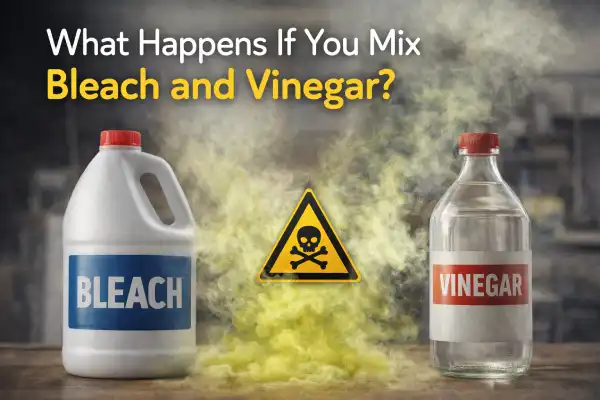
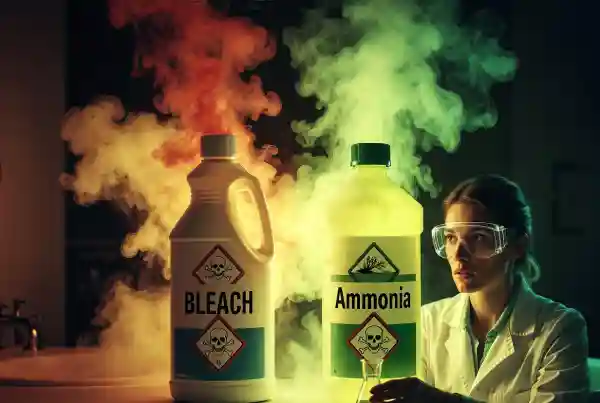
Many conventional household cleaners rely on harsh surfactants, ammonia, or bleach to sanitize surfaces. While these agents are powerful, they can be too aggressive for natural stone like granite. Furthermore, some substances can react unpredictably when combined, creating hazardous fumes or damaging the protective sealant on your countertops.
It is vital to be aware of the risks associated with improper mixing. You should always review the green cleaning ingredients you should never to avoid accidental chemical reactions. Safety should always be the primary goal when maintaining surfaces that come into direct contact with your food.
Safe Ingredients for Food Prep Areas
For daily maintenance, many experts recommend sticking to mild, pH-neutral substances. When you focus on combining dish soap and vinegar safely, you create a solution that effectively lifts light grime without the need for harsh synthetic chemicals. This approach is particularly useful for granite, as it respects the stone’s delicate mineral structure.
A properly prepared dish soap and vinegar mixture non-toxic enough for daily use provides peace of mind for families and pet owners alike. By using a small amount of mild dish soap diluted in water with a splash of white vinegar, you ensure that no harmful chemical film remains on your workspace. This simple, evidence-based method keeps your granite clean and your food preparation area hygienic.
Regulatory Standards for Cleaners
Understanding the legal framework behind household cleaners helps homeowners identify products that are truly safe for food preparation surfaces. While many products are effective at removing grime, not all are formulated with the specific requirements of food-contact areas in mind. Federal oversight provides a necessary baseline for evaluating the safety and efficacy of these cleaning agents.
FDA Guidelines
The Food and Drug Administration (FDA) maintains specific guidelines regarding substances that come into contact with food. When a cleaner is used on a granite countertop where food is prepared, it is classified as an indirect food additive if residues remain on the surface. Manufacturers must ensure that any chemical residue left behind is not harmful to human health.
Products intended for use in professional kitchens often undergo more rigorous testing to meet these standards. For residential granite cleaners, consumers should look for labels that indicate the product is safe for food-contact surfaces. This certification or claim serves as a vital indicator that the formulation has been evaluated for potential ingestion risks.
EPA Regulations
The Environmental Protection Agency (EPA) focuses on the broader impact of chemical safety and environmental health. Their regulations govern the registration of antimicrobial pesticides and the labeling of household chemicals to prevent misuse. By setting strict limits on volatile organic compounds (VOCs), the EPA ensures that cleaners do not compromise indoor air quality.
Compliance with EPA standards means that a product has been reviewed for its toxicity profile and environmental persistence. Responsible manufacturers adhere to these guidelines to minimize the risk of chemical exposure in the home. By prioritizing products that meet these federal benchmarks, you can maintain a clean kitchen while ensuring the long-term safety of your household.
How to Choose a Safe Granite Cleaner
Protecting your investment in natural stone begins with the careful evaluation of the chemicals you bring into your kitchen. Because granite is a porous material, it reacts poorly to harsh substances that can etch the surface or strip away protective sealants. Prioritizing products with a neutral pH level is the most effective way to maintain the integrity of your countertops over time.
Label Reading Tips
When inspecting a product, look past the marketing claims and head straight for the ingredient list. You should actively avoid cleaners that contain ammonia, bleach, or high concentrations of vinegar and lemon juice. These acidic or alkaline agents can cause permanent dulling or pitting on polished stone surfaces.
Check for the presence of surfactants that are specifically designed for natural stone. A high-quality cleaner will often list ingredients that are biodegradable and free from synthetic dyes or heavy fragrances. If a label does not clearly disclose its ingredients, it is often safer to choose a different, more transparent brand.
Certifications to Look For
Navigating the market is easier when you recognize industry-standard certifications. Look for products that carry the Green Seal or EPA Safer Choice labels, as these indicate that the formula has undergone rigorous testing for human and environmental safety. These certifications provide an objective layer of assurance that the product is free from the most hazardous chemical compounds.
Additionally, some manufacturers obtain specific endorsements from stone industry associations. These seals signify that the cleaner has been tested for compatibility with natural stone surfaces, ensuring it will not compromise the sealant. Relying on these verified credentials helps you make an informed decision that keeps your food preparation areas both clean and chemically safe.
Homemade Granite Cleaner Recipes
Many homeowners prefer mixing their own cleaning solutions to ensure total control over the ingredients used on their stone. Creating DIY cleaners provides a transparent way to maintain your kitchen surfaces without relying on complex chemical formulations. By using basic household items, you can achieve a clean, streak-free finish while keeping your food preparation areas safe.
Simple Vinegar Solution
When preparing a cleaning solution, it is vital to follow the correct dish soap and vinegar safe ratio to avoid damaging the stone’s sealant. A common mistake involves using too much acid, which can etch the surface over time. To how to mix dish soap and vinegar without harm, combine one cup of water with a few drops of mild, pH-neutral dish soap and a very small amount of white vinegar.
This safe dish soap and vinegar mix works effectively for daily maintenance. Because the vinegar is heavily diluted, the resulting dish soap and vinegar mixture non-toxic profile remains gentle enough for frequent use. Always ensure you wipe the surface dry immediately after cleaning to prevent moisture from seeping into the stone pores.
Baking Soda and Water Mixture
For stubborn stains or dried food residue, a paste made from baking soda and water serves as a gentle abrasive. Unlike harsh commercial scouring powders, this mixture will not scratch the polished surface of your granite. Simply apply the paste to the affected area, let it sit for a few minutes, and gently wipe it away with a soft cloth.
| Solution Type | Primary Use | Key Benefit | Frequency |
|---|---|---|---|
| Vinegar & Soap | Daily Wiping | Streak-free shine | Daily |
| Baking Soda Paste | Spot Cleaning | Non-abrasive lift | As needed |
| Water & Cloth | Dust Removal | Zero chemical risk | Daily |
How to Properly Clean Granite Countertops
Maintaining the pristine condition of your granite surfaces requires a disciplined approach to daily cleaning. While the cleaning solution is vital, the physical technique used to wipe the stone determines the final result. Consistent care prevents buildup and keeps the natural beauty of the granite intact.
Tools You’ll Need
To achieve professional results, you should gather the right supplies before starting. Soft microfiber cloths are essential because they lift debris without scratching the polished surface of the stone. Avoid using abrasive sponges or steel wool, as these can cause permanent micro-scratches.
You will also need a spray bottle for your cleaning solution and a dry towel for buffing. If you are curious about how to mix dish soap and vinegar without harm, ensure you use a very small amount of mild dish soap in a large volume of water. This balance is key to maintaining the integrity of the granite sealant.
Step-by-Step Cleaning Process
Begin by clearing the countertop of all items to ensure full access to the surface. Use a dry cloth to remove loose crumbs or dust before applying any liquid. This prevents the dragging of particles that could potentially dull the finish.
When preparing your solution, there are safe ways to combine dish soap and vinegar by diluting them heavily with distilled water. Spray the mixture lightly across the granite, focusing on areas with visible spots or spills. Do not oversaturate the stone, as excess liquid can seep into the edges.
Wipe the surface using a clean microfiber cloth in a circular motion. Follow the best practices for mixing dish soap and vinegar by rinsing the cloth frequently to avoid spreading grime. Finally, use a dry, soft towel to buff the granite until it is completely dry and streak-free.
Alternative Cleaning Methods
Maintaining granite surfaces does not always require harsh synthetic chemicals. Many homeowners now prefer gentle yet effective strategies that protect the stone’s natural sealant while ensuring a sanitary environment. These methods prioritize physical removal of contaminants over chemical dissolution.
Steam Cleaning
Steam cleaning utilizes high-temperature water vapor to lift grease and grime from porous surfaces. This method is highly effective because it sanitizes without leaving behind chemical residues that might dull the stone’s finish. It is essential to keep the steamer moving constantly to prevent excessive moisture buildup on the granite.
When using steam, ensure the equipment is set to a low-pressure mode. This prevents water from forcing its way into the natural fissures of the stone. Always follow up with a dry cloth to remove any lingering moisture immediately.
Using Microfiber Cloths
High-quality microfiber cloths are indispensable tools for daily granite maintenance. Their unique fiber structure allows them to trap dust, bacteria, and oils effectively without the need for abrasive scrubbing. Using these cloths reduces the risk of creating micro-scratches on the polished surface.
For deeper cleaning, you can incorporate an eco-friendly dish soap and vinegar blending technique. By mixing a small amount of mild soap with a diluted vinegar solution, you create a balanced cleaner that cuts through residue. This eco-friendly dish soap and vinegar blending approach is safe for daily use when applied with a soft microfiber cloth.
| Method | Primary Benefit | Best For |
|---|---|---|
| Steam Cleaning | Sanitization | Deep cleaning |
| Microfiber Cloths | Surface safety | Daily maintenance |
| Soap/Vinegar Mix | Grease removal | Spot cleaning |
Common Mistakes to Avoid
Granite is a durable material, yet it remains susceptible to etching and sealant degradation when cleaned incorrectly. Many homeowners inadvertently compromise the surface of their stone by relying on improper tools or harsh chemical combinations. Recognizing these common pitfalls is the first step toward preserving the natural beauty and longevity of your kitchen surfaces.
Abrasive Cleaners
Using abrasive scrubbers or scouring pads is a frequent error that leads to micro-scratches on the polished surface of granite. While these tools might seem effective for removing stuck-on food, they eventually dull the stone’s natural luster. Always opt for soft microfiber cloths or non-abrasive sponges to maintain the integrity of the finish.
Furthermore, acidic substances like lemon juice or vinegar can etch the stone if left to sit. When considering precautions when mixing dish soap and vinegar, it is vital to remember that vinegar is highly acidic. Even when diluted, frequent use can slowly break down the protective sealant, leaving the porous stone vulnerable to stains and moisture absorption.
Ignoring Sealing Requirements
The sealant acts as a critical barrier against spills and bacteria, yet many users fail to monitor its effectiveness. If water no longer beads on the surface, the sealant has likely worn away, requiring immediate reapplication. Following the best practices for mixing dish soap and vinegar—which generally involves using only a tiny drop of mild soap in warm water—helps prevent unnecessary stress on this protective layer.
Neglecting to reseal your granite regularly allows oils and liquids to penetrate the stone, causing deep-set stains that are difficult to remove. By staying proactive with your maintenance schedule, you avoid the need for professional restoration services. Consistent care ensures that your countertops remain both hygienic and visually appealing.
| Mistake | Immediate Consequence | Long-term Damage |
|---|---|---|
| Using acidic cleaners | Surface etching | Permanent dull spots |
| Abrasive scrubbing | Micro-scratches | Loss of shine |
| Skipping resealing | Liquid absorption | Deep, dark stains |
| Excessive soap use | Streaky residue | Film buildup |
FAQs About Granite Countertop Cleaners
Maintaining natural stone surfaces requires a clear understanding of daily habits and chemical interactions. Many homeowners seek simple solutions for their kitchen counters, yet specific guidelines protect the integrity of the sealant and the stone itself.
Using Dish Soap
Mild dish soap remains a safe choice for routine cleaning. It effectively removes surface oils without stripping the protective finish. You should always use a soft cloth to prevent scratching the polished surface.
Frequency of Cleaning
Wipe your counters after every meal preparation to prevent staining. Deep cleaning sessions should occur weekly to remove buildup. Consistent care preserves the luster of your granite for years.
Safety and Mixing Solutions
Many people wonder if a mix dish soap and vinegar safe approach works for granite. Vinegar contains acid that can etch natural stone over time. You must exercise caution when combining dish soap and vinegar safely to avoid damaging the surface. A proper dish soap and vinegar safe ratio is difficult to maintain because the acidity of vinegar remains a risk. Follow strict precautions when mixing dish soap and vinegar to ensure your stone stays protected. Using pH-neutral cleaners is the best way to guarantee long-term safety for your investment.