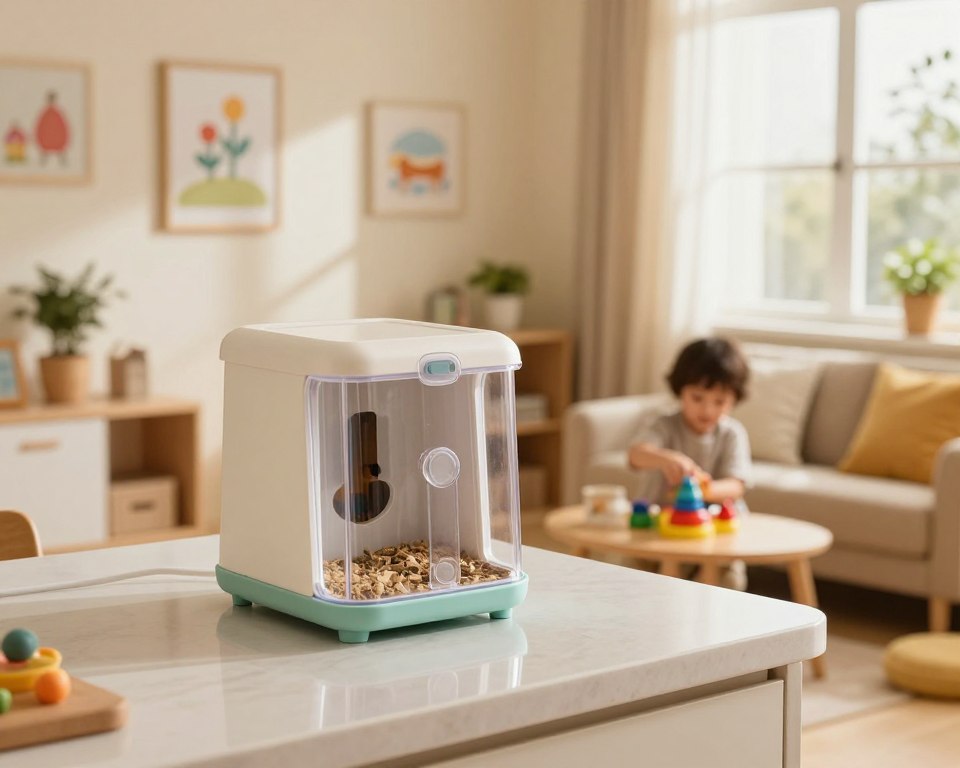
Every year, over 10,000 kids get poisoned by household pest control products in the U.S. As a pharmacist, I often talk to worried parents about these dangers.
It’s important to know that no chemical containment device is entirely risk-free. Even though makers try to make them hard to tamper with, they’re not always safe for kids.
Clinical safety means using more than one way to protect people. We need to look at how the device is made and what’s inside. This way, we can find ways to lower the risk of poisoning.
Key Takeaways
- No pest control device is 100% risk-free for children.
- Tamper-resistant designs provide a barrier but do not guarantee total safety.
- Pharmacists recommend a layered defense strategy for household chemical management.
- Understanding the toxicological profile of poisons is vital for informed decision-making.
- Strategic placement remains the most effective method to prevent accidental exposure.
Understanding the Risks of Rodenticides in Family Homes
Keeping family members safe from accidental exposure to rodenticides is key. These products are meant to control pests but can be harmful to humans. Knowing the dangers of these substances is the first step to a safer home.
The Toxicity of Common Rodenticides
Rodenticides are mainly anticoagulants and non-anticoagulants. Anticoagulants stop the body from clotting blood. Accidental ingestion can cause bleeding inside the body, which might not show symptoms right away.
Non-anticoagulant rodenticides, like bromethalin or cholecalciferol, work differently. Bromethalin is a neurotoxin, and cholecalciferol raises calcium levels too high. Both need immediate medical help if a child is exposed, as they can cause serious harm quickly.
| Rodenticide Type | Primary Mechanism | Main Health Risk |
|---|---|---|
| Anticoagulants | Vitamin K inhibition | Internal bleeding |
| Bromethalin | Neurotoxicity | Neurological damage |
| Cholecalciferol | Hypercalcemia | Organ failure |
How Children Interact with Their Environment
Children, like toddlers, explore by touching and tasting things. This makes them more likely to find and play with objects on the floor. If a bait station is in a place they can reach, they might see it as a toy.
Young children are naturally curious and might ignore safety warnings. They can’t understand danger signs like adults do. So, it’s up to making sure these devices are out of their reach.
Long-term Health Implications of Exposure
Accidental exposure to rodenticides is very serious. Even a little bit can harm a child’s body, which is still growing. Doctors say quick action is key to avoiding serious problems.
Signs of poisoning might not show up right away, depending on the poison. If you think a child has been exposed, get medical help right away. Quick action is the best way to keep your family safe.
Is a Rodent Bait Station Safe Kids Home?
When checking if a rodent bait station safe kids home, it’s key to separate marketing from reality. Many think “tamper-resistant” means it’s completely safe for kids. But, these stations are made to withstand certain forces, not to stop all kids from getting into them.
Defining Safety Standards for Bait Stations
The Environmental Protection Agency (EPA) sets rules for tamper-resistant devices. These rules say a station must stay closed during stress tests. The tests check the housing, lock, and how well it resists being opened or dropped.
It’s important to remember these are minimum requirements for products. They make sure kids and pets can’t get to the bait easily. But, they don’t stop older kids or anyone who uses tools or a lot of force.
The Reality of Tamper-Resistant Technology
The safety of a rodent bait station safe kids home depends a lot on its lock. Good stations have a double lock that needs a special key to open. This keeps it closed even if it’s tipped over or moved by a toddler.
But, even with good locks, mistakes can happen. If the station isn’t locked right or the key is left out, it’s not safe. Keeping the station in good working order is just as important as the lock itself.
Assessing the Vulnerability of Different Age Groups
As kids get older, the risks change. Babies are mostly at risk from touching the device. Toddlers can move things around, which increases the danger if the station isn’t secure.
Older kids might know they shouldn’t touch it, but they might still try. A rodent bait station safe kids home needs to match the age and abilities of the kids in the house. The table below shows how risks change with age and skills.
| Age Group | Primary Risk Factor | Safety Priority |
|---|---|---|
| Infants | Oral exploration | Complete physical isolation |
| Toddlers | Dragging and prying | Anchoring and locking |
| School-Age | Intentional tampering | Education and concealment |
Anatomy of a Childproof Rodent Bait Station
A top-notch childproof rodent bait station uses special designs to keep harmful stuff out of kids’ hands. Knowing how these units are made is key to keeping your home safe. They act as a first line of defense against harmful chemicals.
Locking Mechanisms and Key Requirements
The lock on a secure bait container is its most important part. A good kid-proof rodent bait station has a lock that needs a key or a special action to open. This lock keeps the lid tight, even if the station gets dropped or handled roughly.
Look for models that need a special tool to open. You can learn more about these designs by checking out common questions about bait station security. This helps you pick the right one for your home.
Material Durability and Structural Integrity
The outer shell also needs to be strong. Makers use tough, impact-resistant plastics to stop the station from breaking if it’s dropped. This strength is crucial to keep the bait inside, even in busy areas.
“Safety in pest control is not merely about the chemical used, but the physical containment system that prevents unintended contact.”
Testing Protocols for Child-Resistant Certification
To be called a childproof rodent bait station, products must pass tough tests. These tests check if kids can open the device by pulling, twisting, or prying. Only those that pass these tests are safe for homes.
| Feature | Standard Station | Certified Resistant |
|---|---|---|
| Locking System | Snap-fit | Key-operated |
| Material | Thin plastic | Reinforced polymer |
| Impact Resistance | Low | High |
| Safety Rating | Basic | Certified |
Choosing a kid-proof rodent bait station that meets these standards gives you peace of mind. By focusing on these features, you can tackle pest problems safely for your family.
Evaluating Non-Toxic Rodent Bait Station Alternatives
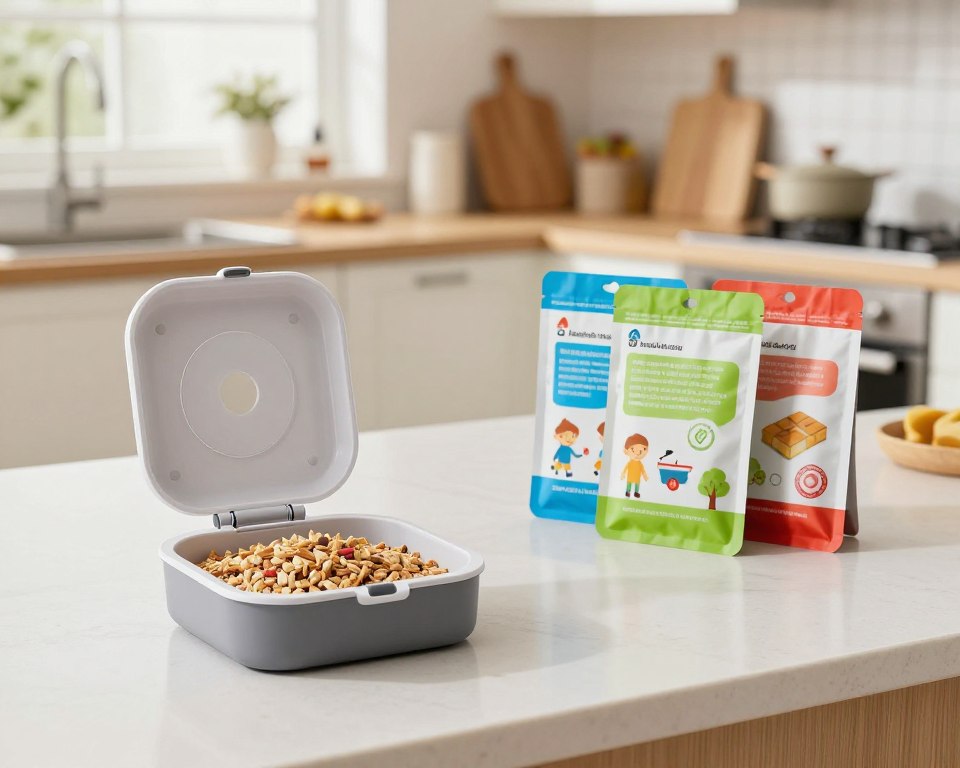
Choosing a non-toxic rodent bait station or trap means weighing safety against effectiveness. Many families choose non-toxic options to keep children and pets safe. Chemical baits are common, but mechanical and natural methods are safer and just as effective.
Mechanical Traps and Their Safety Profiles
Mechanical traps, like snap traps or electronic enclosures, use force, not toxins. Snap traps are very effective but need careful placement to avoid accidents. Modern traps have covers to protect against injury.
Electronic traps use high-voltage shocks to kill rodents instantly. They are safe and have tamper-resistant casings. These traps show when they’ve caught a rodent, making disposal easy and safe.
Natural Repellents and Their Efficacy
Natural repellents use essential oils or predator scents to keep rodents away. These are safe for humans but may not get rid of all rodents. They work best to prevent rodents from coming in, not to get rid of them.
While repellents can keep rodents away, they might not solve a big infestation. They’re best used as part of a larger, non-toxic pest control plan. Relying only on scents might not be enough to keep a home rodent-free.
When to Choose Non-Toxic Over Chemical Solutions
Choosing between chemical and non-toxic methods depends on the infestation’s size and your safety concerns. For small problems or prevention, a non-toxic rodent bait station or mechanical trap is a good choice. These options are safe and effective.
For big infestations, mechanical traps might not be enough. Experts often suggest using non-toxic methods first. If these don’t work, you might need to consider professional help.
| Method | Safety Level | Efficacy | Best Use Case |
|---|---|---|---|
| Snap Traps | Moderate | High | Targeted removal |
| Electronic Traps | High | High | Indoor containment |
| Natural Repellents | Very High | Low | Prevention |
Best Practices for Secure Rodent Control Options
To get secure rodent control options, you need more than just the right device. You must also set it up correctly. This ensures your home stays safe. By following safety rules, you can handle pests without risking your kids’ safety.
Strategic Placement Strategies
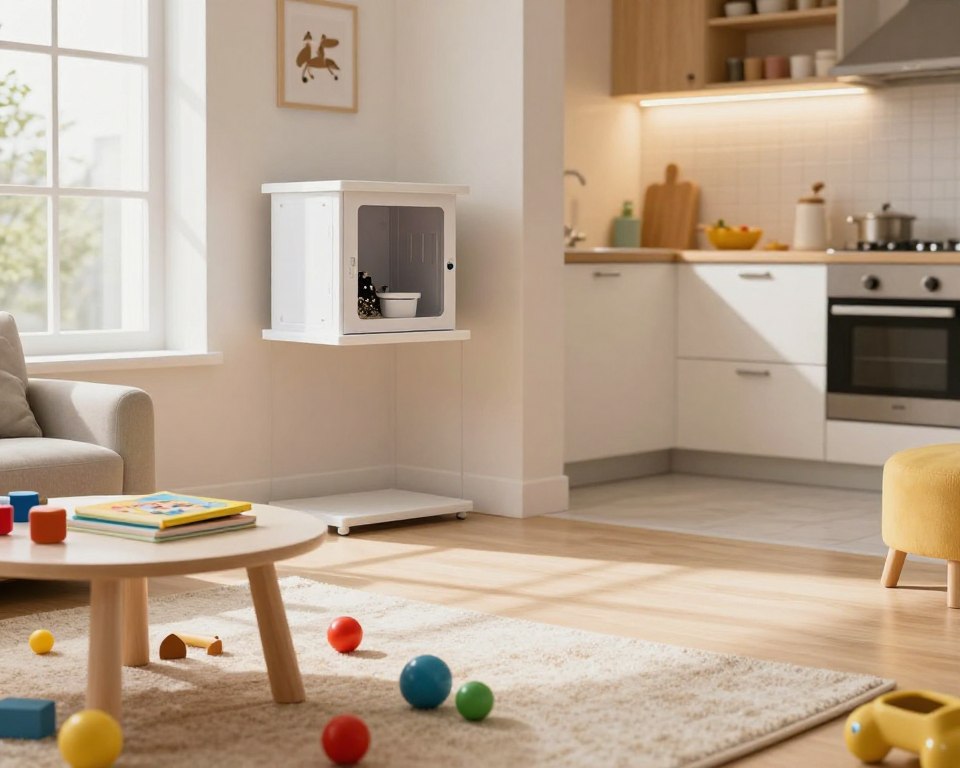
Keep devices out of kids’ reach by placing them in hard-to-get spots. Try areas like behind big appliances or in locked closets. Use professional-grade bait stations in places like crawl spaces that are off-limits to everyone.
Securing Stations to Fixed Structures
Even strong devices can move if kids try to play with them. Always attach stations to solid parts of your house. Use screws or strong glue to keep them in place. This way, they can’t be moved into areas where kids might try to open them. Physical stability is key to a secure system.
“The primary goal of any pest management program in a residential setting must be the total isolation of chemical agents from human contact.”
Labeling and Documentation for Household Safety
Keep a detailed record of where you’ve put your traps. Label each station with the date and bait type. This helps you track pests and remove traps when the problem is gone.
| Placement Method | Security Level | Best For |
|---|---|---|
| Wall Anchoring | High | Basements and Garages |
| Heavy Furniture Blocking | Medium | Kitchens and Pantries |
| Locked Utility Access | Very High | Crawl Spaces |
By using these secure rodent control options in your home care, you build a strong defense. Regular checks and strict placement rules lower the risk of accidents. Always focus on making your home strong and pest-free.
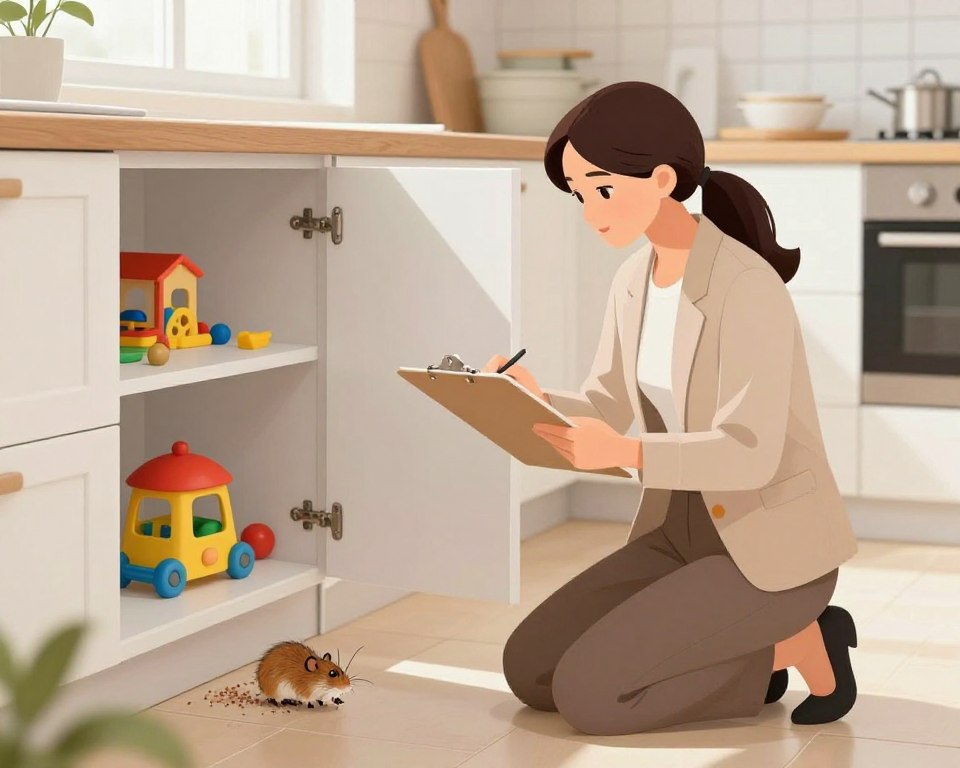
Identifying High-Risk Areas for Bait Placement
Keeping kids safe from accidental poisoning starts with checking your home. It’s important to place rodent bait stations carefully. This way, you can control pests without risking your family’s health.
Common Crawl Spaces and Basements
Basements and crawl spaces are where rodents often enter. These spots are great for baiting because they’re low-traffic zones. Kids don’t usually go there, making it safer for bait stations.
Make sure bait stations are fixed to the floor or walls. This keeps them from being moved by kids or pets. Regular checks in these areas are key to keeping pests away.
Kitchens and Food Storage Zones
Kitchens attract rodents because of food. But, they’re also a danger for kids. So, be very careful when setting up bait here.
The best spot for bait is behind heavy appliances. It’s hard for toddlers to reach but easy for rodents. Never put bait in food storage areas.
Areas Frequently Accessed by Toddlers
Places like playrooms and living rooms should not have chemical bait. Toddlers are always exploring and touching things. It’s too risky to have toxic bait in these areas.
If you see rodents in these spots, use non-toxic traps instead. Keeping pest control tools away from where kids play is crucial for a safe home.
| Location Type | Risk Level | Placement Strategy |
|---|---|---|
| Crawl Spaces | Low | Secure to floor/wall |
| Kitchens | High | Behind heavy appliances |
| Playrooms | Extreme | Avoid chemical bait |
| Basements | Low | Along perimeter walls |
Emergency Protocols for Accidental Exposure
It’s crucial to be ready for any toxic exposure in homes with chemical pest control. Even with tamper-resistant stations, accidents can still happen. Having a solid plan ensures you can respond quickly and effectively if a child gets into the bait.
Recognizing Symptoms of Poisoning
Rodenticides can cause blood clotting issues or internal problems. It’s important to watch closely for any signs after a possible exposure. Look out for unexplained bruises, nosebleeds, or bleeding gums.
Other signs include ongoing stomach pain, vomiting, or feeling very tired. If a child looks pale or dizzy, it could be a sign of a serious reaction. Always treat any contact or ingestion as a medical emergency, even if no symptoms show yet.
Immediate First Aid Steps
If a child might have touched or eaten bait, remove them from the area right away. Gently clean any skin with mild soap and water. If they ate the bait, don’t make them vomit unless a doctor tells you to.
Save the bait station or packaging to give to emergency workers. This helps them figure out the right antidote or treatment. Keep the child calm and watch their breathing while you get help.
Contacting Poison Control and Medical Professionals
In the United States, the Poison Control Center is your go-to for help. Call them at 1-800-222-1222 anytime for advice from experts. They can help figure out how serious the situation is.
Have the product label ready when you call. Tell them the child’s age, weight, and when it happened. Poison Control will tell you what to do next, like if you need to go to the emergency room.
Comparing Pet-Friendly Rodent Control and Child Safety
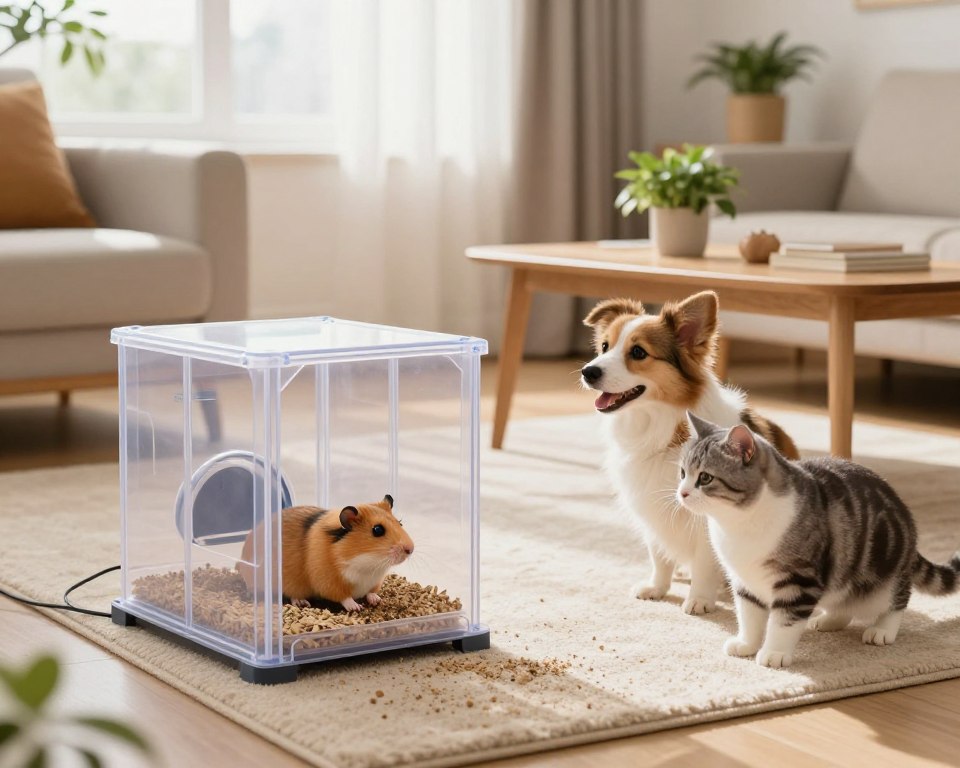
Securing a home against pests is crucial. Children and pets are both vulnerable. They explore by touch and taste, often at floor level. So, pet-friendly rodent control must consider these shared risks to avoid accidents.
Overlapping Safety Concerns for Pets and Kids
Toddlers and pets are drawn to small, hidden spots where rodents hide. They can’t tell if something is toxic. So, safety measures must account for this shared curiosity to be effective.
Access to the floor is a big worry for parents and pet owners. Any device on the ground must be strong against fingers or paws. Simple traps are not enough to protect vulnerable family members.
Selecting Products That Protect Both
Choosing the right pet-friendly rodent control means looking for heavy-duty, tamper-resistant products. They should be made of durable materials that can’t be chewed or damaged. Structural integrity is key when picking equipment for homes with kids or pets.
Look for certifications that show the product has been tested against human and animal interference. A safe product for toddlers is also good for keeping dogs or cats away. Using these high-standard tools gives peace of mind to all family members.
The Importance of Universal Safety Standards
Universal safety standards are vital for effective pest management and home security. They ensure products are designed with vulnerable users in mind. Following these standards helps families maintain consistent protection at home.
Using pet-friendly rodent control methods that meet these standards is a smart move. Regular checks and tamper-proof stations create a strong defense. These steps help keep children and pets safe from poisoning accidents.
Maintenance and Monitoring of Bait Traps
A bait station is not a “set it and forget it” solution for your home. To keep child-safe rodent bait traps working well and safe, regular maintenance is essential. If you ignore these devices, they can damage your home, putting your family at risk.
Routine Inspection Schedules
Check all stations every two weeks. Make sure the lock is on and the station looks undamaged. Consistency is key to keep your home safe from accidents.
If you see cracks or loose parts, replace the station right away. A damaged station is not safe for homes with kids. Always write down when you check the stations to keep a record of your efforts.
Replacing Bait and Cleaning Stations
Over time, bait can spoil or lose its appeal to rodents. When you replace the bait, wear gloves to avoid touching the chemicals. This step helps prevent harmful residues from getting on your skin or surfaces.
Cleaning the station is also crucial. Use a damp cloth to remove dust, debris, or old bait. A clean station ensures the lock works well and prevents harmful materials from building up.
Tracking Rodent Activity to Minimize Bait Usage
Monitoring is not just about safety; it’s also about being efficient. By tracking bait usage, you can see if you need to use more. If rodent activity goes down, you can use less bait.
Using less bait means less chemicals in your home, which is safer for your family. If you see no bait usage, it might be time to take out the traps. Strategic monitoring helps keep your home pest-free and safe.
Professional Pest Control vs. DIY Solutions
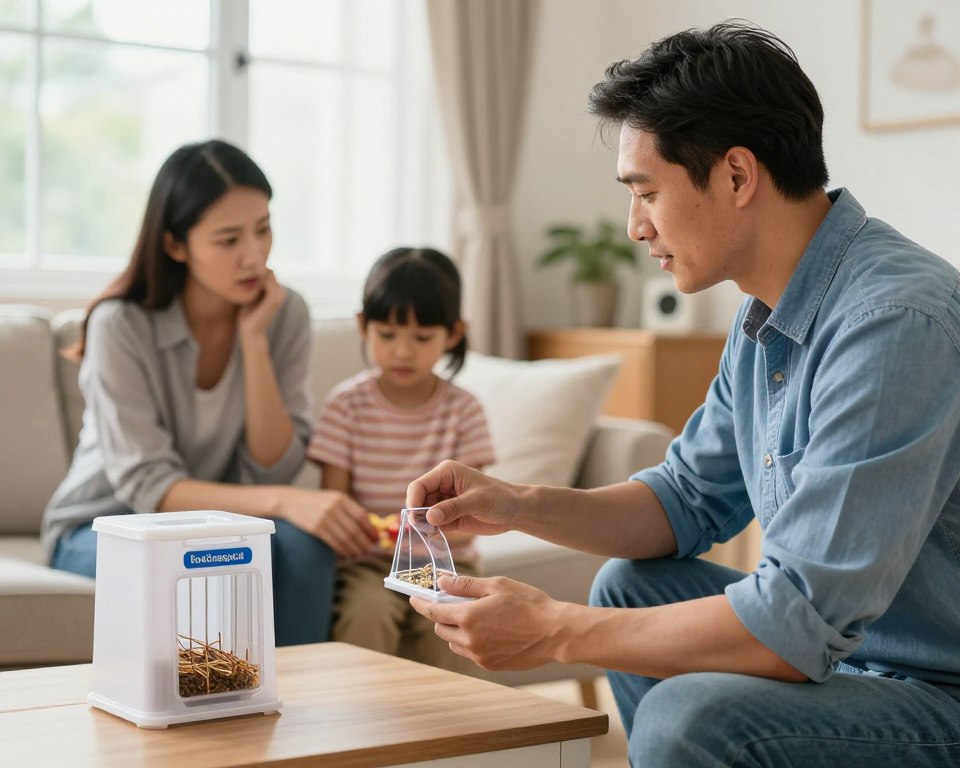
When kids are around, choosing between professional pest control and DIY becomes a big deal. Homeowners often think about the ease of store-bought traps versus the skills of licensed pros. It’s key to pick a family-friendly pest control method to keep your home safe and chemical-free.
Benefits of Hiring Licensed Professionals
Licensed pest control experts know more than just how to set traps. They do detailed checks to find where pests come in and hide. This careful method means they use fewer chemicals, which is good for family-friendly pest control.
These pros use top-notch tools that are safer and last longer than what you can buy. Using their services means your family is less likely to get hurt by harmful chemicals.
Risks Associated with Improper DIY Application
Trying to handle pests without the right training is risky. Many people accidentally put bait where kids or pets can get to it. This happens because they don’t understand how pests move around.
Also, using store-bought products wrong can lead to more problems. If bait isn’t put away right, it can get spilled or moved. This makes it a danger in places where your family hangs out. DIY methods without the right safety steps can be more dangerous for your home.
Cost-Benefit Analysis for Family Safety
DIY might seem cheaper at first, but it often doesn’t solve the problem. Buying lots of traps that don’t work can cost more in the long run. Getting help from pros is a better way to keep your home safe and pest-free.
| Feature | DIY Solutions | Professional Services |
|---|---|---|
| Initial Cost | Low | Higher |
| Safety Standards | Variable | High/Certified |
| Effectiveness | Moderate | High |
| Risk of Exposure | Higher | Minimal |
Legal and Regulatory Standards for Bait Stations
Following official guidelines is key to safe rodent control. These rules protect children, pets, and the environment. They also help manage pest populations. Knowing these rules helps find safe products.
EPA Guidelines for Rodenticide Use
The Environmental Protection Agency (EPA) sets national standards for rodenticides. They require all residential rodenticides to be in tamper-resistant bait stations. This lowers the risk of children accidentally eating them.
The EPA also limits the ingredients in consumer products. This ensures that pest control is safe for most users. These standards change as new research comes in.
Manufacturer Responsibilities and Labeling Laws
Manufacturers must clearly list all information on their products. This includes active ingredients, hazards, and how to use them safely. Not following these rules can lead to big fines and recalls.
Labels also need to have emergency contact info and advice for doctors. This is important for safety. It helps parents know what to do if there’s an accident.
State-Specific Regulations in the United States
While federal laws are a base, states often have their own rules. Some states, like California, have stricter laws than the EPA. These laws might ban certain chemicals or require more testing.
It’s important to check if products meet both federal and local laws. Look for state-specific seals or warnings on packaging. Knowing these rules helps keep your home safe.
Image Disclosure and Educational Disclaimer
Images in this guide are for learning, not for giving medical advice. We aim to give you clear, useful tips to keep your family and pets safe.
Purpose of AI-Generated Visuals
Some images in this article are made with artificial intelligence. They help show how to handle risks like medicine safety and pest control.
These tools help us show clearer examples of managing risks at home. The images are for learning only, to help you understand the material better.
Limitations of Educational Content
This content is for information only. It’s not a replacement for talking to a professional or following official safety guidelines on pest control.
We try to be accurate, but every situation is different. Keep in mind these points when looking at this info:
- Generalization: Our advice is based on general safety rules and might not fit your home perfectly.
- Dynamic Risks: New studies or product recalls can change what’s safe.
- Non-Clinical Status: This text is not for diagnosing medical or veterinary issues.
Prioritizing Professional Veterinary and Medical Advice
Always talk to your doctor or vet if you have health questions or suspect poisoning. Getting professional help is the best way to handle health emergencies or safety worries.
Always talk to a licensed professional before starting new safety steps or if you think someone has been exposed to a harmful substance.
If you think a child or pet has been exposed to something dangerous, don’t wait for symptoms. Call your local poison control or emergency vet right away for expert advice that fits your situation.
Conclusion
Keeping kids safe in a home with rodent bait stations is a big job. It needs secure hardware, smart placement, and always watching. Tamper-resistant tech helps, but it’s not enough on its own.
Parents should think carefully about pest control to keep their families healthy. Knowing the dangers of chemical baits helps reduce risks. Every home is different, so safety plans must be tailored.
Watching your kids closely is the best way to stop them from getting into trouble. Always get advice from pest control pros to make sure you’re using safe methods. Keeping your home safe means checking it often and keeping harmful stuff away.
Work with local pest control experts to make sure you’re following all the rules. Your hard work in keeping your home safe helps your kids grow up in a better place. Keep learning and stay alert to protect your home.
FAQ
Is a rodent bait station safe kids home residents should use?
No device with chemicals is completely safe. But, a rodent bait station that meets EPA Tier 1 standards is safe for kids. These stations are made to keep children and pets out. Still, it’s important to place them where kids can’t get to them, like in crawl spaces or locked rooms.
What features are found in a high-quality childproof rodent bait station?
A top childproof rodent bait station is made of strong plastic or metal. It has a lock that only opens with a special key or tool. Brands like Bell Labs are known for their Protecta line, which passes tough tests to keep kids out.
Are there any non-toxic rodent bait station options for families?
Yes, there are non-toxic options for families. These use mechanical traps inside a locked station. This way, you can control rodents safely without worrying about poison or kids getting hurt.
How can I identify the most secure rodent control options for my house?
The safest options are anchored to your house. Even kid-proof stations can be dangerous if kids can move them. Look for stations that can be bolted to the floor or a heavy stone, keeping them in place.
Can I find a pet-friendly rodent control solution that is also safe for toddlers?
Yes, you can find safe options for pets and kids. Look for traps that are both child-safe and dog-resistant. Make sure they are certified as Tier 1 to ensure they are safe for both.
What should I do if I suspect my child has accessed a bait station?
If you think your child has touched a bait station, call Poison Control at 1-800-222-1222 or get medical help right away. Keep the EPA number and the active ingredient list ready for the doctor.
Where is the safest place to install child-safe rodent bait traps?
Place traps where kids can’t reach but rodents can. Try behind big appliances, in attics, or locked basements. Don’t put them in places kids play or under beds.
Is professional intervention better than a DIY kid-proof rodent bait station setup?
While you can buy safe products, a pro can offer more security. Experts from Orkin or Terminix can find and fix your home’s weak spots. They use detailed plans to keep traps safe and effective.