Between 50% and 80% of women and 10% of men over 40 in the U.S. and Europe use permanent hair color. This is a big deal for millions of people. It’s important to know what’s in these products.
Many people don’t know what’s in their hair dye. Paraphenylenediamine, or PPD, is a key ingredient. It makes hair color last longer, but it also raises health concerns.
This guide is from a pharmacist. It looks at how these chemicals work. We want to help you make smart choices about your hair care. By looking at the facts, you can choose better for your health.
Key Takeaways
- Permanent colorant adoption spans a significant majority of the adult population in Western markets.
- Paraphenylenediamine acts as a core chemical agent in many long-lasting cosmetic products.
- Clinical research focuses on the potential risks associated with recurring exposure to these specific compounds.
- Objective analysis helps consumers look past promotional messaging to understand actual ingredient profiles.
- Prioritizing evidence-based information supports better health outcomes for those maintaining their appearance over time.
Understanding the Chemistry of Paraphenylenediamine (PPD)
Paraphenylenediamine, or PPD, is key in about 80% of permanent hair colors in the U.S. and Europe. It’s loved for making colors last long and look vibrant. Its small size lets it easily get into the hair, making colors deep and rich.
The Role of PPD in Permanent Hair Color
PPD plays a big role in hair dye. It mixes with a developer to start a reaction. This reaction turns it into a big, colored molecule that can’t easily leave the hair.
“The chemistry of hair coloring is a delicate balance of oxidation and penetration, requiring precise molecular interactions to achieve lasting results without compromising the structural integrity of the hair fiber.”
Many people want safer hair colors. Knowing how PPD works helps them make better choices. For example, learning about hydrogen peroxide in cleaning products is useful. Here’s a table showing the main differences between permanent PPD dyes and temporary colors.
| Feature | Permanent (PPD) | Temporary/Semi-Permanent |
|---|---|---|
| Molecular Size | Small (Penetrating) | Large (Coating) |
| Oxidation Required | Yes | No |
| Longevity | High (Resistant to washing) | Low (Fades quickly) |
| Cuticle Impact | Opens cuticle | Minimal impact |
How Oxidation Dyes Interact with the Hair Shaft
First, an alkaline agent like ammonia is applied to the hair. This step is crucial because it opens the hair cuticle. This lets the dye precursors get into the hair’s inner cortex.
Then, hydrogen peroxide is added, starting the oxidation reaction. This reaction locks the colored molecules deep in the hair. These molecules are too big to leave easily, making the color last. But, it also means the hair needs extra care.
Is hair dye PPD safe frequent use for the average consumer?
Figuring out if hair dye PPD safe frequent use is tricky. It depends on how each person’s body reacts. Many people use these products often without problems. But, since there’s no one safe amount for everyone, it’s wise to be careful.
Assessing the Risk-Benefit Ratio
Looking at permanent hair color’s safety means doing a risk-benefit analysis for each person. You need to think about the good looks of consistent color against the risk of chemical buildup over time.
Doctors say the quick results are nice, but the long-term effects are a worry. It’s key to ask if your hair color routine matches your health goals.
Individual Variability in Chemical Sensitivity
How people react to chemicals is a big issue with these products. What’s okay for one might not be for another because of skin barrier integrity differences.
Some people’s scalps are tougher, while others’ are more open to chemicals. This makes it hard to say hair dye PPD safe frequent use works for everyone. Watch your skin for any signs of trouble, as your sensitivity can change over time.
The Cumulative Effect of Repeated Exposure
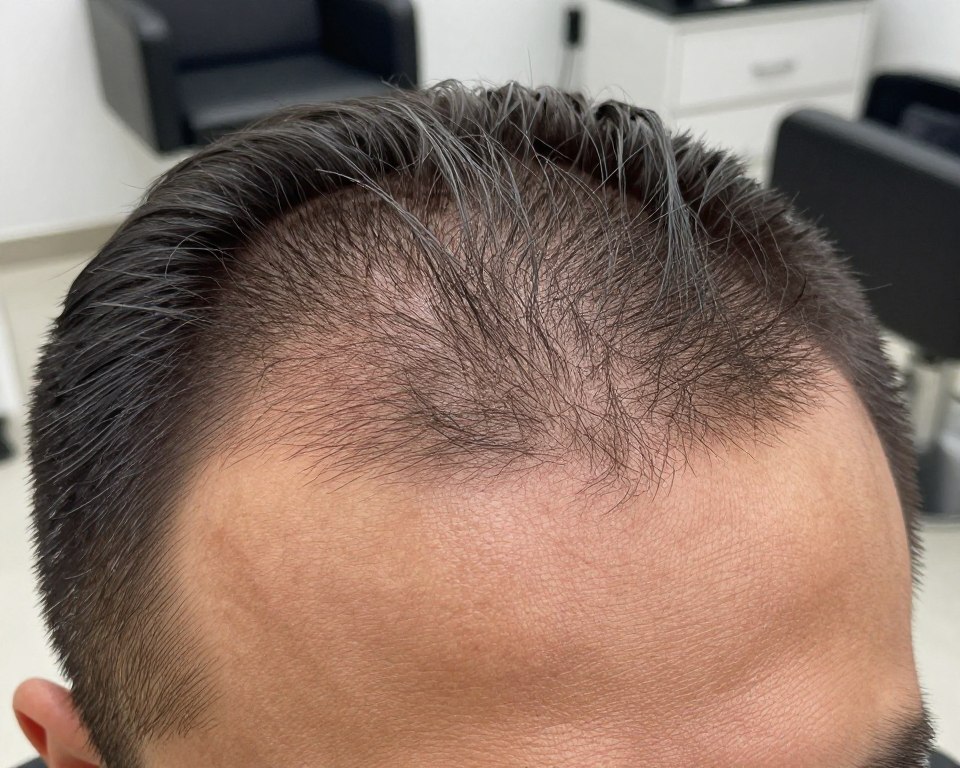
Many people don’t realize that hair dye exposure can build up over time. A single use might not cause a reaction, but each time you use it, your body remembers. This can change how your skin and immune system react to these chemicals.
Sensitization Over Time
Sensitization is when your immune system starts to react to a specific allergen. With each use of hair dye with PPD, your body might become more sensitive. This doesn’t happen to everyone, but it’s a big risk for those who color their hair often.
Studies show how common this problem is:
- About 1.5% of the global human population can get sensitized to PPD.
- For people with dermatitis, this risk goes up to 6%.
This process is often quiet. You might use the same dye for years without any issues. But then, a sudden, strong reaction can happen. This is because your immune system has learned to see the chemical as a threat.
The Threshold of Allergic Response
Once you’re allergic, things change a lot. The amount needed to cause inflammation drops a lot. Even a little bit of the chemical can cause a big reaction. That’s why people who’ve had a reaction before are told to stay away from PPD products.
The reaction can vary. It might be just a little itch and redness, or it could be more serious swelling and blisters on your scalp. Since your immune system is on high alert, it doesn’t need much of the allergen to start defending itself.
It’s key to understand this process if you color your hair often. Knowing the risk goes up with more use helps you make better choices about what products to use and when.
Identifying Common Symptoms of PPD Sensitivity
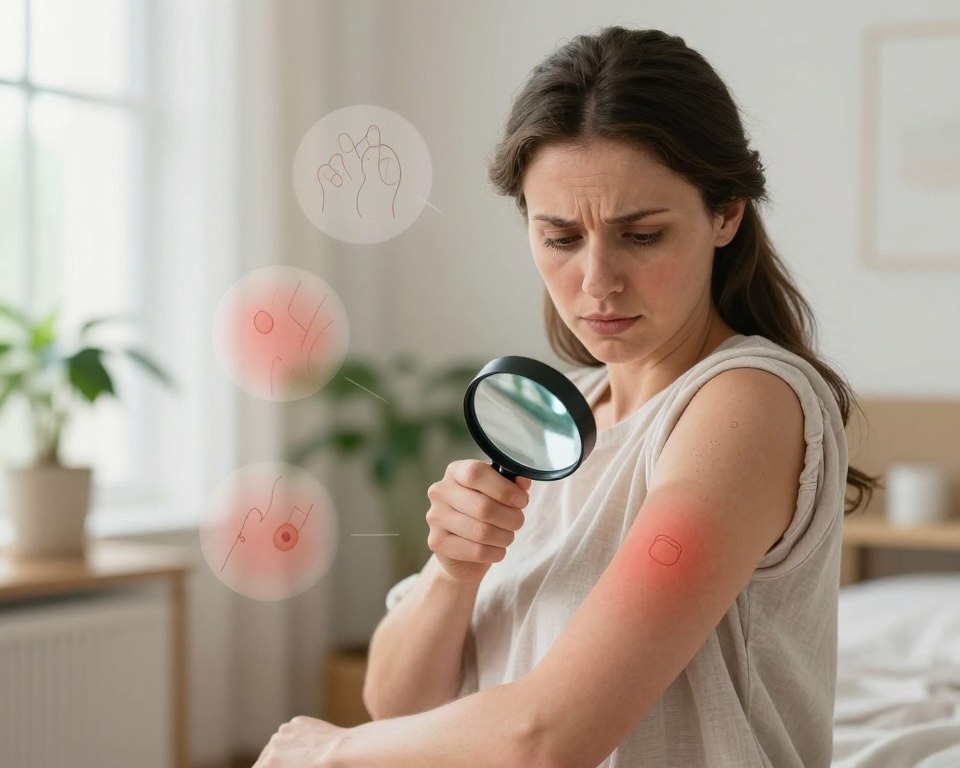
Knowing how your body reacts to hair dye is key if you color your hair often. Spotting these signs early helps keep your scalp healthy and avoids bigger skin problems.
Early Warning Signs on the Scalp
Allergic reactions to hair dye usually show up within 24 to 72 hours. You might feel intense itching, which means your skin is reacting to the dye.
You might see redness, swelling, and small blisters or crusting on your scalp. These signs can also appear on your ears, eyelids, or hairline where the dye touched your skin. Just like keeping an eye on safe skin practices for sensitive people, watching how your body reacts to products is crucial.
Systemic Reactions and Delayed Responses
While most reactions are just on the scalp, some can affect your whole body. If swelling spreads to your face or neck, or if you can’t breathe, get help right away.
Sensitivity can sometimes show up later or after using a product many times. Even if you’ve used it before without issues, your body might suddenly react to PPD. Being careful about these changes is your best defense against serious health problems.
Distinguishing Between Irritation and Allergic Contact Dermatitis
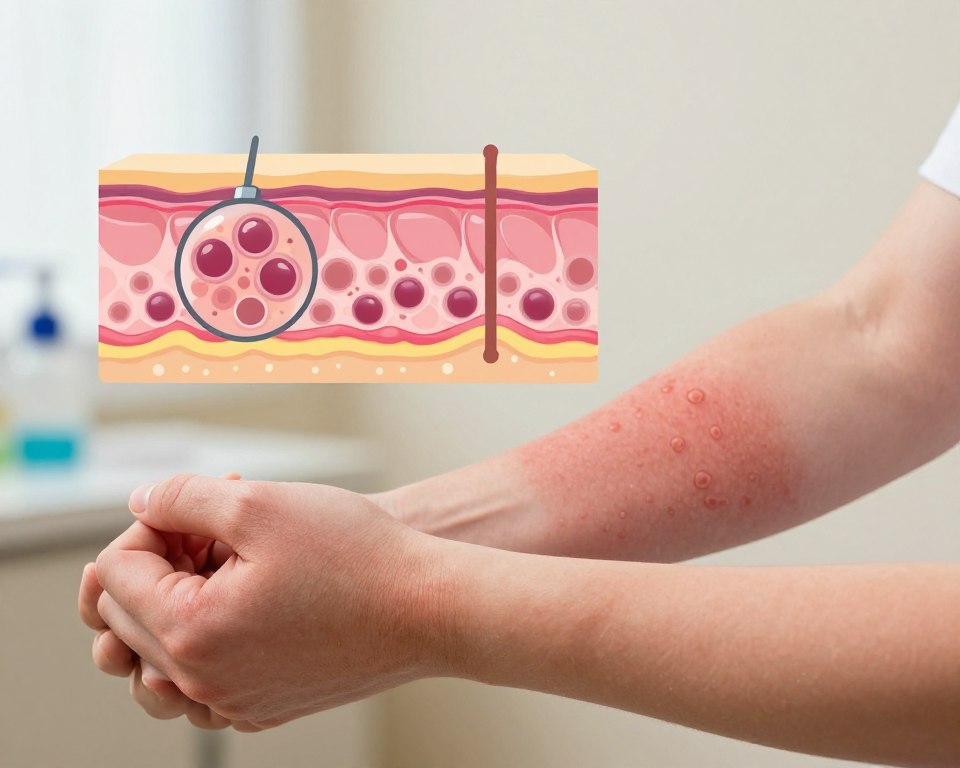
It’s key to know the difference between skin irritation and an allergic reaction for scalp health. Both can be uncomfortable, but they come from different causes. Please check our medical disclaimer before making health choices.
Irritation often happens right away when harsh chemicals in hair dyes touch the skin. It mainly affects the area where the dye was applied. But, an allergy is a more complex immune system reaction that can get worse over time.
Clinical Presentation of Contact Dermatitis
Allergic contact dermatitis is a delayed hypersensitivity reaction. It’s different from simple irritation because it involves the immune system. Symptoms can show up hours or days after first exposure. They are usually more severe and spread out.
Signs of this allergic reaction include:
- Vesiculation: Small, fluid-filled blisters on the scalp or hairline.
- Scaling: Skin flaking or crusting as inflammation goes down.
- Intense Pruritus: Deep, hard-to-stop itching.
- Edema: Swelling of the scalp, forehead, or eyelids.
Differentiating Chemical Burns from Allergic Reactions
It’s crucial to tell the difference between a chemical burn and an allergic reaction. A chemical burn is a type of irritant contact dermatitis caused by dye ingredients. It feels like burning or stinging right when you apply it.
The table below shows the main differences between these two conditions:
| Feature | Chemical Irritation | Allergic Contact Dermatitis |
|---|---|---|
| Onset | Immediate | Delayed (hours to days) |
| Mechanism | Direct tissue damage | Immune system response |
| Primary Symptom | Burning or stinging | Itching, swelling, blisters |
If symptoms don’t go away or get worse, stop using the product right away. Knowing the difference helps you figure out if a product is just uncomfortable or if it’s medically contraindicated for your skin. Always choose safety by talking to a dermatologist if unsure.
Evaluating Non-PPD Hair Color Alternatives
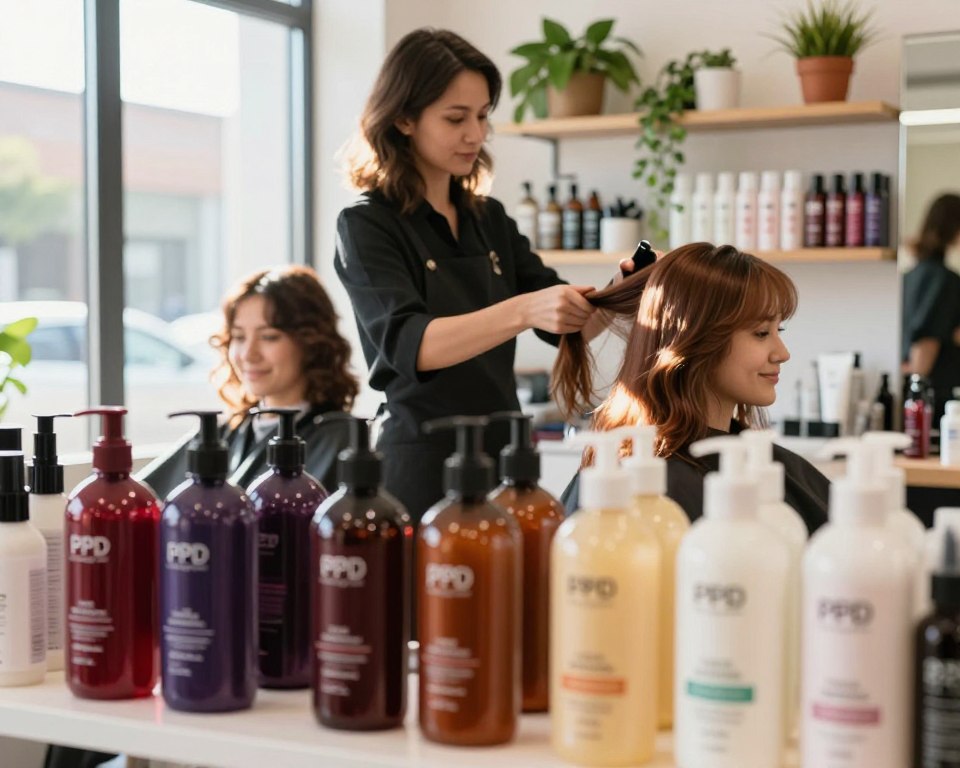
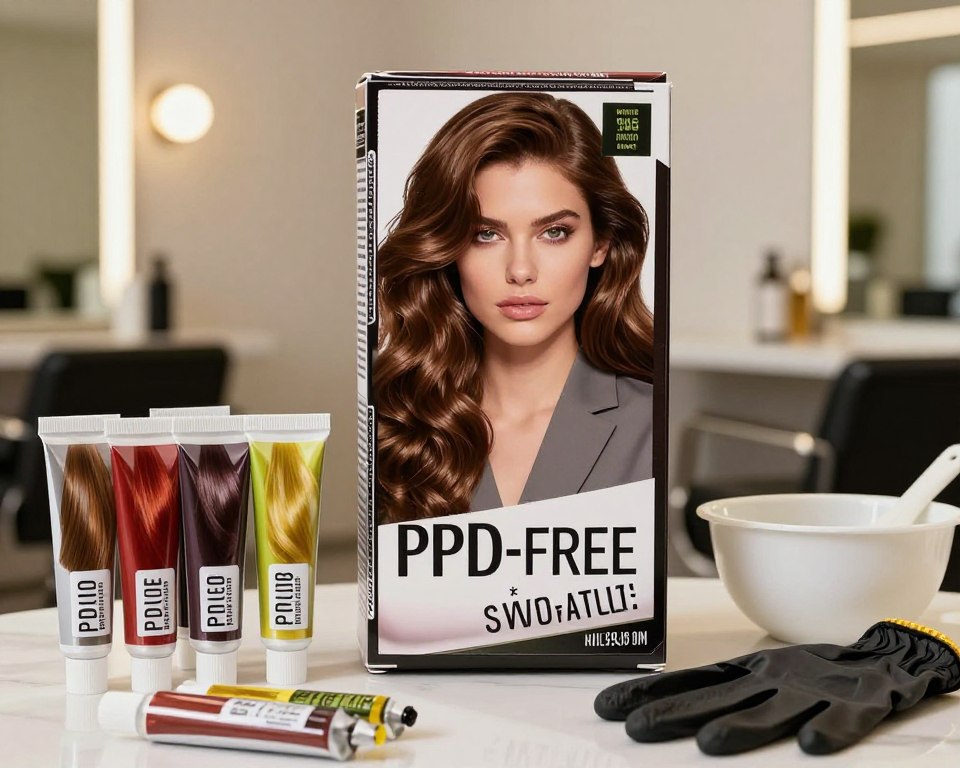
Choosing a PPD-free hair dye means finding a balance between looks and health. Many people want to avoid the side effects of regular hair color. But, it’s important to know what these labels really mean for your scalp.
Understanding PPD-free Hair Dye Formulations
Companies use other chemicals to darken hair instead of PPD. The most common one is p-toluenediamine sulfate (PTDS). It’s often seen as safer, but it’s still similar to PPD.
About 57% of people allergic to PPD will also react to PTDS. This is called cross-reactivity. So, even if a product says it’s PPD-free, you might still have a reaction. Always do a patch test first.
Performance Differences in Natural vs. Synthetic Dyes
Choosing a hair color without PPD means picking between synthetic and natural dyes. Synthetic dyes work well, lasting long and covering a wide range of colors. They use chemicals to get deep into the hair.
Natural dyes, like henna or indigo, work differently. They coat the hair instead of getting deep. Here are some key differences to think about:
- Color Range: Synthetic dyes give you exact shades, while natural dyes are more limited to earthy tones.
- Permanence: Natural dyes fade faster and can be hard to change later.
- Application: Natural dyes need longer times and more effort to apply.
Finding the right non-PPD hair color takes time and patience. You need to balance what you want to look like with the risk of chemical reactions. Choosing products that fit your health needs is the best way to keep your scalp safe.
The Role of Professional Salon Application vs. At-Home Kits
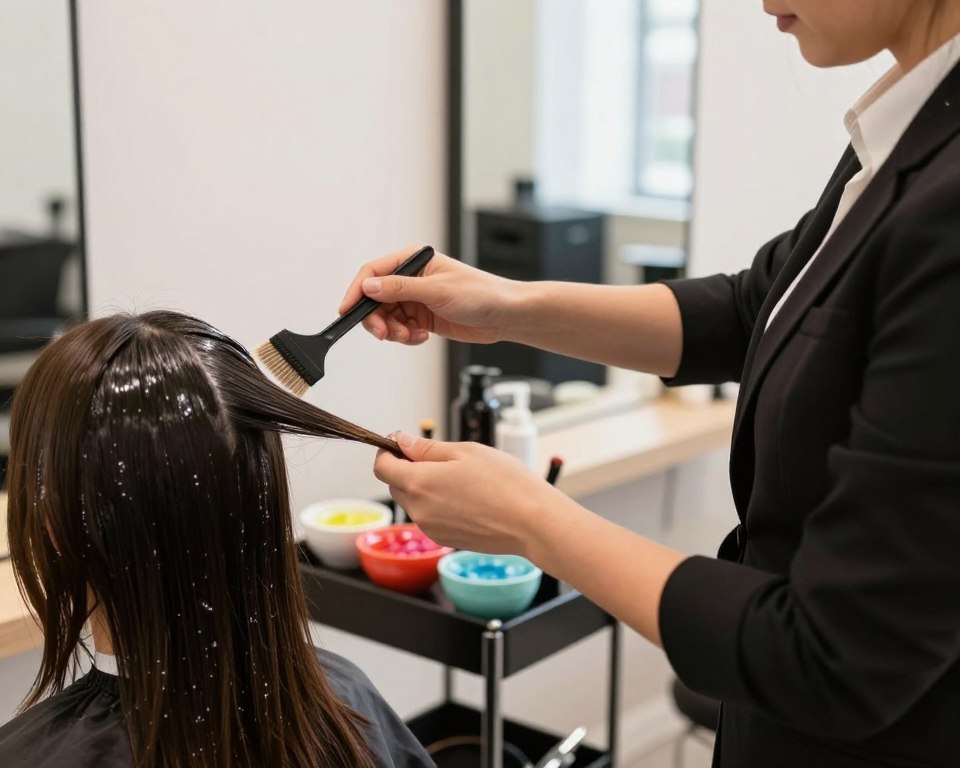
How you apply hair dye affects your scalp. Using a salon or DIY kit impacts your skin’s health. The right method can prevent irritation or allergic reactions.
Controlled Application Techniques
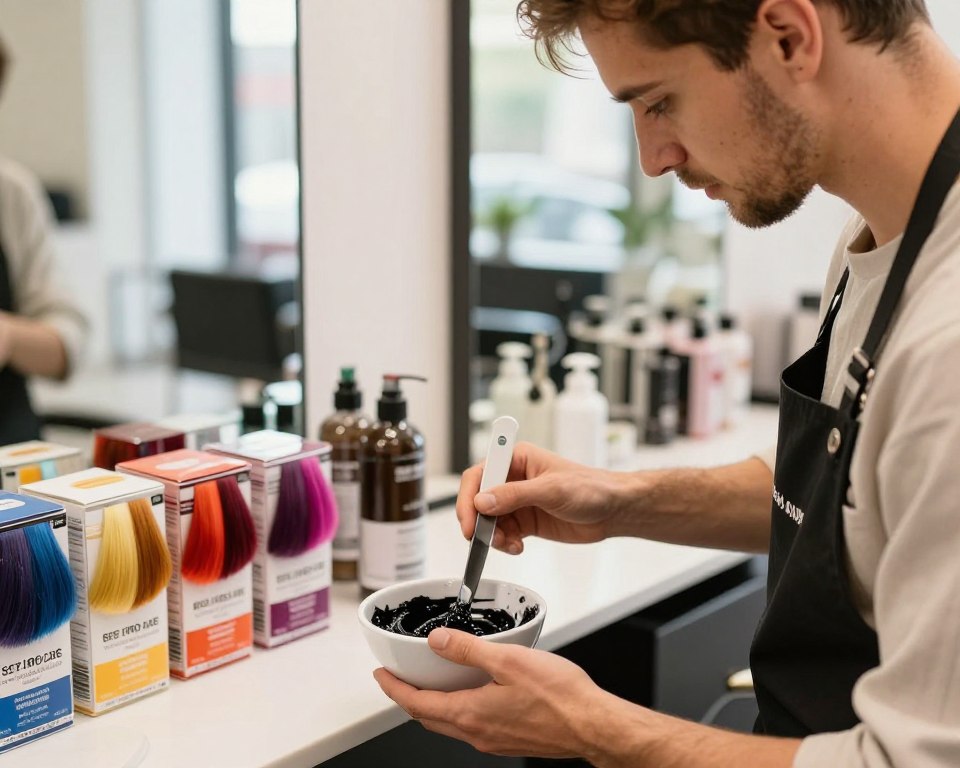
Stylists use special techniques to avoid dye on your skin. They apply barriers like petroleum jelly to protect your hairline and ears. This controlled application lowers the risk of scalp chemical absorption.
Professionals also use top-notch tools for even dye distribution. They keep the dye on your hair, not your scalp. Precision is key to avoid chemical burns or skin reactions.
Risks Associated with Over-the-Counter Products
At-home kits may not have the same safety as salon tools. Users might apply too much dye or leave it on too long. This can lead to skin problems. Even salon workers face skin issues from daily dye exposure.
“The safety of any hair coloring process relies heavily on the integrity of the skin barrier and the strict adherence to application guidelines, regardless of the setting.”
To color hair safely at home, follow these tips:
- Always do a patch test 48 hours before to check for allergies.
- Wear high-quality, chemical-resistant gloves to protect your hands.
- Follow the dye’s timing instructions exactly; don’t go over.
- Make sure the area is well-ventilated to avoid inhaling fumes.
The choice between a salon and DIY coloring can affect your scalp’s health. Knowing the dye’s chemicals is crucial for long-term scalp care, whether at home or in a salon.
Regulatory Standards and Safety Limits in the United States

The U.S. has rules for hair dyes to keep people safe from chemicals like PPD. Many think all products are tested before they hit the market. But, the truth is more complex. Knowing these rules helps us understand why some products have warnings.
FDA Oversight of Hair Dye Ingredients
The FDA sees PPD as a “coal tar” dye. This means it doesn’t need the usual testing before it’s sold. So, companies must check their products for safety before they’re sold.
The FDA watches hair dye ingredients closely after they’re. They count on companies to follow safety rules. This way, the FDA focuses on telling people about possible dangers through labels.
Industry Compliance and Labeling Requirements
Companies must put warning labels on PPD products. These labels tell users about possible allergic reactions. They also say to do a preliminary patch test first.
These rules help keep people safe, but they’re not perfect. Everyone’s body is different, so some might still react. So, it’s key to do the patch test to stay safe.
Long-Term Health Considerations and Emerging Research
Scientists are always studying the safety of permanent hair color. They look at how chemicals in products might affect our health. This research helps make sure products are safe for us to use.
Some people worry about long-term health risks. But, the latest research gives us a clearer view. It shows that the risks might not be as big as we think.
Current Scientific Consensus on Carcinogenicity
Doctors rely on big studies to see if certain chemicals can cause cancer. A big study in 2020 looked at 117,200 U.S. women and hair dye. It found that most women who used hair dye regularly did not have a higher risk of cancer.
“Current scientific consensus suggests that for the general population, the use of modern permanent hair dyes does not show a clear causal link to increased cancer risk.”
It’s key to remember that these findings are just associations. They don’t prove that hair dye is completely safe or harmful. Experts say these results are good, but we need to keep watching the data. This way, we can make sure safety information stays up to date.
Gaps in Longitudinal Studies
Even with lots of research, we still don’t know everything. Most studies only look at short periods of time. This makes it hard to understand the effects of using hair dye for many years.
Experts say we need more research in these areas:
- The impact of long-term, multi-decade exposure to specific chemical compounds.
- Potential interactions between different hair care products used in a daily routine.
- Variations in individual metabolic responses to chemical absorption over time.
Because of these gaps, it’s wise to use hair dye carefully and watch our health. Future studies will help us understand the effects of long-term use better. Until then, being careful with our hair care is the best way to stay healthy.
Best Practices for Maintaining Hair Color Without Frequent PPD Exposure
It’s possible to keep your hair color vibrant without often using PPD. By changing your routine, you can keep your hair looking great while reducing chemical exposure. This helps keep your scalp healthy over time.
Extending the Time Between Color Treatments
One smart way to cut down on PPD use is to wait longer between full-color jobs. Instead of coloring your whole head every few weeks, do targeted root touch-ups. This reduces the chemicals on your scalp. Color-depositing shampoos or conditioners can also keep your color fresh between salon visits.
Choosing a non-PPD hair color can also lower sensitivity risks. Many people find these alternatives cover well and are gentler on hair. Always check the ingredients to make sure they meet your safety needs.
Protective Measures During Application
The best way to avoid risks is to do a 48-hour patch test before every use. Even if you’ve used a product before, your body can still react. This step is key to spotting potential problems early.
Wear gloves when coloring to avoid skin contact. Make sure your area is well-ventilated to avoid inhaling fumes. These steps are part of the best hair dye for frequent use plan, focusing on your health without losing your style.
Image Disclosure and Educational Limitations
It’s important to know what the images on this platform are about. We use pictures to help you understand hair dye reactions and scalp health. These images are for orientation and learning purposes only.
Understanding the Role of AI-Generated Visuals
Some images here might be made by AI or enhanced digitally. This tech helps us make things clearer and show details better. We want to help you learn and make complex info easier to understand.
But remember, these images are just for show. They don’t show real health data or specific cases. Always see these images as extra tools, not as your actual health.
Why Clinical Assessment Trumps Digital Imagery
No digital image can replace a real doctor’s check-up. A doctor looks at your medical history, skin, and how you react. This can’t be shown on a screen.
Just looking at digital images can cause big misunderstandings about your health. Doctors use special tools and know-how to really check skin conditions. Clinical expertise is the best way to find and treat problems.
Limitations of Visual Aids in Self-Diagnosis
Visual aids can’t diagnose. Trying to match your symptoms to online images can be wrong. Image editing can change how things look, so don’t use these images to decide treatment.
Use these resources to learn the basics, but always get medical advice for real symptoms. If you have ongoing rashes or irritation, get a proper check-up from a doctor right away. Your health needs accurate, personal care that digital tools can’t give.
When to Seek Professional Medical Evaluation
Many scalp irritations are mild, but some symptoms need quick medical help. Knowing when to seek help is key, mainly for those who color their hair. Always choose a doctor’s advice over home remedies for your health.
Recognizing Severe Adverse Reactions
Some reactions to hair dye are serious and need fast care. If you see signs of a severe allergic reaction, call emergency services right away. These reactions can spread fast and affect more than just your scalp.
Watch out for these warning signs that mean you need to go to the emergency room:
- Sudden or widespread hives appearing on the body.
- Significant swelling of the face, eyelids, or lips.
- Difficulty breathing or a feeling of tightness in the chest.
- Dizziness, lightheadedness, or a rapid heart rate.
Don’t try to treat these symptoms with over-the-counter meds or creams without a doctor’s say-so. Quick action is crucial to stop anaphylaxis or other serious problems.
Consulting Dermatologists for Persistent Rashes
Not every reaction is an emergency, but ongoing issues need a doctor’s look. If you have irritation, redness, or itching that lasts more than a few days, see a dermatologist. Long-term skin problems can harm your scalp’s barrier.
A dermatologist can figure out if your symptoms are from contact dermatitis or something else. Learning about allergic contact dermatitis shows why finding the cause is key. When you see a dermatologist, be ready to share:
- The specific brand and shade of the hair dye used.
- A list of all ingredients found on the product packaging.
- The timeline of when symptoms first appeared after application.
- Any previous history of skin sensitivities or allergies.
Getting a doctor’s help can lead to a correct diagnosis and a treatment plan made just for you. This approach helps you avoid recurrent allergic responses.
Navigating Marketing Claims of Gentle Hair Dye
Marketing often hides the real chemical makeup of hair dye. Companies might say their products are gentle, but “gentle” isn’t clearly defined. It’s up to us to look beyond what’s on the label to know what’s in our hair dye.
Decoding “Natural” and “Organic” Labels
Terms like “natural” and “organic” might make you think a product is safe. But they don’t mean it’s free from strong allergens. These labels often just mean the product has some natural ingredients, not the whole thing.
Here are some things to keep in mind:
- Ingredient Transparency: Always check the full list of chemicals, not just the marketing words.
- Botanical Additives: Even natural ingredients can cause skin problems in some people.
- Regulatory Definitions: There’s no clear legal meaning of “gentle” for hair dye.
“The absence of a specific chemical does not automatically render a product hypoallergenic or safe for every user; individual sensitivity remains the primary factor in adverse reactions.”
The Reality of Gentle Hair Dye for Regular Use
Many think PPD-free hair dye means no risks. But these dyes might still cause problems for some. They use chemicals that can react with your immune system.
Using any permanent dye regularly means more exposure to these chemicals. Studies show even mild dyes can cause skin issues over time. If you’re using PPD-free hair dye, always do a patch test first.
The best way to stay safe is to really understand what’s in your hair dye. Choosing hair color without PPD is good, but don’t skip the safety steps. Keeping your scalp healthy means being careful, no matter what the label says.
Balancing Aesthetic Goals with Scalp Health
Getting the hair color you want shouldn’t hurt your scalp. It’s important to think about the long-term effects of chemicals. This way, you can look good and keep your scalp healthy.
Prioritizing Skin Barrier Integrity
Keeping your skin barrier strong is key to avoiding chemical harm. A healthy, moist scalp protects you from harsh chemicals. But, if your scalp is damaged, it can’t do its job well.
Look for best hair dye for frequent use that’s gentle. Use consistency in scalp care like gentle shampoos. This keeps your scalp’s natural layer safe, which is crucial for regular coloring.
Developing a Sustainable Hair Care Routine
A good hair care routine is all about planning. Giving your scalp time to heal between color jobs helps a lot. Choose a gentle hair dye for regular use to reduce stress on your scalp and hair.
Here’s a table with tips for a healthy balance:
| Strategy | Frequency | Primary Benefit |
|---|---|---|
| Root Touch-ups | Every 6-8 weeks | Reduces total chemical exposure |
| Deep Conditioning | Weekly | Restores skin barrier moisture |
| Patch Testing | Before every session | Prevents severe allergic reactions |
| Professional Consultation | Bi-annually | Ensures scalp health monitoring |
By following these tips, you can enjoy your hair color without harming your scalp. This way, you can look great and stay healthy.
Conclusion
Protecting yourself from chemical hair color risks is key. You can keep your skin safe by knowing what’s in your hair products.
Always do patch tests to check for sensitivities before using a product fully. Even products called gentle or natural can cause problems for some people.
Understanding cosmetic labels in the U.S. is important. Getting advice from stylists or dermatologists adds extra safety for your health.
Your beauty goals should not harm your health. Take breaks between hair dye uses and choose quality products. This way, you care for your body while looking good.
If you get irritation or strange symptoms after dyeing your hair, see a doctor. Choosing safe hair care means your beauty journey stays safe and beautiful.
FAQ
Is hair dye PPD safe frequent use if I haven’t had a reaction before?
Not necessarily. PPD can cause an allergy at any time, even after years without a problem. Using it often means more chances of an immune reaction.
What is the best hair dye for frequent use to minimize scalp damage?
For frequent use, choose semi-permanent or demi-permanent dyes. They are gentler and don’t penetrate the hair as deeply as permanent dyes.
How can I find a non-PPD hair color that still covers gray?
Look for PPD-free dyes that use PTDS. Brands like Herbatint and Madison Reed offer options without PPD. Always do a patch test to check for allergies.
Are "gentle hair dye" products marketed as organic truly safer?
“Organic” labels can be confusing. Gentle dyes may have soothing ingredients but still contain chemicals. Always check the ingredients for PPD or its derivatives.
Does a patch test really protect me from a reaction?
A 48-hour patch test is the best way to check for PPD sensitivity. It helps avoid severe reactions or systemic problems.