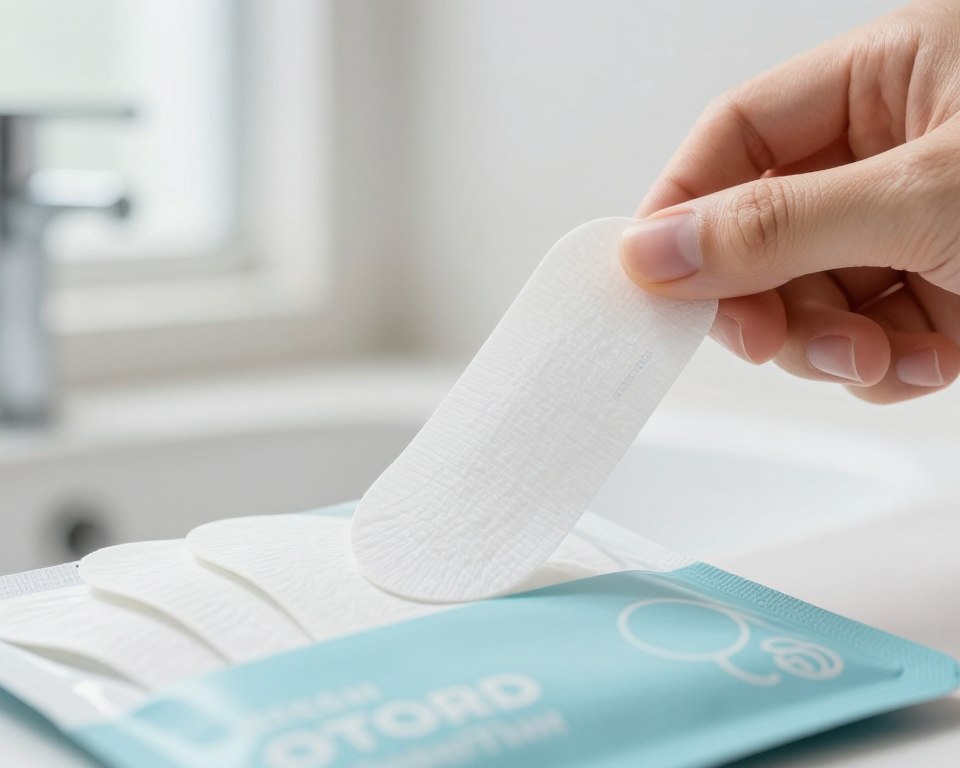
Almost half of adults have dentin hypersensitivity. This means sharp pain when drinking hot or cold things. If you want to whiten your teeth, you might wonder if teeth whitening strips safe gums.
Bleaching agents, like hydrogen peroxide, get into the enamel to remove stains. But, they can hurt the tissue underneath if the enamel is thin. Knowing how this happens is key for a brighter smile.
From a clinical view, these products need careful thought. Choosing teeth whitening strips for sensitive gums means looking at the active ingredient’s strength and how long it stays on. Evidence-based guidance ensures your smile doesn’t harm your teeth.
Key Takeaways
- Dentin hypersensitivity often causes sharp pain during temperature changes.
- Peroxide-based agents can irritate soft tissue if used improperly.
- Product selection should prioritize lower concentrations for sensitive users.
- Professional consultation is recommended before starting any bleaching regimen.
- Monitoring tissue response is vital to prevent long-term damage.
The Reality of Teeth Whitening Strips Safe Gums Concerns
When we talk about teeth whitening strips safe gums, we need to understand how soft tissue reacts to bleaching. Many people think any pain means the product is working. But, it’s key to know the difference between sensitivity and irritation to keep our mouths healthy.
Distinguishing Between Enamel Sensitivity and Gingival Irritation
Dentin hypersensitivity happens when fluids move in tiny tooth tubules. This movement wakes up nerves deep in the tooth. It’s often caused by cold, heat, or sweet things, not direct gum contact.
Gingival irritation, on the other hand, is a reaction of the gums to bleach. It’s different from tooth sensitivity because it’s a response to the product outside the tooth. Knowing where your pain comes from helps figure out if your whitening routine is right.
The Prevalence of Gum Sensitivity in the United States
Many Americans feel some discomfort from dental products. Studies show a lot of people get gum sensitivity from using products too much or with too strong ingredients. Knowing this helps us pick better teeth whitening strips safe gums.
| Condition | Primary Cause | Sensation | Location |
|---|---|---|---|
| Dentin Hypersensitivity | Fluid shift in tubules | Sharp, fleeting pain | Inside the tooth |
| Gingival Irritation | Chemical exposure | Burning or soreness | Soft gum tissue |
| Allergic Reaction | Ingredient sensitivity | Swelling or redness | Localized or diffuse |
Understanding the Chemical Mechanism of Peroxide-Based Strips
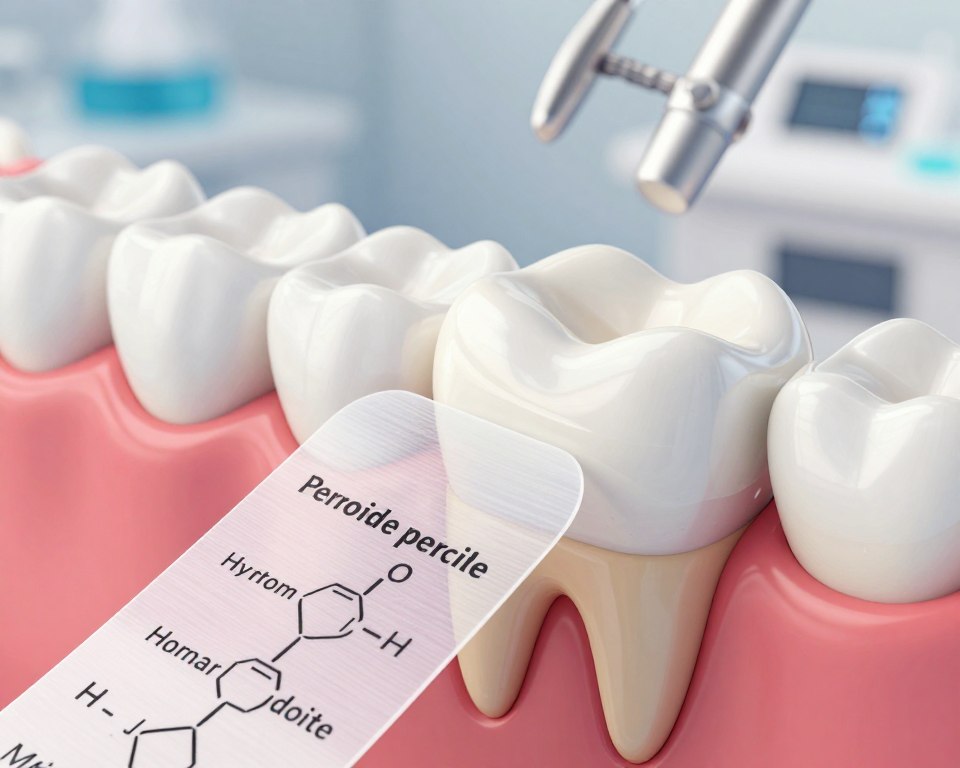
To understand why some people feel sensitivity, we need to look at the active ingredients in these products. Most whitening strips use a peroxide gel to whiten teeth. This gel starts a chemical reaction that breaks down stains into smaller parts.
Hydrogen Peroxide Versus Carbamide Peroxide Concentrations
The main ingredients are hydrogen peroxide and carbamide peroxide. Hydrogen peroxide is very reactive and starts working fast. It quickly moves through the tooth to reach the dentin.
Carbamide peroxide is more stable. It turns into hydrogen peroxide and urea when it hits the tooth. This process happens slower, leading to a gradual release of the bleaching agent.
How Bleaching Agents Penetrate Soft Tissue
These agents are meant for the enamel but can sometimes reach the gums. Hydrogen peroxide, being small and mobile, can easily spread across the gum line. If the strip doesn’t fit right, it can touch the gums.
When this happens, it can cause localized chemical irritation or even burns. This risk goes up if the peroxide is too strong or if it stays on too long. Proper application is key to avoid hurting the gums.
Why Sensitive Gums React Poorly to Over-the-Counter Products

Over-the-counter whitening strips often don’t fit everyone’s gums well. They are made in a standard shape that doesn’t match everyone’s mouth. This mismatch can cause irritation.
The Impact of Poorly Fitting Strips on Gingival Margins
When strips don’t fit right, the bleach can touch the gums. This can cause irritation and discomfort. Users might see redness, stinging, or whitening of the gums.
- Increased redness along the gum line.
- A stinging or burning sensation during application.
- Localized tissue whitening or blanching.
Getting the strip to fit right is as important as the bleach’s strength. Even the safest products can harm if they touch sensitive gums too much.
Prolonged Exposure and Chemical Leaching
A study in 2018 found that high bleach levels can cause more sensitivity and gum irritation. When bleach touches the gums, it can damage the protective layer.
This damage can cause long-lasting discomfort. It’s important to be careful about how long bleach stays on your gums. Choosing the right product means finding one that whitens well but doesn’t harm your gums.
Identifying the Signs of Gingival Irritation and Chemical Burns
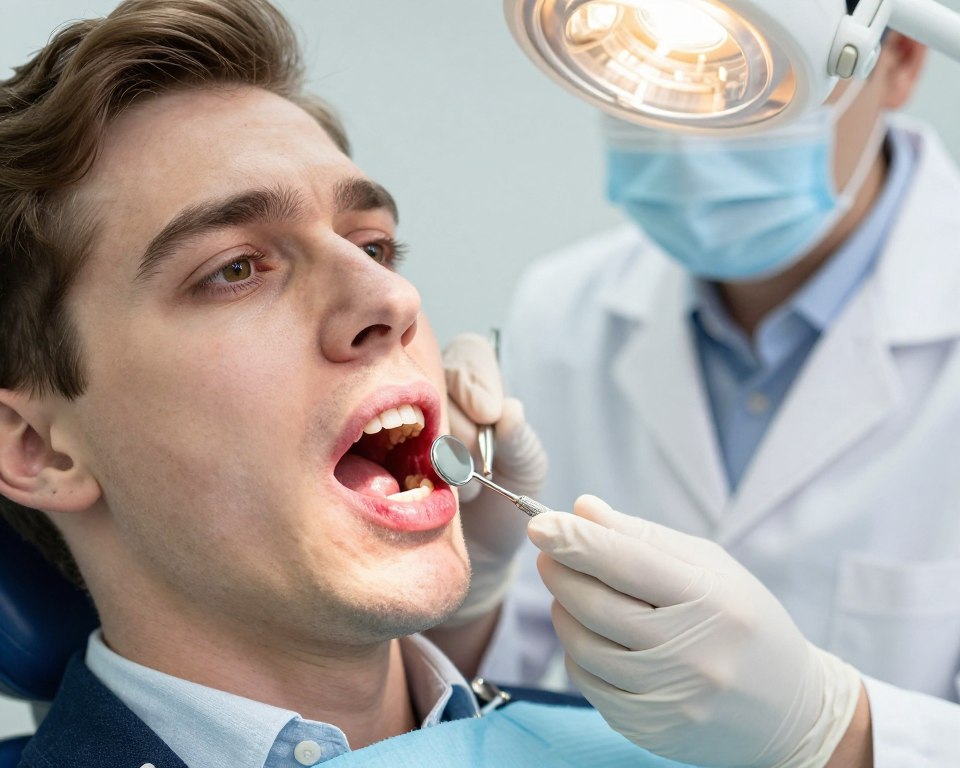
Knowing the difference between normal sensitivity and actual tissue injury is key to protecting your smile. The soft tissue of your gums is at risk when using whitening strips. Recognizing the early warning signs of tissue damage is crucial to avoid more severe chemical burns.
Visual Indicators of Tissue Inflammation
Regular visual checks are the best way to monitor your oral health during whitening. Look out for localized redness or swelling along the gum line. This is often the first sign of irritation.
In more serious cases, you might see areas of localized whitening on the gums. This whitening is not from the product working on your gums. It’s a sign of tissue blanching or a chemical reaction. If you see this, stop using the strip right away to let the area heal.
Subjective Symptoms of Burning and Discomfort
Your body gives you immediate feedback if a product is too harsh. Many people feel a subjective sensation of burning or stinging when they put on the whitening strip. While some mild tingling is normal, persistent or sharp pain is not.
Chemical burns happen when bleaching agents stay on soft tissue too long. If you feel intense discomfort, take off the strip and rinse your mouth with cool water. Quick action is needed to avoid long-term damage to your gums and keep your oral health in check.
Evaluating Popular Teeth Whitening Options for Healthy Gums
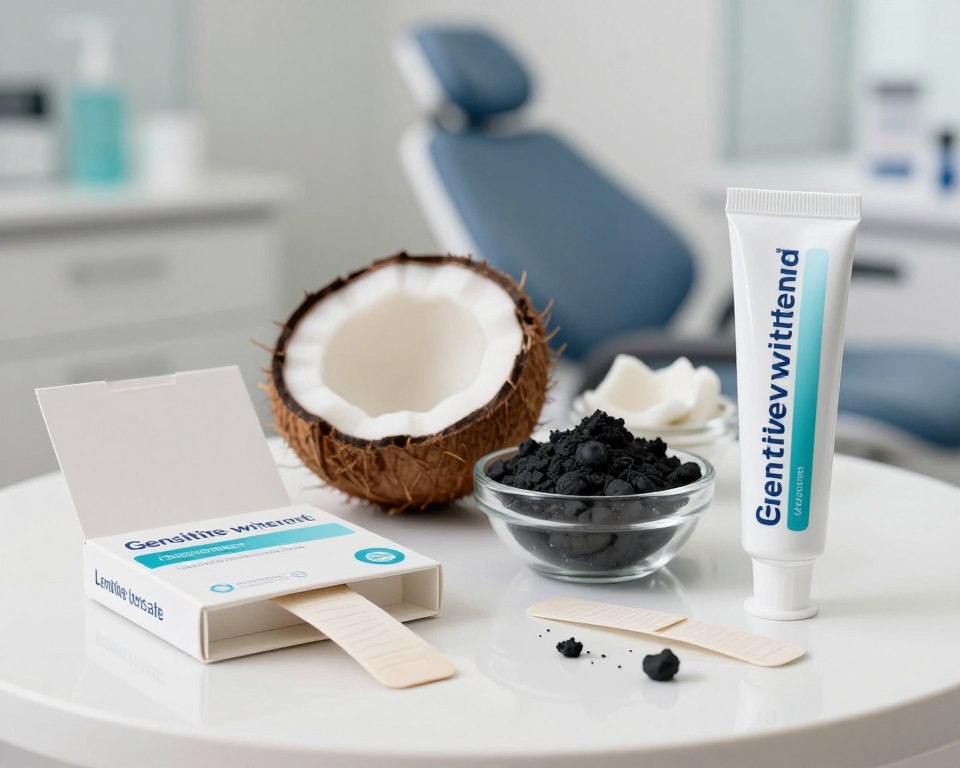
When we think about keeping our mouths healthy, we should look at different teeth whitening options for healthy gums. Whitening strips are easy to find, but they’re not the only way to get a whiter smile. Knowing the differences helps us choose the best option for our teeth and gums.
Comparing Strips to Custom-Fitted Trays
Custom trays from a dentist are better than strips. They fit your mouth perfectly, keeping the whitening agent on your teeth. This reduces the chance of gum irritation.
Professional trays offer a safer way to whiten teeth. If you’re worried about safety, check if oxygen bleach is safer than chlorine bleach. Precision is the key to protecting your gums during whitening.
The Efficacy of LED-Accelerated Whitening Systems
LED systems are used in dental offices to make whitening faster. They use light to activate the gel, reducing contact time. But, their effectiveness is still being studied.
Choosing the right method depends on your oral health and sensitivity. Whether it’s professional trays or LED systems, the goal is to whiten teeth safely. Here’s a comparison of these teeth whitening options for healthy gums in a dental setting.
| Method | Application Control | Professional Oversight | Best For |
|---|---|---|---|
| Whitening Strips | Low | None | Budget-conscious users |
| Custom Trays | High | High | Sensitive gums |
| LED Systems | Moderate | High | Fast results |
The Role of Professional Dental Assessment Before Whitening
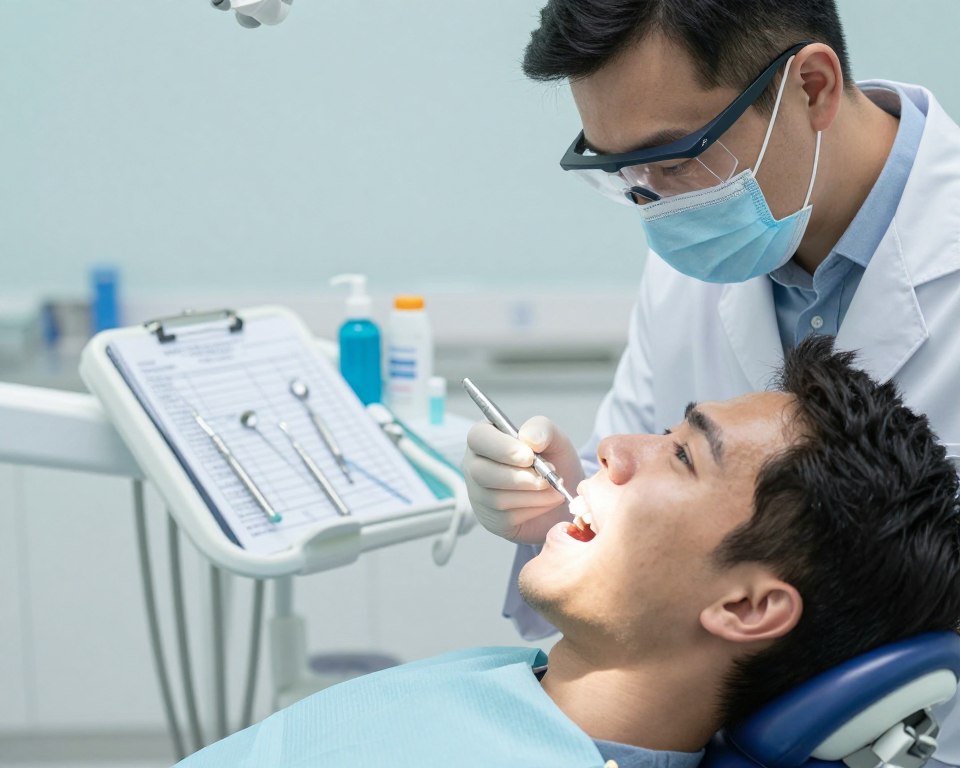
Your journey to a brighter smile starts in the dentist’s chair, not at the drugstore. A professional dental assessment is key to finding hidden problems. Without it, you might harm your teeth with chemicals.
Why Pre-Existing Gingivitis Changes the Equation
If you have gingivitis, using whitening products is risky. These products can hurt soft tissues, making inflammation worse.
“The health of the gingival tissue is the foundation upon which all cosmetic dental procedures must be built; ignoring inflammation is a recipe for clinical failure.”
When gums are weak, whitening products can cause pain or burns. Make sure your oral health is good before using whitening products. If you think you have gum disease, see a dentist first.
The Importance of a Professional Cleaning Prior to Treatment
A professional cleaning is not just about safety. It also helps whitening products work better. Plaque and calculus block the whitening agents from reaching the teeth.
By removing these, your dentist helps the whitening agents reach all parts of your teeth. This makes your teeth look better and reduces the need for more product. A clean mouth is the best place for any cosmetic treatment.
How to Whiten Teeth Safely Without Compromising Oral Health
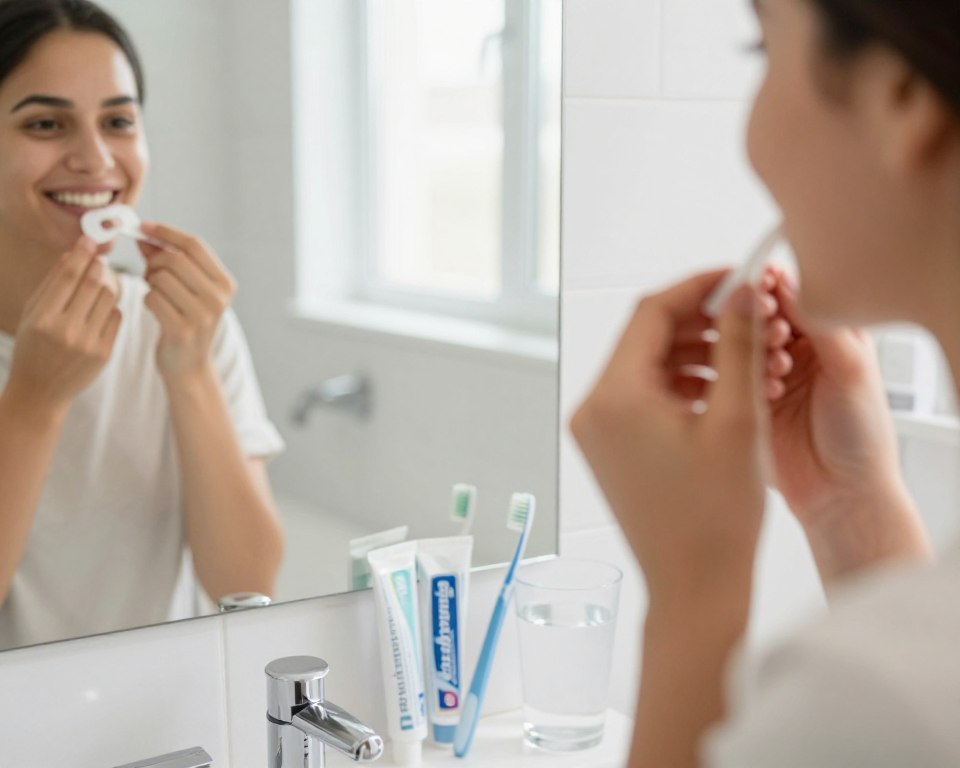
Getting a brighter smile doesn’t mean you have to risk your oral health. Learning how to whiten teeth safely lets you reach your beauty goals without harming your gums. A careful, science-backed approach keeps your smile journey comfortable and irritation-free.
Strategic Application Techniques to Avoid Gum Contact
Direct contact of bleaching agents with the gumline often causes discomfort. To avoid this, trim your whitening strips with scissors so they only cover the tooth. This stops the gel from touching the gums.
If gel spills out, clean it up right away with a cotton swab or tissue. Keeping the product on the enamel is key for safe whitening. Regularly following these habits greatly lowers the chance of chemical burns.
Post-Whitening Care and Desensitizing Agents
After whitening, your teeth and gums might feel sensitive. Use a soft-bristled toothbrush to avoid pressing too hard on sensitive areas. Gentle brushing keeps your mouth clean without irritating your gums.
Using desensitizing toothpastes with potassium nitrate or fluoride can help. These ingredients block the tiny tubules in the enamel, soothing the nerves. The table below shows important steps for a comfortable whitening routine.
| Practice | Benefit | Frequency |
|---|---|---|
| Trimming Strips | Prevents gum contact | Every application |
| Wiping Excess Gel | Reduces chemical burn risk | Immediately after placement |
| Desensitizing Paste | Calms nerve sensitivity | Twice daily |
| Soft-Bristled Brushing | Protects gingival health | Daily |
“The goal of any cosmetic dental procedure should be to enhance the smile without compromising the integrity of the surrounding soft tissues. Patient education on proper application is the cornerstone of safe, effective results.”
By sticking to these best practices, you can reduce discomfort and still get the look you want. Always be patient and don’t overdo it, as this can cause more irritation. Taking care of your mouth now will lead to a brighter, more comfortable smile for the future.
Critical Disclosure Regarding Visual Aids and AI-Generated Content
When you look for dental care online, it’s key to know the difference between educational pictures and real clinical evidence. Our site uses visual aids to make complex oral health ideas easy to understand.
These tools are meant to help you learn, not replace a dentist’s advice. Transparency is our main goal as we give you the info to make smart choices about your teeth.
Understanding the Use of Digitally Enhanced Imagery
Some images on our site might be enhanced or made by artificial intelligence. This is to make it easier to see important parts of the mouth or common dental issues.
We aim to show you clearly what we’re talking about. But remember, these images are for educational use only. They don’t show every person’s mouth exactly.
Why AI-Generated Illustrations Are for Orientation Only
AI images are just for learning and helping you understand. They are not real evidence and should not be used as a substitute for a dentist’s opinion.
These pictures are a conceptual guide. They help you see how dental products or conditions work in your mouth. They make complex medical terms easier to grasp.
The Risks of Relying on Visuals for Self-Diagnosis
Don’t use these images to try to figure out your dental health on your own. Relying on digital pictures can lead to wrong conclusions about your health.
Only a real dentist can truly check your mouth’s health. Always choose a dentist’s advice over online pictures.
| Feature | Educational Visuals | Clinical Assessment |
|---|---|---|
| Primary Purpose | Learning and Orientation | Diagnosis and Treatment |
| Source | Digital/AI Enhancement | Physical Examination |
| Reliability | General Reference Only | High Medical Accuracy |
| Actionable Advice | Consult a Professional | Follow Prescribed Care |
Limitations of Educational Content and Clinical Judgment
Understanding the limits of online health advice is key. Online resources are helpful but can’t replace a dentist’s expertise. Always remember, our medical disclaimer sets the limits of our advice.
Bridging the Gap Between Online Information and Clinical Reality
Digital platforms are great for learning. They help you know what to ask your dentist. Think of this info as a starting point, not a final answer for your oral health.
Here’s how to get the most from your research before a dental visit:
- Document your symptoms: Keep a record of any discomfort or sensitivity you experience.
- List your products: Bring the names of the whitening strips you are considering.
- Prepare specific questions: Ask your dentist how your unique gum health affects your candidacy for bleaching.
Why Digital Content Cannot Replace a Dentist’s Examination
No online research can match a dentist’s in-person check-up. A dentist must see your mouth to find things you can’t see. This is crucial for your safety during whitening.
A dentist’s exam is needed for many reasons:
- Assessment of tissue health: Only a clinician can detect early signs of gingivitis or micro-tears.
- Anatomical variations: Your gum line shape may require custom adjustments that generic strips cannot provide.
- Medical history integration: A dentist reviews your systemic health to ensure that chemical agents will not trigger adverse reactions.
Your dentist has the clinical judgment to balance looks with health. Relying only on online content ignores your unique dental needs.
When to Seek Medical Evaluation for Adverse Reactions
Knowing when to see a doctor instead of treating yourself at home is key for your teeth’s health. Mild sensitivity is common with whitening treatments. But, if the pain or discomfort doesn’t go away, it might be a sign of a bad reaction.
It’s crucial to tell the difference between normal discomfort and a serious health issue. If your symptoms get worse, it’s time to see a doctor.
Recognizing Severe Allergic Responses
An allergic reaction to whitening products can be more than just gum sensitivity. Watch for swelling of the lips, tongue, or throat. Also, look out for hives, trouble breathing, or a rash around your mouth.
Studies on oral mucosal health show that your mouth’s tissues can react strongly to certain chemicals. White patches, deep ulcers, or bleeding that won’t stop are clear signs of a problem.
“The best way to ensure safety is to listen to your body; if a product causes pain that feels wrong, stop immediately and seek professional guidance.”
Steps to Take When You Suspect a Product-Induced Injury
If you think a whitening product has hurt you, stop using it right away. Don’t try to ignore the pain, as it could get worse. Rinse your mouth with lukewarm water to get rid of any leftover product.
After stopping the treatment, write down your symptoms and call your dentist or doctor. It’s important to know about the risks, like toxicity and breathing problems. Getting professional help is key when you can’t handle the pain or if the damage looks serious.
Choosing the Right Teeth Whitening Strips for Your Profile
Choosing the best teeth whitening strips is more than picking a brand. You need to think about your oral health first. Look at the labels carefully to keep your mouth healthy while whitening your teeth.
Analyzing Ingredients in Gums-Friendly Teeth Whitening Strips
The ingredients in whitening products are key for sensitive gums. Many teeth whitening strips for sensitive gums have less hydrogen peroxide. This helps avoid irritation and keeps your gums comfortable.
When looking at products, check for these features in gums-friendly teeth whitening strips:
- Lower peroxide concentration: This makes the bleach less harsh on gums.
- Form-fitting design: It helps prevent gel from getting on your gums.
- Shortened wear time: It limits how long your gums are exposed to the bleach.
Reading Labels for Sensitivity-Reducing Additives
Some products have special additives to help with sensitivity. These can make your whitening experience better. They help calm your nerves and protect your teeth and gums.
Look for these ingredients in the list before buying:
- Potassium Nitrate: It helps soothe your teeth and gums.
- Fluoride: It strengthens your enamel and reduces sensitivity.
- Soothing agents: Things like aloe or vitamin E can help your gums.
My advice is to start with the lowest concentration first. If you’re okay, you can try stronger ones. But always put comfort first to keep your mouth healthy.
Best Practices for Protecting Your Gums During Whitening
Getting a whiter smile shouldn’t hurt your gums. When picking safe teeth whitening products, think about your gums as much as your smile. Preparing right and applying carefully can lower irritation risks.
Barrier Methods and Protective Gels
Physical barriers are great for protecting your gums during teeth whitening. Trimming whitening strips to avoid the gum line helps. This stops the bleach from touching sensitive areas.
For gel systems, apply a thin layer of petroleum jelly to the gum line before use. This creates a barrier that keeps chemicals away from sensitive spots. Always use products made for oral use, as our guide on is hydrogen peroxide safe as a household cleaner shows.
Frequency Guidelines for Sensitive Users
Being consistent is key, but your comfort comes first. If you feel a lot of tooth sensitivity or gum pain, try using the strips every other day instead of daily.
This change gives your gums time to heal between uses. To help your oral health, follow these steps:
- Switch to a soft-bristled toothbrush to reduce irritation.
- Use a gentle, sensitivity-focused toothpaste to calm nerves.
- Rinse your mouth well with water right after removing the strips.
These small changes can make a big difference in your comfort. By listening to your body, you can get the smile you want without harming your gums.
Conclusion
Getting a brighter smile is still possible for those with sensitive gums. It just needs careful planning and professional help. Knowing how bleaching agents work on soft tissue is key to keeping your mouth healthy.
Learning how to whiten teeth safely means watching how your body reacts to the ingredients. It’s important to protect your gums by not using too much product and following the instructions closely.
Your dentist is your main helper in this journey. A visit to a place like Purple Plum Dentistry helps make sure you’re using the right method for your teeth. They can spot any risks before they cause problems.
Keeping up with good oral care helps your results last longer and keeps your gums strong. With the right advice and careful product choice, you can brighten your smile safely and keep your teeth healthy for years to come.
FAQ
Are teeth whitening strips safe for gums if I have recession?
If you have gum recession, teeth whitening strips might hurt. They can be too harsh on the exposed roots. It’s best to talk to a dentist about custom trays to protect your roots.
What are the best teeth whitening strips for sensitive gums?
For sensitive gums, look for strips with lower hydrogen peroxide. Crest 3D Whitestrips Sensitive is a good choice. These strips are made for people with sensitive gums.
How can I protect your gums during teeth whitening at home?
To protect your gums, trim the strips to fit your teeth. You can also apply petroleum jelly to the gumline before using the strip. This creates a barrier.
Is there a way to whiten teeth safely without chemicals?
Natural methods like charcoal or baking soda can be harsh. They might damage your enamel. It’s safer to use low-concentration peroxides under a dentist’s guidance.
What should I do if my gums turn white after using a strip?
If your gums turn white, it’s a sign of irritation. Stop using the strip right away. The color should go back to normal in a few hours to a day. Wait until your gums are fully healed before trying again.
Are teeth whitening options for healthy gums different from those for sensitive gums?
Yes, they are different. Healthy gums can handle stronger peroxide. But, if you have sensitive gums, look for strips made for sensitive teeth or get professional treatment.
How often should I use gums-friendly teeth whitening strips?
Start with using the strips every other day. This helps you see how your gums react. It also prevents irritation and chemical burns.
Can I use desensitizing toothpaste with whitening strips?
Yes, you can. Using toothpaste with potassium nitrate for two weeks before and during whitening is safe. It helps manage any discomfort.