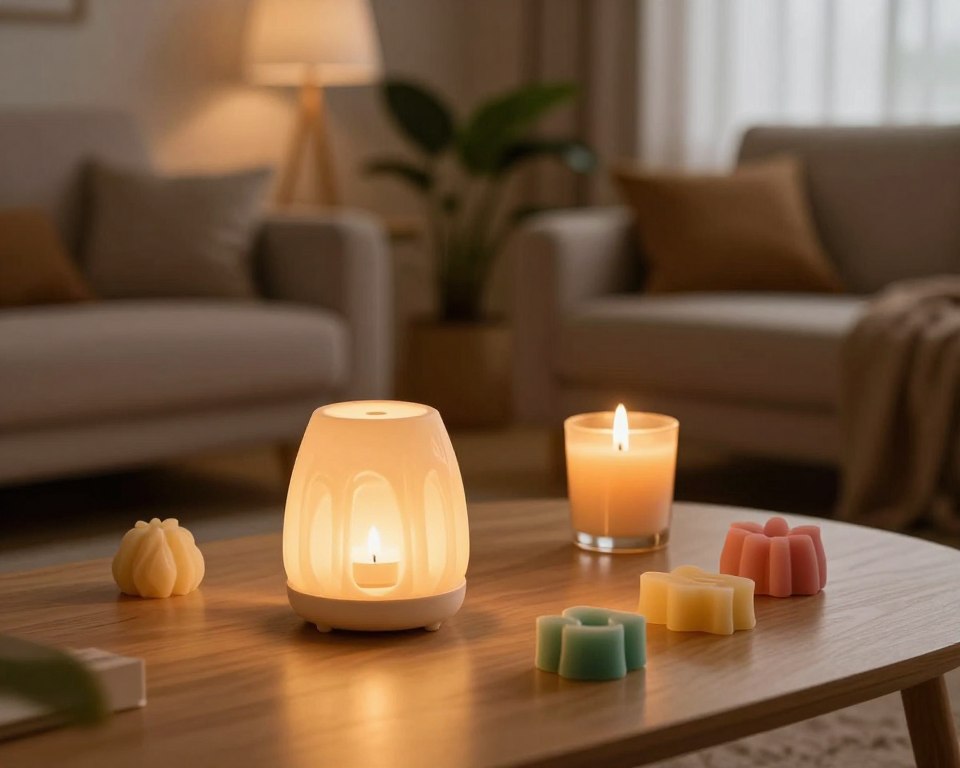
Nearly 70% of American homes use home fragrance products. Yet, many don’t know that burning traditional items can release harmful particles. This clinical reality makes us think differently about how we scent our homes.
Many wonder: Are Wax Melts Safer Than Candles compared to traditional ones? Getting rid of the open flame cuts down on soot. But, the chemical makeup of the fragrance oil is still key. We need to figure out if not burning things means a healthier home.
This guide, backed by a pharmacist, dives into how volatile organic compounds and nanoparticle emissions work. To know if are wax melts safer than scented candles, we must look beyond marketing. We need to understand the real science behind indoor air quality.
Key Takeaways
- Combustion-based fragrance products release particulate matter similar to vehicle exhaust.
- Removing the open flame reduces soot but does not eliminate all chemical emissions.
- Volatile organic compounds (VOCs) persist regardless of the heating method used.
- Clinical data suggests that ventilation is as important as the product choice itself.
- Pharmacist-verified evidence prioritizes air quality over aesthetic marketing promises.
The Evolution of Home Fragrance and Safety Concerns
The home fragrance industry has changed a lot. People are moving away from old ways like candles. Now, electric warmers and scented wax blocks are more popular.
This change is because wax melts are seen as noncombustion, smoke-free, and nontoxic. Many think they are safer because they don’t need a flame. This belief has made wax warmers very popular in homes.
When we talk about wax melts vs candles safety, we need to look at facts, not just what’s said. Wax melts might not have a flame, but they still release harmful chemicals into the air. This is something users need to think about.
The table below shows the main differences between candles and wax melts:
| Feature | Traditional Candles | Wax Melts |
|---|---|---|
| Heat Source | Open Flame | Electric/Tea Light Warmer |
| Combustion | Yes (Produces Smoke) | No (Noncombustion) |
| Primary Risk | Fire Hazard/Soot | Spillage/Electrical Fault |
| Safety Perception | Moderate | High (wax melts vs candles safety) |
Knowing these differences helps us make better choices for our homes. We should not just look at the “smoke-free” label. We need to think about how they affect our air quality. It’s important to find a balance between convenience and safety.
Understanding the Mechanics of Candle Combustion
When we compare wax melts and candles, the main difference is how they release fragrance. Candles use an open flame to melt wax and release fragrance oils. This is called combustion, a chemical reaction with oxygen.
The wick burns, creating heat that melts the wax. This melted wax is pulled up the wick and vaporized. Unfortunately, this process often leaves behind harmful byproducts in the air.
Paraffin or soy wax burning releases nanoparticles and VOCs. These tiny particles stay in the air long after the candle is out. Wax warmers, on the other hand, melt wax without burning it.
Wax warmers don’t have an open flame, so they don’t produce soot or harmful pollutants. This makes them better for indoor air quality. Here’s a table showing the main differences between candles and wax melts.
| Feature | Traditional Candles | Wax Melts |
|---|---|---|
| Heat Source | Open Flame | Electric/Tea Light Warmer |
| Emission Type | Combustion Byproducts | Vaporized Fragrance Only |
| Particulate Matter | High (Soot/Nanoparticles) | Negligible |
| Safety Profile | Fire Hazard Present | Reduced Fire Risk |
How Wax Melts Function Without an Open Flame
The main difference between wax melts and candles is how they melt the wax. Candles use a burning wick to melt the wax. Wax melts, on the other hand, use a special heating element.
These devices heat the wax to about 180°F. This heat is sufficient to release fragrance oils into the air. But it doesn’t start a fire. This means no soot or carbon emissions from the flame.
Even without a flame, wax melts still release some emissions. The heat from the device can spread fragrance oils into the air. This can affect the air quality inside.
| Feature | Traditional Candle | Electric Wax Warmer |
|---|---|---|
| Heat Source | Open Flame | Electric Heating Plate |
| Combustion | Yes | No |
| Soot Production | High | None |
| Primary Risk | Fire Hazard | Electrical/Spill |
Looking at wax melts and candles, we see big differences. Electric warmers give a consistent heat. This keeps the wax from burning. It’s a safer choice for those who want to avoid fire-related problems.
Are Wax Melts Safer Than Candles in Terms of Fire Hazards
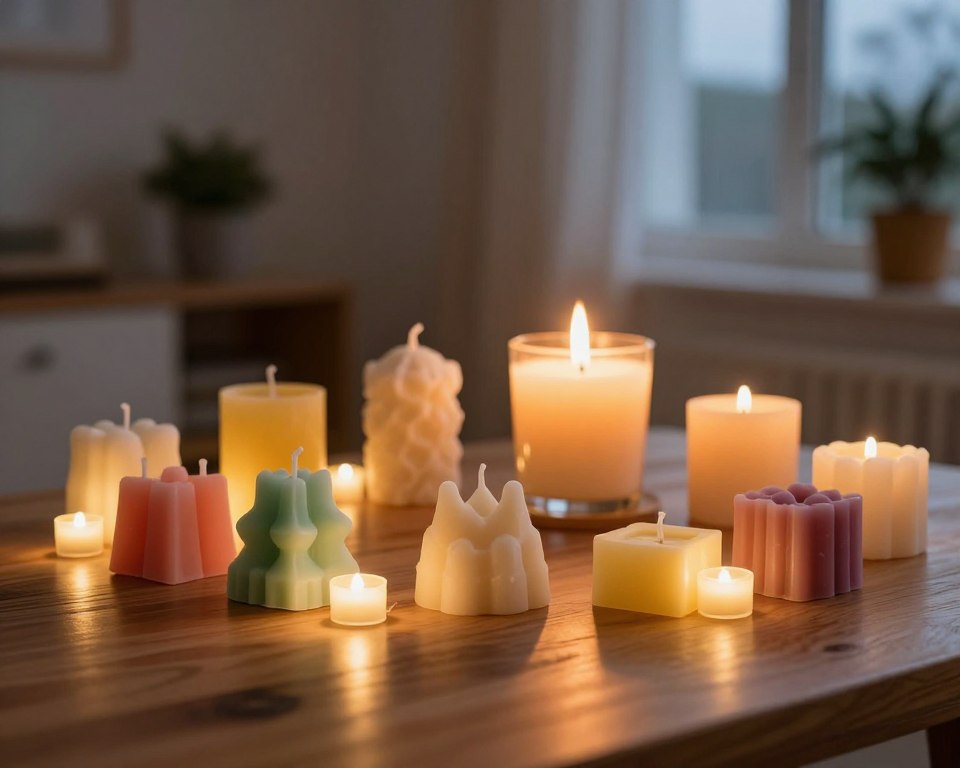
The debate on wax melts vs candles safety often focuses on the flame. Candles have an open flame, which is a risk if not watched or near flammable things.
Wax melts are safer because they don’t have an open flame. They use a warmer instead of a wick. This makes them less likely to start fires accidentally.
Many wonder which is safer wax melts or candles for home safety. Wax melts are safer from fires but might pose electrical risks. Always use certified electrical warmers to avoid dangers like overheating.
Fire safety is different from the safety of the products themselves. While electric warmers are safer, it’s still key to use high-quality, tested ones. Choosing certified devices keeps your home fragrance safe and enjoyable.
Chemical Emissions and Indoor Air Quality Comparisons
Do wax melts release fewer harmful particles than scented candles? Many people choose wax melts because they don’t have an open flame. But, when heated, wax melts release chemicals called terpenes into the air.
These terpenes mix with indoor ozone, a common pollutant. This mix creates new, tiny particles. These particles can easily get deep into our lungs.
Studies show that these tiny particles can be as harmful as those from other sources. For example, gas stoves and candles also release harmful particles. But, we still don’t know the full effects of breathing in these wax particles.
When we compare wax melts to scented candles, we must look at all the emissions. Candles release soot and carbon particles, while wax melts release fragrance oils. Here’s a table comparing different indoor pollutants.
| Emission Source | Primary Pollutant | Particle Size | Health Concern |
|---|---|---|---|
| Scented Wax Melts | Secondary Aerosols | Sub-100 nm | Respiratory irritation |
| Traditional Candles | Soot/Carbon | 100-500 nm | Airway inflammation |
| Gas Stoves | Nitrogen Dioxide | Variable | Asthma exacerbation |
| Diesel Engines | Ultrafine Particles | <100 nm | Systemic toxicity |
It’s important to know these differences to keep our homes healthy. Even small amounts of these particles can harm some people. By using wax melts less and airing out our homes, we can reduce these risks.
The Impact of Fragrance Oils on Respiratory Health
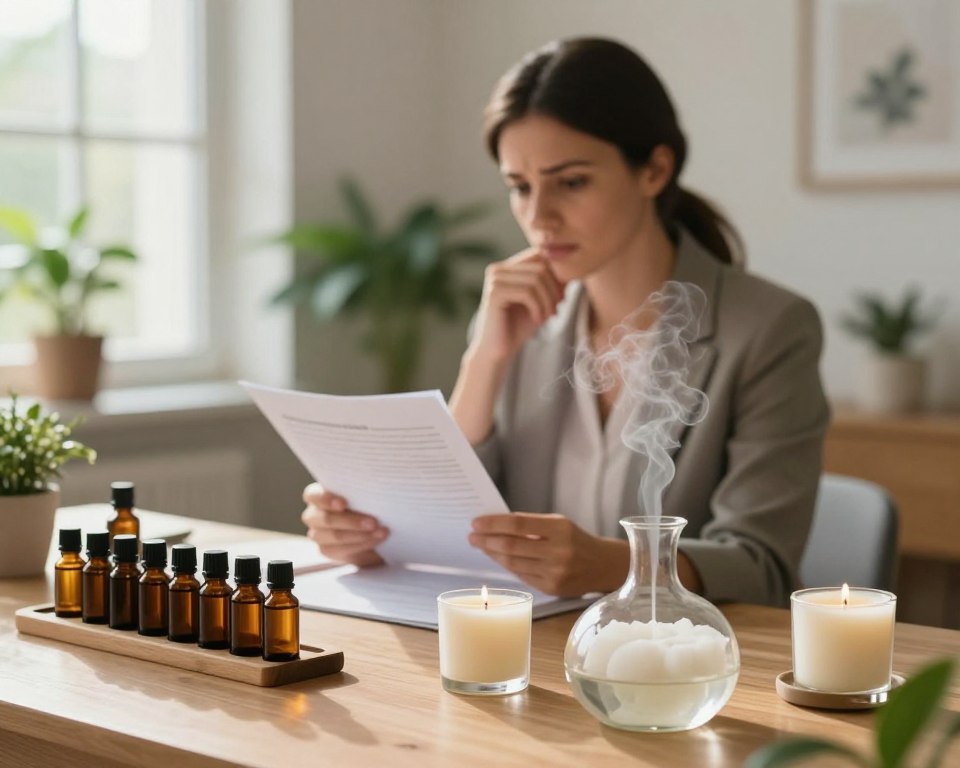
Studies show that wax melts can affect your lungs like traditional fires do. They don’t use an open flame but still send chemicals into the air. It’s key to know how these chemicals affect your lungs for clean air at home.
Using scented items means you’re adding VOCs and tiny particles to your space. These tiny particles can go deep into your lungs. They might cause irritation or swelling in people who are sensitive.
The makeup of fragrance oils greatly affects what they release. Whether made from synthetic or natural sources, heating them changes their form. This change creates a vapor that carries chemicals into the air.
Research shows that the effects of wax melts on lungs are similar to those of fires. This means even without smoke, your lungs can still face a big challenge. To keep your lungs healthy, consider these tips:
- Ventilation: Make sure the room has good airflow to spread out the particles.
- Duration of Exposure: Turn off warmers after a while to stop particles from building up.
- Sensitivity Levels: People with asthma or COPD should be extra careful.
- Product Quality: Choose products with clear ingredient lists to avoid harmful additives.
The aim is to enjoy your home’s scent while keeping the air clean. Pay attention to how you react to different smells. This helps you pick the right products for your home. Keeping your respiratory wellness in mind is the best way to enjoy a nice home without harming your health.
Pet Safety Considerations and Toxicological Risks
Figuring out if wax melts or candles safer for pets means looking at what’s in them and how pets react. Pets are more at risk from indoor air pollution than people. Their smaller size and how they break down chemicals make them more sensitive.
The type of wax in your product is key to safety. Even natural waxes can be risky for pets. For example, beeswax might have more pesticides and harmful chemicals than soy or coconut wax.
How these substances get into your home matters. Candles burn them off, while warmers make them evaporate. Knowing this helps figure out if wax melts or candles safer for pets in the long run.
The table below shows the main dangers of different waxes and how they affect pets:
| Wax Type | Primary Risk Factor | Pet Sensitivity Level |
|---|---|---|
| Beeswax | Pesticide residues & PAHs | High |
| Paraffin | Petroleum-based VOCs | Moderate |
| Soy/Coconut | Fragrance oil additives | Low to Moderate |
The safety of your pet depends on the ingredients used. Choose products that clearly list their wax and fragrance. Cutting down on chemicals in your home is the best way to keep pets safe.
Understanding Essential Oil Toxicity in Household Pets

Many pet owners think essential oils are safe because they’re natural. But, these oils are very concentrated and can harm pets. Unlike humans, pets often can’t break down these chemicals well.
When pets breathe in or absorb essential oils, they can get very sick. Cats are extra sensitive, but dogs can also get hurt. Always check if a product is safe for pets before using it, like checking if a rug deodorizer powder is safe for pets.
Clinical observation is key to spotting early signs of oil toxicity. Look for signs like drooling, tiredness, shaking, or trouble breathing. If you think your pet has been exposed, get them to the vet right away to avoid serious harm.
“The dose makes the poison; even natural substances can become hazardous when concentrated or used in environments where pets cannot escape the exposure.”
These pictures are meant to help you see the risks. But, they can’t replace a vet’s check-up. If your pet acts strangely after you’ve used scented products, call your vet right away.
Keeping your home safe for pets means knowing what’s in your products. By understanding what’s safe for your pets, you can choose what’s best for them, even if it’s not the prettiest.
Respiratory Sensitivities in Birds and Small Mammals
Birds and small mammals have highly susceptible respiratory tracts. Birds have air sacs for airflow, which makes them absorb pollutants quickly. This is different from mammals.
Small mammals like hamsters and rabbits are also sensitive to air quality. Their small lungs can get irritated by VOCs and fine particles. Even safe substances for humans can harm them.
Fragrance products, including wax melts, can release harmful particles when heated. These particles can cause lung inflammation in birds and small mammals.
“The respiratory system of a bird is its most vulnerable point of contact with the environment; therefor, any airborne irritant must be treated as a potential health risk.”
Pet owners should ensure excellent ventilation in pet areas. Avoid strong fragrances near their homes. Keeping the air clean is key to preventing respiratory problems.
Watch for signs of respiratory trouble in your pets, like hard breathing or lethargy. If you see changes after using a fragrance warmer, stop it and open windows. Keeping your pets safe means being careful with your home’s products.
Image Disclosure and Educational Illustration Standards
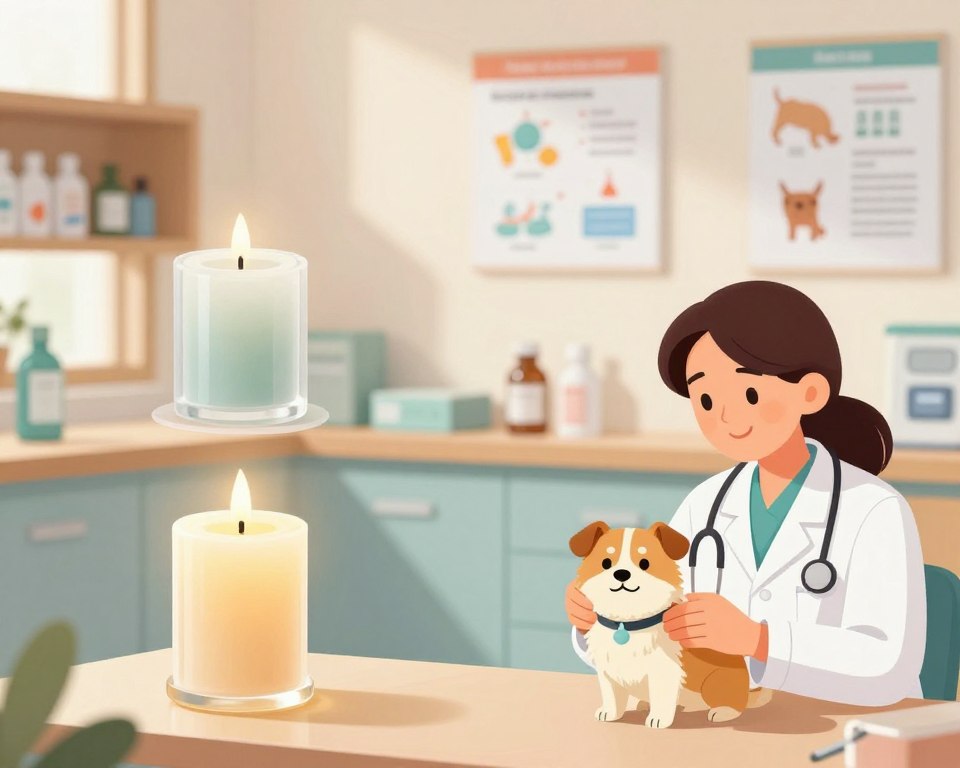
Visual clarity is key when talking about complex vet and toxicology topics. We use many illustrations in this guide to help you understand home fragrance safety better.
Some images in this article are AI-generated for educational use. They help explain health concepts more clearly than text can.
Remember, these images should not replace a vet’s professional check-up or diagnosis. Even though we stick to the latest scientific evidence, these visuals are for learning only.
The table below shows the difference between our educational images and real vet care.
| Feature | Educational Illustration | Professional Veterinary Care |
|---|---|---|
| Primary Purpose | Conceptual understanding | Clinical diagnosis |
| Basis of Data | Scientific literature | Physical examination |
| Action Required | General awareness | Immediate medical intervention |
| Reliability | Informational guide | Diagnostic standard |
We focus on accuracy in every image we show. By mixing evidence-based research with clear pictures, we want to help pet owners and parents make smart choices about their homes.
Evaluating the Risk of Accidental Ingestion
Wax melts can be a danger for homes with young kids and pets. They look like food, which can lead to them being eaten by mistake. This is a big safety issue that needs to be handled carefully.
If someone eats a wax melt, it can cause stomach problems. The wax can block the stomach, and the chemicals in it can irritate the stomach or even be toxic. How bad it is depends on how much was eaten and what’s in the wax.
The harm from these chemicals can vary a lot. For people, a little wax might not hurt much, but for animals, it can be very dangerous. Pets might not be able to handle the chemicals in wax melts, which can make them very sick.
To keep everyone safe, homes need to be careful with where they keep wax melts. Here are some ways to lower the risk of someone eating them by mistake:
- Store products out of reach: Keep wax melts in high places or in locked boxes that kids and pets can’t get to.
- Maintain original packaging: Always keep wax melts in their original containers. This makes it easy to see what’s in them if someone gets sick.
- Monitor usage areas: Never leave a wax warmer on when kids or pets are playing nearby without someone watching.
- Dispose of remnants properly: Throw away used wax in a sealed trash bin right away. It still has strong smells that can be harmful.
If someone eats wax by mistake, it’s very important to act fast. Call a poison control center or a vet right away. Having the wax packaging can help doctors figure out what to do next.
Risks to Toddlers and Curious Children
Wax melts look and smell like treats, which can trick young kids. Toddlers like to touch and taste everything, making wax melts a big risk. Their bright colors and smells can make kids think they’re candy or fruit.
When kids eat wax melts, they might get sick. Even though they’re not toxic, eating too much can upset their stomach. Parents need to watch closely because even a little can make kids feel bad.
To keep homes safe, parents must use child-proofing strategies. Wax melts should be in high, locked places where kids can’t get them. Just using things to block their view isn’t enough, as kids can find ways to get what they want.
| Risk Factor | Potential Consequence | Prevention Strategy |
|---|---|---|
| Visual Appeal | Mistaken for food | Store in opaque, locked containers |
| Fragrance Scent | Attracts mouthing behavior | Keep out of reach of children |
| Chemical Content | Gastrointestinal irritation | Monitor for signs of ingestion |
| Warm Surface | Thermal skin burns | Use warmers with safety guards |
Keeping a home safe is more than just hiding things. It’s about teaching kids about safety all the time. By being careful with wax melts like cleaning supplies, we can keep kids safe. Watching them closely is the best way to protect them.
Preventing Pet Poisoning Incidents
Preventing pet poisoning starts with knowing the dangers in our homes. Many fragrance oils in wax melts can be potentially toxic to pets. Pets are at risk because they explore with their sense of smell and taste.
Keeping things safe is key. Always store wax melts in places pets can’t get to. If a pet eats a wax melt, it can block their digestive system and be harmful.
It’s important to read labels carefully. Look out for known toxins like certain essential oils. For example, tea tree, peppermint, and pine oils can harm many pets.
Choose fragrance products that are open about what’s in them. If a brand doesn’t list ingredients clearly, pick a different one. Making smart choices helps keep your pets safe.
If you think your pet has been poisoned, call your vet or a pet poison hotline right away. Quick action is crucial for treatment. By being careful, you can enjoy scents at home while keeping your pets safe.
Comparing Wax Melt Warmers and Candle Holders
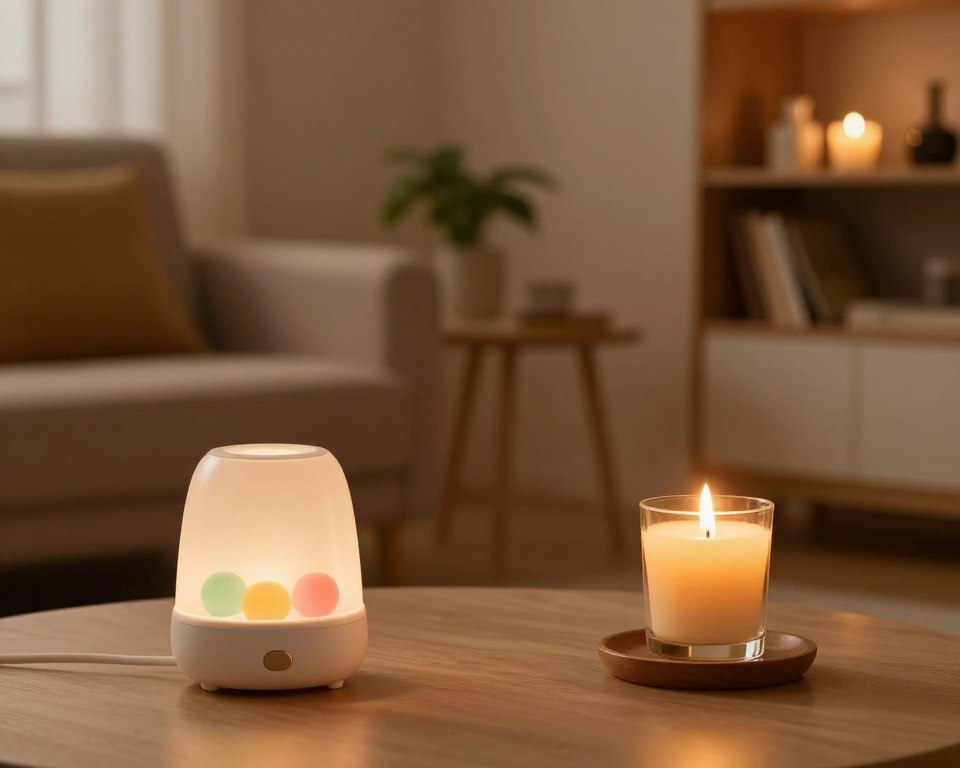
The tools we use to heat scents are key to keeping our homes safe. When picking between electric wax warmers and candle holders, we look at more than looks. We consider how each one handles heat and fire risks.
Electric wax warmers are safer than old-fashioned candle holders. They don’t need a flame, which cuts down on fire risks in our homes.
Many electric warmers come with auto-shutoff features. These features turn off the device after a set time. This helps prevent overheating if someone forgets to turn it off.
On the other hand, candle holders depend on the holder’s stability and our watchfulness. Even with a strong base, flames can still be risky. They can be blown out by drafts or get too close to flammable things.
When picking out scent heaters, choose high-quality, certified electrical products. Look for safety stamps from trusted labs. This means the inside parts are safe and work well.
A good warmer reduces many dangers of heating. By choosing reliable gear, we get a safer spot for scent without the dangers of an open flame.
Electric Warmer Safety Features and Auto-Shutoff
Choosing home fragrance equipment with safety features is key for users. Modern electric wax warmers have changed a lot. They now have advanced features to lower household risks.
These new features help prevent fires, which are common with old candles. They offer a reliable barrier against fire hazards.
The automatic shutoff timer is a big safety step. It lets users set how long the device runs before it turns off by itself. This stops the warmer from getting too hot if someone forgets to turn it off.
Many top warmers also have temperature-controlled heating elements. These keep the wax at the right melting point. This keeps the fragrance oil good and lowers the risk of wax fire.
It’s important to buy safe wax melters. Look for products with UL or ETL certifications. These show the device meets stringent electrical safety standards.
Using devices with these features makes life easier. They let homes enjoy nice smells without worrying about safety. It’s smarter to use technology to keep homes safe than to rely on remembering to turn things off.
The Stability of Traditional Candle Vessels
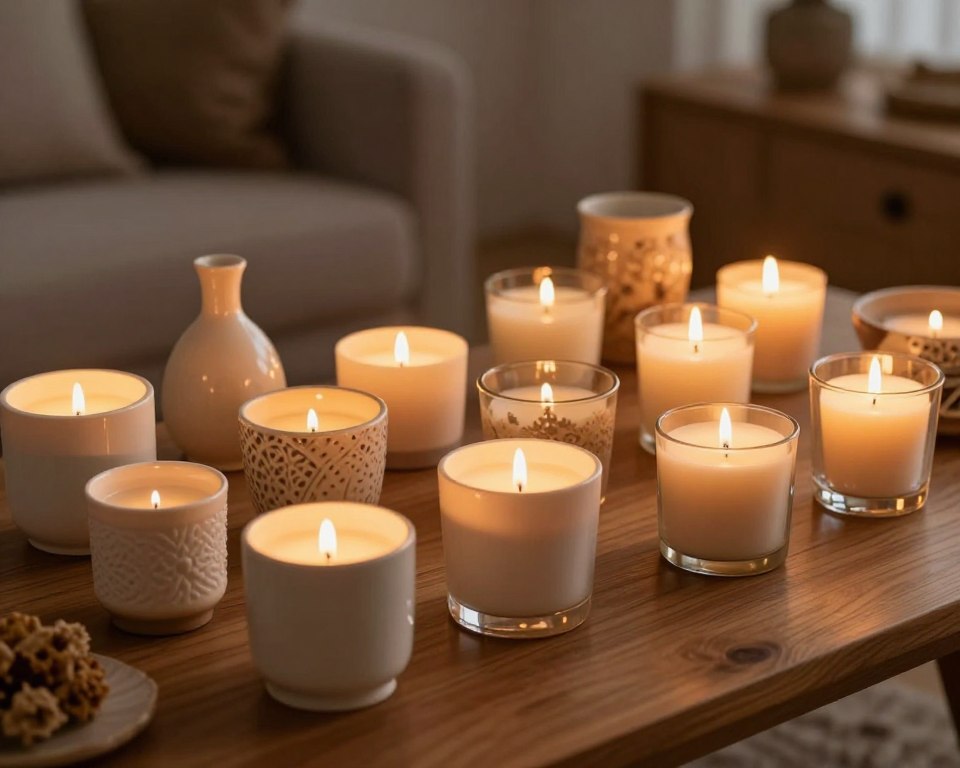
The base of a candle is as crucial as the wax for home safety. A stable, heat-resistant vessel is the first line of defense against fire. Without a solid base, even the best candle can be a danger.
Choose holders made from materials that can handle high heat without breaking. Glass, ceramic, and metal are good options, but they must be thick. Thin or low-quality glass can melt or break, causing wax spills.
Putting candles in the wrong place can lead to accidents. Make sure they sit on a flat, stable surface away from drafts and flammable things. A candle on an uneven surface is more likely to tip over, turning into a fire risk.
Also, think about what’s under the holder. A heat-resistant coaster or tray adds extra protection. It stops heat from damaging surfaces and keeps your home safe from fire.
Fire safety comes from a good vessel and careful placement. Using candle holders made for this purpose lowers accident risks. Always check your holders for damage before lighting a candle to keep your space safe.
Environmental Impact and Waste Management
Wax melts are safer than traditional candles but still affect the environment. They leave behind physical waste after their fragrance fades. This waste is part of their lifecycle.
Most wax melts come in plastic clamshells or containers, adding to household waste. Sustainable practices start with choosing brands with recyclable or biodegradable packaging. Opting for companies that use less plastic helps reduce your environmental impact.
Proper disposal of used wax is key to avoiding environmental harm. Never pour melted wax down the drain, as it can clog pipes. Let the wax cool completely before removing it from the warmer dish. Freezing the dish for a few minutes can help the wax come out easily for proper disposal in the trash.
Think about the wax’s ingredients too. Some synthetic additives might not be as green as natural soy or beeswax. If you’re worried about chemicals in your home, check out info on wood polish spray too. This ensures your cleaning and fragrance products meet your safety standards.
| Waste Category | Management Strategy | Environmental Benefit |
|---|---|---|
| Plastic Clamshells | Recycle or Reuse | Reduces landfill volume |
| Used Wax | Solidify and Trash | Prevents plumbing damage |
| Packaging Inserts | Compost or Recycle | Lowers carbon footprint |
| Fragrance Containers | Repurpose for Storage | Extends product lifecycle |
User Experience and Convenience Factors
The wax melt market in America is growing fast. This is because wax melts offer quick and easy ways to change your space. They release fragrance right away, unlike candles that take time to melt.
Wax melts let you switch scents quickly, without waiting for a candle to burn down. This quick change is why many people prefer wax warmers. Convenience often becomes the deciding factor, sometimes making them overlook safety.
While wax melts are easy to use, safety should not be forgotten. The benefits of using wax melts over candles don’t mean you can ignore safety rules at home. People who care about their health need to think about how wax melts might affect the air inside.
Learning how to use warmers safely is key. By doing this, users can enjoy the perks of wax melts without risks. Prioritizing safety alongside convenience helps keep everyone’s home healthy.
Expert Opinion on Responsible Fragrance Usage
When looking at which is safer wax melts or candles, we must focus on keeping our air clean. As a health expert, I say we should be careful with scented items. My work shows that using fragrances wisely is key to a healthy home.
Homeowners should pick products that are clearly labeled and of high quality. Many common items can harm our breathing, as studies on indoor air quality and chemical emissions show. By choosing products with clear labels, we can avoid harmful substances.
Deciding which is safer wax melts or candles depends on how we manage our homes. Wax melts don’t have the fire risk of candles, but they still release fragrance into the air. So, good ventilation is the best way to reduce air pollution risks.
I suggest using fragrances for shorter times and making sure your home has enough air flow. By choosing quality products and keeping air moving, you can have a nice-smelling home without harming your health or pets. Using fragrances wisely is the best way to keep your home safe and pleasant.
Best Practices for Maintaining a Safe Home Environment
Keeping your home safe from candle wax melts is more than just picking the right product. It’s about making a daily effort to keep your air clean. By using these items wisely, you can enjoy nice smells without risking your home.
For a healthy home, make sure there’s good airflow. Always use wax melts in rooms with open windows or fans. This helps spread out harmful particles and smells.
To keep your home safe, follow this simple checklist:
- Limit usage time: Don’t let warmers run for more than three to four hours.
- Select quality ingredients: Pick products with safe, clean-burning fragrances.
- Monitor placement: Place warmers on stable, heat-safe surfaces out of reach of pets or kids.
- Regular cleaning: Clean your warmer often to avoid wax buildup.
By making these easy changes, you make your home safer and more enjoyable. Consistency is key in keeping your air clean. This way, you can enjoy nice smells without harming your health.
Putting candle wax melts safety first is a smart choice for homeowners. Small, smart steps can make your home a safe haven. Your efforts help keep your home clean and comfy for everyone.
Conclusion
Looking at home fragrance safety means more than just fire prevention. Removing an open flame lowers the risk of burns. But it doesn’t solve all health issues. Many wonder if wax melts are safer than candles for indoor air quality.
Both types release harmful particles into your home. Brands like Yankee Candle or Scentsy offer many choices. But, it’s the ingredients that really matter for your health.
Choosing products with clear labels is key. This way, you can spot potential irritants early. Good air flow is also crucial for any fragrance routine.
Always open a window to let in fresh air. Knowing the differences between wax melts and candles helps you make better choices. This way, your home stays a safe and welcoming place for everyone.
FAQ
Are wax melts safer than candles for home use?
Yes, wax melts are safer from fire hazards. They use electric heating, not an open flame. But, both can release chemicals into the air, affecting indoor quality.
Is the indoor air quality better when comparing wax melts and candles safety?
Wax melts don’t produce soot and carbon monoxide. Yet, they can release VOCs and nanoparticles when fragrances meet ozone indoors.
Which is safer, wax melts or candles, for households with pets?
Wax melts are safer for pets from fire risks. But, many essential oils in both can be toxic. Owners should pick pet-safe oils and keep rooms well-ventilated.
Are wax melts safer than scented candles for people with asthma?
Both can irritate sensitive people. Wax melts avoid soot but can still cause respiratory issues. People with asthma should avoid strong fragrances.
What are the benefits of using wax melts over candles?
Wax melts have fewer risks, no soot, and let you control scent. You can add or remove wax cubes to adjust fragrance.
How does wax melts vs candles flame safety compare in high-traffic areas?
Wax melts are better in busy areas. Candles are a fire risk if knocked over. Electric warmers are safer and more stable.
Are wax melts safer than candles for birds and small mammals?
No. Birds and small mammals are sensitive to chemicals in the air. Both candles and wax melts can harm them. It’s best to avoid using them near pets.
Can the ingestion of wax melts be dangerous?
Yes. The wax itself is often safe, but dyes and oils can harm. Keep wax melts away from children and pets.