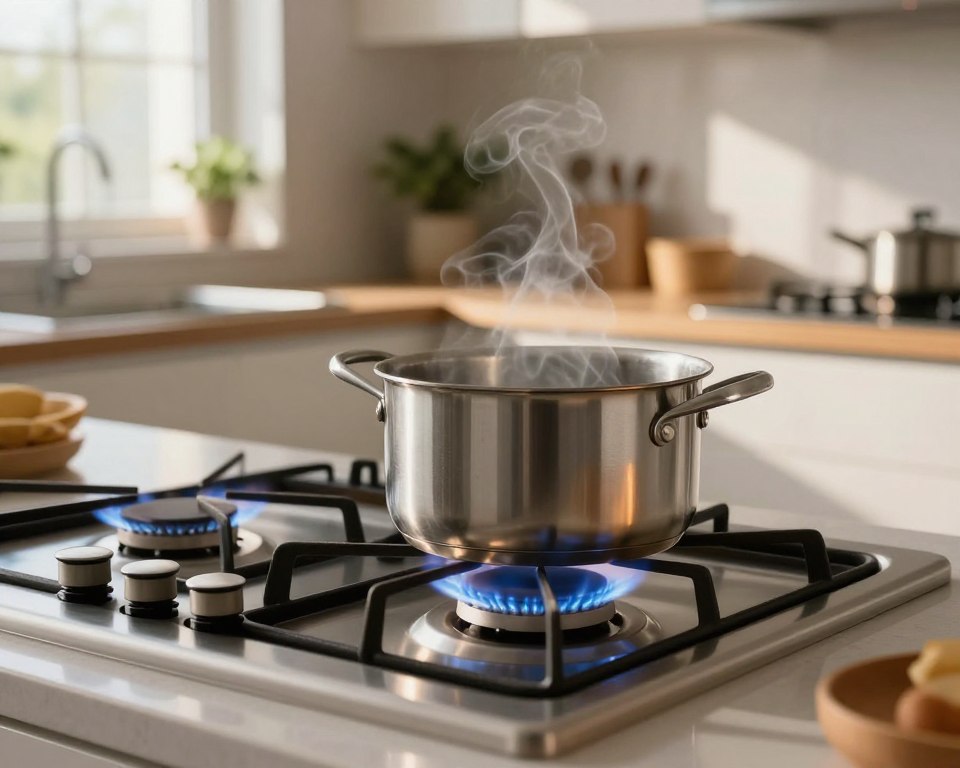
Recent studies show a disturbing fact: about 50,000 kids have asthma because of nitrogen dioxide from cooking. As a pharmacist, I often look at how the environment affects health. But, we rarely check the air in our kitchens.
Many families use these appliances every day without thinking about the chemicals they release. Burning natural fuel adds nitrogen dioxide and particles to our homes. These can build up fast, mainly in places with poor air flow.
To understand if indoor air quality harms your family, we need to look at the facts. My aim is to give you a clear, fact-based perspective on these common emissions. By looking at the research, we can make choices to keep our homes safe.
Key Takeaways
- Nitrogen dioxide from cooking appliances is linked to respiratory issues in children.
- Indoor air quality often suffers due to inadequate ventilation during combustion.
- Clinical evidence suggests a correlation between household emissions and asthma development.
- Proper airflow and maintenance are essential for reducing exposure to harmful byproducts.
- Pharmacists recommend monitoring indoor air health as part of a proactive wellness strategy.
The Current Landscape of Indoor Air Quality
Most people spend nearly 90% of their time indoors. Yet, the air quality in our homes is often ignored. Outdoor smog gets more attention, but our homes can trap harmful substances from daily activities. Keeping our Indoor Air Quality Gas Stove safe starts with spotting these hidden dangers.
Today’s homes are built to save energy, with tighter seals and better insulation. These features cut down on energy costs but also block fresh air. So, pollutants from the kitchen stay inside for longer.
Looking at the Indoor Air Quality Gas Stove situation, we see how airtight homes trap emissions. Without good ventilation, cooking fumes build up. This leads to a constant exposure that many homeowners don’t notice until they start feeling sick.
Knowing how our homes trap air is key to reducing risks. By understanding this, we can take steps to keep our air clean. Proactive management of our kitchen is crucial, whether we use natural gas or not.
Understanding the Combustion Process in Residential Kitchens
Every gas burner has a combustion process at its core. This process turns fuel into heat and releases various byproducts. When you light your stove, natural gas, mainly methane, mixes with air to create energy.
This reaction should only produce water vapor and carbon dioxide. But, in reality, it’s not always perfect. This means Gas Stove Emissions often include unburned fuel and chemical byproducts.
Things like burner design, flame temperature, and cookware can affect this process. If the flame is blocked or the air-to-fuel ratio is off, your stove releases gases into your kitchen.
Nitrogen oxides form when air’s nitrogen and oxygen bond at high temperatures. These, along with carbon monoxide and particles, are common Gas Stove Emissions. Good airflow is key to reducing these risks, just like using grill cleaner spray safe for food areas.
Knowing how these processes work shows why good ventilation is crucial. Range hoods help catch these byproducts before they spread. The table below shows what affects your kitchen appliances’ efficiency.
| Factor | Impact on Combustion | Resulting Efficiency |
|---|---|---|
| Flame Color | Blue indicates optimal oxygen | High Efficiency |
| Burner Obstruction | Restricts airflow to flame | Incomplete Combustion |
| Cookware Placement | Cools the flame prematurely | Increased Byproducts |
| Ventilation Usage | Removes airborne pollutants | Improved Air Quality |
By watching these factors, you can manage Gas Stove Emissions better. Regular maintenance and efficient ventilation systems are the best ways to keep your air clean.
Is Gas Stove Pollution Dangerous: A Scientific Perspective

When we ask, “Is Gas Stove Pollution Dangerous?”, we must consider the effects of combustion byproducts on our bodies. Studies show that there’s no safe level of exposure to these pollutants in homes.
Research links long-term exposure to these emissions with breathing problems. Gas appliances release harmful gases and particles that can harm our airways.
Looking at the Health Risks Gas Stove usage involves understanding how pollutants affect us. Even small amounts can change lung function and cause inflammation.
Experts highlight several important factors that affect these risks:
- Concentration levels of nitrogen dioxide and fine particulate matter.
- The duration and frequency of daily stove usage.
- The presence of adequate ventilation systems to exhaust pollutants.
- Individual baseline health status and pre-existing respiratory conditions.
The answer to “Is Gas Stove Pollution Dangerous?” comes from scientific studies. While people react differently, the evidence points to reducing exposure for better health. By taking steps based on science, we can improve our home environment.
Primary Pollutants Emitted by Natural Gas Appliances
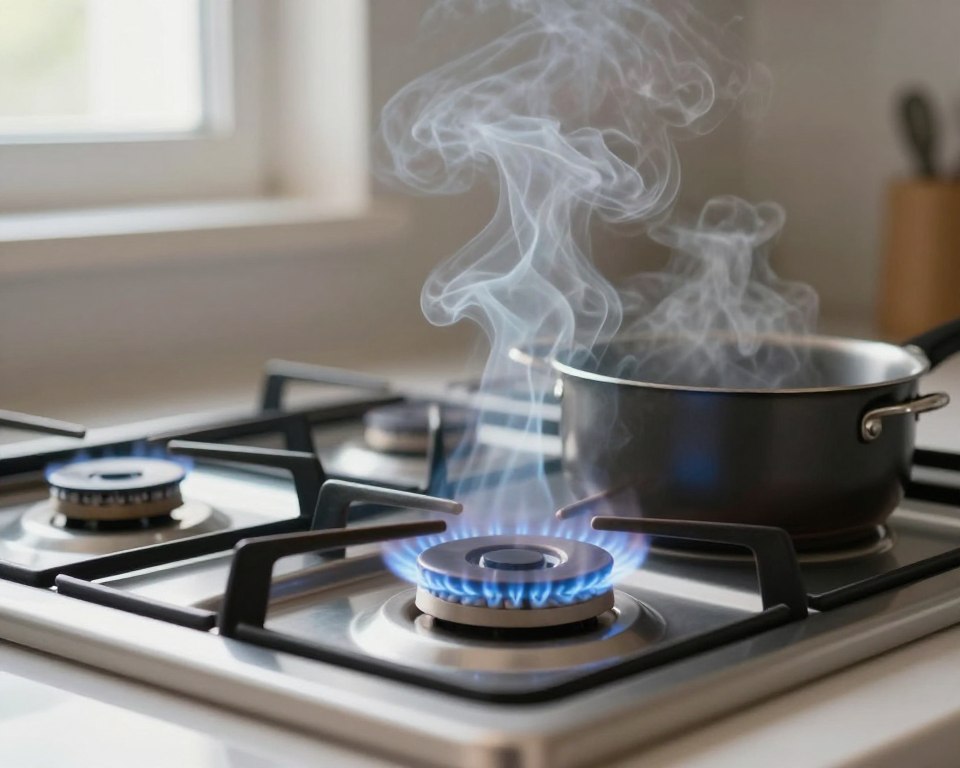
It’s important to know what pollutants come from natural gas appliances for good indoor air. When natural gas or propane burns, it releases harmful chemicals into your kitchen. These Gas Stove Emissions can build up fast, mainly in homes with poor ventilation or tight spaces.
Nitrogen Dioxide and Respiratory Health
Nitrogen dioxide (NO2) is a gas made when fossil fuels burn at high temperatures. It can irritate your lungs when you breathe it in. People with asthma might find it harder to breathe if they’re exposed to a lot of NO2.
Even a short increase in NO2 levels can cause breathing problems. By understanding more about gas stoves and indoor air pollution, you can take steps to protect your lungs. Keeping an eye on your kitchen’s air is a good way to stay healthy in the long run.
Carbon Monoxide Risks in Modern Homes
Carbon monoxide (CO) is a gas that can be dangerous if appliances aren’t checked regularly. In today’s energy-saving homes, air doesn’t move as much, which can let CO build up. This gas makes it hard for your body to carry oxygen.
Low levels of CO might not seem like a big deal, but they can make you feel tired or have headaches. It’s very important to make sure your gas appliances are well-maintained. Having a certified carbon monoxide detector in your kitchen is also a smart move.
Particulate Matter and Fine Particle Exposure
The burning of natural gas and propane also releases tiny particles that can get deep into your lungs. These particles can even get into your blood, which might harm your heart over time. Plus, burning these fuels can also make benzene, a known cancer-causing agent.
To deal with Gas Stove Emissions, you need to improve ventilation and air cleaning. By cutting down on these tiny particles, you make your indoor air safer. Here’s a table that shows the main pollutants and their health risks.
| Pollutant | Primary Health Concern | Source Mechanism |
|---|---|---|
| Nitrogen Dioxide | Respiratory Inflammation | High-temperature combustion |
| Carbon Monoxide | Oxygen Deprivation | Incomplete combustion |
| Particulate Matter | Cardiovascular Stress | Fuel oxidation byproducts |
| Benzene | Carcinogenic Risk | Natural gas/propane burning |
The Link Between Gas Stoves and Childhood Asthma
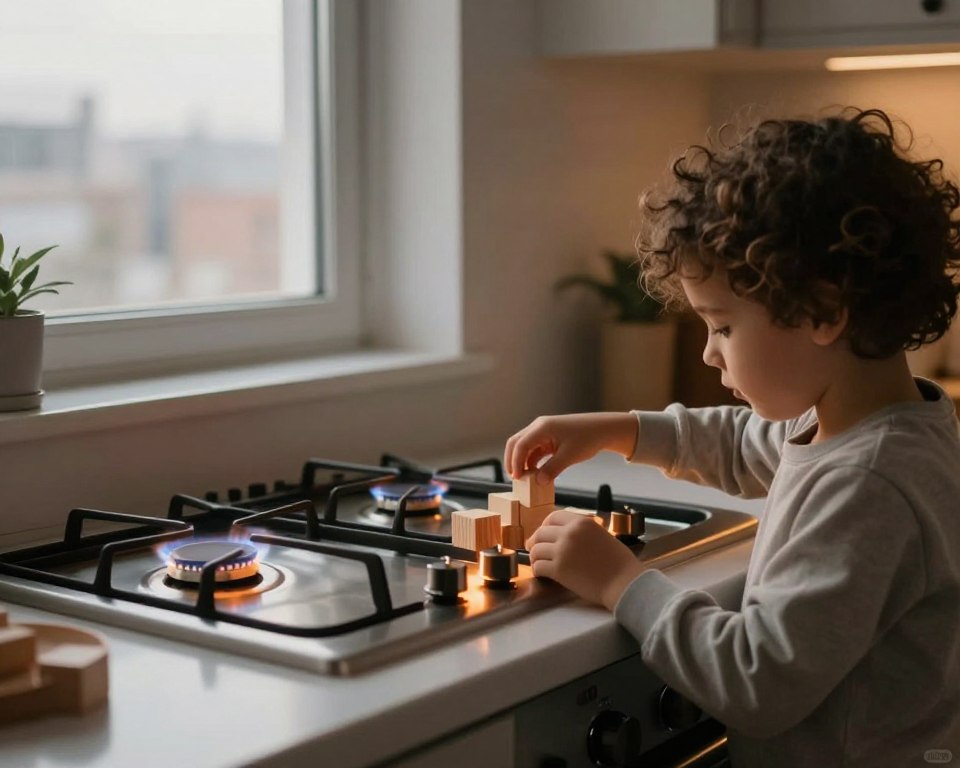
The connection between Gas Stove Health Effects and asthma in kids is a big concern today. Studies show that cooking byproducts might make asthma worse in young children.
Kids are more at risk for several reasons. They breathe more air than adults, and their lungs are still growing. This makes them more sensitive to harmful chemicals like nitrogen dioxide (NO2), which comes from gas stoves.
The size of a home affects how much pollution kids breathe in. Homes under 800 square feet have up to four times more nitrogen dioxide than bigger homes.
“The cumulative impact of indoor air pollutants on children cannot be ignored, as the home environment is where they spend the vast majority of their formative years.”
Several things make risks higher in small homes:
- Limited Air Volume: Pollutants build up faster in smaller rooms.
- Inadequate Ventilation: Without good exhaust, harmful gases don’t get diluted.
- Proximity: Kids often hang out near the kitchen, getting closer to harmful emissions.
Knowing about Gas Stove Health Effects helps parents keep their homes safer. By understanding the dangers of nitrogen dioxide and the challenges of small spaces, families can work to improve their air quality. This helps protect kids’ breathing health.
Evaluating the Impact of Gas Stove Emissions on Vulnerable Populations
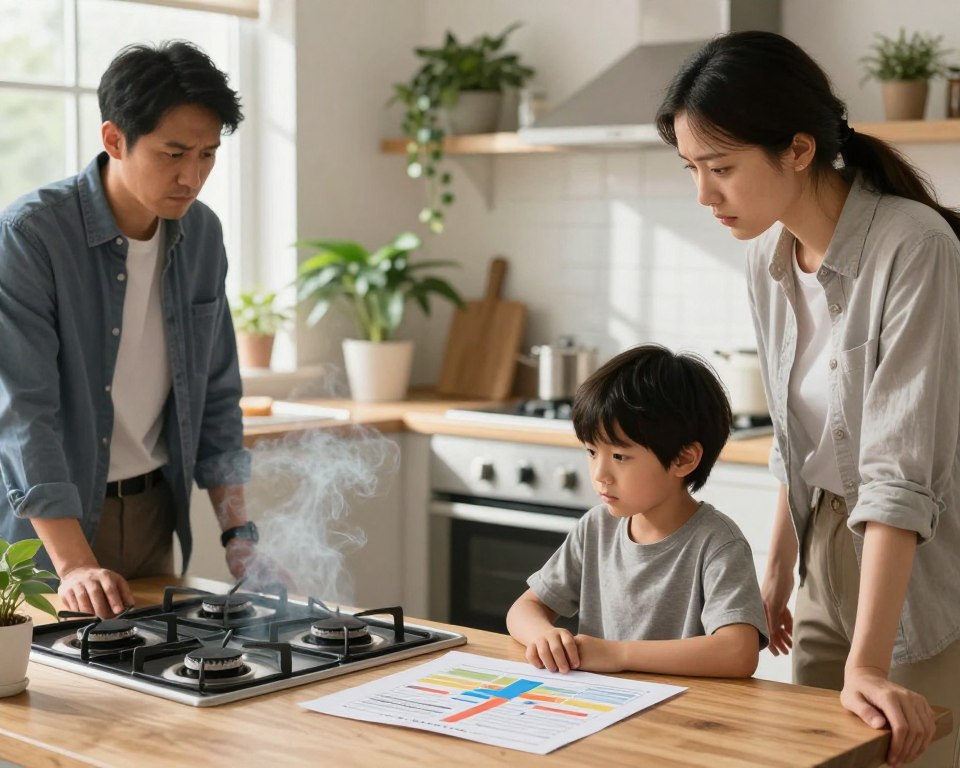
People in vulnerable groups face bigger health risks from gas stove usage. This is because of both environmental and biological factors. It’s important to know about Gas Stove Health Effects to keep indoor air clean for those at risk.
Those with breathing problems like asthma or COPD are very sensitive to pollutants. These pollutants can make breathing harder or worse. The elderly are also at higher risk because their bodies may not handle environmental stress well.
The size and ventilation of a home greatly affect Health Risks Gas Stove emissions. In small homes or apartments with poor air flow, pollutants build up faster. Even simple cooking can quickly make indoor air dirty.
How people act in their homes also affects air quality. Not using a range hood or not opening windows while cooking makes air worse. Families can check their risk by looking at these factors that affect Gas Stove Health Effects.
| Risk Factor | Impact Level | Primary Concern |
|---|---|---|
| Small Living Space | High | Pollutant Concentration |
| Pre-existing Asthma | High | Respiratory Irritation |
| Lack of Ventilation | Very High | Extended Exposure |
| Elderly Occupants | Moderate | Systemic Sensitivity |
Regulatory Shifts and Policy Debates in the United States

The talk about gas stoves has moved from science to government. This change shows a big shift in how we see our kitchens. Now, the focus is on indoor air quality standards.
Government agencies are looking into the health effects of gas stove emissions. This isn’t just a study; it’s leading to stricter rules for home appliances. It’s like the caution we take with chemicals in personal care, but for our homes.
These changes will shape the future of appliance making. Makers might need to add more controls or ventilation. This is to cut down on harmful gases like nitrogen dioxide and carbon monoxide in our homes.
If you’re planning to renovate or replace appliances, keep up with these changes. Local rules often follow federal ones, affecting what you can use in your kitchen. Staying informed helps keep your home safe and up to code.
The aim of these debates is to make homes safer. By setting air quality standards, regulators want to help us make better choices. Planning ahead is key to dealing with new rules.
Comparing Gas Stove Health Effects to Electric and Induction Alternatives
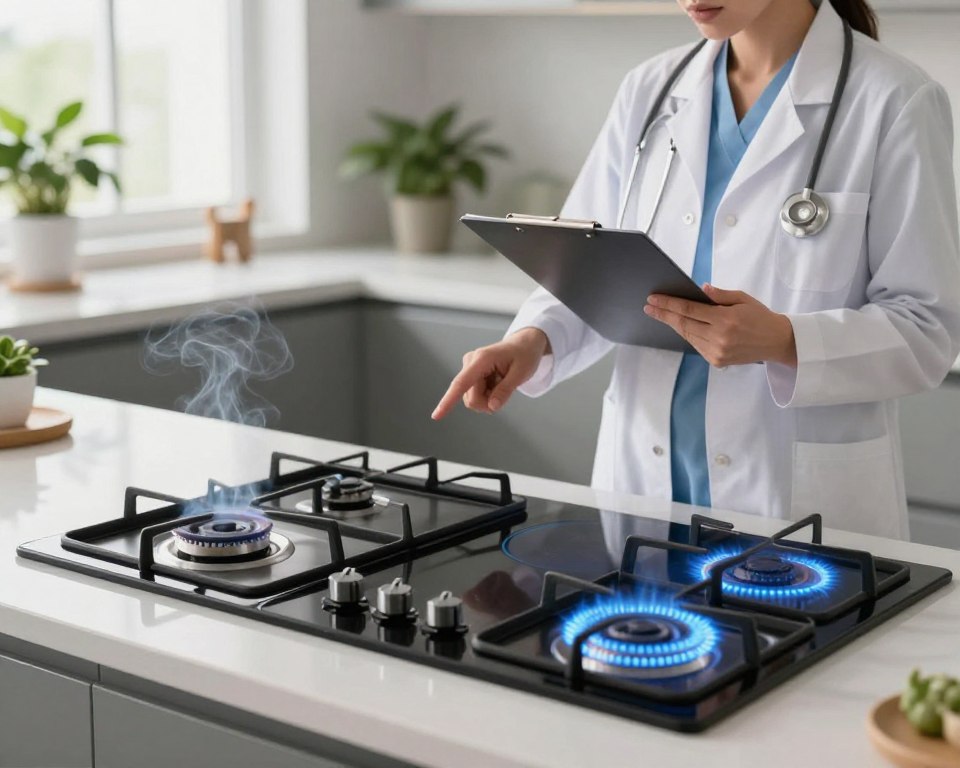
A 2024 study found that gas and propane stoves cost society $1 billion a year. This is due to nitrogen dioxide exposure. Many are looking for cleaner options to reduce health risks.
Efficiency and Safety Profiles of Induction Cooktops
Induction cooktops are different from traditional gas stoves. They use electromagnetic fields to heat cookware directly. This method is efficient and keeps the cooktop cool.
Induction cooktops don’t release harmful gases like nitrogen dioxide or carbon monoxide. They also don’t produce particulate matter. This makes them great for keeping the air clean. Plus, they reduce the risk of burns or fires.
Transitioning from Gas to Electric Infrastructure
Switching to electric or induction stoves is more than just a new appliance. Many homes need electrical upgrades for these stoves. You might need a licensed electrician to install a new circuit.
The cost of these upgrades is high at first. But, they offer long-term benefits. Eliminating gas combustion cuts down on indoor pollution. This can lower health costs and may even get you rebates or tax breaks.
Practical Mitigation Strategies for Existing Gas Stove Users
To control gas stove pollution, start by managing combustion byproducts at the source. While electric stoves are safer, many still use natural gas for cooking. By using specific strategies, you can improve your indoor air quality gas stove environment. This reduces harmful nitrogen dioxide and particles.
The Role of High-Efficiency Range Hoods
A high-efficiency range hood is key in your kitchen. It vents air directly outside. Unlike standard hoods, which just recirculate air, these hoods remove harmful gases.
Using your hood correctly is crucial. Turn on the fan before cooking and keep it on for ten minutes after. This clears out gases from your kitchen.
Ventilation is the best way to cut down indoor pollutants from gas appliances. Without direct venting, pollutants stay in your home, even if it looks clean.
Importance of Cross-Ventilation and Air Purification
If you don’t have a high-efficiency hood, cross-ventilation is a good backup. Open windows on opposite sides to exchange indoor air for fresh air. This method can greatly reduce pollutants during cooking.
Portable air cleaners with HEPA filters and activated carbon can also help. They don’t replace venting, but they catch fine particles. Place one near the kitchen to stop pollutants from spreading.
| Mitigation Method | Primary Benefit | Effectiveness Level |
|---|---|---|
| External Venting Hood | Removes gases at source | High |
| Cross-Ventilation | Dilutes pollutant concentration | Moderate |
| HEPA/Carbon Purifier | Captures fine particles | Moderate |
Addressing Gas Stove Safety Concerns Beyond Air Quality
Looking at gas stove safety concerns means more than just the flames. It’s about the whole kitchen setup. The physical state of your stove is key to keeping your home safe.
Methane Leaks and Unburned Gas Emissions
A big issue with gas stove emissions is methane leaks when the stove is off. Studies show over three-quarters of methane from stoves comes from these leaks.
These leaks happen in the gas supply lines, fittings, and valves. Even tiny leaks can raise methane levels indoors. So, it’s important to check these lines often.
Fire safety is also crucial for anyone with a natural gas stove. Proper maintenance is key to safe stove use.
Here are steps to lower risks:
- Check gas hoses and connections yearly for damage.
- Think about getting pilotless ignition systems for less flame risk.
- Keep the stove area clear of flammable stuff like towels.
If you smell gas or think there’s a leak, turn off the gas and call a pro. Taking care of these gas stove safety concerns keeps your kitchen safe for your family.
The Environmental Impact of Natural Gas Usage in Homes
Understanding the Gas Stove Environmental Impact means looking at the whole life of natural gas. People often focus on indoor air quality. But, the journey of this fuel from extraction to your kitchen has big environmental effects.
Natural gas is mostly methane, a gas that traps heat more than carbon dioxide. During extraction and distribution, fugitive methane emissions leak into the air. This makes the climate footprint of home appliances worse.
When you turn on your stove, you’re not just cooking. You’re starting a cycle of burning fossil fuels. This releases carbon dioxide into the air, adding to the Gas Stove Environmental Impact in homes. Many experts say we should switch to electric to lessen these risks.
“The transition away from fossil fuel-based residential appliances is a critical step in reducing our collective carbon footprint and achieving broader climate sustainability goals.”
To see how different cooking methods compare, look at this breakdown:
| Energy Source | Primary Emission | Climate Impact | Efficiency |
|---|---|---|---|
| Natural Gas | Methane/CO2 | High | Moderate |
| Electric Resistance | Grid-dependent | Low to Moderate | Low |
| Induction | Grid-dependent | Lowest | High |
By looking at these points, homeowners can choose better for their health and the planet. Cutting down on fossil fuels in the kitchen is a big step toward a greener future.
Navigating the Complexity of Scientific Studies
Understanding the health risks gas stove usage can be tough for homeowners. Many things affect indoor air quality, like how well your home vents, your cooking habits, and your stove’s age. Since every home is different, scientists struggle to pinpoint the exact impact of gas stoves.
To grasp these studies, knowing the two main research methods helps. Observational studies watch real-life habits over time. They show patterns but can’t always prove cause and effect. On the other hand, controlled experiments happen in labs where scientists can change variables to see exact results.
“The strength of scientific evidence relies on the ability to replicate results across diverse populations and controlled environments.”
When you hear about health risks gas stove emissions, look at these criteria to judge the evidence:
- Sample Size: Bigger studies are usually more reliable than small ones.
- Peer Review: Make sure the study was checked by experts before it was published.
- Funding Sources: Knowing who paid for the study helps spot any biases.
It’s key to know the difference between solid facts and early findings. Facts are backed by many studies, while early findings hint at a possible issue that needs more research. This way, you can understand the health risks gas stove might bring without getting too worried about early data.
Image Disclosure and Educational Context
Some images in this guide are made by artificial intelligence. They are educational illustrations to help explain indoor air quality and health effects.
Remember, these images are for learning only. They are not a substitute for a doctor’s or vet’s advice. If you’re worried about your health or home safety, talk to a professional.
We want to be clear about the images we use. For detailed info on air quality risks, check the global standards for household air pollution. Our aim is to give you solid, evidence-based advice to help you make smart choices.
The table below shows what our visual content is for and its limits:
| Content Type | Primary Purpose | Usage Limitation |
|---|---|---|
| AI-Generated Images | Conceptual visualization | Not for clinical diagnosis |
| Scientific Data | Evidence-based reporting | Requires professional review |
| Safety Guidelines | Practical mitigation | Consult local experts |
Expert Recommendations for Homeowners
Keeping your indoor air clean is key for every homeowner with gas appliances. Many families use these stoves daily. But, it’s crucial to control Gas Stove Pollution for a healthy home. Making small changes in your kitchen can greatly improve the air you breathe.
It’s important to keep your gas stove in good shape. Get a yearly check-up for your gas lines and burners. Properly tuned burners make less harmful stuff, which means cleaner air.
“The most effective way to protect your household is to combine source control with active ventilation. By ensuring your range hood is functioning correctly and using it every time you cook, you create a vital barrier against combustion pollutants.”
Homeowners should also make daily habits to reduce exposure. Always turn on your exhaust fan high while cooking. Also, open a window nearby for better air flow. These steps are great for Gas Stove Pollution Control.
| Action Item | Frequency | Primary Benefit |
|---|---|---|
| Professional Inspection | Annually | Leak detection and efficiency |
| Range Hood Usage | Every cooking session | Pollutant extraction |
| Burner Cleaning | Monthly | Optimal combustion |
| Air Purifier Use | Continuous | Particle reduction |
Lastly, keep an eye on your air with a quality sensor. These tools show you levels of harmful stuff in real time. By doing this, you can make smart choices for your family’s health and safety.
Conclusion
Scientific studies show a strong link between gas stoves and poor indoor air quality. To tackle this, we need to take steps in home care and ventilation.
Your health can be affected by many things, like your kitchen’s layout and how well air moves around. You can reduce risks by using top-notch range hoods and making sure air flows well while cooking.
Brands like Broan-NuTone offer solutions to remove harmful gases from your home. Keeping these systems in good shape is key to their effectiveness.
Switching to induction cooking is another smart move to avoid gas emissions. Brands like Bosch and GE Profile offer safe and precise cooking options.
Look at the research to make choices that protect your family’s health. Choosing safe, evidence-based options can make your home healthier for everyone.
FAQ
Is gas stove pollution dangerous for long-term respiratory health?
Yes, gas stove pollution is harmful. It releases nitrogen dioxide (NO2), which irritates the lungs. Long-term exposure can worsen conditions like COPD and bronchitis.
Studies from the Harvard T.H. Chan School of Public Health show that short-term spikes in gas stove emissions can cause lung inflammation.
What are the specific gas stove health effects on children?
Children are at high risk from gas stoves. A study in the International Journal of Environmental Research and Public Health found a 42% asthma risk in kids living with gas stoves.
Children breathe more and have developing lungs, making them more vulnerable to pollutants like NO2 and particulate matter.
How does a gas stove impact indoor air quality compared to electric alternatives?
Gas stoves generally pollute less than electric or induction cooking. Induction cooktops from Bosch or Samsung use electromagnetism, not combustion.
Gas burners release carbon monoxide and benzene directly into the kitchen. Without a good range hood, these pollutants can stay in the home for hours.
What are the primary gas stove emissions I should be concerned about?
You should worry about nitrogen dioxide (NO2), carbon monoxide (CO), and fine particulate matter (PM2.5). A study by Stanford University found that gas stoves can leak benzene, a known carcinogen, even when off.
These chemicals can build up quickly, causing health problems, even if you don’t notice them right away.
Are there gas stove safety concerns beyond the cooking process?
Yes, there are safety concerns beyond cooking. Methane, the main part of natural gas, often leaks from old fittings or pilot lights. This can lead to fire or explosion risks.
Leaked methane also adds to the gas stove environmental impact. It’s important to check your appliance connections regularly and consider models with pilotless ignition.
What methods work best for gas stove pollution control?
To control gas stove pollution, use a multi-layered approach. The most important step is a high-CFM range hood that vents outside. If venting is not possible, a high-efficiency air purifier can help capture some pollutants.
Using a Blueair HealthProtect or Coway Airmega air purifier can improve indoor air quality.
How significant is the gas stove environmental impact on climate change?
The gas stove environmental impact is big. Methane leakage in the supply chain and at home is a potent greenhouse gas. Switching to electric or induction cooking is key to reducing carbon footprints and improving the environment.
Is it necessary to replace my stove to mitigate health risks gas stove exposure creates?
Replacing your stove with an induction range is the best way to avoid combustion pollutants. But, you can also reduce risks by ensuring good cross-ventilation and using back burners. Portable induction burners or air fryers can also help reduce combustion time.