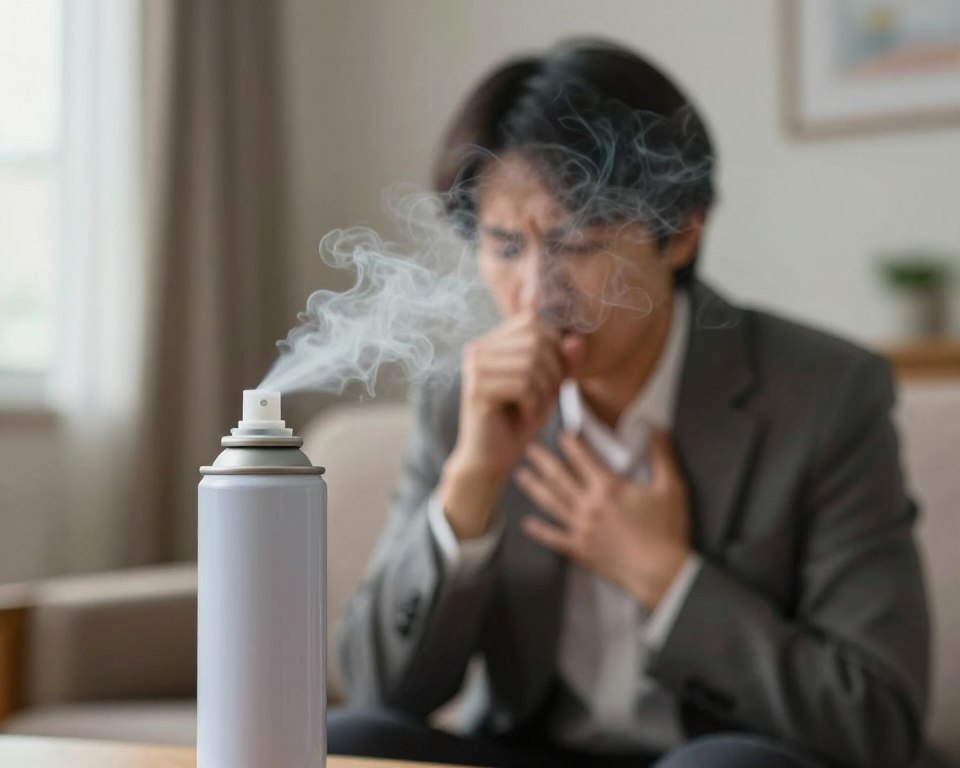
Recent studies show a shocking truth for those with breathing problems: 64.3% of them get sick after using scented items. This fact points to a big problem in our homes.
Many homes use artificial smells to hide bad odors. But these scents can release harmful chemicals into the air. Understanding how these chemicals affect our lungs is key to keeping our homes safe. Research in scientific journals shows that certain products, like deodorizers, can make breathing harder.
Knowing how to manage your home’s air is crucial. By spotting dangers, you can choose safer options. This helps protect your lungs for the long run, even if it means giving up some smells.
Key Takeaways
- Over 64% of people with respiratory sensitivities experience negative health outcomes from fragranced items.
- Common household deodorizers are frequently cited as sources of respiratory irritation and discomfort.
- Clinical studies indicate a strong correlation between synthetic scents and increased frequency of breathing difficulties.
- Many individuals report that these products cause symptoms ranging from migraines to severe respiratory distress.
- Proactive management of indoor air quality is essential for reducing exposure to potentially harmful chemical compounds.
The Hidden Chemistry of Indoor Fragrances
Every pleasant scent in your living room has a complex chemical makeup. Many think “fragrance” means just one ingredient. But, these products are really mixtures with dozens or hundreds of substances.
This mix of chemicals is key when looking at air fresheners health effects. Since makers don’t always list every ingredient, we often don’t know what we’re breathing in every day.
Understanding Volatile Organic Compounds
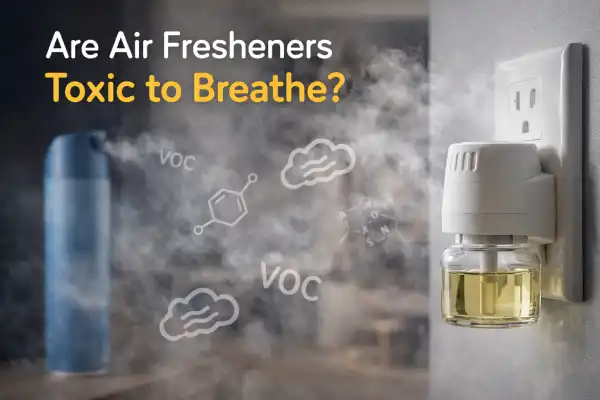
Many scented products release volatile organic compounds (VOCs). These chemicals evaporate quickly, spreading the scent around your home. But, this can also make the air quality worse.
Common volatile organic compounds in air fresheners include known substances that can irritate the lungs. These include:
- Limonene: A citrus-scented terpene.
- Alpha-pinene: Gives a pine-like smell.
- Formaldehyde: Forms when other VOCs meet the air.
The Role of Phthalates in Scented Products
Many air fresheners also have phthalates, semi-volatile compounds. They help the scent last longer and stick to surfaces.
Even though they keep the scent going, they worry health-conscious people. Studies on their long-term effects on breathing are still going on. But, many experts say to be careful. Knowing about this hidden chemistry helps us understand why some products might not be good for our homes.
Can Air Fresheners Trigger Asthma in Sensitive Individuals

For people with respiratory issues, their home air can be a problem. Many like a clean room smell, but Can Air Fresheners Trigger Asthma in some. Studies show those with asthma face more health risks from scented products, with a 5.76 odds ratio.
Mechanisms of Airway Irritation
Inhaling chemicals in sprays can upset our breathing. These asthma triggers air fresheners release harmful chemicals. This can cause our airways to swell, making it hard to breathe.
Our body sees these chemicals as threats, leading to an immune response. This can cause a tight chest or wheezing. Even natural products can be risky. Knowing the dangers of inhaling household chemicals is key to a safe home.
“The lungs are highly sensitive organs, and the introduction of synthetic fragrances can disrupt the delicate balance of respiratory function in susceptible populations.”
Differentiating Between Irritation and Allergic Response
It’s important to tell the difference between irritation and an allergic reaction. Irritation is a quick, local reaction to a strong smell. It might cause sneezing or discomfort. But asthma and fragrance sensitivity are more serious, causing airways to narrow.
An allergic reaction involves the immune system, leading to widespread symptoms. But for asthma, it’s about airways being too sensitive to irritants. While one might just dislike a smell, an asthmatic could have a serious reaction. Knowing the difference helps us choose safer products for our homes.
The Science of Fragrance Sensitivity and Respiratory Health
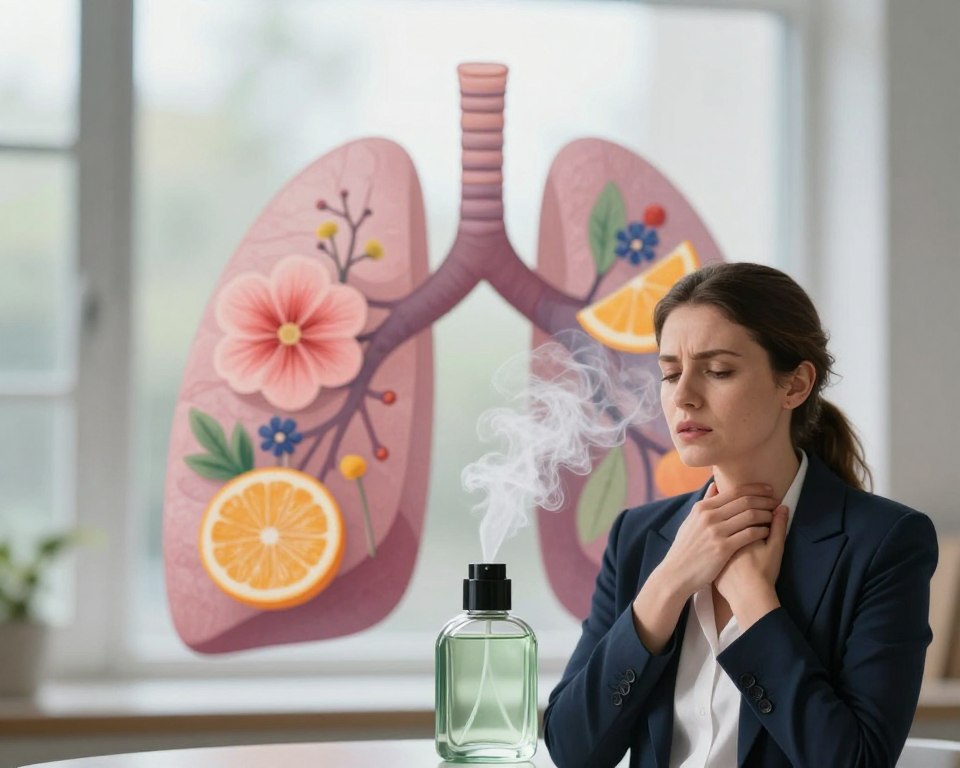
Fragrance sensitivity comes from chemicals in the air affecting our nervous system. When we breathe them in, our body might react in ways that harm us. It’s important to know how air fresheners health effects can cause breathing problems at home.
How Olfactory Nerves Influence Lung Function
The olfactory system is how chemicals get into our bodies. When we breathe them in, they hit nerve endings in our nose. This can send signals to our brain that affect our breathing.
This neural pathway can cause many symptoms. These include:
- Mucosal irritation and inflammation.
- Sudden, involuntary coughing or wheezing.
- Increased airway resistance in susceptible individuals.
Common Chemical Culprits in Aerosol Sprays
Aerosol sprays are a special problem because they release tiny particles. These particles can get deep into our lungs. This is why asthma and fragrance sensitivity can be so bad.
Many sprays have volatile organic compounds that irritate our airways. When these chemicals build up in small spaces, they can make asthma worse. Knowing what chemicals to avoid can help keep our airways healthy.
Indoor Air Quality and the Cumulative Effect of Scents
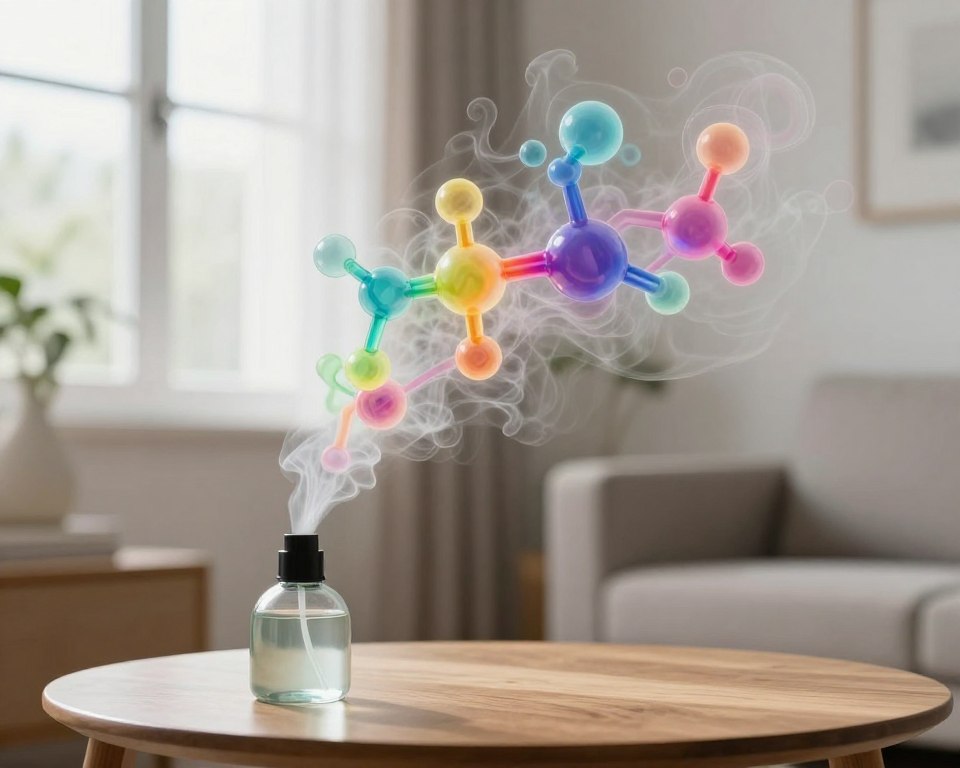
Many homeowners don’t know their homes trap chemical pollutants. We often worry about outdoor pollution, but indoor air is worse. This buildup means even small exposures can last a long time.
Ventilation Challenges in Modern Homes
Today’s homes are built to save energy, with tight seals and insulation. These features save money but trap air inside. This means pollutants from household items, like volatile organic compounds in air fresheners, stay longer.
“The lack of adequate ventilation in contemporary housing designs means that indoor air pollutants are not diluted or removed, effectively increasing the duration of human exposure to chemical irritants.”
To fight these issues, using mechanical ventilation or opening windows is key. For those with breathing problems, picking the safest cleaning products for asthma sufferers helps lower chemical levels at home.
The Impact of Plug-in Diffusers on Air Purity
Plug-in diffusers are popular for adding scents, but they constantly release chemicals. Unlike candles, which are used briefly, these devices run all the time. This keeps the air full of synthetic smells, which is bad for those with indoor air quality and asthma.
The effects of these devices include:
- Higher levels of airborne chemical irritants.
- Less effective air filtration systems.
- More sensitivity in people with breathing issues.
Consistency is the primary concern with these products. They keep releasing fragrance, making it hard for our lungs to handle. Cutting down on these sources is the best way to clean your home’s air.
Evaluating the Link Between Air Fresheners and Asthma Attacks
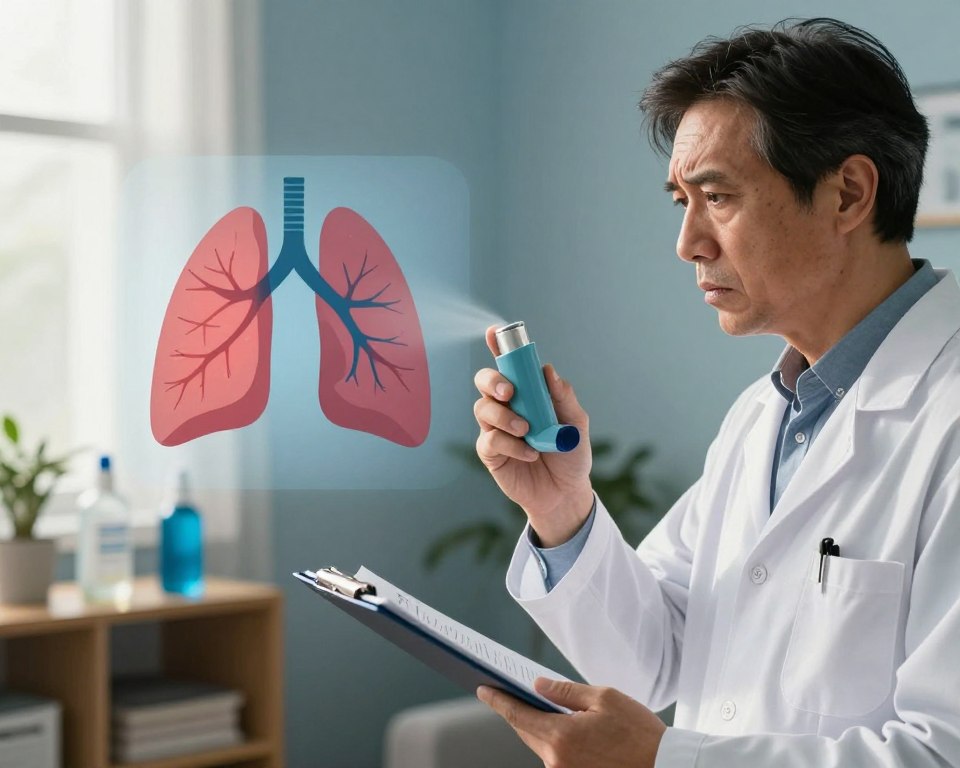
Studies show a clear link between household fragrances and breathing problems. Many people unknowingly bring harmful substances into their homes. It’s crucial to ask: Can Air Fresheners Trigger Asthma in your home?
Clinical Observations in Pediatric Asthma
Children are more at risk from chemicals in sprays and plug-ins. Their young lungs and fast breathing make them more prone to irritation. About 41% of asthmatics say these products cause health issues.
When kids are exposed to asthma triggers air fresheners, they might start wheezing or coughing right away. Parents might not know that a simple spray is causing their child’s breathing problems. Cutting down on exposure is key to managing asthma in kids.
Adult-Onset Asthma and Environmental Triggers
Adults can also be affected by synthetic fragrances. Many develop sensitivities later in life, often due to bad indoor air. Using products like a fabric refresher spray can lead to long-term inflammation in the airways.
These products are everywhere in modern homes, making it hard to avoid air fresheners and asthma attacks. Knowing about these triggers is the first step to making your home safer and easier to breathe in.
Regulatory Gaps in Fragrance Labeling
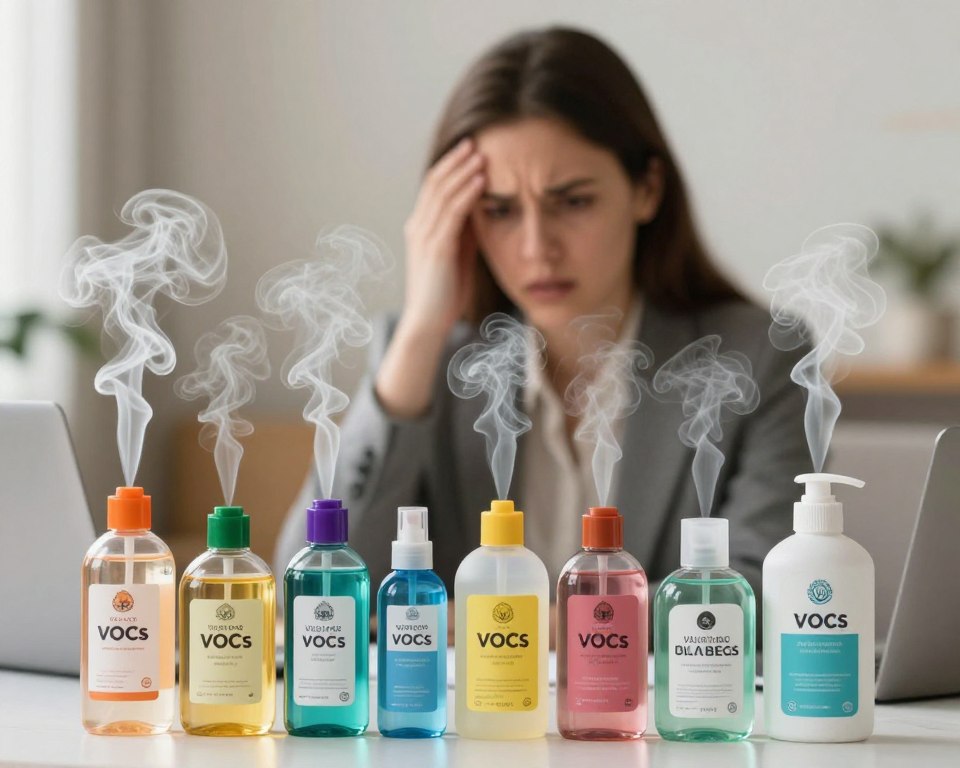
The rules for fragrance products don’t protect consumers well. Many think ingredient lists on sprays show all chemicals. But, makers often keep their recipes secret.
This secrecy makes it hard to find out what causes breathing problems. Since companies don’t list each chemical, people don’t know about volatile organic compounds in air fresheners in their homes.
The Mystery of Proprietary Fragrance Ingredients
The word “fragrance” on labels is a catch-all. It can mean dozens or hundreds of chemicals. These secret mixes hide their safety from the public.
Without knowing all ingredients, it’s hard to check air quality. This is a big worry for people with asthma or chemical sensitivities. They can’t tell which products have bad volatile organic compounds in air fresheners.
Why Natural Does Not Always Mean Safe
Terms like “natural” or “green” make products seem safe. But, these labels aren’t strict for fragrances. Even natural products can release harmful volatile organic compounds in air fresheners.
Natural essential oils are nice but can still bother people’s airways. Believing marketing over real ingredients can be risky. It’s important to look closely at what’s in a product.
| Label Claim | Common Reality | Potential Risk |
|---|---|---|
| “Natural Fragrance” | Botanical extracts mixed with synthetic solvents | Airway irritation |
| “Odor Neutralizer” | Chemical masking agents | VOC accumulation |
| “Proprietary Blend” | Undisclosed chemical cocktail | Unknown respiratory triggers |
Identifying Symptoms of Fragrance-Induced Respiratory Distress
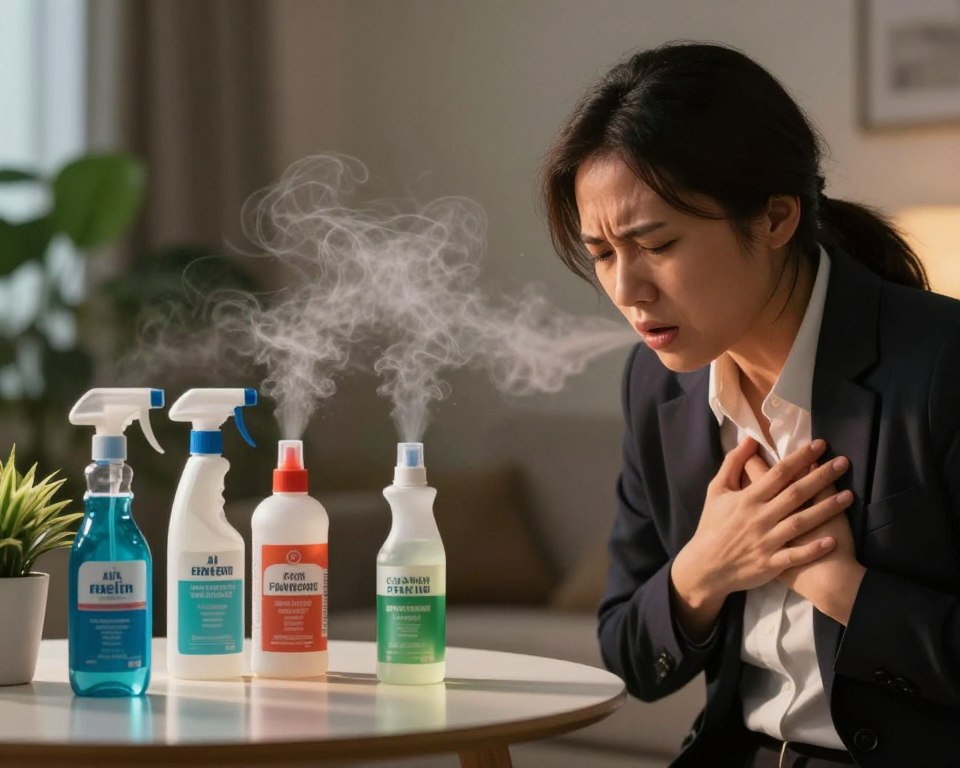
Many people ignore early signs that show their indoor air is harming their lungs. It’s crucial to watch how your body reacts to synthetic scents. Small changes in breathing can signal irritation.
Early Warning Signs of Airway Constriction
About 43.3% of asthmatics face breathing issues after being near fragranced products. These problems often lead to air fresheners and asthma attacks. It’s important to remove the scent source quickly.
Signs of airway constriction include:
- Persistent, dry coughing after entering a scented room.
- A noticeable feeling of tightness or pressure in the chest.
- Audible wheezing or whistling sounds during inhalation.
- Increased mucus production or throat irritation.
“The respiratory system acts as a sensitive barometer for indoor air quality; when it signals distress, the environment must be addressed immediately to prevent long-term damage.”
When to Seek Professional Medical Advice
Knowing about fragrances and respiratory health helps you know when to see a doctor. Mild discomfort usually goes away by leaving the scented area. But, if symptoms persist, your body is struggling with chemicals.
Seek medical help if you notice:
- Difficulty speaking in full sentences due to shortness of breath.
- Symptoms that do not improve after leaving the room for several hours.
- A reliance on rescue inhalers that exceeds your typical usage patterns.
Respiratory sensitivity can also be linked to reactions to harsh cleaning agents. For more safety tips, learn about nail polish remover and acetone safety. Always put your health first and see a specialist if you think your home is causing chronic respiratory problems.
Practical Strategies for Improving Indoor Air Quality
Improving indoor air quality is key for those wanting to reduce respiratory issues. By controlling what enters your home, you can improve your air fresheners respiratory health. Small, consistent changes can make a big difference for sensitive people.
Natural Alternatives to Synthetic Scents
The best way to cut down on chemical exposure is to avoid synthetic fragrances. Many sprays and plug-ins contain complex chemicals that can harm your airways. Choosing to go scent-free is safest for those with sensitivities.
If you want a nice smell, try natural options that don’t use harmful chemicals. Fresh flowers, dried herbs, or opening windows are great. These methods keep your space welcoming without the chemical risks.
The Importance of Proper Ventilation and Filtration
Dilution is crucial for managing indoor air quality and asthma triggers. Regularly opening windows lets in fresh air, helping to clear out chemicals. Using exhaust fans in kitchens and bathrooms stops moisture and irritants from building up.
For better protection, high-quality air filters are a must. A HEPA filter can catch tiny particles that regular filters miss. Good ventilation and filtration make your home cleaner and safer for everyone.
The Veterinary Perspective on Household Air Quality
As a vet, I see how indoor air pollutants hurt our pets’ breathing. They spend most of their time inside, so they’re hit hard by synthetic smells and chemicals.
Remember, what bothers a human can really get to a pet. Pets have smaller bodies and more sensitive noses. So, even a little bit of air pollution can upset them a lot.
How Pets Experience Respiratory Irritants
Pets react fast to strong smells from diffusers or sprays. They might sneeze a lot, cough, or seem really tired for no reason.
Be careful with cleaning products and scented items near where pets sleep. For example, check if a rug deodorizer powder is safe for pets by looking at its real ingredients.
“The respiratory system of a cat or dog is a delicate instrument; when we introduce volatile compounds into their environment, we are often asking them to process substances their bodies were never designed to filter.”
Image Disclosure Regarding Educational Illustrations
Some pictures in this article might be AI-made for learning. They help explain vet stuff in a simple way. But, they shouldn’t replace a real vet check-up or diagnosis.
Understanding AI-Generated Visuals in Veterinary Contexts
AI pictures help us show hard-to-show things in vet settings. Always listen to your local vet about your pet’s health. These pictures are just for learning, not for real advice.
Debunking Common Myths About Air Fresheners
Many people think a nice smell means their home is clean. But this isn’t always true. Air fresheners often add more chemicals to your space.
The Myth of Odor Neutralization Versus Masking
Commercial air fresheners don’t really get rid of bad smells. They just mask them with artificial fragrances. This works by using chemicals that either coat your nose or overpower it with a stronger scent.
This isn’t cleaning the air; it’s just changing it. For those with asthma triggers air fresheners can make breathing harder. Real cleaning means fixing the source of the smell, not just covering it up.
Addressing Misconceptions About Air Purifying Claims
Ads often say products “purify” or “clean” the air. But these claims are often false and not backed by science. A product that adds chemicals to the air can’t really purify it.
To really improve indoor air quality and asthma, you need to use mechanical filters or open windows. Relying on scented sprays is risky and ignores real air pollutants. It’s better to use physical methods to clean the air, not chemical ones.
| Feature | Air Fresheners | Air Purifiers |
|---|---|---|
| Primary Function | Masking odors | Removing particles |
| Chemical Impact | Adds VOCs | None |
| Health Benefit | None | Reduces asthma triggers |
| Mechanism | Synthetic fragrance | HEPA filtration |
The Psychological Impact of Scented Environments
Our homes often smell to show comfort, but it can harm our air fresheners respiratory health. People link certain smells with cleanliness, calmness, or order. These feelings make many use synthetic fragrances at home.
Balancing Comfort and Health in Living Spaces
Pleasant smells can make a room feel better, but they can also hurt those with asthma and fragrance sensitivity. A home should be safe for everyone, not just those without breathing issues. Good air quality doesn’t mean a cold home.
Many want places without strong smells, like work or hospitals, to stay healthy. Making homes like this is kinder to everyone. Using fewer synthetic chemicals helps keep our lungs healthy for longer.
The Role of Sensory Preferences in Home Design
Creating a cozy space without harsh sprays needs a new way of thinking. Instead of hiding smells, fix the source. This way, you solve the air problem at its root.
Designing homes with nature in mind can make them fresh without harming anyone. Open windows, good air filters, and safe cleaners make air better. Choosing smart design makes homes look good and safe for all.
Advocating for Safer Consumer Product Standards
We need to change how we regulate household goods to break the link between air fresheners and asthma attacks. Many products are sold for their nice smells, but we don’t know what’s in them. Health experts and advocacy groups want stricter rules to keep our air clean.
The Push for Transparency in Ingredient Disclosure
Today, makers can hide chemicals by calling them “fragrance.” This makes it hard for people to know if a product might harm their breathing. It’s crucial for those with health issues to avoid certain chemicals.
Advocates want companies to list all chemicals in their products. Clear labeling helps people make better choices. It’s a big step towards reducing airway problems.
How Consumer Choices Influence Market Trends
What we buy sends a message to companies. Many people with asthma have lost workdays because of strong smells at work. This shows we need places without fragrances.
As more people look for fragrance-free alternatives, companies are changing. They make products without known irritants. This change happens when we talk about air fresheners and asthma attacks more.
| Feature | Current Industry Standard | Advocated Health Standard |
|---|---|---|
| Ingredient Disclosure | Proprietary “Fragrance” Label | Full Chemical List |
| Safety Testing | Voluntary Compliance | Mandatory Respiratory Screening |
| Workplace Policy | Limited Fragrance Restrictions | Fragrance-Free Environment |
| Public Awareness | Marketing-Driven | Evidence-Based Education |
Keeping fragrances and respiratory health safe is everyone’s job. By picking products with clear labels and supporting fragrance-free spaces, we can make a difference. This helps us all live and work in a healthier world.
Conclusion
Studies reveal that many air fresheners can trigger asthma and other breathing problems. These products release complex chemicals that can bother sensitive airways.
Knowing what’s in these items helps you make better choices. By choosing fragrance-free options, you can make your home safer for your family and pets.
It’s also important to push for clearer labels on these products. When we ask for detailed ingredient lists, companies will make safer products. Your choices help shape the market, pushing companies to focus on health over just covering smells.
Start making small changes in your home and work today. These changes can greatly improve your lung health over time. Share what you learn with others to help them create healthier spaces too.
FAQ
Can air fresheners trigger asthma in individuals who previously had no symptoms?
Air fresheners can make breathing harder for people with asthma. They can also irritate airways in sensitive people. This can cause coughing and tightness in the chest, even if asthma was controlled before.
What are the specific air fresheners health effects I should be aware of?
Air fresheners can harm your breathing and brain. They release chemicals like formaldehyde and limonene. These can cause headaches, dizziness, and make breathing harder over time.
Why do medical professionals consider some scents to be asthma triggers air fresheners?
Doctors say these products can cause asthma because they irritate the senses. When you breathe in the chemicals, it can make your airways narrow. This is very dangerous for people who get asthma attacks easily.
How do fragrances and respiratory health interact in poorly ventilated spaces?
In buildings that don’t let in much air, fragrances can be very harmful. The chemicals from diffusers and sprays build up. This makes it hard to breathe and manage asthma, as the lungs are always fighting off chemicals.
Can "green" or "natural" air fresheners still cause asthma attacks?
Yes. Even “natural” air fresheners can have chemicals that harm your breathing. For example, citrus scents can make formaldehyde when mixed with ozone at home. It’s better to choose fresh air over scented products.
What are the early warning signs that a fragrance is affecting my respiratory system?
If you have a dry cough, a scratchy throat, or feel your chest is heavy, it might be a sign. These symptoms can happen right after using a scented product. Move to fresh air and get rid of the scent source right away.
Do air fresheners pose a risk to pets with respiratory issues?
Pets are very sensitive to bad air and can get asthma attacks easily. Cats and dogs have a strong sense of smell and small lungs. Air fresheners can make them sneeze, feel tired, and breathe hard. They need to see a vet right away.
Is there a difference between an allergic reaction and sensory irritation from a fragrance?
Yes. Sensory irritation is a nerve reaction in the nose and throat. But an allergic reaction is a bigger problem that affects the lungs. Knowing the difference is important for keeping your breathing safe around fragrances.