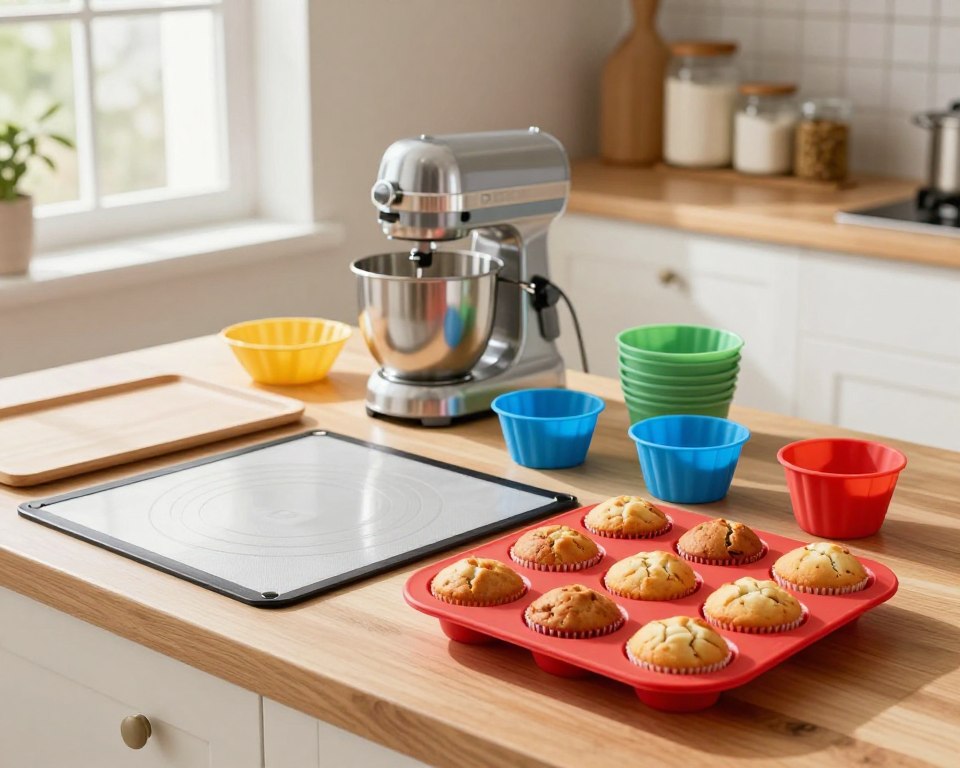
When you walk through the kitchen aisles, you see colorful, flexible molds. They promise to make baking easier. Many home cooks wonder if these tools belong in their ovens. Choosing the right equipment is key to a healthy home.
We focus on the quality of our ingredients but forget about the vessels. Understanding silicone helps us know if it’s safe under high heat. We aim to give you the facts to pick the best products.
By looking into the science of these tools, you can make better kitchen choices. This guide helps you keep your bakeware safe for your family.
Key Takeaways
- Food-grade material is essential for heat stability.
- High-quality products do not contain harmful fillers.
- Proper maintenance extends the life of your kitchen tools.
- Evidence-based research supports standard baking practices.
- Consumers should verify product certifications before purchase.
Understanding the Chemistry of Food-Grade Silicone
To understand why silicone works well in the oven, we need to look at its siloxane backbone. Unlike plastics made from carbon, silicone comes from silica, a key part of sand. This difference in structure gives it special heat and flexibility.
The Polymer Structure of Siloxanes
The heart of silicone is its chain of silicon and oxygen atoms. This chain is very strong and can handle high heat without breaking. It also doesn’t release harmful chemicals into food when cooking.
“The strength of the silicon-oxygen bond is the primary reason silicone remains inert and stable across a wide range of temperatures, making it a preferred material for modern culinary applications.”
Distinguishing Between Food-Grade and Industrial Silicone
Not all silicone is the same. Food-grade silicone is safe for use with food because it meets strict purity standards. Industrial-grade silicone, on the other hand, might have additives not safe for eating.
When picking kitchen items, knowing how they’re made is key. Just as you check if cleaning products are safe, make sure your bakeware is too.
Here’s what sets food-grade silicone apart:
- Purity Standards: It must pass tests for safety in food.
- Additives: Industrial silicone might have cheaper fillers.
- Thermal Integrity: Good food-grade silicone stays strong and safe at high heat.
Choosing food-grade products means they’re made with your health in mind. Always look for certifications that show they’re safe for food use.
Is Silicone Bakeware Safe for High-Temperature Cooking
Silicone bakeware is popular in many homes. It’s used for baking muffins and artisan breads. Knowing how it handles high heat is key to kitchen safety.
Thermal Stability and Melting Points
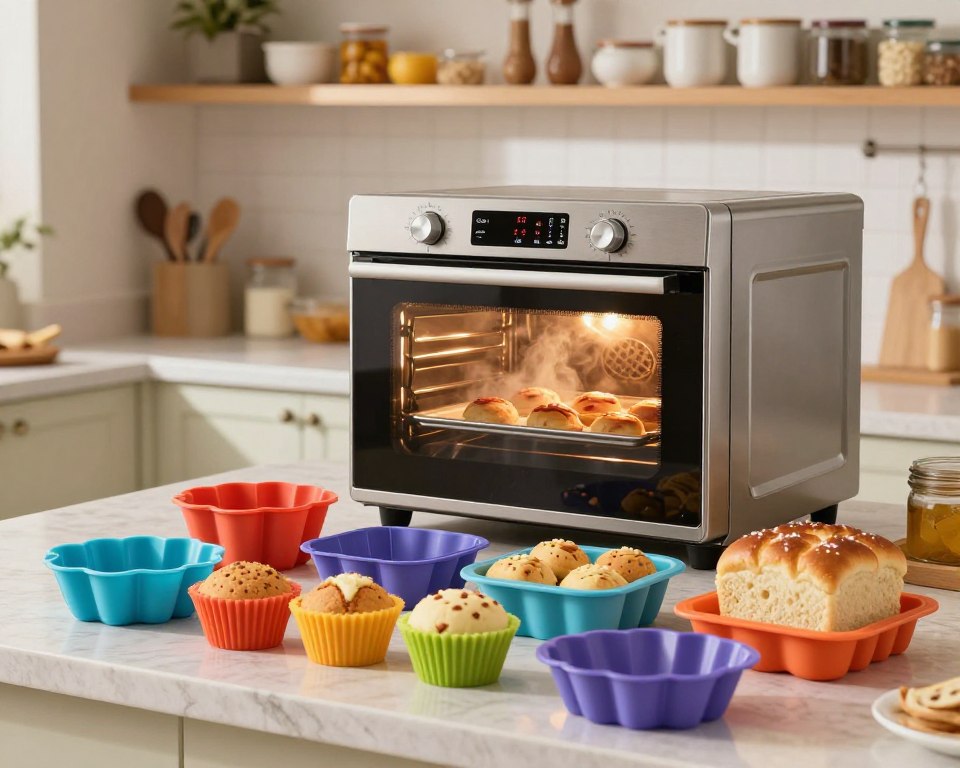
Food-grade silicone can handle temperatures from -40°F to 450°F or 500°F. This thermal stability keeps it solid, unlike plastic. It doesn’t melt like other materials.
But, if it gets too hot, it can break down. This can harm the mold. Always check the manufacturer’s temperature rating before using it in high heat.
Understanding Volatile Organic Compounds in Silicone
Volatile organic compounds, or VOCs, can turn into gas at room temperature or when heated. In kitchenware, we worry if they get into our food. High-quality silicone has low VOC emissions.
Good manufacturers cure their silicone to remove VOCs. This makes it safe for your oven. Low-quality products might release VOCs when heated.
Choosing certified, food-grade silicone lowers chemical risk. Stick to the recommended temperature to keep your tools safe. Quality is more important than price for kitchen safety.
Regulatory Standards and Safety Certifications
When you’re looking for baking tools, it’s key to know about safety certifications. These standards help ensure the materials in our homes are safe. Understanding these guidelines helps you choose better kitchen products.
FDA Requirements for Silicone Kitchenware
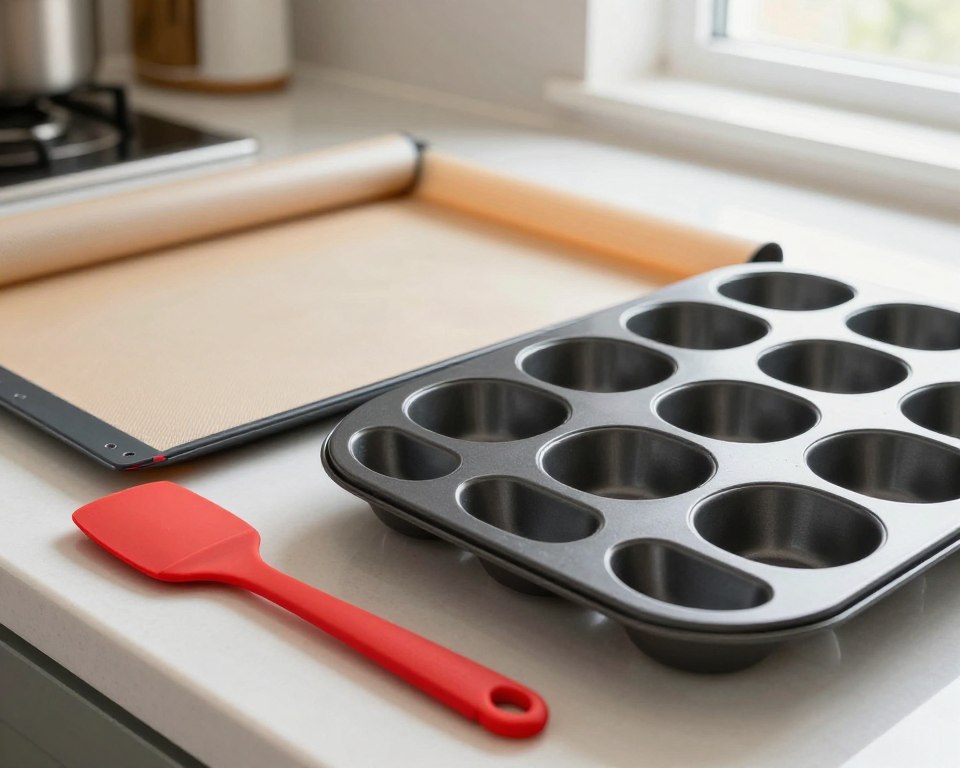
In the U.S., the FDA sets rules for food-contact materials. They make sure products meet the Code of Federal Regulations, Title 21. This means the material must be chemically inert and safe for food.
The FDA ensures products don’t have harmful substances. But, it doesn’t always test as much as other places. Look for products that say they meet FDA food-grade standards for basic safety.
LFGB Standards and Why They Matter
The LFGB is Germany’s food law, seen as the top standard for Silicone Kitchenware Safety. It tests more than the FDA, including taste and smell tests. This is crucial for items used at high temperatures.
Products that pass LFGB testing have a total volatile content test. This checks for substances that might leach when heated. Many people choose items with the LFGB mark for extra safety. Always check the packaging or documentation for this rigorous verification.
Potential Risks of Low-Quality Silicone Fillers
Not all silicone products are safe and durable. Pure silicone is great because it can handle heat well and doesn’t react with chemicals. But, some makers use low-quality fillers to save money. These fillers are often plastic-based and not as stable as top-grade silicone.
When these materials get hot, they can break down. This can release harmful substances into your food. Knowing what’s in your kitchen tools is key to a safe cooking space.
The Problem with Plastic Fillers
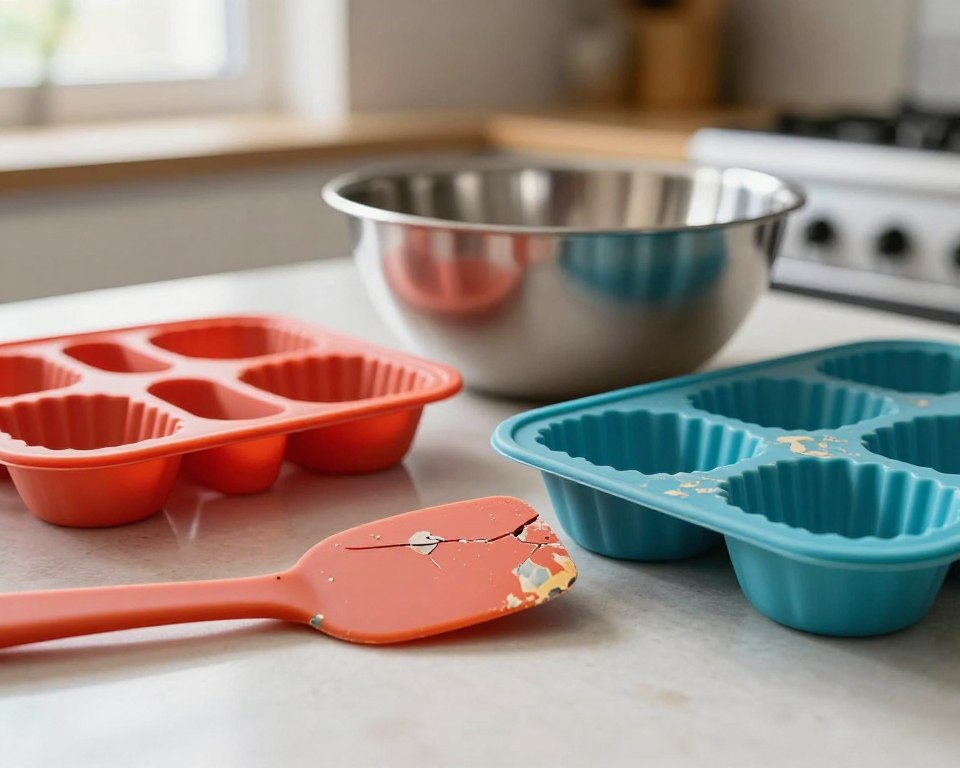
Plastic fillers can’t handle high heat well. Unlike pure silicone, they can soften or melt in intense heat. This can make your bakeware warp or crack over time.
Also, plastic fillers might have chemicals not meant for food. If the material fails, these chemicals can get into your food. It’s better to choose pure, food-grade silicone for safe and long-lasting bakeware.
How to Perform the Pinch Test for Quality
You can check your silicone bakeware at home with a pinch test. This test helps find out if it’s good quality or filled with plastic. Here’s how to do it:
- Pinch and Twist: Take a small piece of silicone and pinch it hard between your fingers.
- Observe the Color: If it turns white, it might have plastic fillers.
- Check for Consistency: Good quality silicone stays the same color, no matter how much you stretch or twist it.
| Feature | Pure Silicone | Silicone with Fillers |
|---|---|---|
| Pinch Test Result | Color remains solid | Turns white/fades |
| Heat Resistance | High stability | Risk of degradation |
| Flexibility | Retains shape | May crack or warp |
| Safety Profile | Inert and food-safe | Potential for leaching |
Health Implications of Silicone Utensils and Molds
When we talk about kitchen safety, it’s key to know the facts from myths. People often worry about Silicone Molds Safety when baking at high heat. Knowing how these materials handle heat is crucial for safe use.
Leaching Concerns at High Temperatures
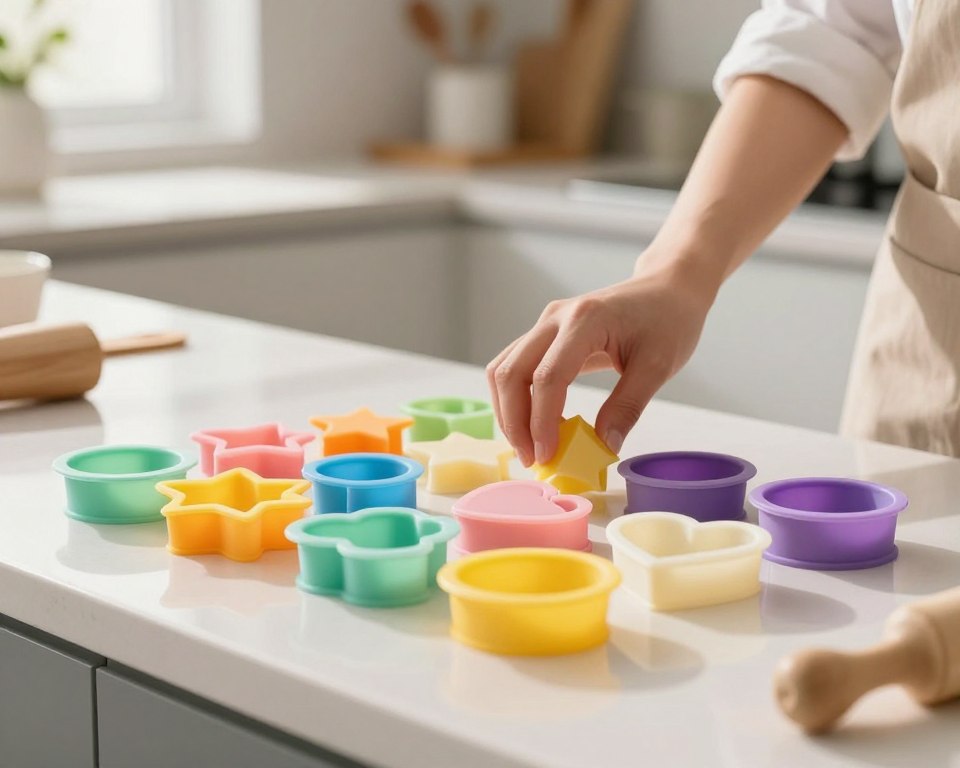
The main worry about silicone is if it can leak chemicals into food. High-quality, food-grade silicone is made to stay stable and not react with food. Scientific evidence shows that good silicone is very safe.
But, the quality of the silicone matters a lot. Cheap products might fall apart at high heat. Choosing top-notch, certified items helps keep your utensils safe and effective during baking.
Impact on Endocrine Disruption
Some people wonder if silicone can mess with hormones. But, studies say pure silicone doesn’t affect human hormones. Unlike some plastics, good silicone doesn’t have the chemicals that can mess with hormones.
It’s vital to trust evidence-based findings over rumors when picking kitchen tools. Since silicone is a solid material, it doesn’t break down into harmful chemicals when used for cooking. Sticking to high-quality products keeps your kitchen safe for food prep.
Advantages of Silicone Cookware in Modern Kitchens
The move to silicone in kitchens is due to its many benefits. It’s a flexible, safe, and reliable choice for bakers. This makes it a key part of today’s kitchens.
Non-stick Properties and Ease of Release
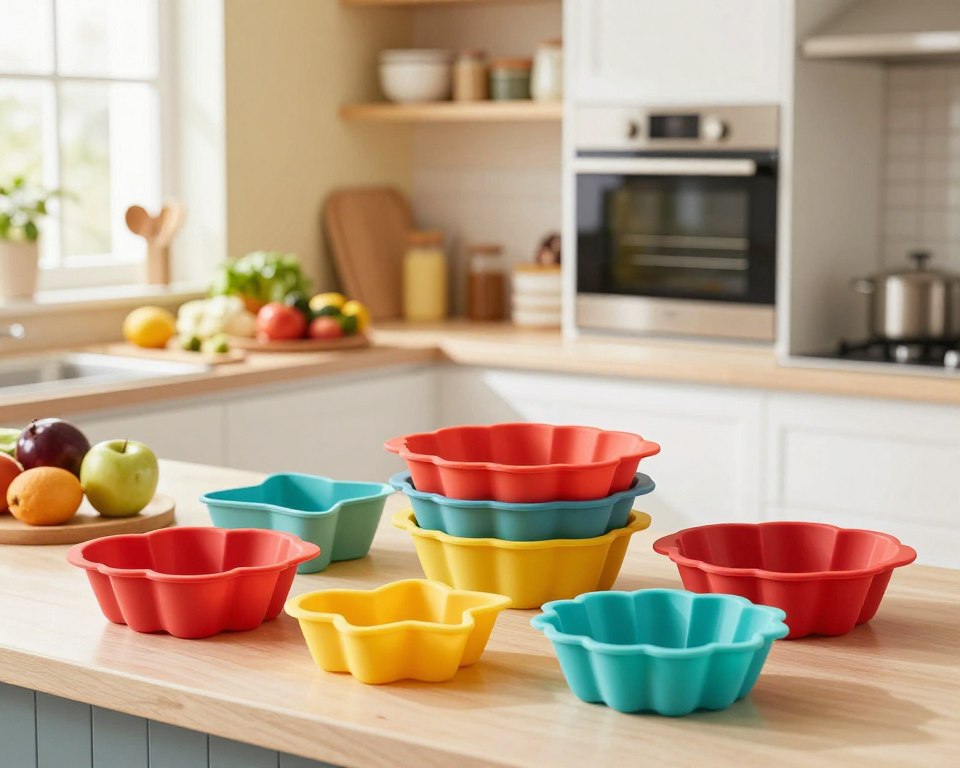
One big benefit of silicone bakeware is its smooth surface. Unlike metal pans, silicone molds make it easy to remove baked goods. This is great for cakes and pastries that might break.
Cleaning silicone is also a breeze. Food doesn’t stick, so you can wipe or rinse it easily. This saves time and keeps the molds in good shape.
Durability and Resistance to Corrosion
Another reason to love silicone is its toughness. It doesn’t rust or corrode, even with acidic foods. This makes it a durable choice for kitchens.
It also keeps its shape and works well in different conditions. The advantages of silicone cookware include:
- Thermal flexibility: It doesn’t warp when going from freezer to oven.
- Corrosion resistance: It won’t oxidize or leach metals into food.
- Impact durability: It’s not easily dented or scratched, unlike metal pans.
- Space efficiency: It’s flexible, making it easy to store in tight spaces.
Best Practices for Using Silicone Baking Tools
Using silicone baking tools right is key to getting great results and keeping them in good shape. These tools are tough, but they can still break if not treated right. Handling them carefully keeps them safe from damage when they get hot.
Temperature Limits for Common Molds
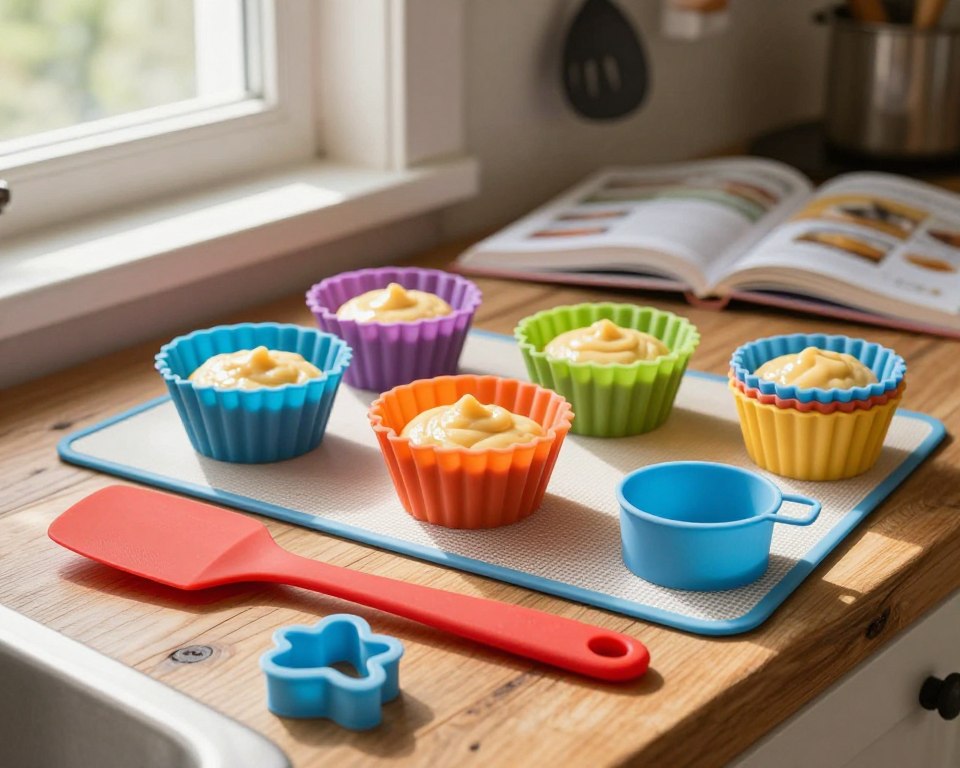
Every bakeware has a max temperature it can handle. Going over this can damage the material and make your food unsafe. Always check the max heat before baking.
Quality silicone can handle up to 450°F (232°C). Sticking to these silicone baking tips keeps you safe. If you’re not sure, it’s best to stay below 400°F.
Avoiding Sharp Utensils and Surface Damage
Silicone can get scratched by metal tools. Knives, whisks, or metal spatulas can cause tiny tears. These tears can hold onto bacteria and food.
Use silicone, wood, or nylon tools instead. They’re gentle and won’t damage your gear. Keeping the surface smooth is key for cleanliness and non-stick performance.
| Tool Type | Recommended Material | Safety Note |
|---|---|---|
| Mixing Spatulas | Silicone or Nylon | Avoid metal edges |
| Baking Molds | Food-Grade Silicone | Check heat rating |
| Cutting Tools | Plastic or Wood | Never cut inside molds |
| Cleaning Brushes | Soft Bristle | Avoid abrasive pads |
Following these silicone baking tips helps your kitchen tools last longer. Regular care stops damage and keeps your silicone baking tools working well for years.
Cleaning and Maintenance for Longevity
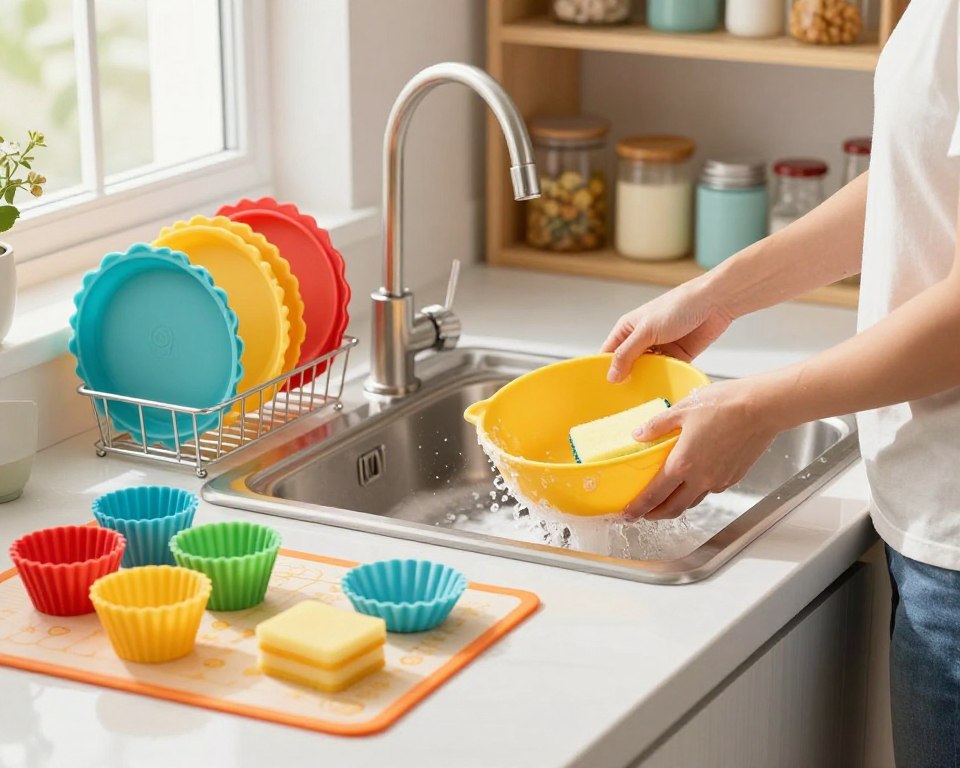
Learning how to clean silicone is key to keeping it in great shape for years. This material is tough, but regular care is essential. It keeps your kitchenware clean and free from harmful residue.
By taking care of it, you avoid oil buildup. This can damage the non-stick surface over time.
Dishwasher Safety and Detergent Interactions
Most silicone is safe for the dishwasher, but the detergent matters a lot. Some dishwasher pods have strong chemicals. These can harm the silicone’s protective layer.
Using a mild, fragrance-free detergent is best. If you see a white film after washing, it might be from minerals or detergent. A quick hand wash with warm water and a soft cloth is safer.
Removing Stubborn Stains and Odors
Silicone can sometimes hold onto strong smells from foods like garlic. A soak in hot water and white vinegar can get rid of these smells. This method is safe and effective.
For tough stains, a baking soda paste works well. Rub the area gently with a soft sponge, then rinse well. These steps keep your bakeware in top shape:
- Avoid abrasive scrubbers that can create micro-scratches on the surface.
- Dry your silicone items completely before storing them to prevent moisture buildup.
- Use natural deodorizers like lemon juice or baking soda for deep cleaning.
- Store your items in a cool, dry place away from direct sunlight to prevent material degradation.
Comparing Silicone to Traditional Bakeware Materials
Knowing your bakeware’s properties is key for oven success. Silicone is popular but acts differently than materials like metal, glass, or ceramic. Understanding these differences helps pick the best tool for your recipes and kitchen needs.
Silicone Versus Metal Pans
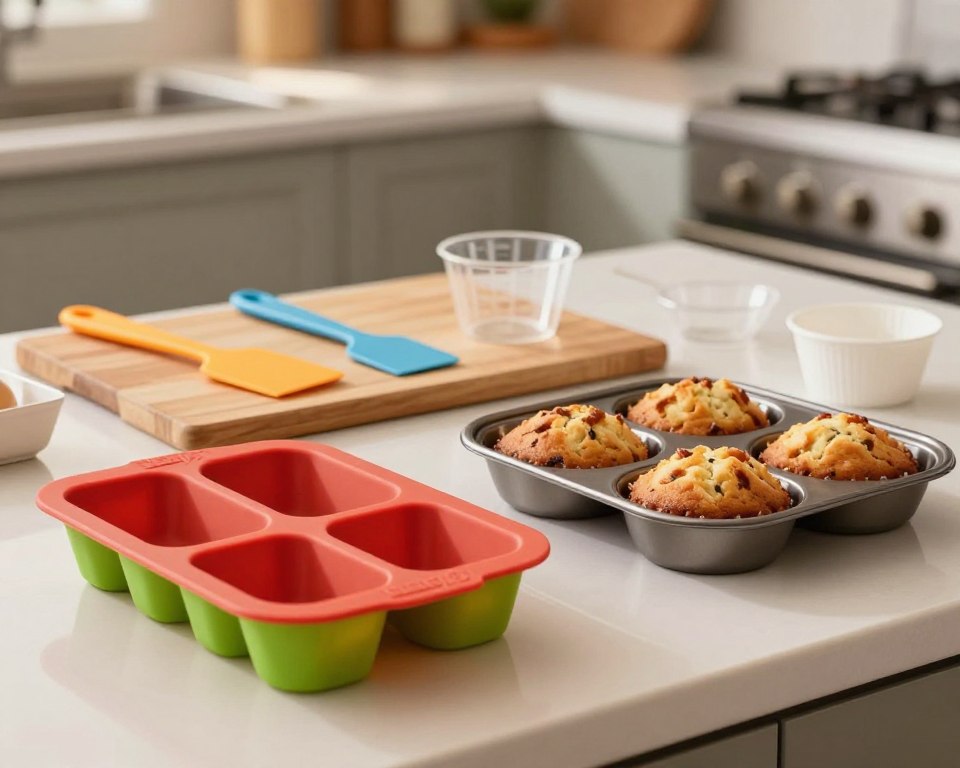
Metal pans, like aluminum or steel, heat up fast and transfer heat well. This is great for a crispy crust on cakes and breads. Metal also helps baked goods rise evenly because it’s rigid.
Silicone, on the other hand, heats up slowly. This leads to a softer crust. It’s also very flexible for easy food release. But, you might need to adjust oven settings when using silicone instead of metal.
Silicone Versus Glass and Ceramic
Glass and ceramic bakeware keep heat well. They take longer to heat up but stay hot longer. This is perfect for slow-cooked dishes and pies.
Silicone is lighter and easier to handle than glass or ceramic. But, it doesn’t hold heat as well for long baking. It’s great for quick bakes like muffins or cookies, not dense recipes.
Environmental Impact and Sustainability
Looking at kitchen tools’ environmental impact means checking their material lifecycles. Silicone is often praised for its performance. Yet, its role in a sustainable kitchen is complex. Consumers must consider the benefits of long-term durability against the challenges of disposal.
Recyclability of Silicone Products
Silicone is not biodegradable, which makes waste management hard. It can’t be processed in standard recycling streams. Most curbside programs don’t accept silicone because it needs special facilities to break down.
But, some niche companies and industrial recycling programs do accept silicone waste. They grind it into a fine powder for use in other products. Sustainability-minded consumers should look for local drop-off points or mail-in programs to avoid landfills.
Longevity Versus Single-Use Alternatives
The main environmental benefit of silicone is its exceptional lifespan. A good silicone mold can replace thousands of paper liners or disposable plastic bags. This greatly reduces single-use waste and a household’s carbon footprint.
Compared to metal or glass, silicone is lightweight and needs less energy to transport. It doesn’t degrade quickly, so it doesn’t need frequent replacement. This reduces resource use. The table below shows how different materials compare in usage and environmental impact.
| Material | Typical Lifespan | Recyclability | Waste Impact |
|---|---|---|---|
| Silicone | 10+ Years | Specialized Only | Low (Reusable) |
| Paper Liners | Single Use | Compostable | High (Volume) |
| Aluminum Pans | 5-10 Years | Widely Recycled | Moderate |
| Plastic Molds | 1-3 Years | Limited | High (Degradation) |
Image Disclosure and Educational Context
In this resource, you’ll find images that make complex science easy to understand. We focus on making material science and safety clear. Our goal is to help you grasp the science behind is silicone safe cooking through diagrams and pictures.
Purpose of AI-Generated Illustrations
Some images in this article are made by AI for learning. They help explain complex ideas like polymer structures or heat resistance. Visual learning makes tough concepts easier to understand.
These images help you see how materials react with heat and food. They’re meant to support the text by showing safety standards. They guide you through the details of modern kitchenware.
Limitations of Visual Representations in Safety Discussions
Remember, these images are for learning only and not for medical advice. They show scientific ideas but can’t replace expert advice or safety tests. Visual aids are not a substitute for expert diagnosis or specific product safety certifications.
“Education is the most powerful weapon which you can use to change the world.”
Use these images as a starting point for your own research. Always check product safety claims with official bodies and the manufacturer. Critical thinking is key when checking the safety of any material at home.
Common Myths Regarding Silicone Kitchenware Safety
When we cook at home, we often wonder about the materials we use. It’s key to know the truth about Silicone Kitchenware Safety. Many worries come from stories online, not from real science.
Debunking Claims About Toxic Fumes
Some think silicone gives off bad fumes when heated. But, high-quality silicone is made to handle heat well. It doesn’t break down at the usual baking temperatures, which are between 350°F and 450°F.
Low-quality products might have fillers that melt at heat. True silicone stays the same, keeping your kitchen safe.
“The chemical structure of silicone is inherently resistant to thermal degradation, making it a reliable choice for high-heat applications when manufactured to proper standards.”
Clarifying the Difference Between Silicone and Plastic
Many people think silicone and plastic are the same. But, they are not. Plastics are mostly carbon-based, while silicone is silicon, oxygen, carbon, and hydrogen.
The main differences are:
- Molecular Backbone: Silicone’s silicon-oxygen backbone is stronger and more heat-resistant than plastic’s carbon-carbon bonds.
- Chemical Inertness: Silicone doesn’t release chemicals like BPA or phthalates, unlike some plastics.
- Durability: Silicone keeps its shape better than plastic, even at different temperatures.
Knowing these differences helps you choose better. Looking for Silicone Kitchenware Safety means finding products with good certifications. Science shows that the right silicone is safe and useful in the kitchen.
Tips for Selecting High-Quality Silicone Products
Finding top-notch silicone products takes a keen eye. When you buy Silicone Baking Tools, you’re choosing safety for your kitchen. Pure materials mean less chance of harmful chemicals when cooking at high heat.
Identifying Reputable Manufacturers
Buying from companies with transparent manufacturing processes is key. Good brands share info on their supply chain and silicone quality. They also talk about their testing and quality checks.
Look for brands that follow global safety standards. Choose ones with a strong market presence and positive reviews. Stay away from generic items without clear info on their origins.
Reading Product Labels and Certifications
Check the packaging for important labels before buying Silicone Baking Tools. Real, food-safe products have stamps from the FDA or European LFGB. These signs mean the product has been thoroughly tested.
Be cautious of products just labeled as “silicone” without more details. Top Silicone Baking Tools will say they’re free from harmful additives. Double-checking these points keeps your kitchen safe and efficient.
Conclusion
Choosing the right kitchen tools is all about finding the right mix of performance and safety. When you think about whether silicone bakeware is safe, look for third-party certifications like LFGB or FDA. These show the maker follows strict purity rules.
Quality, food-grade silicone is a great choice for your kitchen. It’s stable and won’t react with food. It’s also durable and easy to use, making it perfect for home cooks.
Knowing the temperature limits of your molds is key to keeping them safe. This helps keep the material in good shape over time.
Choosing safe kitchen items is up to you. Look for well-known brands and avoid products with unknown plastic fillers. If you’re curious about your kitchen items, keep learning about how they’re made.
Is silicone bakeware safe for you? With the right information and careful choice, it’s a great addition to a healthy kitchen.
FAQ
Is silicone bakeware safe for high-temperature cooking?
Yes, silicone bakeware is safe for high heat. It can handle temperatures up to 428°F (220°C) or more. At oven temperatures, it stays stable and doesn’t melt or break down.
But, always check the manufacturer’s guidelines. Brands like Silpat have specific limits to avoid damage.
How can I distinguish between food-grade and industrial-grade silicone?
Food-grade silicone is safe for food. It doesn’t have harmful additives found in industrial versions. Look for products that meet FDA or European LFGB standards.
Do the “pinch test” to check purity. If you see white, it might have plastic fillers.
Are there specific silicone molds safety concerns regarding chemical leaching?
Silicone molds are safe for health-conscious users. High-quality silicone doesn’t react with food or release harmful fumes. It’s safe for use.
Some studies show migration of siloxanes at high temperatures. But, there’s no risk of endocrine disruption like BPA or phthalates. Use trusted brands like Lékué for safety.
What are the primary advantages of silicone cookware over metal or glass?
Silicone cookware is non-stick, so you don’t need extra grease. It’s flexible, making it easy to release baked goods. It also doesn’t corrode or react with acidic foods.
It’s lightweight and durable, making it great for kitchens.
What are some essential silicone baking tips to ensure product longevity?
To keep your tools in good shape, avoid using sharp knives or utensils. Place flexible molds on a solid baking sheet for stability. Don’t put silicone under a broiler or on an open flame.
Are there documented silicone utensils health benefits?
Silicone utensils are good for health. They resist bacterial growth and can handle heat without melting. They’re safer than wooden or plastic utensils for food preparation.
How should I clean silicone to remove odors or greasy residues?
Most silicone is dishwasher safe. But, some detergents can leave a taste. To remove odors, soak in hot water and baking soda or use a mild soap like Dawn.
Boiling the tool can also help remove oils and restore its scent.
Is silicone an environmentally sustainable alternative to plastic?
Yes, silicone is more sustainable than single-use plastics. A single silicone mat can replace thousands of other materials. It’s not biodegradable but can be recycled at TerraCycle facilities.
Its long life reduces household waste.
Does silicone release toxic fumes during the baking process?
No, this is a myth. Pure, food-grade silicone doesn’t release toxic fumes at baking temperatures. Any smell is usually from the curing process or manufacturing oils.
To avoid this, heat the empty bakeware at a high temperature before use. This ensures any VOCs are gone.