

Many of us grab kitchen tools without thinking. Whether it’s for eggs or salad, they seem safe. But, there’s growing worry about dark-colored kitchenware in many homes.
Understanding the manufacturing process is key for peace of mind. Some makers use recycled stuff that might have harmful additives. These can get into your food when you use them.
Evidence-based analysis helps us know what’s real and what’s not. We need to check if these items are really harmful. By looking at the chemicals in them, we can decide what’s safe for our kitchens.
Key Takeaways
- Dark-colored kitchenware often uses recycled materials.
- Some making processes add chemicals we don’t want.
- Heat can make these chemicals get into our food.
- Science looks into the long-term safety of these items.
- By choosing wood or stainless steel, we can avoid these risks.
The Prevalence of Black Plastic in Modern Kitchens
Black plastic is everywhere in today’s kitchens. You’ll find it in spatulas, storage containers, and more. It’s in homes, restaurants, and professional kitchens all over the U.S. This isn’t by chance; it’s a smart choice by makers who value efficiency and a uniform look.
The main reason for its popularity is its good looks and low cost. Black plastic hides stains, grease, and wear well. This makes it a top pick for both home cooks and commercial kitchens.
But, the benefits of these tools hide some risks. Many people don’t know that the same traits that make them durable and affordable might also lead to chemical leaks. When cleaning, make sure dishwasher pod residue or other chemicals don’t harm your dishes.
“The ubiquity of a material in the marketplace does not inherently equate to its long-term safety profile, specially when exposed to the high-heat environments of a modern kitchen.”
Despite their widespread use, makers keep using these materials because they’re light and flexible. But, as more people learn about the risks, the industry is under pressure to explain their choices. Knowing why these items are so common helps us make better choices for our meals.
Are Black Plastic Utensils Toxic: Understanding the Chemical Composition
When people ask, Are black plastic utensils toxic, the answer is not simple. The safety of these items depends on the additives used during making, called polymerization.
Black plastic utensils need special dyes to look dark. These dyes change the plastic’s chemical makeup. To keep the plastic strong, makers add stabilizers and colorants.

Experts warn about the dangers of these plastics. They point out the chemicals used in them. These chemicals are different from those in safer plastics.
- Carbon black pigments used for uniform coloring.
- Flame retardants added to prevent combustion in industrial settings.
- Plasticizers designed to increase flexibility and prevent cracking.
These additives can move into food over time. Heat, like when a spatula touches a hot pan, speeds this up. So, knowing if Are black plastic utensils toxic means looking at how these chemicals mix with our food.
Professional scrutiny is needed. The industry focuses more on industrial use than food safety. Choosing plastics with fewer additives can lower the risk of harmful chemicals leaching into food.
The Role of Carbon Black Pigment in Plastic Manufacturing
Carbon black pigment is key in making modern plastic kitchenware. It’s the main color agent for a deep, even black finish in many products. It’s chosen for its color consistency and low cost.
Carbon black is a stable additive in plastic. It absorbs light, making the plastic look solid and not see-through. It also stays stable during the high heat of injection molding.
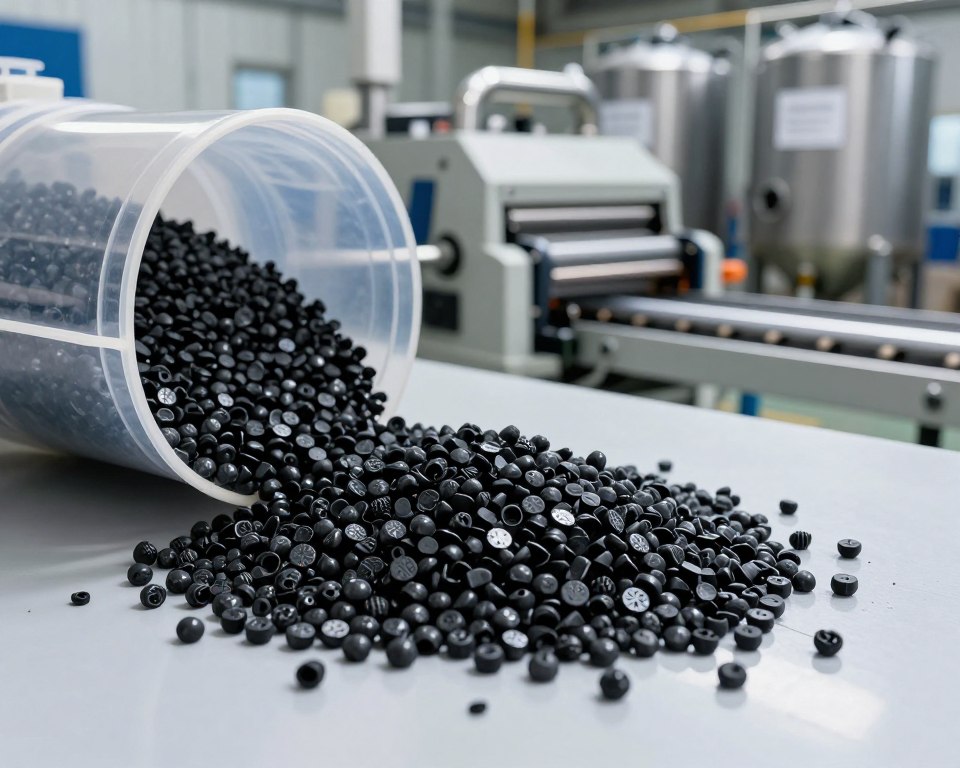
But making plastic isn’t always easy. Some use recycled materials to save money and the environment. These recycled plastics might have chemicals from before, like flame retardants.
These chemicals can get stuck in the carbon black. Even though the pigment is stable, the chemicals might affect the product’s long-term quality. Here’s a table showing common pigments and their uses.
| Pigment Type | Primary Function | Thermal Stability | Common Application |
|---|---|---|---|
| Carbon Black | Coloring/UV Protection | High | Kitchen Utensils |
| Titanium Dioxide | Whitening/Opacity | High | Food Packaging |
| Iron Oxides | Pigmentation | Moderate | Industrial Parts |
| Organic Dyes | Vibrant Coloring | Low | Decorative Items |
The bond between carbon black and plastic is meant to last. But, it’s important for consumers to know that black plastic’s chemical composition is complex. The best way to avoid hidden contaminants is to choose high-quality, food-grade materials.
Recycling Challenges and the Presence of Flame Retardants
Sorting black plastic is hard because of old technology. Most recycling places use near-infrared light to sort plastics. But, black pigments soak up this light, making it hard for sensors to see.
This problem causes a lot of resin contamination. When black plastic gets mixed with others, it makes a low-quality material. It’s hard for makers to create good products from this mix.
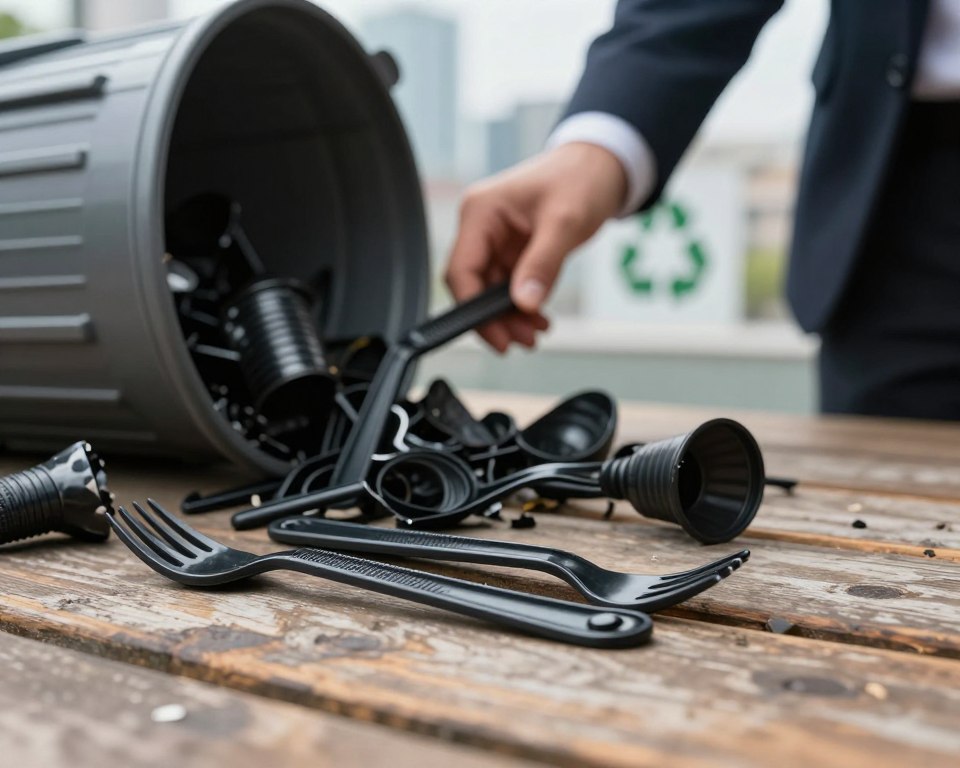
The problem isn’t just about sorting. The recycled material also has unwanted chemicals. Flame retardants, used in electronics and buildings, often get mixed in. These chemicals are hard to remove during recycling.
“The presence of legacy flame retardants in recycled plastic products highlights a critical gap in our circular economy, where hazardous chemicals can inadvertently migrate into consumer goods.”
Flame retardants can move to the surface of plastic over time. This can lead to people getting exposed, mainly when plastic is in kitchen items. It’s important for people to know that some recycled materials might have chemicals not meant for food.
Potential Health Risks Associated with Chemical Leaching
The toxicity of black plastic utensils comes from chemical leaching. This happens when additives in the plastic mix with food. It’s a big worry when these utensils get hot or meet acidic foods during cooking.
Heat can make plastic more porous. This lets chemicals like flame retardants or plasticizers get into your food. Consistent exposure to these chemicals is what researchers are really looking at.

Looking at Black Plastic Utensils Health Risks means understanding how these chemicals affect us. Many additives can mess with our hormones. Even though one use might not hurt, using them every day is a different story.
It’s smart to avoid these materials as much as you can. Choosing safer options can help keep you from eating chemicals you don’t want. Here’s a table that shows what makes chemicals move from kitchenware into our food.
| Factor | Impact on Leaching | Risk Level |
|---|---|---|
| High Heat | Increases molecular mobility | High |
| Acidic Foods | Accelerates surface degradation | Moderate |
| Prolonged Contact | Allows more time for migration | Moderate |
| Surface Wear | Exposes deeper plastic layers | High |
Knowing about these factors helps you choose better kitchen tools. Using materials that don’t leak chemicals is a smart move. Also, watch your utensils for damage. Damaged ones can leak more chemicals into your food.
Regulatory Standards and Safety Guidelines in the United States
Understanding kitchen safety means knowing about federal rules on food materials. In the U.S., the Food and Drug Administration (FDA) sets strict safety standards. These rules help stop harmful chemicals from getting into our food.
When we talk about Black Plastic Utensils Safety Concerns, it’s key to know the FDA checks both the base materials and additives. It reviews pigments like carbon black before they’re okayed for food use. This helps avoid chemicals leaking into food when utensils get hot or acidic.
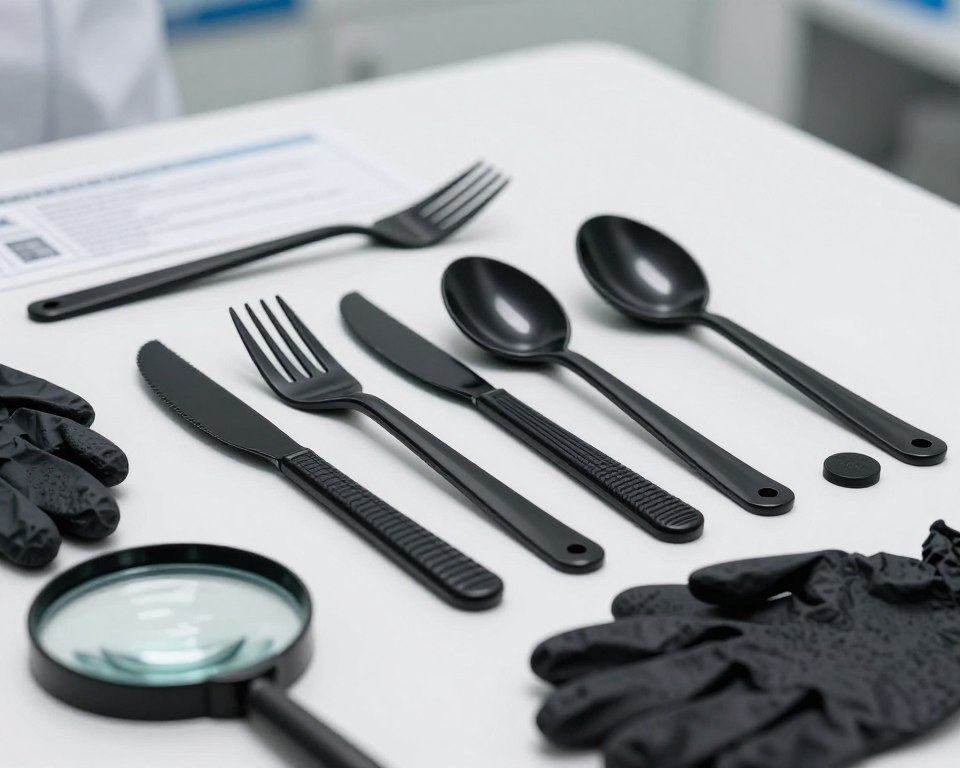
Looking for labels that say “food-grade” or “FDA compliant” helps find safe products. While makers must ensure their items are safe, the FDA sets the rules. As a food safety expert said:
“The integrity of our food supply chain depends on the strict adherence to material safety standards, ensuring that every tool in the kitchen serves its purpose without compromising human health.”
To lessen Black Plastic Utensils Safety Concerns, pick products from trusted brands that follow federal rules. Choosing items tested for stability cuts down on chemical exposure. Keeping up with these standards is the best way to keep your kitchen safe and healthy.
How Heat Exposure Affects Plastic Stability
It’s important to know how heat impacts kitchen items to keep cooking safe. Heat speeds up the breakdown of plastic, which can release harmful chemicals into food. It’s crucial to understand the risks of using black plastic utensils when it’s hot.
When plastic utensils get very hot, the material changes at a molecular level. The polymer chains start to vibrate and break apart. This makes the plastic weak, leading to softening, warping, or tiny cracks.

As the plastic weakens, chemicals inside can move to the surface more easily. This happens when plastic is in boiling liquids or hot pans. So, the risks of using black plastic utensils grow when they’re in hot food or used over flames.
Staying away from high heat is a smart safety move. Using materials like stainless steel, wood, or silicone for hot tasks is safer. This simple habit keeps your cookware in good shape and protects your health from harmful chemicals.
Distinguishing Between Food-Grade and Industrial-Grade Plastics
It’s important to know the difference between food-grade and industrial-grade plastics to keep your home safe. Many people think all black plastic utensils are safe for cooking. But, not all plastics meet the same safety standards.
Food-grade plastics are made to be safe for food. They go through lots of tests to make sure they don’t harm your food. The makers of these plastics follow strict rules to avoid using harmful chemicals.
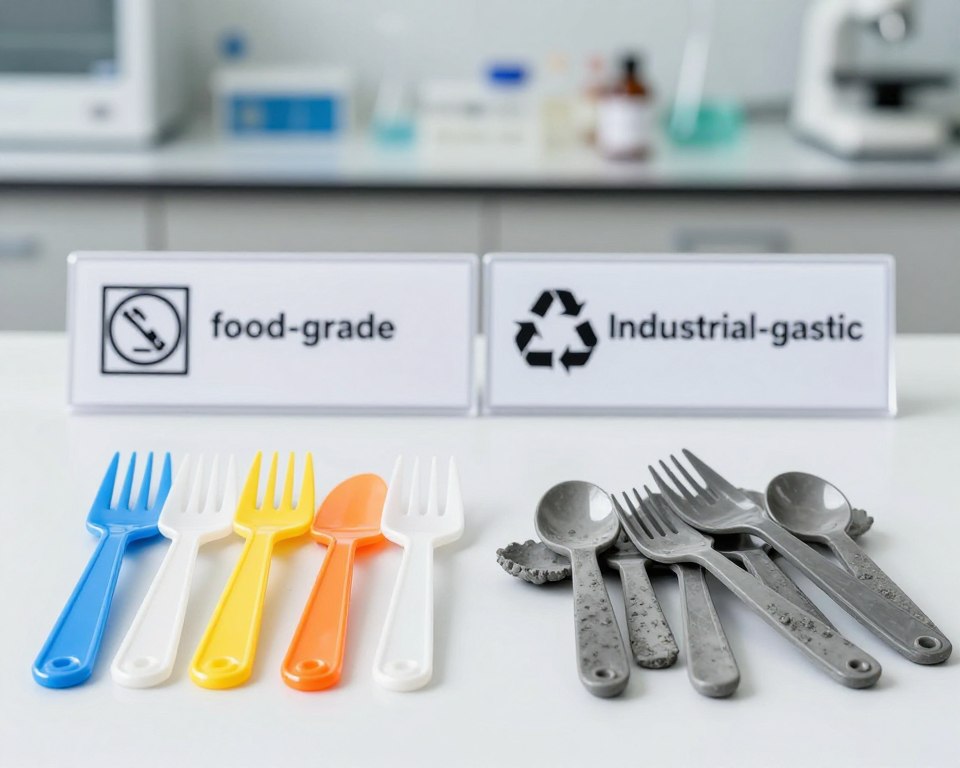
On the other hand, industrial plastics are made for things like durability and heat resistance, not for food. They often have more chemicals in them, like flame retardants. If these plastics are used in the kitchen, they can release harmful chemicals.
To find safe kitchen items, look for the “food-safe” symbol. It looks like a wine glass and a fork. If a product doesn’t have this symbol or is sold in a hardware store, it’s best to stay away from it.
Choosing certified food-grade materials is the best way to avoid harmful chemicals. Always check the product’s label if you’re not sure. Making smart choices about your kitchen tools helps keep your home safe.
The Impact of Microplastics on Human Health
Kitchen tools breaking down into microplastics adds a new risk to household items. As plastic utensils wear out, they release tiny pieces into our food. These small particles build up in our bodies over time.
Looking at the risks of using black plastic utensils, their aging is key. High temperatures and harsh cleaning speed up their breakdown. This weakens the plastic, letting small fibers or beads get into our food.
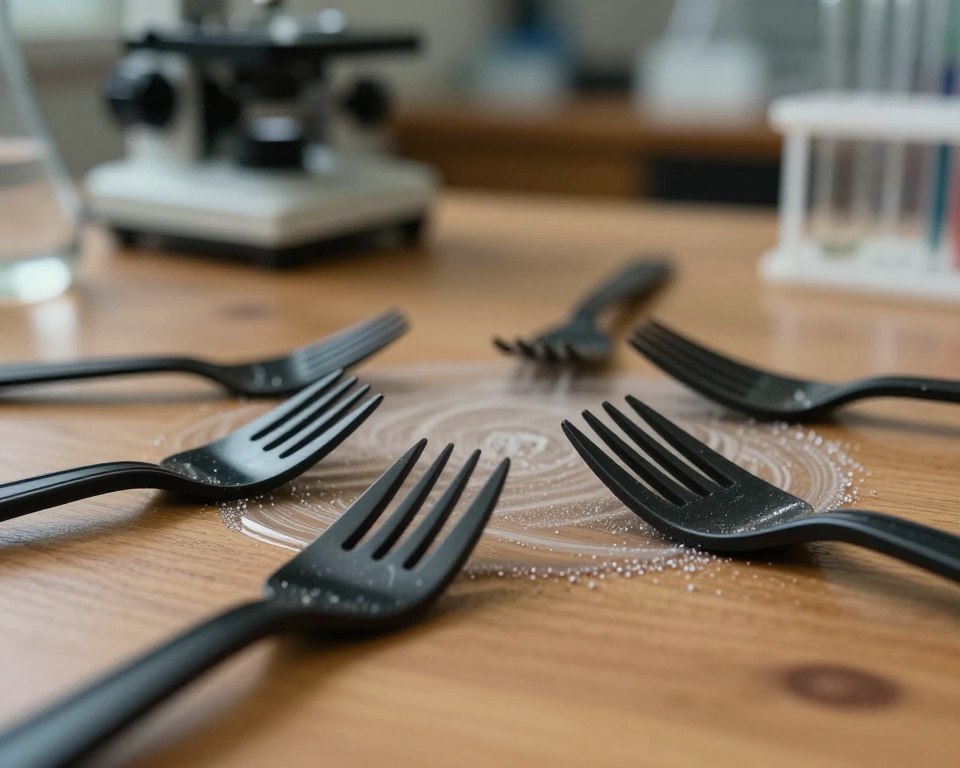
Microplastics can also carry harmful substances. Their chemical makeup lets them absorb and carry pollutants into our digestive system. This potential for chemical leaching makes synthetic kitchenware a health concern.
Scientists are still studying the effects of long-term microplastic ingestion. While the full impact is still being researched, the risks of using black plastic utensils show we need to be aware. Choosing safer, non-reactive materials can reduce our exposure to these pollutants.
Scientific Studies on Endocrine Disruptors in Kitchenware
Studies are uncovering how plastic utensils might mess with our hormones. They found that some plastics can disrupt our body’s hormone signals. This could change how we handle important body functions.
The toxicity of black plastic utensils worries scientists a lot. These items often have recycled parts with harmful chemicals. When heated, these chemicals can leak into our food.
Research shows chemicals can leak into food, depending on the heat and food type. Foods high in fat absorb these chemicals more than water-based foods.
Recent studies highlight some key points:
- Chemical Migration: Additives can move from plastic to food at high temperatures.
- Hormonal Interference: Some plastics mimic or block natural hormones.
- Cumulative Exposure: Using old plastic tools often can build up harmful chemicals in our bodies.
It’s crucial to reduce risks. While scientists study more, we can take steps to avoid harmful plastics. This is also true for safety during pregnancy with cleaning products.
The health effects of black plastic utensils are a big concern for health experts. Knowing about the toxicity of black plastic utensils helps us choose safer kitchen tools.
Safe Alternatives to Black Plastic Utensils
Switching from black plastic kitchenware makes your home safer. Choosing materials that don’t release chemicals when heated improves meal prep safety.
Stainless steel is top-notch for kitchen safety and durability. It doesn’t react with food, even when hot. Look for 18/8 or 18/10 stainless steel for the best quality.
Silicone is great for those who like flexible, non-stick tools. High-quality, food-grade silicone is safe for heat. Make sure the product is 100% food-grade to avoid harmful additives.
Natural wood and bamboo are classic, safe choices. They resist heat well and don’t melt or release chemicals. Keep them clean and dry to prevent damage.
When picking new kitchen tools, look for these features:
- Material Purity: Choose items made from single sources, not complex mixes.
- Heat Resistance: Check the tool’s heat tolerance to match your cooking.
- Construction Quality: Opt for seamless designs for easy cleaning and less bacteria.
Choosing stable, non-reactive materials brings peace of mind at every meal. Replacing plastic with these options makes your home healthier for you and your family.
Best Practices for Minimizing Exposure to Plastic Chemicals
Starting to address black plastic utensils safety concerns is easy. Just make a few simple changes in your kitchen. By changing how you use your cooking tools, you can greatly reduce the chance of chemicals getting into your food. These changes are easy to make and can greatly improve your family’s health over time.
The best way to avoid chemical leaching is to keep plastic away from high heat. When plastic gets too hot, it’s more likely to release chemicals. Always choose stainless steel, wood, or silicone for high-heat cooking to keep your food safe.
Checking your kitchenware regularly is also key. Plastic tools can crack and wear down over time. These cracks can harbor bacteria and release chemicals into your food. So, it’s important to replace any damaged items quickly.
To keep your kitchen safe, follow these daily tips:
- Avoid high-heat contact: Never leave plastic utensils in hot pans or boiling pots.
- Inspect for wear: Get rid of utensils that are melted, scratched, or discolored.
- Choose safer materials: Use bamboo, glass, or high-quality stainless steel for cooking.
- Hand wash when possible: Avoid harsh dishwasher detergents and high-heat drying to prevent plastic breakdown.
By following these steps, you can take charge of your kitchen’s safety. Being mindful of black plastic utensils safety concerns helps create a healthier home. Making small, consistent changes in your routine is the best way to reduce synthetic chemicals in your home.
Image Disclosure and Educational Illustration Policy
We are committed to providing reliable health and safety information. We want to be clear about the images we use. This way, our readers know what they are looking at.
Some images in this article are AI-generated for educational purposes. They help explain complex ideas. Our goal is to make information easy to understand and based on evidence.
Understanding AI-Generated Visuals in Veterinary and Health Contexts
Using synthetic images helps us show hard-to-photograph concepts. These visuals are consistent and high-quality. They focus on safety without using outdated stock photos.
We make sure every graphic is accurate and clear. Our goal is to make complex safety topics easy to understand. This way, the information is both interesting and useful.
Limitations of Educational Illustrations for Diagnostic Purposes
These illustrations are for educational purposes only. They should not replace a vet visit or a medical diagnosis.
If you’re worried about your pet’s health or product safety, see a vet. Relying on images for medical decisions can be misleading. These images can’t account for individual health factors.
| Feature | Educational Illustration | Professional Diagnosis |
|---|---|---|
| Primary Purpose | Conceptual clarity | Clinical assessment |
| Source | AI or graphic design | Veterinary examination |
| Reliability | General guidance | Patient-specific data |
| Actionable Advice | Informational only | Medical treatment plan |
Evaluating the Long-Term Effects of Plastic Usage
Looking into the long-term Black Plastic Utensils Health Risks shows us how chemicals can build up over time. Even though most kitchen items are safe, using them every day is still a big concern. Scientists are studying how these items affect our bodies over many years.
The science world follows the precautionary principle for unknown risks. This means we should be careful even if we’re not sure about the dangers. By being cautious, we can protect ourselves before we know all the facts.
“The challenge with chronic, low-level exposure is that the effects may be subtle and take years to manifest, making longitudinal studies essential for public health policy.”
When we talk about the Health Effects of Black Plastic Utensils, we need to stick to what we know. Scientists are watching how chemicals might affect our hormones and health. To stay safe, try these tips:
- Limit heat exposure: Don’t use plastic in boiling water or hot pans.
- Prioritize materials: Use stainless steel, wood, or silicone for cooking.
- Monitor wear: Replace items that are damaged or worn out.
The main goal is to keep our kitchens safe by making smart choices. Even though we’re still learning about Black Plastic Utensils Health Risks, being proactive is key. Keep up with the latest research to make your kitchen safer.
Consumer Advocacy and the Push for Safer Materials
The public’s voice is changing how companies make kitchen materials. When people ask for greater transparency, companies often change how they make things. This change is big and shows a new way of making household items.
People who know about health over convenience help change things. By picking brands that tell what’s in their products, they send a message. This message pushes companies to use safer, non-toxic stuff.
Public voices also push for better rules. When many people worry about chemicals or how things last, lawmakers listen. This leads to better rules for everyone’s safety.
To help make kitchens safer, you can do a few things:
- Support transparency: Pick companies that tell you what’s in their products.
- Choose non-toxic: Go for stainless steel, glass, or silicone. Look for safe cleaning products too.
- Share knowledge: Teach others about checking labels and material safety.
- Engage with brands: Talk to makers about removing harmful stuff from their products.
The move to safer kitchenware is a team effort. As we make informed choices, the market will change. This keeps safety first in making the things we use every day.
Conclusion
Choosing kitchen tools is all about finding the right balance. Black plastic utensils are common, but they might not be the safest. They could be linked to health risks during food prep.
Switching to non-reactive materials like stainless steel, bamboo, or silicone is a smart move. These options are durable and don’t pose health risks. They’re better than plastic that might leach chemicals when heated.
Making small changes in your kitchen can make a big difference. Using glass containers or wooden spoons can cut down on microplastics in your food. By choosing products from trusted brands, you ensure a safer environment for your family.
It’s important to regularly check your kitchen tools. Replace any that are worn or damaged to avoid health risks. By doing this, you create a safer space for everyone in your household.
FAQ
What contributes to the toxicity of black plastic utensils in common household kitchens?
The main safety worries come from the materials used to make them. Black plastic items often come from recycled electronics. These may contain harmful chemicals like BFRs and heavy metals.
These substances are not safe for food contact. They can harm your health if they get into your food.
Are black plastic utensils health risks increased when exposed to high temperatures?
Yes. Heat makes chemicals in plastic leach more easily. When you use black plastic in hot food, the plastic breaks down.
This lets harmful additives get into your food. This increases the risks of using black plastic at high heat.
Why is the recycling process specially linked to black plastic utensils safety concerns?
Recycling facilities use sensors to sort plastics. But, the carbon black pigment in black plastic blocks these sensors. This means black plastic is often sorted wrong.
It’s mixed with other plastics, possibly from electronics. These plastics may have harmful chemicals, not safe for food.
What are the potential health effects of black plastic utensils regarding microplastic ingestion?
As these tools wear out, they release tiny plastic particles. Studies show these particles can carry harmful chemicals. If you eat them, these chemicals might affect your hormones.
This could lead to long-term health problems. Scientists are still studying these effects.
How can I identify if my kitchenware meets FDA regulatory standards?
Look for “food-safe” or “BPA-free” labels. In the U.S., the FDA checks what touches food. Brands like OXO or Rubbermaid usually provide safety info.
If something feels cheap or smells bad, it might not be safe. It could be made for industrial use, not food.
What are the best safe alternatives to reduce the risks of using black plastic utensils?
Switch to non-reactive materials. Stainless steel is the safest. For non-stick, choose high-grade silicone or wood.
These don’t leach harmful chemicals and stay stable at high temperatures.
Is it safe to wash black plastic utensils in the dishwasher?
No. Dishwasher heat and detergents can damage plastic. This makes chemicals leach into your food. Hand-washing with mild soap is safer.
Do all black plastics contain harmful flame retardants?
Not all. The biggest risk is in recycled black plastic from electronics. But, it’s hard to know what’s in a generic utensil.
Choosing virgin plastics or other materials is best to avoid harmful chemicals.