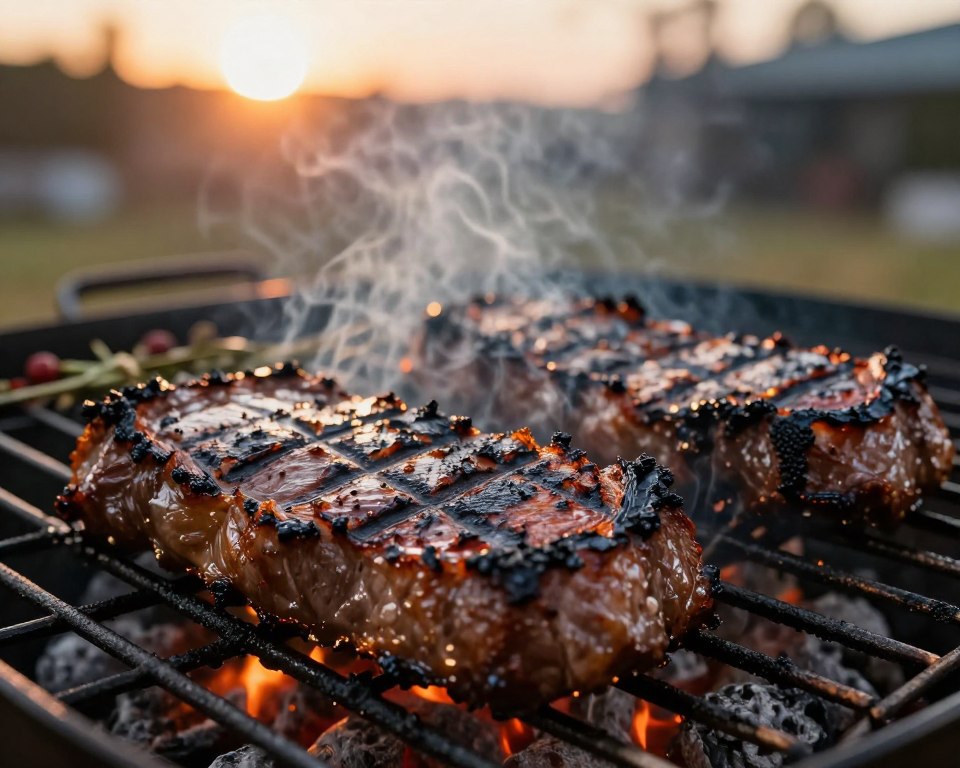
Many of us love the smoky taste from grilling steaks or burgers. But, the dark, crispy edges make us wonder about health risks. Understanding the science behind these cooking methods helps us make better choices at dinner.
When proteins get very hot, they go through chemical changes. These changes create certain compounds. These carcinogens in food are what scientists mainly study for food safety.
By looking at the facts, we can debunk myths and focus on what’s true. This way, we can enjoy our favorite foods while staying healthy. Evidence-based guidance is key to a balanced diet and a healthy lifestyle.
Key Takeaways
- High-heat cooking methods can trigger the formation of specific chemical compounds.
- Researchers classify certain substances found in blackened food as potential health risks.
- Clinical studies provide the necessary data to evaluate the safety of common cooking practices.
- Understanding these mechanisms empowers consumers to make safer culinary decisions.
- Objective scientific scrutiny helps distinguish between minor concerns and significant health hazards.
The Chemistry Behind the Char
When muscle proteins meet intense heat, a series of chemical changes start. These changes cause the meat to brown and develop unique flavors. But, these reactions also create compounds that scientists study closely.
Understanding Heterocyclic Amines
Heterocyclic amines form when amino acids, sugars, and creatine react at high temperatures. This happens during frying, grilling, or broiling. The longer the meat cooks, the more of these compounds are made.
Several things affect how these substances are made during cooking:
- The internal temperature of the meat.
- The cooking time.
- The method of heat application.
The Role of Polycyclic Aromatic Hydrocarbons
Polycyclic aromatic hydrocarbons form mainly on the meat’s surface. They are made when fat and juices from the meat hit the heat source, like hot coals. This creates smoke that coats the food with these compounds.
The amount of these chemicals depends on the cooking environment. Flare-ups from dripping fat increase smoke, which coats the meat. Controlling the heat and avoiding direct flame contact can lower these substances in your food.
Is Charred Meat Dangerous to Your Long-Term Health
High-heat cooking changes meat in ways that affect our bodies. The taste of grilled food is great, but we need to look into the cancer risk it might pose.
Linking Burnt Proteins to Cellular Damage
Extreme heat changes meat proteins, creating new compounds. These can harm human cells, leading to DNA damage if eaten often.
Our bodies can fix minor cell damage. But eating these compounds a lot can be too much. It’s a long-term issue, not an immediate danger.
“The presence of potential carcinogens in food does not automatically translate to a clinical diagnosis of disease in every individual, as metabolic factors play a significant role in how we process these substances.”
Evaluating the Carcinogenic Potential
It’s key to know the difference between possible cancer risk and actual health problems. Studies often use animals or high doses, which might not match how we eat.
Lab tests show a link to DNA damage, but human studies are tricky. Many things, like diet and genes, affect how these compounds affect us.
| Factor | Theoretical Risk | Clinical Evidence |
|---|---|---|
| Cellular Impact | High potential for DNA damage | Variable based on repair capacity |
| Cancer Risk | Linked in high-dose studies | Inconclusive in human trials |
| Metabolic Processing | Accumulation of toxins | Efficient detoxification in many |
The science on this is still evolving. Keeping things in perspective helps us make smart choices without panic.
How Cooking Temperatures Influence Toxin Formation
Learning about meat cooking temperatures is key to avoiding harmful compounds. When proteins and fats get very hot, they change in complex ways. These changes affect more than just taste and texture; they alter the food’s molecular structure.
The Threshold of Chemical Transformation
Byproducts start forming when the surface gets hotter than 300°F (150°C). At this point, amino acids, sugars, and creatine in meat react. This creates heterocyclic amines, which are a big concern in research on cooked meats and health.
“The intensity of heat applied to muscle tissue directly correlates with the density of carcinogenic precursors formed during the cooking process.”
It’s not just the temperature that matters, but how long the heat lasts. Longer heat exposure means more toxins are formed. Keeping an eye on your meat cooking temperatures helps avoid too much chemical change.
High-Heat Methods vs Low-Heat Alternatives
Choosing the right cooking method is important. High-heat methods like grilling and pan-frying can lead to more toxins. On the other hand, low-heat cooking keeps nutrients and chemicals stable.
The table below shows how different cooking methods affect the food:
| Cooking Method | Typical Temperature | Toxin Risk Level |
|---|---|---|
| Grilling/Charring | 400°F – 550°F | High |
| Pan-Frying | 350°F – 450°F | Moderate to High |
| Braising/Stewing | 200°F – 212°F | Low |
| Steaming | 212°F | Very Low |
Using methods like poaching or slow cooking can lower meat cooking temperatures. These methods use moisture to cook, preventing the meat from getting too hot. Choosing these methods is a simple way to make healthier meals.
The Impact of Meat Type on Toxin Levels
The type of protein you choose affects the toxins formed when grilling. When meat is grilled at high heat, certain parts of the meat change into harmful compounds called heterocyclic amines (HCAs).
Knowing about red meat consumption is key. Different proteins react differently to heat because of their amino acid makeup.
Red Meat and Its Susceptibility
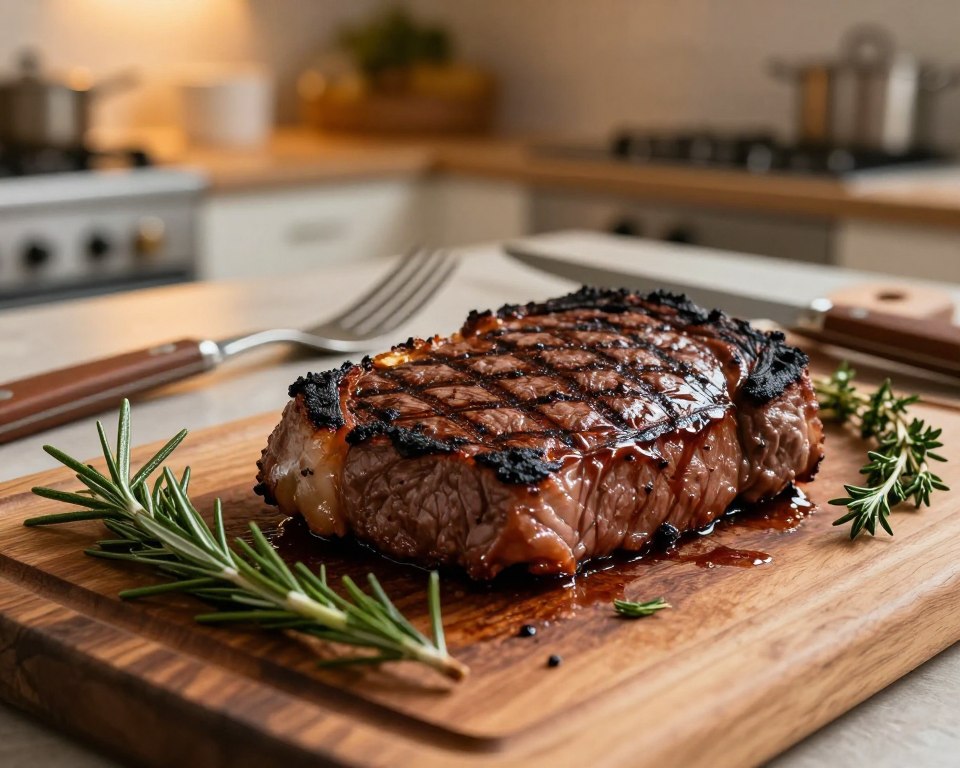
Red meat is more likely to create toxins because of its creatine content. Cooking beef, lamb, or pork at high heat mixes creatine with amino acids and sugars. This creates strong carcinogens.
The muscle fibers in red meat need longer cooking times or higher heat to be safe. This longer exposure to heat increases the chance of harmful chemical bonds forming on the meat’s surface.
Poultry and Seafood Considerations
Poultry and seafood have less of the stuff that makes HCAs. They still get charred, but they make fewer toxins than red meat when cooked the same way.
Plant-based proteins like tofu or seitan are different. They can get charred too, but they don’t have the amino acids that make the toxins found in red meat consumption.
Choosing leaner proteins or plant-based options is a smart move. It helps cut down on toxins from grilled meat. By eating a variety of foods, you reduce your exposure to harmful compounds in charred meat.
Understanding the Role of Fat Drippings
Fat and heat together create grilling toxins. When meat is cooked over high heat, the fat melts. If this fat drips onto the heat, it starts harmful chemical reactions.
How Smoke Contributes to PAH Accumulation
When fat hits the hot surface, it turns into smoke. This smoke has harmful compounds called PAHs. These vapors go around the cooking area and land on the meat.
This makes your food covered in harmful byproducts. To keep your food safe, use a grill cleaner spray safe for food. Clean grill grates also help reduce smoke.
The Science of Flare-ups on the Grill
Flare-ups happen when fat touches the flame. This causes a quick, hot temperature spike. These flare-ups can make the meat char quickly, creating grilling toxins.
To avoid these flare-ups, trim excess fat or use indirect heat. This table shows how different methods affect your cooking environment.
| Strategy | Impact on Smoke | Risk Level |
|---|---|---|
| Trimming Fat | Low | Minimal |
| Direct Grilling | High | Elevated |
| Indirect Heat | Very Low | Reduced |
| Frequent Flipping | Moderate | Controlled |
Genetic Factors and Individual Sensitivity
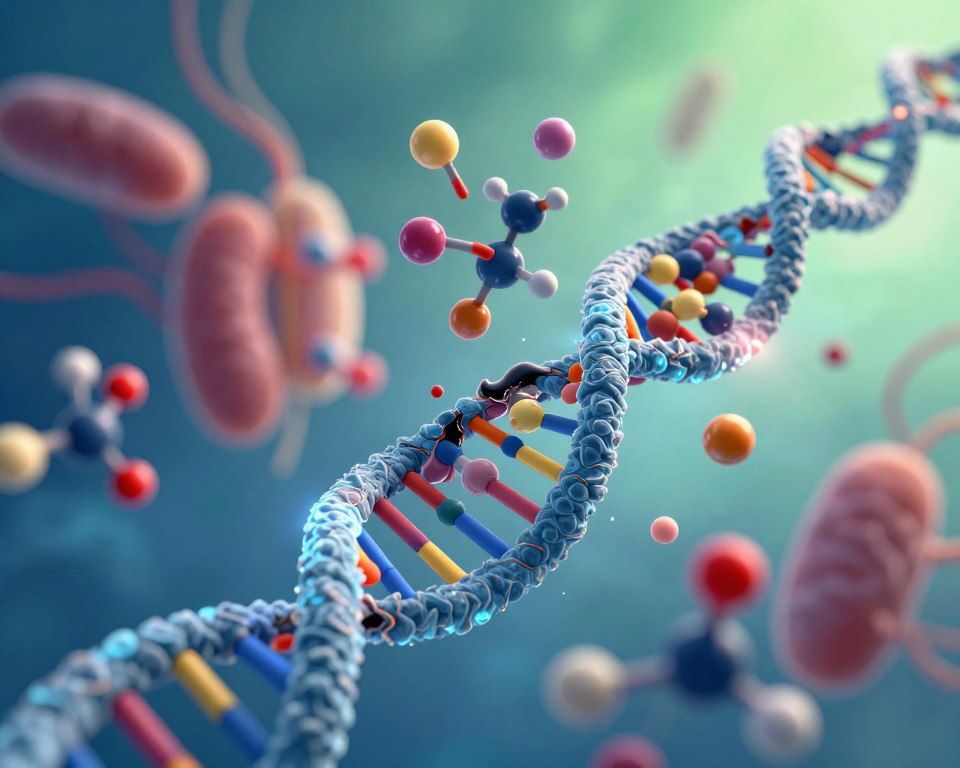
Genetic variation affects how our bodies handle harmful substances in cooked foods. Even if two people eat the same charred meat, their bodies might react differently. This is why health risks vary among people.
Why Some People Are More Vulnerable
The main reason for these differences is how well our cells fix damage. Harmful compounds can cause DNA damage if not neutralized fast. Some people have genes that help fix these problems quickly.
Others might have genes that don’t work as well. This makes their cells more likely to get hurt by toxins. Important factors include:
- Inherited efficiency of nucleotide excision repair pathways.
- Baseline levels of cellular antioxidant defenses.
- The speed at which the body identifies damaged genetic material.
Metabolic Differences in Processing Toxins
The way our bodies break down toxins is also key. The liver uses enzymes to turn toxins into safe substances. If these enzymes work slowly, toxins stay in the body longer, harming cells.
Individual metabolic profiles are shaped by our genes. Some people naturally have more of these protective enzymes. This helps them fight off environmental and food threats better. Knowing these differences helps us understand why our health history and genes matter for our overall well-being.
Scientific Studies and Epidemiological Evidence
Looking into the cancer risk from certain foods takes years of study. It’s hard because diet is just one thing that affects health over time.
It’s tough to figure out how charred meat affects us because we eat so many different foods. Scientists use big studies to find patterns that might link cooking methods to diseases.
Reviewing Current Research Findings
Studies often talk about harmful substances in well-done meats. But, it’s hard to say for sure if these substances cause cancer in people.
Many studies suggest a link, but they can’t ignore other lifestyle factors. Genetic predispositions and what else you eat matter a lot. So, the findings are not clear-cut.
Interpreting Data from Human Trials
Human trials give us the closest look at the truth, but they have their own problems. People might not always tell the truth about what they eat.
It’s also not possible to do long-term studies where people only eat certain foods. So, scientists use math to guess how much people were exposed over time. This needs careful thought to avoid jumping to conclusions.
In the end, scientists see these hints as signs of possible danger, not proof. It’s important to keep things in perspective when thinking about how cooking affects our health.
The Role of Marinades in Reducing Risk
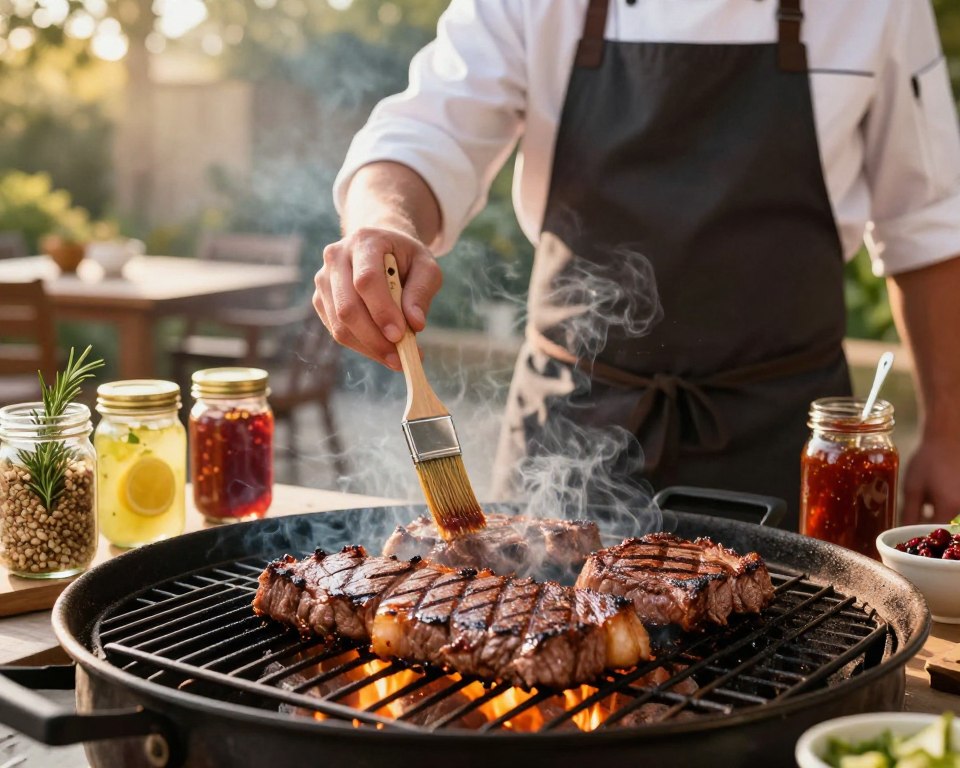
Using a marinade to prepare meat is more than just a cooking choice. It’s a smart way to make your food safer. A marinade acts as a protective layer on the meat’s surface. This layer changes how the meat reacts to heat, helping to reduce harmful toxins.
Marinades do more than just add flavor. They change the chemical makeup of the meat’s surface. This is a proven way to lower health risks linked to charring.
Antioxidant-Rich Ingredients That Protect Meat
Adding certain herbs and spices to your marinade can offer strong protection. Herbs like rosemary, thyme, oregano, and garlic are full of antioxidants. These antioxidants fight off free radicals that form when meat is cooked at high temperatures.
Studies show that these plant-based ingredients can greatly reduce harmful compound formation. By thoroughly coating the meat, you ensure these antioxidants are where they’re most needed. Consistency in application is crucial for the best protection during cooking.
How Acidic Marinades Inhibit Toxin Growth
Acidic ingredients are key in preventing the growth of harmful chemicals. Lemon juice, vinegar, and wine lower the meat’s surface pH. This acidic environment hinders the formation of dangerous compounds.
Marinating for at least thirty minutes allows these acids to reach the meat’s outer layers. This time is essential for achieving the best safety results. The table below shows how different marinade bases help make cooking safer.
| Marinade Base | Primary Protective Agent | Mechanism of Action |
|---|---|---|
| Citrus Juice | Citric Acid | Lowers surface pH to inhibit reactions |
| Red Wine | Polyphenols | Provides antioxidant defense |
| Vinegar | Acetic Acid | Creates a barrier against charring |
| Herb Infusion | Essential Oils | Neutralizes free radicals |
Pre-Cooking Techniques to Minimize Exposure
Using specific pre-cooking steps is a key healthy grilling tip for home cooks. It helps reduce the time protein spends over hot heat. This lowers the chance of harmful chemical compounds forming.
These steps make sure you focus on getting the perfect flavor. You won’t be worried about cooking the meat right.
The Benefits of Partial Microwave Cooking
Partially cooking meat in the microwave is a smart safety move. It shortens the time meat spends over flames. This reduces the chance of harmful compounds forming during searing.
This method gets the meat’s center to a safe temperature fast. Then, grilling adds a nice crust and smoky flavor. It’s a key healthy grilling tip for those who care about safety and taste.
Trimming Fat to Reduce Smoke Exposure
Too much fat on meat causes flare-ups when grilling. Fat drips onto hot coals, creating smoke with harmful compounds. These can stick back to your food.
Make sure to carefully trim visible fat from meat before cooking. This reduces flare-ups and keeps your cooking area clean. It also helps keep the temperature steady.
Optimizing Your Grilling Strategy
Making small changes to your grilling can make a big difference. By being precise and controlling the heat, you can keep your food safe and tasty. These tweaks are easy to add to your grilling routine.
Managing Distance from the Heat Source
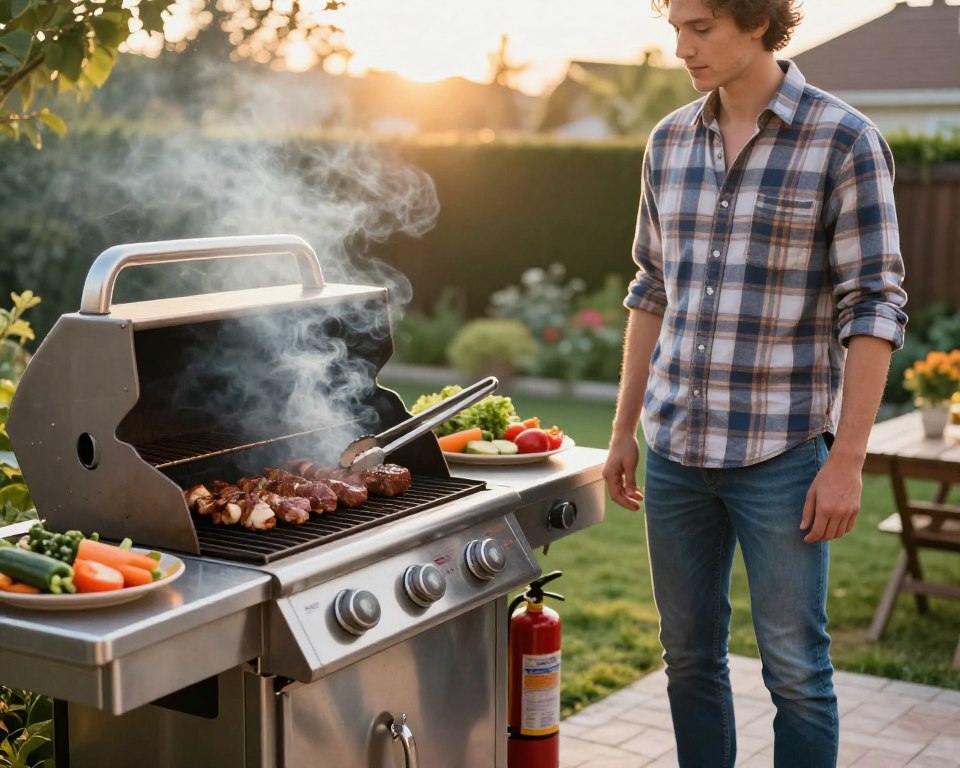
How close your food is to the heat affects how quickly it chars. Moving it further away helps cook it more evenly. This way, the outside doesn’t burn before the inside is cooked right, as research shows.
“The secret to a perfect grill is not just the heat, but the patience to manage the distance between the flame and the protein.”
Using indirect heat is a top healthy grilling tip. It cooks the meat slowly and safely. This method also cuts down on flare-ups that can harm your food.
The Importance of Frequent Flipping
Flipping meat only once might seem right, but it’s not always best. Flipping it often keeps the temperature even. This stops one side from getting too charred or hot.
Consistency is key for a safe and tasty meal. Flipping your food every minute or two spreads the heat evenly. This is a basic rule of grilling safety and helps your food cook well without burning.
Alternative Cooking Methods for Safer Meals
Grilling is a favorite in America, but gentler ways to cook are safer. By trying different cooking methods, you can cut down on harmful compounds. These compounds form when meat is cooked too hot for too long.
Slow Cooking and Braising Benefits
Slow cooking and braising are great because they use lower heat and keep things moist. Braising meat in liquid stops it from getting too hot. This makes the meat tender and keeps your cancer risk low.
These slow-paced methods let flavors grow deep without charring. Since the meat is in liquid or steam, harmful byproducts are almost gone. It’s a healthy way to cook proteins and focus on long-term health.
Steaming and Poaching as Healthy Options
Steaming and poaching are top choices for cooking without high heat. They use water or broth to cook, keeping food safe and moist. Since they don’t get hotter than boiling water, they avoid harmful chemical reactions.
Choosing cooking techniques that focus on moisture over direct flame is key to lowering cancer risk from food.
Adding these methods to your cooking routine is a smart move for nutrition. Try poaching chicken or steaming fish with herbs. The table below shows how different cooking methods compare in terms of heat and safety.
| Method | Heat Source | Safety Profile |
|---|---|---|
| Grilling | Direct Flame | High Risk |
| Braising | Liquid/Low Heat | Low Risk |
| Steaming | Water Vapor | Very Low Risk |
| Poaching | Simmering Liquid | Very Low Risk |
The Importance of Temperature Control
Learning about meat cooking temperatures is key to safe and tasty food. It’s all about precision to get the right doneness and keep nutrients in. This way, you enjoy great food while staying healthy.
Using Meat Thermometers Effectively
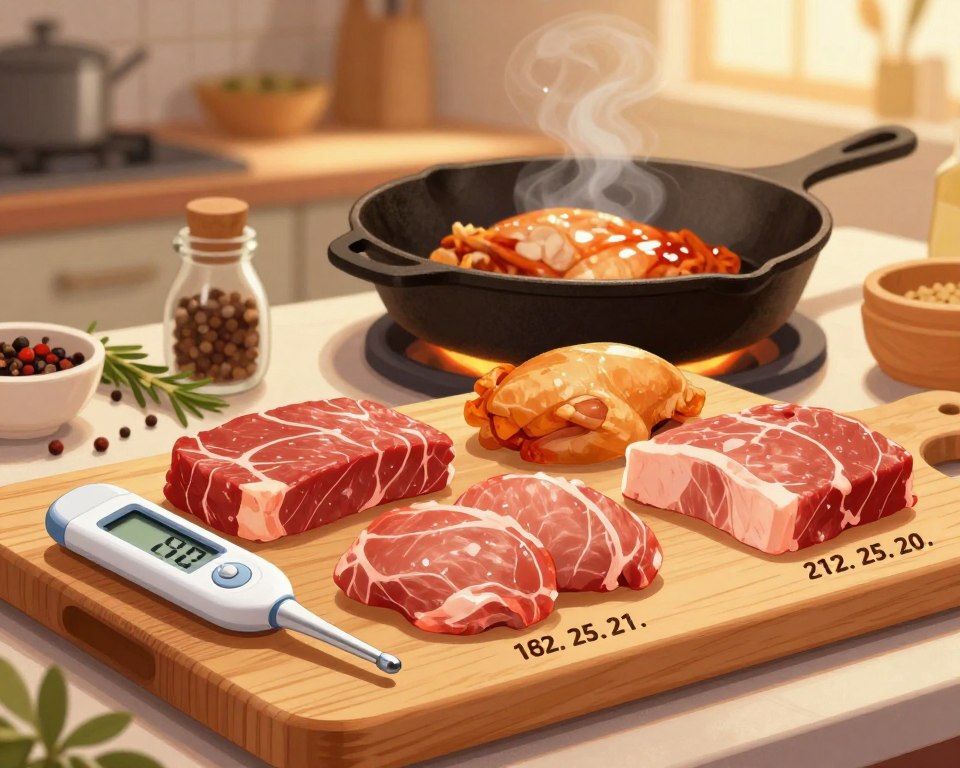
Don’t rely on color or texture alone. A digital instant-read thermometer gives you the clinical precision you need. Make sure the probe goes into the thickest part of the meat, avoiding bone or fat.
Checking temperature a few minutes before finishing is crucial. It helps avoid overcooking. This simple step turns cooking into a science-backed routine.
Avoiding Overcooking for Texture and Safety
Too much heat can ruin your food. Cooking to the right temperature keeps it moist and tender. Proper timing is key for great food and health.
The table below shows the safe internal temperatures for different meats. It helps you cook safely and avoid charring.
| Meat Type | Minimum Internal Temp | Resting Time |
|---|---|---|
| Ground Beef | 160°F (71°C) | None |
| Whole Poultry | 165°F (74°C) | 3 Minutes |
| Steaks/Chops | 145°F (63°C) | 3 Minutes |
| Fish | 145°F (63°C) | None |
Dietary Habits and Overall Cancer Risk
Long-term health is shaped by many daily food choices, not just one cooking method. While certain cooking methods are a concern, they are part of a bigger nutritional picture. Focusing on healthy habits is better than worrying about specific cooking moments.
Balancing Meat Consumption with Plant-Based Foods
It’s not necessary to avoid red meat completely. Experts say to eat it in smaller amounts, with more plant-based foods. This way, you get less exposure to harmful compounds from high-heat cooking.
“The synergy of a varied diet often provides protective mechanisms that individual foods cannot offer alone, reinforcing the importance of overall dietary patterns in health maintenance.”
Eating more legumes, nuts, and seeds can help you feel full and eat less processed meat. This is key to preventing cancer, focusing on long-term health.
The Protective Role of Fiber and Vegetables
Vegetables and foods high in fiber protect your digestive system. Studies show that eating a lot of fiber helps waste move faster. This reduces the time harmful compounds stay in your intestines. Learn more about this in this study on dietary patterns and health.
Cruciferous veggies like broccoli and cauliflower boost your body’s detox system. Eating them with grilled foods can lower cancer risk. A plant-based diet is the best way to balance meat and prevent cancer.
Debunking Common Myths About Burnt Food
Knowing the difference between a good sear and burnt food is key. Many home cooks worry about when a sear turns bad. Understanding heat chemistry lets you enjoy meals without health worries about carcinogens in food.
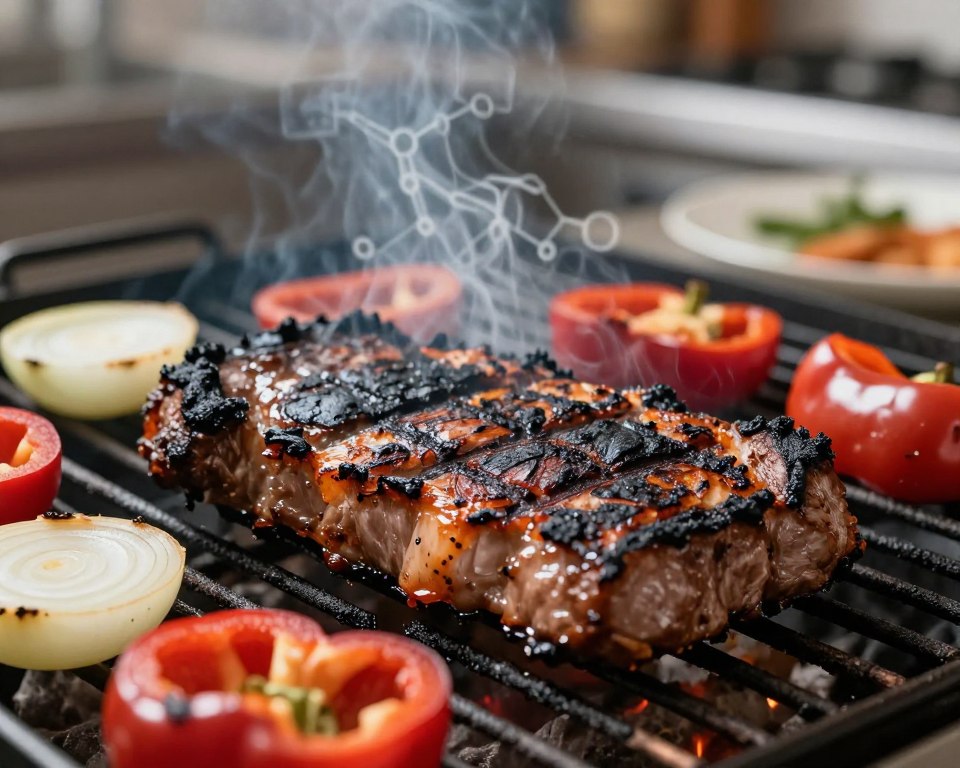
Distinguishing Between Char and Carbonization
The Maillard reaction happens when amino acids and sugars meet heat. It creates savory, complex flavors we love. This is different from carbonization.
Carbonization happens when food turns black and hard. This means proteins have broken down into harmful compounds. While some browning is good, true carbonization is not safe.
Addressing Misconceptions About Flavor Profiles
Many think the darkest, most charred meat has the best flavor. But, food safety myths confuse extreme bitterness with deep flavor. In truth, too much charring hides the real taste of food.
For a rich flavor, use proper seasoning and control the heat. You don’t need heavy char for a great taste. Knowing the difference helps you cook safely and enjoyably.
| Cooking State | Visual Appearance | Chemical Process | Health Impact |
|---|---|---|---|
| Light Sear | Golden Brown | Maillard Reaction | Negligible Risk |
| Deep Sear | Dark Brown | Advanced Maillard | Low Risk |
| Carbonization | Black/Brittle | Pyrolysis | Higher Toxin Potential |
Regulatory Guidelines and Public Health Advice
When it comes to grilling safety, official guidelines are key. They help us make smart choices without losing the fun of cooking. Health experts keep telling us to avoid foods that might be harmful.
What Health Organizations Recommend
Health agencies say moderation is key to a healthy life. They advise us to balance grilling with other cooking methods. The American Cancer Society suggests eating less char and more plant-based foods.
Here’s what big health groups say about cooking at high heat:
| Organization | Primary Focus | Recommended Action |
|---|---|---|
| USDA | Pathogen Control | Use thermometers to ensure safety |
| American Cancer Society | Carcinogen Reduction | Limit char and processed meats |
| World Health Organization | Dietary Patterns | Prioritize variety and fiber |
Navigating Conflicting Nutritional Information
It’s easy to get mixed up by different reports on food safety. This mess comes from studies and trials that don’t always agree. Stick to food safety guidelines based on solid research, not just headlines.
“The goal of nutritional science is not to eliminate every potential risk, but to foster a sustainable pattern of eating that supports long-term health and vitality.”
If you’re worried about your health or have a family history of illness, general advice might not be enough. Talking to a dietitian or your doctor is crucial. They can give you advice that fits your specific needs and health goals.
Conclusion
Managing risks in high-heat cooking is about changing how you cook, not giving up grilling. Using consistent temperatures and protective marinades can help. These steps let you enjoy grilled tastes while keeping your health in mind.
Eating a balanced diet is key to fighting off harmful toxins. Focus on fiber-rich veggies and plant-based proteins to reduce risks. Check out our safety reports to learn more about making safe choices.
Everyone’s body reacts differently to certain compounds. Being aware of your health and eating a variety of whole foods is important. This approach makes every meal a chance to boost your health, not harm it.
What exactly are the chemical compounds formed when meat is charred?
When meat is charred, two main substances are formed. These are heterocyclic amines (HCAs) and polycyclic aromatic hydrocarbons (PAHs). HCAs come from amino acids, sugars, and creatine reacting at high temperatures. PAHs form when fat and juices drip onto a heat source, creating smoke that carries these chemicals back onto the food.
Both HCAs and PAHs are seen as potential carcinogens by the International Agency for Research on Cancer (IARC).
At what temperature do these harmful toxins begin to form?
Toxins start forming at temperatures over 300°F (150°C). High-heat methods like grilling, broiling, and pan-frying cause protein breakdown. Using a ThermoPro digital thermometer helps ensure meat is cooked safely without excessive charring.
Why is red meat considered more susceptible to toxin development than poultry or fish?
Red meat has more creatine and amino acids, which are HCA precursors. While poultry and seafood also produce these compounds, red meat’s muscle and fat content lead to higher toxin levels when exposed to high heat.
How do acidic marinades help mitigate the risks of grilling?
Acidic marinades, like those with vinegar or lemon juice, act as a barrier. They can reduce HCA formation by up to 90% when combined with antioxidants like rosemary or thyme. These antioxidants stop the oxidative reactions needed for toxin formation during cooking.
Is there a biological difference in how individuals process these dietary carcinogens?
Yes. Genetic differences, like in CYP1A2 and NAT2 enzymes, affect how people metabolize toxins. Also, how well an individual’s DNA repair mechanisms work impacts their body’s ability to counteract damage from charred proteins.
Can pre-cooking meat in a microwave really lower toxin exposure?
Yes. Pre-cooking meat in a Panasonic or Toshiba microwave before grilling reduces high-heat exposure time. This method also helps render fats, reducing flare-ups and ensuring the final grilling stage is for flavor, not complete cooking.
What is the difference between the Maillard reaction and carbonization?
The Maillard reaction is a safe chemical reaction that gives browned food its flavor and color. Carbonization, or true charring, happens when food is overheated, turning black. This is where carcinogens are most concentrated.
Does the use of a gas grill versus charcoal change the risk profile?
Gas grills, like those from Weber, offer better temperature control, preventing extreme heat and HCAs. Charcoal grills burn hotter and produce more smoke, increasing PAHs. But, the key to reducing risk is managing heat distance from food.
Are plant-based proteins or vegetables subject to the same risks when charred?
Vegetables and plant-based proteins don’t form HCAs because they lack creatine. They can still get PAHs from smoke, but the risk is lower than for meat. High-fiber vegetables also help digest toxins.
What are the current public health recommendations regarding grilled meat?
Groups like the American Cancer Society advise limiting well-done or charred meats. Strategies include trimming fat, flipping meat often, and using indirect heat. These methods help keep nutrients while reducing harmful byproducts.