Every year, over 300 million tons of synthetic polymers hit the global market. Yet, many people still wonder about the safety of their drink containers. As a pharmacist, I look at these materials closely. I check if they are stable at a molecular level and if they follow the rules.
Many people want to avoid certain chemicals in their plastic. They look for safer options. Tritan plastic is one of these choices, but we need to make sure it’s safe.
We need to study how these plastics can leak chemicals and what harm they might cause. This helps us know if they are safe for us. By understanding the chemicals in our products, we can make better choices.
Key Takeaways
- Synthetic polymers need careful checking for chemical stability.
- Pharmacists look at materials to see if they can leak chemicals.
- People often choose safer plastics to avoid harmful chemicals.
- Rules help us figure out if materials are healthy.
- Research is key for making smart choices as consumers.
Understanding the Composition of Tritan Plastic
To understand why Tritan is so popular, we need to look at its special makeup. It’s a copolyester made to be as clear and strong as glass but light and safe like plastic. It was created to be a safer choice than old plastics, which had health risks.
Chemical Structure and Polymerization
Making Tritan involves a complex polymerization process. It links certain monomers to form a strong, top-notch resin. Unlike old plastics, Tritan doesn’t need bisphenol-A (BPA) to be strong. Its molecular structure keeps it firm and clear, even when exposed to heat or cleaners.
This special structure brings many benefits for everyday items:
- High impact resistance, stopping it from cracking or breaking.
- Exceptional clarity, giving it a glass-like look in bottles and containers.
- Chemical stability, reducing the chance of harmful substances getting into food or drinks.
The Role of Eastman Chemical Company
The Eastman Chemical Company is behind Tritan. They’re the main makers and innovators of the brand. They used advanced science to create a material that’s safe and meets today’s needs.
Eastman controls the making process closely to keep quality high. This careful approach has set a new standard for safe food-contact materials in the U.S. and worldwide.
Is Tritan Plastic Safe for Daily Use
When thinking about Is Tritan Plastic Safe for everyday use, we need to look at the science. People often get mixed messages about the safety of copolyester plastics in our homes. By studying how these containers handle heat and washing, we can learn more about their safety.
Evaluating Estrogenic and Androgenic Activity
Companies say Tritan is safe from estrogenic effects, based on certain tests. These tests check if the plastic can act like estrogen or androgen.
Studies funded by the industry usually show Tritan is safe. But, independent scientists might use different methods. It’s key to consider a few things when looking at these studies:
- The solvents used in the tests.
- How long the plastic is exposed to heat.
- The tests’ ability to detect hormonal effects.
Comparison with Traditional Polycarbonate Plastics
Older plastics, like polycarbonate, were once the go-to for tough, clear containers. But, they were known to release bisphenol-A (BPA), which can mess with hormones. Tritan was made as a durable alternative without BPA or similar chemicals.
Here’s a table showing the main differences between Tritan and traditional polycarbonate plastics:
| Feature | Traditional Polycarbonate | Tritan Copolyester |
|---|---|---|
| BPA Content | Often present | None |
| Hormonal Activity | Documented concerns | Marketed as inactive |
| Durability | High | High |
To figure out if Is Tritan Plastic Safe, we need to weigh both the data from manufacturers and independent research. Tritan is a big step forward from old plastics. But, it’s important for users to know how their use, like washing in the dishwasher, can affect the plastic over time.
The Science Behind BPA-Free Tritan Plastic
The move to BPA-Free Tritan Plastic is a big step forward in safety. For years, companies used certain chemicals to make containers last longer and look clear. But as we learned more about health, they started looking for safer options.
Why Bisphenol-A Was Removed from Consumer Goods
Bisphenol-A, or BPA, was used to make plastics strong and clear. But studies showed it could get into food and drinks, which was a worry. It was thought to affect hormones in the body.
“The transition away from legacy chemicals like BPA is not merely a trend; it is a fundamental shift toward protecting long-term human health through better material science.”
Health groups and rules pushed for BPA to be removed. People wanted to know what was in their products. This made companies look for new ways to make things without BPA.
The Shift Toward Copolyester Materials
Engineers created new materials to replace old plastics. These new plastics are strong and clear, but without harmful chemicals. They work well in many conditions.
The creation of BPA-Free Tritan Plastic makes our lives safer. These plastics don’t let chemicals get into what we drink. Here’s how they compare to old plastics.
| Feature | Traditional Polycarbonate | Modern Copolyester |
|---|---|---|
| BPA Content | Present | None |
| Durability | High | High |
| Chemical Stability | Moderate | Excellent |
| Clarity | High | High |
Today’s products are made with safety in mind. By picking BPA-Free Tritan Plastic, we get the best in new plastic technology. It’s all about health and lasting quality.
Analyzing Tritan Plastic Health Impacts
Looking into Tritan Plastic Health Impacts means more than just checking chemical labels. It’s about understanding how these materials affect our bodies. Even if products say they don’t have Bisphenol-A, scientists are still checking for other possible dangers. This is important for people who want to stay healthy by choosing the right products.
Endocrine Disruption Concerns
Independent research focuses on whether Tritan plastics can disrupt hormones. Groups like CertiChem, led by George Bittner, study plastic products for synthetic estrogens. They say even BPA-free plastics might still act like estrogen under certain conditions.
This could mess with our body’s hormone signals. To grasp these risks, experts use specific criteria:
- Chemical Migration: When molecules from plastic move into liquids.
- Estrogenic Activity: When a substance acts like natural hormones in our bodies.
- Material Stability: How well plastic withstands stress like heat or light.
Long-term Exposure and Bioaccumulation Studies
Studying the long-term effects of chemicals is tough for scientists. While short tests are common, long-term bioaccumulation studies are harder to do and understand. The body is exposed to many things at once, making it hard to pinpoint one material’s impact.
So, researchers push for thorough, reviewed data to understand Tritan Plastic Health Impacts. Until we have more evidence, it’s best to use products wisely and choose materials carefully.
Regulatory Standards and Tritan Plastic Safety
Looking into Tritan Plastic Safety means checking the strict rules set by health agencies worldwide. These groups set the minimum standards for food packaging and storage. By following these rules, makers make sure their items are safe and work well.
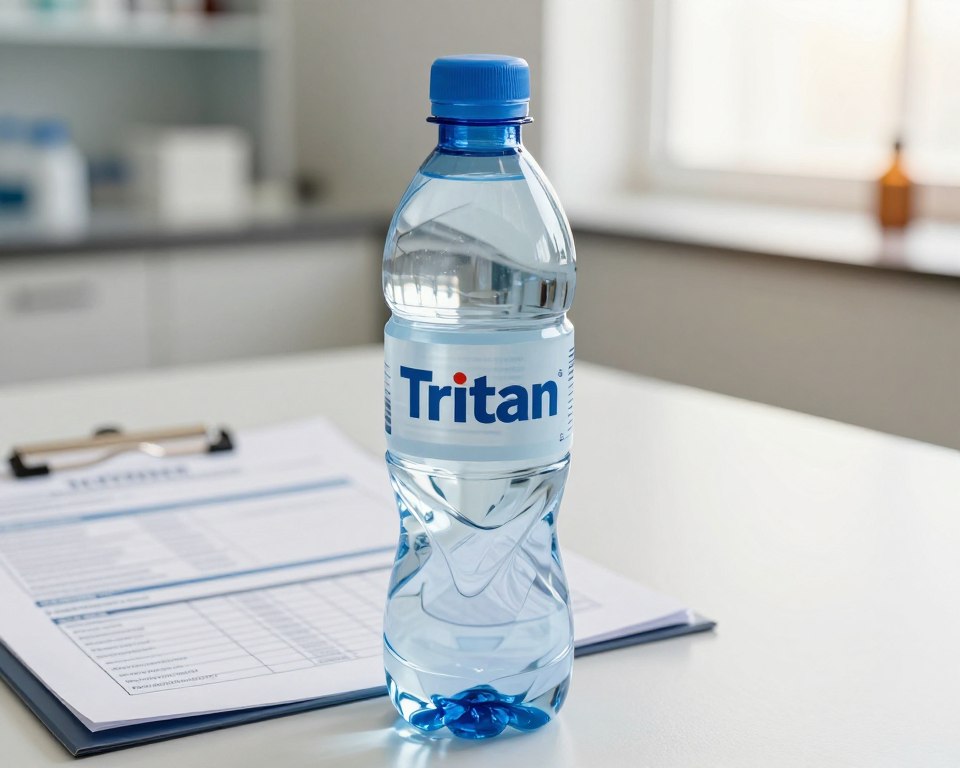
FDA Approval and Food Contact Notifications
In the U.S., the FDA checks the safety of food contact materials. Tritan got the green light for food use after a thorough FDA review. This review looks at the material’s chemical makeup and how much it might leach into food.
A Food Contact Notification (FCN) is needed to show a substance is safe for food use. After the FDA checks the data and finds no issues, it’s okay for sale. This makes sure the material is safe for everyday use.
International Compliance and European Union Standards
Outside the U.S., Tritan Plastic Regulations must match global health rules. Bodies like the European Food Safety Authority (EFSA) and Health Canada have their own strict rules for food plastics. They work together to make sure safety standards are the same everywhere.
Meeting these global standards means a few important steps:
- Migration testing to see if chemicals get into food or drinks.
- Studies on long-term health effects.
- Checks to make sure every batch is safe.
These groups protect us all. While extra tests can give more info, official approvals are key. Knowing about these rules helps us see why certain materials are used in top-notch containers.
Tritan Plastic Toxicity and Leaching Potential
When we look at the safety of things we buy, we worry about chemicals leaking out. Many materials seem safe, but knowing about Tritan Plastic Toxicity helps us see why it’s used in food containers. By looking at tritan polymer properties, we understand how these containers stay strong over time.
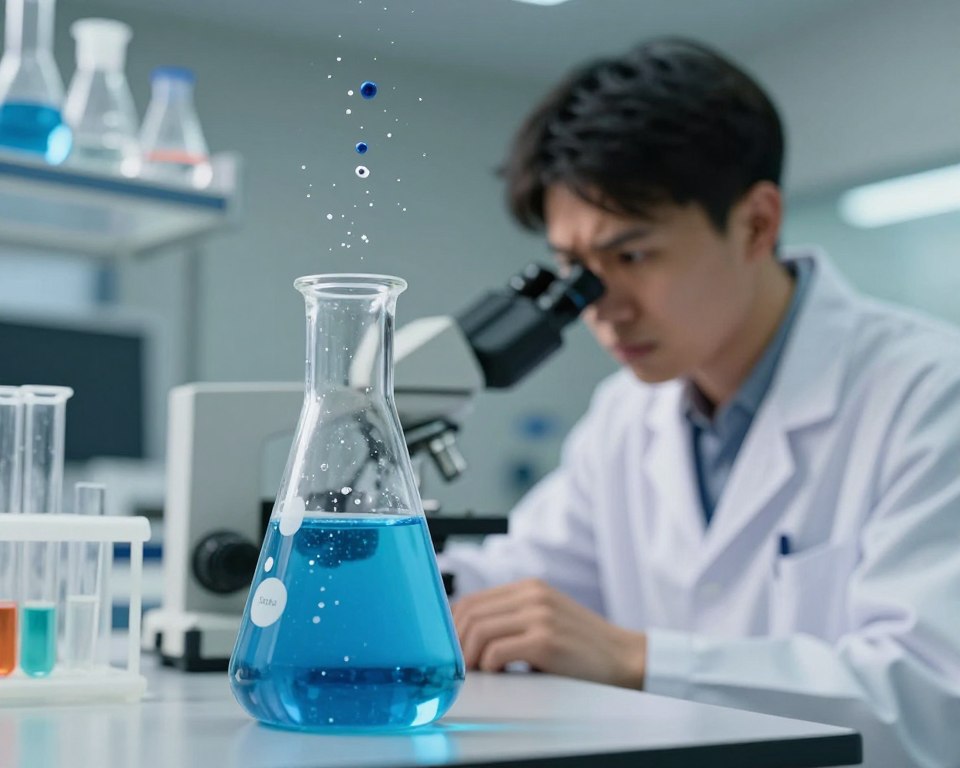
Factors Influencing Chemical Migration
Chemicals can move from the container into the food or liquid inside. In good polymers, this is limited by their tight molecular structure. Tritan is made to resist this problem better than older plastics.
Things like extreme pH levels, long storage of acidic liquids, and scratches can harm a container. Keeping the material strong is key to stopping chemicals from leaking out.
Impact of Heat and Dishwasher Cycles on Integrity
Heat is a big problem for plastics. High temperatures can make the plastic expand, raising the risk of chemicals leaking. But Tritan is made to handle high heat, making it great for reusable bottles.
Dishwasher cycles are tough on containers, with hot water and strong cleaners. While these bottles are safe in the dishwasher, following the maker’s advice is important. Also, avoid rough cleaners to keep the surface smooth and prevent cracks where bacteria or chemicals can hide.
| Stress Factor | Impact on Integrity | Risk Level |
|---|---|---|
| High Heat | Potential molecular expansion | Low (if within limits) |
| Abrasive Cleaning | Surface micro-scratches | Moderate |
| Acidic Contents | Minimal chemical interaction | Very Low |
| Dishwasher Cycles | Thermal and chemical stress | Low (if compliant) |
To avoid Tritan Plastic Toxicity, take good care of your containers. Always check the maker’s heat ratings before washing in the dishwasher. By following these simple steps, you keep your containers safe and working well for a long time.
Common Tritan Plastic Concerns Addressed
It’s key to separate real science from hearsay when making choices. Online, people often find mixed messages about kitchenware safety. By carefully looking at these reports, we can learn more about the materials we use every day.
Addressing Misconceptions About Plastic Safety
Many worry about Tritan Plastic Concerns because they think all plastics are the same. But, newer plastics are made differently. Scientific evidence shows they don’t have harmful chemicals found in older plastics.
It’s crucial to trust studies over personal stories. When checking if plastics are safe, look for Tritan Plastic Safety info from official sources. This way, we make choices based on solid facts, not just fears.
Transparency in Manufacturing Processes
Being open is key for trust in the plastics world. Good companies share details about where their materials come from and what’s in them. This helps experts and watchdogs check if products are safe.
People can check if a brand is honest by looking for certifications and test results online. If a company won’t share how they make their products, it’s a red flag. By pushing for honesty, we help make all plastics safer.
Reviewing Independent Tritan Plastic Studies
The debate on synthetic materials often centers on lab findings. Manufacturers test their products, but the scientific world looks for outside proof. This ensures BPA-Free Tritan Plastic meets high health standards.

Peer-Reviewed Research Findings
Peer-reviewed Tritan Plastic Studies are key to checking chemical safety. When studies are published, other experts review them. This scientific check of chemical migration spots risks that might be missed in reports funded by companies.
Some studies have questioned if BPA-free materials could act like estrogen under certain conditions. These findings are crucial for keeping things transparent. They push manufacturers to improve their methods and share more safety information with the public.
Limitations of Current Scientific Literature
Despite the value of independent research, there are big challenges. One major issue is the hard task of getting the same results in different labs. Different testing methods, like the solvent used or how long it’s heated, can cause different results.
Also, understanding how chemicals affect our health is complex. Scientists are working hard to find standard ways to test. This is key to fully understanding BPA-Free Tritan Plastic safety.
| Study Type | Primary Focus | Key Limitation |
|---|---|---|
| Industry-Funded | Regulatory Compliance | Potential for Bias |
| Independent Academic | Biological Impact | Replication Difficulty |
| Governmental Review | Public Safety | Slow Update Cycles |
Comparing Tritan Plastic Alternatives
As a pharmacist, I often look at the choices between synthetic polymers and traditional materials. Many people want Tritan Plastic Alternatives for health and lifestyle reasons. The right choice depends on durability, safety, and how easy it is to clean.
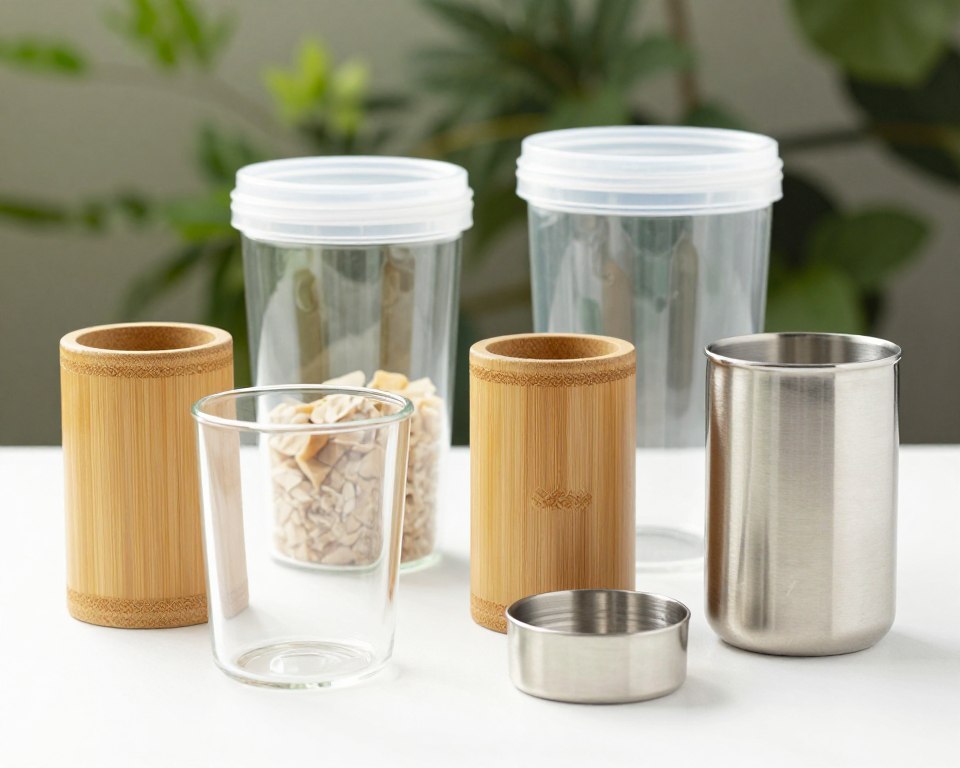
Glass and Stainless Steel Options
Glass and high-grade stainless steel are top picks for avoiding plastic. Glass doesn’t leach chemicals into food or drinks, making it safe for long storage. But, it can break easily.
Stainless steel is durable and lightweight, resistant to corrosion. High-quality food-grade steel, like 18/8, is safe for acidic foods. These Tritan Plastic Alternatives are great for those who value lasting quality over easy-to-see containers.
Silicone and Other Polymer Substitutes
Silicone is popular for its flexibility and heat resistance in food storage. It’s stable at high and low temperatures, without releasing harmful chemicals. Its versatility makes it perfect for collapsible containers and covers.
Other polymers are available, but they might not match Tritan’s performance. When choosing Tritan Plastic Alternatives, check the material’s grade. Make sure it’s certified for food contact to ensure safety.
| Material | Durability | Chemical Inertness | Best Use |
|---|---|---|---|
| Glass | Low (Fragile) | Excellent | Home Storage |
| Stainless Steel | High | Excellent | Travel/Outdoor |
| Silicone | High | Good | Collapsible Storage |
| Tritan Plastic | High | Very Good | Daily Hydration |
Environmental Considerations of Tritan Plastic
The environmental impact of Tritan plastic is a big concern for those who care about the planet. We need to look at how it fits into the circular economy. Tritan has many benefits, but its effect on global waste is complex.
Recyclability and Waste Management
Tritan is a special type of plastic that’s hard for regular recycling programs to handle. Most recycling centers are set up for PET or HDPE, not Tritan. This makes it hard for Tritan to be recycled with other plastics.
If Tritan ends up in the wrong recycling bin, it can mess things up. It’s important to check with your local recycling to see if they take Tritan. Proper disposal helps protect our environment.
Durability as a Sustainability Factor
Tritan is known for its exceptional durability. It lasts much longer than cheap, disposable plastics. This means you don’t need to replace it as often.
Choosing Tritan means you’re making a more sustainable choice. It’s not just about recycling at the end. It’s about using resources wisely over time. A product that lasts longer is better for the planet than one that’s thrown away after use.
Image Disclosure and Educational Context
We are committed to providing reliable health and safety info. We want our readers to know how our images are made and their purpose.
Some images in this article are AI-generated for learning. They help show complex ideas and support the text. This makes our health info easy to understand and safe.
Understanding AI-Generated Visuals in Health Content
Digital images make it easier to see scientific processes. We use advanced tools to create diagrams. These diagrams show how materials and chemicals work together safely.
“Technology in education should serve as a bridge to understanding, not a replacement for the critical thinking required in medical and veterinary sciences.”
These images are meant to be supplementary. They make the story clearer without adding too much complexity. This keeps the main safety message clear.
Limitations of Digital Illustrations in Veterinary and Medical Contexts
It’s important to know these digital images are for info only. They help explain ideas but do not replace a vet’s check-up or diagnosis.
Medical and vet decisions need more than just images. They need a detailed look and expert advice. Always talk to a vet about health concerns for you or your pets.
We stick to this rule to keep our health info real. Using images for making medical decisions is never okay. Accurate diagnosis needs real data and expert eyes.
Best Practices for Using Tritan Containers
Keeping your Tritan containers clean and monitored is key to their safety. This material is tough and can withstand impacts well. But, it’s also important to handle them right to keep them safe for a long time.
By following good cleaning habits, you can keep your bottles in top shape. This helps avoid any problems with chemicals leaking out.
Cleaning and Maintenance Guidelines
For the best care of your Tritan containers, use gentle cleaning methods. Washing them by hand with warm water and a mild soap is the best way. This method removes dirt without harming the plastic.
Don’t use rough scrubbers or strong cleaners. These can scratch the plastic and let bacteria grow.
If you must use a dishwasher, put the container on the top rack. This keeps it away from hot elements. Tritan can handle heat, but too much can weaken it. Always dry the bottle well before storing it to stop mold and mildew.
When to Replace Your Plastic Bottles
Even the toughest materials have a limit. Look for signs of wear like deep scratches, cloudiness, or smells that won’t go away. These signs mean the plastic is no longer safe.
If you see cracks, warping, or big color changes, it’s time to get a new one. These signs mean the plastic can’t be cleaned well anymore. Replacing your bottles often keeps your water clean and safe.
| Maintenance Action | Recommended Frequency | Purpose |
|---|---|---|
| Hand washing | After every use | Prevents bacterial growth |
| Deep cleaning | Weekly | Removes stubborn residue |
| Visual inspection | Monthly | Identifies cracks or wear |
| Full replacement | Every 12-18 months | Ensures optimal safety |
Conclusion
Choosing the right containers for food and drinks is a complex task. Eastman Chemical says its products are safe, but scientists disagree. They point out the need for more research on Tritan Plastic Health Impacts.
It’s important to make choices based on solid evidence. This helps us navigate the wide range of plastics available. As new studies come out, our understanding of safety grows.
Being careful about how we use and replace containers is key. This helps us stay healthy in the long run. By staying informed and choosing wisely, we can protect our health.
FAQ
Is Tritan Plastic Safe for everyday use in water bottles and food containers?
Tritan Plastic is safe, says the FDA and the European Food Safety Authority (EFSA). It’s a clear, tough plastic made by Eastman Chemical Company. It’s BPA-free, but using it safely means keeping it in good shape.
Don’t microwave it too much or use old, scratched containers. This helps avoid any chemical problems.
What exactly is BPA-Free Tritan Plastic, and how does it differ from polycarbonate?
Polycarbonate plastics use BPA, which can leak into food. Tritan Plastic is different because it doesn’t use BPA. It’s made by Eastman Chemical Company and is clear and strong like glass and metal.
Being BPA-free doesn’t mean it’s safe from all chemicals. That’s why we keep studying it.
Are there specific Tritan Plastic Health Impacts I should worry about regarding endocrine disruption?
Some worry about Tritan’s effect on hormones. Researchers like those at CertiChem say it might mimic estrogen under stress. But Eastman’s studies say it’s safe.
This debate shows Tritan is better than old plastics. But we still need to be careful about chemicals.
What do the current Tritan Plastic Regulations say about its safety in the United States?
The FDA says Tritan is safe for food contact. It also meets standards in Canada and Europe. These rules check if chemicals move from the plastic to food.
But these rules don’t cover long-term effects. We need to watch out for those too.
Is there any evidence of Tritan Plastic Toxicity when the material is heated?
Tritan doesn’t break down easily, even in water. It lasts through many dishwasher cycles. But heat can make chemicals move more.
Hand-washing is best. Avoid boiling liquids in worn-out bottles.
What have independent Tritan Plastic Studies concluded about chemical leaching?
Studies on Tritan show mixed results. Some say it might leach synthetic estrogens. Others say it’s safe.
Different tests and methods cause these differences. This is why some people are still cautious.
What are the most common Tritan Plastic Concerns among parents and pet owners?
Parents and pet owners worry about long-term effects. They fear it might harm children’s hormones or pets’ health. Tritan is seen as safe, but any leaching is a concern.
It’s not perfect, but it’s a good choice. Still, it needs care and will eventually need to be replaced.
Are there safer Tritan Plastic Alternatives for those who want to avoid plastic entirely?
For avoiding plastic, glass and stainless steel are best. They don’t react with food or leach chemicals. Silicone is also safe, but it can hold odors.
While Tritan is good, glass and steel are safer for those who want to avoid plastics.
When should I replace my Tritan containers to ensure continued safety?
Replace Tritan if it’s scratched, cloudy, or feels different. Damage makes it harder to clean and can be toxic.
Check it every six months, more often if it’s used a lot or in hot places.