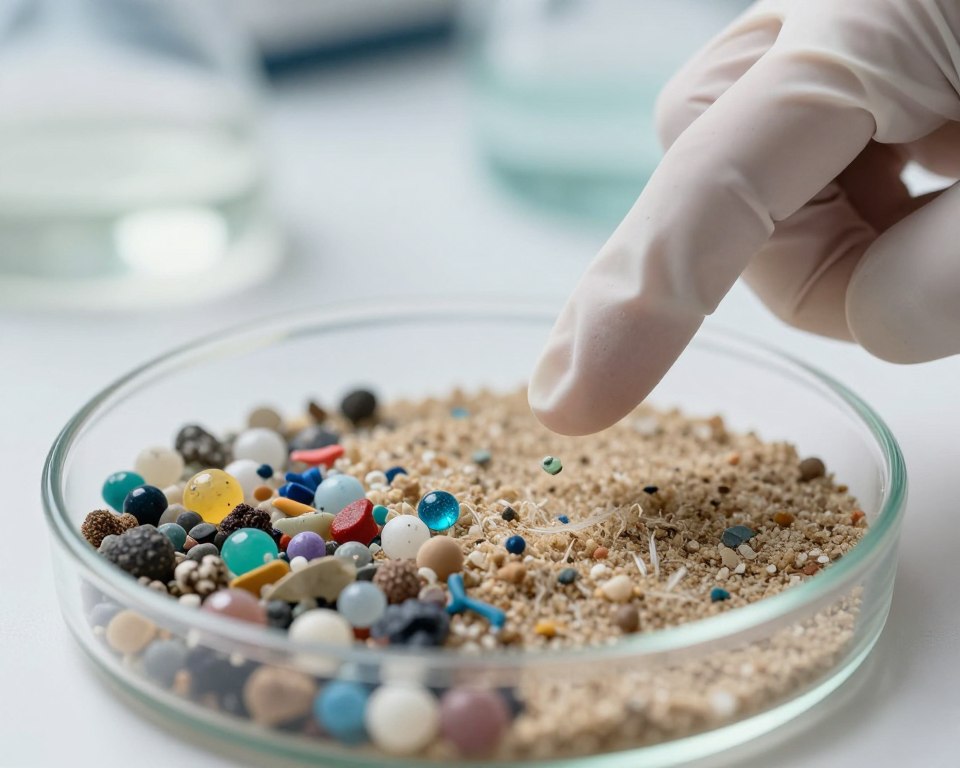
Every year, about 10 to 40 million metric tons of synthetic particles enter our environment. These tiny pieces are often too small to see with our eyes. They have spread to almost every part of the world.
From the deepest ocean to the coldest ice in Antarctica, these materials are everywhere. They are in the air we breathe and the water we drink.
Recent studies show that these synthetic pieces have been found in human tissues. This has made many people worry about their health. Scientists are still studying how these particles affect us.
Understanding the potential risks is important. We need to look at the evidence carefully. We must know if these particles are really harmful to our health.
Key Takeaways
- Between 10 and 40 million metric tons of synthetic particles enter the environment annually.
- These materials are now found in global ecosystems, including air, water, and food supplies.
- Researchers have successfully identified these particles within human tissues.
- Scientific consensus on the long-term health effects of exposure is still evolving.
- Objective analysis is essential to separate public concern from established clinical data.
Defining Microplastics and Their Ubiquity
To understand environmental contamination, we must first know what microplastics are. These are synthetic materials that break down from larger plastics into pieces smaller than 5 millimeters.
Since their creation in the early 20th century, these plastics have become vital to our lives. Yet, their structure stops them from naturally breaking down. This leads to a buildup in our environment, a key part of microplastics pollution.
Categorizing Primary and Secondary Microplastics
There are two main types of these particles, based on where they come from. Primary microplastics are made small on purpose, like the microbeads in face wash or industrial pellets in plastic making.
Secondary microplastics come from bigger plastic items breaking down. This can happen through sunlight, waves, or mechanical wear, turning things like bottles and bags into tiny, invisible pieces.
“The durability that makes plastic a miracle material for industry is the exact same quality that makes it an environmental nightmare once it enters the ecosystem.”
The Global Distribution of Synthetic Polymers
These synthetic materials have spread across the globe. Studies show that microplastics pollution has reached even the most isolated places, from the ocean’s depths to the Arctic snow.
Because they are light and last long, they move through air and water easily. This means no place on Earth is free from plastic’s impact. Knowing this is key to tackling the lasting effects of these plastics on our planet.
The Science of Microplastics Toxicity
Looking into the health effects of Microplastics means studying how they affect living cells. Scientists focus on two main ways: the chemicals in the plastic and the damage the particles can cause.
Chemical Additives and Leaching Processes
More than 10,000 chemicals are used to make plastic products. Over 2,400 of these could be harmful to living things.
These chemicals, like plasticizers and flame retardants, can get out of the plastic. This happens when the plastic is in water or inside a living thing. Endocrine disruptors are a big worry because they can mess with hormones and cell function.
Physical Irritation and Cellular Interaction
The shape and size of plastic pieces also matter in Microplastics toxicity. How these particles fit into tissues when swallowed or breathed in is key.
Sharp pieces can hurt biological membranes. This can start inflammation and even damage tissues over time. Research, like studies at this scientific resource, shows how important studying this is.
To really understand the health effects of Microplastics, we need to look at both the chemicals and the physical harm. This way, scientists can figure out how these materials affect us.
Are Microplastics Dangerous to Human Health
Recent studies have found plastic pieces in human tissues, sparking health concerns. The question of are microplastics dangerous is key in environmental medicine. Scientists are studying how harmful are microplastics to our health as they spread everywhere.
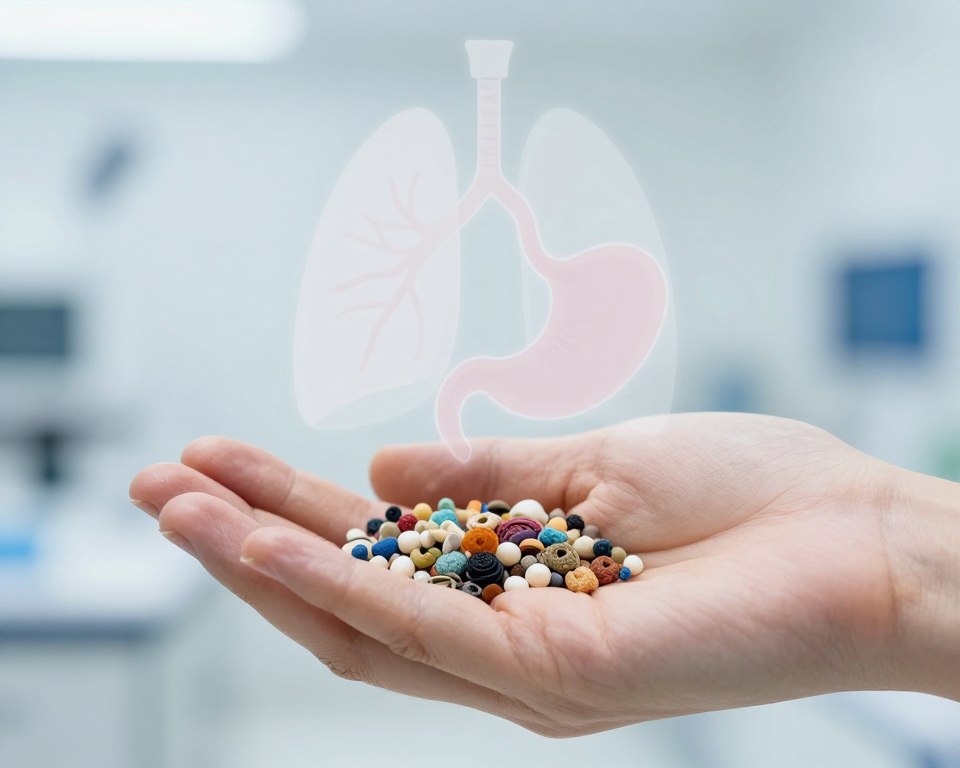
Pathways of Human Exposure
Most people get exposed to Microplastics ingestion through contaminated food and water. These particles come from marine life or processed goods. Once inside, they can affect the gut lining.
Inhalation is another way to get exposed. Microfibers from clothes and factories can be breathed in, reaching the lungs. This shows how complex it is to understand the health effects of Microplastics on people.
Bioaccumulation in Human Tissues and Organs
Studies have found microplastics in many human organs, like the brain and heart. Finding them in arterial plaque is alarming, possibly linked to heart disease. Learn more about these health effects of Microplastics in recent research.
Even though microplastics are found in our bodies, scientists are still figuring out the exact harm they cause. They are looking into whether these particles cause long-term inflammation or stress. Below is a table showing how these particles affect our bodies.
| Exposure Route | Primary Mechanism | Potential Impact |
|---|---|---|
| Ingestion | Gastrointestinal absorption | Inflammatory response |
| Inhalation | Respiratory deposition | Tissue irritation |
| Systemic | Circulatory transport | Organ accumulation |
Impact on Marine Life and Aquatic Ecosystems
Plastic waste has changed our oceans’ health. Microplastics have been found in over 1,300 species, from tiny plankton to big predators. This shows how big the environmental impact of Microplastics is on our planet’s biodiversity.
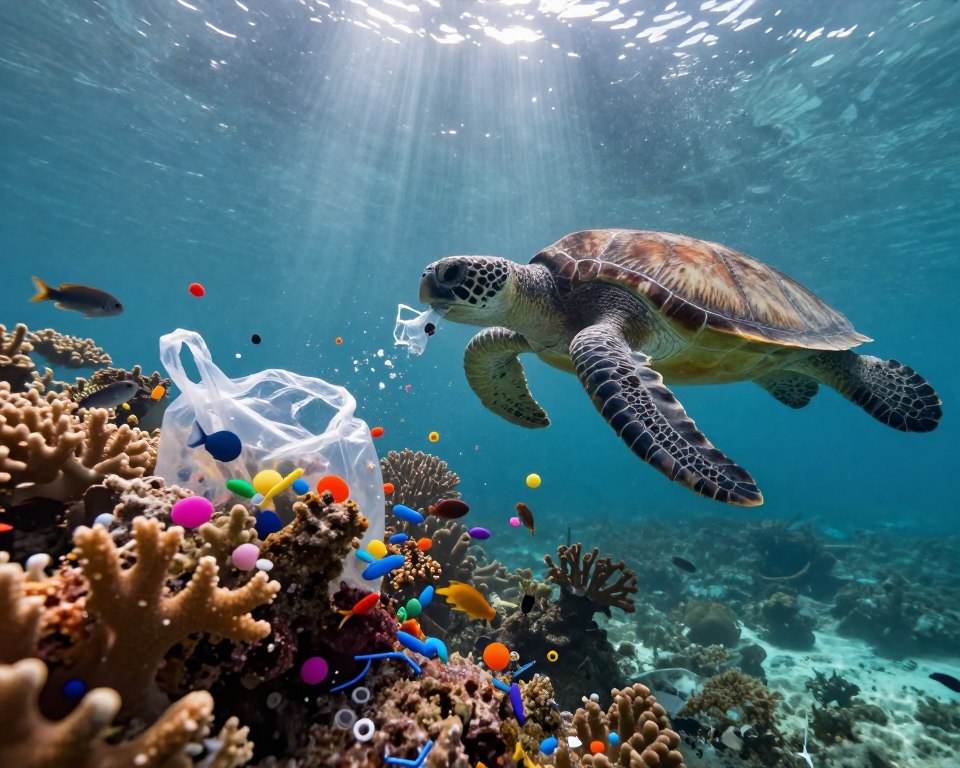
Ingestion Patterns in Pelagic and Benthic Species
Marine life faces plastic waste in different ways. Pelagic species, living in open water, eat plastic thinking it’s food. This Microplastics ingestion makes them feel full without getting any nutrients.
Benthic species, on the ocean floor, eat particles in the sediment. These particles often have more chemicals. The table below shows the main risks for these species.
| Habitat Zone | Primary Exposure Route | Biological Consequence |
|---|---|---|
| Pelagic (Surface) | Accidental filtration | Malnutrition and starvation |
| Benthic (Seafloor) | Sediment ingestion | Internal tissue inflammation |
| Coastal/Estuarine | Direct consumption | Chemical leaching toxicity |
Trophic Transfer and Biomagnification in Food Webs
Plastic moves up the food web, affecting Microplastics marine life. Small organisms eat these particles, then bigger predators eat them. This is called trophic transfer.
“The accumulation of synthetic debris in the marine food web does not merely affect individual organisms; it threatens the structural integrity of entire aquatic communities by disrupting natural energy flow.”
As plastics move up, they can get more toxic in higher predators. This is called biomagnification. It’s a big threat to our oceans’ health. Scientists are watching how it affects top predators.
Veterinary Perspectives and Animal Health
The health of animals, both domestic and wild, shows us the dangers of plastic pollution. Veterinarians are studying how plastics, like microplastics marine life, affect different species.
Educational Note on Visual Aids
We use pictures and diagrams to explain these complex issues. These tools help connect scientific data with what we see in animals.
Understanding AI-Generated Veterinary Illustrations
Some pictures in this article are made by AI for learning. They help show veterinary ideas but should not replace a vet’s check-up or diagnosis.
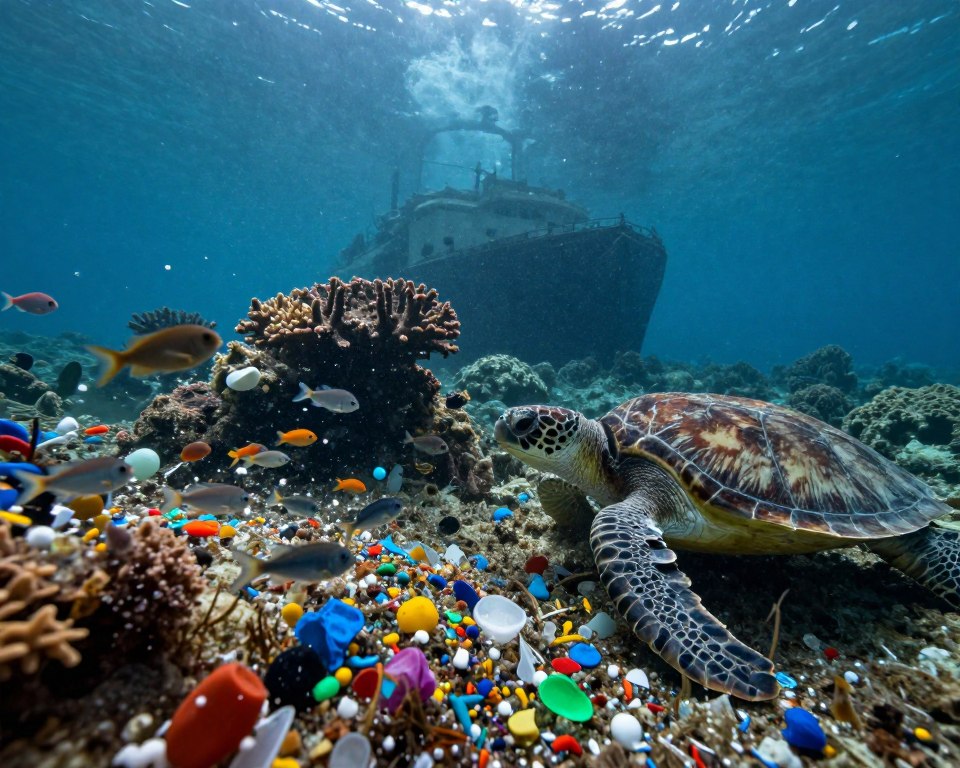
Clinical Observations in Domestic and Wild Animals
Studies show that plastics can change animals’ biology. They cause chronic inflammation and harm the immune system.
Vets have seen odd organ growth in pets and wild animals after they eat plastics. This is worrying, as it shows how microplastics marine life can harm delicate ecosystems.
Animals act as warning signs for our environment. By looking at stress and gene changes, vets learn about plastic dangers. This knowledge is key for protecting animals from microplastics marine life.
Microplastics Pollution in the United States
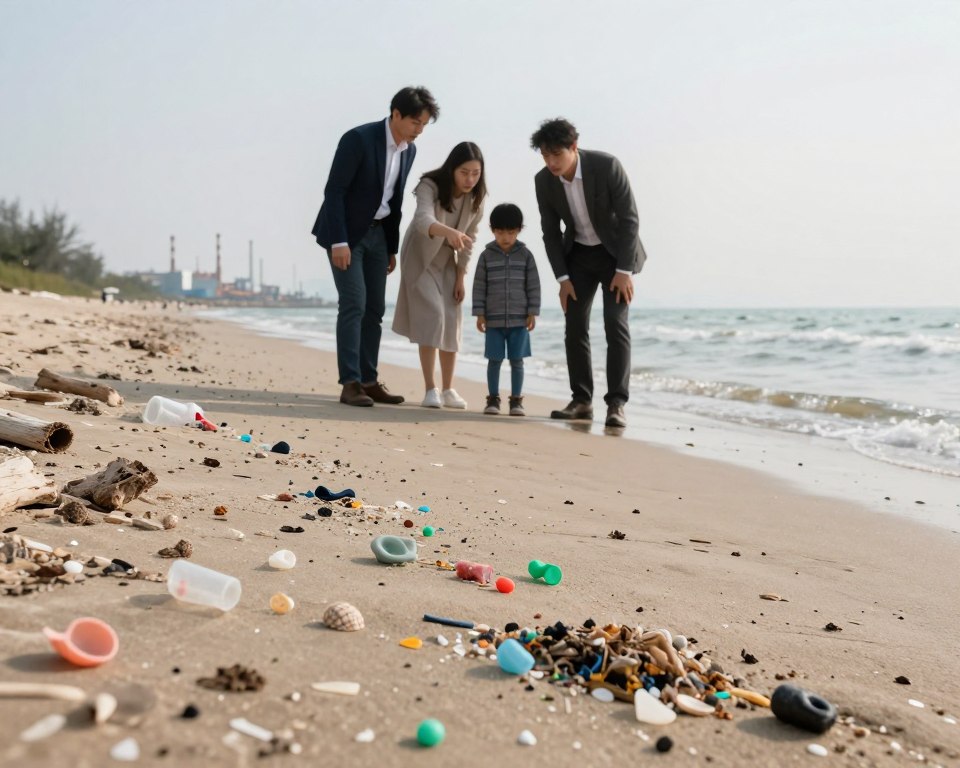
Dealing with the environmental impact of Microplastics in the U.S. means looking at how they move through our water and soil. These tiny plastic pieces are everywhere, even though we can’t see them. Knowing how they move helps us find ways to stop them.
Urban Runoff and Wastewater Treatment Challenges
Many cities in the U.S. were built before we knew plastics were a problem. So, their water treatment plants can’t catch the smallest plastics. Studies show that even in top-notch systems, tiny plastics can still get into rivers.
These tiny plastics slip through filters because they’re so small. They then pollute our water, making it hard to keep it clean. This makes it tough to keep our water safe for everyone.
“The persistence of synthetic polymers in our water systems highlights a critical gap in current infrastructure capabilities that requires urgent technological innovation.”
Agricultural Soil Contamination and Crop Uptake
Plastic also ends up in farm fields. Farmers use treated sewage sludge as fertilizer, which often has plastics in it. Water used for farming also carries plastics into the soil.
Plastics in the soil can harm plants. Scientists are still studying how this affects our food and soil. The table below shows how plastics get into our environment.
| Source of Contamination | Primary Medium | Persistence Level |
|---|---|---|
| Wastewater Effluent | Surface Water | High |
| Biosolid Application | Agricultural Soil | Very High |
| Urban Stormwater | Rivers and Streams | Moderate |
| Atmospheric Deposition | Soil and Water | Moderate |
To fight Microplastics pollution, we need to tackle it from all angles. We must improve how we filter water and handle farm waste. This way, the U.S. can reduce the harm plastics cause to our environment.
Current State of Microplastics Research
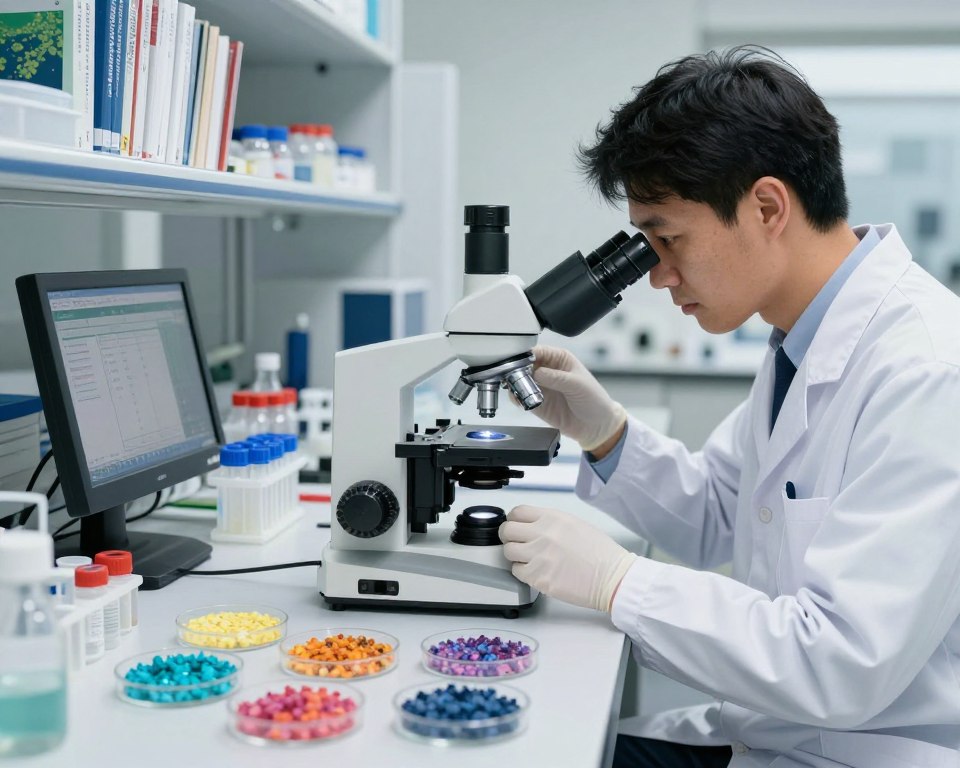
Scientists are facing many challenges in studying plastic pollution. Awareness of plastic waste has grown, but finding accurate ways to measure it is hard. Microplastics research is a fast-growing field that needs to be very precise.
Methodological Challenges in Detection and Quantification
One big problem is the lack of standard ways to find and count particles. Different methods used by researchers make it hard to compare studies. This makes it tough to understand how plastic moves in the environment.
- Inconsistent sampling techniques across different aquatic and terrestrial sites.
- Variations in laboratory equipment used for polymer identification.
- Lack of universal reporting standards for particle size and concentration.
Without a common approach, it’s hard to know the true extent of pollution worldwide. Experts say we need methodological consistency to get a complete picture of pollution.
Limitations of Current Toxicological Studies
Toxic studies often can’t match the real world. They use uniform plastic beads, unlike the weathered pieces found in nature.
“The challenge lies in the fact that environmental microplastics are not monolithic; they vary wildly in shape, size, and chemical composition, which fundamentally alters their biological interaction.”
Many studies use high concentrations that don’t happen in nature. They also ignore the chemicals and contaminants on these particles. This might miss important health effects. We need to improve these studies to better understand risks to health.
The Role of Microplastics in Vectoring Pathogens
Microplastics are more than just pollution. They act as mobile homes for pathogens. These tiny pieces of plastic don’t just float around. They interact with living things in the water.
Plastic debris offers a stable place for tiny life to grow. This is different from the flowing water around it.
Microbial Colonization of Plastic Surfaces
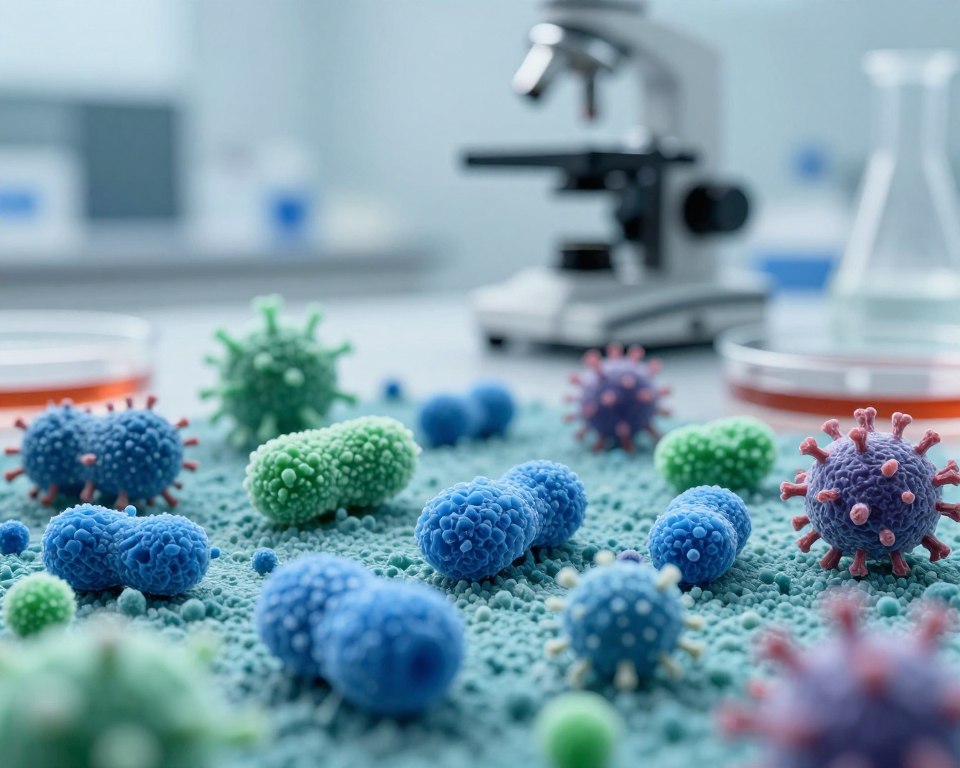
When plastic gets into water, it quickly becomes home to bacteria, algae, and fungi. This group of organisms is called the plastisphere. They form a thick layer on the plastic.
Unlike natural materials that break down fast, plastic lasts longer. This lets the biofilms grow for a long time.
Studies show that the type of plastic and its surface affect which microbes stick to it. These biofilms can hold opportunistic pathogens. These pathogens might not survive well in open water.
By bringing these microbes together, microplastics create areas with more life. These areas are different from the water around them.
Transport of Invasive Species and Disease Agents
Microplastics are a big problem because they can travel far. They are light and last long, so they can move with the wind and currents. This makes them a long-distance delivery system for invasive species and diseases.
This can lead to diseases in both water and land. When these “plastic rafts” reach the shore or are eaten by sea creatures, the diseases can spread. It’s important to understand how this affects health.
We need to learn more about how these vectors change the spread of microorganisms worldwide.
Regulatory Landscape and Policy Responses
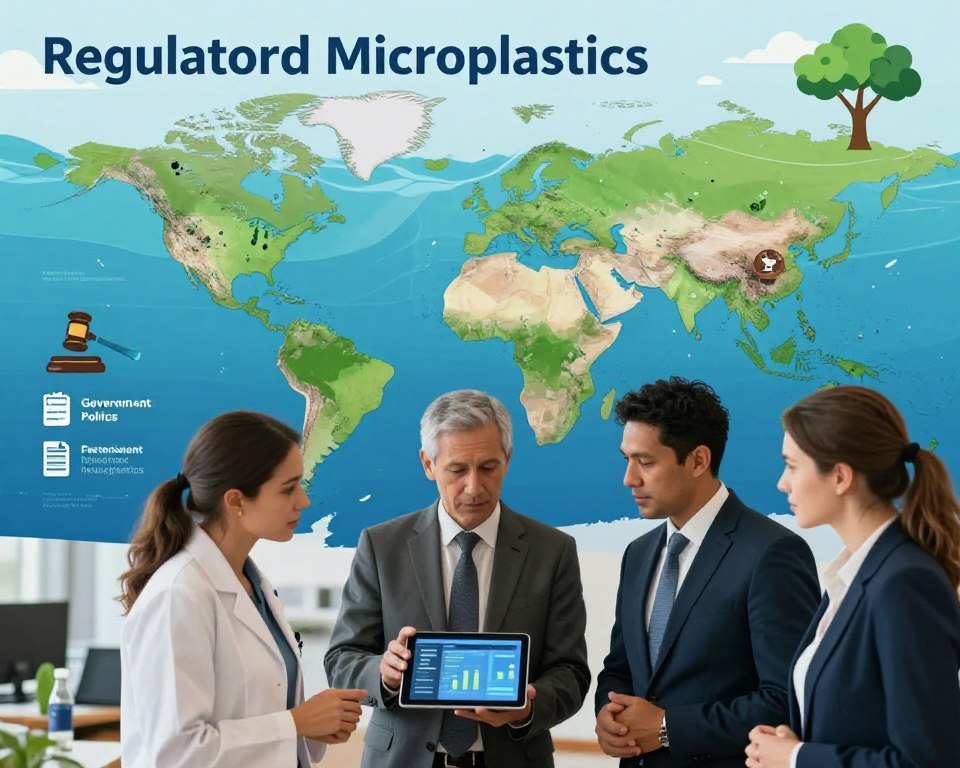
The regulatory landscape for microplastics is changing fast. More and more evidence shows harm to the environment. Governments are now making laws to stop synthetic polymers from getting into nature.
This change shows that just talking about the problem isn’t enough. It’s clear that we need laws to really tackle plastic pollution.
Federal Initiatives and Plastic Reduction Strategies
In the U.S. and the European Union, big steps have been taken. Bans on plastic microbeads in certain products have been put in place. These federal initiatives aim to stop microplastics from getting into our water systems.
By getting rid of these small plastics, we can help our water treatment plants work better. This is a big step towards cleaning up our water.
But it’s not just about microbeads. Governments are also working on bigger waste management plans. They want to get rid of single-use plastics in public places. If you want to help, look for reusable cleaning wipes instead of disposable ones.
International Cooperation and Global Plastic Treaties
Plastic pollution doesn’t stop at borders. That’s why local efforts need global help. International agreements are key for setting standards and goals worldwide.
These treaties help countries work together. They share data and technology to tackle plastic pollution. It’s a big step towards keeping our oceans clean.
By working together, we can make sure everyone is doing their part. This way, we can all help protect our oceans from microplastics. It’s a big challenge, but with global cooperation, we can meet it.
| Policy Type | Primary Focus | Regional Scope |
|---|---|---|
| Microbead Bans | Personal Care Products | US, EU, Canada |
| Single-Use Restrictions | Government Operations | Global/National |
| Global Treaties | Transboundary Pollution | International |
Mitigation Strategies for Reducing Exposure
Environmental plastic pollution is everywhere, but you can fight it. Start by making small changes in your daily life. Focus on the materials you use most to cut down on plastic intake.
Filtration Technologies for Household Water
Tap water often has particles in it. Using filtration technologies can help a lot. Reverse osmosis systems are great at removing tiny contaminants, like synthetic polymers.
Choose a filter that’s certified to remove particles. Carbon block filters can help too, but make sure they’re the right size. Always replace the filter as needed to keep it working well.
Dietary Choices and Reducing Plastic Packaging
What you eat and how you store it matters a lot. Avoid heating food in plastic containers, as heat can make chemicals leak out. Use glass, ceramic, or stainless steel instead.
Try to use less single-use plastic. Be careful of dishwasher pod residue on dishes. Also, choose natural fibers for clothes and home items to reduce microfiber shedding.
| Strategy | Primary Benefit | Ease of Implementation |
|---|---|---|
| Reverse Osmosis Filtration | High-level particle removal | Moderate |
| Glass Food Storage | Prevents heat-induced leaching | High |
| Natural Fiber Textiles | Reduces indoor microfiber shedding | High |
| Avoiding Microwave Plastics | Limits chemical migration | Very High |
Industrial Innovations in Material Science
We need a big change in how we make and use materials to solve the plastic problem. Scientists are moving from old, lasting plastics to safer, sustainable ones. This change needs deep research and new engineering ideas.
Development of Biodegradable Alternatives
The main goal is to make truly biodegradable alternatives. These new plastics don’t turn into harmful microplastics. Instead, they break down into safe parts. They come from things like agricultural waste and seaweed, keeping our planet safe.
These new plastics are tested hard to make sure they don’t harm our soil or water. They use enzymatic degradation to safely return to nature. This is a big step in stopping synthetic waste from harming our environment.
Circular Economy Models for Plastic Management
Switching to a circular economy is key to less waste. This system focuses on using, fixing, and recycling materials to keep them in use longer. New studies even look at using black soldier flies to turn plastic waste into useful biomass.
This change helps reduce the need for new plastic. It needs work from scientists, waste managers, and lawmakers. Below is a table showing the differences between old and new ways of managing materials.
| Feature | Linear Model | Circular Model |
|---|---|---|
| Material Source | Fossil Fuels | Renewable/Recycled |
| End-of-Life | Landfill/Environment | Recovery/Regeneration |
| Waste Impact | High Microplastic Risk | Minimal Environmental Leakage |
| Design Focus | Single-use Utility | Durability and Recyclability |
The Complexity of Risk Assessment
Finding out how harmful are Microplastics is not easy. It’s more than just lab tests. Scientists struggle to link lab results to real health risks for everyone.
Distinguishing Between Hazard and Actual Risk
In environmental science, it’s key to tell apart hazard and actual risk. A hazard is the chance a substance could harm us under certain conditions. But actual risk is how likely that harm is, based on how much we’re exposed to.
Studies show synthetic polymers are everywhere, showing a hazard exists. But knowing how harmful are Microplastics means seeing if they cause harm at the levels we’re exposed to.
The Need for Longitudinal Epidemiological Data
Most studies look at short-term or high-dose exposure. They show how substances work at a cellular level. But they don’t show the effects of long-term, low-level exposure.
We need longitudinal epidemiological data to know the real risks. Without it, we can’t say for sure how harmful are Microplastics. Future studies should track health over years to see long-term effects. This is crucial for making good health policies.
Future Directions in Environmental Toxicology
The field of environmental toxicology is evolving to tackle the dangers of tiny debris. Microplastics research is now focusing on the molecular mechanisms that are still unclear. The goal is to understand the safety and environmental effects of synthetic polymers better.
Advancing Analytical Techniques for Nanoplastics
Nanoplastics, which are particles under 1 micrometer, are a big challenge for science. They are hard to track but could have big effects on cells. To study them, scientists need better imaging and spectroscopic tools.
Researchers are working to make detection methods more sensitive. This will help them understand how microplastics toxicity affects cells. Improving these techniques is key to better environmental monitoring.
Integrating Multi-Disciplinary Research Approaches
Dealing with plastic pollution needs a team effort from different fields. Chemistry, biology, and public health experts must work together. This multi-disciplinary approach helps turn lab results into policies that protect public health.
Studies are now looking at the long-term effects of plastic exposure. The table below shows how research is moving forward.
| Research Focus | Current Limitation | Future Objective |
|---|---|---|
| Detection Range | Limited to micro-scale | Nanoscale quantification |
| Toxicological Data | Short-term exposure | Longitudinal health studies |
| Collaboration | Siloed disciplines | Integrated cross-field data |
| Risk Assessment | Hazard identification | Real-world risk modeling |
Conclusion
Microplastics are a big problem in our environment. They are everywhere, but we don’t know all the dangers they pose to us. Scientists are working hard to find out more.
Studies show that microplastics can affect living things in ways we’re still learning about. We need more research to understand how they impact our health. This will help us make better safety rules.
We can all do something to help. Using filtered water or avoiding single-use plastics are good starts. These actions help us stay safe until scientists give us more answers.
But, we also need big changes in laws and how companies work. We need to work together to make our world cleaner. By using good data and planning ahead, we can fight plastic pollution better. Keeping up with the latest news helps us make smart choices for our planet.
FAQ
Categorizing Primary and Secondary Microplastics
Microplastics are tiny pieces of plastic, smaller than five millimeters. They are divided into two types: primary microplastics and secondary microplastics. Primary microplastics are made for products like cosmetics. Secondary microplastics come from breaking down larger plastic items.
Because they don’t break down naturally, they stay in the environment forever.
The Global Distribution of Synthetic Polymers
These tiny plastics are found everywhere, from the Mariana Trench to the Antarctic snow. They spread because of too much plastic and poor waste management. Now, synthetic plastics are part of our planet’s systems.
Chemical Additives and Leaching Processes
Microplastics are not just harmful because they are plastic. They carry chemicals like phthalates and bisphenol A (BPA). When we eat or breathe them in, these chemicals can harm our health.
Physical Irritation and Cellular Interaction
Microplastics can also physically harm us. Sharp pieces can cause oxidative stress and inflammation. This can damage cells in our bodies.
Pathways of Human Exposure
We can get exposed to microplastics in three ways: eating them, breathing them in, or touching them. We can find them in water and food. Fast-fashion clothes also release microfibers into the air we breathe.
Bioaccumulation in Human Tissues and Organs
Studies have found microplastics in human blood, lungs, and even the placenta. A 2024 study in the New England Journal of Medicine found plastics in our arteries. This could link plastics to heart disease.
Ingestion Patterns in Pelagic and Benthic Species
Marine animals of all depths eat microplastics. Small creatures mistake them for food. This can block their stomachs and lead to starvation and death.
Trophic Transfer and Biomagnification in Food Webs
As animals eat smaller ones, plastics move up the food chain. This means that big predators, including humans, can get high levels of plastics. This is called trophic transfer and biomagnification.
Educational Note on Visual Aids
This section uses AI to show how plastics move through animals. These pictures help explain complex ideas. They don’t replace a vet’s knowledge.
Clinical Observations in Domestic and Wild Animals
Pets like dogs and cats can also get plastics. Long-term exposure can harm their health. It’s similar to how plastics affect humans.
Urban Runoff and Wastewater Treatment Challenges
In the U.S., cities play a big role in plastic pollution. Sewage plants can’t catch all plastics. Tires also add to the problem.
Agricultural Soil Contamination and Crop Uptake
Farms use treated sewage sludge as fertilizer. This brings plastics into the soil. Some plants might even take up these plastics.
Methodological Challenges in Detection and Quantification
Studying microplastics is hard because of different testing methods. This makes it hard to compare studies. We need better ways to detect these tiny plastics.
Limitations of Current Toxicological Studies
Most studies use simple beads. But real-world plastics are different. We need research that looks at the plastics we actually find in nature.
Microbial Colonization of Plastic Surfaces
Plastics can host harmful bacteria. These “plastic rafts” help bacteria survive and spread. This makes plastics a threat to health.
Transport of Invasive Species and Disease Agents
Plastics can carry harmful organisms across oceans. This spreads diseases and invasive species. It’s a big problem for health and the environment.
Federal Initiatives and Plastic Reduction Strategies
The U.S. is starting to tackle the plastic problem. Laws like the Microbead-Free Waters Act are being made. The Biden-Harris Administration aims to cut down on single-use plastics.
International Cooperation and Global Plastic Treaties
Plastic pollution doesn’t stop at borders. The world needs to work together. Talks for a UN Global Plastic Treaty aim to reduce plastic use worldwide.
Filtration Technologies for Household Water
Using advanced water filters can help. Systems like Reverse Osmosis (RO) or Culligan filters can remove many plastics from water.
Dietary Choices and Reducing Plastic Packaging
Choosing fresh foods and avoiding plastic can help. Using glass or stainless steel containers can also reduce plastic exposure.
Development of Biodegradable Alternatives
Companies are making biodegradable plastics from natural sources. Brands like Notpla and Loliware create packaging that breaks down naturally.
Circular Economy Models for Plastic Management
Switching to a circular economy is key. Redesigning products for recyclability can reduce plastic waste.
Distinguishing Between Hazard and Actual Risk
It’s important to know the difference between hazard and risk. While plastics are harmful, we need more data to understand the real risk to people.
The Need for Longitudinal Epidemiological Data
We need long-term studies to understand plastics’ effects on health. This will help us set safe limits for exposure.
Advancing Analytical Techniques for Nanoplastics
Studying nanoplastics is the next step. New methods like Stimulated Raman Scattering (SRS) microscopy will help detect these tiny plastics.
Integrating Multi-Disciplinary Research Approaches
Combining fields like toxicology and environmental science is crucial. This will help us understand plastics’ harm and find better solutions.
Are Microplastics Dangerous to the human body?
Microplastics can be harmful. They can cause inflammation and release chemicals like BPA. Studies have found plastics in human tissues, which may harm our health.
What are the most common health effects of Microplastics?
Microplastics can cause oxidative stress and damage cells. They can also affect our immune system. This can lead to chronic diseases over time.
How harmful are Microplastics to marine ecosystems?
Microplastics are harmful to marine life. They can cause physical harm, malnutrition, and death. They also disrupt the food web and can spread toxins.
What is the environmental impact of Microplastics on a global scale?
Microplastics have a big impact on the environment. They are everywhere and can harm ecosystems. They can also spread diseases and invasive species.
How does microplastics ingestion happen most frequently?
We get exposed to microplastics through water, food, and air. Contaminated water and food are common sources. Fast-fashion clothes also release microfibers.
What is the current state of microplastics research?
Research on microplastics is ongoing. Scientists are working to standardize testing and study nanoplastics. They aim to understand the effects of plastics on our health.
How does microplastics pollution affect agricultural food supplies?
Plastics in agriculture come from plastic mulches and treated sewage sludge. This can harm soil and even be taken up by plants. It introduces plastics into our food.
Can water filters protect me from microplastics ingestion?
Yes, some water filters can help. Reverse osmosis and high-quality carbon blocks can remove many plastics. This reduces plastic exposure through drinking water.