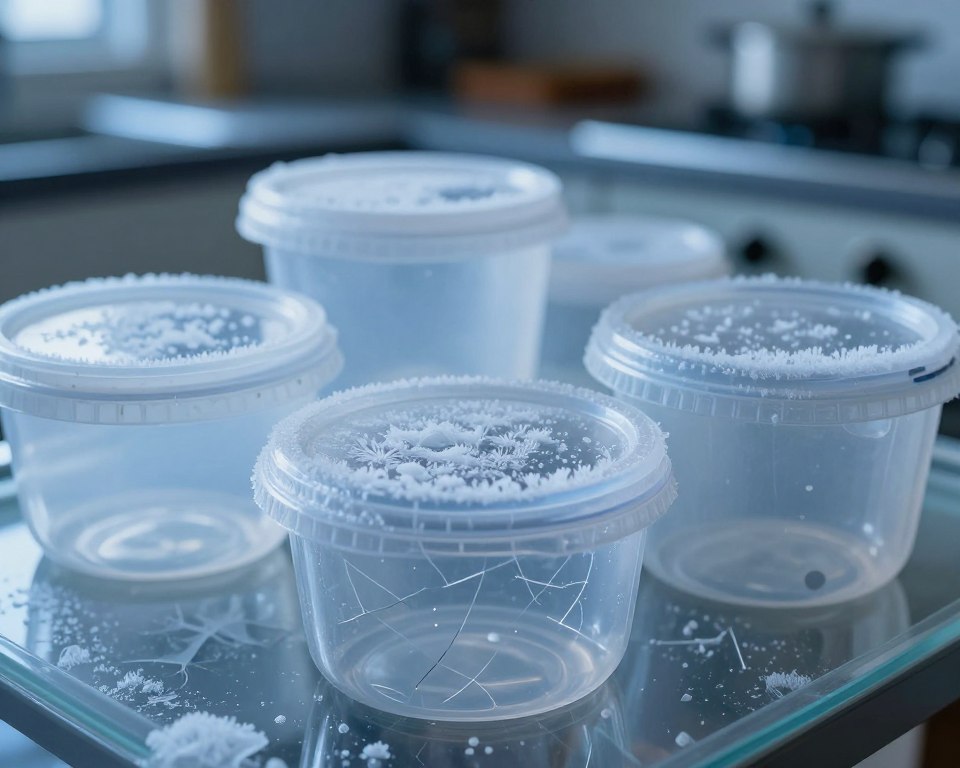
Did you know that common plastics become brittle in extreme cold? This happens because their molecules change in a process called the glass transition. This change can weaken the plastic, making it less stable over time.
As a pharmacist, I stress how important it is to know about materials. Many people wonder if Can Freezing Plastic Cause Damage to their containers. Knowing this helps keep your food safe from harmful chemicals.
This guide offers evidence-based insights for better kitchen choices. By picking the right materials, you keep your food safe and clean.
Key Takeaways
- Polymers experience a glass transition phase that increases brittleness in sub-zero environments.
- Structural integrity varies significantly between different types of food-grade materials.
- Chemical migration risks increase when containers are not designed for extreme temperature fluctuations.
- Pharmacists recommend checking for specific freezer-safe labels before storing items.
- Proper material selection is essential for long-term food safety and quality preservation.
Understanding the Science of Polymers at Sub-Zero Temperatures
Material failure often starts at the molecular level when freezing. When we talk about Plastic Freezing Effects, we see how polymers change in extreme cold. These materials change a lot as temperatures drop, affecting if a container stays safe or not.
Molecular Structure and Glass Transition Temperatures
Every plastic has a glass transition temperature (Tg). This is when it goes from flexible to hard and brittle. If stored below its Tg, a container can’t absorb impact and might crack.
Knowing these limits is key for food safety. It’s like learning if dishwasher heat is damaging plastic. Knowing the cold limits of your containers stops unexpected failures. Below the Tg, the material becomes rigid and loses strength.
How Cold Affects Polymer Chain Mobility
At room temperature, polymer chains move and slide, making plastic flexible. As it gets colder, this movement slows down. Eventually, the chains stop moving, causing Plastic Freezing Effects on durability.
This means any stress, like dropping a frozen container, can cause it to break. The table below shows how these changes affect common materials.
| Material Property | Room Temperature | Sub-Zero Temperature |
|---|---|---|
| Molecular Mobility | High (Flexible) | Low (Rigid) |
| Impact Resistance | High | Low (Brittle) |
| Structural Integrity | Stable | Vulnerable to Stress |
Can Freezing Plastic Cause Damage to Structural Integrity
Not all plastics act the same when it gets cold. Some can handle the freezer’s chill, but others break down. Knowing how plastic freezing effects work is key to keeping containers safe and food fresh.
Brittleness and Impact Resistance in Frozen Plastics
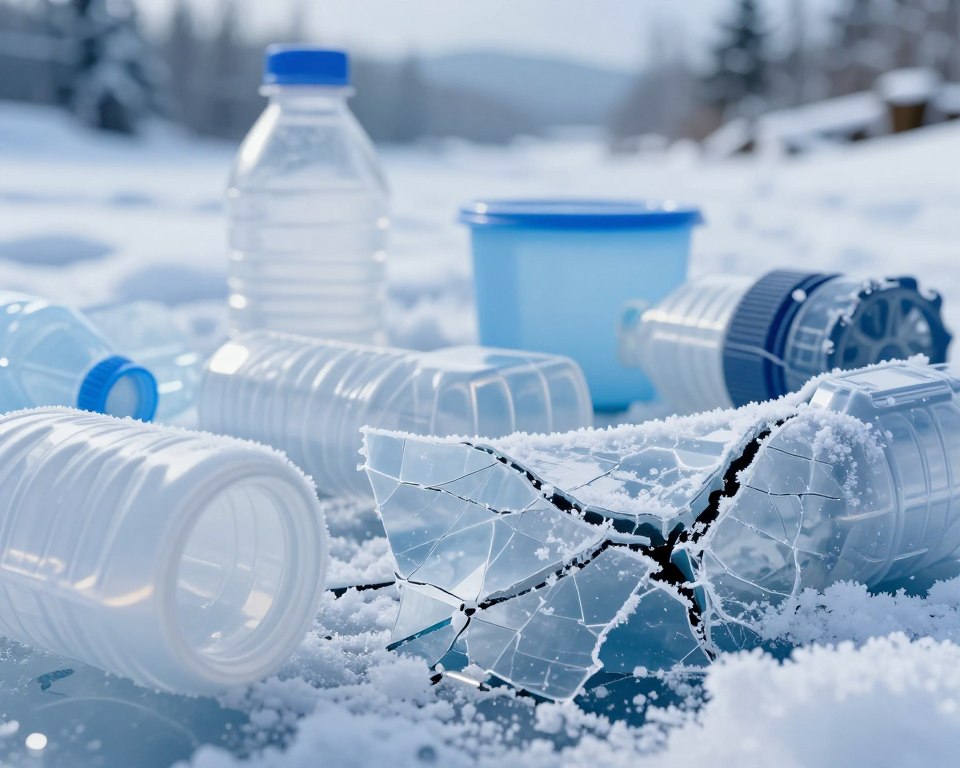
Many plastics get stiff when it gets cold. For example, polystyrene turns brittle at 68 degrees Fahrenheit. It gets even more fragile in freezing temperatures.
When a plastic loses its flexibility, it can break easily. Even a small bump can cause it to crack or break. This is why using the wrong plastic in the freezer can be risky.
Thermal Contraction and Stress Cracking Risks
Extreme cold causes plastics to shrink, a process called thermal contraction. This tightens the plastic’s molecules, leading to stress cracks. This is a big problem for rigid plastics that can’t stretch with temperature changes.
These tiny cracks might not be seen until the container is moved or thawed. Over time, these cracks can get bigger. This lets air or moisture into the food. Knowing about plastic freezing effects helps pick better, freezer-safe options to avoid damage.
Chemical Leaching and Migration Risks in Frozen Environments
As a pharmacist, I often talk about the safety of plastic storage in cold temperatures. Cold temperatures might seem like a way to keep food fresh. But, they also bring specific Risks of Freezing Plastic that many people don’t think about. The freezing and thawing cycle can weaken the plastic’s structure.
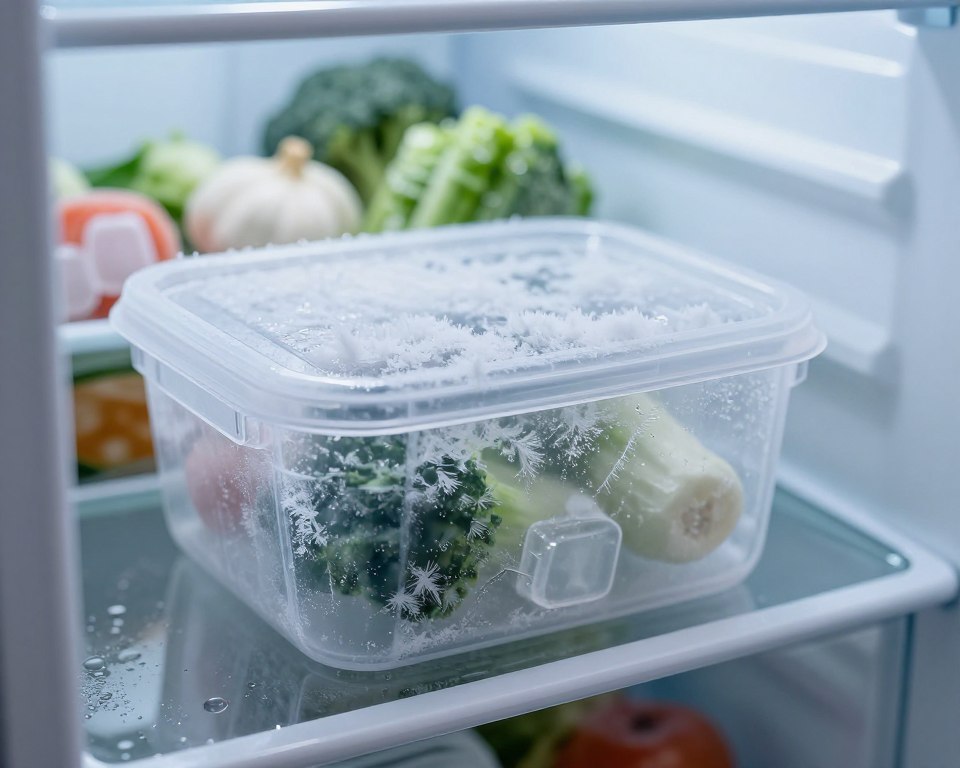
Plastic can become brittle and crack in extreme cold. These small cracks can let harmful particles into your food. It’s important to know about these Freezing Plastic Hazards to keep your kitchen safe.
Understanding BPA and Phthalate Migration
Bisphenol A (BPA) and phthalates are used to make plastics more flexible and durable. Normally, these chemicals stay bound in the plastic. But, when the plastic gets damaged by temperature changes, they can break free.
Repeated stress on a container can make it more likely for chemicals to migrate. This isn’t just because of the cold. It’s because the plastic is experiencing mechanical fatigue. Once the plastic is damaged, these chemicals can leak into your food.
Does Freezing Slow Down or Accelerate Chemical Leaching
Many think that freezing stops all chemical activity. But, freezing slows down reactions, not stops them. In fact, the changes in the plastic can speed up the release of additives.
The table below shows how different factors affect the stability of food-contact plastics:
| Factor | Impact on Plastic | Leaching Risk |
|---|---|---|
| Extreme Cold | Increases Brittleness | Moderate |
| Mechanical Stress | Causes Micro-fractures | High |
| Thawing Cycles | Expands Polymer Chains | High |
| Acidic Contents | Corrodes Surface | Very High |
The main Freezing Plastic Hazards come from the physical damage to the container. By being careful with how you handle these items, you can reduce the Risks of Freezing Plastic at home.
Identifying Plastic Types and Their Freezing Suitability
Not all plastics can handle freezing well. Choosing the right one is key to avoid Plastic Freezing Consequences that could ruin your food. Knowing how to read resin codes helps keep your containers safe and working right.
Before using your containers, check if they are freezer safe. This step prevents Freezing Plastic Damage Potential by picking the right material for your freezer.
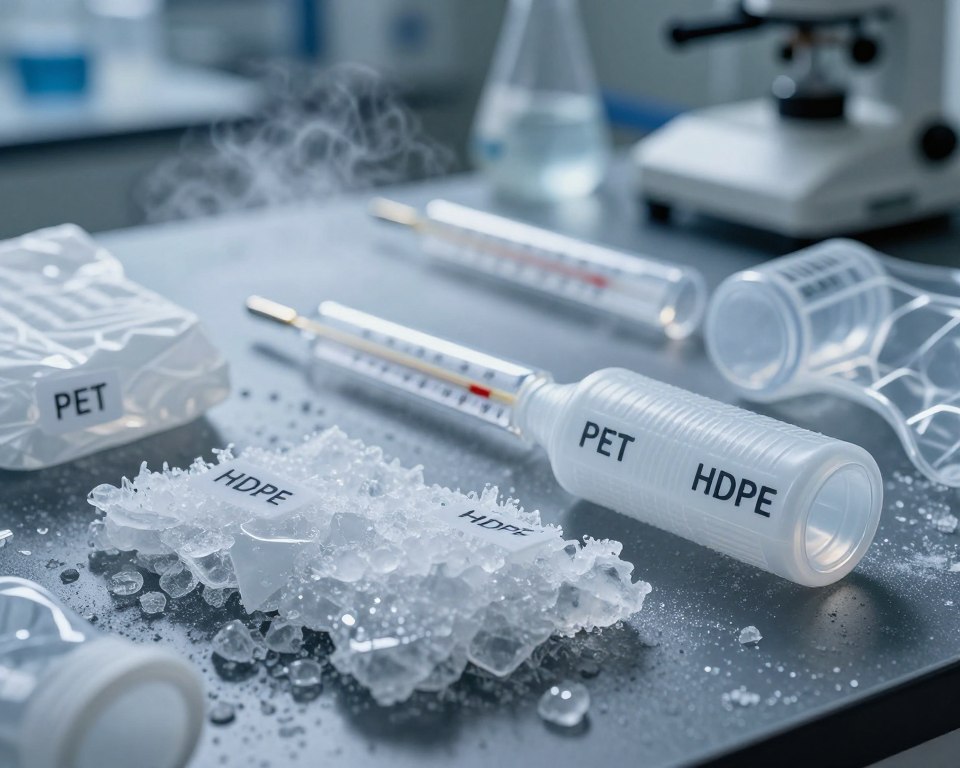
Polyethylene Terephthalate (PET) and Freezer Safety
PET, marked with the number 1, is often used for water and soda bottles. It’s okay for quick cold storage but not for long. It can get brittle and crack from temperature changes.
High-Density Polyethylene (HDPE) Performance
HDPE, marked with the number 2, is stronger than thinner plastics. It’s also good at keeping moisture out and stays solid in cold. Many storage containers are made of this because it’s great at avoiding Freezing Plastic Damage Potential over time.
Polypropylene (PP) and Low-Temperature Durability
Polypropylene (PP), marked with the number 5, is the best for freezer-safe plastics. It’s very strong and can handle a big temperature range. Its special structure keeps it flexible even in very cold temperatures, preventing Plastic Freezing Consequences like breaking.
| Plastic Type | Resin Code | Freezer Suitability | Key Characteristic |
|---|---|---|---|
| PET | 1 | Low | Brittle when cold |
| HDPE | 2 | High | Impact resistant |
| PP | 5 | Excellent | High thermal range |
The Role of Food Contents in Plastic Degradation
Many people wonder if is freezing plastic harmful, thinking about the food inside. Freezing itself is tough, but the food’s chemicals can make plastic break down faster. Understanding these interactions helps keep your storage solutions strong.
Freezing doesn’t stop microplastics from forming. Every time you open or squeeze a container, you stress it. This stress, along with the food’s chemicals, wears down the plastic over time.
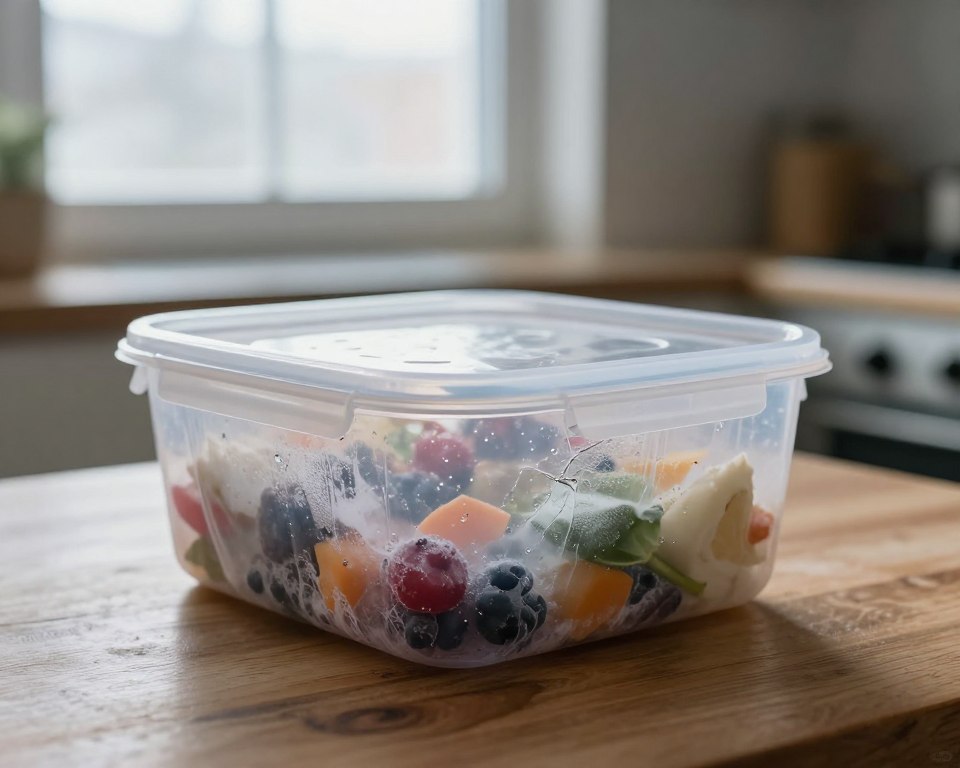
Acidic Foods and Potential Chemical Interactions
Acidic foods like tomato sauce or citrus juices can react with plastic. In the freezer, these acids can seep into the plastic or make it porous. This can cause stains and weaken the container.
For acidic items, is freezing plastic harmful? It depends on the plastic type. High-quality, freezer-safe plastics are better than thin ones. Look for etching or cloudiness to see if acid has affected the plastic.
Fatty Substances and Plastic Permeability
Fatty foods like oils or meats pose unique challenges. Fats can easily move into plastic, making it more permeable. This can let smells or tastes pass through.
Storing oily leftovers can make plastic greasy or smelly. This shows the polymer matrix has been compromised by fats. For high-fat items, use glass containers instead. They stay unchanged, no matter the temperature or food’s chemicals.
Common Signs of Plastic Damage After Freezing
Plastic containers can change when frozen many times. These changes can mean they’re no longer safe. You might wonder, is freezing plastic harmful if your containers look worn out.
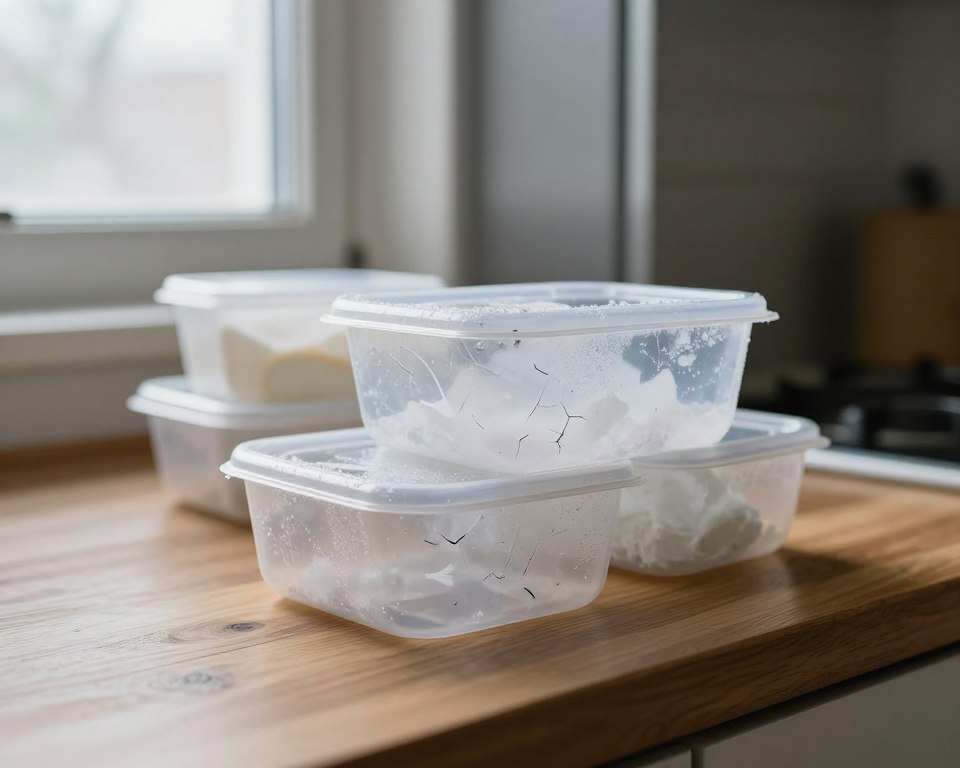
Visual Indicators of Micro-Fractures
Micro-fractures are the first sign of wear. They look like tiny lines, often at corners or the base. Look closely under bright light to spot them.
Seeing these lines means the plastic is no longer strong. Even if it still holds liquid, it’s risky. Throw away containers with fractures to keep food safe.
“Material fatigue in polymers is a cumulative process; once the molecular structure is stressed beyond its elastic limit, the integrity of the container is permanently altered.”
Changes in Plastic Opacity and Texture
Watch for changes in how your containers look and feel. A good container stays clear or the same color. If it gets cloudy or feels rough, it’s degrading.
This change, called “stress whitening,” happens when pressure stretches the plastic. These signs mean the plastic is breaking down. Use the table below to check your containers.
| Condition | Visual Indicator | Action Required |
|---|---|---|
| Healthy | Clear, smooth surface | Continue regular use |
| Early Fatigue | Slight clouding or dullness | Monitor closely for cracks |
| Compromised | Visible micro-fractures | Discard immediately |
| Severe Damage | Brittle, peeling, or warped | Recycle or dispose |
Check your containers often to avoid using damaged ones. This keeps your freezer safe and prevents spills.
Safety Guidelines for Freezing Liquids in Plastic Containers
When you freeze liquids, the plastic container’s strength is key. Knowing about Freezing Plastic Safety Concerns helps avoid spills and contamination. Liquids change a lot when they freeze, which can damage regular containers.
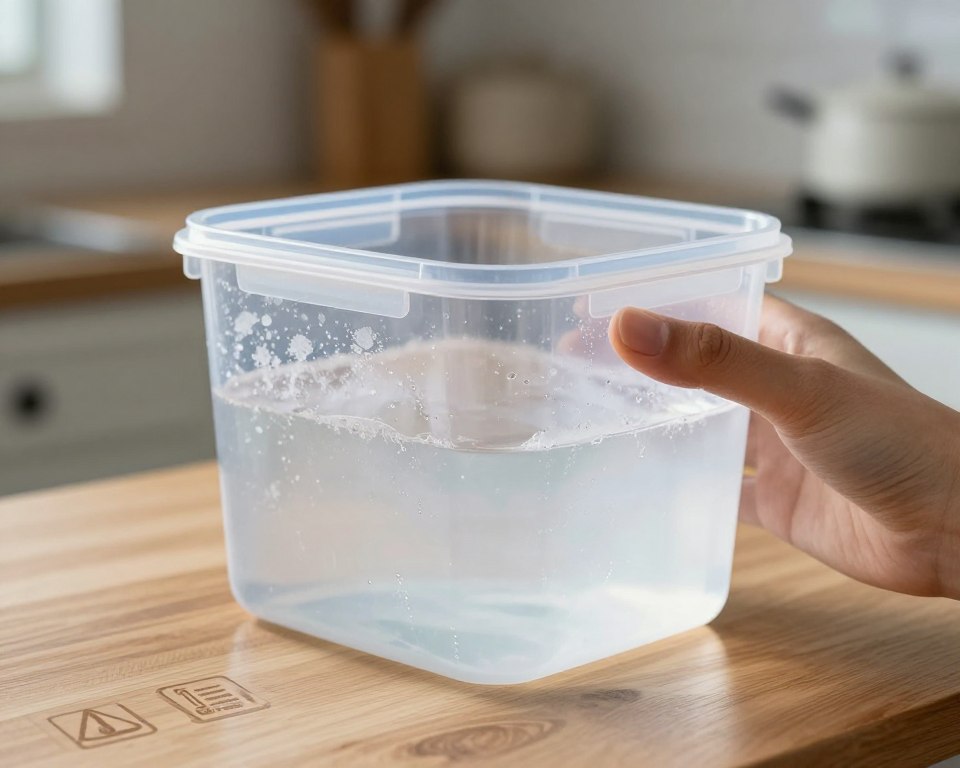
The Importance of Headspace and Expansion
Water expands by about 9% when it freezes, putting a lot of pressure inside. If a container is full, this pressure can break it. Always leave at least one to two inches of headspace at the top for expansion.
Managing this space is crucial for freezing plastic containers safely. Without it, even strong plastics can crack. You can find out more about materials by checking if glass food storage is better for you.
Selecting Containers Labeled for Freezer Use
Not all plastics can handle freezing. It’s important to pick containers labeled as “freezer-safe” to avoid Freezing Plastic Safety Concerns. These containers are made to stay flexible and strong in cold temperatures.
The table below shows which materials are good for freezer storage:
| Material Type | Freezer Suitability | Key Characteristic |
|---|---|---|
| Polypropylene (PP) | High | Excellent impact resistance |
| HDPE | High | Durable and flexible |
| PET (Thin-walled) | Low | Prone to cracking |
| Polystyrene | Very Low | Brittle in cold |
Choosing containers made for cold temperatures keeps your food safe. Always check your containers for damage before freezing, as repeated freezing can weaken them.
Comparing Single-Use Versus Reusable Plastic Containers
Choosing the right storage solutions means knowing the difference between single-use and freezer-safe plastics. Many people choose convenience over safety, but it’s important to know the risks. The wrong container can ruin your food and even be dangerous.
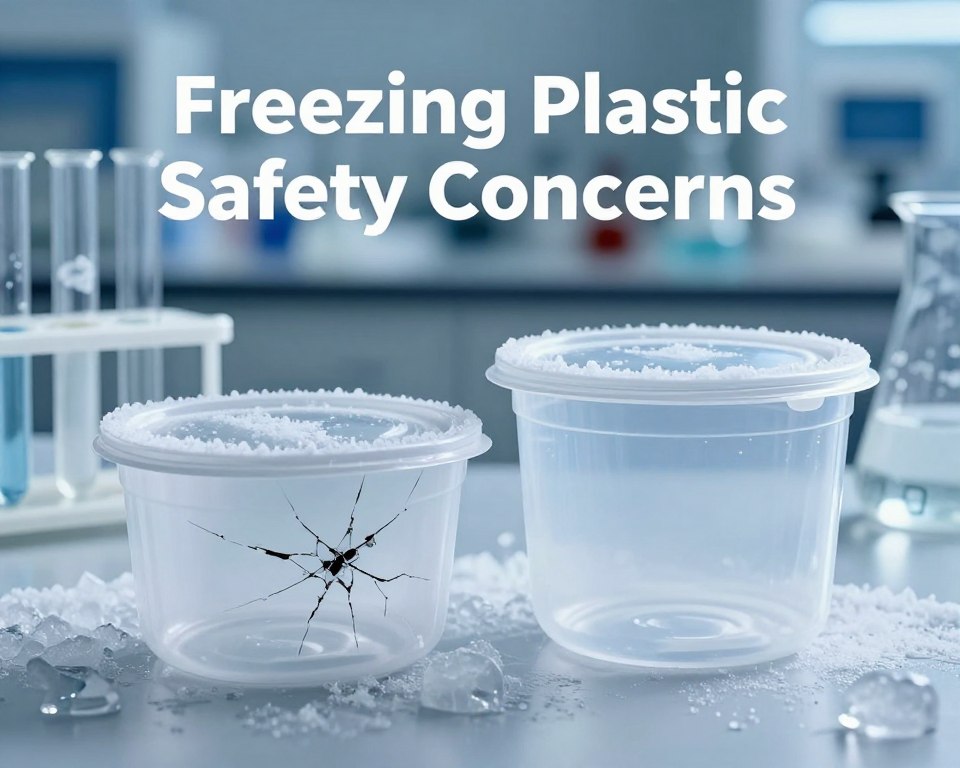
Durability Differences in Thin-Walled Plastics
Disposable containers, like those for takeout, are made of thin plastics. They’re not built for cold temperatures. When it gets cold, these plastics can crack easily.
These containers can’t handle liquids expanding when they freeze. Rigid, freezer-safe containers are made to withstand cold. They have thicker walls and special materials. Using thin containers for long storage can lead to bacteria growth or chemical contamination in your food.
Long-Term Degradation Cycles
Freeze-thaw cycles can damage plastic over time. While good reusable containers can handle this, disposable ones break down fast. Each freeze-thaw cycle makes them more brittle and likely to break.
Consistency is key when storing food in the freezer. Using containers made for freezer use keeps them safe. Avoiding single-use packaging reduces Freezing Plastic Safety Concerns and keeps your food safe.
Image Disclosure and Educational Context
Text is key for safety, but visuals help us understand the impact of freezing on plastic materials better. We use images to show how cold affects common containers. These tools make complex ideas easy for everyone to grasp.
Understanding AI-Generated Visuals in Veterinary and Safety Education
Some images in this article might be AI-made for learning. They aim to explain vet topics and safety rules. They should not replace a vet’s check-up or diagnosis.
“Visuals help us learn, but they can’t replace a vet’s real check or testing materials.”
We focus on being accurate in our teaching to give you the best safety info. By using these tools, we want to show how things react with their surroundings.
Limitations of Visual Representations in Material Science
Visual aids have limits when showing the impact of freezing on plastic materials up close. Digital pictures can’t fully show the tiny changes in materials when they freeze or break down.
- Visuals give a basic idea, not exact science.
- Cracks and chemical leaks are too small to see.
- Images are extra help, not the main text.
We suggest you trust the written advice for making choices. Relying only on pictures might not fully show how safe a container is.
Best Practices for Safe Food Storage in the Freezer
To keep your food safe for a long time, you need to think about your storage containers. They must be strong against the impact of freezing on plastic materials. Storing food wisely can make it last longer and keep your containers in good shape. This way, you avoid problems caused by materials breaking down over time.
Alternatives to Plastic for Long-Term Freezing
Plastic is common, but there are better choices for long-term storage. Glass jars or high-quality silicone bags are great because they don’t break down like plastic does. They stay strong even when it’s very cold, helping keep your food fresh.
When picking storage containers, look at expert advice on containers for freezing. Choose non-porous materials to keep your food safe from chemicals. Switching to these materials makes your kitchen safer.
Proper Cleaning and Maintenance of Freezer-Safe Plastics
If you still use plastic containers, keeping them in good shape is key. Always check for damage like cloudiness or small cracks before using them. If a container is damaged, it’s time to throw it away to avoid food safety issues.
Here’s how to keep your containers in top shape:
- Thorough Cleaning: Use gentle cleaners and avoid rough scrubbers that can scratch the surface.
- Proper Labeling: Use freezer-safe tape to mark storage dates. This helps you keep track of when you stored food and avoid over-freezing.
- Regular Inspection: Look for signs of wear like warping or becoming brittle after each wash. This ensures the container is still safe to use.
By following these steps, you keep your food safe. Consistency in cleaning and checking your containers is the best way to handle frozen storage risks.
Environmental and Health Implications of Damaged Plastics
As a pharmacist, I stress that the condition of storage materials is key. Containers that face repeated cold stress can lose their shape. This leads to Risks of Freezing Plastic that go beyond just spoiled food.
Microplastics and Potential Ingestion Risks
Studies show that even cold temperatures can cause plastic bags and containers to break down. When they become brittle, the chance of tiny particles getting into food grows. Ingesting these microplastics is a big worry in today’s world.
Stress, like trying to pull a frozen container off a shelf, can make this problem worse. Once these tiny pieces get into our food, they’re hard to get out. It’s important to know about these Freezing Plastic Hazards to keep our homes safe.
Disposal and Recycling Considerations for Compromised Containers
Handling damaged storage items safely is crucial. If you see cloudiness, deep scratches, or brittleness, it’s time to get rid of it. Using damaged items raises the Risks of Freezing Plastic a lot.
When getting rid of these items, check your local recycling rules. Many damaged containers can’t be recycled because of changes in their structure. Being aware of these Freezing Plastic Hazards helps keep you and your family safe. It also helps manage waste better.
Expert Recommendations for Household Freezer Management
Managing your freezer space well is key. It’s about finding a balance between storing things easily and keeping food safe. Many reuse containers, but knowing the Plastic Freezing Consequences is crucial for a clean kitchen. Regular checks on your storage items can stop problems when thawing.
When to Discard Plastic Containers
Check your containers often for damage. Look for deep scratches, cloudiness, or cracks. These signs mean the container might be breaking down and could be breeding bacteria.
Getting rid of damaged containers helps avoid Plastic Freezing Consequences. Even if a container looks fine, tiny cracks can be hidden. Replacing old plastic keeps your food safe from contamination and freezer burn.
Prioritizing Food Safety Over Convenience
The USDA says food stays safe at 0 degrees Fahrenheit forever. But, the quality might go down. The container’s condition is just as important as the cold to keep food safe. Prioritizing food safety is more important than reusing old plastic.
It’s easy to ignore the state of your storage when you’re in a rush. But, using old plastic can cause Plastic Freezing Consequences. Buying good, freezer-safe containers gives you peace of mind. It makes sure your food storage is up to date.
Conclusion
Choosing the right storage solutions means understanding material science. Now, you know how to check if your containers can handle freezing.
Many people wonder if freezing plastic harms their food. High-quality plastics like Rubbermaid or Tupperware usually hold up well. But, they can still wear out over time.
Checking your freezer often is key. Look for small cracks or texture changes. These signs mean it’s time to replace your containers.
Keeping food safe is more than picking the right brand. You must watch how your containers handle freezing and thawing. Replacing damaged items quickly keeps your kitchen safe.
Using what you’ve learned keeps your freezer safe for storing food. This way, you avoid problems with chemicals and damage. Your efforts keep your food fresh and your family healthy.
FAQ
Molecular Structure and Glass Transition Temperatures
Polymers are made of long chains that behave differently with temperature. Each plastic has a glass transition temperature (Tg). This is when it goes from flexible to hard.
When you put a container in the freezer, it often gets colder than this point. Knowing about these properties helps prevent damage. We’ll see how these changes affect a container’s stability.
How Cold Affects Polymer Chain Mobility
At very cold temperatures, the chains in the plastic can’t move much. This makes the plastic less flexible and more fragile. In a freezer, this means the plastic can’t absorb shocks well.
Brittleness and Impact Resistance in Frozen Plastics
Freezing can weaken plastic materials. When plastic loses its ability to absorb shocks, even small impacts can cause big problems. Many people use plastics not meant for freezing, like polystyrene.
Thermal Contraction and Stress Cracking Risks
Different plastics contract at different rates when frozen. This uneven contraction can cause stress cracks. We’ll look at the risks of using the wrong plastics for freezing.
Understanding BPA and Phthalate Migration
Chemicals can move from plastics into food when frozen. Cold temperatures slow down chemical reactions, but physical damage can increase this risk. As a pharmacist, I advise caution with containers during freezing and thawing.
Does Freezing Slow Down or Accelerate Chemical Leaching
Freezing might slow down chemical movement, but damage to the container can create new paths for chemicals to enter food. If a container gets scratched or cloudy, it’s a sign of breakdown. We’ll discuss how these changes can lead to chemical migration into food.
Polyethylene Terephthalate (PET) and Freezer Safety
Not all plastics can handle freezer temperatures. PET, used in soda bottles, is not designed for freezing. It becomes brittle and can crack easily.
High-Density Polyethylene (HDPE) Performance
Choosing the right plastic is key. HDPE is more durable and suitable for freezer use. I recommend using HDPE for long-term storage.
Polypropylene (PP) and Low-Temperature Durability
Polypropylene is used in high-quality containers like OXO Good Grips. These are made to handle cold temperatures. We’ll explore which plastics are safe for your freezer.
Acidic Foods and Potential Chemical Interactions
The type of food in a container can affect plastic degradation. Acidic foods can react with the plastic. It’s important to consider the contents of your containers.
Fatty Substances and Plastic Permeability
Fatty foods can cause plastics to release additives. This is more likely when the plastic is stressed by freezing. We’ll look at how these interactions affect plastic degradation.
Visual Indicators of Micro-Fractures
Damage to plastic can be seen without a microscope. Look for white marks or fine lines after freezing and thawing. These are signs of impending failure.
Changes in Plastic Opacity and Texture
If a clear container becomes cloudy or feels chalky, it’s breaking down. This indicates the plastic is shedding particles. It’s time to replace the container.
The Importance of Headspace and Expansion
Freezing liquids can be challenging because water expands. Without enough space, the pressure can break the container. Always leave enough room at the top.
Selecting Containers Labeled for Freezer Use
Choosing the right containers is crucial. Look for “Freezer Safe” labels on brands like Ziploc. This ensures the plastic can handle expansion stress.
Durability Differences in Thin-Walled Plastics
There’s a big difference in durability between single-use and reusable containers. Thin-walled plastics degrade quickly. Choose durable materials for freezer storage.
Long-Term Degradation Cycles
Freeze-thaw cycles can weaken plastic. Avoid reusing disposable containers for freezer storage. They’re not made for such conditions.
Understanding AI-Generated Visuals in Veterinary and Safety Education
Visual aids help explain complex science, but they have limits. Some images in this article are AI-generated for educational purposes.
Limitations of Visual Representations in Material Science
Remember, these images are for guidance only. They shouldn’t replace professional advice. We strive for accuracy in our content.
Alternatives to Plastic for Long-Term Freezing
Consider using Pyrex or Stasher silicone bags instead of plastic. These materials are durable and don’t degrade like many plastics.
Proper Cleaning and Maintenance of Freezer-Safe Plastics
Avoid using harsh scrubbers on freezer plastics. Scratches can lead to bacteria growth and microplastic shedding. Regular maintenance is key to keeping food safe.
Microplastics and Potential Ingestion Risks
Using damaged plastic containers can lead to microplastic ingestion. This is a growing concern. Damaged containers should be recycled, not kept in the kitchen.
Disposal and Recycling Considerations for Compromised Containers
As a pharmacist, I stress the importance of proper disposal. Compromised containers should go to recycling if possible. We’ll discuss the health implications of improper disposal.
When to Discard Plastic Containers
Managing your freezer requires balancing safety and convenience. Discard containers with deep scratches, cloudiness, or cracks. This ensures food safety.
Prioritizing Food Safety Over Convenience
Food safety should always come first. This means not reusing containers. We’ll provide guidance on when to replace your storage containers.
Can Freezing Plastic Cause Damage to the container’s structural integrity?
Yes. Freezing plastic below its glass transition temperature makes it brittle. This increases the risk of cracks and breakage, even with minor impacts.
What are the most common Plastic Freezing Effects on food safety?
Freezing plastic can cause physical degradation. While cold slows chemical leaching, mechanical stress can lead to microplastic shedding. This is common in low-quality plastics.
What are the primary Risks of Freezing Plastic that is intended for single use?
Single-use containers, like those for yogurt or deli items, are prone to failure. They are made of thin-walled plastics that can’t handle freezing well.
Are there significant Plastic Freezing Consequences for long-term health?
Yes. The main risk is ingestion of plastic particles. When containers show signs of wear, like cloudiness, they are breaking down and shedding particles.
Is Freezing Plastic Harmful if the container contains acidic food?
Yes. Acidic foods can react with plastic. This is more likely when the plastic is stressed by freezing, leading to faster breakdown.
What are the top Freezing Plastic Safety Concerns regarding liquid expansion?
Water expands when frozen, which can put pressure on containers. Without enough headspace, this can cause stress cracking. Always leave at least an inch of space.
How does the Impact of Freezing on Plastic Materials differ between resin codes?
HDPE and Polypropylene are more stable at low temperatures. PET and Polystyrene become brittle. Always check the resin code before freezing.
What is the Freezing Plastic Damage Potential for reusable versus disposable containers?
Reusable containers, like OXO Good Grips, are made to withstand cold. Disposable containers are more likely to fail after freezing and thawing.
How can I avoid Freezing Plastic Hazards in my daily kitchen routine?
Use materials designed for the freezer. Consider Pyrex or Stasher silicone bags. These are safer and don’t degrade like many plastics.