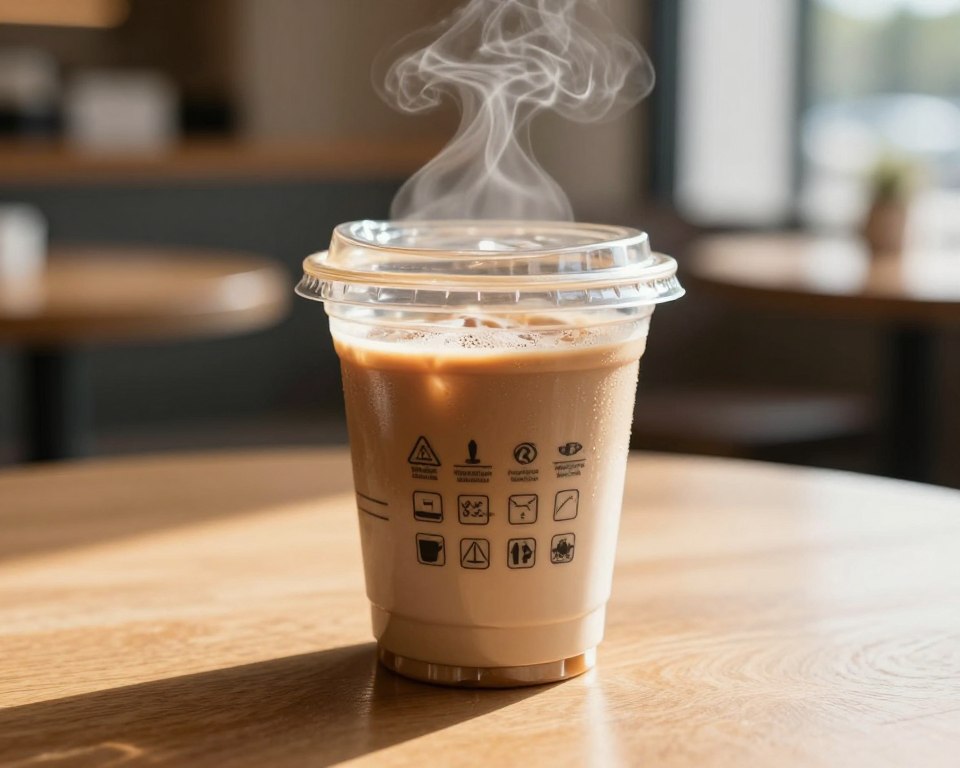
Every year, over 500 billion disposable drink containers are thrown away worldwide. Many of these are made from synthetic materials that might react with hot liquids. So, many people ask: Are plastic coffee cups safe for everyday use?
When you pour boiling water into a plastic cup, it can get stressed. This stress might make chemicals from the plastic mix into your drink. It’s important to know if your cup is safe for long-term use.
More people are looking for safer options, like glass food storage, to avoid harmful chemicals. By learning about the strength of these materials, we can choose better for our mornings. Evidence-based guidance helps us stay healthy and protect the environment.
Key Takeaways
- Synthetic containers may release chemical additives when exposed to high heat.
- BPA-free labels do not always guarantee the absence of other potentially harmful substances.
- Thermal stress often accelerates the leaching process in common beverage materials.
- Non-porous materials like glass offer a more inert option for hot liquids.
- Informed consumer choices rely on understanding material stability and chemical composition.
Understanding the Composition of Plastic Coffee Cups
To understand plastic coffee cup safety, we need to look at the polymers used. Makers choose materials for their heat resistance, strength, and low cost for wide use.
Knowing these traits helps us see if chemicals can move into drinks. When you put hot liquid in a cup, how it interacts with the plastic is key. This interaction can affect your exposure to synthetic compounds.
Common Polymers Used in Beverage Containers
The most common materials are polypropylene (PP), polystyrene (PS), and polyethylene terephthalate (PET). Polypropylene is often chosen for hot drinks because it can handle high temperatures well.
Polystyrene is in many disposable foam cups but doesn’t do well with heat. PET is good for cold drinks but not for hot coffee because it can melt or warp. Studies on material degradation show why picking the right polymer is crucial for plastic coffee cup safety.
The Role of Additives and Plasticizers
Manufacturers add various additives and plasticizers to improve the cup’s performance. These help make the material more flexible, durable, and less likely to become brittle.
These additives are useful but can also affect the cup’s chemical stability. Heat can cause some of these substances to move into your drink. Checking for these agents is important for those worried about plastic coffee cup safety and chemical exposure.
Are Plastic Coffee Cups Safe for Daily Use
When you think about your daily coffee, it’s important to check the cup’s materials. Convenience is key, but knowing about plastic coffee cup safety is crucial for health. Not all plastics handle hot temperatures the same way.
Evaluating Chemical Leaching at High Temperatures
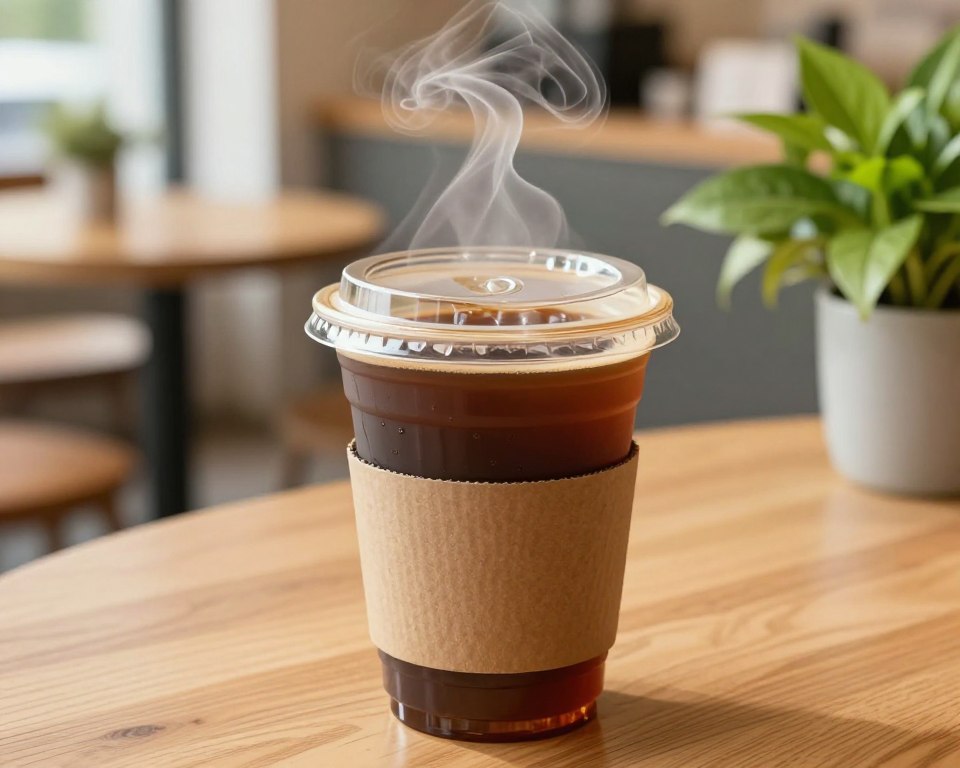
Studies show that heat affects how much microplastics leak from disposable cups. As the liquid gets hotter, some plastics break down more. This can let additives into your drink.
Think about these points when picking your cup:
- Thermal Stability: Not all plastics can handle boiling water.
- Microplastic Shedding: More heat means more tiny particles released.
- Material Integrity: Heat weakens the plastic’s structure over time.
Choose cups made for hot drinks to lower these risks. For more on safe materials, check out is plastic food packaging safe.
Regulatory Standards and Safety Certifications
Government groups and independent bodies set strict rules for products. In the U.S., the FDA checks materials that touch food to stop harmful substances. These rules help keep plastic coffee cup safety by controlling additives.
When buying reusable cups, look for safety certifications. Third-party testing adds extra confidence. Make sure the cup is BPA-free or made for high temperatures to keep your coffee safe.
The Truth About BPA and Phthalates
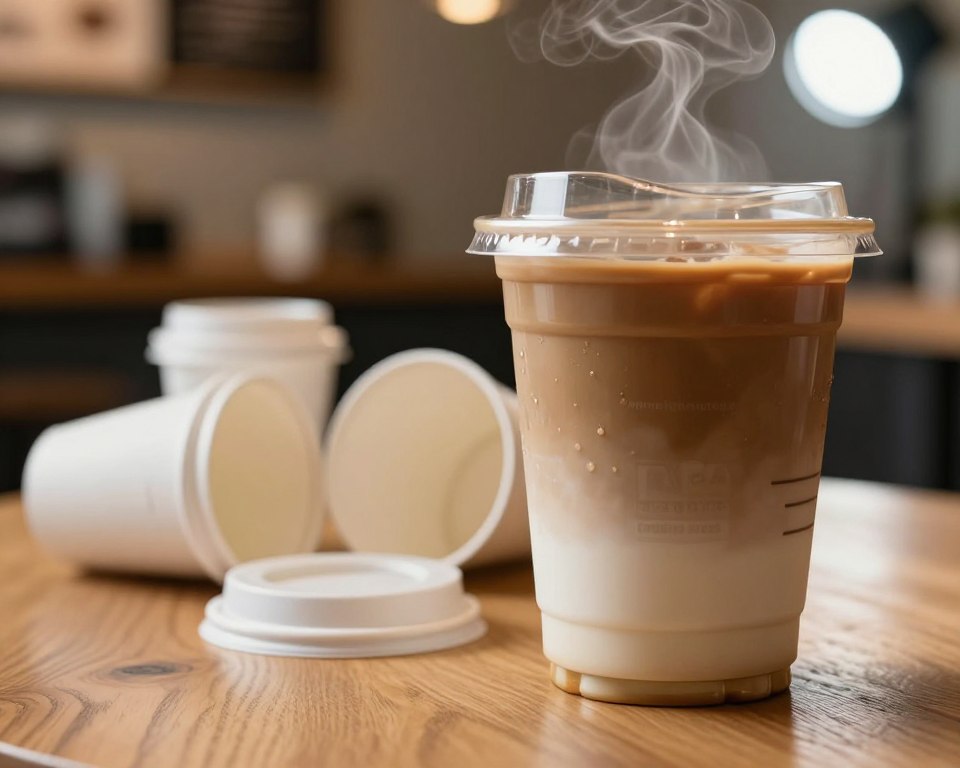
When you pour hot coffee into a plastic container, you may be exposing yourself to more than just caffeine. The structural integrity of many polymers can break down under thermal stress. This can release chemical additives into your beverage. Understanding these plastic coffee cup health risks is a vital step toward making informed choices for your daily routine.
Health Implications of Endocrine Disruptors
Bisphenol A (BPA) and various phthalates are used in consumer plastics to improve durability and flexibility. These substances are classified as endocrine disruptors. They can mimic or interfere with the body’s natural hormonal signals. Long-term exposure to these chemicals has been linked to hormonal imbalances and an increased risk of certain cancers.
The biological mechanism is subtle but significant. These compounds interact with hormone receptors, disrupting essential physiological processes over time. You can learn more about the broader impact of these substances by reviewing the latest research on toxic chemicals and substances found in common household items.
Distinguishing Between BPA-Free and Truly Safe Plastics
Many consumers gravitate toward BPA-free coffee cups, assuming these labels guarantee complete safety. But, it’s important to recognize that manufacturers often replace BPA with other bisphenol analogs. These may carry similar health concerns. A “BPA-free” label does not automatically mean a product is free from all potentially harmful plasticizers or chemical additives.
To identify truly safer materials, look beyond marketing buzzwords. Prioritize containers made from inert materials like glass, ceramic, or high-quality stainless steel. These materials do not rely on the same chemical additives as plastics. This significantly reduces the likelihood of chemical migration into your hot coffee.
Single-Use Versus Reusable Plastic Options
The debate over reusable vs disposable coffee cups focuses on how well they hold up and last. It’s important to think about how different plastics handle hot drinks. Knowing this helps us choose safer options for our daily coffee.
Degradation Risks in Disposable Cups
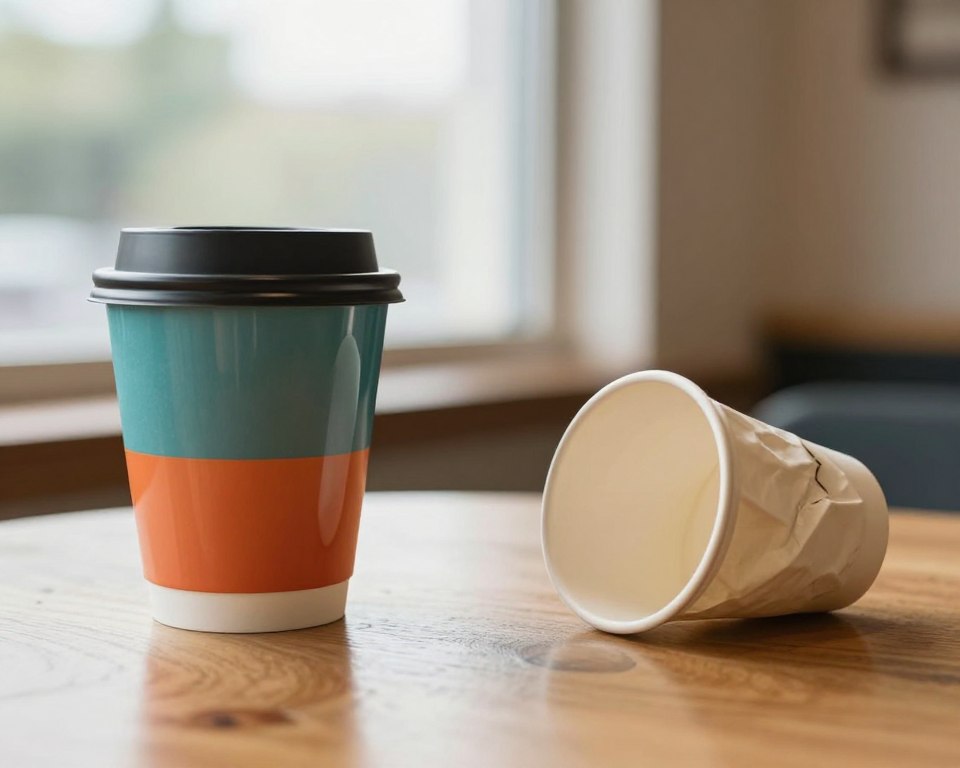
Single-use plastic cups are made for quick use, not lasting long. They often have thin layers of polyethylene to keep liquids in. Studies show these cups might release more microplastics into hot drinks than paper cups with similar coatings.
When these cups get hot, they start to break down faster. This makes the surface more likely to crack. These cracks can hide bacteria or let chemicals from the plastic into your drink. This is similar to concerns about are black plastic utensils toxic in other food contact situations.
Durability and Microplastic Shedding in Reusables
Reusable cups are stronger, but they can still wear out. Washing them in hot water and using a dishwasher can damage the inside. This damage makes the cup more likely to shed microplastics.
“The safety of a reusable container is not static; it depends heavily on the maintenance of the material’s surface integrity over its entire lifecycle.”
To keep your cup safe, watch for signs like cloudiness, deep scratches, or strong smells. These mean the plastic is breaking down. Replacing your cup when you see these signs helps avoid plastic particles.
| Cup Type | Heat Resistance | Durability | Shedding Risk |
|---|---|---|---|
| Single-Use Plastic | Low | Very Low | High |
| Standard Reusable | Moderate | Moderate | Low |
| High-Grade Polymer | High | High | Very Low |
Environmental Impact of Plastic Coffee Consumption
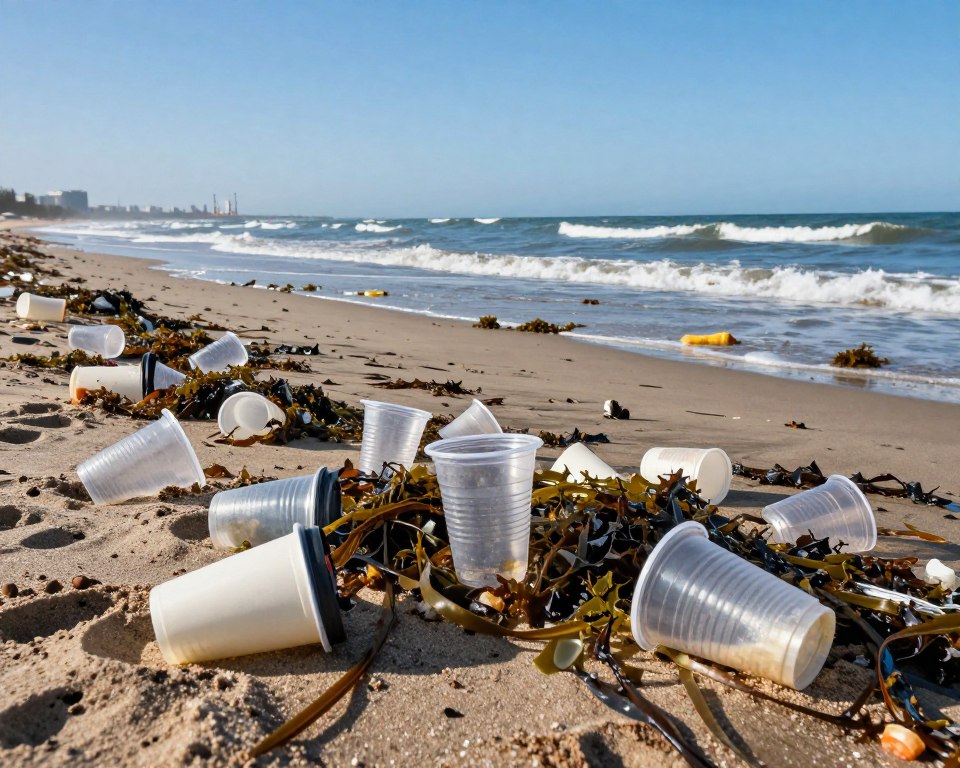
Looking at the environmental impact of plastic cups shows us a big problem. Millions of people in the U.S. use disposable coffee cups every day. This creates a huge amount of waste that’s hard for our systems to handle.
Waste Management Challenges in the United States
The big problem of single-use coffee cups is hard for waste management to deal with. Many people think all plastic cups can be recycled, but it’s not that simple. Recycling plants often can’t take them because of food residue or the plastic type.
There are a few main reasons for this:
- Contamination issues: Coffee and milk left in cups make recycling hard.
- Material complexity: Cups made from polypropylene or other plastics are not always recyclable.
- Logistical volume: The huge number of cups thrown away every day is too much for local recycling centers.
The Lifecycle of Petroleum-Based Coffee Cups
A coffee cup’s life starts long before you use it. It begins with extracting fossil fuels to make plastic. This process is very energy-intensive and adds a lot to our carbon footprint.
After it’s made, the cup is shipped to coffee shops and then thrown away. Since they’re made for convenience and not to last, they often end up in landfills for decades. Understanding the environmental impact of plastic cups shows how our daily choices affect the planet.
Health Risks Associated with Microplastics
Recent studies have highlighted the dangers of plastic coffee cup health risks. When we drink from plastic containers, we might swallow tiny particles. These small pieces, less than 5 millimeters, are now a key focus in toxicology.
Ingestion Pathways and Biological Accumulation
Microplastics mainly enter our bodies through our digestive system when we drink from plastic. Studies show that high levels of microplastics in drinks can happen when the plastic gets hot. Once inside, these particles can move through our digestive system and even build up in organs.
Our bodies struggle to break down these synthetic materials. Localized inflammation is a major worry for scientists studying how these particles affect our tissues. While some are passed out, the risk of them staying in our lungs or digestive system is a concern.
Current Scientific Consensus on Long-Term Exposure
The scientific world is still studying the dangers of plastic coffee cup health risks. While we don’t yet know all the effects on humans, experts suggest a precautionary approach. People are advised to think about their plastic use, as discussed in evaluations of specific plastic types.
It’s wise to reduce our exposure to these plastics for our health. By using fewer disposable plastics, we can cut down on these contaminants. Knowing about these risks helps us make better choices for a healthier life.
| Risk Factor | Potential Impact | Mitigation Strategy |
|---|---|---|
| High Heat Exposure | Increased particle shedding | Use glass or ceramic |
| Material Degradation | Higher microplastic count | Replace worn containers |
| Frequent Ingestion | Biological accumulation | Limit plastic usage |
Identifying Safe Plastic Alternatives
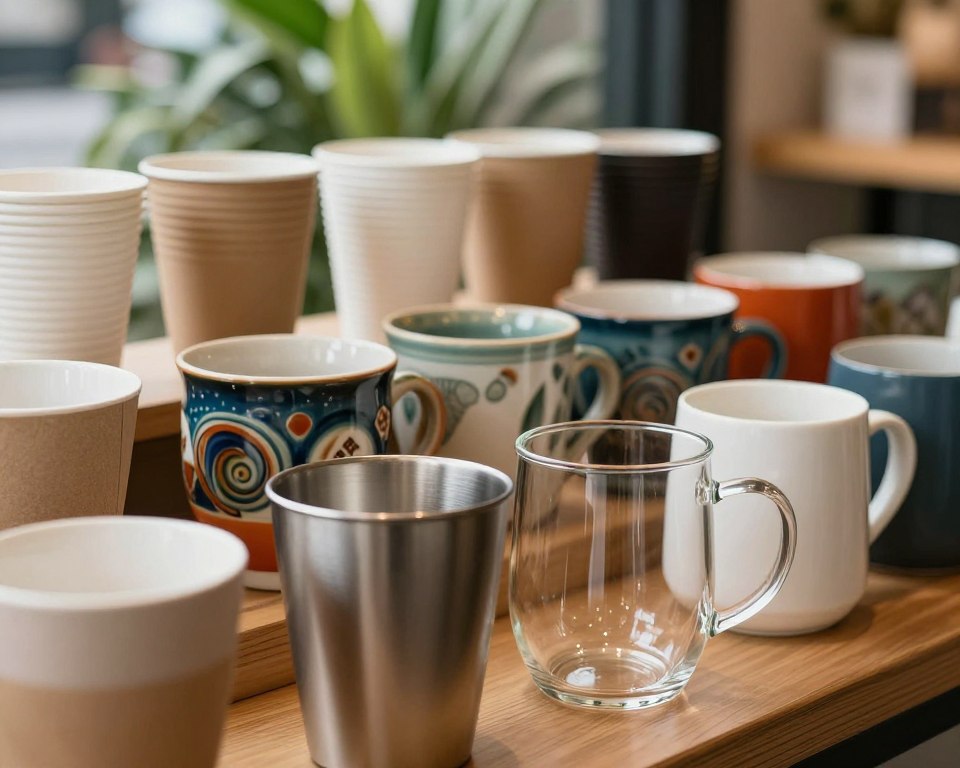
Choosing the best coffee cup materials helps cut down on synthetic chemicals. Moving away from plastic means avoiding heat-related chemical leaks. This ensures your drink stays pure and free from additives.
Stainless Steel as a Durable Choice
Stainless steel is a top pick for its toughness and chemical resistance. It’s safe for hot drinks and lasts a long time. It’s perfect for those who need a strong, lasting cup.
Stainless steel is also easy to clean. It doesn’t hold onto smells or tastes, so your coffee always tastes right. It keeps your drink safe from the outside world for years.
Glass and Ceramic Benefits for Coffee Lovers
Glass and ceramic are great for a classic coffee feel. They don’t react with coffee’s acidic parts. Coffee lovers like them because they keep the coffee’s taste pure.
Even though glass and ceramic are breakable, they feel luxurious. Borosilicate glass, in particular, is safe for hot drinks. These materials are the top choice for those who care about health and taste.
| Material | Chemical Stability | Durability | Taste Neutrality |
|---|---|---|---|
| Stainless Steel | High | Excellent | High |
| Borosilicate Glass | Very High | Moderate | Excellent |
| Ceramic | Very High | Low | Excellent |
The Role of Heat in Chemical Migration
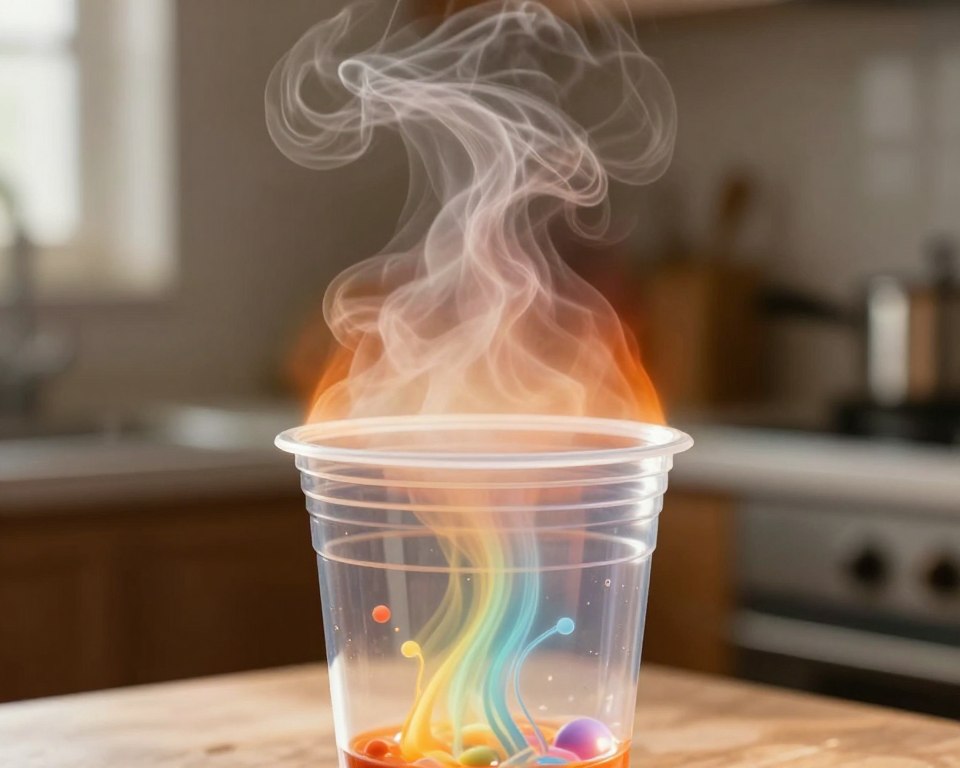
When you pour boiling water into a plastic container, a complex reaction starts. Heat is the main force behind substances moving from the container walls into the liquid. This is called chemical migration and is greatly affected by the heat in your drink.
Why Hot Coffee Accelerates Leaching
Plastic polymers are not solid barriers; they have a microscopic structure that expands when heated. As your coffee warms up, the plastic’s molecules start moving more. This makes the material more porous.
This change lets additives like plasticizers or stabilizers escape. They then mix into the hot liquid. The hotter the liquid, the quicker and more these substances move, changing your drink’s chemical makeup.
Safe Temperature Thresholds for Plastic Containers
Research shows that heat stress can damage beverage containers. Water at 60°C (140°F) can break down polyethylene (PE) cups a lot. At this point, the material starts to fall apart, causing more microplastic shedding.
To avoid these problems, check your coffee’s temperature before pouring it into plastic. If you must use plastic, let your coffee cool a bit below 60°C. This helps slow down material breakdown. Consistency in temperature is key for safe plastic use.
Here are some tips for safer coffee habits:
- Avoid using plastic for very hot liquids.
- Check the cup’s heat-resistance rating.
- Choose materials that stay stable at high temperatures for hot coffee.
Best Practices for Cleaning and Maintenance
Keeping your coffee gear clean is key to avoiding chemical migration. Many use single-use plastic cups for coffee on the go. But, if you prefer reusable cups, keeping them clean is crucial for safety. Regular cleaning stops bacteria buildup and prevents material damage.
Avoiding Dishwasher Damage to Plastic Surfaces
High heat and strong detergents harm plastic drinkware. Extreme temperatures can weaken plastic, leading to chemical leaching. Always check if your cup is dishwasher-safe before using it.
Not sure if your cup can handle the dishwasher? Learn if dishwasher heat damages plastic. Hand washing with mild soap and warm water is best. It keeps your cup in good shape without causing surface cracks.
“The longevity of any reusable container is directly tied to the care it receives; treat your materials with respect to ensure they continue to serve you safely.”
Signs That Your Plastic Cup Needs Replacement
Even with care, plastic items have a limited lifespan. Look for signs like cloudiness, deep scratches, or a rough interior. These signs mean the plastic is breaking down and might release microplastics into your drink.
Notice persistent odors or stains that won’t go away? It’s time to replace your cup. Unlike single-use plastic cups, reusable ones need attention. Replacing them when needed keeps your coffee ritual safe and healthy.
Sustainable Coffee Cup Options for Eco-Conscious Consumers
More and more people are looking for sustainable coffee cup options to help the planet. They want materials that can easily return to nature. This is because they know about the harm from plastic waste.
Plant-Based Bioplastics and Their Limitations
One big step forward is Polyhydroxyalkanoate, or PHA. It’s made from plant sugars and is meant to break down naturally.
But, these bioplastics aren’t perfect. They have some big downsides:
- Specific disposal requirements: They need special composting facilities, not just home bins.
- Heat sensitivity: Some can’t handle hot liquids for long without getting damaged.
- Supply chain complexity: Making them uses a lot of land and resources, affecting their overall impact.
Bamboo and Husk-Based Reusable Alternatives
People are also choosing bamboo and coffee husks for eco-friendly coffee cups. These are made by mixing natural waste with a safe resin. This makes a strong, reusable cup.
These cups are liked for feeling natural and not being made of plastic. But, there are things to remember:
- Longevity: They might not last as long as metal or glass cups.
- Certification: Make sure they’re safe for food and don’t have bad additives.
- Maintenance: Clean them well to stop coffee oils from soaking in.
Choosing the right cup means looking beyond what’s said. Look for products with real, third-party checks. This way, you know you’re supporting your values.
Image Disclosure and Educational Context
Some images in this guide are made by artificial intelligence. They help us understand complex material science better. These tools create illustrative representations of safety concepts that are hard to picture. They connect technical data with your health choices every day.
Understanding AI-Generated Visuals in Health Content
These illustrations are for informational purposes only. They are not professional medical or veterinary advice. They help show how chemicals might act with containers, but don’t replace expert advice.
We aim to give you evidence-based info for your well-being. If you’re worried about your health or product safety, talk to a certified expert. Relying on visuals alone is not a substitute for personal advice.
Purpose of Illustrations in Veterinary and Health Education
Visuals are key in making health and safety topics simple for everyone. They use diagrams and images to show how substances move. This makes our content easy for all to understand, no matter their science background.
The table below shows the different visuals we use. It helps keep our education high and clear for our readers:
| Visual Type | Primary Purpose | Best Use Case |
|---|---|---|
| AI-Generated Imagery | Conceptual illustration | Explaining abstract chemical processes |
| Clinical Photography | Real-world documentation | Showing physical product wear |
| Technical Diagrams | Data visualization | Comparing safety standards and metrics |
Navigating Marketing Claims on Coffee Products
Looking beyond the packaging is key to understanding your coffee cup’s safety. Many makers use vague terms to attract health-aware buyers. But these terms often lack clear legal meanings. When searching for BPA-free coffee cups, it’s crucial to separate marketing from real safety standards.
Decoding Labels Like Food-Grade and Non-Toxic
Labels like “food-grade” or “non-toxic” might seem safe, but they’re not always true. They mean the material is okay for food under certain conditions. But they don’t confirm it’s safe for hot coffee. True safety comes from independent tests, not just what the maker says.
To pick safe products, look for specific certifications on the packaging or the company’s website. These groups test for toxicity, chemical leaching, and environmental harm:
- BPI (Biodegradable Products Institute): Tests for compostability, chemical toxicity, and PFAS content.
- FDA Compliance: Shows the material meets basic federal food contact standards.
- NSF International: Verifies products meet strict health and safety standards.
How to Research Manufacturer Safety Data
To check if BPA-free coffee cups are safe, look at the manufacturer’s technical data. Reputable companies usually share a Safety Data Sheet (SDS) or a Certificate of Analysis. These documents detail the materials used in making the cup.
When you look at these documents, watch the intended use temperature range. A material might be okay for cold drinks but not for hot coffee. Choosing products based on real data and transparency helps protect your health in the long run.
Comparing Material Safety for Daily Coffee Rituals
When it comes to your daily coffee, it’s important to think about what you’re using. Many people ask, are plastic coffee cups safe for daily use, even when they’re hot? It’s key to understand your habits to see if the benefits of certain materials are worth the risks.
Weighting Convenience Against Potential Health Risks
The choice between reusable vs disposable coffee cups often comes down to convenience. Single-use plastics are quick and easy, but they’re not made for hot drinks. Frequent exposure to heat can break down plastics, leading to microplastics and chemicals in your drink.
Choosing health over convenience means accepting some risk with cheap, mass-made items. Moving to thicker, reusable cups can help avoid synthetic chemicals. This simple change can greatly improve your health over time.
Making Informed Decisions for Your Household
Switching to the best coffee cup materials is a smart move for a safer home. Look for materials like stainless steel, borosilicate glass, and glazed ceramic. These don’t release chemicals into your drink, even when it’s boiling.
When checking your home’s items, make sure they’re labeled as food-grade and free from harmful additives. Durable, non-reactive cups make your morning coffee a comfort, not a health risk. Making informed decisions now can greatly reduce your exposure to plastic-related health risks later.
Conclusion
Choosing the right cup for your morning coffee is key. It’s about finding a balance between what’s easy to use and what’s good for you in the long run. Plastic cups might be handy, but they can also add harmful chemicals to your day.
Going for materials like glass, ceramic, or top-notch stainless steel is smarter. These options are safer for your hot drinks and better for the planet. They help cut down on plastic waste that often ends up in landfills.
Switching to eco-friendly cups means you can enjoy your coffee safely. Many brands now make cups that are both safe and last a long time.
Changing how you buy cups can make a big difference. By picking eco-friendly options, you help shape the market. You’re showing that you care about your health and the planet.
Take a look at your drinkware today. Swap out old plastic cups for safer, longer-lasting ones. This simple step can make a big difference in your health and the environment.
FAQ
Are plastic coffee cups safe for long-term daily use?
Many products meet FDA standards, but plastic cup safety depends on the type of plastic and the liquid’s temperature. Studies show that high temperatures can break down plastics like polypropylene. This can lead to health risks from chemicals and microplastics.
Does a BPA-free label guarantee that a cup is non-toxic?
No, a BPA-free label doesn’t mean a cup is safe. It just means it doesn’t have Bisphenol A. But, it might have other chemicals that are harmful. Always check for third-party certifications like NSF International for true safety.
Between reusable vs disposable coffee cups, which poses a higher risk of chemical leaching?
Disposable cups, like those made from polystyrene, are more likely to break down when hot. Reusable cups are durable but can also become unsafe over time. Scratches or heat damage can reduce their safety.
How does heat affect the integrity of plastic beverage containers?
Heat makes plastic more porous, allowing additives and microplastics to leak into drinks. For safety, choose cups made from 18/8 stainless steel or borosilicate glass.
What is the environmental impact of plastic cups used in the United States coffee industry?
Plastic cups harm the environment because most are not recycled. They contribute to pollution and waste. Switching to bioplastics or reusables is better for the planet.
Are there safer, eco-friendly coffee cups that avoid the risks of traditional plastic?
Yes, cups made from stainless steel or tempered glass are safer. They don’t react with hot drinks and are durable. Brands like Hydro Flask and KeepCup offer these options.
Can putting my reusable plastic cup in the dishwasher make it unsafe?
Yes, dishwasher heat and detergents can damage plastic cups. This makes them more likely to shed microplastics. Wash cups by hand and check for wear or cloudiness.
How can I distinguish between genuine safety claims and "greenwashing" in coffee products?
Look beyond terms like “non-toxic” and “food-grade.” Check the manufacturer’s Safety Data Sheet (SDS) or look for specific polymer codes. True sustainable options will provide clear information and certifications.