Did you know over 150 billion pounds of plastic are made every year? One polymer is everywhere in our lives, from kitchens to hospitals. It’s in the yogurt containers and medical devices we use every day.
As a pharmacist, I get many questions about these items. People wonder if they are safe.
I aim to give you evidence-based clarity for your peace of mind. Many worry about the safety of plastics. But it’s important to know that not all plastics are the same.
Understanding what’s in your daily products helps you make better choices. When we ask, “Is Polypropylene Safe,” we need to look at the science. We must examine its molecular structure and how it’s used in the world.
Key Takeaways
- Polypropylene is a widely used thermoplastic polymer found in food packaging and medical equipment.
- It is chemically distinct from plastics like PVC or polycarbonate, which often carry higher toxicity concerns.
- The material is generally considered stable and resistant to heat, making it a preferred choice for food storage.
- Pharmacists and toxicologists view this polymer as having a low risk of leaching under normal conditions.
- Evidence-based information helps consumers navigate the complex landscape of household plastics.
Understanding the Chemical Composition of Polypropylene
Polypropylene is a thermoplastic polymer made from petroleum. It’s known for being versatile in many uses. It’s part of the polyolefin family, known for its simple structure and strong resistance to chemicals.
Molecular Structure and Polymerization
Polypropylene starts with the polymerization of propylene gas. Monomers are linked to form long chains. This molecular architecture gives it a high melting point and rigidity.
The material’s semi-crystalline structure keeps its shape under heat. This makes it great for items needing sterilization or hot liquid exposure. The strong carbon-carbon bonds keep it durable over time.
Additives and Stabilizers in Commercial Grades
Manufacturers add special substances to polypropylene for commercial use. These additives improve its performance in tough environments. UV stabilizers prevent damage from sunlight, and antioxidants protect it during high-temperature processing.
The table below shows how additives change polypropylene for different uses:
| Additive Type | Primary Function | Typical Application |
|---|---|---|
| UV Stabilizers | Prevents brittleness from sun exposure | Outdoor furniture and containers |
| Antioxidants | Prevents thermal degradation | Medical devices and lab equipment |
| Nucleating Agents | Increases clarity and cycle speed | Food packaging and clear storage |
| Impact Modifiers | Enhances toughness and flexibility | Automotive parts and luggage |
These changes make polypropylene suitable for many uses. By tweaking the formula, engineers meet safety and performance standards. This adaptability makes polypropylene a key material in today’s manufacturing.
Is Polypropylene Safe for Food Contact Applications
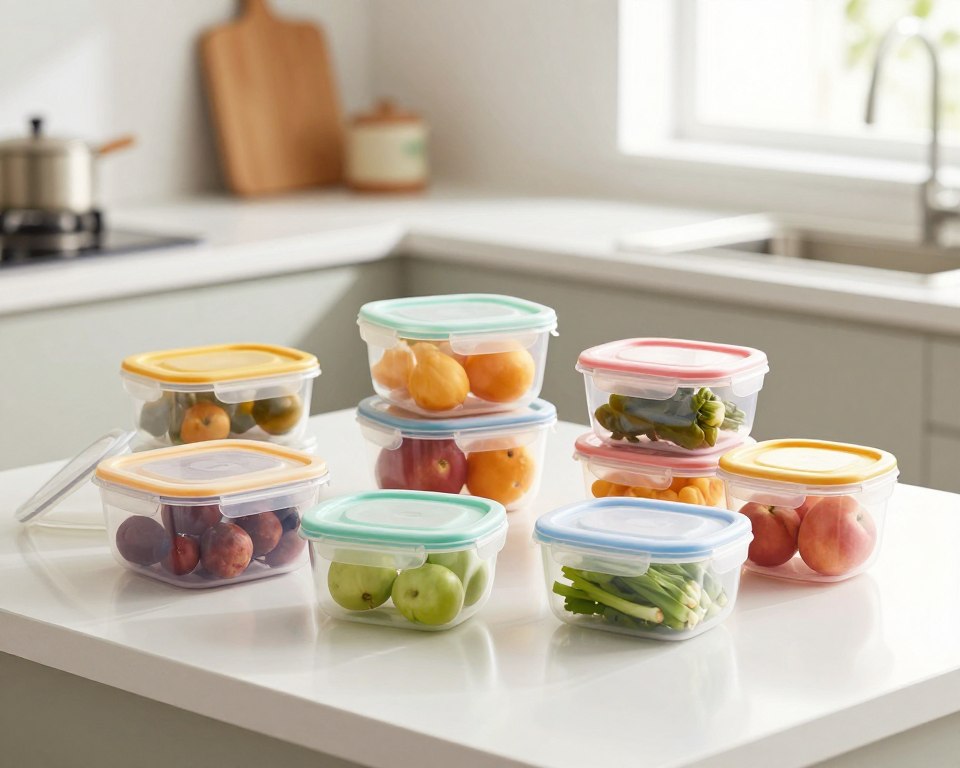
Polypropylene is everywhere in our kitchens, from yogurt tubs to storage containers. It’s a food-grade material that the FDA says is safe for repeated use with food. But, some people worry about the toxicity of polypropylene. Luckily, it’s usually safe under normal conditions.
Migration Potential of Plasticizers
The big worry is chemicals from plastics getting into our food. This happens when plastic molecules move into food, often due to heat, acidity, or fats. Polypropylene is less likely to do this because it doesn’t have the plasticizers found in softer plastics.
But, no plastic is completely safe from chemical reactions. Even though the main polymer is stable, additives or pigments might leach out under extreme conditions. It’s best to use high-quality, BPA-free containers to avoid chemical risks.
Heat Resistance and Microwave Safety
Polypropylene is great because it doesn’t melt easily, making it safe for microwaves. It keeps its shape even when heated, unlike some plastics. This means it’s less likely to break down or release chemicals into your food.
Still, be careful not to heat food too much, like if it’s very oily or sugary. These can get too hot for even the most stable plastics. Always check if a container is labeled as “microwave-safe” to be sure it can handle heat.
| Plastic Type | Heat Resistance | Common Use | Safety Profile |
|---|---|---|---|
| Polypropylene (PP) | High | Food Containers | Excellent |
| Polyethylene (PE) | Moderate | Plastic Bags | Good |
| Polycarbonate (PC) | Very High | Hard Bottles | Variable (BPA risk) |
| Polystyrene (PS) | Low | Disposable Cups | Poor |
Evaluating Potential Health Hazards and Toxicity
Recent studies have looked into polypropylene toxicity and its effects on human health. This material is seen as stable, but scientists are still studying its interactions with living organisms. It’s crucial to keep an open mind when looking at data that shows some plastics might not be harmless.
Endocrine Disruption Concerns
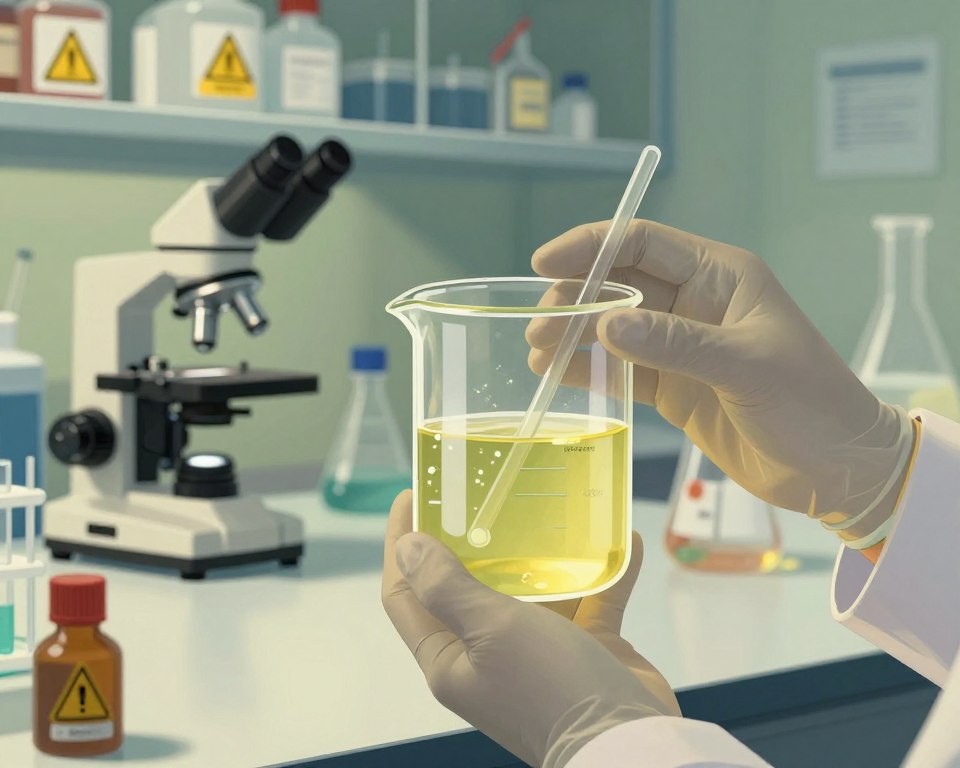
Some research has found that additives in plastics might affect hormones. There’s evidence that certain plastics could interact with androgen receptors in labs. This shows why it’s key to know the difference between the base polymer and additives used in making plastics.
Not all polypropylene products are the same. The scientific literature points out that how substances move depends on how the plastic is made and the type used. Knowing these details helps consumers understand the possible polypropylene health hazards.
Respiratory Risks During Manufacturing
Plastic production in factories has its own safety issues. Workers might breathe in harmful chemicals or tiny particles during heating and molding.
These risks are managed with good ventilation and protective gear. By keeping the work area safe, factories lower the chance of polypropylene health hazards for workers. This way, the dangers of polypropylene toxicity are mainly kept in industrial areas, not in products people use at home.
Polypropylene Properties and Material Durability
This plastic is popular in many fields because of its polypropylene properties. It’s strong and affordable, making it a favorite among manufacturers. Its unique mix of physical and chemical traits makes it hard to replace in many industries.
Chemical Resistance and Inertness
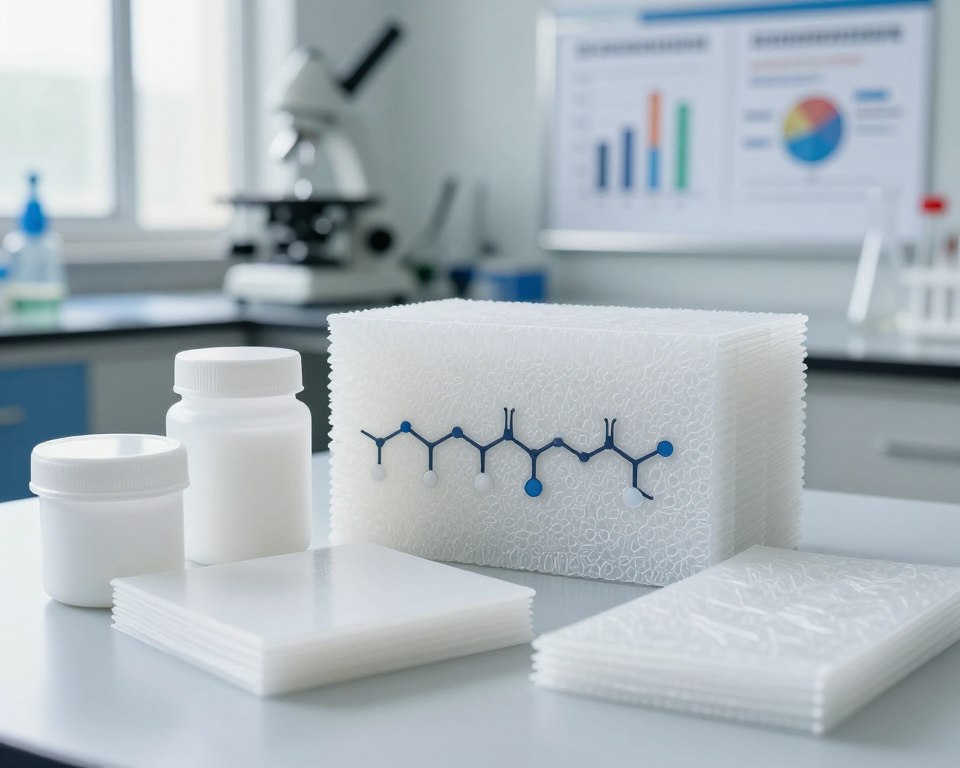
This polymer stands out for its chemical resistance. It doesn’t react much with common solvents or electrolytes. This inherent inertness is perfect for lab tools and medical gear where cleanliness is key.
It also doesn’t let bacteria or microbes grow. This is crucial for keeping things clean in hospitals. Studies on polymer stability show how these polypropylene properties help keep things safe over time.
Mechanical Strength and Fatigue Resistance
The material is also known for its mechanical strength. It keeps its shape under stress, which is important for long-lasting performance. This means products don’t break or bend easily.
It’s also very good at resisting fatigue. This lets it have “living hinges” that can bend many times without breaking. Thanks to this, flexible containers and caps stay useful even after lots of use.
Comparing Polypropylene to Other Common Plastics
Choosing the right plastic for food storage or household items is key. Many people don’t know the differences between various plastics. By looking at how plastics handle heat and chemicals, we can pick safer options for our homes.
Polypropylene Versus Polyethylene
Polypropylene (PP) and polyethylene (PE) are common plastics. They are both safe for food, but they handle heat differently.
- Polypropylene: It has a high melting point, perfect for hot-fill and microwave use.
- Polyethylene: It comes in high-density (HDPE) and low-density (LDPE) types. These soften at lower temperatures than PP.
Polypropylene is great for containers that need to be washed a lot or handle high heat. Polyethylene is better for flexible packaging like bags and films, where it’s cheaper and flexible.
Polypropylene Versus Polycarbonate and BPA
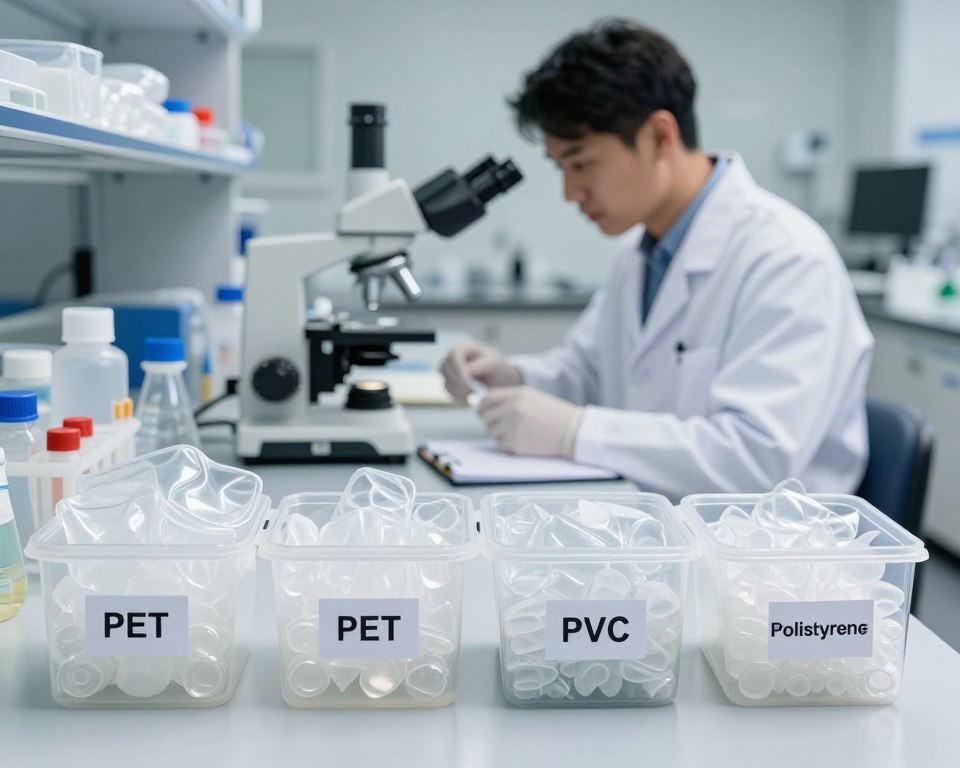
Polypropylene and polycarbonate are different in a big way for health reasons. Polycarbonate is a clear, rigid plastic that used to have Bisphenol-A (BPA) in it. BPA is a known endocrine disruptor that can get into food and drinks, mainly when heated or damaged.
“The shift away from polycarbonate in consumer goods represents a significant public health improvement, as it eliminates the primary source of dietary BPA exposure.”
Polypropylene does not contain BPA or phthalates. It’s a stable plastic that doesn’t need these chemicals. For those worried about hormones, choosing polypropylene over polycarbonate is a smart move to avoid chemicals.
| Feature | Polypropylene (PP) | Polycarbonate (PC) |
|---|---|---|
| BPA Content | None | Often present |
| Heat Resistance | High | Moderate to High |
| Clarity | Translucent | Transparent |
Choosing polypropylene is a good choice because it’s safe and doesn’t have harmful additives. While no plastic is perfect, polypropylene is safer than older plastics with BPA.
Environmental Impact and Sustainability Considerations
The lifecycle of polypropylene has big challenges for our planet. We need to look closely at how it goes through our waste systems. Sustainability is about more than just the product. It’s about the whole journey from making to throwing away.
Recyclability and Waste Management
Polypropylene can be recycled, marked with the number five resin code. But, the recycling rate is very low in many places. This is because many places struggle to sort and clean it properly.
Most of this plastic ends up in landfills or burned. Infrastructure limitations stop it from being turned into new, safe packaging. So, the industry mostly uses new plastic instead of recycled ones.
Microplastic Shedding and Marine Life
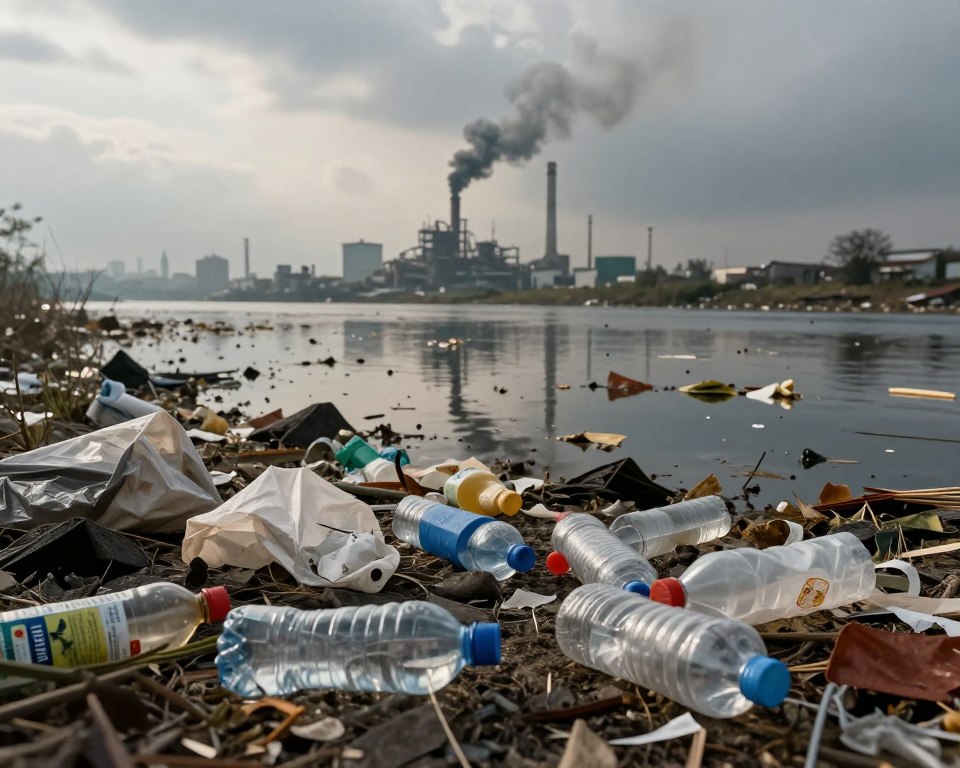
Polypropylene breaks down into tiny pieces over time. These microplastics are hard to catch once they’re out. They often get into waterways and reach the ocean.
Sea creatures often eat these plastic pieces thinking they’re food. This can harm their health. Since these pieces don’t break down, they stay in the ocean for years. This is bad for sea life and the ocean’s food chain.
Regulatory Standards and Safety Data
It’s key to know the rules for polypropylene safety information. Governments and global groups set strict rules. These rules make sure plastics are safe for people and the planet.
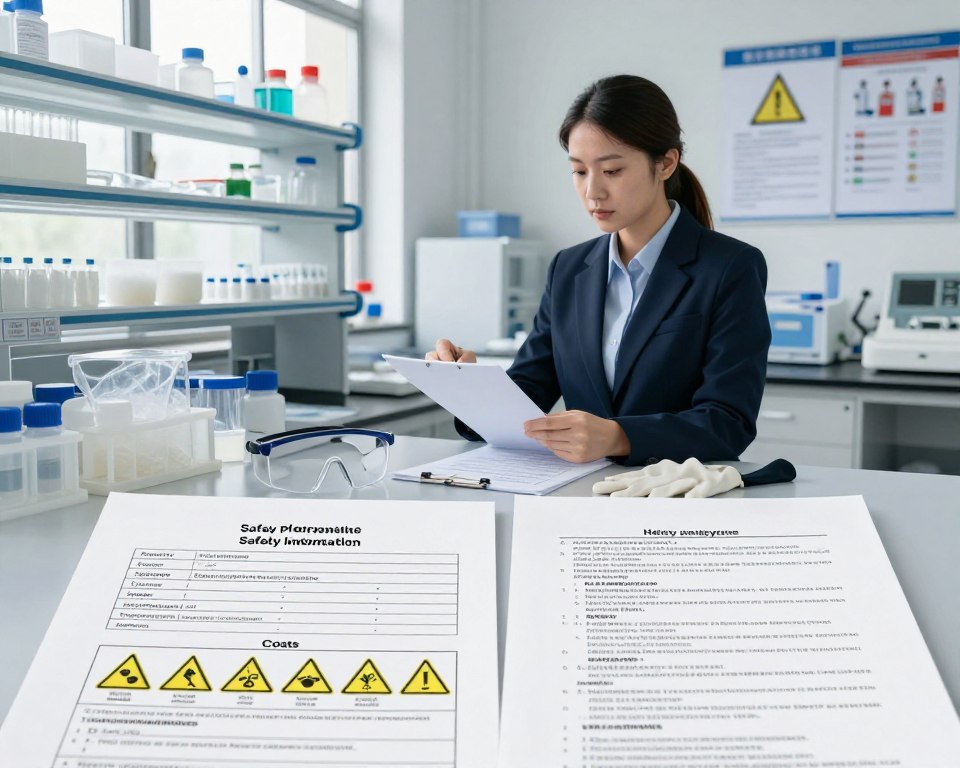
FDA Guidelines for Food-Grade Plastics
In the U.S., the FDA watches over plastics that touch food closely. Polypropylene is seen as safe for food packaging. It doesn’t react with food and can handle high heat.
Companies must follow FDA rules to say their plastics are safe for food. These rules stop plastics from leaking bad stuff into food. Following these rules is a must to sell products.
“The safety of food-contact materials is determined by the potential for chemical migration, which is strictly limited by established regulatory thresholds.”
International Safety Certifications and Compliance
Global makers also follow international standards. These standards check if materials are safe and work well. They make sure products are good for everyone.
Looking at polypropylene safety data is important for everyone. You can find detailed info, like the Safety Data Sheet. It tells you about the material’s chemical makeup and how to handle it.
- ISO Standards: Ensure quality management and environmental responsibility.
- REACH Compliance: Regulates chemical substances in the European Union to protect human health.
- NSF Certification: Validates that products meet public health and safety standards for equipment.
These rules help keep us safe. They make sure polypropylene is a solid choice for many uses.
Common Uses of Polypropylene in Daily Life
From hospitals to your kitchen, polypropylene is everywhere. It’s great because it can handle heat and chemicals well. This makes it a top pick for many industries. Let’s look at some polypropylene uses to see why it’s so important today.
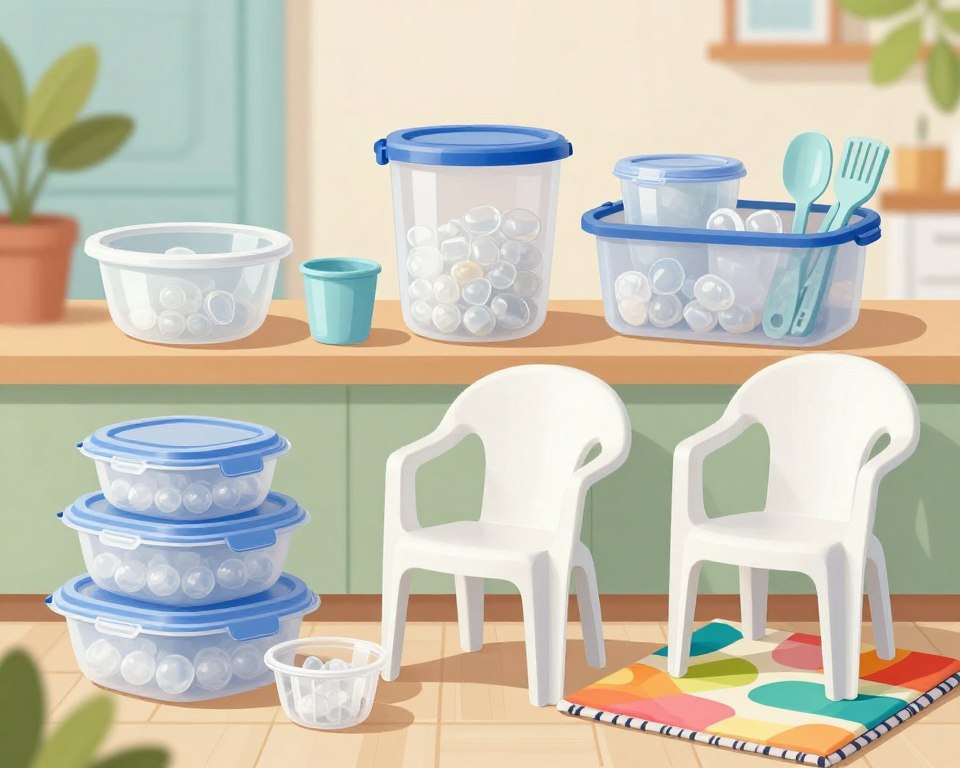
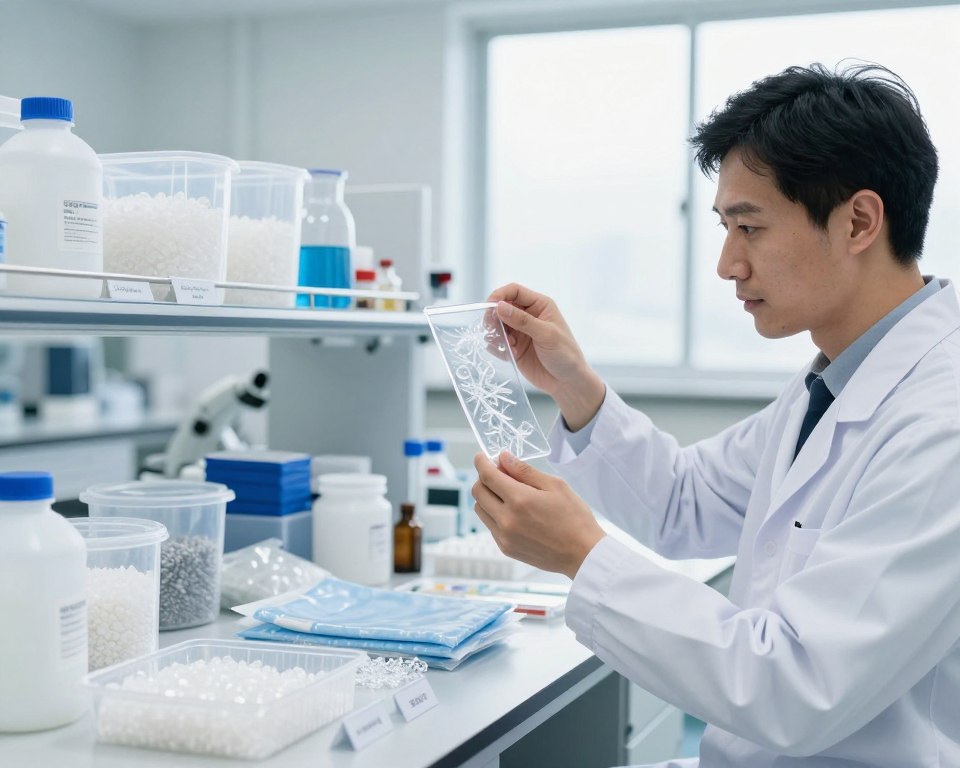
Medical Devices and Laboratory Equipment
In medicine, safety is key. Polypropylene is often used for critical medical tools. It doesn’t react with chemicals, which is crucial for accurate tests.
It’s in things like disposable syringes and test tubes. It can also handle high-temperature sterilization. This makes it a must-have in labs for keeping things clean.
Household Goods and Storage Containers
At home, polypropylene is just as common. It’s great for storing food because it doesn’t leak chemicals. Many kitchen items also use it because it lasts long.
Look for the number 5 recycling symbol to spot it. Knowing about polypropylene uses helps you choose better for your home.
| Application Sector | Primary Benefit | Common Examples |
|---|---|---|
| Medical | Sterilization resistance | Syringes, Petri dishes |
| Food Storage | Chemical inertness | Tupperware, yogurt tubs |
| Consumer Goods | Mechanical strength | Appliance parts, storage bins |
Addressing Common Polypropylene Safety Concerns
Sorting through information on household items can be tough. It’s key to know the difference between online myths and real science. Looking closely at polypropylene safety concerns helps us understand its true impact.
Debunking Myths About Plastic Toxicity
Many think all plastics are bad, like they contain BPA or phthalates. But, polypropylene is different. It doesn’t need these chemicals to work well. It’s naturally stable and safe from harmful effects.
So, is Polypropylene Safe? Yes, mostly. It’s good for food and medical use because it’s not as reactive. Choosing high-quality, food-grade polypropylene means avoiding harmful additives.
Understanding Leaching Under Extreme Conditions
Even though polypropylene is stable, it can still break down under extreme stress. Leaching happens when the plastic is pushed too far. Prolonged exposure to extreme heat or acids can damage it.
To stay safe, don’t use containers for things they weren’t made for. Avoid heating food in the microwave too long if it’s not safe for it. Knowing these polypropylene safety concerns lets you use your items safely. By following the maker’s rules, you keep your plasticware safe and reliable. Knowing your materials’ limits means you can always say yes to “Is Polypropylene Safe?”
Best Practices for Using Polypropylene Safely
To keep your polypropylene items in good shape, follow a few simple steps every day. These habits help keep the material strong and prevent damage. This way, your items will last longer.
Proper Cleaning and Maintenance Techniques
For your polypropylene containers and tools, use mild dish soap and soft sponges. Avoid harsh chemicals or rough sponges. They can scratch the plastic.
These scratches can trap bacteria or food. This makes cleaning harder. Always rinse well with warm water to remove soap.
Even though polypropylene can handle heat, try not to use the dishwasher’s high heat. High temperatures can damage the plastic, making it warp or become brittle.
When to Replace Worn Plastic Items
All plastic products have a limited lifespan. Look for visible signs of wear like deep cracks or discoloration. If a container looks cloudy or feels sticky, it’s time to replace it.
Sticky or tacky plastic is a sign of degradation. This means the plastic is no longer safe. It’s best to throw it away.
It’s wise to replace older plastic items made before 2012. Newer plastics are made with safer materials. This is because safety standards have improved over time.
Getting rid of old plastics is a proactive step for a safer home. It helps avoid risks from older, possibly unsafe plastics.
Image Disclosure and Educational Context
Some images in this text are made by artificial intelligence to help explain things better. We tell you this to keep things honest and safe for you. We always try to give you the most accurate and reliable information we can.
AI-Generated Imagery in Veterinary and Scientific Education
AI images help show complex things like how molecules work together. These images are great tools for learning. They make it easier to understand things like how materials like polypropylene work in different places.
These pictures are made to help people learn, not just pet owners. They make hard-to-understand ideas clear without using too many complicated diagrams. But remember, these images are just for showing ideas and not real samples.
Limitations of Digital Illustrations in Professional Diagnosis
It’s important to know that digital pictures can’t replace a real doctor’s check-up. While they’re good for learning, they can’t replace a real doctor’s visit. A digital picture can’t know all the special things about a living being.
When you’re worried about health or safety, always do this:
- Consult a professional: Always talk to a vet or doctor for health worries.
- Context matters: Digital pictures are just for general info and can’t tell you about specific health issues.
- Evidence-based decisions: Use what we say as a starting point for talking to your doctor, not as a final answer.
We promise to give you accurate info to help you make smart choices. We make it clear when pictures are for learning and not for real health checks. This way, you get the best advice we can give.
Current Research and Future Outlook
Scientists are still learning how synthetic materials affect the environment and our health. Thanks to better tools, polypropylene research is uncovering more about these materials’ stability and breakdown over time.
Emerging Studies on Polymer Safety
Studies are now looking into the long-term effects of microplastics on living things. Researchers are studying how plastics break down in the environment. This helps predict any health dangers.
This dynamic field needs constant watch to keep safety standards up to date. Experts say our current knowledge is just a starting point. It will change as more studies finish.
“The future of material science lies in our ability to balance functional utility with a profound respect for ecological and biological safety.”
Innovations in Bio-Based Polypropylene Alternatives
To reduce our reliance on oil, researchers are working on bio-based plastics. These new plastics aim to be as strong as the old ones but made from plants.
Using plants instead of oil could make manufacturing greener. Polypropylene research is key to making sure these new plastics are safe and stable.
These new plastics could lead to a greener future. The goal is to use them more in products. This is what forward-thinking companies and scientists are working towards.
Conclusion
Polypropylene is a key material in today’s world because it’s stable and can handle heat well. It’s considered one of the safest plastics, but it’s still important to use it wisely. Keeping up with the latest on polypropylene can help you make safer choices.
The way polypropylene is made affects us every day and the planet too. Choosing glass or stainless steel for food can help cut down on plastic use. These options are safer for heating up food or keeping leftovers for a while.
Our knowledge about plastics is always getting better. Reading about polypropylene can help you make better choices for your family. Even small changes in what you use can help keep you and the planet healthy.
FAQ
Is polypropylene safe for food storage and microwave use?
Yes, polypropylene (PP) is safe for food contact. It’s FDA-approved and has a high melting point. This makes it heat-resistant.
When a container is labeled “microwave safe,” it means it won’t warp or release chemicals under heat. But, avoid using old or scratched containers for high heat to prevent additive migration.
Does polypropylene contain Bisphenol-A (BPA) or phthalates?
Polypropylene is naturally free of Bisphenol-A (BPA). It’s a polyolefin that doesn’t use BPA in its making. This makes it safer than polycarbonate plastics.
While polypropylene is safe, always check for the Resin Identification Code 5. This ensures you’re using the right material.
Are there any known polypropylene health hazards related to endocrine disruption?
Polypropylene is generally chemically inert. But, some additives might interact with androgen receptors. This is why it’s important to use it as directed.
Follow the manufacturer’s guidelines. Avoid extreme temperatures or harsh cleaners to prevent polymer breakdown.
How does polypropylene toxicity compare to other plastics like PVC or Polystyrene?
Polypropylene is safer than PVC (Resin Code 3) or Polystyrene (Resin Code 6). It doesn’t leach harmful chemicals like dioxins or styrene. This makes it safe for kitchenware and medical devices.
What are the primary polypropylene uses in a typical household?
You’ll find polypropylene in yogurt containers, medicine bottles, and bottle caps. It’s also used in athletic apparel. Its strength and flexibility make it ideal for many uses.
Does polypropylene contribute to microplastic shedding?
Polypropylene can fragment over time, leading to microplastic shedding. These particles can harm marine life. While it’s recyclable, current recycling infrastructure often can’t handle it efficiently.
When should I replace my polypropylene containers to ensure safety?
Replace polypropylene items if they show signs of wear, like clouding or deep scratches. These signs indicate material degradation. It’s also wise to replace older plastics made before 2012 for safety.
Is there a respiratory risk associated with polypropylene?
There’s no respiratory risk for the average consumer. But, in factories, heating polypropylene can release VOCs. Workers must follow OSHA guidelines and use ventilation to avoid respiratory irritation.