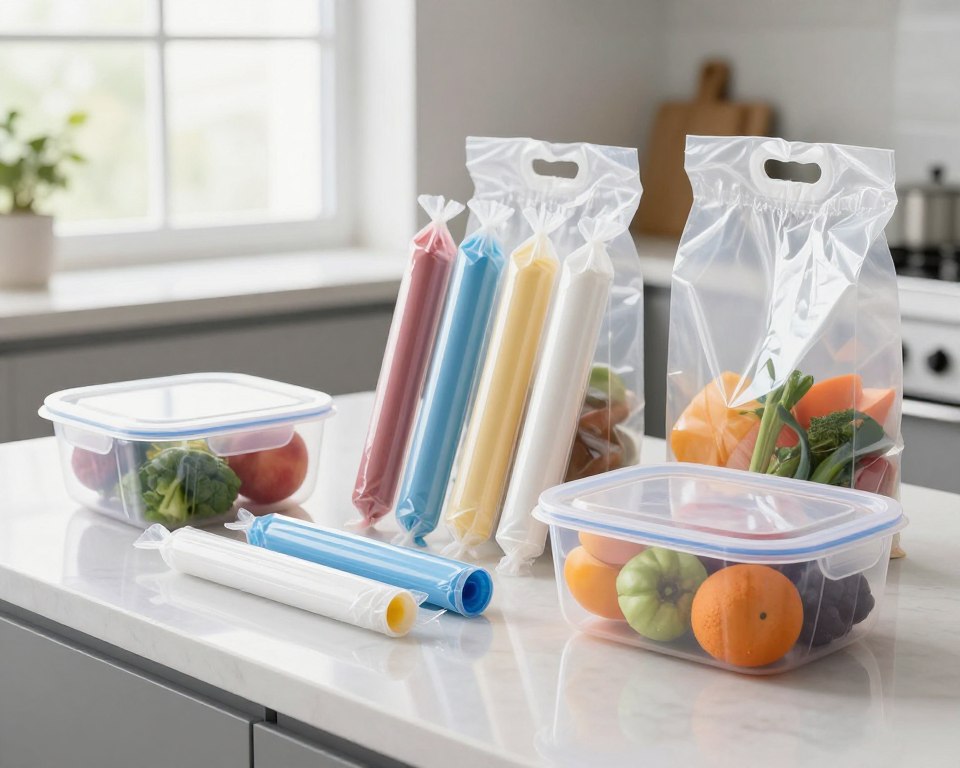
Every year, the world makes about 500 million metric tons of synthetic polymers. This huge amount makes our kitchens more convenient. But, it also makes us wonder about its health effects.
Many people ask if these common containers can leak harmful chemicals into our food. My experience lets me give you a clear view of how these items affect your health.
We’ll look at the latest research and government rules to guide you. Evidence-based guidance is key to choosing safe storage for your food.
Key Takeaways
- Global output of synthetic materials now exceeds 500 million metric tons annually.
- Chemical migration from storage containers remains a primary focus of toxicological study.
- Regulatory standards provide a baseline, but individual caution is often recommended.
- Understanding material types helps minimize potential exposure to endocrine disruptors.
- Expert analysis bridges the gap between complex science and practical home application.
Understanding the Composition of Modern Food Packaging
It’s key to know what’s in food packaging materials for our health. Many think plastic is just a simple container, but it’s actually a complex mix of chemicals. These chemicals can change how they interact with our food.
Common Polymers Used in the Food Industry
Today’s containers use special plastics for strength and to keep moisture out. You’ll find polyethylene (PE), polypropylene (PP), and polyethylene terephthalate (PET) in many. These plastics are the main part of food packaging materials, but they can change with the environment.
Even though plastics are made for ease, they’re not always perfect. Studies on chemical migration show how they can let chemicals pass into our food. It’s crucial to understand how these plastics react to heat, acidity, and fats.
The Role of Additives and Plasticizers
Manufacturers add special ingredients to improve the packaging. These include plasticizers, stabilizers, and colorants. A study found 906 chemicals in plastic packaging that could be harmful.
These additives can break free from the plastic over time. Just like worries about detergent residue on dishes, we should be concerned about chemicals from food packaging materials. Expert clinical observation shows many people don’t know about these hidden chemicals. This highlights the need for clear information on how we store our food.
Is Plastic Food Packaging Safe for Daily Use
Many people wonder if Is Plastic Food Packaging Safe for everyday use. These materials are convenient but their safety depends on how they’re made and used. It’s important to look beyond labels to understand the risks.
Regulatory Frameworks and FDA Oversight
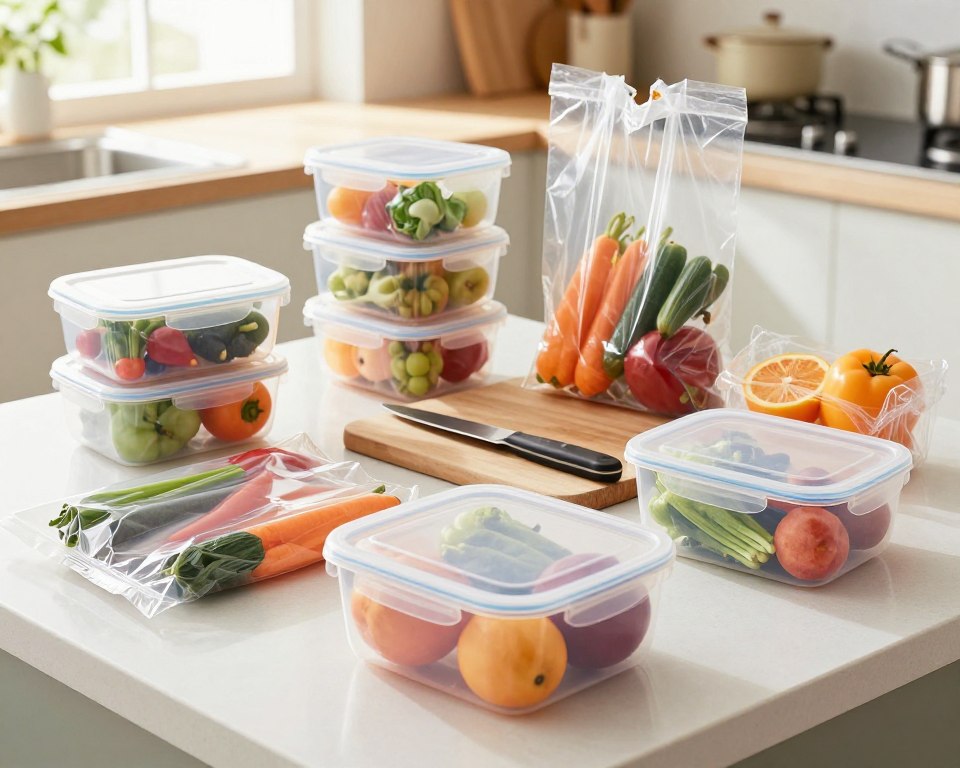
In the U.S., the FDA watches over food packaging materials. They use resin identification numbers to tell us about plastics. But, these standards might not cover long-term effects of daily use.
Regulators check if chemicals leak into food under certain conditions. Critics argue this might not show the full impact of many chemicals over time. Even if the FDA sets strict limits, it’s key to know that “compliance” doesn’t mean no risk at all.
International Standards for Food Contact Materials
Views on plastic packaging safety differ worldwide, with each area having its own strict tests. Many global standards push for full safety checks from start to finish. They want to make sure materials stay safe with foods that are acidic, fatty, or hot.
Experts often advise using different types of containers. Keeping your kitchen tools clean is as important as the containers. For example, using a stainless steel cleaner safe way can avoid harmful chemicals. Knowing about Is Plastic Food Packaging Safe helps you choose better for your family’s health.
Chemical Migration and Potential Health Risks
When we think about the health risks of plastic packaging, we must consider how chemicals move from containers into our food. This process, called chemical migration, happens when molecules from the packaging mix with the food or liquid inside. Studies show that 74% of plastic extracts can trigger toxic effects, including estrogenicity.
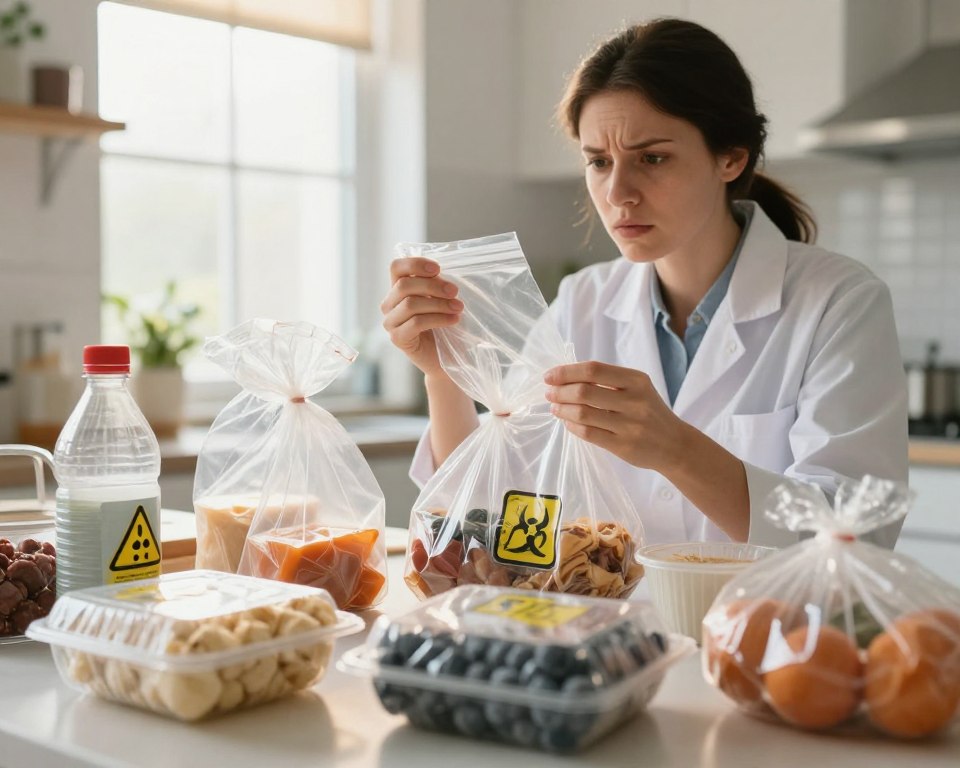
This shows that the plastics we use every day are not as safe as they seem. It’s important for us to understand how these chemicals move. You can learn more about this in this detailed analysis of food contact materials.
Understanding Endocrine Disruptors in Plastics
Many plastics contain substances that act as endocrine disruptors. These chemicals mess with our body’s hormone production. They can mimic or block important signals in our body. Since the endocrine system controls many functions, even small amounts can cause big problems.
“The challenge with modern food contact materials lies in the complexity of chemical additives that can leach into our diet under standard storage conditions.”
The Impact of Bisphenol A (BPA) and Alternatives
Bisphenol A, or BPA, has been a big concern in the plastic packaging toxicity debate. Even though many products are labeled “BPA-free,” the alternatives might still be harmful. This means the health risks of plastic packaging are still a worry for many.
Phthalates and Their Presence in Food Wraps
Phthalates are used in plastics to make them more flexible and durable, like in thin food wraps. Since they’re not tightly bound to the plastic, they can easily get into fatty foods. Once we eat them, they can build up and mess with our hormones. So, it’s crucial to pick storage options that reduce our exposure to these chemicals.
The Influence of Heat and Microwave Usage
It’s important to know how heat changes food-grade plastics. High temperatures can weaken the molecular bonds in plastics. This can cause chemicals to leak into your food.
How Temperature Affects Chemical Leaching
Heat makes substances move from packaging into food. As it gets hotter, the plastic’s structure changes. This lets additives like plasticizers escape more easily.
Even polypropylene (PP) containers can change when heated. Frequent high heat speeds up plastic degradation. Consistent heating increases the chance of contaminants in your food.
Guidelines for Safe Microwave Heating
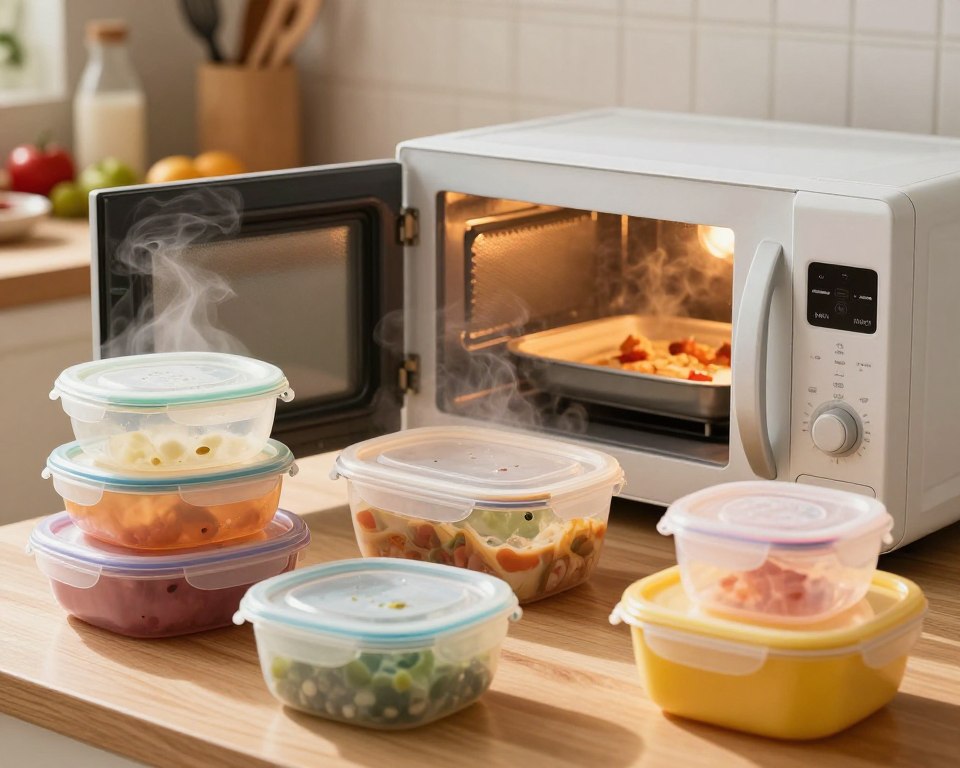
To keep food safe, avoid heating in plastic containers. Use glass or ceramic instead. They don’t leach chemicals, no matter the temperature.
If you must use plastic, make sure it’s labeled for microwave use. Don’t heat food in damaged containers. Signs of wear mean the plastic is breaking down.
Identifying Microwave-Safe Symbols
Don’t confuse the “recycling” symbol with “microwave-safe.” The recycling triangle only shows the resin type. It doesn’t mean the container is safe for heat.
Look for a microwave icon with wavy lines. This means the product has been tested for heat resistance. Still, heat for short times to avoid chemical migration.
| Material Type | Heat Resistance | Leaching Risk |
|---|---|---|
| Glass | High | Negligible |
| Ceramic | High | Negligible |
| Polypropylene (PP) | Moderate | Low to Moderate |
| Polystyrene (PS) | Low | High |
Plastic Packaging Toxicity and Long-Term Exposure
Modern food storage is convenient, but it comes with hidden health risks of plastic packaging. These risks are not just immediate but also long-term. It’s important to think about how these materials affect our bodies over time.
Bioaccumulation and Human Health Concerns
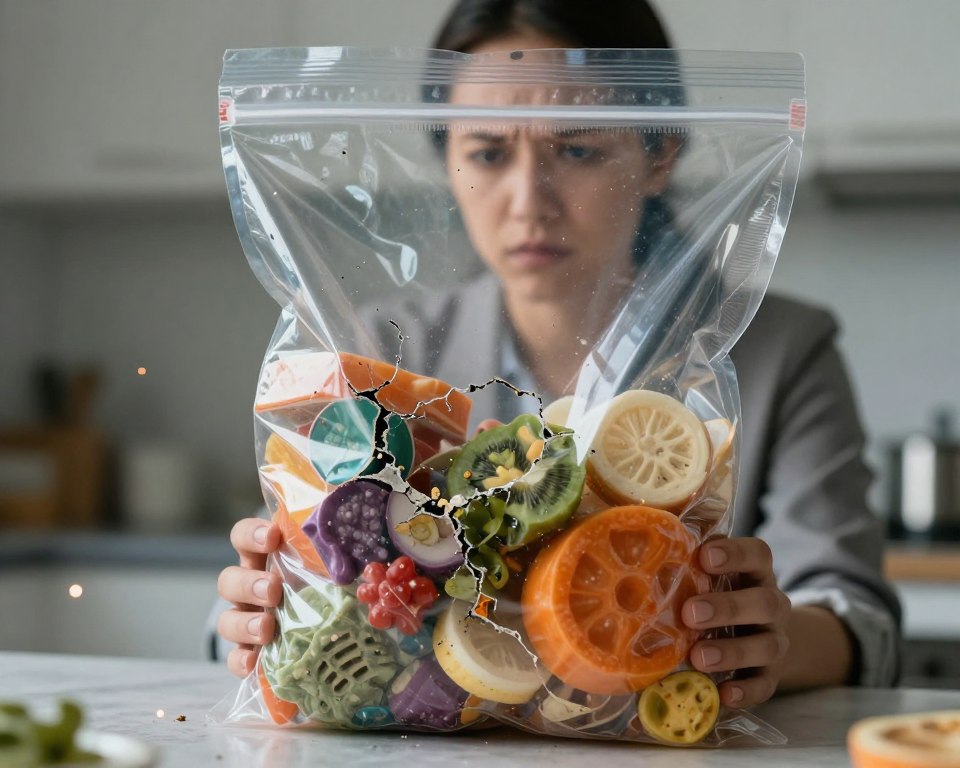
Bioaccumulation is when our bodies build up synthetic substances. Recent studies have found microplastics in human arteries. This shows that these particles can move through our blood and settle in important tissues.
This finding raises concerns about inflammation and heart problems. It’s crucial to understand that our bodies may struggle to deal with these synthetic compounds. Here are some key points about how these substances accumulate inside us:
- Our digestive system can’t fully break down synthetic polymers.
- Chemical additives can mimic or interfere with our hormones.
- Microscopic debris can stay in our blood for a long time.
Chronic Exposure Risks in Modern Diets
Today, we often use plastic containers, wraps, and utensils many times a day. This constant exposure is hard to avoid in our fast-paced lives. Plastic packaging toxicity is not just about overheating. It’s about the long-term harm it causes to our bodies.
“The persistence of synthetic materials in our environment and our food supply necessitates a more cautious approach to how we store and consume our daily meals.”
Knowing these risks helps us make better choices in the kitchen. Choosing materials that don’t leak chemicals or shed microplastics is a good start. Cutting down on single-use plastics is a key way to reduce this exposure.
Special Considerations for Pet Food Storage
Plastic bins are handy for storing pet food but might not be the best choice for long-term health. Owners need to watch their storage methods as closely as the food’s quality. Small body masses make pets more susceptible to chemical harm.
Risks of Plastic Containers for Animal Nutrition
Plastic containers can hold bacteria and leak chemicals into food. As plastic breaks down, it might release harmful substances. These can mess with an animal’s hormones. Proper storage is key to keep these chemicals out of the food.
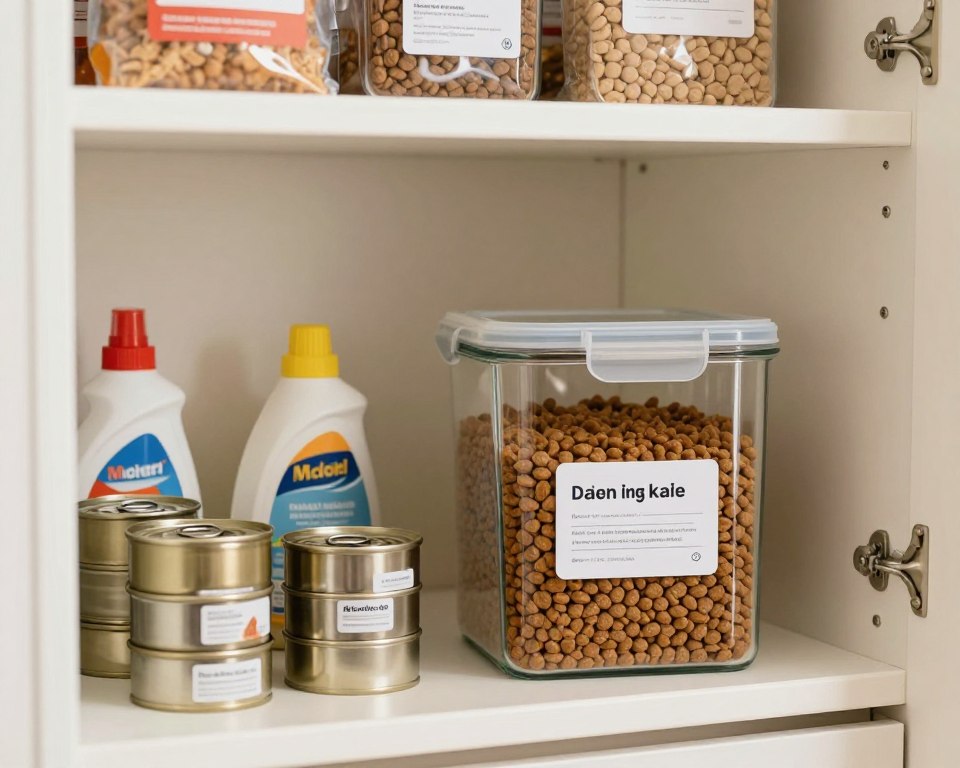
Plastic can also trap oils and food bits, creating a breeding ground for bacteria. This can upset an animal’s stomach. Using non-reactive materials is safer for keeping food fresh.
| Material Type | Chemical Stability | Bacterial Resistance | Durability |
|---|---|---|---|
| Plastic | Low | Low | Moderate |
| Glass | High | High | High |
| Stainless Steel | High | High | Very High |
Image Disclosure and Veterinary Context
Some images in this article might be AI-made for learning. They aim to show vet ideas, not replace real vet checks or diagnoses.
Understanding AI-Generated Educational Imagery
The images are conceptual aids to show possible risks. They’re not real photos of medical issues or product problems. Don’t use them for diagnosing.
Consulting Professionals for Pet Health Concerns
If your pet’s health seems off due to diet or storage, see a vet right away. Professional guidance is crucial for a correct diagnosis and treatment. Always trust vet advice over general info.
Safe Food Storage Options for Households
Choosing the right materials for food storage can greatly reduce chemicals in your home. Opting for inert substances helps avoid unwanted compounds in your food. Switching to safe food storage options is a smart move for a healthier kitchen.
Glass Containers as a Reliable Alternative
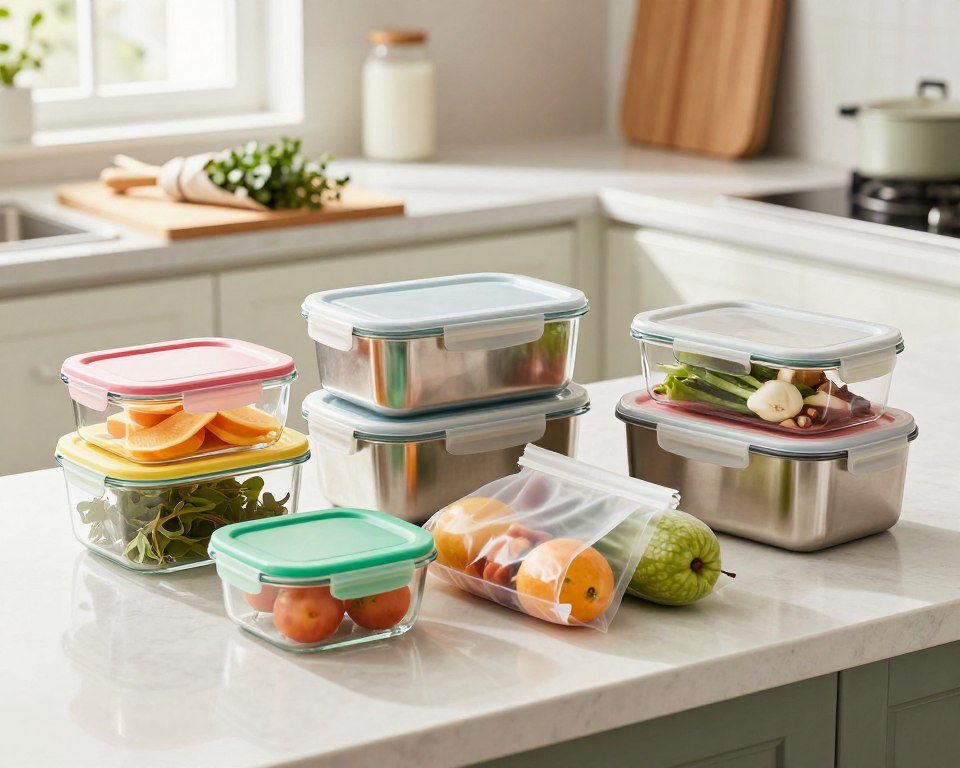
Glass is the top choice for storing food because it’s chemically inert. It doesn’t release toxins, even with hot or acidic foods. Borosilicate glass is great because it can handle extreme temperatures, perfect for the fridge and oven.
- Non-porous surface: Doesn’t absorb odors or stains.
- Transparency: Makes it easy to see what’s inside.
- Sustainability: It’s recyclable and lasts a long time.
Stainless Steel Solutions for Food Preservation
For those who need durability, high-quality stainless steel is a top pick among food packaging materials. It’s light, doesn’t break easily, and doesn’t react with food. It’s great for packing lunches or storing leftovers.
Make sure to choose food-grade stainless steel, like 304 or 18/8. These grades mean the metal won’t corrode and is safe for food. Always check that the lids are BPA-free to keep the container safe.
Silicone and Beeswax Wraps Explained
Flexible options like food-grade silicone are becoming popular for covering bowls or wrapping produce. It’s a synthetic rubber that works well over a wide temperature range. It creates a flexible, reusable seal that keeps food fresh.
Beeswax wraps are another natural choice for reducing plastic use. They’re made from cotton, beeswax, jojoba oil, and tree resin. They’re breathable, helping veggies stay crisp, and can be washed and reused for months.
Sustainable Food Packaging Solutions
The shift towards sustainable food packaging solutions is changing how we keep our food. These materials are better for the planet. But, it’s key to know if they’re safe for our food.
Just because a product is eco-friendly doesn’t mean it’s safe for food. Always check if it’s safe for food contact.
The Rise of Biodegradable and Compostable Plastics
Biodegradable and compostable plastics are becoming popular. They come from things like corn starch and sugarcane. But, making them involves special additives for durability.
Make sure these plastics are safe for food. Some might not break down properly with heat or acidic foods. Always check for third-party certifications to ensure they’re safe.
Challenges in Recycling Conventional Food Packaging
Recycling plastics is tricky. It can lead to chemical contamination in new containers. This happens because food particles and chemicals from old contents stay in the new material.
This problem makes many recycled plastics not safe for food. Knowing this helps us choose better sustainable food packaging solutions for our health and the planet.
Eco-Friendly Packaging Alternatives for Consumers
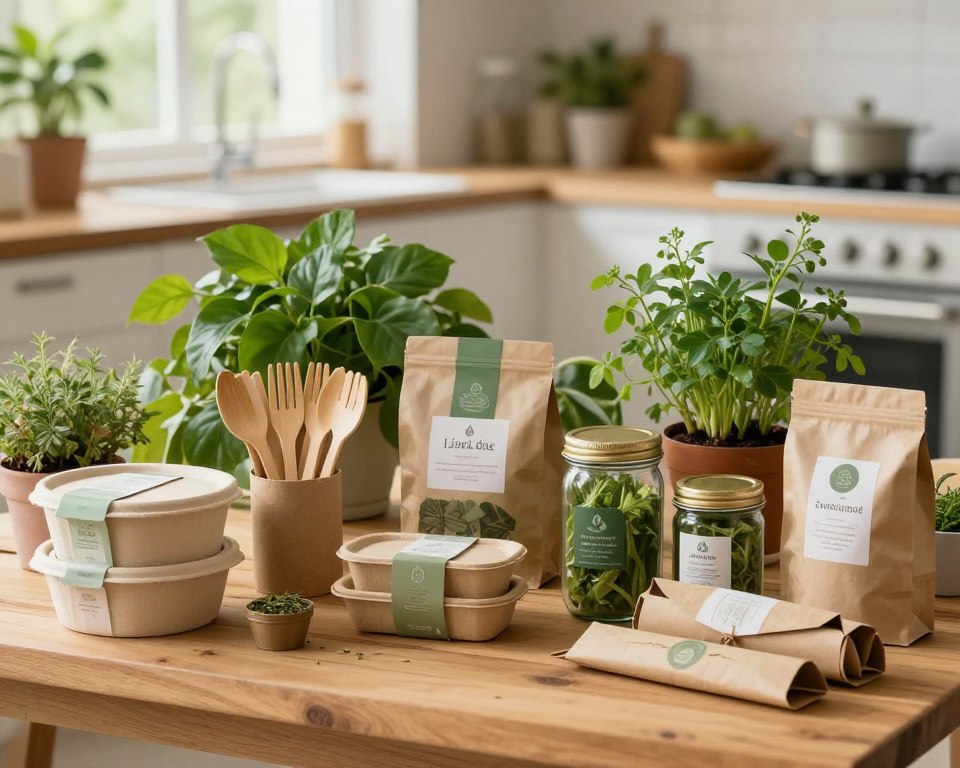
Switching from regular plastics to eco-friendly packaging alternatives is key. Many families now choose sustainable food packaging solutions to cut down on chemicals and waste. Using these alternatives makes your kitchen healthier.
Plant-Based Materials and Their Efficacy
Materials made from corn starch, sugarcane, or cellulose are promising. They break down faster than plastics made from oil. But, how well they work depends on how they’re made and used.
These bioplastics are seen as greener, but they might not keep food as fresh as regular plastics. It’s crucial to make sure they’re safe for food. Performance varies, so always check labels for heat resistance and durability.
“The transition to sustainable materials is not merely an environmental choice; it is a fundamental shift in how we protect our food supply from unnecessary chemical interactions.”
Reducing Reliance on Single-Use Plastics
It’s easy to use less disposable plastics by making small changes every day. While LDPE is a safer alternative to PVC, it’s still risky if not used right. Using reusable items is the best way to avoid these risks.
Here are some simple ways to cut down on plastic:
- Use beeswax wraps or silicone covers instead of plastic cling film.
- Go for glass or stainless steel containers for storing food.
- Never heat food in plastic containers, even if they say they’re safe for the microwave.
- Buy in bulk to reduce the amount of plastic packaging you get.
By making these changes, you can greatly reduce your exposure to harmful chemicals. Choosing durable, non-reactive materials keeps your food safe and sustainable for a long time.
Navigating Plastic Recycling Codes
The small, numbered symbols on plastic containers tell us a lot. They show if the plastic is safe and can be reused. These resin identification codes help us avoid harmful chemicals in our daily lives.
Decoding Resin Identification Codes
These codes range from one to seven, each for a different plastic type. Originally for sorting, they now help us know if plastics are safe. They tell us if plastics are for one-time use or if they can be used again.
Not all plastics are safe for our food. Checking the bottom of containers helps us choose safer ones. This simple step protects us from harmful additives.
Which Plastics Are Safest to Reuse
Choose containers with codes 2, 4, and 5 for safe reuse. These plastics are stable and less likely to leak chemicals. High-Density Polyethylene (HDPE), Low-Density Polyethylene (LDPE), and Polypropylene (PP) are top choices for food storage.
| Resin Code | Material Name | Safety for Reuse | Common Use |
|---|---|---|---|
| 2 | HDPE | High | Milk jugs, storage tubs |
| 4 | LDPE | High | Squeeze bottles, wraps |
| 5 | PP | High | Yogurt cups, food containers |
| 1 | PET | Low | Water bottles |
| 7 | Other | Variable | Mixed plastics |
The Impact of Plastic Waste on Food Safety
It’s important to understand how plastic pollution affects our health. Single-use items may seem convenient, but they can harm our food supply. Plastic waste breaks down into smaller pieces that spread everywhere.
Microplastics in the Food Chain
Microplastics are tiny pieces of plastic found everywhere. They get into our food through water, soil, and even the air. Eventually, they end up on our plates.
Studies show that hot drinks have more microplastics than cold ones. Heat makes plastic containers break down faster. This means more plastic can get into our drinks.
Environmental Contamination and Human Health
Plastic waste stays in our environment, causing ongoing exposure. Eating these plastics can harm our health. Scientists are studying how plastics affect our bodies and if they carry harmful chemicals.
Using less plastic is key to protecting our health and the environment. Choosing durable, safe materials for food can reduce our exposure to plastics. Here’s how different factors affect plastic degradation and contamination.
| Environmental Factor | Impact on Plastic | Contamination Risk |
|---|---|---|
| High Heat Exposure | Accelerated Polymer Breakdown | High |
| UV Light/Sunlight | Surface Brittleness | Moderate |
| Mechanical Abrasion | Micro-fragmentation | High |
| Chemical Interaction | Leaching of Additives | Moderate |
Best Practices for Minimizing Plastic Exposure
Making small changes in your kitchen can greatly reduce plastic use. By choosing the right kitchen tools, you can lower your plastic packaging safety risks. These habits help prevent harmful chemicals from getting into your food.
Shopping Habits to Reduce Plastic Contact
When you shop, choose items not wrapped in thin, single-use films. Avoid letting plastic wrap touch high-fat foods like cheese or meat. These foods can make additives leach into your food faster.
Use butcher paper or reusable containers for deli items. Buying fresh produce without plastic packaging is also a good move. These changes help you use safer materials for food storage.
Proper Cleaning and Maintenance of Reusable Containers
Even durable containers need regular checks to stay safe. I tell patients to look for wear like cloudiness or deep scratches. These signs mean the plastic might not be good for food anymore.
For cleaning, use a soft sponge and mild dish soap. Avoid harsh scrubbers that can damage the plastic. Switch to safe food storage options like glass or stainless steel if your plastic is badly worn.
Keeping an eye on your kitchenware’s condition is key to good hygiene. Regular care is crucial for using safe food storage options in your home. This way, your storage solutions stay effective and reliable.
Expert Advice on Food Safety Protocols
Many patients wonder about the safety of plastic containers. They worry about chemical exposure. In my practice, I see that people often ignore the dangers of chemical migration.
While rules are in place, individual health optimization needs more effort. We must take action to protect ourselves.
Recommendations from Toxicologists and Nutritionists
Toxicologists and nutritionists say to limit contact with synthetic materials. They worry about long-term exposure to chemicals. This is why fighting plastic packaging toxicity is key to health today.
Experts recommend using materials that don’t react with chemicals. When asking, “Is plastic food packaging safe?” the answer depends on the plastic type and use. It’s best to think all plastics can leak chemicals, more so when heated or with acidic foods.
Balancing Convenience with Health Priorities
Modern life is busy, but health is important. You don’t have to get rid of all plastics at once. Start by replacing items you use a lot for hot food or storing things for a long time.
Switching to glass, stainless steel, or silicone can cut down on plastic packaging toxicity. This change makes your kitchen safer and healthier. Asking Is plastic food packaging safe is the first step to better health choices for your family.
Future Trends in Food Packaging Technology
As people become more aware of the environment, the food packaging industry is changing. It’s moving towards smarter, greener ways to keep food fresh. These sustainable food packaging solutions are a big change from the old, single-use plastics.
Innovations in Active and Intelligent Packaging
Active packaging systems work with the food to keep it fresh. They can absorb oxygen, release agents to fight bacteria, or control moisture. This helps food stay good longer without using harmful chemicals.
Intelligent packaging goes even further. It uses sensors to check if food is still safe to eat. These sensors can spot changes in pH or temperature. Learn more about these advances in food tech to see how they help keep food safe.
Moving Toward a Circular Packaging Economy
The move to a circular economy aims to cut down on waste. Companies are now making eco-friendly packaging alternatives that can be fully composted or recycled endlessly. This helps reduce waste and stops microplastics from harming our environment.
Using these innovative materials means changing how we think about waste and reuse. The goal is to create a system that’s good for both people and the planet. Below is a table showing the differences between old and new packaging.
| Feature | Traditional Plastic | Future Packaging |
|---|---|---|
| Functionality | Passive containment | Active monitoring |
| Environmental Impact | High waste/persistence | Biodegradable/Circular |
| Safety Profile | Potential leaching | Inert or bio-based |
| Consumer Benefit | Low cost | Enhanced freshness |
Conclusion
Understanding plastic packaging safety is key. Even though many plastics are allowed, they can still leak chemicals. This makes it wise to use less plastic for our health.
Choosing safer materials for your kitchen is easy. Switching to glass and stainless steel is a smart move. These options are safe and last a long time, making meal prep worry-free.
Choosing eco-friendly packaging is good for your health too. Brands like Stasher and Bee’s Wrap show you can be green without sacrificing convenience. Making small changes in how you store food can make a big difference.
Being careful about what you buy helps keep your family safe. Stay informed about plastics and choose safe containers. Begin checking your kitchen now to find safer alternatives.
FAQ
## Understanding the Composition of Modern Food Packaging
### Common Polymers Used in the Food Industry
Food-grade plastics are mainly made of polymers like Polyethylene Terephthalate (PET) and High-Density Polyethylene (HDPE). These are designed for durability and moisture resistance but are not chemically static.
### The Role of Additives and Plasticizers
Manufacturers add substances like phthalates and bisphenols for flexibility or clarity. These additives are not always bound to the polymer, meaning they can leach into food.
## Is Plastic Food Packaging Safe for Daily Use
### Regulatory Frameworks and FDA Oversight
The FDA sets migration limits for food contact materials. These standards often focus on immediate safety rather than long-term effects.
### International Standards for Food Contact Materials
Global entities like the European Food Safety Authority (EFSA) use the precautionary principle. This leads to stricter limits on substances like BPA compared to North America.
## Chemical Migration and Potential Health Risks
### Understanding Endocrine Disruptors in Plastics
The main health risks come from endocrine-disrupting chemicals (EDCs). These substances can mimic natural hormones, potentially affecting metabolic and reproductive health.
### The Impact of Bisphenol A (BPA) and Alternatives
Many brands offer “BPA-free” options, but these may use Bisphenol S (BPS) or Bisphenol F (BPF), which could pose similar risks.
### Phthalates and Their Presence in Food Wraps
Phthalates are used in flexible PVC wraps. They can migrate into fatty foods, contributing to chemical burden in the diet.
## The Influence of Heat and Microwave Usage
### How Temperature Affects Chemical Leaching
Heat increases chemical transfer. Even “microwave-safe” plastics can release more additives when heated.
### Guidelines for Safe Microwave Heating
Transfer food to Pyrex glass or ceramic containers before heating. This reduces the risk of leached plasticizers.
### Identifying Microwave-Safe Symbols
A “microwave-safe” symbol means the plastic won’t melt or warp. It doesn’t guarantee no chemical migration during heating.
## Plastic Packaging Toxicity and Long-Term Exposure
### Bioaccumulation and Human Health Concerns
Chronic exposure to low-level contaminants can lead to bioaccumulation. This is a concern for long-term disease prevention.
### Chronic Exposure Risks in Modern Diets
Most people are constantly exposed to food packaging materials. It’s hard to isolate the effects of a single source.
## Special Considerations for Pet Food Storage
### Risks of Plastic Containers for Animal Nutrition
Pet owners should be cautious. Dogs and cats are more vulnerable to endocrine disruptors in low-quality plastic storage bins.
### Image Disclosure and Veterinary Context
Note: Some images in this guide may be AI-generated to illustrate veterinary concepts; they are for educational purposes and do not replace a professional diagnosis from a veterinarian.
## Safe Food Storage Options for Households
### Glass Containers as a Reliable Alternative
I recommend glass storage solutions, like those from Anchor Hocking. Glass is non-porous and chemically inert, ensuring no toxin migration into your food.
### Stainless Steel Solutions for Food Preservation Stainless steel is an excellent, durable option for dry goods and lunches. Brands like Kleat Kanteen provide reliable, toxin-free alternatives to traditional plastic.
### Silicone and Beeswax Wraps Explained Silicone (such as Stasher bags) and beeswax wraps offer flexible, eco-friendly packaging alternatives that eliminate the need for single-use plastic films.
## Sustainable Food Packaging Solutions
### The Rise of Biodegradable and Compostable Plastics Sustainable food packaging solutions like PLA (polylactic acid) are becoming common. It’s vital to distinguish between “eco-friendly” materials and their safety for direct, high-heat food contact.
### Challenges in Recycling Conventional Food Packaging
Most thin-film plastics and multi-layered pouches are difficult to recycle. This leads to increased environmental waste and eventual breakdown into microplastics.
## Eco-Friendly Packaging Alternatives for Consumers
### Plant-Based Materials and Their Efficacy
Materials derived from mushroom mycelium or seaweed are emerging as viable options. While promising, their ability to maintain food freshness over long periods is still being optimized.
### Reducing Reliance on Single-Use Plastics
Choosing bulk items and using your own reusable containers is the most effective way to reduce plastic waste and chemical exposure.
## Navigating Plastic Recycling Codes
### Decoding Resin Identification Codes
Understanding the numbers inside the recycling triangle is essential. Generally, codes 2, 4, and 5 are considered safer for food, while 3, 6, and 7 often pose higher leaching risks.
### Which Plastics Are Safest to Reuse
Avoid reusing single-use water bottles (Code 1), as they are prone to bacterial growth and chemical breakdown over time.
## The Impact of Plastic Waste on Food Safety
### Microplastics in the Food Chain
Microplastics have been detected in everything from table salt to seafood. This environmental contamination creates a feedback loop where plastic waste eventually returns to our dinner plates.
### Environmental Contamination and Human Health
The degradation of plastic in our oceans and soil doesn’t just affect wildlife; it introduces synthetic polymers into the foundational levels of our food supply.
## Best Practices for Minimizing Plastic Exposure
### Shopping Habits to Reduce Plastic Contact
Prioritize fresh produce over pre-packaged “convenience” salads. Choosing whole foods naturally limits your interaction with potentially harmful packaging.
### Proper Cleaning and Maintenance of Reusable Containers
Inspect your reusable plastics regularly. If a container appears cloudy, scratched, or cracked, it is a sign that the polymer is degrading and should be replaced with a safe food storage option.
## Expert Advice on Food Safety Protocols
### Recommendations from Toxicologists and Nutritionists
The consensus among experts is to reduce “food-to-plastic” contact time. The longer food sits in plastic, the higher the migration rate.
### Balancing Convenience with Health Priorities
While total avoidance is difficult in a modern society, making intentional swaps—like using a stainless steel water bottle—can significantly lower your daily chemical intake.
## Future Trends in Food Packaging Technology
### Innovations in Active and Intelligent Packaging
Future packaging may include “active” elements that absorb oxygen to preserve food without chemical additives or “intelligent” labels that signal when food has actually spoiled.
### Moving Toward a Circular Packaging Economy
The industry is slowly shifting toward a circular model where packaging is designed for reuse and safety from the start, rather than as an afterthought.
Is Plastic Food Packaging Safe for long-term storage?
While many plastics meet current FDA standards, long-term storage—of fatty or acidic foods—can increase chemical migration risk. For extended preservation, glass or stainless steel are generally considered safer.
What are the primary health risks of plastic packaging?
The main concerns involve plastic packaging toxicity from endocrine disruptors like bisphenols and phthalates. These chemicals can leach into food and may interfere with hormonal systems, potentially leading to metabolic or reproductive health issues.
Are sustainable food packaging solutions always safer for my health?
Not necessarily. While sustainable food packaging solutions like compostable bioplastics are better for the environment, they may still contain additives to improve shelf-life or texture. It is important to verify that any eco-friendly material is certified for food safety.
Why should I avoid heating food in plastic containers?
High temperatures accelerate chemical leaching. Even if a container is labeled “microwave-safe,” heat increases the rate at which food packaging materials transfer additives into your meal. Using glass or ceramic for heating is a key step in ensuring plastic packaging safety.
Which plastic recycling codes should I avoid for food use?
To minimize health risks, avoid resin identification codes 3 (PVC), 6 (Polystyrene), and 7 (Other/BPA). Codes 2, 4, and 5 are typically considered more stable for food contact.
How do microplastics enter our food supply?
Microplastics enter the food chain through environmental contamination of water and soil. The wear and tear of plastic food containers can also release microscopic particles directly into the food they hold, contributing to cumulative ingestion over time.
What are the best eco-friendly packaging alternatives to single-use bags?
Eco-friendly packaging alternatives include silicone bags from brands like Stasher, beeswax wraps, and organic cotton bags. These options reduce reliance on single-use plastics and lower overall chemical exposure.