Every year, we make over 500 million metric tons of synthetic polymers. This huge amount means single-use plastics are everywhere in our lives. But, many people wonder if these plastics are safe for our food.
It’s important to know if your kitchen items are safe. Studies show that some plastics can leak chemicals into our food. This can happen when they get hot or sit for a long time.
For example, knowing if polypropylene is safe can help you make better choices. Learning about these plastics can help you make healthier choices at home.
Key Takeaways
- Global plastic output now exceeds 500 million metric tons every year.
- Chemical migration often increases when containers are exposed to high heat or acidic contents.
- Not all polymers carry the same risk profile; some are significantly more stable than others.
- Microplastics and additive leaching remain primary areas of ongoing scientific investigation.
- Transitioning to glass or high-quality alternatives can effectively reduce your daily chemical exposure.
Understanding the Composition of Single-Use Plastics
To grasp the safety of plastic containers, we need to look at the molecular makeup of synthetic polymers. These materials are made from long chains called polymers. These chains are formed by linking smaller units called monomers.
The way these chains are arranged affects the product’s physical traits. Engineers tweak these structures to make materials that are light, strong, and cheap to make in large quantities.
Common Polymers Used in Food Packaging
The industry uses different synthetic resins for food packaging. Each polymer has its own chemical makeup. This affects how it holds up when in contact with food.
Some polymers are made to be stiff and clear, while others are flexible. These differences help meet the varied needs of today’s products.
The Role of Additives and Plasticizers
Pure polymers are often too hard or hard to work with for use. To fix this, manufacturers add additives and plasticizers. These change the material’s properties.
These substances improve flexibility, heat resistance, and color stability. But, they also make some plastic containers more likely to release chemicals.
Knowing about these parts is key to judging the safety of food packaging. If these additives aren’t well attached, they can leak into food under certain conditions.
Is Disposable Plastic Safe for Food
Many people ask if disposable plastic is safe for food. The answer depends on how these materials are tested and approved. While many products are deemed safe, safety is a relative term. It depends on specific usage conditions.
Understanding this requires a closer look at the regulatory framework in the United States. This framework governs food-contact materials.
Regulatory Standards in the United States
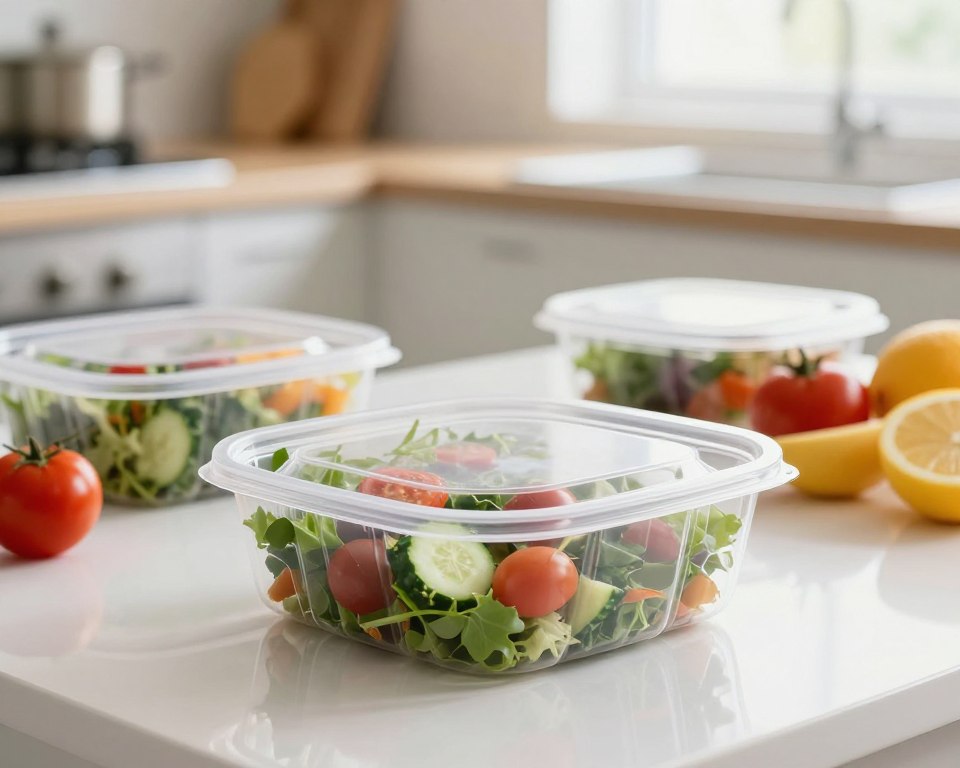
The Food and Drug Administration (FDA) oversees materials that come into contact with food. Their main goal is to ensure that chemicals from packaging into food are safe for humans. But, the FDA does not test every product itself.
Instead, manufacturers are responsible. They must verify that their products meet strict food safety standards before hitting the market. This includes several key requirements for producers:
- Conducting rigorous migration testing to measure chemical leaching.
- Submitting comprehensive data to the FDA for review.
- Ensuring compliance with the Federal Food, Drug, and Cosmetic Act.
- Maintaining documentation that proves the material is safe for its intended use.
FDA Approval Processes for Food-Contact Materials
The FDA approval process checks for chemical migration. When a new plastic material is developed, it must go through a Food Contact Notification (FCN) process. This ensures the substance is safe for its intended use, like storing hot or cold food.
It’s key to remember that even approved plastics may release trace amounts of substances. So, to keep food safety in check, consumers should follow manufacturer guidelines. This includes temperature and storage duration. By doing so, the risk of chemical migration is greatly reduced.
Chemical Leaching and Potential Health Risks
Recent studies found 906 chemicals in plastic packaging, with 148 posing health risks to humans. These chemicals can move from the plastic into food or drinks. It’s important for people to know about this to stay safe.
Understanding Bisphenol A (BPA) and Alternatives
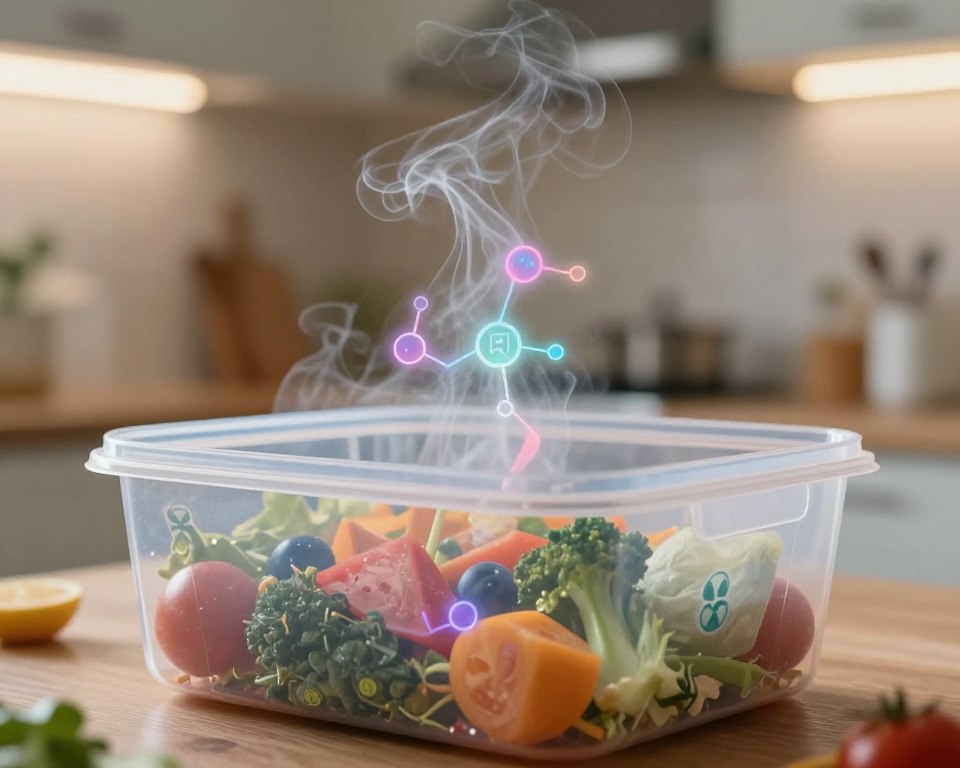
Bisphenol A, or BPA, is a chemical used to harden plastics. It can leach into food or drinks when heated or stressed. Many look for BPA-free options to avoid this.
Switching to new materials is a big step. For example, some wonder if Tritan plastic is safe as a BPA replacement. These new plastics are tested to see if they leach chemicals too.
Phthalates and Their Impact on Human Health
Phthalates make plastics flexible and durable. Unlike BPA, they’re often in soft plastics. These chemicals can leach into fatty foods because they don’t bind well to plastic.
Endocrine Disruption Concerns
Phthalates and BPA can act like hormones in the body. This can mess with metabolism and reproduction. Endocrine disruption is a big worry because even small amounts can affect people.
Long-term Exposure Studies
Research on long-term effects is still going on. It’s hard to study plastics alone because of other environmental factors. But, studies suggest that long-term, low-dose exposure can be harmful. Scientists keep studying to give better safety advice.
| Chemical Type | Primary Use | Potential Risk |
|---|---|---|
| Bisphenol A (BPA) | Rigid Containers | Hormone Mimicry |
| Phthalates | Flexible Films | Endocrine Disruption |
| Antimony | PET Bottles | Heavy Metal Toxicity |
| Styrene | Foam Packaging | Potential Carcinogen |
The Impact of Heat on Plastic Stability
Heat changes plastic food containers in a big way. When heated, the plastic’s molecules start moving and growing. This makes holes in the plastic, letting more chemical migration into your food.
Microwaving Disposable Containers
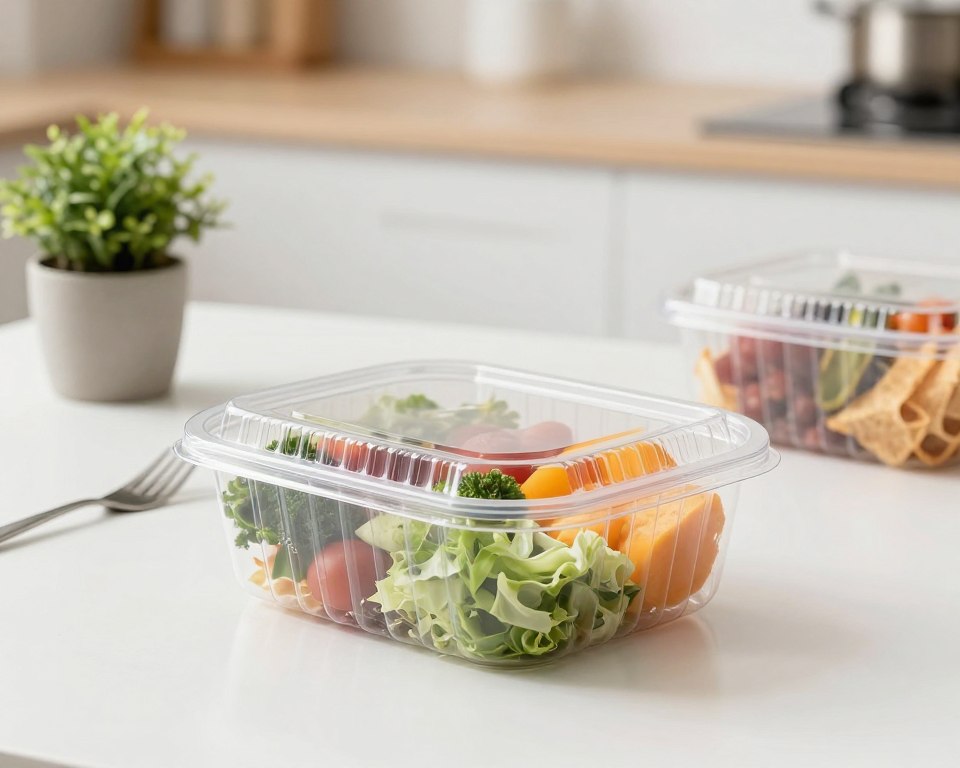
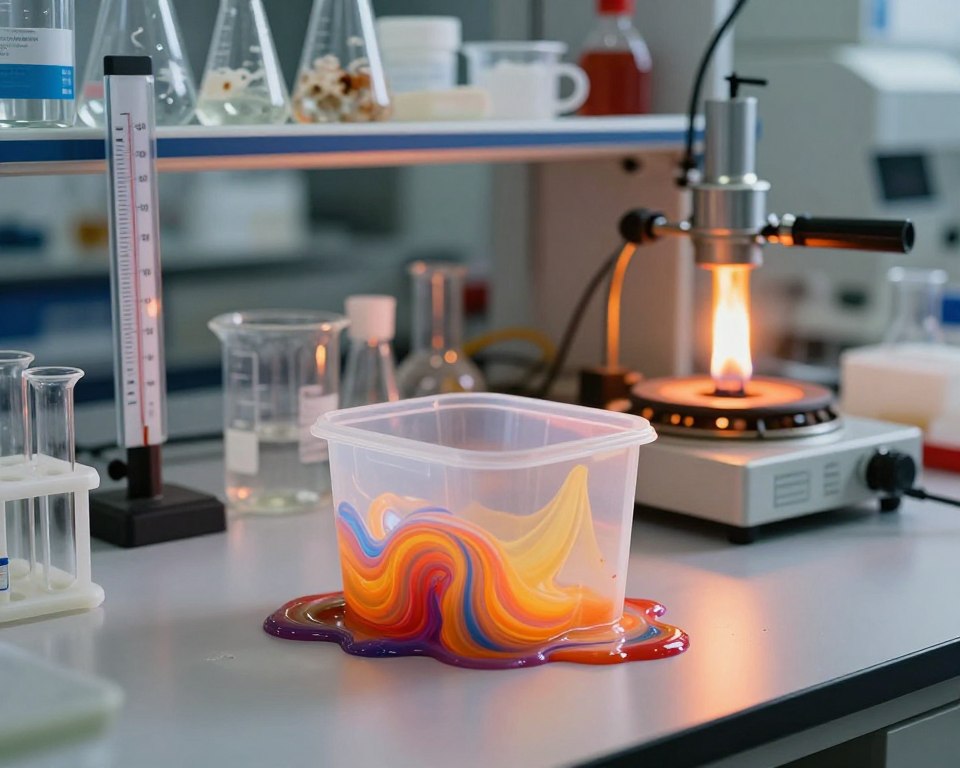
Many single-use containers can’t handle a microwave’s power. Heating food in them can make the plastic soft or bend. This can release harmful chemicals into your food.
Always check if a container is microwave-safe before using it. Using the wrong plastic can expose you to harmful substances. It’s better to heat food in glass or ceramic dishes.
Hot Liquids and Chemical Migration
Chemical leaching isn’t just a microwave problem. Pouring hot liquids into thin plastic can cause it to weaken. This makes it easier for chemicals to get into your drink.
To stay safe, let hot liquids cool a bit before putting them in plastic. Choose heat-stable materials like tempered glass or stainless steel for hot foods. This way, you lower the chance of chemical contamination in your food.
Identifying Safe Plastic Types for Food Storage
Understanding food packaging symbols is key. These symbols tell us about the plastic’s safety and plastic toxicity. Knowing how to read them helps us pick the right containers for storing food.
Decoding Resin Identification Codes
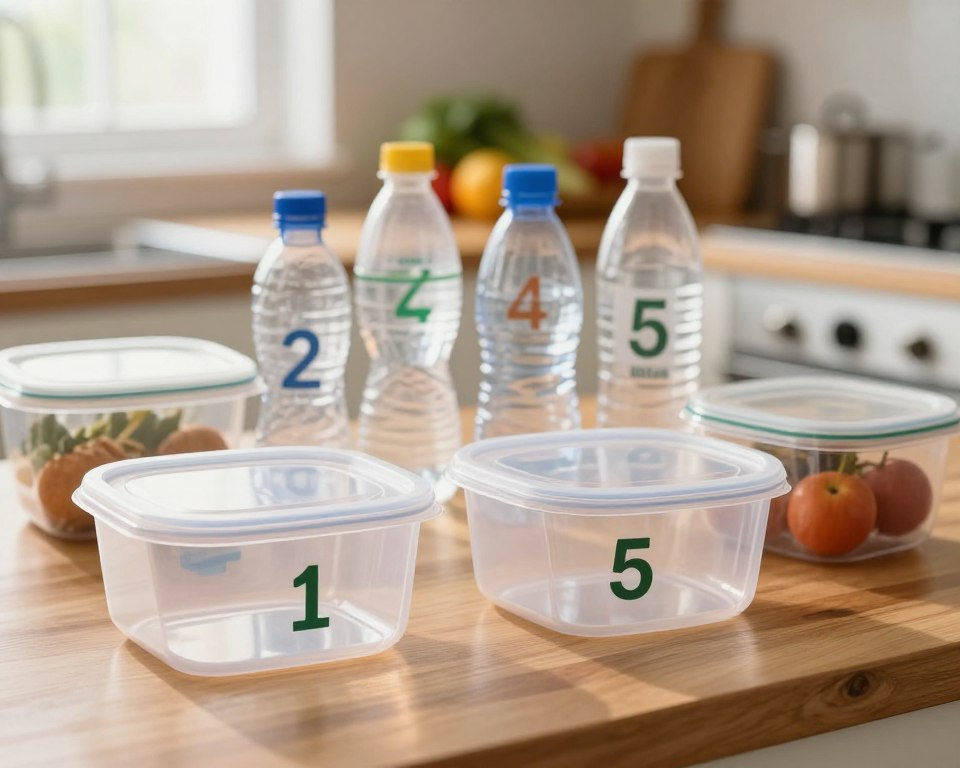
The Resin Identification Code system uses numbers 1 to 7 in a triangle. It shows the plastic type. These codes help sort recyclables and guide us on chemical safety.
Even with a code, not all plastics are safe. But, some are safer than others. Choosing containers marked with codes 2, 4, and 5 can help avoid harmful chemicals.
Differentiating Between PET, HDPE, and LDPE
PET or PETE, marked as 1, is often in single-use water bottles. It’s meant for one use and can break down if reused or heated too much. This can lead to plastic toxicity issues.
HDPE, marked as 2, is safe for food contact. It’s strong, resistant to chemicals, and doesn’t easily release additives into food. LDPE, marked as 4, is also good for food storage bags and wraps because it’s flexible and stable.
Polypropylene (PP), marked as 5, is great for leftovers. It can handle high heat and is strong. Using these plastics helps keep your food safe from harmful chemicals.
Single-Use Plastics and Environmental Toxicity
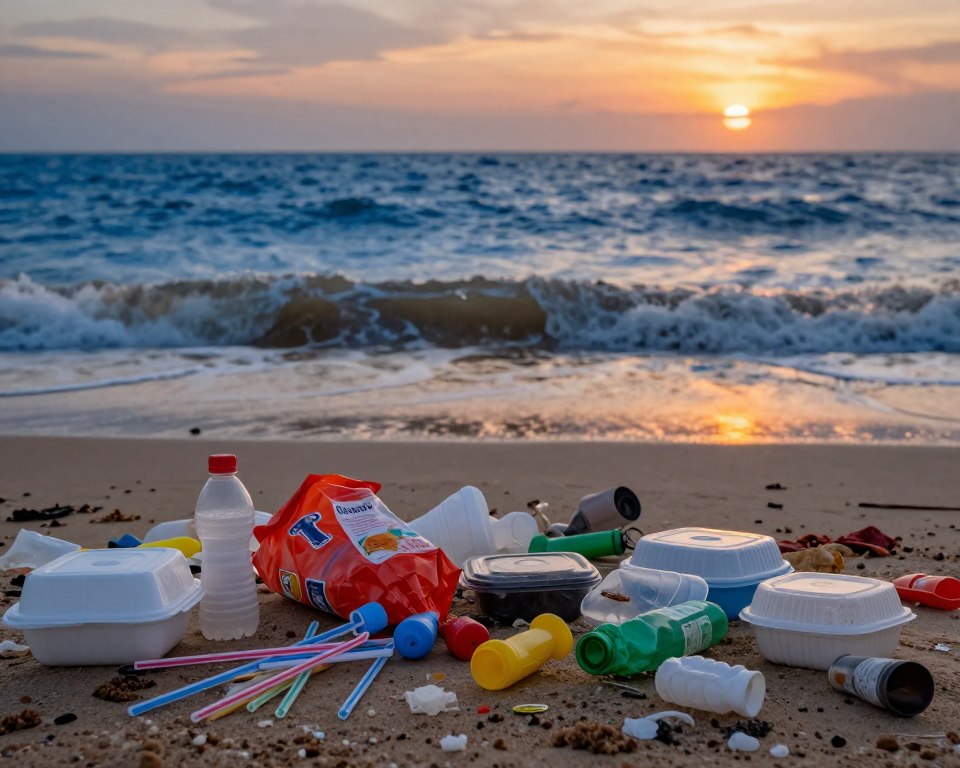
Disposable plastics harm our environment in many ways, not just by littering our oceans. Many people look for BPA-free products, but the real issue is how plastics break down. It’s important to understand how single-use plastics affect our health.
Microplastics in the Food Chain
Plastic waste turns into tiny pieces called microplastics. These are found in our water, soil, and food. Studies have found microplastics in human arteries, showing they can get into our bodies.
This finding highlights the dangers of plastic use. When microplastics enter the food chain, they don’t just leave our bodies. They can affect our cells in ways scientists are still learning. Finding microplastics in human tissue is a wake-up call about plastic waste.
Degradation Processes and Chemical Release
Plastic containers break down due to wear, sun, and heat. When they fail, they release chemicals into the air or food. Even safe food packaging can degrade over time.
Chemicals from plastics can leak out slowly. This can make stored items unsafe. Even BPA-free products can release harmful substances. Knowing these risks helps us reduce our exposure to plastics.
Best Practices for Storing Food in Plastic
Keeping food safe means using plastic containers wisely in your kitchen. Handling them right stops chemicals from getting into your food. Simple storage rules can keep your containers safe and healthy for you.
Temperature Control and Storage Duration
Heat makes chemicals leak from plastics. Let food cool down before putting it in plastic containers. Hot food can damage the containers.
Also, think about how long you store leftovers. These plastics are good for quick use, not long-term storage. Eating leftovers within a few days keeps food safe and avoids chemical problems.
Signs of Plastic Degradation and Wear
Even the best plastics wear out. Check your containers often for signs of damage. Cloudiness, deep scratches, or lasting color changes mean the plastic is failing.
If you see cracks or warping, throw it away. These issues can lead to bacteria and chemical leaks. Replacing old containers is a smart way to keep your home safe.
Alternatives to Disposable Plastic Containers
Switching to non-plastic storage is a smart move for your health. Many families are choosing safer options for storing food. These alternatives keep your leftovers and meals fresh without any chemical worries.
Glass and Stainless Steel Options
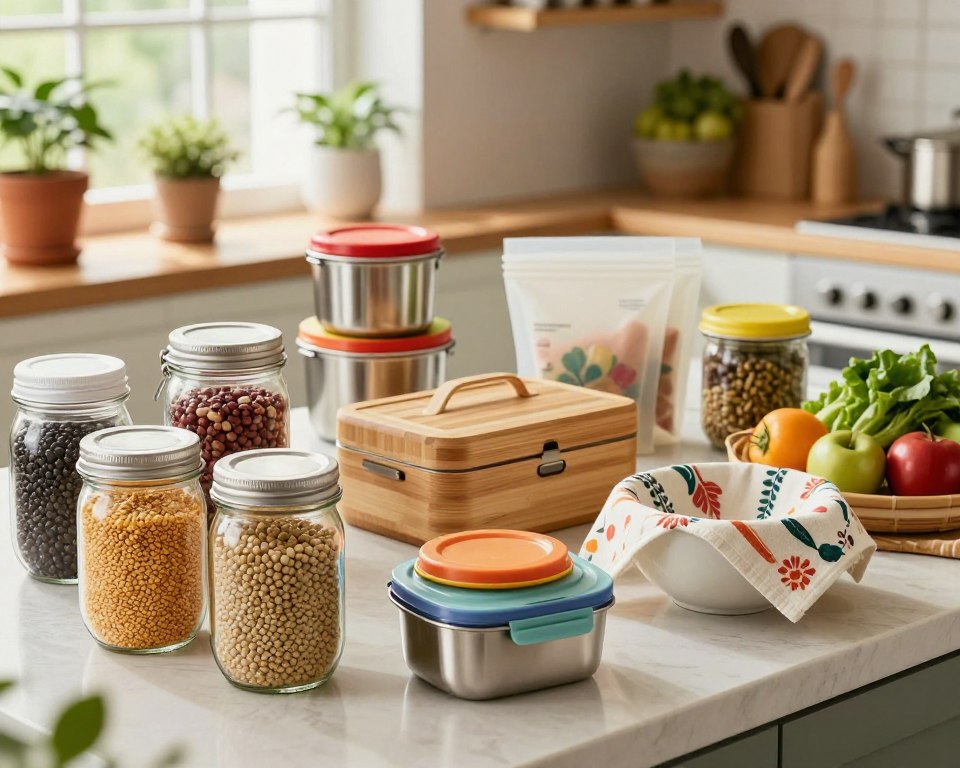
Glass and stainless steel are top picks for storing food. They are chemically inert, meaning they don’t leach harmful chemicals into your food. This is great for keeping your food’s taste and quality intact.
Glass containers are clear, making it easy to see what’s inside without opening them. Stainless steel is exceptionally durable and light, perfect for carrying meals. Both are easy to clean and last for years without losing quality.
Silicone and Beeswax Wraps
Looking for flexible alternatives to plastic wraps? Food-grade silicone and beeswax wraps are great options. Silicone is a synthetic rubber that stays stable in different temperatures. It’s highly resistant to heat and cold, making it versatile for sealing containers.
Beeswax wraps are a natural choice for covering food or wrapping sandwiches. Made from cotton, beeswax, resin, and jojoba oil, they are breathable and reusable. They help keep food fresh and reduce kitchen waste. Using these materials can make your kitchen more sustainable and safe.
The Role of Recycling and Sustainability
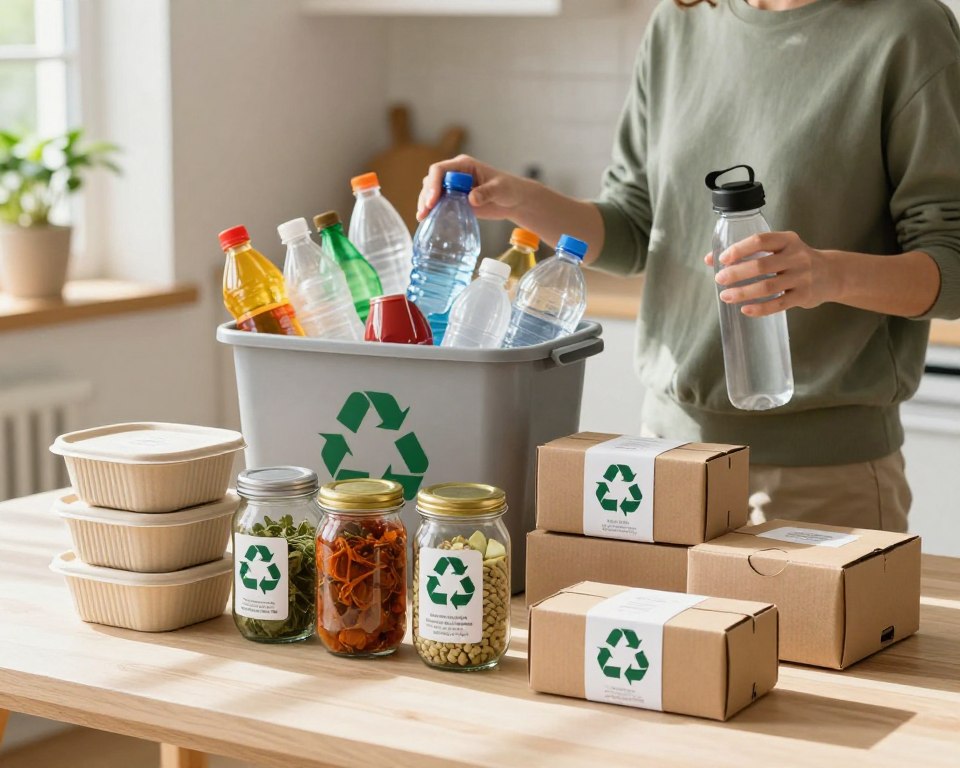
Recycling is key for the environment, but it doesn’t always mean materials are safe for food. Many people choose recycling options to cut down on waste. Yet, the chemical makeup of recycled materials is a big concern. It’s important to know the difference between general environmental care and the safety needs for food packaging.
Limitations of Current Recycling Infrastructure
Today’s recycling methods often can’t remove all contaminants from plastic. Plastic waste is often mixed with non-food items, which can harm the final product. Many experts say glass food storage is safer for keeping food fresh over time.
The setup for recycling plastic isn’t made to remove all chemicals or residues. So, recycled plastic is not good for high-heat or long-term food storage. It’s important for people to know this when picking containers for food.
Compostable Plastics and Their Efficacy
Compostable plastics are seen as a better choice than regular plastics, but they’re not perfect. They’re made to break down in special industrial settings, not in home compost bins. If they end up in landfills, they might not break down as expected, possibly releasing harmful chemicals.
- Industrial Requirements: Most compostable plastics need high-heat facilities to decompose right.
- Material Purity: They might still have additives that could be bad for health over time.
- Labeling Confusion: It’s hard for people to tell which products are truly compostable versus those that are just “bio-based.”
Innovation in food packaging is ongoing, but current recycling options are not perfect for food safety. The best approach is to choose materials that are naturally safe and won’t react with food.
Image Disclosure and Educational Context
We want to be open about the images in this guide. We use different types of media to explain complex topics about safety and chemicals.
Some pictures in this article are AI-generated for learning. They help explain ideas, not show real lab results or medical findings.
Purpose of AI-Generated Visuals
We use these digital pictures to make hard science easy to see. We think visual learning helps people understand plastic breakdown and chemical movement better.
It’s key to say these images are for teaching only. They don’t show real test results or medical data. We pick these images to match the facts in our text.
Limitations of Digital Illustrations in Scientific Contexts
Even though these pictures help, they have limits. They can’t show the tiny details of chemical leaks or the complex actions of molecules in food-contact materials.
So, these pictures should never replace expert advice or a detailed check by a pro. We aim to keep our materials honest, safe, and focused on your well-being. Always go for solid scientific proof and expert advice when it comes to your health and food storage.
Consumer Advocacy and Policy Changes
Consumers are now active in the debate over disposable plastics’ safety. As more people learn about the plastic chemicals in their food, they demand stricter rules. This change is pushing manufacturers and lawmakers to focus on making food-contact materials safer and more transparent.
Current Legislative Trends in the United States
In the United States, lawmakers are looking at the health effects of chemicals in plastics. They are moving towards clearer labeling of food packaging additives. This is a big step towards transparency.
They are also reviewing the safety levels of substances in plastics. By pushing for more tests, they aim to cut down on harmful chemicals. Proactive policy changes are key to keeping our food safe.
How Consumers Can Influence Packaging Standards
Choosing products with safer packaging can change the industry. When we pick products with better packaging, we tell companies to focus on health. Supporting brands that are open about their materials encourages others to do the same.
Consumers can also push for better recycling by learning about local recycling options. Knowing what recycling systems can handle helps us ask for better waste management. Informed participation in lawmaking is crucial for better packaging standards.
Together, public pressure and laws can make our environment safer. By staying informed and supporting clear companies, we help move towards safer food storage. This is a step towards a more sustainable future.
Expert Perspectives on Plastic Safety
Understanding plastic safety is complex. It involves looking at individual studies and the bigger picture of public health. Modern plastics are made to release fewer chemicals, but scientists still study the health risks of long-term exposure. Experts say that while single-use plastics are mostly safe, the effects of repeated use are what they focus on.
Toxicology Research Findings
Recent studies show how certain chemicals affect our bodies. For example, Bisphenol A (BPA) is not directly linked to cancer in humans, but it’s still being closely studied. Scientists look at both immediate and long-term health risks from plastic chemicals in our food.
Many experts suggest being cautious with these findings. They say not being harmed right away doesn’t mean it’s safe forever. By studying cumulative exposure, scientists try to understand how additives affect us over time.
Public Health Recommendations
Health experts advise against heating food in plastic containers. High temperatures can make chemicals move into food. It’s also important to check if kitchen items, like black plastic utensils, are safe. Taking a careful, science-backed approach can help reduce health risks in our daily lives.
| Plastic Type | Common Use | Safety Profile |
|---|---|---|
| PET (Code 1) | Water Bottles | Generally stable for single use |
| HDPE (Code 2) | Milk Jugs | Low risk of chemical leaching |
| LDPE (Code 4) | Food Wraps | Considered safe for cold storage |
| PS (Code 6) | Disposable Cups | Avoid heating; potential migration |
Conclusion
Today, we need to find a balance between easy storage and keeping our food safe. Plastic containers are useful, but they can react with food under certain conditions.
Choosing materials like glass or top-notch stainless steel is a smart move. These options are safer because they don’t let chemicals into your food. They also don’t break down over time, unlike some plastics.
By choosing what we buy every day, we can influence the market. Supporting brands that are open and safe helps make better products for everyone.
Knowing about plastic codes helps us make better choices when we must use plastic. Keeping containers cool and swapping out old ones keeps your food safe.
Staying informed about new research keeps your kitchen safe. Making a few changes in how you store food can greatly improve your family’s health over time.
FAQ
Is disposable plastic safe for food storage in all conditions?
Not always. The FDA says some single-use plastics are okay for food. But, their safety depends on how you use them. High heat or acidic foods can make chemicals from the plastic get into your food.
What are the primary health risks associated with chemical leaching?
Chemical leaching can be harmful. It can lead to health problems like developmental and reproductive issues. It’s best to avoid these chemicals to stay safe.
Does a “BPA-free” label mean the plastic is completely safe?
No, a BPA-free label just means it doesn’t have Bisphenol A. But, it might have other chemicals that could be harmful. For the safest option, choose materials that are naturally safe.
Which plastic containers are best for heating food?
Use only containers labeled as “microwave safe.” But, for extra safety, move food to glass or ceramic before heating. Heat can make plastic chemicals leach into your food more easily.
How can I identify which plastic containers are safer to use?
Look for the resin identification codes on the bottom. Codes 2, 4, and 5 are safer. Avoid codes 3, 6, and 7 for food.
Are microplastics a genuine concern for food safety?
Yes. Studies show that plastic containers can break down and release microplastics. These tiny particles have been found in human tissues. They are a growing concern for our health.
What are the best recycling options for food-grade plastics?
Many plastics are recyclable, but it’s not always easy. Clean your containers well and follow local recycling rules. This helps recycling work better.
What are the most effective alternatives to single-use plastics?
Switch to materials that don’t leach chemicals. Pyrex, Klean Kanteen, and Stasher offer safe, durable options. They are better than disposable plastics.
How do I know when a plastic container should be discarded?
Toss any plastic that’s worn out. Look for scratches, clouding, or a sticky feel. These signs mean the plastic is breaking down and could leach chemicals into your food.
Can consumer advocacy really change food packaging standards?
Yes. People demanding safer packaging has led to big changes. Groups like the Environmental Working Group and Consumer Reports push for better standards. Their efforts make a difference.