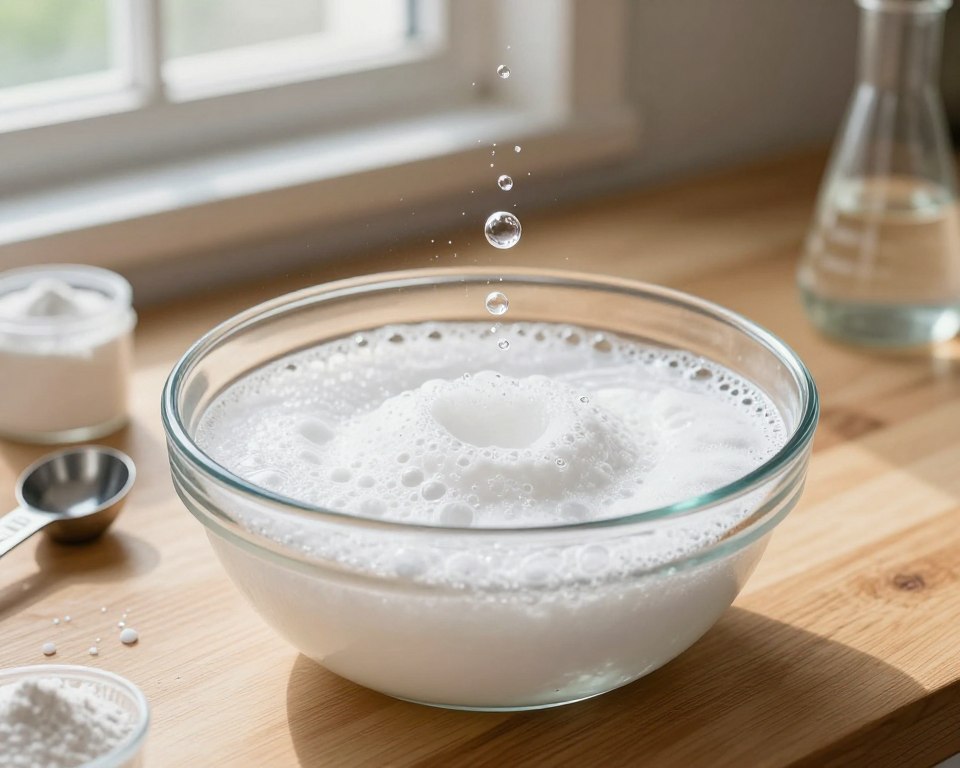
Did you know almost 90% of homes use a fizzy reaction for cleaning? But they often waste their supplies. Mixing these two pantry staples is thought to make a super-cleaner. But, you’re mostly making a harmless salt solution and losing the special benefits of each.
Knowing the chemistry behind this reaction can help you clean better. When you mix an acid with a base, the bubbles are just carbon dioxide gas. After the fizz stops, you’re left with water and sodium acetate. This mix doesn’t have the cleaning power of the original powder or the vinegar’s acidity.
Mastering your cleaning routine means knowing when to use these agents alone. By the end of this guide, you’ll learn how to use them for a sparkling home. Let’s dive into the science behind this common habit.
Key Takeaways
- The reaction between these two agents creates mostly water and salt.
- The fizzing action provides little actual cleaning power for tough stains.
- Using these ingredients separately maximizes their chemical effectiveness.
- Baking soda acts as a gentle abrasive for scrubbing surfaces.
- Vinegar serves as a potent acid to dissolve mineral deposits.
- Understanding basic chemistry saves you time and money on chores.
The Science Behind the Fizz
Ever wondered why mixing baking soda and vinegar makes such a big bubble show? This reaction is common in science fair volcanoes. But, it’s key to understand what’s happening at a molecular level.
Understanding Acid-Base Reactions
The chemical reaction between baking soda and vinegar is a basic acid-base interaction. Baking soda is a base, and vinegar is a diluted acetic acid.
When they mix, they quickly react. This creates water and sodium acetate. The main parts in this change are:
- Sodium Bicarbonate: A mild alkaline compound.
- Acetic Acid: The active acidic part in vinegar.
- Water: A neutral byproduct of the reaction.
The Role of Carbon Dioxide Gas
The fizz you see is carbon dioxide gas being released fast. When bicarbonate ions break apart in the chemical reaction between baking soda and vinegar, they release this gas.
This gas can’t stay dissolved in the liquid. So, it comes out as bubbles. This energetic release makes the mixture seem lively. But, once the fizzing stops, the solution’s cleaning power is mostly gone. The acid and base have neutralized each other.
Is It Safe to Mix Baking Soda and Vinegar?
Have you seen the volcano experiment in school? Mixing baking soda and vinegar in your kitchen is a common question. These pantry staples are used for many tasks, but knowing how they react is key. Safety should always be your top priority when using household cleaners.
Assessing Household Safety
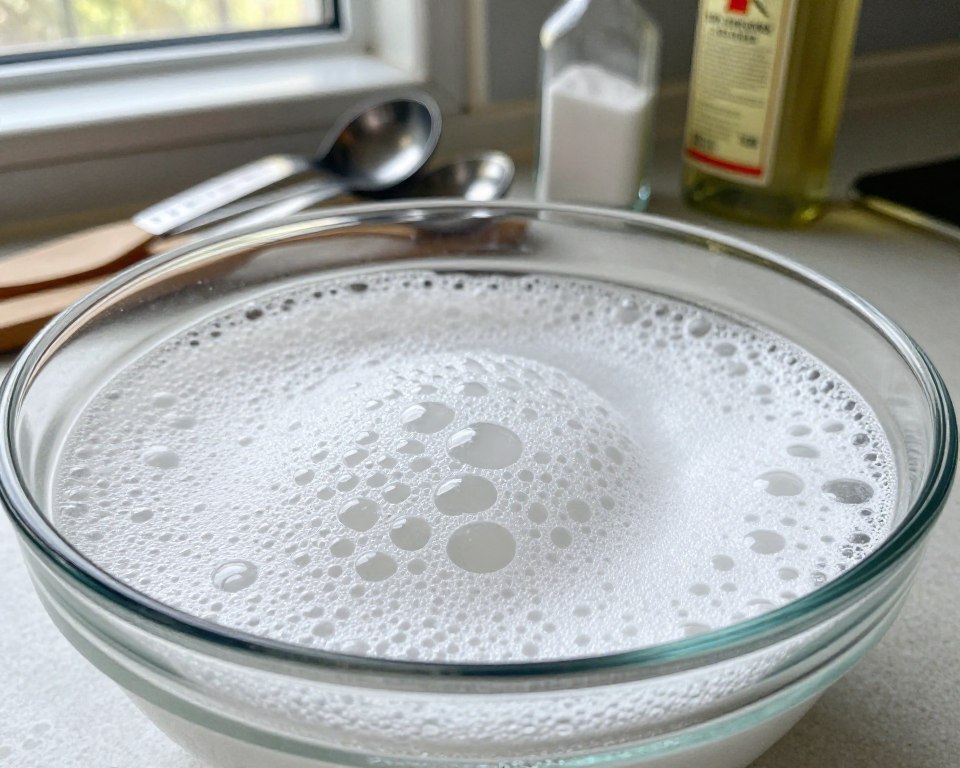
In most cases, mixing these two is safe. When you mix them, they fizz quickly, which can be fun. But, understanding the chemistry is crucial to avoid messes.
“The most effective cleaning happens when you use the right tool for the specific job, rather than relying on a neutralized mixture that has lost its potency.”
When the Reaction Becomes Hazardous
The main risks come when mixing in a closed space. If you mix them in a sealed container, the gas buildup can be dangerous. This can cause the container to burst, posing a risk to you and your belongings.
Experts advise against mixing baking soda and vinegar for deep cleaning. Keeping them separate ensures each works best. Always be cautious to keep your home safe and efficient.
For more information, check out this article on why you should never mix baking soda and vinegar when cleaning.
Understanding the Chemical Reaction
When you mix baking soda and vinegar, a cool chemical change happens. The fizz might seem like it’s cleaning, but it’s not. Learning about the effects of combining baking soda and vinegar shows why it’s not as good as using them alone.
Neutralization Explained
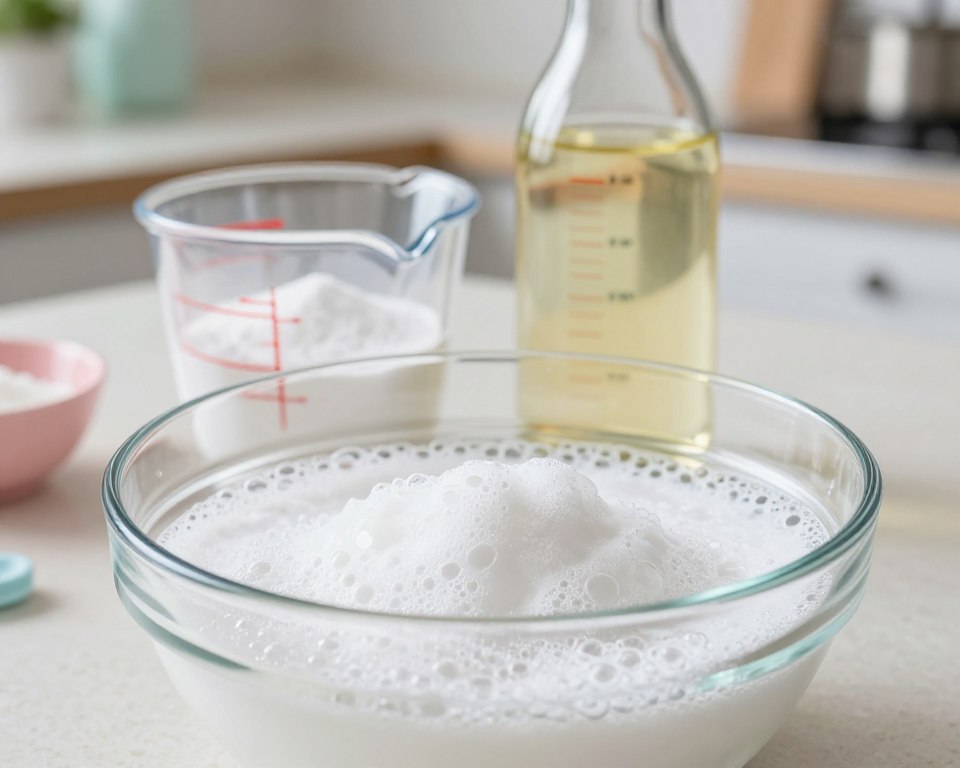
The chemical reaction between baking soda and vinegar is a basic acid-base reaction. Vinegar has acetic acid, and baking soda is sodium bicarbonate. When they mix, they neutralize each other right away.
This is key because it changes what each one can do. The acid and base balance each other, losing their cleaning power. By the time the fizz stops, you’re left with weak, salty water.
The Resulting Sodium Acetate Solution
After the reaction, the mix turns into water, carbon dioxide, and sodium acetate. The original cleaners are gone, leaving you with weak, salty water.
This change is why the mix quickly loses its cleaning strength. You’re left with a solution that can’t dissolve minerals or break down grease. To keep your cleaning effective, remember these points:
- The fizz is just carbon dioxide gas.
- Neutralization makes the cleaners weak.
- Using them alone lets each do its job better.
Why the Combination Often Loses Its Cleaning Power
The bubbling reaction between baking soda and vinegar is fun to watch. But, it often hides a surprising truth about cleaning. Many people think the fizzing action helps lift dirt and grime. But, the effects of combining baking soda and vinegar often result in a solution with little cleaning power.
The Problem with Immediate Neutralization
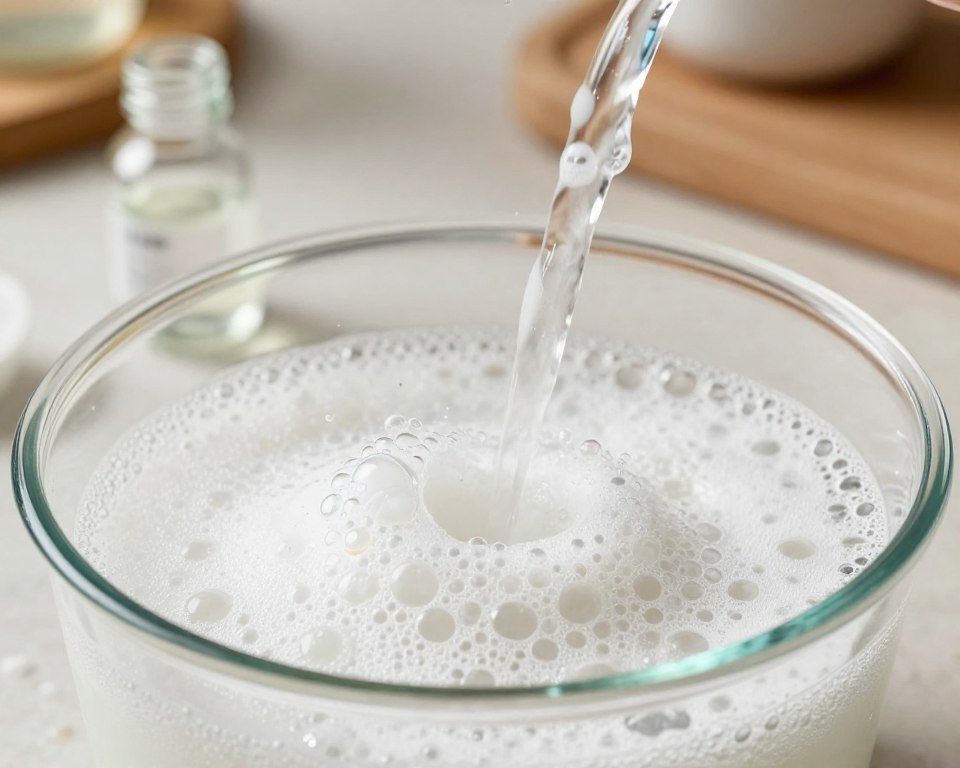
Mixing these two ingredients triggers an acid-base reaction. This reaction creates carbon dioxide gas. It quickly neutralizes the mixture, turning it into mostly harmless, salty water.
Essentially, you are canceling out the very properties that make these items useful for cleaning.
Once the fizzing stops, the liquid is mostly ineffective. It can’t break down tough stains or grease. By the time you apply it, the chemical energy is gone. You’re cleaning with water instead of the active agents you intended to use.
Why Fresh Solutions Are More Effective
To get the best results, use these ingredients separately. Apply them one after the other. This way, each substance can do its job without being neutralized too soon. Applying fresh, unreacted solutions is the most effective way to tackle household messes.
For example, scrub a surface with baking soda first for abrasive power. Then, follow up with vinegar to dissolve mineral deposits. This method ensures the effects of combining baking soda and vinegar work in your favor. By keeping them apart until they hit the target, you maintain the full strength of your cleaning routine.
Common Myths About Mixing These Ingredients
Many people think mixing baking soda and vinegar makes a super-strong cleaner. They believe combining these two effective ingredients will create something even better. But, this idea ignores the chemistry happening in your bowl.
Debunking the Super-Cleaner Myth
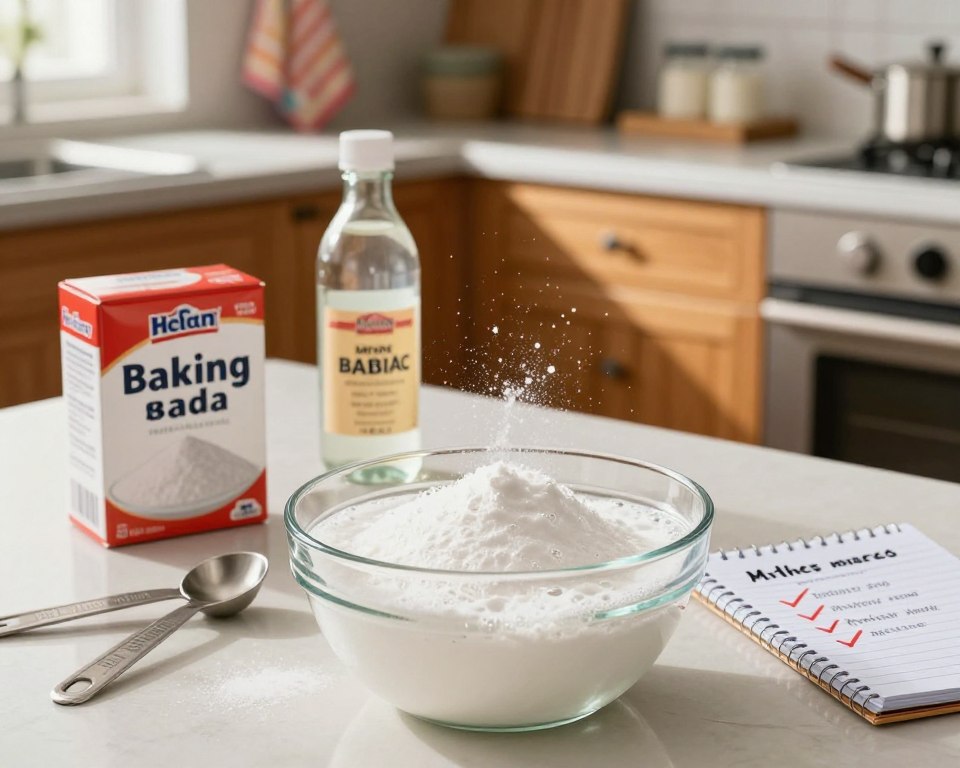
Mixing baking soda and vinegar causes an acid-base reaction. This reaction makes carbon dioxide gas, which is why you see fizz. But, this fizzing action neutralizes both ingredients, turning them into a simple salt solution.
After the fizzing stops, you’re left with water and sodium acetate. Sodium acetate has some uses, but it’s not a strong cleaner. By mixing them, you lose the special qualities of baking soda and vinegar. This leaves you with a solution that’s less effective than using them alone.
Addressing Misconceptions About Drain Cleaning
Another myth is that this mix can clear tough clogs in drains. People pour baking soda and vinegar down drains, hoping the foam will clear hair or grease. But, the foam is mostly gas and doesn’t have the mechanical force needed to clear clogs.
The reaction happens fast, releasing energy at the top of the drain. This doesn’t help with clogs deep in the pipe. For better results, use a mechanical snake or a cleaner made to dissolve organic matter. Relying on this fizzing mix often leads to frustration when the drain is still clogged.
Potential Dangers of Mixing Baking Soda and Vinegar in Closed Containers
Did you know a simple kitchen experiment can be dangerous in a sealed container? Baking soda and vinegar are common, but mixing them in a closed space can be risky. Knowing how this reaction works is key to keeping your home safe.
Pressure Buildup Risks
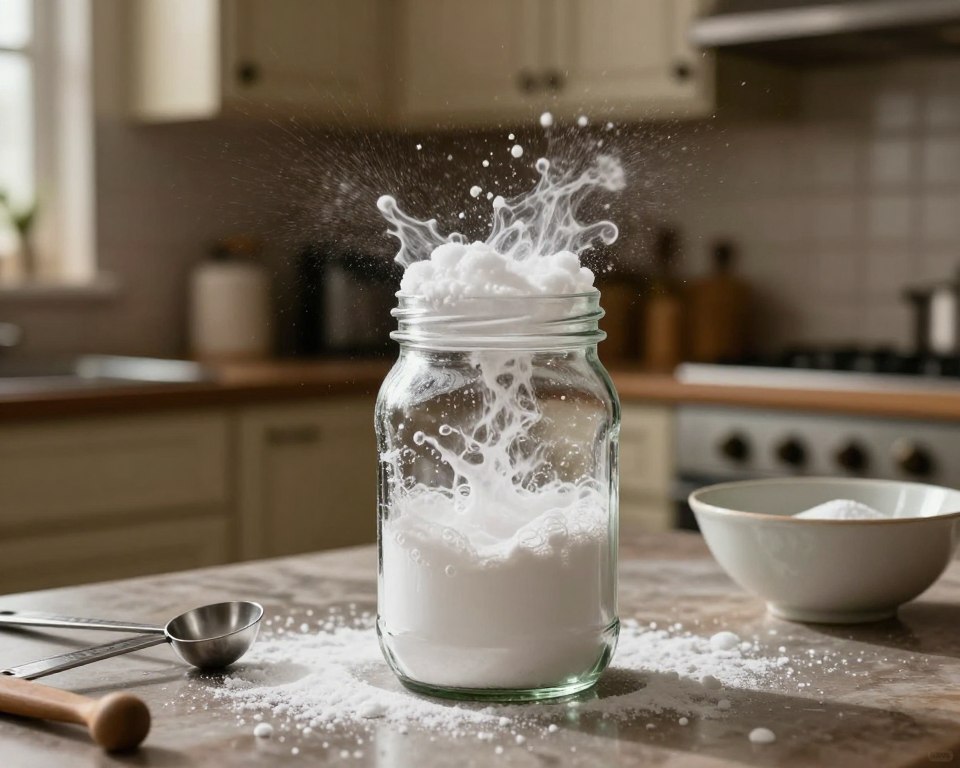
Mixing baking soda and vinegar creates carbon dioxide gas. In an open space, this gas is safe. But in a sealed container, it builds up pressure.
This pressure can be dangerous. If it gets too high, the container might burst or explode. This could hurt you or damage your property.
Preventing Container Explosions
To avoid accidents, make sure your cleaning mixtures are well-ventilated. Never store baking soda and vinegar in a sealed bottle. Use an open container for cleaning and finish it right away.
If a container starts to bulge, stay away from it. Don’t try to open a pressurized container. This could lead to unpredictable gas and liquid releases. Handling these ingredients safely lets you enjoy their benefits without risks.
| Scenario | Safety Level | Outcome |
|---|---|---|
| Open Sink Drain | Safe | Gas escapes freely |
| Open Mixing Bowl | Safe | Controlled fizzing |
| Sealed Plastic Bottle | Dangerous | High pressure buildup |
| Tightly Capped Jar | Dangerous | Risk of explosion |
Best Practices for Using Baking Soda and Vinegar Separately
Mastering natural cleaning starts with using your supplies right. Many think mixing baking soda and vinegar makes a stronger cleaner. But this often results in a weak mix. Knowing the best practices for combining baking soda and vinegar helps you use your household items effectively.
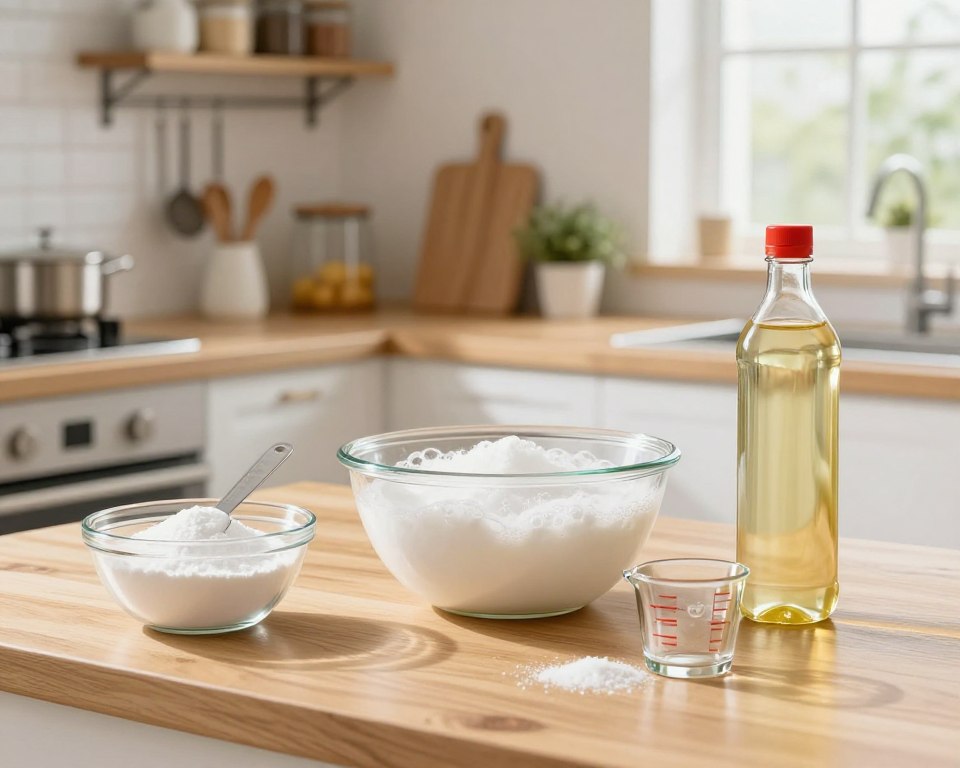
“The most effective way to clean with these staples is to use them in a way that allows each to perform its specific chemical duty without interference.”
Sequential Cleaning Methods
For a deep clean, apply your ingredients one at a time. Sprinkle baking soda first to scrub away tough grime. Then, spray white vinegar to lift any remaining dirt.
This approach lets baking soda handle physical buildup. Vinegar then dissolves mineral deposits. Learn more about these versatile household uses to enhance your cleaning routine. By using them separately, you avoid wasting their effectiveness.
Maximizing the Efficacy of Each Ingredient
Knowing the chemistry of your cleaners is key for home upkeep. Mixing them creates a salty water solution, reducing their cleaning power. Following the best practices for combining baking soda and vinegar keeps their cleaning abilities intact.
Using them separately targets specific dirt types with the right chemical. Vinegar, for example, is great for sanitizing, as shown in guides on whether white vinegar is safe for. This way, you keep your supplies potent and achieve a cleaner home.
Effective Ways to Use Baking Soda for Cleaning
Looking for a gentle yet effective way to clean your home? Check your pantry. Baking soda is a versatile, mildly abrasive cleaner that works wonders on many surfaces. It’s a reliable baking soda safe for cleaning solution that avoids harsh fumes.
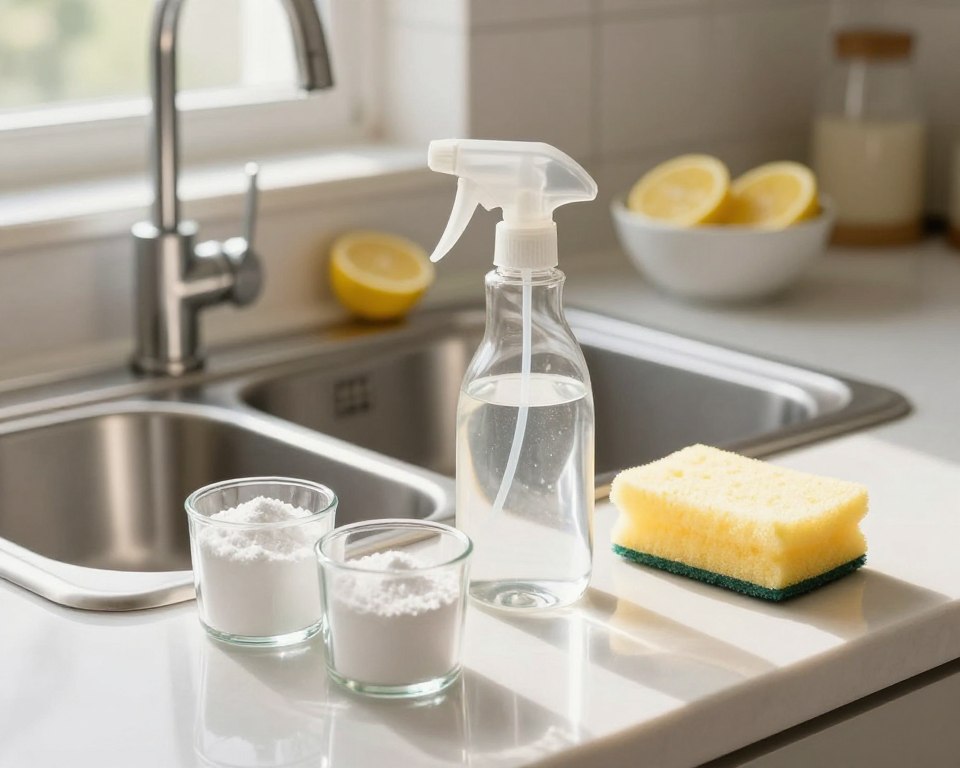
Scrubbing Surfaces and Removing Stains
To tackle stubborn grime, mix baking soda with a small amount of water to make a paste. This acts as a gentle scrub that lifts dirt without scratching surfaces. You can find many baking soda cleaning hacks online that show how to use this paste on kitchen counters, sinks, and stovetops.
Apply the paste to the affected area and let it sit for a few minutes. Then, use a soft cloth or sponge to scrub in circular motions. Rinse with warm water. This method is highly effective for removing dried-on food and soap scum buildup in your bathroom.
Deodorizing Carpets and Upholstery
Beyond its scrubbing power, baking soda is great for neutralizing unpleasant odors. It’s alkaline, so it absorbs and eliminates smells, not just masks them. This makes it perfect for refreshing high-traffic areas in your home.
To deodorize your carpets or upholstery, sprinkle a generous layer of baking soda over the fabric. Let it sit for at least fifteen minutes, or even several hours for deeper odors. Once the time has passed, thoroughly vacuum the area to remove all traces of the powder. This leaves your home smelling fresh and clean.
Effective Ways to Use Vinegar for Cleaning
Vinegar is a key part of keeping your home clean. Its acidity is strong enough to tackle tough stains. It’s also cheaper than many commercial cleaners.
Dissolving Mineral Deposits and Limescale
Hard water can leave ugly marks on your fixtures. Vinegar’s acidity can easily remove these stains. Just soak a cloth in vinegar and wrap it around the affected area.
To clean showerheads, fill a plastic bag with vinegar. Secure it with a rubber band. Let it sit for an hour. Then, rinse it off to see a shiny, new surface.
Sanitizing Kitchen and Bathroom Fixtures
Vinegar is great for keeping your kitchen and bathroom clean. It removes soap scum and grime. For tile lines, you might want to check if grout cleaner is safe for your home.
But be careful where you use vinegar. Don’t use it on natural stone like marble or granite. It can damage the surface. Always test a small area first.
| Surface Type | Safe to Use | Reasoning |
|---|---|---|
| Chrome Faucets | Yes | Dissolves mineral buildup |
| Glass Shower Doors | Yes | Removes hard water spots |
| Marble Countertops | No | Acid causes etching |
| Stainless Steel | Yes | Polishes and sanitizes |
Safety Precautions When Handling Cleaning Agents
Your safety is always the most important thing, even with natural ingredients. While many household items are mild, mishandling can cause problems. Knowing the potential dangers of mixing baking soda and vinegar is key to a safe cleaning routine.
Protective Gear and Ventilation
Make sure your workspace has good airflow. Open windows or use a fan to avoid inhaling fumes. Wearing rubber gloves can also protect your skin from irritation, if you have sensitive hands.
Remember, never mix bleach with acidic cleaners. This combination can release toxic gases that are harmful to breathe. If you’re wondering why mixing two cleaning sprays is dangerous, always check the chemical compatibility first.
Proper Storage and Labeling
Organizing your cleaning supplies can prevent accidents. Store products in their original containers for safety instructions. If you make your own cleaners, use clear labels to know what’s inside.
By following these safety precautions for using baking soda and vinegar together, you can keep your home clean safely. Store all cleaning agents in a cool, dry place out of children’s and pets’ reach. Being organized and informed helps you enjoy a clean home while keeping your family safe.
When Mixing Is Actually Beneficial
It might surprise you to know that mixing baking soda and vinegar has some rare benefits. This mix is often seen as a strong cleaner, but it’s really about the quick chemical reaction it creates. This reaction can be useful for certain, non-essential tasks.
Controlled Reactions for Specific Tasks
For small tasks like clearing a slow drain, a quick reaction can help. It’s crucial to use baking soda and vinegar correctly for safety and effectiveness. Remember, the effect is short-lived, so timing is key for these tasks.
“The beauty of simple chemistry lies in its ability to provide immediate, visible feedback, even if the long-term cleaning power is limited by neutralization.”
Always think about safety precautions when using baking soda and vinegar together. Never trap the mixture in a container, as it can quickly build up pressure. Keeping the reaction open is essential for safety.
Using the Fizz for Mechanical Agitation
The main advantage of this mix is the fizz, which acts as a mechanical agitation. The carbon dioxide bubbles help move debris from hard-to-reach places. This is great for cleaning a disposal or light residue in a sink.
Even though the cleaning effect is short-lived, the benefits of mixing baking soda and vinegar come from the brief, energetic bubbling. Use this method sparingly for surface-level cleaning. Knowing its limits helps you use these items more wisely in your daily life.
Environmental Impact of Using Household Cleaners
Cleaning your home doesn’t have to harm the environment. By using simple, natural ingredients, you can keep your space clean and protect the planet. This choice is a positive step toward a more sustainable lifestyle for every home.
Biodegradability of Baking Soda and Vinegar
Baking soda and vinegar are great because they’re natural. Unlike many synthetic products, they don’t harm our water systems. They are fully biodegradable.
When you flush them down the drain, they break down into nothing harmful. This means you’re not adding to pollution in our ecosystems. Here are some benefits:
- They don’t harm aquatic environments.
- They have a lower carbon footprint than made goods.
- They’re safe for septic systems and water treatment plants.
Reducing Reliance on Harsh Chemicals
Many cleaning products contain harmful synthetic compounds. It’s key to know what you’re bringing into your home. Some cleaning products have ingredients that need careful handling. Natural alternatives reduce your exposure to harmful substances.
Switching to green cleaning reduces demand for industrial chemicals. This lowers energy use for production and transport. You create a safer, healthier home environment and lower your environmental impact. Using these simple items supports a cleaner future for all.
Alternatives to Mixing Baking Soda and Vinegar
When baking soda and vinegar don’t cut it, modern alternatives offer a powerful solution. These pantry staples work well for light cleaning but fall short for tough grime. Adding specialized products to your cleaning arsenal keeps your home clean with less effort.
Commercial Eco-Friendly Cleaning Solutions
More people are choosing environmentally conscious brands for their cleaning needs. These products tackle grease, soap scum, and mineral deposits better than DIY mixes. Reputable brands offer consistent results and top-notch ingredients.
Switching to commercial green cleaners has many benefits:
- Consistent pH balance: Unlike homemade mixes, these products are made for maximum effectiveness.
- Targeted formulas: You can find specific cleaners for glass, stainless steel, or hardwood floors.
- Safety certifications: Many products have labels like EPA Safer Choice, making them safer for your family and pets.
Natural Enzyme-Based Cleaners
For organic stains or lingering odors, enzyme-based cleaners are the most effective choice. They use biological catalysts to break down complex molecules. This means they actually eat away at the source of the mess, not just cover it up.
These cleaners are great for:
- Removing pet accidents from carpets and upholstery.
- Eliminating stubborn food residue in kitchen drains.
- Breaking down organic buildup in laundry machines.
Using these specialized tools helps keep your home clean while being eco-friendly. Investing in the right product for the job saves time and protects your surfaces from damage.
Conclusion
Getting your home spotless is more than just mixing random items from your pantry. The fizzing reaction is cool, but it’s not the best for tough cleaning jobs.
For better results, use baking soda and vinegar in a specific order. This way, their powers work best where you need them most.
Dealing with tough clogs? Cleaning drains with baking soda might not cut it. Tools like plungers or professional plumbers are safer and more effective.
Knowing how your cleaning supplies work helps you make better choices. You can now use common household items more effectively. Keep your home clean and efficient by choosing the right tool for each task.
FAQ
Is It Safe to Mix Baking Soda and Vinegar for everyday household cleaning?
Yes, mixing baking soda and vinegar is safe in an open area. This mix creates a non-toxic acid-base reaction. But, mixing them in a sealed container can be dangerous. The gas buildup can cause the container to explode.
What exactly happens during the chemical reaction between baking soda and vinegar?
When you mix baking soda and vinegar, you see a chemical reaction. It turns into water, sodium acetate, and carbon dioxide. The fizzing is the gas escaping, helping to lift debris.
Why do some experts suggest the cleaning power is diminished when they are mixed?
Mixing baking soda and vinegar neutralizes them. Vinegar is an acid, and baking soda is a base. The result is weak, salty water. This weak solution can’t tackle tough grease or heavy disinfection like the original ingredients.
What are the main risks of mixing baking soda and vinegar in closed bottles?
Mixing them in closed bottles can be risky. The gas buildup can be dangerous. Always use them in open sinks or buckets to avoid this.
Are there specific safety precautions for using baking soda and vinegar together?
Yes, follow safety precautions. Make sure your area is well-ventilated to avoid inhaling CO2. Wear gloves to protect your skin from vinegar’s acidity. Never mix vinegar with bleach, as it creates toxic gas.
What are the best practices for combining baking soda and vinegar to get the best results?
For the best results, use them in a specific order. Apply baking soda paste first for scrubbing. Then, spray vinegar over it. This helps break down stains before they neutralize.
What are the benefits of mixing baking soda and vinegar if they eventually turn into salt water?
Mixing them creates a physical action. The bubbles are great for unclogging drains or cleaning grout. It’s also a green alternative to harsh chemicals.
On which surfaces should I avoid using vinegar?
Avoid vinegar on natural stone like marble, limestone, or granite. It can etch the surface and ruin the finish.
Can this mixture be stored for later use?
No, it’s best not to store it. The mix turns into salty water with no cleaning power. Always make a fresh solution for the best results.