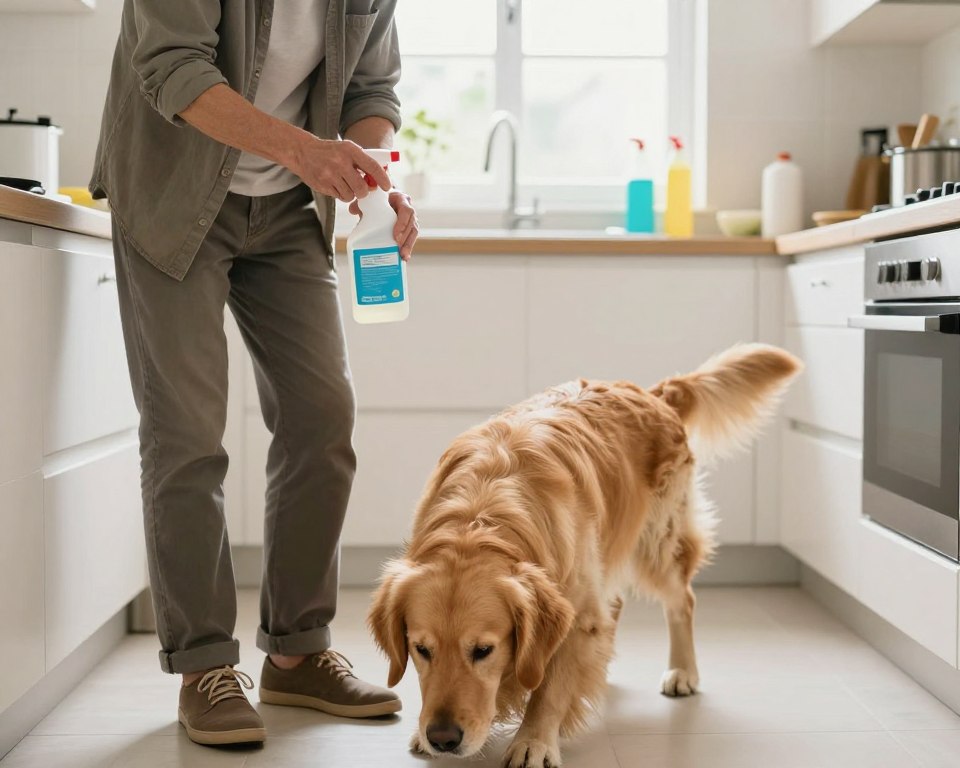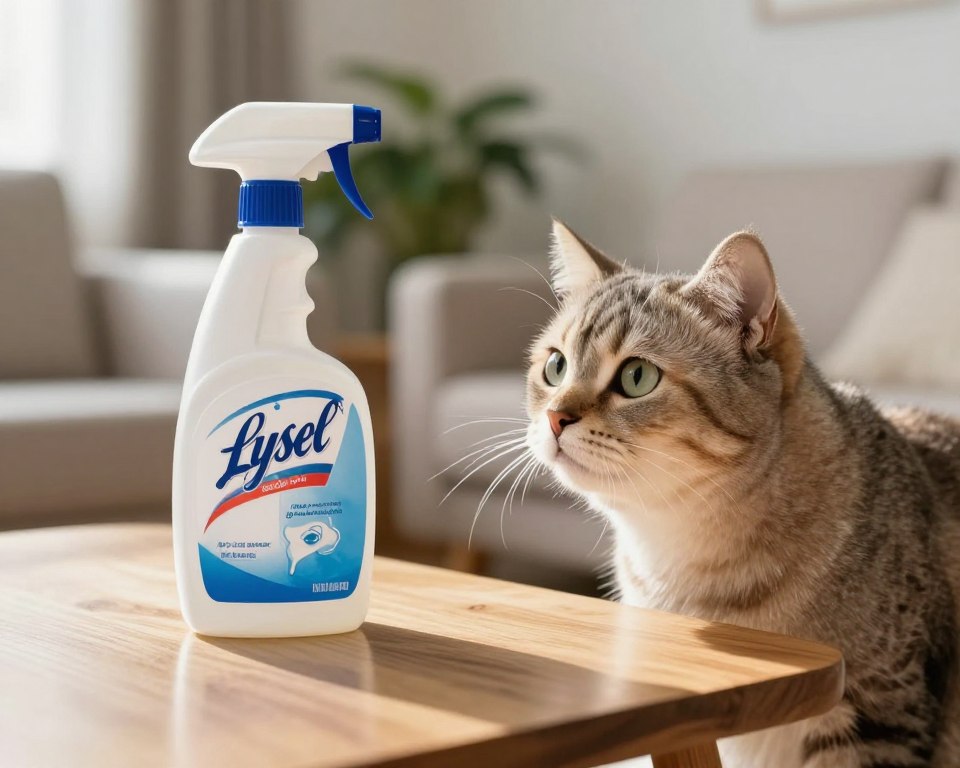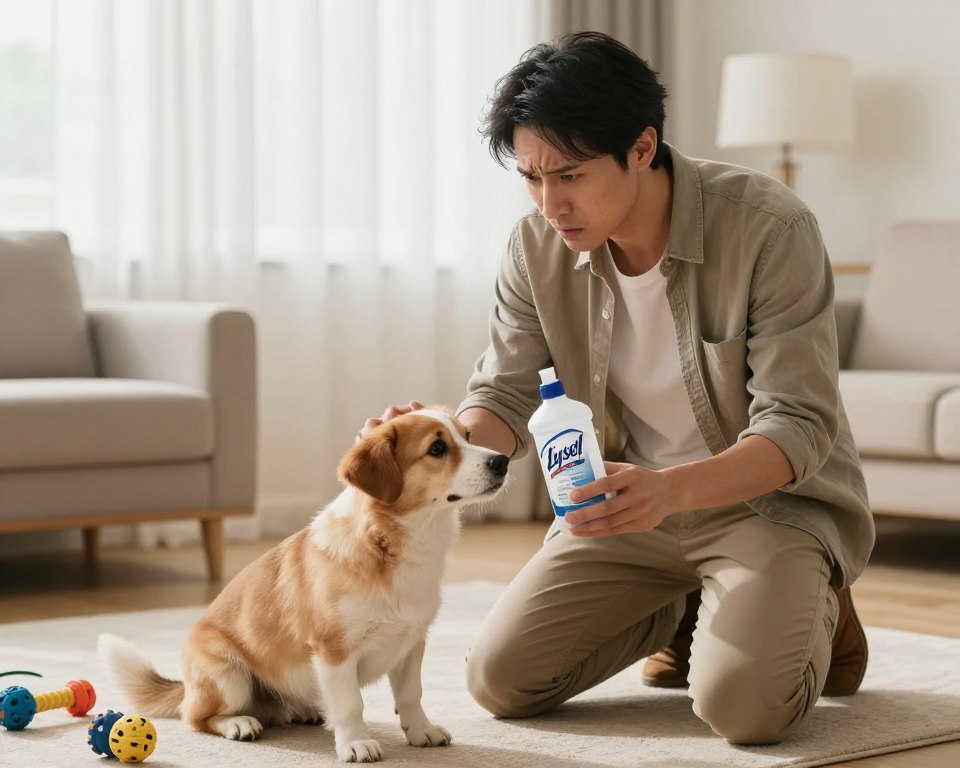
Keeping a home clean often involves powerful disinfectants, but have you ever wondered about the safety of your feline companions? Many pet owners rely on common household supplies to sanitize surfaces, yet these substances can pose hidden dangers. Understanding whether is bleach toxic to cats? remains a vital priority for every responsible owner.
Chemical exposure happens faster than you might expect in a busy household. Even small amounts of residue left on floors or counters can lead to serious health complications for curious pets. By staying vigilant, you ensure your living space stays both spotless and secure.
We want to help you create a safer environment for your furry friends. This guide provides actionable advice on managing cleaning products while keeping your pets protected from potential harm.
Key Takeaways
- Household disinfectants often contain ingredients that can irritate feline respiratory systems.
- Direct contact with concentrated cleaning agents causes severe skin and paw burns.
- Always dilute cleaning solutions properly and allow surfaces to dry completely before letting pets walk on them.
- Store all chemical containers in secure cabinets that curious paws cannot reach.
- Recognizing early signs of chemical ingestion is essential for immediate veterinary intervention.
Understanding the Chemical Composition of Bleach
The science behind common disinfectants reveals why they can be so harsh on our feline friends. When we look at the relationship between bleach and cats, it becomes clear that the very properties making these products effective at killing germs also make them potentially dangerous to our pets.
What is Sodium Hypochlorite?
At the heart of most household bleach products lies a compound called sodium hypochlorite. This chemical is a powerful oxidizing agent, which means it works by breaking down the molecular bonds of bacteria, viruses, and fungi. It is incredibly efficient at sanitizing surfaces, but this same reactive nature can cause significant irritation to a cat’s sensitive tissues.
Because sodium hypochlorite is so chemically active, it does not simply vanish after you finish mopping. It remains a potent substance that can easily transfer from floors or counters onto a cat’s paws or fur. Understanding this helps explain why bleach and cats require such careful management in any home.
How Bleach Reacts with Household Surfaces
Bleach is designed to cling to surfaces to ensure thorough disinfection. However, this clinging action often leaves behind a chemical film that persists long after the liquid appears to have dried. If a cat walks across a treated area, they may pick up these microscopic particles on their pads.
Once the residue is on their paws, cats often ingest the chemicals during their natural grooming process. This accidental ingestion is a primary concern for pet owners who use strong disinfectants. By recognizing how these chemicals interact with your home, you can better protect your feline companions from the hidden risks of bleach and cats.
Is Bleach Toxic to Cats?
The question of whether is bleach toxic to cats? is a serious concern for many owners. While bleach is a staple in many American households for deep cleaning, it poses significant health hazards to our feline friends. Even small amounts of residue can trigger dangerous reactions that require immediate attention.
The Primary Risks of Exposure
The risks of bleach to cats are multifaceted, ranging from mild irritation to severe chemical burns. When a cat walks across a floor that has been recently mopped with a bleach solution, the chemical clings to their paws. This leads to direct skin contact, which can cause painful inflammation or ulceration of the paw pads.
Beyond skin contact, the inhalation of concentrated fumes is a major danger. Because cats have sensitive respiratory systems, breathing in these vapors can lead to coughing, wheezing, or even fluid buildup in the lungs. Accidental ingestion is perhaps the most critical risk, as cats often lick their paws after walking on treated surfaces.
Why Cats Are More Susceptible to Toxins
Cats are uniquely vulnerable to chemical exposure due to their fastidious grooming habits. Unlike dogs, cats spend a large portion of their day licking their fur to stay clean. If any chemical residue is present on their coat or paws, they will inevitably ingest it, leading to internal toxicity.
Furthermore, a cat’s smaller body mass means that even a tiny amount of a toxic substance can reach a dangerous concentration in their system. Their liver metabolism also processes certain chemicals differently than humans, making them less efficient at breaking down toxins. Understanding these physiological differences is essential for maintaining a safe environment.
| Exposure Type | Primary Impact | Severity Level |
|---|---|---|
| Direct Skin Contact | Paw pad burns | Moderate |
| Inhalation | Respiratory distress | High |
| Oral Ingestion | Gastrointestinal damage | Critical |
By recognizing these specific risks of bleach to cats, you can take proactive steps to protect your pet. Always ensure that surfaces are completely dry and rinsed before allowing your cat back into a cleaned area. Being informed is the best way to ensure your home remains a safe haven for your feline companion.
Common Routes of Exposure in the Home
Understanding the ways your feline friend might encounter cleaning chemicals is the first step toward a safer home. When you are using bleach around cats, it is vital to recognize that your pet explores the world through touch and taste. Even small amounts of residue can pose a significant risk to their health.
Direct Contact with Wet Surfaces
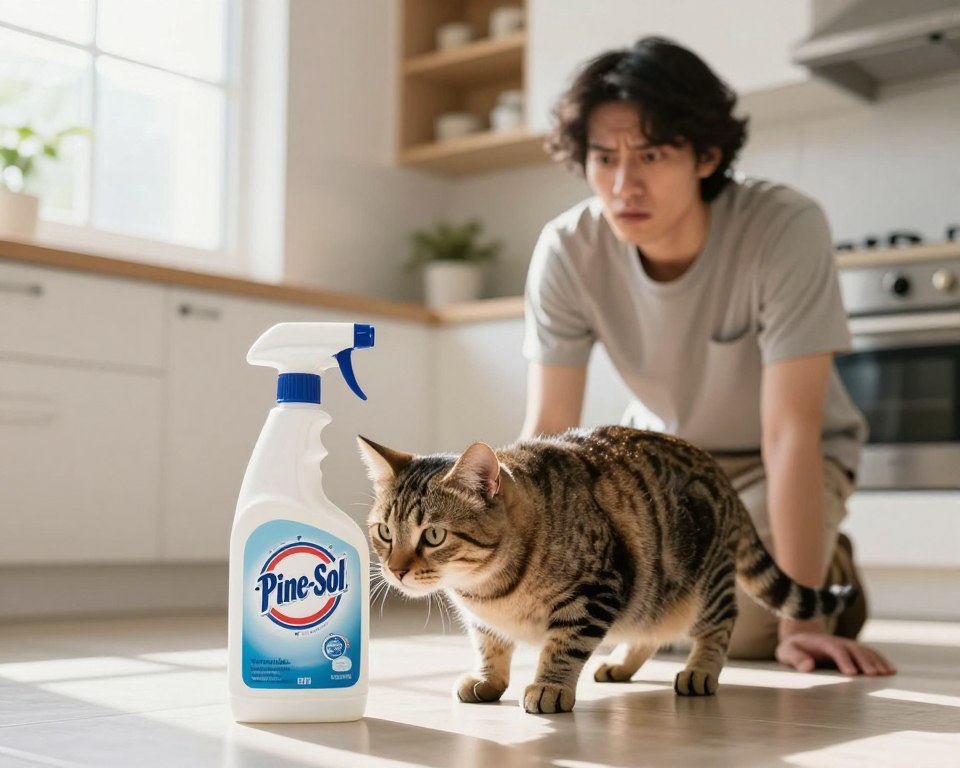
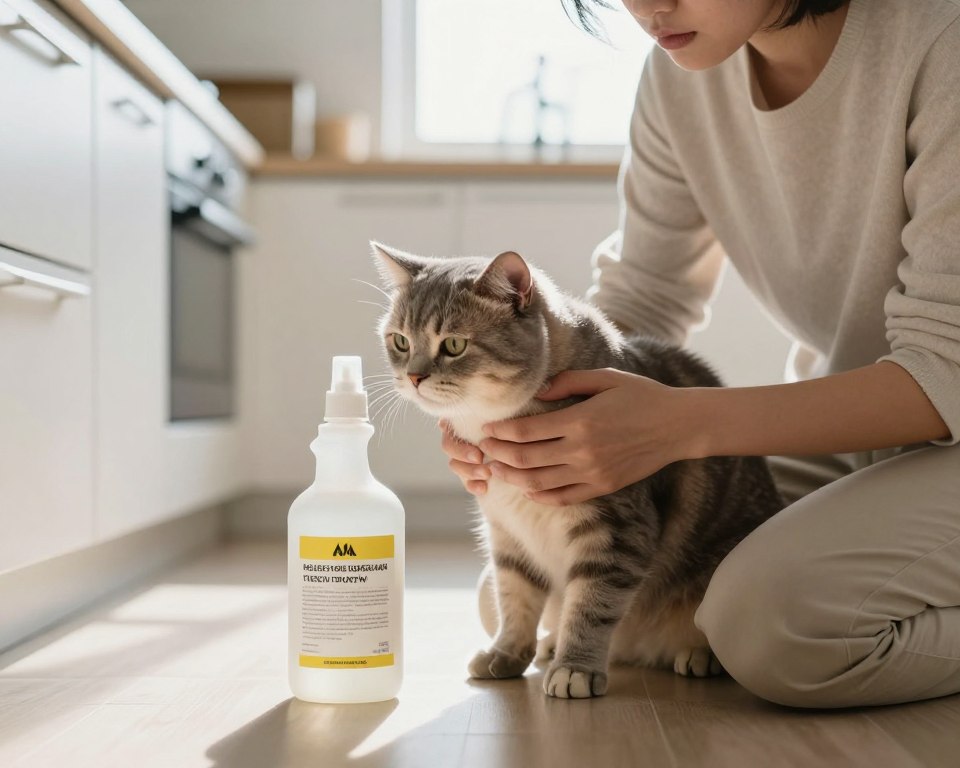
Cats often walk across freshly mopped floors or jump onto damp countertops. If these surfaces have been treated with bleach, the chemical can easily transfer to their paw pads. This direct contact can lead to painful skin irritation or chemical burns if the substance is not rinsed away properly.
Because cats frequently groom themselves, they will likely lick their paws after walking on a treated surface. This behavior turns a simple walk across the kitchen floor into a potential health emergency. Always ensure that surfaces are completely dry before allowing your pet back into the area.
Inhalation of Fumes During Cleaning
The respiratory system of a cat is much more sensitive than that of a human. When you are using bleach around cats, the concentrated fumes can quickly overwhelm their small lungs. This is especially dangerous in poorly ventilated rooms where the air does not circulate well.
If you notice your cat sneezing or showing signs of distress while you clean, move them to a fresh-air environment immediately. Proper ventilation is the best way to mitigate the risk of inhaling these harsh vapors. Never clean in a small, enclosed space while your pet is nearby.
Accidental Ingestion of Residue
Accidental ingestion often occurs when a cat walks through a spill or touches a surface that has not been wiped down thoroughly. Once the chemical is on their fur or paws, the cat will instinctively groom the area to stay clean. This process leads to the direct ingestion of toxic residue.
To prevent this, always wipe down surfaces with clean water after using any harsh cleaning agents. Keeping your cat away from the cleaning zone until the area is fully sanitized and dry is a simple but effective safety measure. Your vigilance is the best defense against accidental poisoning.
Recognizing the Symptoms of Bleach Poisoning
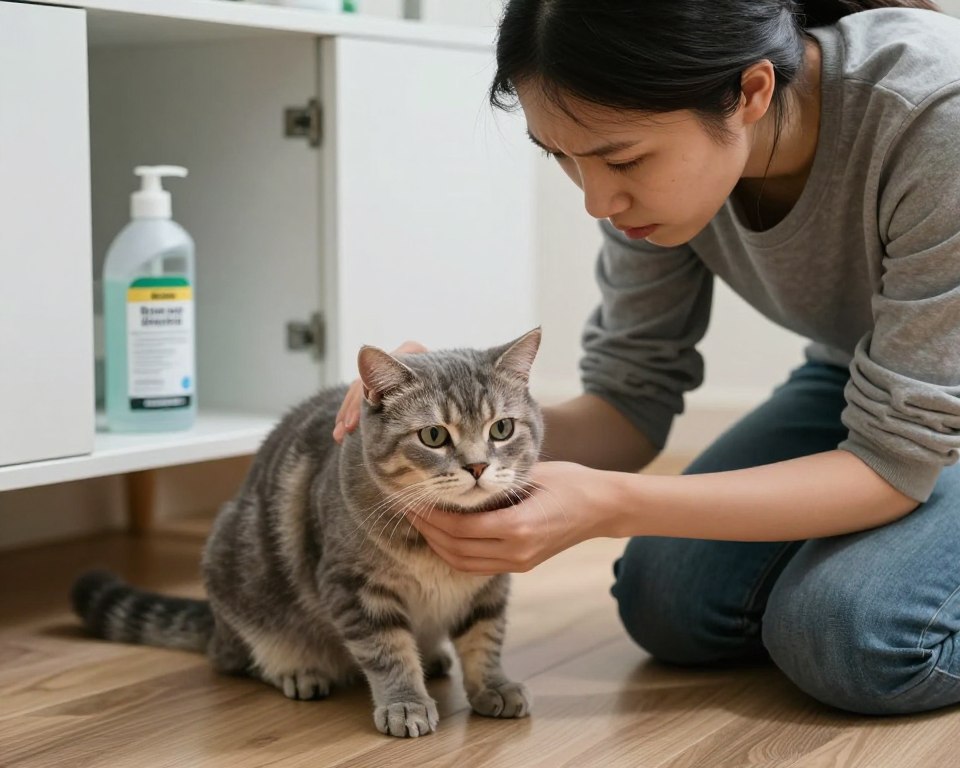
Recognizing the subtle symptoms of chemical exposure can make a life-saving difference for your pet. When you use household cleaners, it is vital to watch your feline friend for any unusual behavior. Understanding the risks of bleach to cats allows you to act quickly if an accident occurs.
Respiratory Distress and Coughing
The inhalation of bleach fumes often leads to immediate irritation of the delicate tissues in a cat’s nose and throat. You might notice your cat wheezing, coughing, or struggling to catch their breath after being near a freshly cleaned area. These signs indicate that the chemicals have reached the lower airways.
“Early detection of respiratory distress is the most critical factor in preventing long-term lung damage in pets exposed to household toxins.”
Gastrointestinal Upset and Vomiting
If a cat walks through a wet surface and then grooms their paws, they may ingest toxic residue. This often results in excessive drooling, nausea, and vomiting. You should monitor your pet closely for any signs of lethargy or a sudden loss of appetite, as these are common indicators of internal irritation.
Skin Irritation and Chemical Burns
Direct contact with bleach can cause painful chemical burns on a cat’s sensitive paw pads or skin. If you see your cat licking their feet repeatedly or acting restless, check their skin for redness, swelling, or blistering. These risks of bleach to cats require immediate attention to prevent secondary infections or severe tissue damage.
| Symptom Category | Common Signs | Severity Level |
|---|---|---|
| Respiratory | Coughing, Wheezing | High |
| Gastrointestinal | Drooling, Vomiting | Moderate to High |
| Dermal | Redness, Blistering | Moderate |
Immediate Steps to Take After Exposure
If you suspect your feline friend has come into contact with bleach, staying calm and acting fast is the best way to help. Your quick response can significantly reduce the severity of the situation and protect your pet from further harm.
Removing the Cat from the Environment
The very first priority is to move your cat away from the source of the chemical. Gently pick up your pet and relocate them to a well-ventilated area with fresh air. This simple action prevents further inhalation of harsh fumes that can irritate their delicate respiratory system.
Ensure the new space is quiet and free from other cleaning agents. Keeping your cat calm is essential to prevent them from grooming themselves and accidentally ingesting any residue while they are stressed.
Safe Decontamination Procedures
If you notice bleach on your cat’s fur or paws, you must act carefully to remove it. Use a damp cloth to gently wipe the affected areas, but avoid using harsh soaps or chemicals that could react with the bleach. Never attempt to induce vomiting unless specifically instructed to do so by a medical professional.
If the bleach has touched their eyes or skin, flush the area with lukewarm water for several minutes. Be sure to dry your cat thoroughly afterward to prevent them from becoming chilled. Always wear gloves during this process to protect your own skin from irritation.
When to Contact Your Veterinarian
You should reach out to your veterinarian or a pet poison control center immediately if you observe any signs of distress. Do not wait for symptoms to worsen, as early intervention is the best way to ensure a positive outcome. Having the product label handy can help the experts provide you with the most accurate advice.
| Action Step | Priority Level | Goal |
|---|---|---|
| Relocate to fresh air | Immediate | Stop fume inhalation |
| Wipe fur/paws | High | Remove chemical residue |
| Call the vet | Urgent | Get professional guidance |
| Monitor breathing | Continuous | Detect early distress |
The Dangers of Mixing Bleach with Other Cleaners
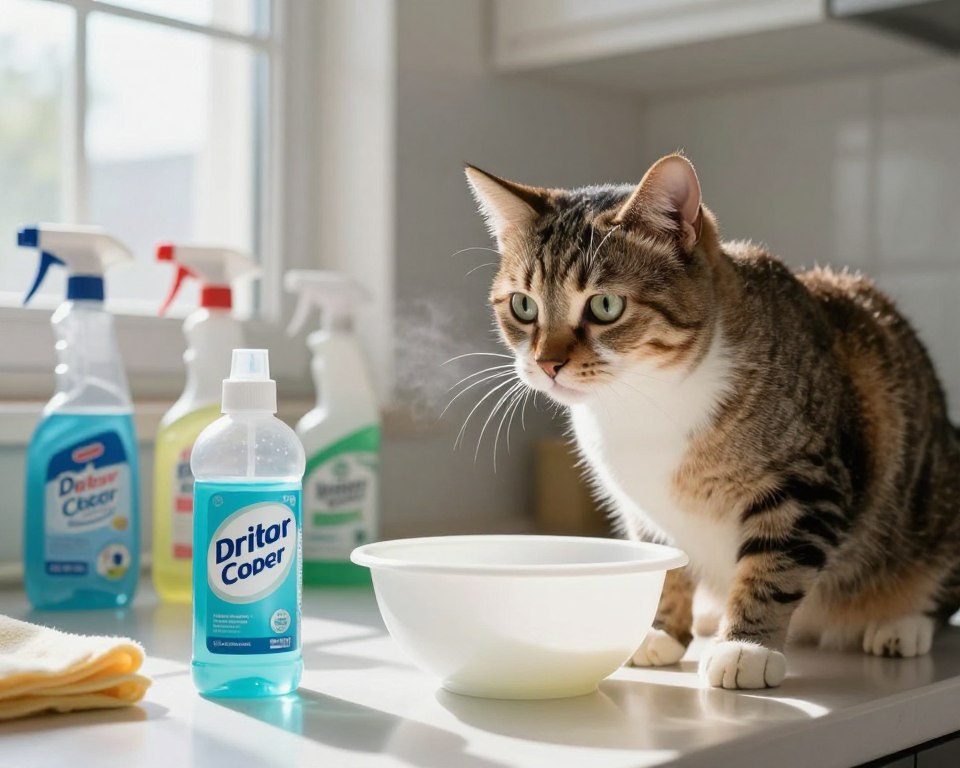
Mixing household chemicals is a common error that can turn your living space into a dangerous environment for your pets. Many people assume that combining products will create a stronger cleaning solution, but this often leads to toxic reactions. Understanding these risks is essential to avoiding the dangers of bleach for cats and other household members.
The Deadly Combination of Bleach and Ammonia
One of the most critical rules of home maintenance is to never mix bleach with ammonia. When these two substances combine, they produce chloramine gas, which is highly toxic. This gas can cause severe respiratory distress, burning eyes, and even fatal lung damage.
Because cats have sensitive respiratory systems, they are particularly vulnerable to these fumes. Even small amounts of this gas can lead to long-term health issues. To keep your home safe, always check the labels on your cleaning supplies to ensure they do not contain ammonia.
Why Mixing Bleach and Vinegar is Hazardous
Another dangerous mistake involves mixing bleach with acidic cleaners like vinegar. This combination triggers a chemical reaction that releases chlorine gas into the air. This gas is extremely irritating to the mucous membranes and can be life-threatening if inhaled in high concentrations.
When considering the relationship between bleach and cats, it is clear that prevention is the best strategy. You should always follow these safety guidelines to protect your pets:
- Never combine different cleaning products in the same bucket or spray bottle.
- Always rinse surfaces thoroughly with water before applying a different cleaner.
- Store all chemicals in their original, clearly labeled containers.
- Use only one product at a time to minimize the risk of accidental reactions.
By sticking to these simple habits, you significantly reduce the dangers of bleach for cats. Keeping your cleaning routine straightforward ensures that your home remains a healthy sanctuary for your feline companions.
Safe Cleaning Practices Around Feline Companions
When you share your home with a feline, standard cleaning habits often need a few adjustments. Prioritizing cat safety with bleach ensures that your environment remains hygienic without exposing your pet to unnecessary risks. By following a few simple guidelines, you can maintain a tidy home while keeping your furry friend happy and healthy.
Proper Ventilation Techniques
Chemical fumes can be overwhelming for a cat’s sensitive respiratory system. Whenever you are using bleach around cats, always open nearby windows to encourage fresh air circulation. If the weather does not permit open windows, turn on exhaust fans in the kitchen or bathroom to pull vapors away from living areas.
Cross-ventilation is the most effective way to clear the air quickly. Place a box fan in a window facing outward to push stale, chemical-heavy air outside. This simple step significantly reduces the concentration of airborne irritants in your home.
Dilution Ratios and Rinsing Requirements
Concentrated cleaning agents are far too harsh for surfaces your cat might touch. Always follow the manufacturer’s instructions for dilution to ensure the solution is safe for household use. Using a weaker mixture is often sufficient for routine sanitization and poses less danger to your pet.
After applying any cleaning solution, you must rinse the surface thoroughly with clean water. Residue is a common hidden hazard that can stick to a cat’s paws and lead to accidental ingestion during grooming. A damp cloth or mop should be used for a final wipe-down to remove any lingering chemical film.
Keeping Cats Out of Rooms During Deep Cleans
The best way to prevent exposure is to create a physical barrier between your cat and the cleaning process. Close the door to the room you are currently scrubbing until the surfaces are completely dry. This prevents your pet from walking through wet puddles or inhaling concentrated fumes.
Consider the following table to help you manage your cleaning routine effectively:
| Action | Safety Benefit | Frequency |
|---|---|---|
| Proper Ventilation | Reduces inhalation risk | Every cleaning session |
| Correct Dilution | Prevents chemical burns | Before application |
| Thorough Rinsing | Eliminates toxic residue | After surface drying |
| Room Isolation | Prevents direct contact | During deep cleaning |
By keeping your cat in a separate, well-ventilated room, you provide an extra layer of protection. Wait until the area is fully aired out and dry before allowing your companion back into the space. Consistency in these habits is the key to long-term cat safety with bleach.
Cat-Friendly Alternatives to Bleach
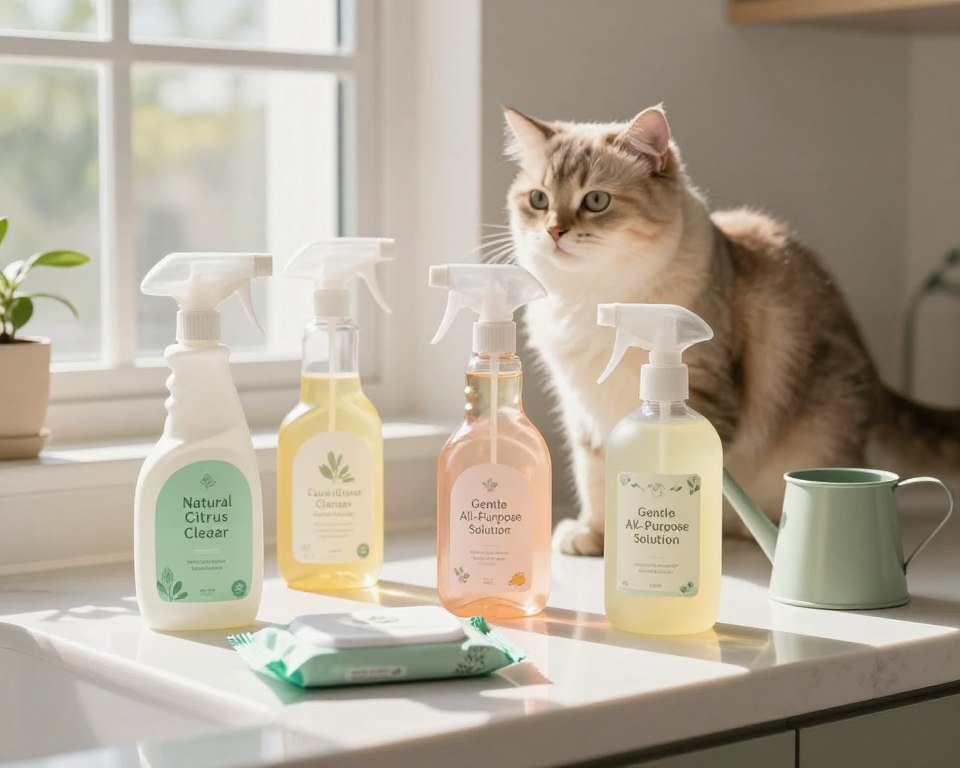
You can easily keep your living space spotless while ensuring your feline friend stays safe and healthy. Many pet owners are now choosing cat-friendly cleaning products to avoid the risks associated with harsh chemicals. Making this switch helps create a healthier home environment for every member of your family.
Using Hydrogen Peroxide Safely
Hydrogen peroxide is a powerful, non-toxic alternative that breaks down into water and oxygen. When used correctly, it acts as a mild disinfectant for hard surfaces. Always ensure you use a low concentration, typically 3%, to prevent damage to your furniture or floors.
It is important to test a small, hidden area before applying it to larger surfaces. Always keep your cat away from the area until the solution has completely dried to ensure maximum safety.
The Benefits of Enzymatic Cleaners
Enzymatic cleaners are highly effective at breaking down organic stains and odors at the molecular level. Unlike standard cleaners that simply mask smells, these products digest the proteins found in urine, vomit, and feces. This makes them essential cat-friendly cleaning products for any household with pets.
- They permanently eliminate odors rather than masking them.
- They are safe for use on carpets, upholstery, and hardwood floors.
- They prevent repeat accidents by removing pheromone traces.
Natural Disinfectants Like Vinegar and Baking Soda
For everyday maintenance, common pantry staples offer a simple and effective solution. A mixture of white vinegar and water is excellent for cutting through grime on glass and tile. Meanwhile, baking soda acts as a gentle abrasive and a natural deodorizer for carpets and litter boxes.
These natural ingredients are among the most popular cat-friendly cleaning products available today. By incorporating these items into your routine, you can maintain a sanitary home without worrying about toxic residues. Your cat will certainly appreciate the cleaner, safer air quality in your home.
Managing Household Odors Without Harsh Chemicals
Keeping your home smelling fresh shouldn’t require harsh chemicals that put your feline friend at risk. Many owners of household cleaners and cats often worry about the hidden dangers lurking in common air fresheners. Fortunately, you can maintain a pleasant living environment by focusing on natural air quality rather than masking odors with synthetic sprays.
Air Purifiers and Ventilation
The most effective way to manage odors is to remove the source rather than covering it up. Investing in a high-quality air purifier with a HEPA filter can capture airborne particles, including dander and dust, which often contribute to stale smells. These devices work silently in the background to keep your air clean without introducing harmful chemicals into your home.
Natural ventilation is another powerful tool for any pet owner. Simply opening windows for a few minutes each day allows fresh air to circulate and pushes out trapped odors. This simple habit is far safer for your pets than relying on aerosol sprays that may contain volatile organic compounds.
Safe Essential Oil Considerations for Cats
Many people turn to essential oils to scent their homes, but you must be extremely cautious. Cats have a unique metabolism that makes them highly sensitive to many plant-based compounds. Oils like tea tree, peppermint, and eucalyptus can be toxic to cats if inhaled or touched, even in small amounts.
If you choose to use aromatherapy, always research the specific oil before diffusing it. It is best to avoid diffusers entirely in rooms where your cat spends most of its time. When considering the relationship between household cleaners and cats, prioritizing safety means choosing scent-free options whenever possible.
| Method | Effectiveness | Safety Level |
|---|---|---|
| HEPA Air Purifiers | High | Very Safe |
| Natural Ventilation | Medium | Very Safe |
| Synthetic Sprays | High | Low |
| Essential Oils | Medium | Variable/Risky |
Preventing Accidental Bleach Ingestion
Preventing accidental exposure to harsh cleaning agents is a top priority for every cat owner. When managing household cleaners and cats, the best strategy is to remove the opportunity for contact entirely. By creating a secure environment, you provide your pet with the safety they deserve.
Secure Storage Solutions for Cleaning Supplies
The most effective way to protect your cat is to store all chemicals in areas they cannot access. High shelving is an excellent choice, as most cats are less likely to investigate items kept well above their reach. If you must store supplies in lower cabinets, always install child-proof locks to prevent curious paws from prying doors open.
Consider using heavy-duty plastic bins with locking lids for extra security. These containers add a secondary layer of protection, ensuring that even if a cabinet is opened, the bottles remain sealed. Keeping your household cleaners and cats separated is a simple habit that prevents life-threatening accidents.
Managing Spills and Leaks Promptly
Accidents happen, but how you handle them makes all the difference. If you spill bleach or any other cleaner, clean the area immediately before your cat has a chance to walk through the residue. Even a small amount of liquid on a paw can lead to ingestion when your cat begins their natural grooming process.
Always keep a dedicated set of cleaning rags or paper towels nearby to soak up spills instantly. Once the area is wiped, rinse it thoroughly with plain water to ensure no chemical film remains on the floor. Prompt action is the most reliable way to keep your home environment safe and healthy for your feline companion.
The Role of Professional Cleaning Services
Many homeowners rely on professional cleaning services to maintain a tidy living space, but knowing how to clean around cats is vital when third parties are involved. Bringing in external help can be a wonderful convenience, yet you must prioritize your feline friend’s health during the process. Taking proactive steps ensures that your home remains spotless without exposing your pet to dangerous chemicals.
Communicating Pet Safety to Service Providers
Before a cleaning crew arrives, you should have a clear conversation about your specific safety requirements. It is helpful to provide a written list of instructions that outlines which rooms are off-limits and where your cat will be staying. Clear communication prevents misunderstandings and ensures that your pet is never accidentally locked in a room with wet, treated surfaces.
Ask the service provider to confirm that their staff understands the risks associated with common household cleaners. You might even request that they use specific, low-odor products in areas where your cat spends the most time. Establishing these boundaries early on is a key part of learning how to clean around cats effectively.
Ensuring Products Used are Pet-Safe
Not all cleaning companies use the same supplies, so you must vet their inventory before they begin work. You have the right to ask for a list of the chemicals they plan to use in your home. If you are uncomfortable with their standard products, many companies are happy to use supplies you provide to ensure your cat stays safe.
When evaluating a potential cleaning service, consider the following standards to ensure they align with your pet-safety goals:
| Service Feature | Standard Practice | Pet-Safe Protocol |
|---|---|---|
| Chemical Selection | Industrial-strength bleach | Enzymatic or plant-based |
| Surface Rinsing | Minimal wiping | Thorough water rinse |
| Communication | General checklist | Detailed pet-safety plan |
| Product Transparency | Hidden ingredients | Full MSDS disclosure |
By verifying these details, you can feel confident that your home is being cared for properly. Remember that your cat’s well-being is worth the extra effort of vetting your service providers. Following these guidelines makes it much easier to maintain a clean home while keeping your pet healthy and happy.
Long-Term Health Impacts of Chemical Exposure
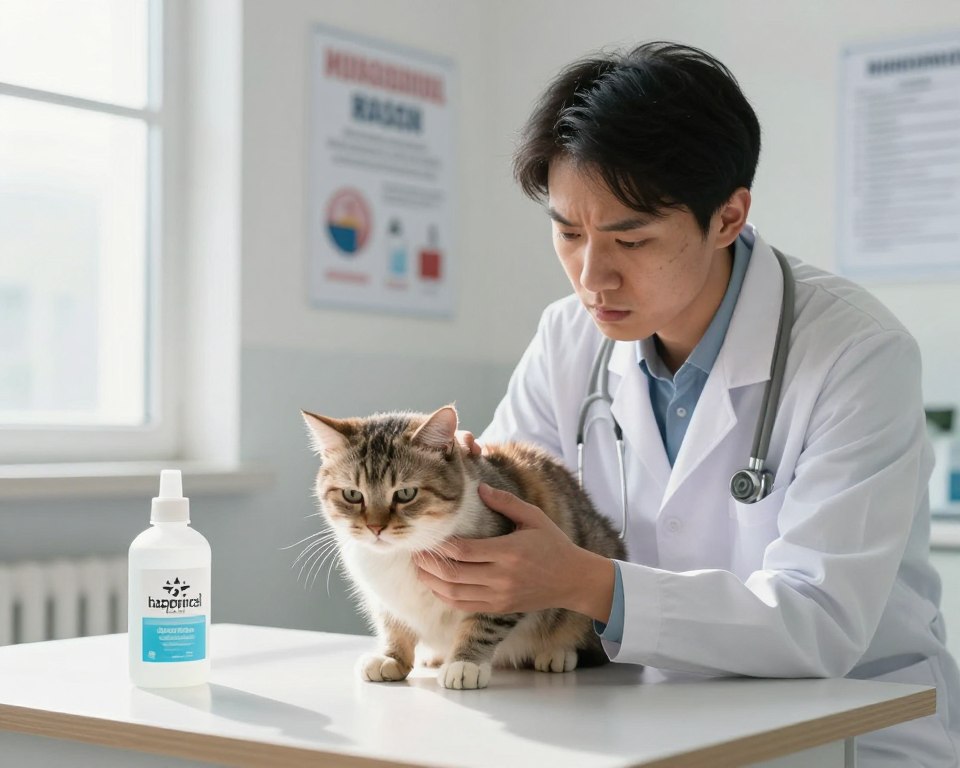
While acute poisoning is often the primary concern for pet owners, the hidden, chronic effects of chemical exposure are equally concerning for feline health. Many people do not realize that the dangers of bleach for cats can manifest slowly over months or even years of repeated, low-level contact.
Chronic Respiratory Issues
Constant inhalation of cleaning fumes can lead to persistent irritation of a cat’s delicate respiratory tract. Over time, this exposure may cause chronic bronchitis or reduced lung capacity, making it harder for your pet to breathe comfortably.
Because cats have a much smaller respiratory system than humans, they are far more sensitive to airborne particles. Even if you cannot smell the chemicals, your cat might be suffering from long-term inflammation in their airways.
Sensitivity and Allergic Reactions
Beyond the lungs, your cat’s skin and immune system can also suffer from frequent contact with chemical residues. You might notice your pet developing unexplained skin rashes, persistent itching, or even allergic dermatitis after walking on surfaces cleaned with harsh agents.
These reactions often stem from the cumulative dangers of bleach for cats, where the body becomes increasingly reactive to the chemicals left behind on floors and counters. Maintaining a non-toxic living space is essential to ensure your feline friend stays healthy and comfortable for years to come.
Creating a Pet-Safe Cleaning Routine
Maintaining a clean home while keeping your feline friend safe requires a thoughtful approach to your daily chores. By prioritizing cat safety with bleach alternatives, you can significantly reduce the risk of accidental exposure. A structured plan helps you stay organized without compromising your pet’s well-being.
Establishing a Weekly Cleaning Schedule
Consistency is the key to a healthy living environment. You should break down your cleaning tasks into manageable chunks to avoid using too many chemicals at once. Planning your deep cleans for times when your cat is resting in another room is a smart strategy.
When learning how to clean around cats, consider these simple steps for your weekly routine:
- Dust surfaces before vacuuming to minimize airborne particles.
- Use damp cloths to trap dust rather than using chemical sprays.
- Always allow floors to dry completely before letting your cat back into the area.
Choosing Non-Toxic Household Brands
Selecting the right supplies is just as important as the schedule you follow. Many cat-friendly cleaning products are now available that offer powerful results without the harsh fumes of traditional cleaners. Look for labels that explicitly state they are non-toxic and safe for use around pets.
Brands like Seventh Generation, Method, or specialized enzymatic cleaners are excellent choices for pet owners. These products effectively break down messes while keeping your home environment gentle for sensitive paws and noses. Always check the ingredient list to ensure no hidden irritants are present.
| Cleaning Habit | Risk Level | Safety Recommendation |
|---|---|---|
| Daily Spot Cleaning | Low | Use water or vinegar solutions |
| Weekly Deep Scrub | Moderate | Ventilate and keep cats away |
| Chemical Disinfecting | High | Avoid or use pet-safe alternatives |
| Dusting and Sweeping | Low | Use damp cloths to trap debris |
Conclusion
Maintaining a pristine living space does not require putting your feline friend at risk. You hold the power to create a healthy environment by choosing safer habits and non-toxic supplies.
Brands like Seventh Generation or Method offer effective cleaning solutions that keep your floors and counters sparkling without harsh chemical residues. Switching to these options provides peace of mind for every pet owner.
Your commitment to safety makes a massive difference in the long-term wellness of your cat. Small changes in your daily routine prevent accidental exposure and keep your home a sanctuary for your pet.
Stay observant of your cat’s behavior after you finish your chores. Reach out to your local veterinarian if you notice any sudden changes in health or energy levels.
Sharing these tips with friends helps build a safer community for all pets. Your proactive choices ensure that your home remains a happy and secure place for your beloved companion to thrive.
FAQ
Is bleach toxic to cats?
Yes, the active chemical in products like Clorox, known as sodium hypochlorite, is highly corrosive. Is bleach toxic to cats? Absolutely. Due to their small size and unique physiology, cats are much more sensitive to these chemicals than humans, and exposure can lead to severe health complications or permanent tissue damage.
What are the primary risks of bleach to cats?
The risks of bleach to cats include chemical burns on the paw pads, irritation of the nose and eyes, and severe damage to the lining of the mouth and esophagus if ingested. Inhalation of concentrated fumes can also trigger acute respiratory distress or long-term lung sensitivity.
How can I ensure cat safety with bleach while deep cleaning?
To prioritize cat safety with bleach, you should always keep your feline companion in a separate, well-ventilated room until you are finished. Ensure you use a proper dilution ratio and rinse all surfaces thoroughly with plain water to remove any lingering residue before letting your cat back into the area.
What are the most common dangers of bleach for cats in a typical home?
One of the biggest dangers of bleach for cats is their grooming instinct. If a cat walks across a damp floor and gets bleach on their paws, they will likely lick it off, leading to accidental ingestion. Additionally, the fumes from concentrated bleach in small spaces like bathrooms can quickly overwhelm a cat’s respiratory system.
What are the symptoms of bleach poisoning I should look for?
When using bleach around cats, watch for signs of distress such as excessive drooling, redness or blistering on the skin, vomiting, and coughing. If you suspect your cat has been exposed to bleach and cats are showing these symptoms, you should contact a veterinarian or the ASPCA Animal Poison Control Center immediately.
Are there safer, cat-friendly cleaning products available?
Yes, there are many excellent cat-friendly cleaning products on the market today. Brands like Nature’s Miracle and Seventh Generation offer non-toxic alternatives that effectively clean and deodorize without the harsh profile of traditional bleach. Enzymatic cleaners are particularly effective for pet-related messes.
Can I use natural ingredients when learning how to clean around cats?
Learning how to clean around cats often involves switching to household staples like Arm & Hammer baking soda and white vinegar. These are generally much safer than bleach; however, you must never mix vinegar with bleach, as this combination creates a toxic chlorine gas that is lethal to both pets and humans.
How should I manage household cleaners and cats to prevent accidents?
Managing household cleaners and cats requires a proactive approach. Store all chemicals in secure, latched cabinets and never leave a cleaning bucket unattended. If a spill occurs, keep your cat away from the area and clean it up immediately with a pet-safe absorbent to prevent any contact with their fur or paws.
What should I tell a professional cleaning service about my cat?
If you hire a service like The Maids or Merry Maids, clearly communicate that you have pets. Request that they use pet-safe, non-toxic products or ask them to avoid using bleach in areas where your cat spends most of their time. Ensure they understand the importance of proper ventilation and rinsing during their routine.