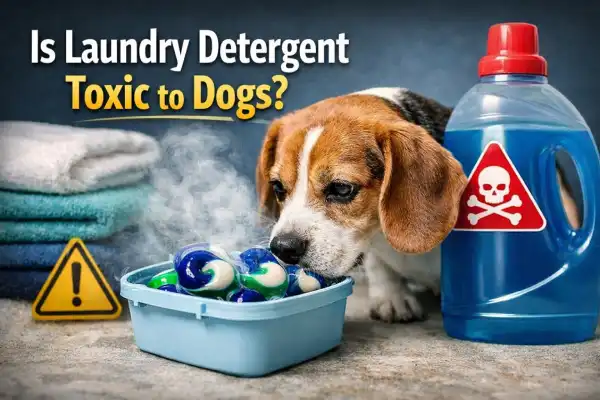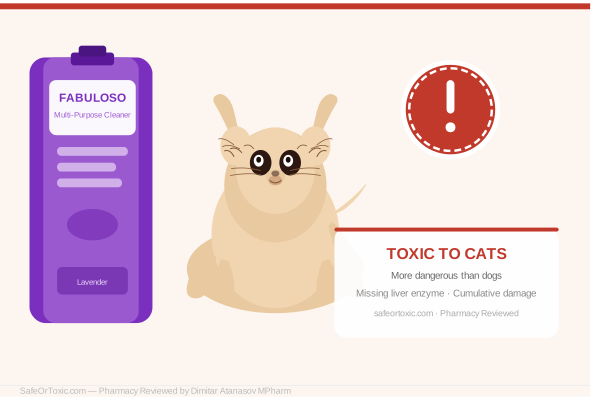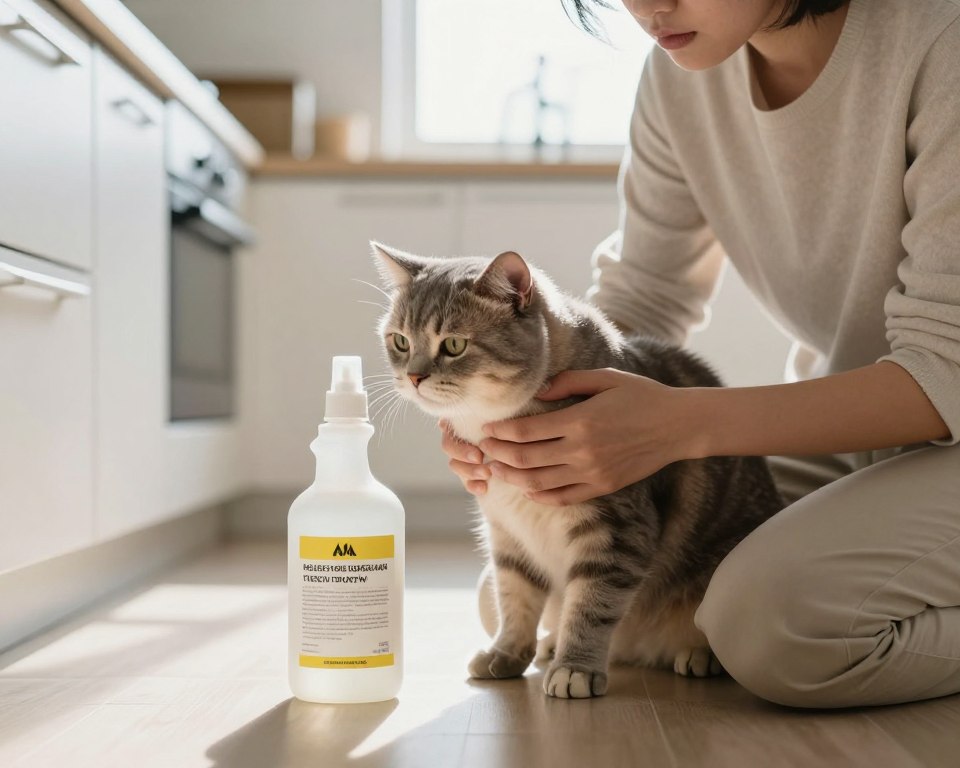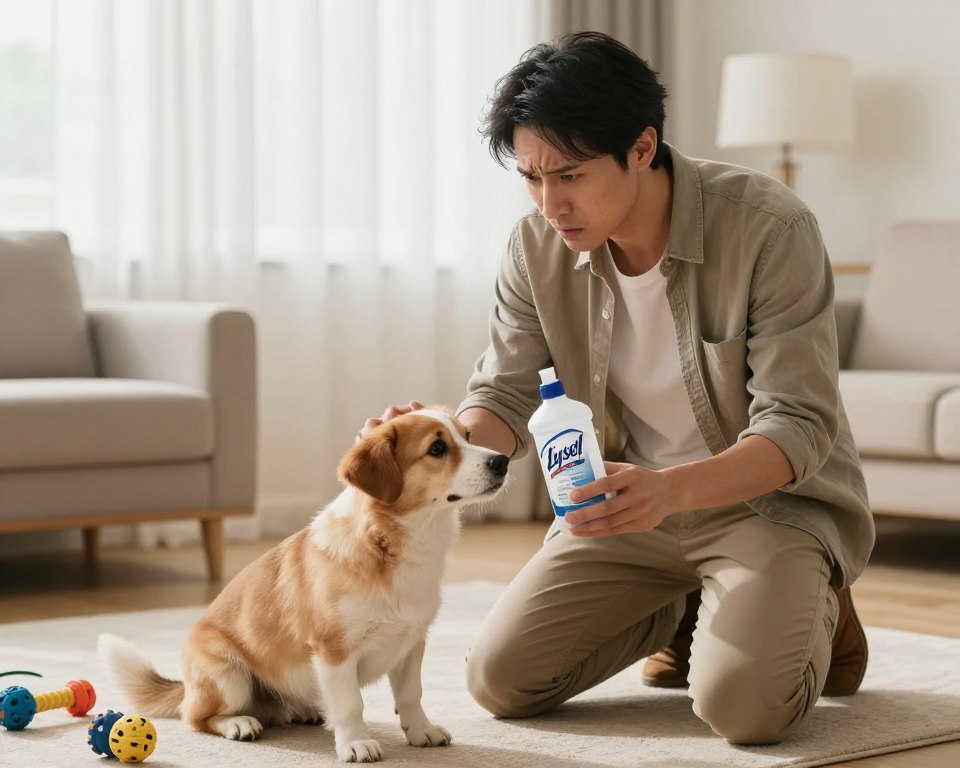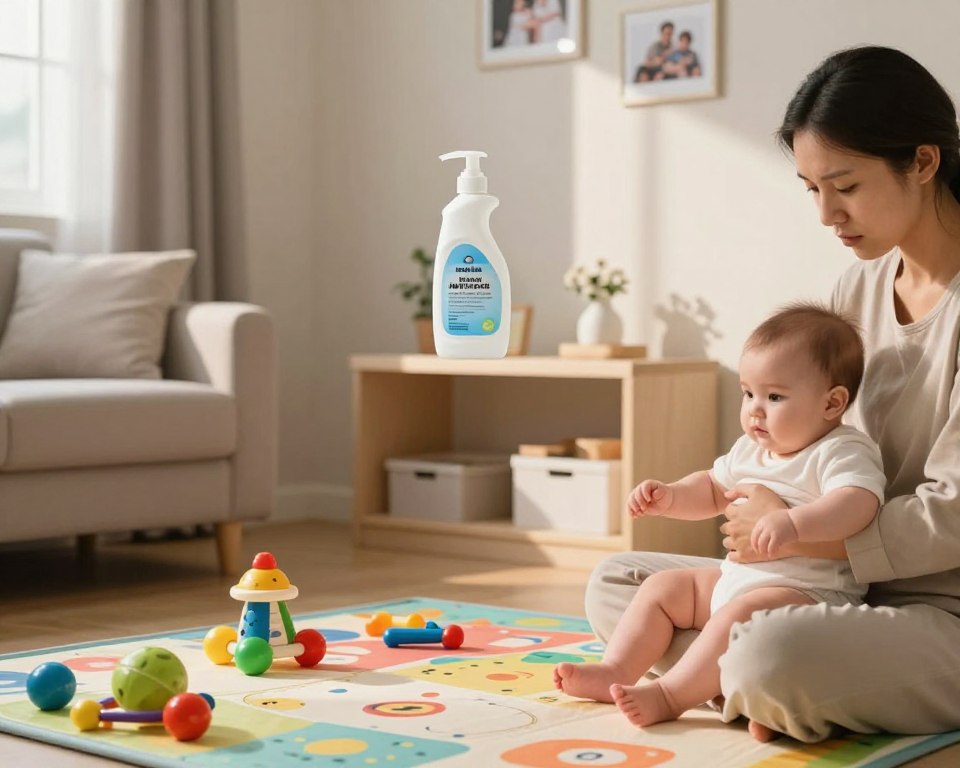
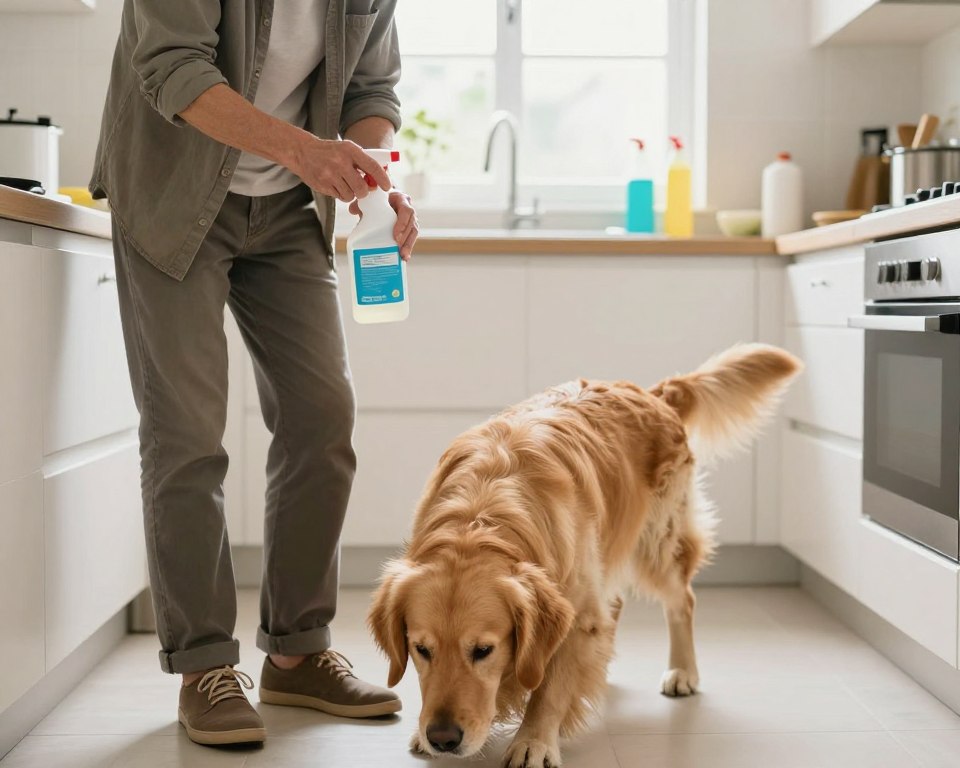
We all want our homes to be a clean, safe sanctuary for our furry best friends. However, the very products we use to sanitize our floors can sometimes hide invisible dangers. You might find yourself wondering, is bleach toxic to dogs?
The short answer is yes, though the level of danger often depends on the concentration of the chemical. Even a small amount can cause significant irritation or illness if your pet comes into contact with it.
Protecting your companion starts with understanding these common household risks. By learning how to identify potential exposure, you can create a much safer environment for your pet. This guide will help you prevent accidents and provide the knowledge needed to act quickly if an emergency happens.
Key Takeaways
- Bleach is considered poisonous to pets, and even diluted forms can cause harm.
- Direct contact with skin or paws often leads to painful chemical burns.
- Inhaling strong fumes can irritate a pet’s respiratory system and cause coughing.
- Always store cleaning supplies in secure cabinets that your pet cannot reach.
- If you suspect your pet has ingested or touched cleaning chemicals, contact your veterinarian immediately.
Understanding the Chemical Composition of Household Bleach
Understanding the science behind your cleaning supplies is the first step toward creating a safer environment for your pets. Household bleach is a common staple in many American homes, yet its chemical makeup is far more complex than most people realize. It is a powerful substance that requires careful handling to ensure the safety of every family member, including your dog.
Most standard bleach products are highly basic, typically maintaining a pH level around 11. This high level of alkalinity is exactly what makes the liquid so effective at breaking down grime and disinfecting surfaces. However, this same property is what makes it potentially hazardous to living tissues.
What is Sodium Hypochlorite?
At the heart of almost every bottle of household bleach is a chemical compound known as sodium hypochlorite. This substance acts as a potent oxidizing agent, which means it works by stripping electrons from other molecules. This process is highly effective at destroying bacteria, viruses, and fungi on hard surfaces.
“The very chemistry that allows bleach to sanitize our homes so effectively is also what makes it a significant irritant to biological tissues.”
Because it is such a strong oxidizer, sodium hypochlorite does not distinguish between dirt and living cells. When it encounters organic material, it immediately begins to break down the structure of those cells. This is why it is essential to keep your pets away from areas that have been recently treated with bleach.
How Bleach Reacts with Organic Matter
When bleach comes into contact with organic matter, such as a dog’s skin, paws, or mucous membranes, it triggers a rapid chemical reaction. This reaction can lead to immediate irritation or even severe chemical burns if the concentration is high enough. The following list highlights why this interaction is so dangerous for pets:
- Tissue Damage: The alkaline nature of the solution can dissolve proteins in the skin, leading to painful lesions.
- Mucous Membrane Irritation: If a dog inhales fumes or licks a treated surface, the delicate tissues in the mouth and throat can become inflamed.
- Delayed Healing: Because the chemical alters the pH of the affected area, it can disrupt the natural healing process of the skin.
Even small amounts of residue left on a floor can be problematic for a curious dog. Since pets often explore their environment by sniffing or licking, they are at a higher risk of accidental exposure. Always ensure that surfaces are thoroughly rinsed and completely dry before allowing your dog back into a cleaned area.
Is Bleach Toxic to Dogs?
The question of whether is bleach toxic to dogs? is a common concern for responsible pet parents. While many household cleaners are staples in our daily routines, they can pose hidden dangers to our furry friends. Understanding how these chemicals interact with your pet is the first step toward maintaining a safe living environment.
The Difference Between Diluted and Concentrated Solutions
Not all bleach exposure results in the same level of harm, as the concentration plays a major role in the outcome. Most cases involving regular household bleach result in mild irritation rather than severe damage. Diluted solutions are generally less aggressive, though they can still cause discomfort if a dog comes into direct contact with them.
In contrast, concentrated forms of bleach are highly dangerous and can lead to life-threatening chemical burns. If your pet encounters a spill of undiluted product, the risk of tissue damage increases significantly. Always remember that even small amounts of concentrated chemicals can be extremely hazardous to your pet’s health.
Why Dogs Are More Susceptible to Chemical Exposure
Dogs are naturally curious creatures, which often leads them to investigate cleaning supplies left unattended. If a bucket of cleaning solution is left on the floor, a dog may ingest large quantities before you even notice. This behavior makes them particularly vulnerable to accidental poisoning in the home.
Furthermore, your dog’s breed and size can influence how they react to chemical exposure. Smaller dogs may experience more severe symptoms from the same amount of exposure compared to larger breeds. Because they are closer to the ground, they are also more likely to walk through wet surfaces and later ingest the residue while grooming their paws. Knowing the answer to is bleach toxic to dogs? helps you stay vigilant and keep your home environment secure for your pet.
Common Scenarios Leading to Bleach Exposure
Many dog owners are unaware of how easily a routine chore can turn into a medical emergency. While we strive to keep our homes sanitary, the products we use can pose significant chemical hazards if not handled with extreme caution. Understanding these risks is the first step toward ensuring your pet remains safe during your next deep clean.
Accidental Ingestion During Floor Cleaning
The most frequent accidents occur when owners pour cleaning solutions into a bucket and step away. A curious dog may view an open bucket as a water bowl, leading to accidental ingestion. Always keep your cleaning supplies in a separate room or behind a closed door while you work.
Exposure Through Paw Contact and Grooming
Even if your dog does not drink the solution, they can suffer from severe irritation by walking through a wet puddle on the floor. Once the chemical touches their paws, they will likely attempt to lick the residue off during their natural grooming process. This secondary ingestion can cause internal damage to the mouth and throat.
Inhalation Risks from Fumes in Enclosed Spaces
Cleaning small, poorly ventilated rooms like bathrooms or laundry closets can trap concentrated fumes. Dogs have much more sensitive respiratory systems than humans, making them prone to respiratory distress when exposed to these vapors. Always ensure windows are open or fans are running to maintain proper air circulation.
| Exposure Type | Primary Risk | Prevention Tip |
|---|---|---|
| Ingestion | Internal chemical burns | Keep buckets out of reach |
| Dermal Contact | Skin and paw irritation | Block access to wet floors |
| Inhalation | Respiratory distress | Use proper ventilation |
Recognizing Symptoms of Bleach Poisoning in Dogs
Identifying the symptoms of bleach poisoning in dogs early is vital for ensuring your pet receives timely medical intervention. Clinical signs often appear within four to six hours of exposure, though in some cases, they may be delayed by up to 24 hours.
Because these reactions can be subtle at first, you must monitor your dog closely if you suspect any contact with cleaning agents. Staying vigilant can help you catch potential issues before they escalate into a life-threatening emergency.
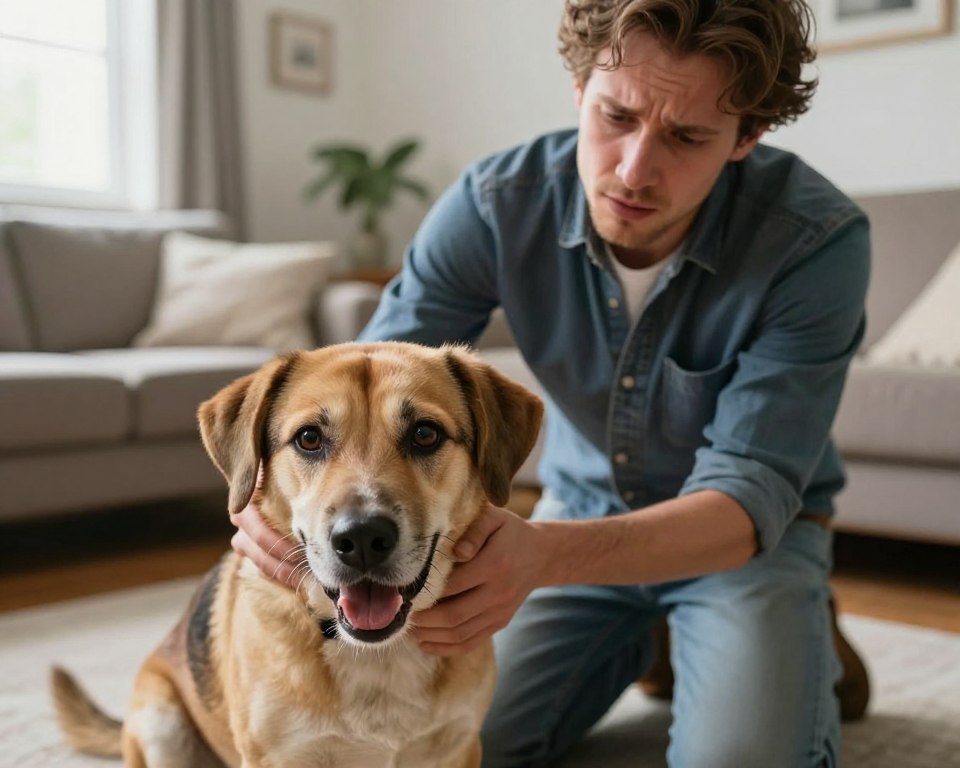
Gastrointestinal Distress and Vomiting
When a dog ingests bleach, the immediate effect is often irritation of the mouth, throat, and stomach lining. You might notice your dog excessively drooling or pawing at their mouth as if trying to remove something stuck inside.
Vomiting is a common indicator that the chemical has reached the digestive tract. If you observe your dog retching or vomiting, it is important to act quickly and seek professional veterinary advice.
Respiratory Irritation and Coughing
Bleach poisoning in dogs often manifests through the respiratory system, especially if the animal has inhaled concentrated fumes. You may notice your pet coughing, wheezing, or struggling to breathe normally.
These signs indicate that the chemical vapors have caused inflammation in the delicate tissues of the lungs and airways. Persistent coughing or rapid, shallow breathing should always be treated as a serious warning sign.
Dermal Reactions and Chemical Burns
Direct contact with bleach can cause significant damage to a dog’s skin and paw pads. Look for areas of redness, swelling, or blistering, which are clear indicators of a chemical burn.
Dogs often attempt to lick these irritated areas, which can lead to secondary ingestion of the toxin. Keeping a close eye on your pet’s behavior after cleaning can help you identify these painful reactions early.
| Symptom Category | Common Clinical Signs | Severity Level |
|---|---|---|
| Gastrointestinal | Drooling, Vomiting, Nausea | Moderate to High |
| Respiratory | Coughing, Wheezing, Dyspnea | High |
| Dermal | Redness, Blisters, Itching | Moderate |
Understanding these symptoms of bleach poisoning in dogs allows you to respond effectively when every second counts. Always prioritize your pet’s safety by keeping hazardous chemicals securely stored and out of reach.
Immediate Steps to Take If Your Dog Ingests Bleach
Knowing exactly what to do if your dog ingests bleach can be the difference between a minor scare and a serious medical emergency. When you suspect your pet has come into contact with a hazardous cleaner, your primary goal is to minimize further damage while seeking professional help. Staying calm is essential, as your dog will pick up on your stress levels.
Assessing the Severity of the Situation
Before you rush to the clinic, take a brief moment to evaluate the circumstances. Identify the specific product used and try to estimate how much your dog may have consumed. If your dog is drooling but not vomiting, you can encourage them to drink a small amount of water or milk to help rinse the gastrointestinal tract.
Observe your pet closely for any immediate signs of distress. Look for changes in breathing, excessive salivation, or signs of oral irritation. Keep the product container nearby, as the ingredient list will be vital for your veterinarian.
Contacting Your Veterinarian or Poison Control
Time is of the essence when dealing with bleach poisoning in dogs. You should immediately call your local veterinarian or a dedicated animal poison control center for guidance. These professionals are trained to handle chemical exposures and will provide specific instructions based on your dog’s size and the amount ingested.
“Always have the product label ready when you call for help. Providing accurate information about the concentration of the bleach allows experts to determine the exact level of risk to your pet.”
Why You Should Never Induce Vomiting Without Guidance
Many pet owners assume that making their dog vomit is the best way to remove toxins. However, this can be extremely dangerous when dealing with corrosive substances like bleach. Inducing vomiting can cause the chemical to burn the esophagus a second time on the way back up.
- Risk of Aspiration: Vomiting can lead to the chemical entering the lungs, causing severe pneumonia.
- Esophageal Damage: Bleach is caustic and can cause significant tissue damage during the regurgitation process.
- Professional Oversight: Only a veterinarian should decide if emptying the stomach is safe for your specific situation.
Always wait for explicit instructions from a medical professional before attempting any home remedies. Following these steps ensures that you do not accidentally worsen the situation while waiting for emergency care.
First Aid Procedures for External Bleach Exposure
When your dog comes into contact with bleach, acting quickly is the best way to prevent serious injury. External exposure to harsh chemicals can lead to painful skin irritation or chemical burns if not addressed immediately. While many owners worry about what to do if your dog ingests bleach, it is equally important to know how to handle surface contact to keep your pet safe.
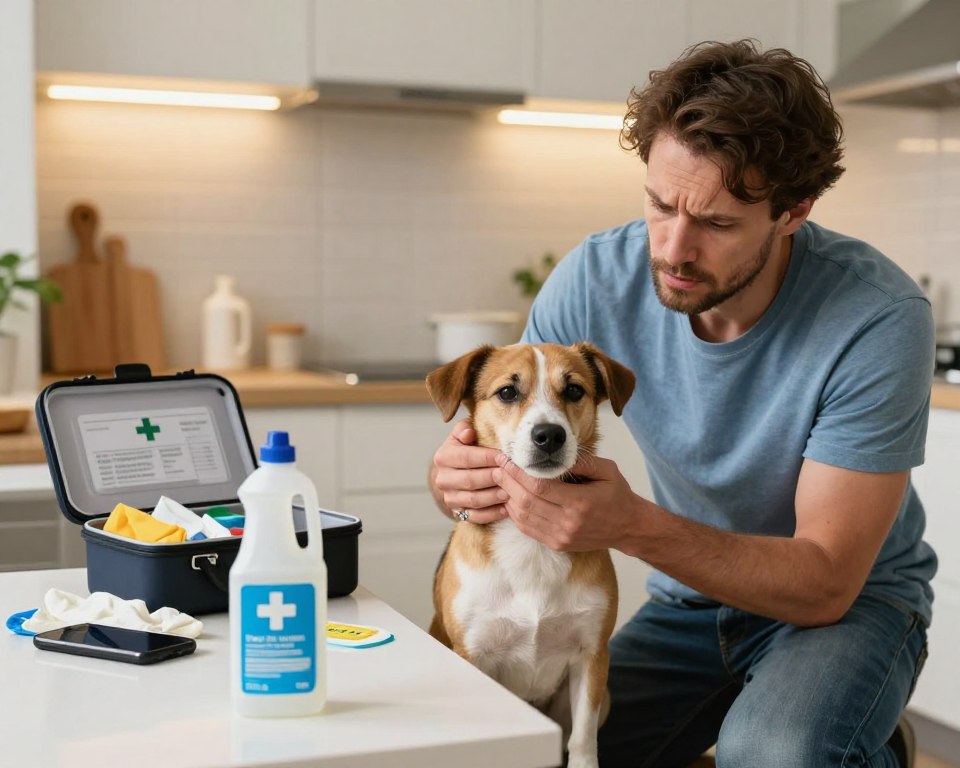
Rinsing the Skin and Fur Thoroughly
The primary goal of first aid is to remove the chemical from your dog’s coat and skin. You should bathe the affected area using mild soap and rinse it thoroughly with plenty of cool water. Ensure that you wash away all traces of the bleach to stop the burning process.
Avoid using hot water, as it may open the pores and allow the chemical to absorb more deeply into the skin. Pat the area dry gently with a clean towel once you are certain the chemical is completely removed. If the bleach has reached the eyes, flush them with lukewarm water for at least fifteen minutes.
Protecting Yourself While Handling the Affected Pet
Your safety is just as important as your pet’s during this process. Always wear protective gloves before touching your dog to prevent the bleach from irritating your own skin. If you do not have gloves, use a thick towel to handle your pet while you move them to a wash area.
Keep your face away from the dog to avoid inhaling any lingering fumes. If your dog is anxious or in pain, they may try to bite or scratch, so move calmly and speak in a soothing voice. Taking these precautions ensures you can provide care without becoming a victim of the chemical exposure yourself.
When to Seek Emergency Veterinary Care
After you have cleaned the area, monitor your dog closely for any signs of worsening distress. If you notice persistent redness, blistering, or if your dog seems lethargic, contact your veterinarian immediately. You should also seek professional help if the dog shows signs of respiratory trouble or if you are unsure about the severity of the exposure.
| Exposure Type | Immediate Action | Risk Level |
|---|---|---|
| Minor Skin Contact | Wash with mild soap | Low |
| Eye Exposure | Flush with water | High |
| Large Area Coverage | Seek Vet Care | Critical |
| Ingestion | Call Poison Control | Emergency |
The Dangers of Bleach for Dogs in Household Cleaning
Maintaining a clean home is a priority for many pet owners, but it is essential to recognize the dangers of bleach for dogs. While these products are effective at sanitizing surfaces, they often contain harsh chemicals that can cause significant harm to your curious companion. Being proactive about your cleaning habits is the best way to ensure your pet stays healthy and happy.
Risks Associated with Bleach-Based Toilet Cleaners
Many people rely on bleach-based toilet cleaners to keep their bathrooms sparkling. However, these products are often kept in low cabinets or left in toilet bowls, making them easily accessible to pets. A dog might be tempted to drink from the toilet, leading to accidental ingestion of concentrated chemicals.
This exposure can cause severe internal damage to the esophagus and stomach lining. Always keep bathroom doors closed and ensure that cleaning supplies are stored in high, secure cabinets to avoid these specific dangers of bleach for dogs.
The Hazard of Mixing Bleach with Other Chemicals
One of the most critical safety rules is to never mix bleach with other household cleaners. Combining bleach with ammonia, for example, creates toxic gases that are incredibly dangerous for both humans and animals. These fumes can irritate the respiratory tract and cause long-term breathing difficulties for your pet.
Even mixing bleach with common acidic cleaners can trigger a hazardous chemical reaction. It is vital to read labels carefully and stick to using one product at a time. Proper ventilation is also necessary to keep the air safe for your four-legged family members.
Why Residue on Floors Remains a Hidden Threat
Even after you finish mopping, the floor may still harbor chemical residue that poses a risk to your pet. Dogs spend a significant amount of time close to the ground, often licking their paws after walking across treated surfaces. This constant contact can lead to skin irritation or accidental ingestion of leftover cleaning agents.
To mitigate these dangers of bleach for dogs, always rinse floors thoroughly with plain water after cleaning. Allowing the area to dry completely before letting your pet back into the room is a simple yet effective way to prevent exposure. Your pet’s safety depends on these small, consistent precautions during your cleaning routine.
How to Keep Dogs Safe from Cleaning Products
Discovering how to keep dogs safe from cleaning products is the first step toward a worry-free home environment. While we all want a sparkling clean house, our pets often explore the world with their noses and paws. Taking proactive measures ensures that your cleaning routine does not become a health hazard for your beloved companion.
Proper Storage Techniques for Hazardous Chemicals
The most effective way to prevent accidents is to restrict access to all chemical agents. You should always store bleach and other cleaners in a secure cabinet that is completely unreachable by your pets. High shelves or locked cupboards are ideal locations for these items.
Never leave bottles sitting on the floor or low countertops, even for a moment. A curious dog can easily knock over a container or lick a spill before you notice. Consider using child-proof locks on cabinets to add an extra layer of security against clever paws.
| Storage Method | Safety Level | Accessibility |
|---|---|---|
| Locked Cabinet | High | Low |
| High Shelf | Medium | Low |
| Under-Sink | Low | High |
Creating a Pet-Free Zone During Deep Cleaning
When you perform a deep clean, it is best to keep your dog in a separate, secure area of the house. This prevents them from walking through wet chemicals or inhaling strong fumes. You might use a baby gate or a comfortable crate in a different room to keep them away from the action.
“Prevention is the cornerstone of pet safety; by controlling the environment during cleaning, you eliminate the risk of accidental exposure entirely.”
Ensuring Adequate Ventilation After Using Bleach
Proper airflow is vital when using strong chemicals like bleach. Always open windows and doors to ensure adequate ventilation throughout the area you just cleaned. This helps dissipate harmful fumes that could irritate your dog’s sensitive respiratory system.
Wait until the surfaces are completely dry and the air is clear before allowing your pet back into the room. By following these simple steps, you learn how to keep dogs safe from cleaning products while maintaining a hygienic home. Consistent habits will protect your pet for years to come.
Pet-Safe Cleaning Alternatives for Your Home
Maintaining a clean home doesn’t have to mean relying on harsh chemicals that put your furry friend at risk. Many conventional cleaners, including some labeled as color-safe or non-chlorine bleaches, contain hydrogen peroxide. While these are often marketed as safer, they can still cause vomiting and tissue irritation if your dog comes into contact with them.
Transitioning to pet-safe cleaning alternatives is a proactive step toward a healthier environment. By choosing ingredients you likely already have in your pantry, you can effectively manage household grime without the worry of toxic exposure.
Using Vinegar and Baking Soda Solutions
Vinegar and baking soda are the gold standard for natural, non-toxic cleaning. A simple mixture of white vinegar and water works wonders on hard surfaces, while baking soda acts as a gentle abrasive for scrubbing away stubborn spots.
“The best way to keep your home clean and your pets safe is to return to the basics of natural, non-toxic ingredients.”
These items are highly effective at neutralizing odors without leaving behind dangerous chemical residues. They provide a reliable way to keep your floors and counters sanitized while ensuring your dog remains safe during and after the cleaning process.
Benefits of Enzymatic Cleaners for Pet Messes
When dealing with specific pet accidents, standard cleaners often fail to remove the underlying organic matter. Enzymatic cleaners are specifically designed to break down proteins found in urine, feces, and vomit at a molecular level.
Unlike harsh chemicals that merely mask odors, these cleaners digest the source of the mess. This process is entirely safe for pets and prevents your dog from being drawn back to the same spot due to lingering scents.
Commercial Non-Toxic Cleaning Brands
If you prefer the convenience of store-bought solutions, there are many excellent dog-friendly cleaning products available today. Look for brands that explicitly state they are non-toxic and free from synthetic fragrances or harsh bleaching agents.
Many companies now prioritize transparency by listing all ingredients on their labels. Choosing these products allows you to maintain a high standard of cleanliness while providing peace of mind that your home is a truly safe haven for your pet.
The Role of Proper Dilution in Reducing Toxicity
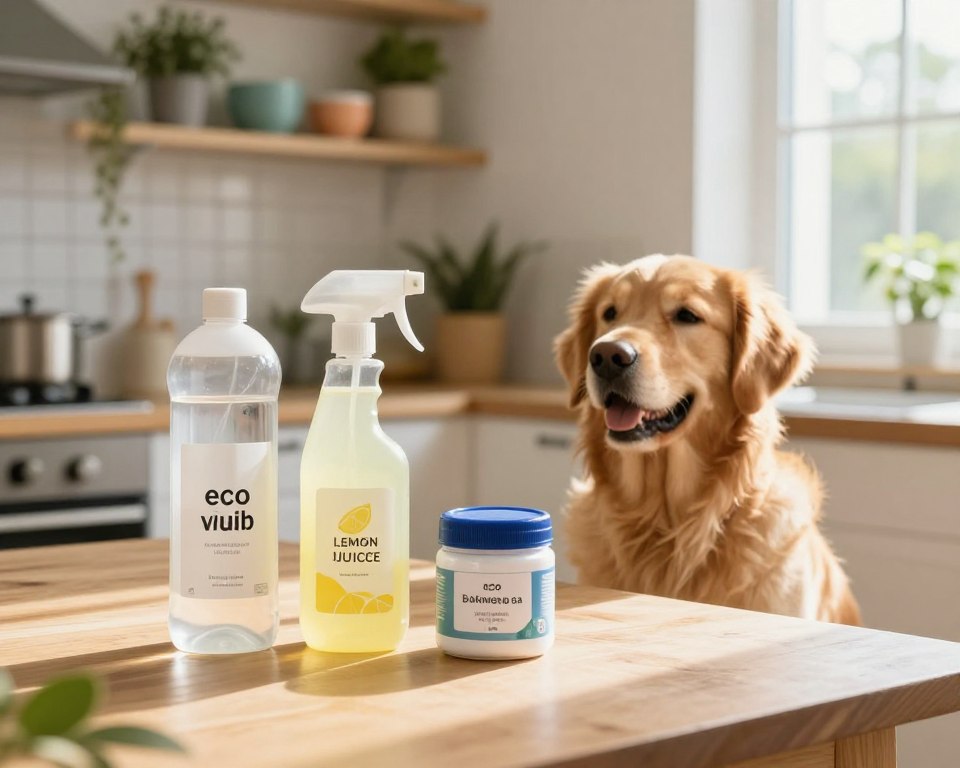
If you choose to use bleach for deep cleaning, understanding how to dilute it properly is your first line of defense. While many homeowners prefer pet-safe cleaning alternatives, some heavy-duty sanitizing tasks may still require the strength of bleach. By following strict dilution guidelines, you can significantly lower the risk of chemical burns or respiratory irritation for your furry friend.
Calculating Safe Ratios for Household Surfaces
The effectiveness of bleach does not depend on using it at full strength. In fact, using concentrated bleach is often unnecessary and poses a serious health risk to pets. Always check the product label for the manufacturer’s recommended dilution ratio.
To keep your environment safe, follow these general guidelines when preparing your cleaning solution:
- Measure accurately: Use a dedicated measuring cup to ensure you do not exceed the recommended amount of bleach.
- Use cool water: Always mix bleach with cool water, as hot water can cause the chemical to release harmful fumes more rapidly.
- Follow the ratio: A common standard for general surface disinfection is often 1/4 cup of bleach per gallon of water, but always verify this against your specific product instructions.
Why Rinsing Surfaces After Cleaning is Essential
Even when you use a properly diluted solution, residue can remain on floors and countertops. Dogs often walk across these surfaces and then lick their paws, which can lead to accidental ingestion of chemical traces. Rinsing the area with clean water is a non-negotiable step in your cleaning routine.
After you have finished scrubbing, wipe the surface down with a fresh cloth dampened with plain water. This simple action removes the lingering chemical film that could otherwise irritate your dog’s skin or digestive tract. By combining careful dilution with thorough rinsing, you create a much safer home environment, even when you choose not to use pet-safe cleaning alternatives for every chore.
Long-Term Health Effects of Chemical Exposure
Beyond the immediate symptoms of bleach poisoning in dogs, there are hidden risks that can impact your pet’s health for months. While many incidents are mild, severe exposure to concentrated chemicals can lead to lasting complications that require ongoing veterinary attention.
Potential Damage to Mucous Membranes
When a dog ingests concentrated bleach, the chemical can cause significant corrosive damage to the delicate lining of the esophagus and stomach. These internal lesions do not always heal quickly and may persist for weeks or even months.
Owners should be aware that these internal injuries often lead to chronic discomfort or difficulty swallowing. If your pet shows signs of persistent lethargy or loss of appetite after an incident, it is crucial to consult your veterinarian for a follow-up examination.
Monitoring for Delayed Respiratory Issues
The dangers of bleach for dogs extend beyond the digestive tract, particularly when toxic fumes are inhaled. Even after the initial irritation subsides, some pets may experience lingering respiratory sensitivity or inflammation.
It is important to watch for subtle changes in your dog’s breathing patterns over the days following an exposure. Persistent coughing or wheezing are common symptoms of bleach poisoning in dogs that may indicate the need for long-term pulmonary support.
| Exposure Type | Immediate Signs | Long-Term Risks |
|---|---|---|
| Mild Contact | Sneezing, watery eyes | Minor skin irritation |
| Severe Ingestion | Vomiting, drooling | Esophageal scarring |
| Inhalation | Coughing, distress | Chronic lung inflammation |
Household Chemicals That Are Harmful to Dogs
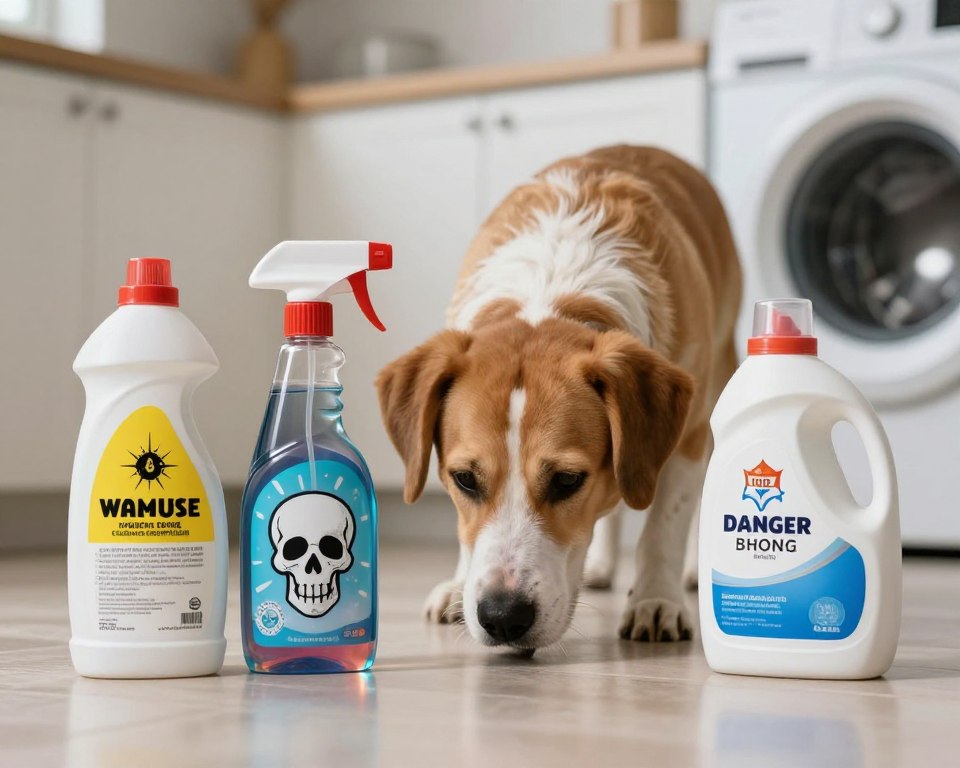
While bleach is a common concern, many other household chemicals that are harmful to dogs hide in plain sight. Keeping your living space sanitary is important, but it should never come at the cost of your pet’s well-being. Understanding the risks associated with various cleaning agents is the first step toward a safer home environment.
Comparing Bleach to Ammonia and Other Cleaners
Bleach is a powerful disinfectant, but it is not the only substance that can cause severe harm. Ammonia, often found in glass cleaners and floor polishes, is highly irritating to a dog’s respiratory tract. When these substances are used improperly, they can lead to significant discomfort or even chemical burns.
Many owners mistakenly believe that mixing different cleaners will improve results. However, combining bleach with ammonia creates toxic chloramine gas, which is dangerous for both humans and pets. Always stick to one product at a time and ensure the area is well-ventilated.
Identifying Toxic Ingredients in Common Household Sprays
To protect your pet, you must learn to read product labels carefully. Many household chemicals that are harmful to dogs contain alcohols, phenols, or strong corrosives that can cause poisoning if ingested or absorbed through the skin. Look for warning labels that indicate the product is hazardous to animals.
Common ingredients to watch for include:
- Phenols: Often found in floor cleaners, these can cause liver damage.
- Isopropyl Alcohol: Frequently used in glass sprays, this can lead to central nervous system depression.
- Phthalates: Found in many synthetic fragrances, these may cause long-term hormonal issues.
The following table outlines common household toxins and their primary risks to your canine companion:
| Chemical Type | Common Source | Primary Risk |
|---|---|---|
| Ammonia | Glass Cleaners | Respiratory irritation |
| Phenols | Floor Disinfectants | Liver and kidney damage |
| Alcohols | Surface Sprays | Nervous system depression |
| Chlorine | Bleach Products | Chemical burns |
Creating a Dog-Friendly Cleaning Routine
Establishing a consistent cleaning routine is the most effective way to protect your furry friend from chemical hazards. Learning how to keep dogs safe from cleaning products does not have to be a stressful endeavor. By integrating a few simple habits into your weekly chores, you can maintain a pristine home while ensuring your pet remains healthy and happy.
Scheduling Cleaning When Pets Are Outdoors
One of the simplest strategies for pet safety is to coordinate your deep cleaning sessions with your dog’s outdoor time. If your dog enjoys playing in the yard or going for a long walk, use that window to tackle your floors and surfaces. Timing is everything when it comes to avoiding accidental exposure to wet chemicals.
If your dog must stay inside, try to keep them in a separate, non-cleaned area of the house. This prevents them from walking through damp residue or inhaling strong fumes while you work. Consistency in this schedule helps your pet understand the routine, reducing their curiosity about your cleaning supplies.
“The best way to ensure a pet-safe home is to treat cleaning as a task that requires a clear, pet-free zone until surfaces are completely dry.”
Using Barriers to Prevent Access to Wet Floors
Physical barriers are essential tools for any pet owner who wants to maintain a clean home. Using baby gates or simply closing doors to rooms you have just mopped can prevent your dog from tracking chemicals through the house. These simple measures act as a critical safety layer while your floors are drying.
When selecting your supplies, consider switching to dog-friendly cleaning products that are less harsh on sensitive paws. Combining these safer alternatives with physical barriers creates a robust defense against accidental ingestion or skin irritation. Remember these key tips for your next cleaning day:
- Always keep pets in a separate room until the floor is dry to the touch.
- Use sturdy gates to block off areas currently being treated with chemicals.
- Ensure that all cleaning buckets and bottles are stored securely out of reach.
Professional Veterinary Treatment for Bleach Ingestion
When your dog accidentally consumes bleach, immediate professional veterinary intervention is the only safe path forward. Time is a critical factor in preventing long-term damage to your pet’s internal organs. Once you arrive at the clinic, the medical team will stabilize your dog and begin a thorough assessment of the situation.
Diagnostic Procedures and Blood Work
Upon arrival, the veterinarian will perform a physical examination to check for signs of chemical burns in the mouth or throat. They may recommend diagnostic imaging, such as X-rays, to look for potential damage to the esophagus or stomach lining. These images help the staff determine if the bleach has caused any immediate structural harm.
Comprehensive blood work is also a standard procedure during these emergencies. By analyzing blood panels, the vet can monitor organ function, specifically looking for signs of liver or kidney stress. This data allows the medical team to tailor a treatment plan that addresses your dog’s specific physiological needs.
Support Care and Fluid Therapy
In severe cases, the primary goal of the veterinary staff is to provide supportive care to keep your dog comfortable and stable. Intravenous (IV) fluids are frequently administered to maintain hydration and help flush toxins from the system. This therapy is essential for protecting the kidneys and supporting overall recovery.
Depending on the severity of the exposure, your veterinarian may also utilize additional life-saving measures. These can include oxygen therapy for respiratory distress, as well as pain killers and anti-inflammatories to manage discomfort. The following table outlines the common interventions used during a hospital stay for chemical ingestion.
| Treatment Type | Primary Purpose | Clinical Benefit |
|---|---|---|
| Intravenous Fluids | Hydration | Flushes toxins and supports kidney function |
| Oxygen Therapy | Respiratory Support | Assists breathing if fumes caused lung irritation |
| Pain Management | Comfort | Reduces inflammation and manages chemical burns |
| Diagnostic Imaging | Assessment | Identifies internal tissue damage or ulcers |
Preventative Measures for Multi-Pet Households
Keeping your furry friends safe from household chemicals that are harmful to dogs is a top priority in multi-pet homes. When you share your living space with several animals, the risk of accidental exposure increases significantly. It is essential to create a environment where every pet remains protected regardless of their age or activity level.
Managing Curiosity in Puppies and Senior Dogs
Puppies are naturally inquisitive and often explore their surroundings by tasting objects. This behavior makes them highly susceptible to ingesting toxic substances left within reach. You must ensure that all cleaning agents are stored in high cabinets or locked cupboards that curious paws cannot access.
Conversely, senior dogs may face different challenges, such as reduced mobility or vision. They might not be able to move away quickly if a spill occurs, or they may accidentally walk through a wet, treated area. Always keep senior pets in a separate room while you are deep cleaning to prevent accidental contact with household chemicals that are harmful to dogs.
Educating Family Members on Chemical Safety
Safety is a team effort that requires every person in your home to be on the same page. Children and guests should understand why certain areas are off-limits during cleaning sessions. Clear communication helps prevent accidental spills or the improper storage of dangerous products.
Consider creating a simple safety plan that everyone can follow. By establishing consistent habits, you significantly reduce the chance of your pets encountering household chemicals that are harmful to dogs. Use the following table to organize your safety protocols effectively.
| Safety Action | Puppy Strategy | Senior Dog Strategy |
|---|---|---|
| Storage | Use child-proof locks | Keep on high shelves |
| Cleaning Time | Crate or separate room | Keep in a quiet, dry area |
| Spill Response | Immediate cleanup | Clear the area entirely |
| Education | Teach kids to store items | Monitor guest access |
Conclusion
Protecting your dog from bleach poisoning is a manageable task that relies on awareness, proper storage, and safe cleaning habits. You hold the power to create a secure environment by choosing non-toxic alternatives whenever possible.
Brands like Seventh Generation or Method offer effective cleaning solutions that remove the risk of chemical burns or respiratory distress. These products keep your floors and surfaces clean without exposing your pet to harsh sodium hypochlorite.
Stay vigilant about where you store your supplies. Keep all hazardous chemicals behind locked cabinets or on high shelves out of reach. A proactive approach to home safety ensures a healthier, happier life for your furry friend.
Share your own experiences with pet-safe cleaning routines in the space below. Your tips might help another dog owner prevent a dangerous accident in their home. Let us work together to keep our pets safe and thriving.
FAQ
Is bleach toxic to dogs?
Yes, bleach is toxic to dogs. It contains sodium hypochlorite, which can cause chemical burns to the skin, eyes, and internal organs if ingested or inhaled in high concentrations.
What are the primary dangers of bleach for dogs?
The main dangers of bleach for dogs include esophageal burns, stomach irritation, respiratory distress from fumes, and severe skin irritation or chemical burns on the paw pads.
What are the most common symptoms of bleach poisoning in dogs?
Common symptoms of bleach poisoning in dogs include excessive drooling, vomiting, redness around the mouth, coughing, and pawing at the face. If it touches the skin, you may see redness or fur loss.
What to do if your dog ingests bleach?
If you need to know what to do if your dog ingests bleach, the most important step is to NOT induce vomiting. Immediately offer small amounts of water or milk to dilute the chemical and call your veterinarian or the ASPCA Animal Poison Control right away.
How can I keep dogs safe from cleaning products?
To keep dogs safe from cleaning products, store all chemicals in locked cabinets, use physical barriers like gates during cleaning, and ensure the house is well-ventilated to clear out any toxic fumes.
Are there any pet-safe cleaning alternatives to bleach?
Yes, there are many pet-safe cleaning alternatives. Diluted white vinegar, baking soda, and specialized enzymatic cleaners like Nature’s Miracle or Seventh Generation products are much safer for use around animals.
What other household chemicals that are harmful to dogs should I avoid?
Other household chemicals that are harmful to dogs include ammonia, antifreeze, drain cleaners, and certain concentrated essential oils. Always check labels for toxic ingredients like phenols or phthalates.
How do I create a dog-friendly cleaning routine?
A dog-friendly cleaning routine involves cleaning one room at a time while the dog is excluded, rinsing all surfaces with plain water after using disinfectants, and switching to non-toxic brands like Method.