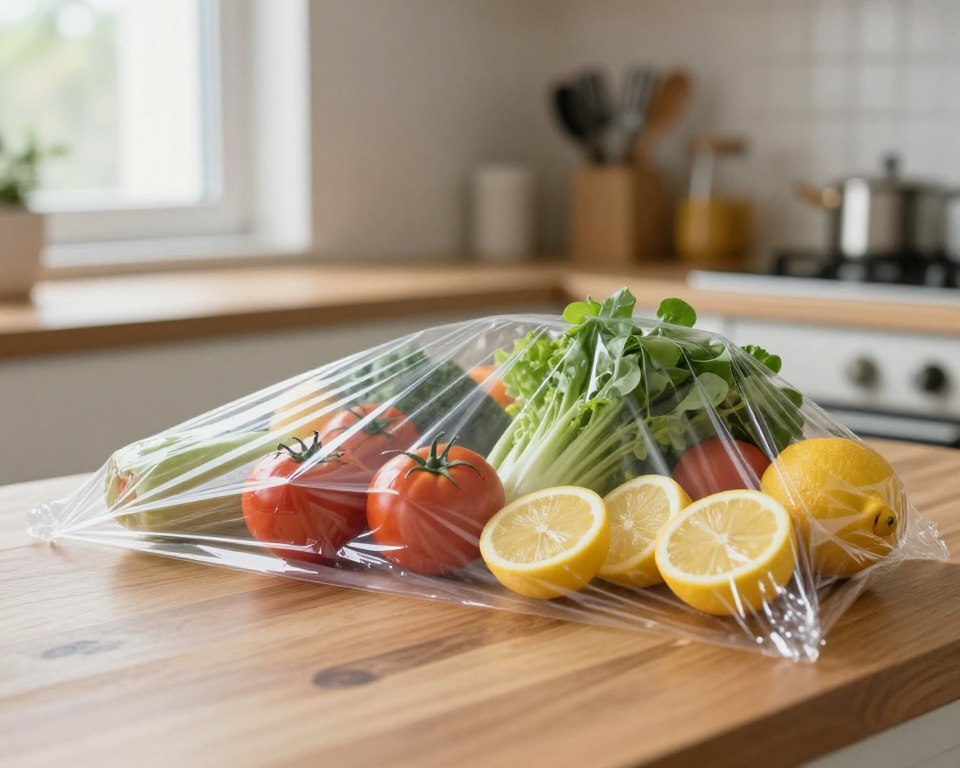
Did you know over 90% of American homes use synthetic films to keep food fresh? These thin barriers are handy but raise plastic wrap safety concerns. People worry about how they might affect their meals.
As a pharmacist, I talk to patients about the hidden dangers of kitchen items. Many ask if these films can leach chemicals into their food when heated or stored.
It’s key to understand the science behind these products for a healthy home. We’ll look at how these materials have evolved and the scientific consensus on using them right. My aim is to give you solid advice for safer kitchen choices.
Key Takeaways
- Synthetic films are widely used but require careful handling to ensure food safety.
- Chemical migration is a documented phenomenon influenced by heat and fat content.
- Modern manufacturing standards have significantly reduced the use of harmful additives.
- Avoiding direct contact with high-fat foods during microwave heating is a recommended best practice.
- Consumers should prioritize products labeled as microwave-safe to minimize potential exposure.
Understanding the Composition of Modern Plastic Wrap
Behind the thin, transparent layer of your kitchen wrap lies a precise scientific formulation. Manufacturers engineer these materials to provide a reliable barrier against oxygen, moisture, and contaminants. Understanding this composition is the first step in evaluating how these products interact with the items they protect.
The Role of Polymers in Food Packaging
At the core of every plastic wrap are polymers, which are long, repeating chains of molecules. These chains provide the structural integrity required to stretch over bowls or wrap around produce without tearing. By adjusting the length and density of these chains, scientists can control how well the film blocks air and water vapor.
These polymers act as a physical shield, keeping food fresh for longer periods. But pure polymers are too brittle for kitchen use. To solve this, engineers add specific chemical agents to improve the material’s performance and handling.
Common Additives and Plasticizers
Plasticizers are essential additives introduced into the polymer matrix to increase flexibility and softness. Without these substances, the film would be stiff and difficult to manipulate. These additives sit between the polymer chains, allowing them to slide past one another more easily, which gives the wrap its signature clinging ability.
While these additives are vital for functionality, they are not chemically bonded to the polymer structure. This means they can potentially migrate under certain conditions, such as high heat or contact with fatty substances. The following table outlines the common materials used in modern food packaging and their primary characteristics.
| Material Type | Primary Use | Key Characteristic |
|---|---|---|
| Polyethylene (PE) | General food storage | High chemical stability |
| Polyvinyl Chloride (PVC) | Professional cling film | Superior stretch and cling |
| Polyvinylidene Chloride (PVDC) | High-barrier wraps | Excellent oxygen resistance |
Can Plastic Wrap Release Chemicals into Your Food
When we cover leftovers, we rarely think about the invisible transfer of molecules. Modern materials are safe, but the question of whether can plastic wrap release chemicals into your food is still a concern for many.
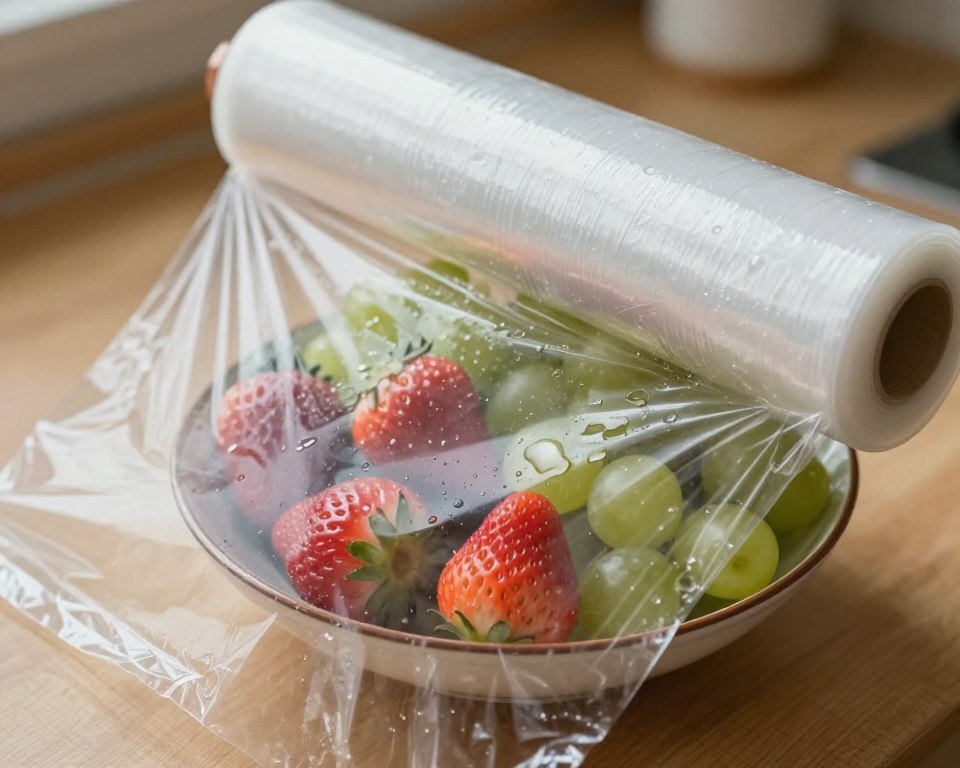
Defining Chemical Migration in Food Science
In food science, migration means substances move from packaging into food. This happens through molecular interaction when plastic film touches food’s moisture or oils. It’s not always quick or easy to see.
Experts watch plastic wrap migration to keep transferred substances safe. This helps us know why some plastics are okay for food and others aren’t.
Factors Influencing the Leaching Process
Many things affect how much chemical leaching from plastic wrap happens. My experience shows that people often don’t realize how these factors speed up the transfer of additives.
Here are key factors that influence migration:
- Temperature: Higher heat makes molecules move faster, speeding up migration.
- Duration of Contact: The longer food is wrapped, the more time molecules have to move from film to food.
- Food Composition: Foods with lots of fat or oil can pull plasticizers out of the film better than water-based foods.
- Surface Area: A bigger contact area between plastic and food means more chance for substance transfer.
By controlling these factors, you can lower the risk of chemical exposure. Paying attention to how you store food is a simple way to keep your kitchen safer.
The Science of Plasticizers and Phthalates
Plasticizers in household items raise safety concerns. They make plastics flexible and durable. But, they also introduce plastic wrap toxins into our homes.

What Are Phthalates and Why Are They Used
Phthalates are chemicals used to soften plastics. They turn rigid PVC into a flexible film. This makes plastic wrap useful for food storage.
These harmful chemicals in plastic wrap work by loosening the plastic’s molecules. This makes the plastic stretchy. But, it also means these chemicals can leak out over time.
Potential Health Implications of Phthalate Exposure
Phthalates are known to disrupt hormones. They can affect the body’s hormone balance. This is a big concern, as it can harm development during critical periods.
Studies show that long-term exposure can lead to reproductive and developmental problems. Knowing about harmful chemicals in plastic wrap helps us avoid them. Here’s a table of common plasticizers and their uses.
| Plasticizer Type | Primary Function | Common Application |
|---|---|---|
| DEHP | High Flexibility | Medical Tubing/Films |
| DINP | Durability | Consumer Plastics |
| DIDP | Heat Stability | Industrial Coatings |
| DOTP | Low Migration | Food-Grade Wraps |
Learning about plastic wrap toxins helps us make better choices. Choosing phthalate-free products is a good start. Staying informed is key to avoiding health effects of plastic wrap chemicals.
Temperature Sensitivity and Chemical Stability
Applying heat to plastic wrap changes its molecules in ways that might harm your food. Many products are made for convenience, not for high heat. Knowing this helps avoid harmful chemicals in plastic wrap that can move during cooking.
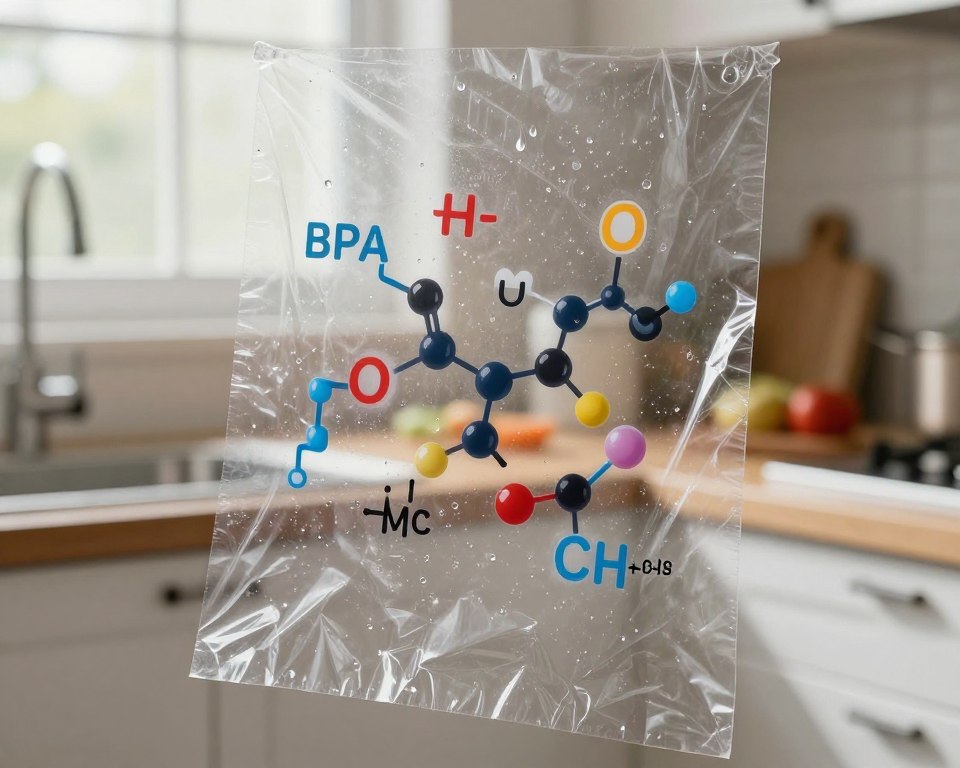
The Impact of Microwaving Plastic Wrap
Many think a product labeled as microwave-safe is safe under heat. But, microwave-safe just means it won’t melt. Heat can still make chemicals move into your food.
I advise avoiding direct contact between plastic and food when heating. If you must use plastic wrap, cover a container instead of touching food. This reduces the risk of harmful chemicals in plastic wrap getting into your food.
Heat Transfer and Molecular Breakdown
Heat breaks down plastic polymers. As it gets hotter, plastic molecules start to vibrate and expand. This makes gaps where additives and plasticizers can escape.
These additives can then mix into fatty or warm foods. This is why high heat and thin plastics don’t mix well. Keeping plastic away from heat keeps your food safe and reduces harmful chemicals in plastic wrap getting into your food.
Fatty Foods and Chemical Migration Risks
The chemicals in your food affect how plastic wrap interacts with it. Some foods increase the risk of risks of using plastic wrap if the wrong material is used. Knowing this helps you make safer choices in the kitchen.
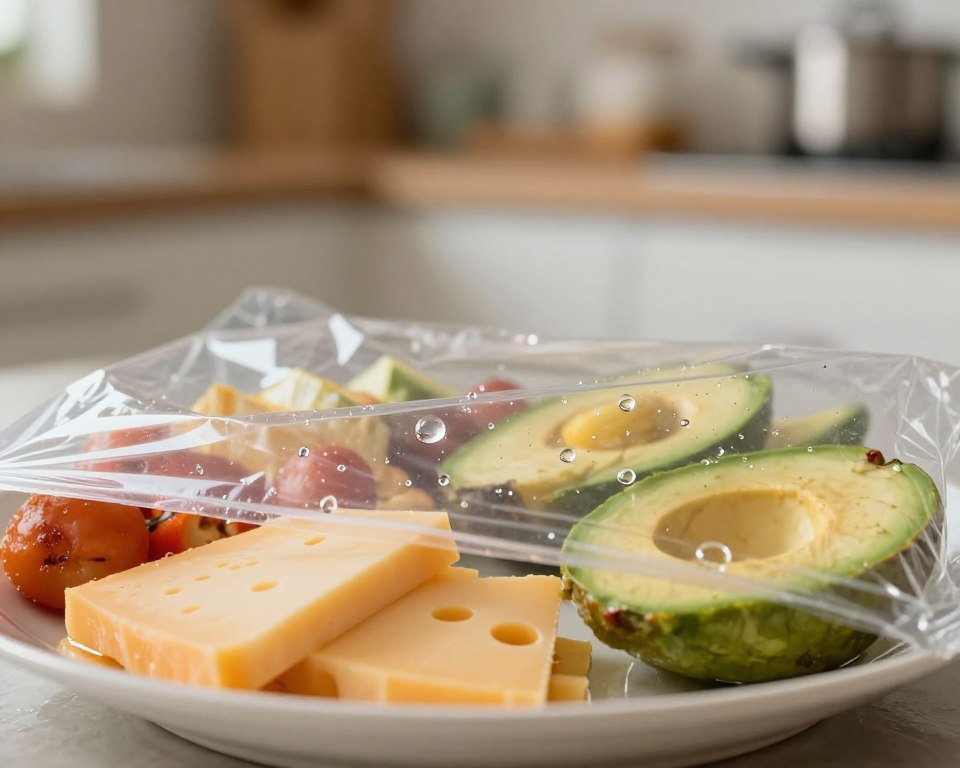
Why Oil and Fat Accelerate Leaching
Plasticizers like phthalates or DEHA make films flexible. These substances dissolve well in fats and oils. Wrapping fatty items like cheese or meats in plastic can cause these additives to leach out.
This is a main reason for chemical leaching from plastic wrap. The chemicals move more easily into fatty foods. This can happen even at room temperature or in the fridge.
Best Practices for Covering High-Fat Foods
To reduce plastic wrap migration, avoid direct contact with high-fat foods. Use inert materials without synthetic plasticizers. Glass containers with tight lids are a good, non-reactive choice for leftovers.
If you must use plastic wrap, put parchment paper between the food and the wrap. This stops the fat from touching the plastic. Choosing safer alternatives like silicone lids or beeswax wraps is also a good idea for daily use.
Regulatory Standards and Safety Testing
Keeping food safe with plastic wrap needs strict rules and tests. Federal agencies set up clear guidelines. These rules change as new science comes out.
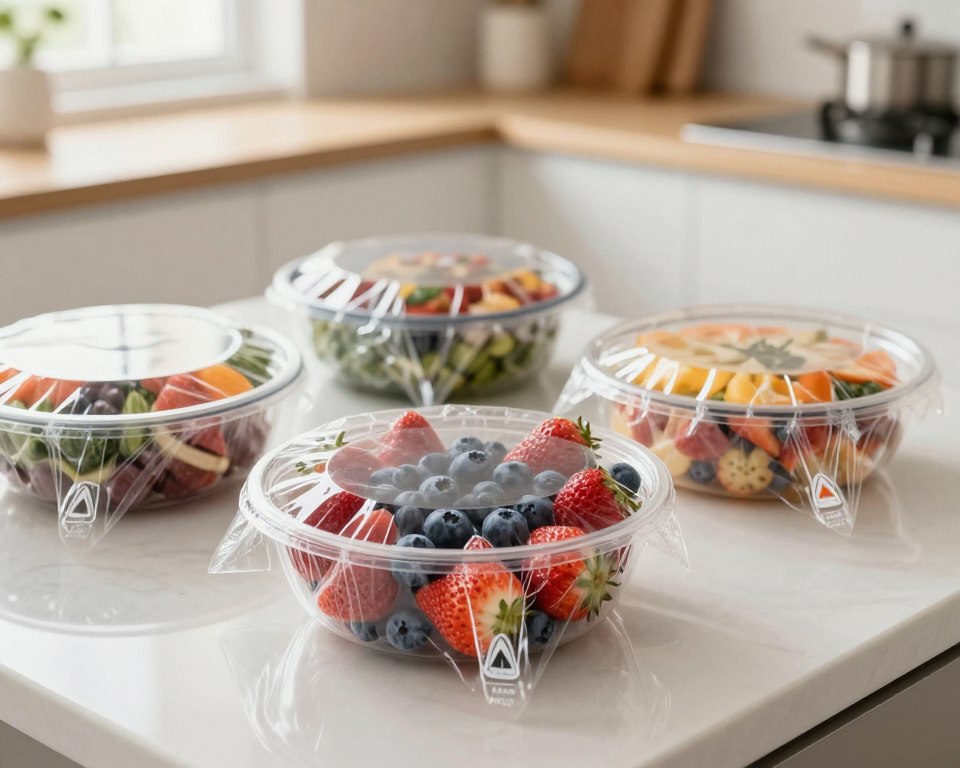
FDA Guidelines for Food Contact Substances
In the U.S., the FDA watches over materials that touch food. They call these Food Contact Substances (FCS). An FCS is anything used in making, packing, or holding food.
Companies must tell the FDA their product is safe. They need to show it won’t mix with food in harmful ways. If the FDA says it’s okay, the product can go on the market.
How Manufacturers Test for Chemical Safety
Companies test their plastic wrap to make sure it’s safe. They use special tests to see if chemicals can get into food. This includes tests with food-like substances under different conditions.
These tests check how chemicals might move into food. Safety checks are ongoing. Companies must keep making their products the same way to stay safe.
This careful process helps keep food safe. It lets people trust the products they use every day. It also helps them understand the science behind food storage.
Distinguishing Between PVC and Polyethylene
The safety of plastic film depends on whether it’s PVC or polyethylene. These materials may seem the same, but they’re not. Knowing the difference helps you discover-7-varieties-of-plastic-and-choose-consciously and choose wisely for your kitchen.
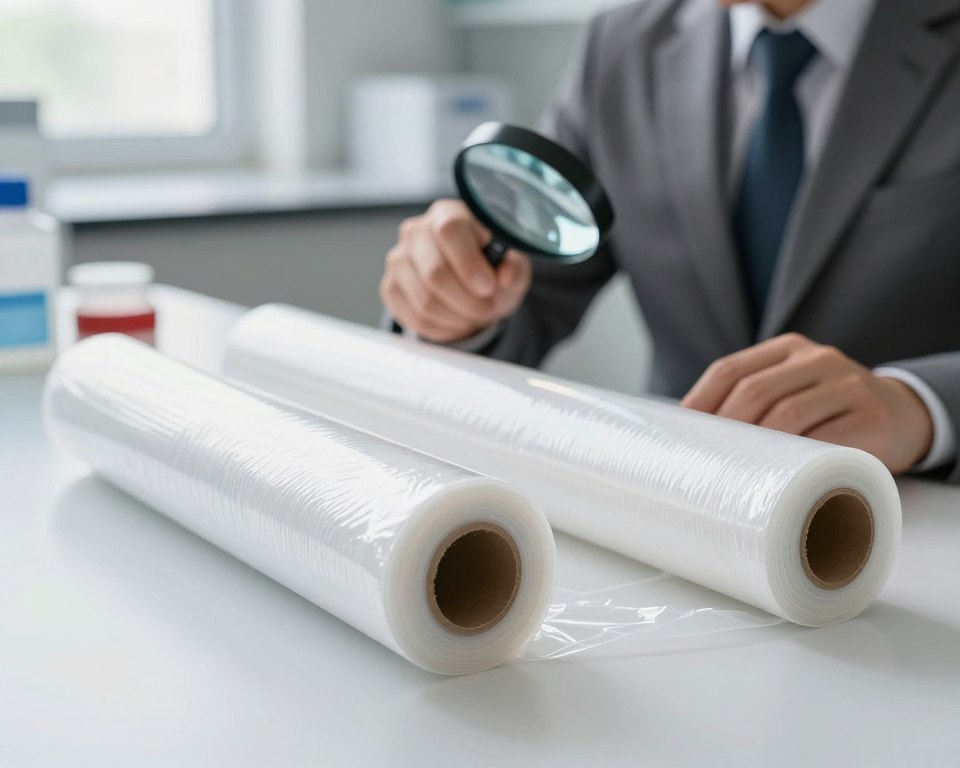
Polyvinyl Chloride (PVC) Concerns
Polyvinyl Chloride, or PVC, is a rigid plastic that needs additives to be flexible. These additives, like phthalates, can easily move into food. This is true when food is heated or has fats.
“The migration of additives from packaging into food is a complex process influenced by the chemical nature of the plastic and the specific properties of the food it touches.”
Health experts worry about PVC because of these risks. The instability of these plasticizers under kitchen conditions makes PVC less safe. So, many are choosing safer options instead.
Polyethylene (PE) as a Safer Alternative
Polyethylene (PE) is now the top choice for food-grade plastic wrap. It’s naturally flexible and doesn’t need harmful additives. Its structure is highly stable, which means it’s less likely to leach chemicals into your food.
Choosing polyethylene means you get a safer, more inert barrier for your food. It’s free from the additives found in older plastics. Look for labels that say polyethylene to make sure you’re getting a safe product.
Identifying Potential Health Effects of Plastic Wrap Chemicals
As a pharmacist, I get asked a lot about the safety of plastic food wrap. These items are convenient, but the health effects of plastic wrap chemicals are still being studied. I aim to make this complex information easy to understand for your everyday life.
Endocrine Disruption and Hormonal Balance
Plastic additives like phthalates can mess with our hormones. Hormones are like messengers in our body. Even small changes can cause big problems.
When we talk about plastic wrap toxins, it’s about how they affect hormones. They can bind to hormone receptors, leading to unexpected effects. This is why scientists worry about their impact on hormone balance.
Long-term Exposure Studies and Current Research
It’s hard to study the effects of chemicals over time. Unlike sudden poisoning, the long-term consequences are slow to show. Researchers are looking at long-term studies to understand how these chemicals build up in our bodies.
New studies are helping us learn more about these materials and their health effects. Even though most uses seem safe, scientists say we should stay careful. As a healthcare expert, I suggest being cautious when using plastic wrap.
| Chemical Category | Primary Function | Potential Health Concern |
|---|---|---|
| Phthalates | Flexibility | Endocrine disruption |
| Bisphenols (BPA) | Hardness/Durability | Hormonal interference |
| Adipates | Plasticization | Metabolic sensitivity |
Image Disclosure and Educational Context
We want to be clear about the images in this article. We use different pictures to explain complex ideas about food safety and how chemicals move.
Some pictures are made by artificial intelligence. These images are for educational purposes only. They help make hard scientific ideas easier to understand.
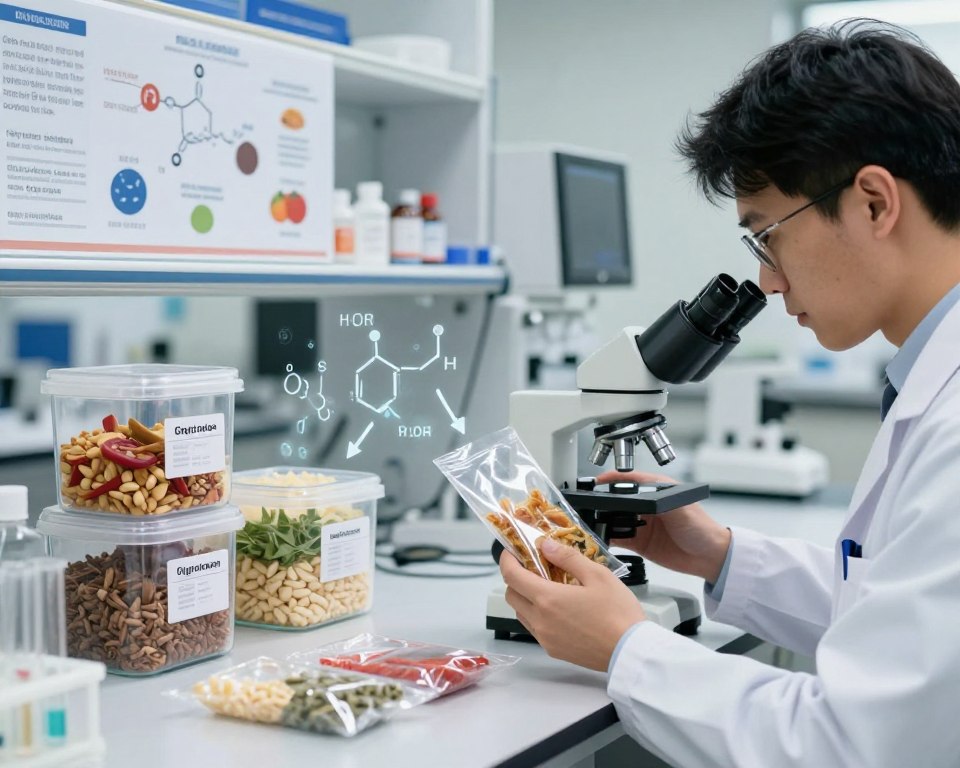
Understanding AI-Generated Visuals in Health Content
AI pictures help connect complex data with easier-to-understand visuals. They show how molecules work in packaging materials.
These images are meant to help explain the text, not replace it. We think visual storytelling makes science easier to grasp for our readers.
Limitations of Digital Illustrations in Scientific Communication
Digital pictures have their own limits. They are not exact tools for medical or vet diagnosis.
We always aim for accuracy. We use peer-reviewed data to back up our guide. Always talk to experts before making health or safety choices.
See these images as supplementary aids, not as final proof. This way, we make sure our readers get accurate and engaging information.
Practical Tips for Reducing Chemical Exposure
You can lower your risk of plastic wrap chemical exposure by changing your food storage habits. Modern life often uses synthetic films, but you can control your kitchen to protect your health. Choosing safer materials helps manage the risks of using plastic wrap daily.
Selecting BPA-Free and Phthalate-Free Products
Always check the packaging for safety certifications when using plastic films. Look for labels that say the product is BPA-free and phthalate-free. These additives can cause migration concerns.
If a product doesn’t clearly state its chemical composition, choose another. Learn more about reducing plastic chemical exposure by checking the materials you bring home. Choosing products with clear manufacturing information helps avoid plastic wrap safety concerns.
Proper Storage Techniques to Minimize Contact
Reducing chemical migration starts with less direct contact between plastic and food. Avoid wrapping hot items, as heat increases leaching. Let food cool before covering it, or use a non-reactive container instead.
Glass and stainless steel are great alternatives to synthetic films. They are inert, meaning they won’t react with your food. The table below shows the benefits of different storage options for your kitchen.
| Storage Material | Chemical Risk | Heat Resistance | Best Use |
|---|---|---|---|
| Plastic Wrap | High | Low | Short-term cold storage |
| Glass Containers | None | High | Leftovers and reheating |
| Stainless Steel | None | High | Dry goods and meal prep |
| Beeswax Wraps | Low | Low | Room temp produce |
Sustainable Alternatives to Traditional Plastic Wrap
Switching to reusable materials is key to reducing plastic use. Many are now choosing safer, inert storage options. These alternatives are durable and reliable for keeping food fresh while avoiding harmful chemicals.
Beeswax Wraps and Silicone Covers
Beeswax wraps are a natural, biodegradable choice. Made from cotton, beeswax, resin, and jojoba oil, they are breathable and protective. They’re ideal for covering bowls or wrapping items like cheese and veggies.
Silicone covers are also great for kitchens. Unlike thin plastic, high-quality silicone is heat-resistant and doesn’t break down easily. These covers seal airtight, keeping food fresh without chemical leaching. Knowing how long cleaning product fumes last helps keep your home chemical-free.
Glass and Stainless Steel Storage Solutions
Glass containers are top for storing food without chemicals. Glass is non-porous, so it doesn’t absorb odors or leach chemicals. It’s a highly recommended choice for fridge or pantry storage.
Stainless steel is another safe, shatterproof option for storing food. It’s lightweight, easy to clean, and free from harmful plasticizers. Using these materials makes your kitchen safer and healthier.
| Material | Best Use Case | Safety Benefit |
|---|---|---|
| Beeswax Wraps | Produce and dry goods | Natural, biodegradable |
| Silicone Lids | Bowls and containers | Heat-resistant, reusable |
| Glass Containers | Leftovers and liquids | Non-porous, inert |
| Stainless Steel | Meal prep and snacks | Durable, non-leaching |
Navigating Consumer Labels and Packaging Claims
Understanding the fine print on your food storage products is key to avoiding plastic wrap chemical exposure. Packaging symbols and terms can be tricky to understand. It’s important to pay close attention to these details to keep your kitchen safe.
Decoding Recycling Codes and Safety Symbols
Most plastic products have a resin identification code, shown as a number inside a triangle. These numbers tell you the plastic type, but they don’t always mean it’s safe for food. For example, “microwave-safe” doesn’t mean the plastic won’t leach chemicals.
When checking plastic containers and food safety, look for “FDA Approved” or “Food Grade” labels. These show the product has passed federal safety tests. Choose products that say they’re free from harmful additives like phthalates or bisphenols.
Marketing Terms vs Scientific Certifications
It’s crucial to know the difference between marketing claims and scientific facts. Terms like “natural,” “eco-friendly,” or “green” can be misleading. Instead, look for third-party certifications from trusted organizations.
“Consumers should look for verifiable data rather than relying on front-of-package marketing buzzwords. True safety is found in the technical specifications and independent laboratory testing results.”
Choosing evidence-based labels can greatly reduce your risk of plastic wrap chemical exposure. Below is a table that explains common labels and their health implications.
| Label/Term | Meaning | Safety Implication |
|---|---|---|
| #1 PETE | Polyethylene Terephthalate | Generally safe for single use; avoid heat. |
| BPA-Free | No Bisphenol A used | Reduces endocrine disruption risks. |
| Microwave Safe | Heat resistant | Does not guarantee zero chemical migration. |
| Third-Party Certified | Independent testing | Highest level of consumer confidence. |
To ensure plastic wrap food safety, be proactive in reading labels. Ignore marketing terms and focus on scientific certifications. This way, you can make choices that protect your family. Knowledge is your best tool in the marketplace.
Conclusion
Plastic wrap is handy for storing food for a short time. But, it’s important to watch out for chemicals that might move into your food. Making a few changes in your kitchen can really help reduce your exposure to harmful substances.
Keeping food at the right temperature is key to keeping it safe. Make sure plastic wrap doesn’t touch high-fat foods to avoid chemicals leaking into them. For heating and storing food for a long time, use things like glass, ceramic, or stainless steel instead.
Look for brands like Pyrex or Anchor Hocking for safer options. Also, consider using silicone covers or beeswax wraps for leftovers. These choices can make your kitchen a safer place.
Always rely on facts when dealing with food packaging today. Keep checking the products you buy. Making smart choices now helps keep you healthy for the future.
FAQ
Can plastic wrap release chemicals into my food during storage?
Yes, chemicals can move from packaging to food. This is called chemical migration. It happens more when food is fatty, the temperature is high, and the contact time is long. Even though plastic wrap is safer now, it’s still important to watch out for these issues.
What are the primary plastic wrap toxins I should be aware of?
The main harmful chemicals are phthalates and DEHA. They make plastic wrap flexible but can leak out. These chemicals can affect hormones in the body, which is a big concern for me as a pharmacist.
Are the risks of using plastic wrap higher when microwaving?
Microwaving plastics can break them down faster. Even if it’s labeled “microwave safe,” it’s still risky. I advise against wrapping food in plastic wrap when heating it to avoid chemical exposure.
Why is plastic wrap migration more common with fatty foods?
Chemicals in plastics like to mix with fats. So, when you wrap fatty foods like cheese or cooked meats, the oils can pull out these chemicals. Knowing this helps us use plastic wrap more safely.
Is Polyethylene a safer alternative to Polyvinyl Chloride (PVC)?
Yes, Polyethylene (PE) is safer than PVC. Most wraps are now made of PE, which doesn’t need phthalates to stay flexible. Look for “PVC-free” labels to avoid migration risks.
What specific health effects are linked to plastic wrap chemical exposure?
The big worry is hormone disruption. Phthalates can mess with hormones, leading to reproductive and developmental problems. While one use is unlikely to harm, long-term exposure is a concern.
How can I identify if a product is BPA-free or phthalate-free?
Check for specific certifications and recycling codes. PE wraps have codes #2 or #4. Always look for “BPA-free” and “phthalate-free” labels to be sure.
What are the best sustainable alternatives to avoid chemical leaching from plastic wrap?
Use materials that don’t leach chemicals. Pyrex glass, stainless steel, or Bee’s Wrap are great choices. They keep your food safe without the risk of chemical exposure.
Does the FDA regulate the chemical safety of food wraps?
The FDA sets safety standards for food-contact substances. But, these rules change as new research comes in. While regulations help, making smart choices about plastic wrap is also important for your health.