Every year, over 300 million pounds of the world’s most common herbicide are used. This herbicide has been around for over 40 years. It’s a key part of modern farming, but it raises big questions about its safety for people.
As a pharmacist, I look at chemical safety based on real data, not just what we hear. I want to cut through the noise and focus on the science. Understanding the science is key to making smart choices for your family.
This article aims to give you a fair look at glyphosate’s safety. We’ll dive into how it works and what health groups say. Knowledge is your best defense against unknown dangers in your world.
Key Takeaways
- The substance has been the primary global herbicide for over 40 years.
- Clinical data is more reliable than public opinion for safety.
- Regulatory agencies keep checking the safety data to protect us.
- Independent research helps us tell real facts from marketing.
- Pharmacist-verified info helps you make safer, informed choices.
Understanding the Chemistry and History of Glyphosate
To grasp the glyphosate safety concerns, we must look at its chemical roots. This herbicide was first made in the 1950s. It’s now key in fighting weeds in farming thanks to its ability to reach every part of a plant.
Its use has led to studies on how it affects living things. Knowing its history and how it works helps us understand its role in health and environmental debates.
The Development of N-phosphonomethyl glycine
The main ingredient in many herbicides is called N-phosphonomethyl glycine. Monsanto scientists found it in the early 1970s. They saw it could stop plants from growing without harming the soil.
This breakthrough changed farming by making weed control easier. As farming grew, so did the need to check if glyphosate was safe for people and the planet.
Mechanism of Action in Plant Biology
Glyphosate works by blocking a key plant growth pathway. It stops the enzyme EPSPS from working. Without this enzyme, plants can’t make amino acids needed to live, and they die.
“The selectivity of glyphosate is rooted in the fact that the shikimate pathway is present in plants, bacteria, and fungi, but is noticeably absent in mammals.”
Because animals lack this pathway, glyphosate is not very toxic to them. The table below shows how it affects different life forms.
| Biological System | Presence of EPSPS Enzyme | Sensitivity to Glyphosate |
|---|---|---|
| Vascular Plants | Yes | High (Inhibited) |
| Bacteria/Fungi | Yes | High (Inhibited) |
| Mammals/Humans | No | Low (Not Targeted) |
Knowing how glyphosate works is key to understanding its safety. It’s great at killing weeds, but scientists keep watching its effects on the environment.
The Regulatory Landscape in the United States
In the United States, federal agencies oversee glyphosate. They work together to make sure chemicals are safe for people and the environment. It’s important to know how they set and keep safety standards.
These agencies review a lot of data. They look at how chemicals affect health and how people are exposed to them. But, their methods might not always match those used by scientists in research.
Environmental Protection Agency (EPA) Stance
The Environmental Protection Agency (EPA) is in charge of pesticides. They check if these substances are safe for use. Glyphosate is classified by the EPA as Category IV, which means it’s very safe.
This means glyphosate is almost harmless if used correctly. The EPA looks at long-term effects, like cancer and reproductive issues. They make sure it’s safe for everyone when used as directed.
The Role of the Food and Drug Administration (FDA)
The Food and Drug Administration (FDA) checks food for chemical residues. They test food every year to make sure it’s safe. They set limits, called Maximum Residue Limits (MRLs), to keep people safe.
The FDA mainly watches over food safety. They test many foods to see if they follow rules. This helps keep food safe for everyone.
Is Glyphosate Dangerous to Human Health
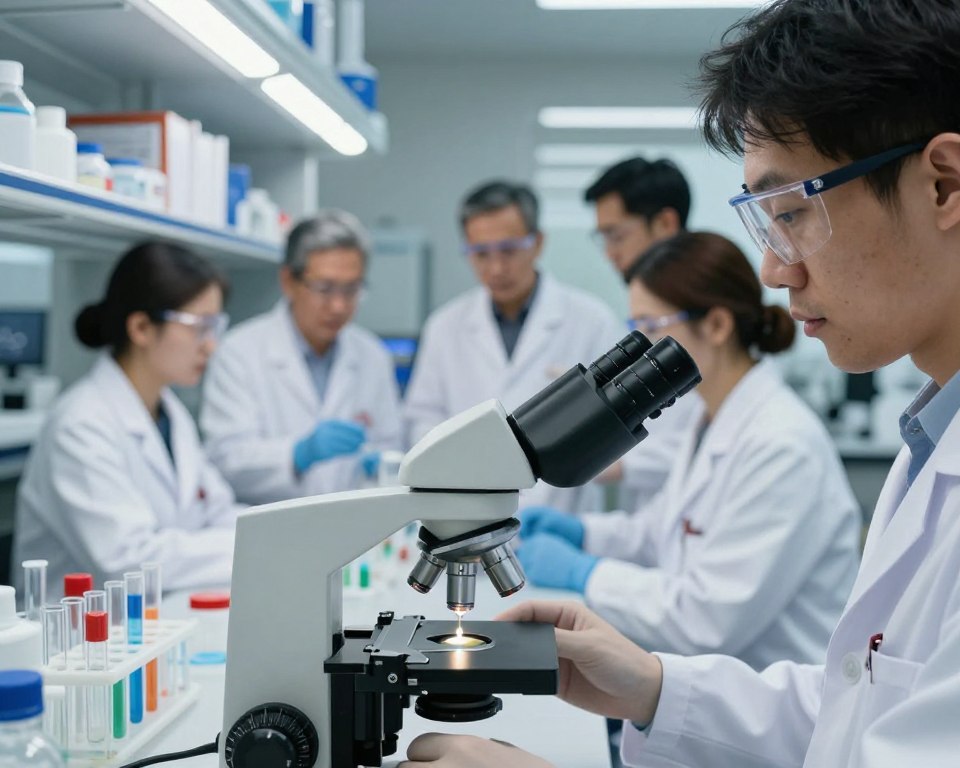
Many people wonder if glyphosate is safe. It’s the most used herbicide in the U.S. We need to look at both official studies and independent research to understand its effects on humans.
Evaluating Carcinogenicity Claims
In 2015, a big change happened. The International Agency for Research on Cancer (IARC) said glyphosate is probably carcinogenic to humans. This made people worldwide worry about the glyphosate cancer risk.
This finding means glyphosate might cause cancer in some cases. But, other groups look at how likely it is to happen. So, the health risks of glyphosate are being studied by experts all over.
Acute Toxicity and Exposure Pathways
Experts talk about two main ways glyphosate can affect us. High doses can cause serious problems, but this is rare. Most people worry about small amounts in food or the environment.
To understand glyphosate health effects, we need to know how it works in our bodies. Some studies show it might affect cells, but the science is not clear. This is because it’s hard to study how we all get exposed to it.
| Exposure Type | Primary Context | Clinical Concern | Risk Level |
|---|---|---|---|
| Acute | Accidental ingestion | Immediate systemic toxicity | High (Rare) |
| Chronic | Dietary/Environmental | Long-term cellular impact | Low (Debated) |
| Occupational | Agricultural handling | Dermal/Inhalation contact | Moderate |
Glyphosate Residues in the American Food Supply

It’s important to know how chemicals from farms end up in our food. Modern farming uses many tools to protect crops, but glyphosate in food is a big concern. These chemicals can stay in the food chain, showing up in both fresh and processed foods.
Detection Methods in Common Crops
Experts use special methods to find tiny amounts of herbicides in food. They use liquid chromatography and mass spectrometry to spot minute concentrations. This helps us understand how much glyphosate in food we really eat.
They test many types of crops, like grains and legumes. By checking samples from all over, they get a clear picture of what we eat. This helps keep the food industry honest and safe.
Safety Thresholds and Maximum Residue Limits
Government agencies set Maximum Residue Limits (MRLs) for chemicals. An MRL is the highest allowed amount of a pesticide in food. These limits are set to keep us safe.
Studies show that 60–80% of Americans have pesticide residues in their urine. But these levels are usually safe, thanks to strict rules. These rules help keep our food safe and support efficient farming.
Environmental Impact and Soil Health
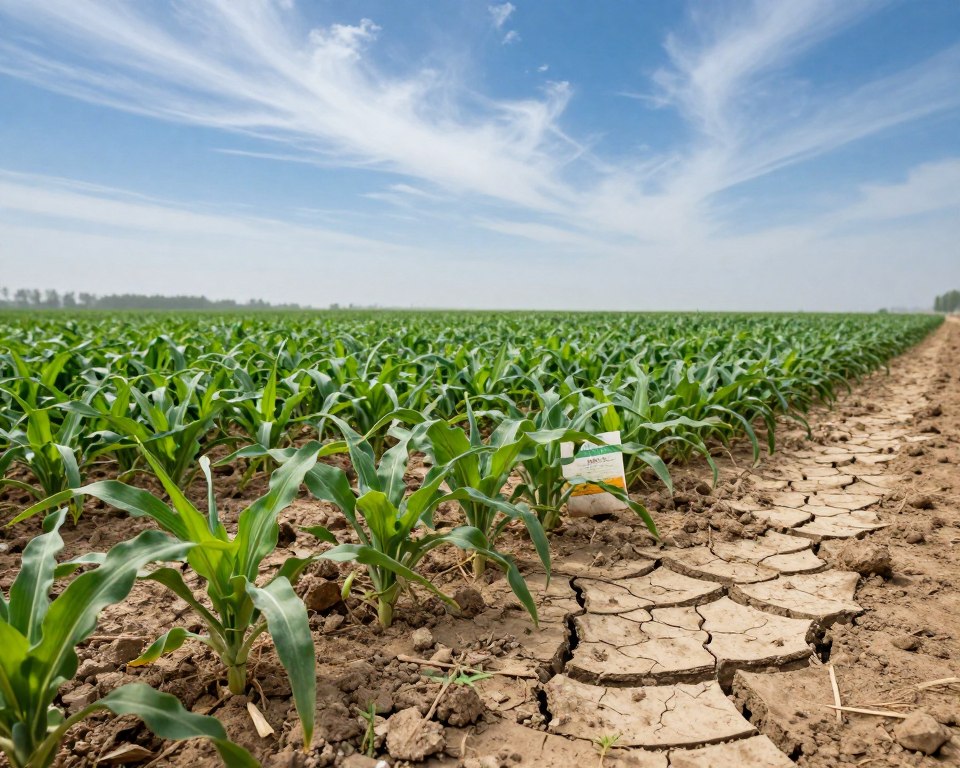
The environmental impact of glyphosate goes beyond the fields where it’s used. It affects the earth and water systems in many ways. Scientists are studying these effects to understand the bigger picture of modern farming.
Persistence in Soil and Water Systems
Glyphosate sticks to soil particles tightly. This makes it hard for it to move into deep groundwater. But, how long it stays depends on many factors.
The time it takes for glyphosate to break down in soil varies a lot. It can be from 1 to 280 days. This depends on the soil, temperature, and microbial activity in the area. If there are lots of microorganisms, they can break it down faster.
Effects on Non-Target Plant and Insect Species
Glyphosate is meant for weeds, but it can affect other plants too. Drift or runoff can reach areas not meant to be sprayed. This can change the local plants and upset the balance of native species.
Also, fewer plants can hurt insects that depend on them. This can change the landscape and affect biodiversity. It’s important to manage weeds without harming other life in the ecosystem.
Glyphosate Exposure Effects on Wildlife

Modern agriculture’s impact goes far beyond just the fields. The environmental impact of glyphosate shows how non-target species get affected. This includes drift, runoff, or direct contact. It’s key to keep our natural habitats in balance.
Impact on Pollinators and Beneficial Insects
Pollinators like bees and butterflies are essential for our ecosystems and food. Studies show glyphosate exposure effects can harm them by reducing wildflowers and native plants. These plants are vital food sources for insects.
When these plants disappear, insects’ nutrition drops. This can hurt their health and survival.
Some research looks into how herbicides affect beneficial insects’ foraging. The main worry is losing biodiversity. But experts point out other risks to insects:
- Less nesting sites because of lost non-crop vegetation.
- Herbicides might mess with bees’ gut health.
- Less successful reproduction due to poor nutrition.
Bioaccumulation Concerns in Aquatic Ecosystems
Water systems face big threats from chemical runoff. Glyphosate can stay in water for up to 315 days. This depends on light, water temperature, and more.
“The persistence of chemical compounds in aquatic environments necessitates a cautious approach to land management to protect sensitive water-dwelling species.”
Bioaccumulation happens when organisms absorb substances faster than they can get rid of them. Glyphosate might not bioaccumulate as much as other pesticides. But its long-term presence in water is a big concern. We need to watch how it affects fish, amphibians, and plants in water.
Image Disclosure and Educational Visuals
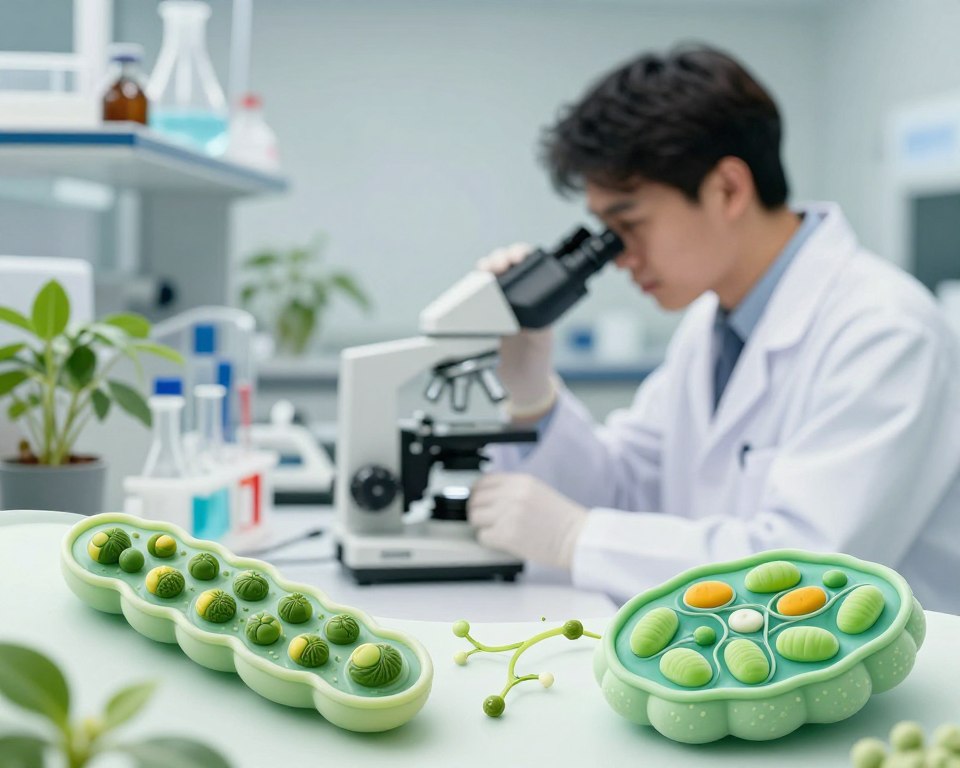
Some images in this guide are digitally enhanced or AI-generated. We want to be clear about the visual content we provide. This way, we keep educational clarity high and are open about how we create our images.
Purpose of Illustrative Media
We use different types of images to explain complex biological processes. AI-generated images are great for visualizing complex biological mechanisms. They help connect scientific data with practical understanding.
Our goal is to make technical info easier for more people to understand. Visual learning is a powerful tool for explaining how chemicals and living things interact. These images help readers grasp the concepts in this article.
Limitations of AI-Generated Educational Content
Remember, these images are for learning only. They should never replace a vet’s diagnosis or treatment. While they offer context, they can’t replace real-world clinical exams.
Don’t rely only on digital images for medical decisions. Always talk to a vet when you have health concerns about your pets or environment. We aim to give you the info you need to make smart choices with your experts.
Note on Veterinary and Biological Accuracy
We aim for accuracy in our educational materials. But, AI-generated images might show things in a stylized way that’s not exactly right. See these images as conceptual aids, not as clinical records.
If you need medical advice, talk to a vet or specialist. We’re committed to giving you evidence-based info to keep you safe. Always trust your vet’s advice most when dealing with health risks.
Comparing Scientific Perspectives and Conflicting Studies
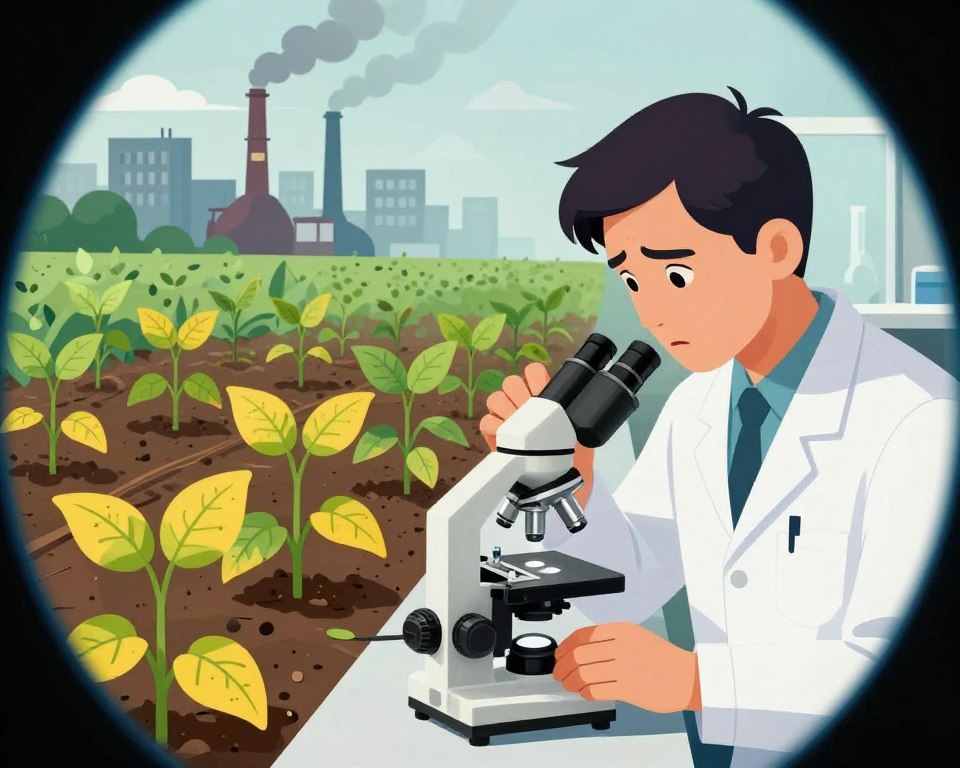
To understand why health groups disagree on chemical safety, we need to look at how they do research. The health risks of glyphosate show that how data is seen can change based on who looks at it. This difference leads to a big debate about the safety of farm chemicals.
The International Agency for Research on Cancer (IARC) Classification
In 2015, the IARC said glyphosate might cause cancer. They looked at if it could harm anyone, anytime. But, the FAO/WHO later said it’s safe based on how much people eat it.
The IARC looked at if glyphosate could harm, while others checked how much it actually does. For those worried about glyphosate cancer risk, knowing the difference is key.
Industry-Funded Research Versus Independent Academic Studies
Most of the confusion about health risks of glyphosate comes from who funds the research. Studies backed by companies are often questioned because of possible biases. On the other hand, studies done by universities might show different things because they use different methods.
It’s important to judge the quality of research carefully. Look for studies that are clear about who paid for them and follow strict testing rules. By focusing on top-notch, reviewed studies, we can make better choices about glyphosate cancer risk.
Occupational Safety for Agricultural Workers
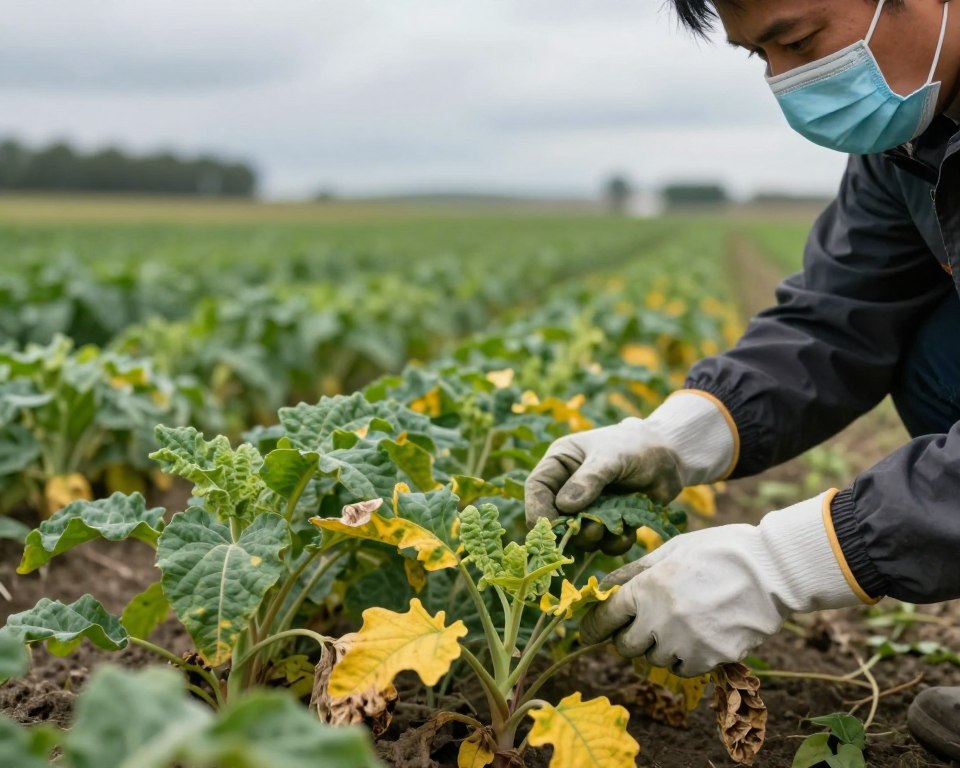
Reducing glyphosate toxicity starts with safe handling of concentrated formulas. As a pharmacist, I’ve seen that training and following safety rules are key. Workers must always put health first in their daily tasks.
Best Practices for Handling Herbicide Formulations
How workers handle chemicals greatly affects their safety. Studies show that farmers without gloves have more herbicide in their urine. This shows that skin contact is a major way chemicals get in the body.
Always read the label before starting any task. Labels give important info on how to mix and apply safely. Consistency is key; treat every application as a critical moment to avoid accidents.
Personal Protective Equipment (PPE) Recommendations
To reduce glyphosate exposure effects, workers need the right PPE. The goal is to block chemicals from touching the skin or lungs. Essential gear includes gloves, long clothes, and closed shoes.
When there’s a chance of breathing in mist, a respirator is a must. Proper maintenance of this gear is as critical as wearing it. By focusing on these steps, workers can do their jobs safely and protect their health for the long term.
Glyphosate Alternatives in Modern Agriculture
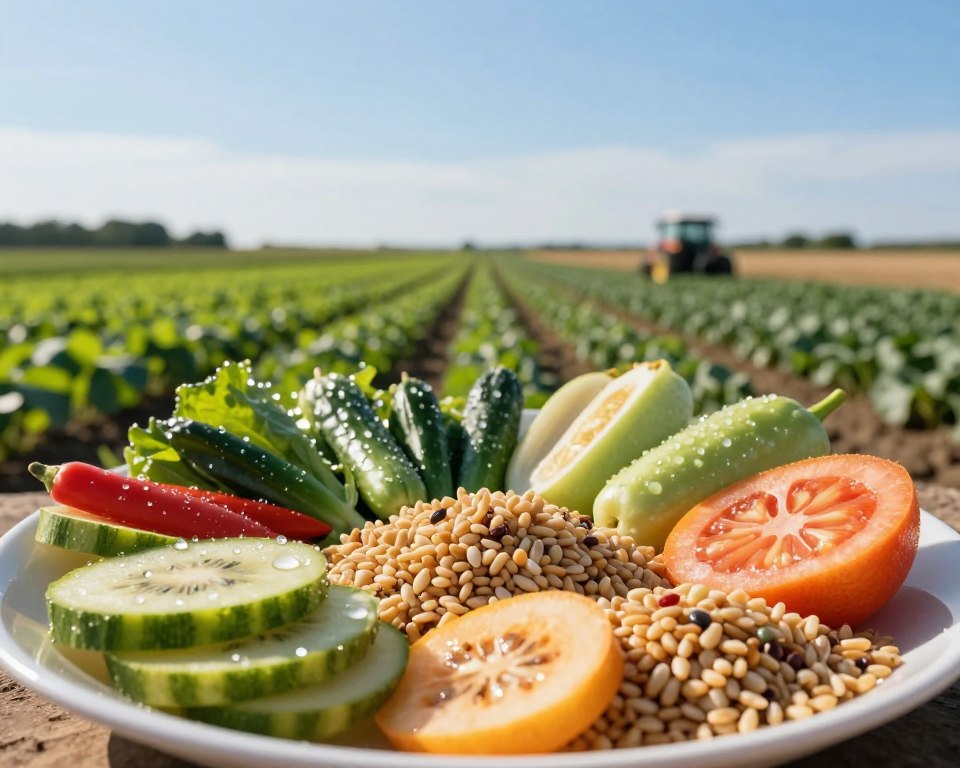
To cut down on glyphosate in food, we need to change how we handle weeds on farms. Many farmers are now focusing on soil health and ecological balance. They’re moving away from just using chemicals.
Research on sustainable farming is growing. Farmers are using different methods to keep yields high. This way, they meet consumer demands for less chemical use.
Integrated Pest Management (IPM) Strategies
IPM is key to modern, green farming. It aims to prevent pests over time. This is done through methods like using natural enemies and changing habitats.
Instead of one herbicide, farmers watch their fields closely. They only use targeted treatments when needed. This reduces chemicals in the environment.
Mechanical and Biological Weed Control Methods
Mechanical control uses tools like cultivators and mowers to remove weeds. It’s effective for early-season weeds without chemicals.
Biological control uses natural enemies or cover crops to fight weeds. Glyphosate is banned in organic farming. Organic farming relies on these methods to protect crops.
By using these varied methods, farming is finding new ways to reduce glyphosate in food. These methods help the environment and give consumers more green options.
Public Perception and Media Influence
How we see agricultural chemicals is often influenced by viral stories, not solid science. While tests are done by regulators, we hear bits and pieces from different places. This gap can make people worry more about glyphosate safety concerns than the actual facts.
The Role of Social Media in Shaping Safety Concerns
Social media can make glyphosate safety concerns seem bigger by focusing on single studies or incidents. These platforms aim for emotional responses, making some findings seem more important than they are. When a study gets popular, it spreads fast, often before experts can correct it.
This makes it hard for people to know what’s real and what’s not. Algorithms push content that gets a strong reaction, moving us further from the truth. So, many form opinions based on fear, not facts.
Bridging the Gap Between Science and Public Opinion
To close the gap, we need to be clear and simple. Experts should explain complex science in a way everyone can understand. By focusing on evidence-based guidance, we can help people see through the noise about glyphosate safety concerns.
The table below shows how media stories differ from what science really says about herbicides.
| Feature | Media Narrative | Scientific Consensus |
|---|---|---|
| Primary Focus | Emotional impact | Data-driven risk assessment |
| Study Selection | Isolated, outlier studies | Weight of evidence approach |
| Risk Perception | High, often absolute | Contextual, dose-dependent |
| Goal | Engagement and clicks | Safety and regulatory compliance |
Informed choices come from reliable sources, not just what sounds good. By focusing on clinical precision over drama, we can better understand the pros and cons of farming today.
Legal Precedents and Litigation Trends
Litigation against chemical makers has focused a lot on glyphosate health effects. Courts are now places where these debates happen. Legal decisions are based on trial evidence, not the whole scientific picture.
Major Court Cases Involving Glyphosate
In the U.S., big lawsuits have focused on glyphosate’s link to non-Hodgkin lymphoma. People suing say companies didn’t warn about dangers. These trials have led to big wins for plaintiffs, making people talk about the safety of common farm products.
These cases often use expert opinions that might not match what health agencies say. Juries have to decide based on what they hear. But, this doesn’t always match what health agencies say about glyphosate health effects.
The Future of Herbicide Liability in the United States
The future of lawsuits over herbicides will depend on court decisions and new research. Companies might need to be more open and update labels to avoid lawsuits. They might also do more safety tests to protect their products.
The legal system is key for making companies answer for their actions. But, it moves slower than science. As we learn more, the law will change too. It’s important to look at scientific studies to understand the real risks of glyphosate health effects.
Conclusion
The debate on glyphosate is complex, mixing farming needs with health worries. Scientists keep studying to understand its long-term effects. This helps us make better choices about what we use at home and in our food.
To stay safe, we need to be proactive. Looking at studies from trusted groups like the Environmental Protection Agency is key. This way, we protect ourselves and the environment.
Being informed is the most powerful tool for us. I suggest keeping up with new research from reliable sources. Talking to experts keeps our views based on the latest, true facts.
Your input helps us all understand chemical safety better. Keep looking at new studies with a careful eye. Focusing on facts leads to safer, greener choices for tomorrow.
## FAQ
### Q: Is glyphosate dangerous for the average consumer?
A: As a pharmacist, I look at how much and how often people are exposed to glyphosate. The EPA says it’s safe when used right, but the IARC thinks it might be harmful. It really depends on how much you’re exposed to.
### Q: What are the specific health risks of glyphosate identified by researchers?
A: Some studies link glyphosate to cancer, like Non-Hodgkin Lymphoma. Others look at its effects on hormones and gut health. People who work with it a lot might get skin and breathing problems.
### Q: How often is glyphosate in food found at concerning levels?
A: Glyphosate is found in some foods, like oats and wheat. But, the FDA and USDA check these levels to keep them safe. Most people don’t think it’s a big deal, but some choose organic food just in case.
### Q: What is the environmental impact of glyphosate on soil and water?
A: Glyphosate sticks to soil, which helps keep it out of water. But, it can stay in soil for a long time. It also kills plants that aren’t weeds, harming nature and the food chain.
### Q: How does glyphosate toxicity affect honeybees and other pollinators?
A: Glyphosate doesn’t directly harm bees, but it can hurt them. It messes with their gut health and makes it hard for them to find food. This is part of why bee populations are declining.
### Q: Why do different health organizations disagree on glyphosate safety concerns?
A: It’s because they look at different kinds of studies. The EPA focuses on certain research, while others consider more studies. This is why there’s no clear agreement on glyphosate’s safety.
### Q: Are there safer alternatives to glyphosate for weed control?
A: Yes, there are. People are using things like mechanical weeding and natural products. Vinegar and essential oils are good choices for those who want to avoid glyphosate.
### Q: How can agricultural workers reduce the health risks of glyphosate?
A: Workers should follow strict safety rules. They need to wear the right gear and follow the instructions on the herbicide. This helps keep them safe from glyphosate.