In 2019, the world made over 368 million metric tons of single-use plastics. This huge amount of waste doesn’t just disappear. It breaks down into tiny pieces that fill our environment and homes. As a pharmacist, I often look into how these plastics affect our bodies, focusing on the danger they pose to our health.
Many everyday items, like flexible PVC products, need additives to stay in shape. These chemicals can move from the plastic into the air or dust we breathe every day. Knowing how stable these plastics are is key for reducing our exposure to harmful substances.
Scientific studies show that as plastics break down, they carry toxic chemicals with them. By learning how these plastics work, we can choose safer products for our homes. This article aims to explain how chemicals move from plastics into our bodies.
Key Takeaways
- Synthetic materials often contain additives that can migrate into the environment and human bodies.
- Flexible materials like PVC frequently utilize additives that may interfere with hormonal balance.
- Degradation leads to microplastics, which serve as carriers for various toxic substances.
- Exposure to these chemicals is nearly universal, occurring through inhalation, ingestion, and skin contact.
- Choosing safer alternatives, such as polyethylene or polypropylene, can help reduce overall chemical exposure.
The Science of Polymer Leaching
At the molecular level, plastic isn’t as solid as it seems. It acts more like a sponge, allowing plastic leaching chemicals to get into our food and water.
Understanding Chemical Migration in Plastics
Plastic products have a polymer matrix with additives for flexibility, color, or durability. These additives aren’t chemically bound to the plastic. They’re just mixed in, making them loose.
This loose structure lets substances move out of the plastic when conditions change. Over time, plastic leaching chemicals move to the surface. From there, they can easily get into liquids like milk or juice.
“The safety of a material is not determined by its appearance, but by the strength of the bonds holding its components together.”
Factors Influencing Leaching Rates
Many factors affect how fast substances migrate. The surface area of the plastic is key. A larger area means more molecules can escape into the liquid.
Other important factors include:
- Temperature fluctuations: Heat makes molecules move faster, speeding up the movement of additives.
- Liquid composition: Fatty or acidic liquids can pull out plastic leaching chemicals more than plain water.
- Physical degradation: Scratches or wear increase the exposed area, helping substances migrate faster.
Knowing how plastic works helps us make better choices. By understanding plastic’s dynamic nature, we can handle our food more safely.
Can Plastic Release Endocrine Disruptors
Scientists have been studying if plastic can release endocrine disruptors. They found complex links between plastic and human health. Plastic is everywhere today, but it might not be safe for the long run. Understanding these risks is key to staying safe from synthetic chemicals.
Defining Endocrine Disrupting Chemicals
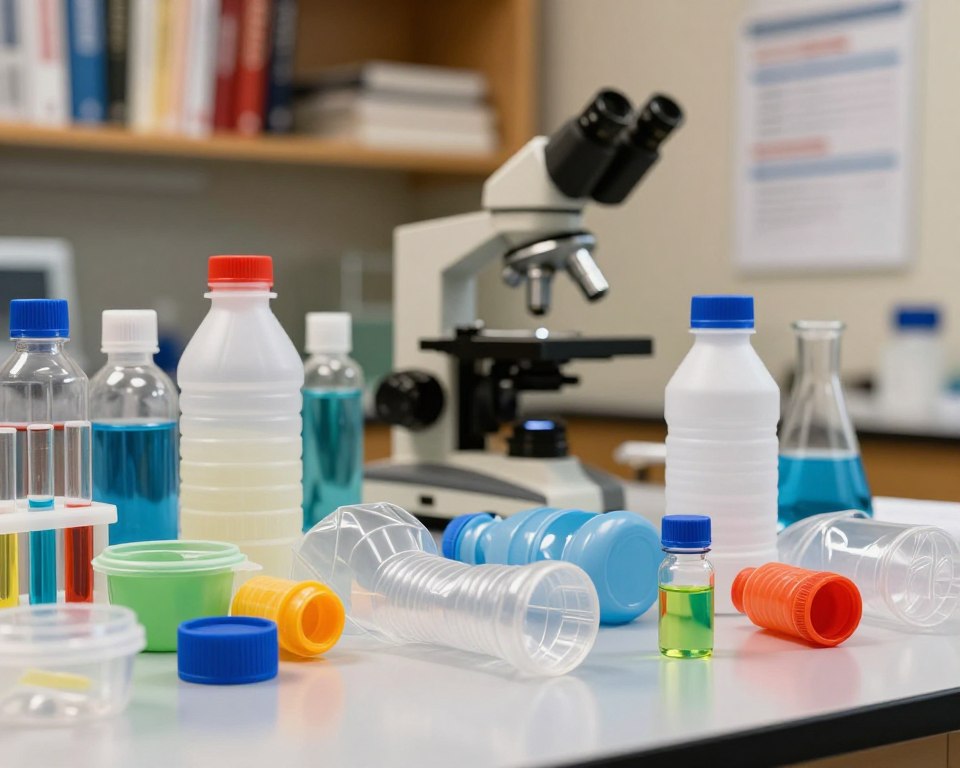
Endocrine disruptors mess with our body’s hormonal signals. These hormone-disrupting chemicals can act like or block our natural hormones. This can lead to problems at very low levels.
These hormone-disrupting substances are in many plastics. They help plastics last longer but can leak into our food and water. Once in our bodies, they can affect our systems.
Mechanisms of Hormone Interference
The big problem with these chemicals is how they bind to hormone receptors. This can either block or overstimulate our endocrine glands. This messes up the balance of our body’s systems, affecting everything from metabolism to fertility.
In my work, I’ve seen how even small amounts of these chemicals can be harmful. Our bodies can’t always tell the difference between natural and synthetic hormones. This can lead to health issues. Consistent monitoring of our environment is crucial to avoid these risks.
Common Plastic Additives and Their Risks
Plastic production uses over 10,000 different chemical additives. These improve plastic’s durability, flexibility, and ability to resist fire. Yet, about 2,400 of these additives can harm living things. Understanding these plastic health risks is crucial.
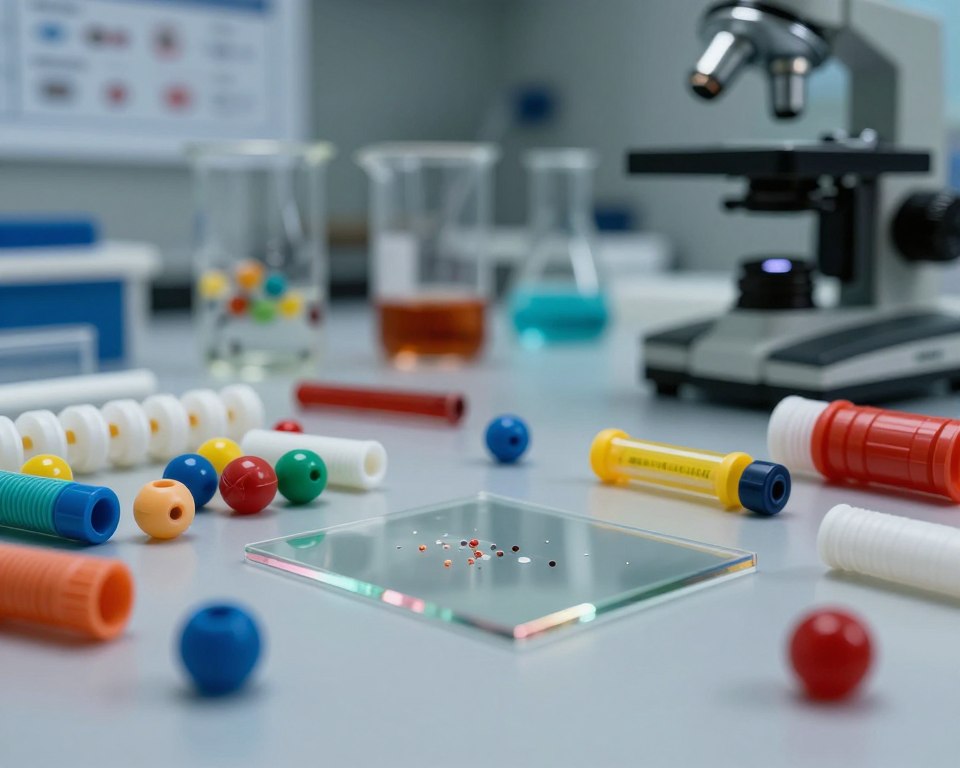
Bisphenol A and Its Derivatives
Bisphenol A, or BPA, is used to make clear, hard plastics. It acts like estrogen, making it a big concern. BPA in plastic is a problem in food containers and water bottles, as heat can release it.
Chemicals in plastics can leak into the environment and our bodies over time.
Phthalates and Plasticizers
Phthalates make plastics softer and more flexible. They’re in vinyl flooring, medical tubing, and personal care items. Long-term phthalates exposure worries health experts, as these chemicals can move freely.
The table below shows the main uses and risks of these harmful plastic components in everyday items.
| Additive Type | Primary Function | Common Risk |
|---|---|---|
| Bisphenols | Hardening/Durability | Hormone Interference |
| Phthalates | Flexibility/Softening | Reproductive Toxicity |
| Flame Retardants | Fire Resistance | Neurological Impact |
Impact of Heat and Physical Wear on Plastic Integrity
It’s important to know how heat and wear affect plastic. Many think plastic containers are safe, but they can change when exposed to the environment. When plastics face stress, their chemicals can mix with food or water.
Microwaving and Dishwashing Effects
Heat can make chemicals in plastics leak out. Microwaving or using a dishwasher can cause this. The heat makes tiny gaps in the plastic, letting chemicals escape.
Studies show that this can release harmful substances like bisphenols and phthalates. Knowing how heat affects plastics helps us reduce exposure. Staying away from high heat can lower the risk of plastic toxicity effects.
Degradation Over Time
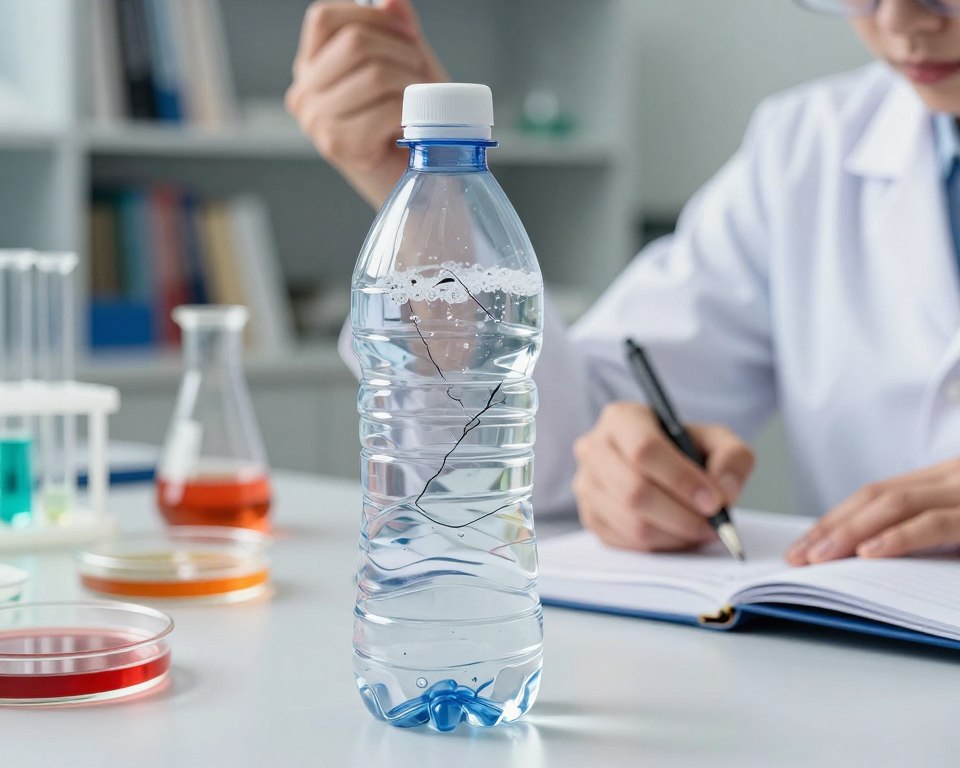
Plastics also break down over time due to wear and the environment. For example, plastic bottles can last 450 years, and diapers up to 500 years. Polystyrene foam can last over 5,000 years.
As plastics break down, they turn into microplastics and nanoplastics. These small pieces can be swallowed or inhaled, posing a risk. Checking the condition of your plastics is key to avoiding long-term plastic toxicity effects. Replacing damaged plastics is a simple way to stay safe.
Health Implications for Human Populations
Chemicals from everyday products can mess with our hormones. This is a big deal when we talk about plastic health risks. These substances can change how our bodies work, affecting our health.
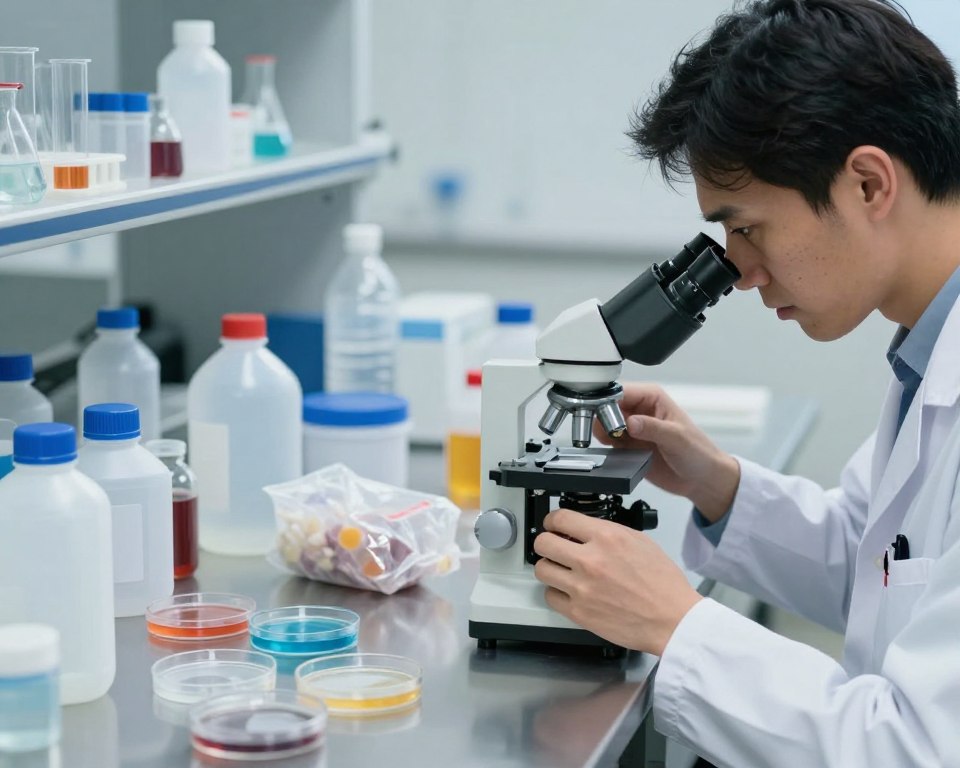
Reproductive and Developmental Concerns
Our endocrine system is key for growth and making babies. Studies show that phthalates exposure can mess with this system. This is bad news, as it can happen during important times in our lives.
Being exposed to these chemicals before we’re born or as kids can cause problems later. Doctors are worried about how these chemicals affect us. Here are some things they’re concerned about:
- Potential interference with normal pubertal development.
- Increased susceptibility to reproductive toxicity.
- Developmental delays linked to early-life chemical interference.
To learn more, check out recent studies on endocrine disruption. It’s crucial to know what we’re using in our homes.
Metabolic and Thyroid Disruptions
These chemicals can also mess with how we metabolize food. Thyroid hormones are vital for our brains and energy. But, they can be easily affected by chemicals.
Long-term phthalates exposure can lead to metabolic problems. These plastic health risks might not be obvious. As a doctor, I stress the importance of avoiding these chemicals to keep our bodies balanced.
Plastic Toxicity Effects in Veterinary Contexts
Human health worries about plastics are well-known, but the effects on pets are also important. Pets live with us, but their health needs are different. They face unique risks that vets must watch closely.
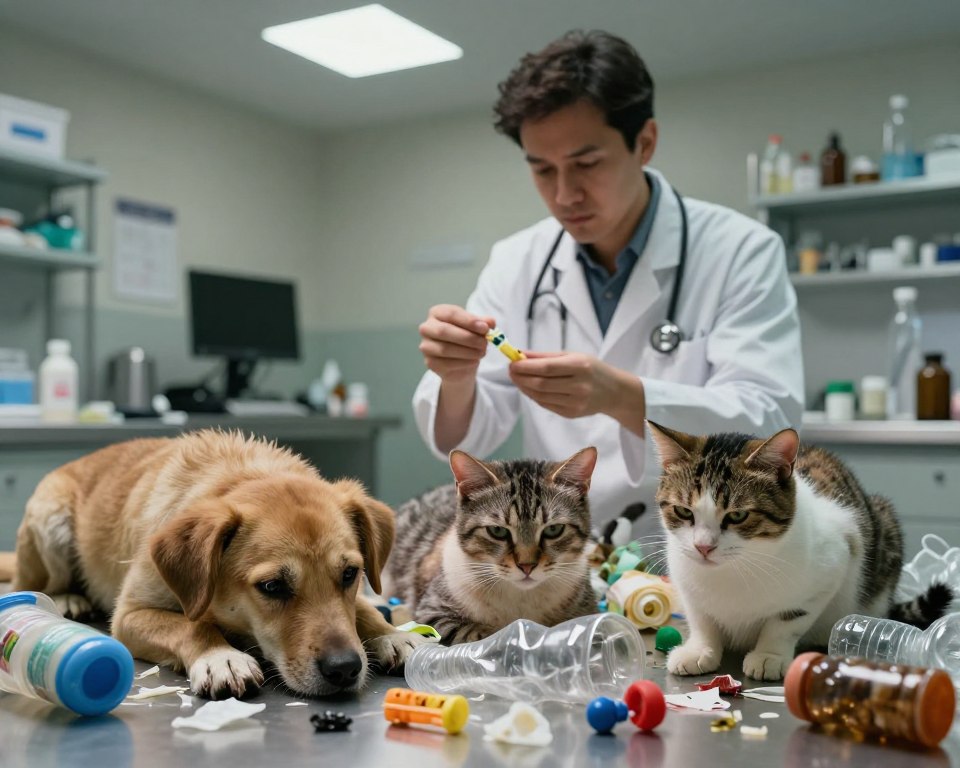
Exposure Pathways for Household Pets
Pets interact with their world in ways that increase their plastic exposure. Unlike us, they spend a lot of time on floors, carpets, and dust. These are places where microplastics hide.
But vets often miss these risks. Pets get exposed through:
- Grooming habits: They eat particles stuck in their fur or on their paws.
- Surface contact: Being close to plastic floors means they can absorb or breathe in plastic fibers.
- Chewing behaviors: Breaking down plastic toys or items releases chemicals into their mouths.
Clinical Observations in Veterinary Medicine
Research shows that tiny plastics, 10 μm or smaller, are very harmful to animals. These small particles can get into their bodies, including their brains and placentas.
Vets have seen problems linked to plastic toxicity effects in animals. These issues can harm their health for a long time:
- Reproductive health: Microplastics can cause testicular inflammation and affect sperm production.
- Endocrine interference: Chemicals from plastics can mess with hormones, affecting the thyroid.
- Systemic inflammation: Synthetic particles can lead to long-term immune problems in animals.
As we watch these plastic toxicity effects, it’s clear that plastics are a big problem for pets. But we can fight it by cleaning up our homes and improving the air we breathe.
Image Disclosure and Educational Visuals
We use AI-generated illustrations to show how substances work in living things. These pictures help make complex chemical info easy to understand for pet owners and others. They bridge the gap between science and everyday life.
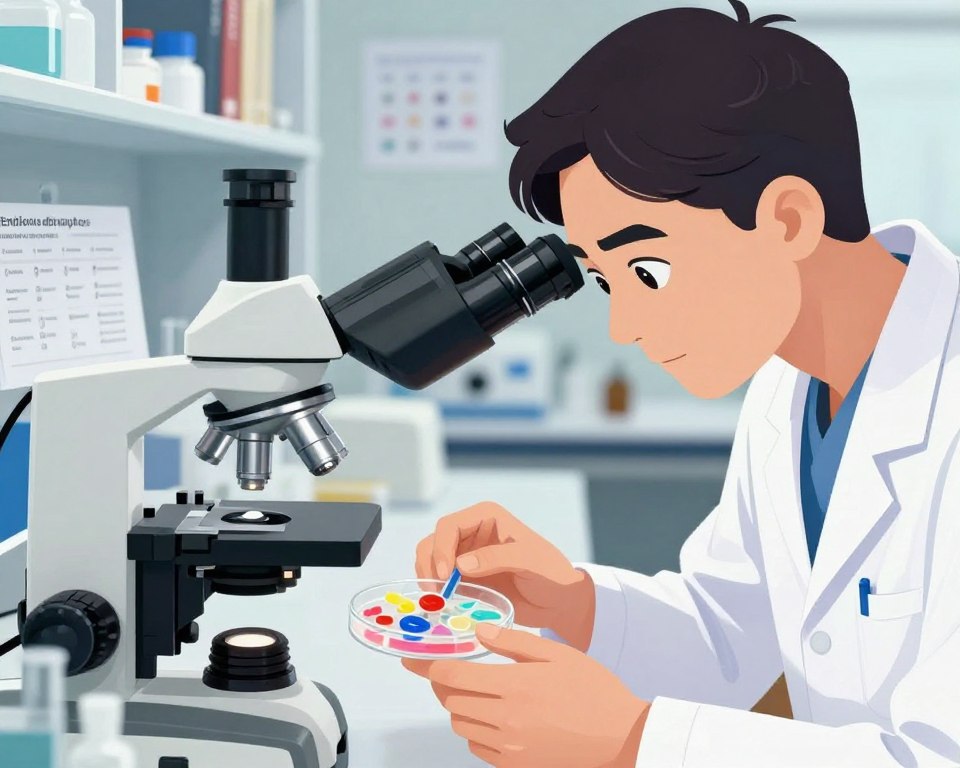
Purpose of AI-Generated Veterinary Illustrations
The main aim of these images is to show complex biological interactions clearly. They help us see how toxins might move or affect living systems. This is hard to do in a regular clinic setting.
These pictures are educational tools, not exact pictures of tiny events. They make hard science easy to get for people wanting to keep their homes safe. This includes info from the Poisoned Schools report.
Limitations of Visual Representations
It’s key to remember these images are conceptual models, not real photos or test results. They don’t show specific medical cases or how a pet might react.
These pictures should never be seen as a replacement for a vet’s advice, exams, or tests. If you worry about your pet’s health or safety, talk to a vet right away.
Getting a vet’s professional opinion is the best way to know about an animal’s health. We suggest using these images as a first step to talk with your vet about your pet’s health.
Regulatory Landscape and Safety Standards
Regulatory frameworks are key in stopping the spread of harmful plastic components in our lives. They check the safety of materials before they hit the market. But, new chemicals come out fast, making it hard for rules to keep up.
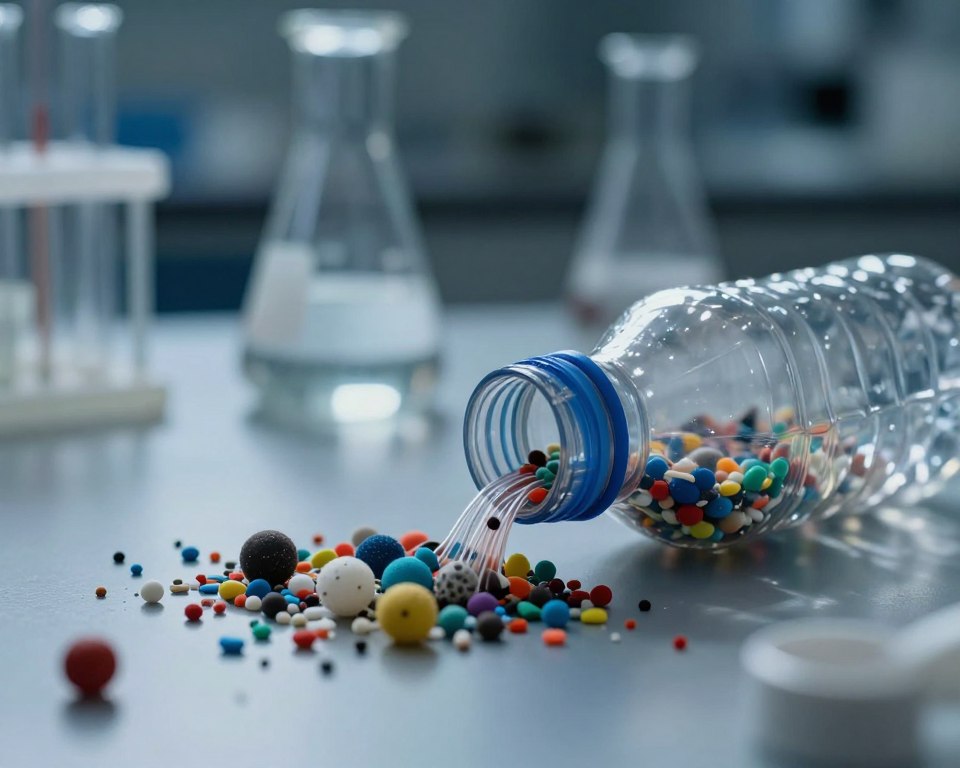
FDA and EPA Guidelines
In the U.S., the FDA and EPA watch over chemical safety. The FDA looks at things that touch food, like containers. People often ask if these items are safe, like is reheating plastic containers safe for everyday use.
The EPA deals with the environmental effects of chemicals, like water pollution. These agencies give important advice, but they can’t check every new chemical. It takes time to agree on the safety of a substance.
Global Perspectives on Plastic Safety
Plastic safety is a worldwide problem that needs global help. The Stockholm Convention is key in fighting harmful substances globally. It helps protect people and the planet from dangerous chemicals.
The Swiss Government recently asked the Stockholm Convention to ban UV-328, a chemical in plastics. This shows the fight against harmful plastic components that harm our environment. Working together, countries can make our future safer.
Identifying Safer Alternatives to Conventional Plastics
Plastic is everywhere in our lives, but finding safer options is key. Many are switching to materials that don’t harm our health. It’s important to look beyond what’s on the label to know what’s really in our products.
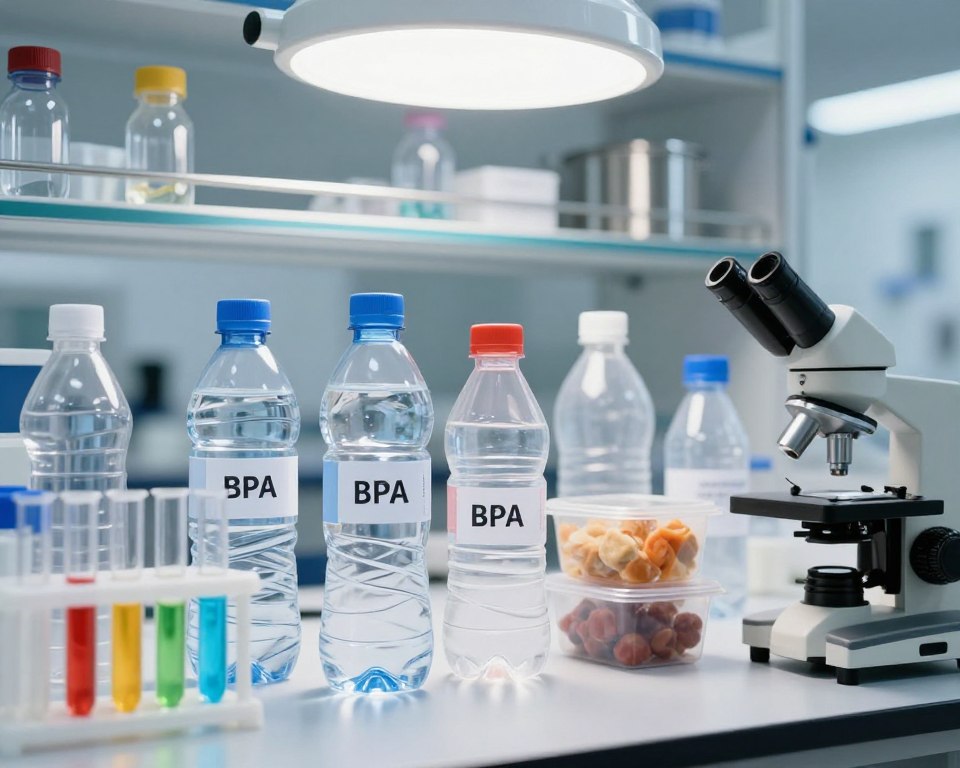
Glass and Stainless Steel Options
Glass and stainless steel are top choices for safe food storage. They are non-porous and chemically stable, which means they don’t break down or leak chemicals. Unlike plastics, they keep your food safe from harmful chemicals.
Newer materials like bioplastics might seem safer, but they can still harm us. Even if they’re labeled as “natural,” they might not be safe. The best choice is to stick with traditional, safe materials.
BPA-Free Labeling Realities
Many people look for “BPA-free” labels to avoid BPA in plastic. But, this label isn’t always reliable. Companies might use other chemicals that are just as harmful.
Just because something is labeled “BPA-free” doesn’t mean it’s safe. It’s better to choose glass, ceramic, or stainless steel. This way, you avoid the risks of unknown chemicals.
Microplastics and Bioaccumulation
A silent crisis of microplastics is happening in our oceans. About 5 to 13 million tons of plastic waste enter the sea every year. These plastics change into tiny pieces that affect living things in ways we’re still learning about.
The Lifecycle of Plastic Fragments
Plastic breaks down into microplastics under the sun, waves, and temperature changes. These tiny pieces have a big surface area and attract pollutants.
These tiny fragments can carry harmful chemicals. They pick up toxins from the water, making them even more dangerous. Even safer plastics like Tritan plastic can’t stop the problem of plastics breaking down into harmful pieces.
Entry into the Food Chain
Small sea creatures eat these microplastics. Then, these plastics build up in the creatures’ bodies. This can harm them and expose them to chemicals.
When bigger animals eat these smaller ones, the toxins get more concentrated. This is called biomagnification. Humans, being at the top of the food chain, are at risk too. Scientists are studying how this affects our health.
Strategies for Reducing Daily Exposure
It’s hard to avoid all synthetic materials in today’s world. But, you can make small changes to lower your chemical intake. By choosing safer materials and habits, you can make your home healthier.
Kitchen Habits to Minimize Leaching
The kitchen is where chemicals often migrate into our food. Heat speeds up this process. So, don’t use plastic containers in the microwave or oven.
Move food to ceramic or glass dishes before heating. Even microwave-safe products can leak chemicals when heated too much. Using heat-resistant materials keeps your food safe.
Storage Practices for Food and Water
Switching to safe storage materials is key. Glass, stainless steel, and food-grade silicone are better than plastic. They don’t break down or release harmful chemicals.
Also, think about the air you breathe indoors. Studies show microplastics can harm your lungs. Use natural fibers for textiles and vacuum often to keep your space clean. These steps help reduce your exposure to harmful chemicals and make your home safer.
Scientific Research and Current Knowledge Gaps
Today, scientists are working hard to connect lab results with real health effects in people. They’ve found links between plastic additives and hormone-disrupting chemicals. But, we still don’t know the full impact. We need to go beyond simple tests to understand the long-term effects.
Challenges in Longitudinal Human Studies
Studying people over time is tough. Everyone is exposed to plastics in our world. It’s hard to find groups without these exposures to study.
We need to focus on how plastics affect our hormones. We should look at how they interact with our glands. Independent, peer-reviewed studies are key to understanding this and helping public health.
Emerging Research on Replacement Chemicals
As plastics change, new chemicals are used. But, we don’t know much about these new ones. It’s risky to assume they’re safe just because they’re new.
We must test these new chemicals carefully. We need to make sure they don’t harm our hormones. The table below shows where research is focusing to make things safer.
| Research Focus | Primary Objective | Expected Outcome |
|---|---|---|
| Endocrine Gland Impact | Analyze hypothalamus and pituitary response | Clearer toxicity thresholds |
| Replacement Safety | Evaluate new plasticizer profiles | Safer manufacturing standards |
| Longitudinal Tracking | Monitor multi-generational exposure | Evidence-based policy changes |
Public Awareness and Consumer Advocacy
Collective action by consumers is key to tackle the growing plastic and chemical issues. With plastic production set to rise by 30-36% in six years, exposure to hormone-disrupting substances is a big concern. Advocacy helps hold companies responsible for what they sell.
Demanding Transparency in Manufacturing
Transparency is vital for consumer safety. Many makers hide the chemicals in their products, making it hard for us to know the risks. By asking for clear ingredient lists, we can push for safer products.
“The power of the consumer to change the market is far greater than any single regulation, provided that the consumer is armed with accurate, transparent information.”
Groups are fighting for laws that make companies reveal what’s in food-contact materials. When they must show hormone-disrupting substances, they often choose safer options to keep our trust.
The Role of Informed Purchasing
Every time we buy something, we vote for the future we want. Choosing safe, sustainable products tells the industry we don’t want toxic additives.
Informed buying means several steps to lower risks:
- Look into brands that promise chemical-free products.
- Choose items with safety certifications from trusted groups.
- Stay away from plastics without clear labels.
By picking safer options, we help change the market. This reduces demand for products with hormone-disrupting substances. It creates a market that cares more about health and the environment than cheap, risky products.
Conclusion
The dangers of plastics and their chemicals are real and need our attention. While it’s hard to avoid synthetic materials, knowing the risks helps us make better choices. This leads to safer habits in our daily lives.
People often trust labels to choose what to buy. But, it’s important to know that BPA-free doesn’t always mean safe. Companies might replace banned chemicals with similar ones that could still harm us.
Choosing glass or stainless steel for storing food is the best way to avoid chemical risks. These materials don’t leach chemicals into our food, unlike plastics. They offer peace of mind by not worrying about resin codes or heat-sensitive plastics.
Science is always learning more about plastics and their effects on health. We need to focus on evidence and making big changes in how things are made. By being aware and pushing for clear information, we can protect our health and the future of our planet.
FAQ
Can Plastic Release Endocrine Disruptors through normal use?
Yes. Many hormone-disrupting chemicals are mixed into plastic. This means everyday use can lead to chemicals in your food or water.
What are the primary plastic health risks for children?
Children are at high risk because their hormones are still developing. Exposure to certain plastics can cause delays and reproductive issues later.
How does heat affect the release of hormone-disrupting substances?
Heat makes plastic molecules move faster. This causes harmful substances to leak out into food or water more quickly.
Are “BPA-free” products safe from plastic toxicity effects?
Not always. Some products replace BPA with similar chemicals. These can also cause health problems, making “BPA-free” labels misleading.
Can pets be affected by endocrine disruptors in the home?
Yes. Pets are exposed to harmful chemicals in dust and plastic bowls. This can lead to health issues like testicular inflammation.
What is the most effective way to reduce exposure to harmful plastic components?
Using inert materials like glass or stainless steel is best. Avoiding plastic in the microwave and dishwasher also helps reduce exposure.