Recent studies show that over 90% of people have synthetic chemicals in their blood. Many look for BPA-Free Plastic to avoid harmful chemicals. But, the truth about modern products is more complex.
We think removing one chemical makes a product safe. But, science tells us something different.
Companies often swap out banned chemicals with similar ones. Understanding these chemical substitutions is key for those who care about their health. We aim to explore if Is BPA-Free Plastic Really Safe for everyday use.
Key Takeaways
- Most synthetic alternatives share chemical structures with the substances they replace.
- Marketing labels often overlook the potential for chemical leaching during heating.
- Endocrine disruption remains a primary concern for long-term health outcomes.
- Clinical data suggests that “free” labels do not guarantee total inertness.
- Informed consumers should prioritize glass or stainless steel for food storage.
The History and Toxicity of Bisphenol-A
Bisphenol-A (BPA) started being used in the mid-20th century. It became a key part of making durable, clear, and heat-resistant materials. But, the long-term toxicity of BPA has raised many health concerns.
Understanding the Chemical Structure of BPA
BPA is a synthetic compound with two phenol groups. It’s used to make strong plastics and epoxy resins. These materials are valued for their strength and chemical resistance.
The way BPA bonds during polymerization is a problem. When it breaks down, it can leak into food and drinks.
Historical Use in Consumer Goods
Since the 1950s, BPA has been used in many products. It’s in food can linings, water bottles, and storage containers. It prevents metal from corroding and makes plastics hard.
Because of its wide use, BPA is everywhere. People have been exposed to it for years without knowing. It’s a common part of our daily lives.
Documented Health Risks and Endocrine Disruption
The main worry about BPA is its effect on hormones. It acts like estrogen, which can mess with our body’s signals. This is why the health risks of BPA are so concerning.
A 2004 study showed that over 90% of Americans had BPA in their urine. This shows how common it is in our bodies.
Chronic exposure to BPA can cause health problems. Scientists are still studying how it affects us. Knowing about these risks helps us make better choices about what we use at home.
Is BPA-Free Plastic Really Safe
Even though we’ve moved away from Bisphenol-A, the safety of new plastics is still debated. Many think that BPA-free products are safe for everyday use. But, true plastic safety means looking deeper than just labels to see what’s in our household items.
The Shift Toward BPA Alternatives
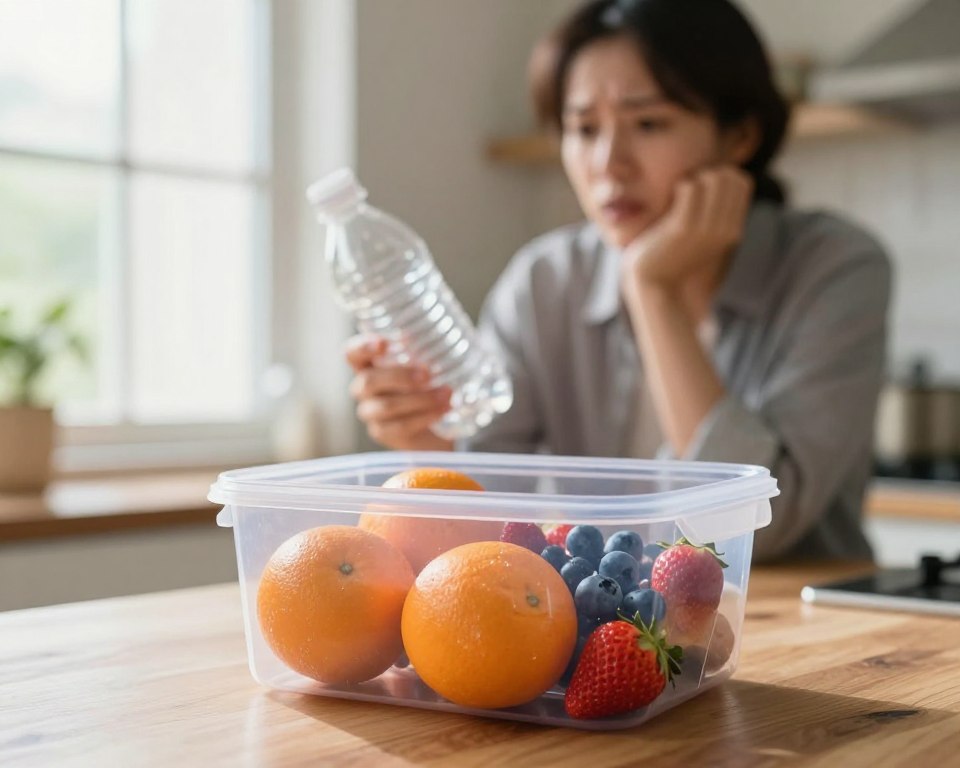
The switch to BPA alternatives has been fast, thanks to consumer worries and demands. Companies have changed to different chemicals to keep products working. But, this change has happened faster than we’ve learned about their long-term safety.
Regulatory Oversight and FDA Stance
Government agencies are key in checking what’s in our food contact items. In 2014, the FDA said BPA in our diet is safe for most people. Yet, they’ve banned BPA in baby bottles and sippy cups.
This shows that BPA-free plastic doesn’t always mean it’s safe. While some uses are banned, BPA is still okay in many products. It’s important to remember that just because something is allowed, it doesn’t mean it’s safe for everyone.
The Reality of Chemical Leaching
Being labeled BPA-free doesn’t automatically mean a product is safe. Many plastics can still leak chemicals into our food and drinks under certain conditions. These chemicals might act like BPA in our bodies.
The truth is, chemical leaching is still a worry, even with BPA-free plastics. Things like heat and wear can make these chemicals get into what we eat. So, it’s wise to be careful with plastic to protect our health over time.
Common Substitutes in BPA-Free Products
Many Bisphenol-A free plastics use chemicals that might be harmful. When the industry moved away from BPA, it didn’t always choose safer options. Instead, it often replaced BPA with similar chemicals.
Bisphenol-S and Bisphenol-F Explained
Bisphenol-S (BPS) and Bisphenol-F (BPF) are common replacements for BPA. They are part of the same family and work as structural analogs. They offer the same durability and heat resistance as modern plastic containers.
These chemicals act in similar ways when exposed to heat or acidic liquids. This means BPA-free products might still leak chemicals into your food or drinks. The switch to these alternatives is widespread in manufacturing.
Comparing Toxicity Profiles of BPS and BPF
New research shows BPS and BPF might not be safe. They can act like estrogen in the body, just like BPA. This can mess with our hormones, even at low levels.
The table below shows key facts about these plastics:
| Chemical Compound | Primary Use | Estrogenic Activity | Regulatory Status |
|---|---|---|---|
| Bisphenol-A (BPA) | Hard Plastics | High | Restricted |
| Bisphenol-S (BPS) | Thermal Paper/Plastic | Moderate to High | Unregulated |
| Bisphenol-F (BPF) | Coatings/Resins | Moderate to High | Unregulated |
Why Manufacturers Choose These Alternatives
Manufacturers pick BPS and BPF for their functional performance and cost. These chemicals make clear, shatter-resistant, and heat-stable plastics. Changing to these is easier than switching to non-plastic materials.
Also, these alternatives face fewer rules than BPA. This creates a regulatory loophole where new chemicals can enter the market without safety data. So, consumers need to be careful when choosing safe or non-toxic items.
The Science of Estrogenic Activity in Plastics
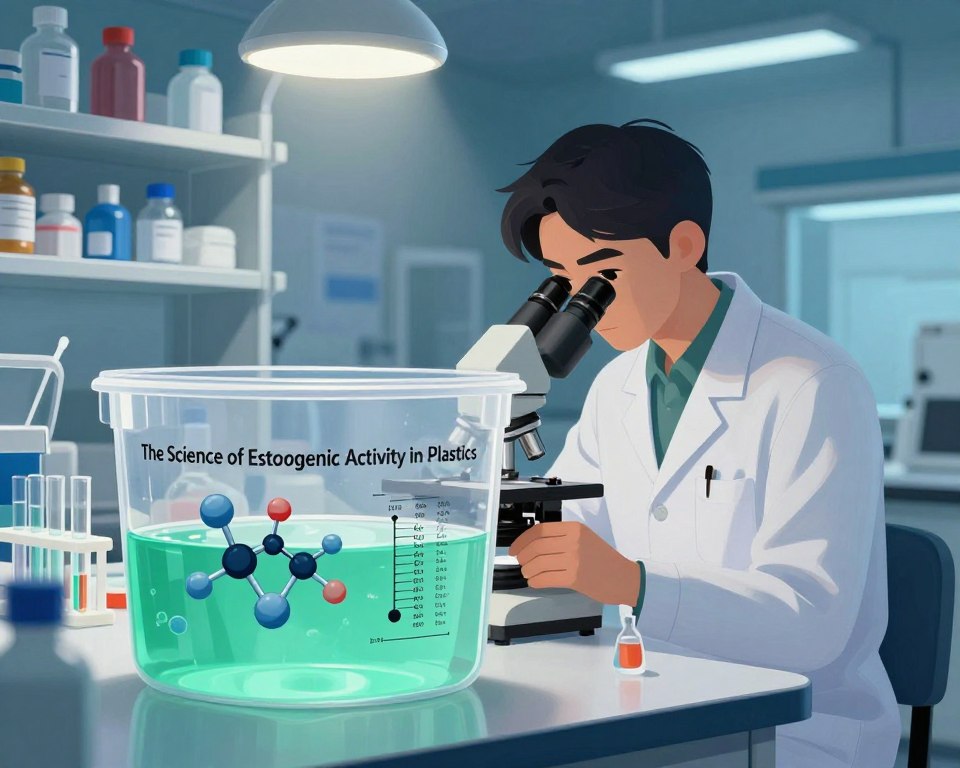
Many synthetic materials in our daily lives can mess with our natural hormones. Estrogenic activity is when a chemical acts like estrogen in our body. This can confuse our endocrine system into thinking it’s getting real hormones.
How Plastics Mimic Hormones in the Body
Our endocrine system needs clear signals to stay healthy. Synthetic chemicals can look like natural hormones. They fit into hormone receptors like a key in a lock.
Once they bind, these chemicals can cause the wrong response or block real signals. This is a big problem because our body can’t always tell the difference between real and fake hormones.
Research Findings on Low-Dose Exposure
Old studies looked at big doses, but new ones focus on small, repeated exposures. These studies show that even tiny amounts of plastic chemicals can harm us over time. Our body might not get rid of these chemicals fast enough before we’re exposed again.
Studies on cells and lab models show that small amounts of chemicals can change how genes work. These changes might not cause sickness right away. But they can lead to health problems later on. Scientists are still learning how these small changes add up over our lifetime.
The Cumulative Effect of Daily Plastic Use
We use plastic containers every day, which means we’re always exposed to chemicals. A little bit might not seem harmful, but using plastic for years can be a big problem. Our body can’t get rid of these chemicals as fast as we take them in.
| Mechanism | Biological Impact | Exposure Type |
|---|---|---|
| Receptor Binding | Altered Cell Signaling | Chronic/Low-Dose |
| Competitive Inhibition | Blocked Natural Hormones | Acute/High-Dose |
| Genomic Alteration | Long-term Gene Expression | Cumulative/Daily |
It’s important to understand how plastics affect us. By knowing how these substances work, we can make better choices. Using materials that don’t release chemicals is the best way to protect ourselves.
Factors That Increase Chemical Leaching
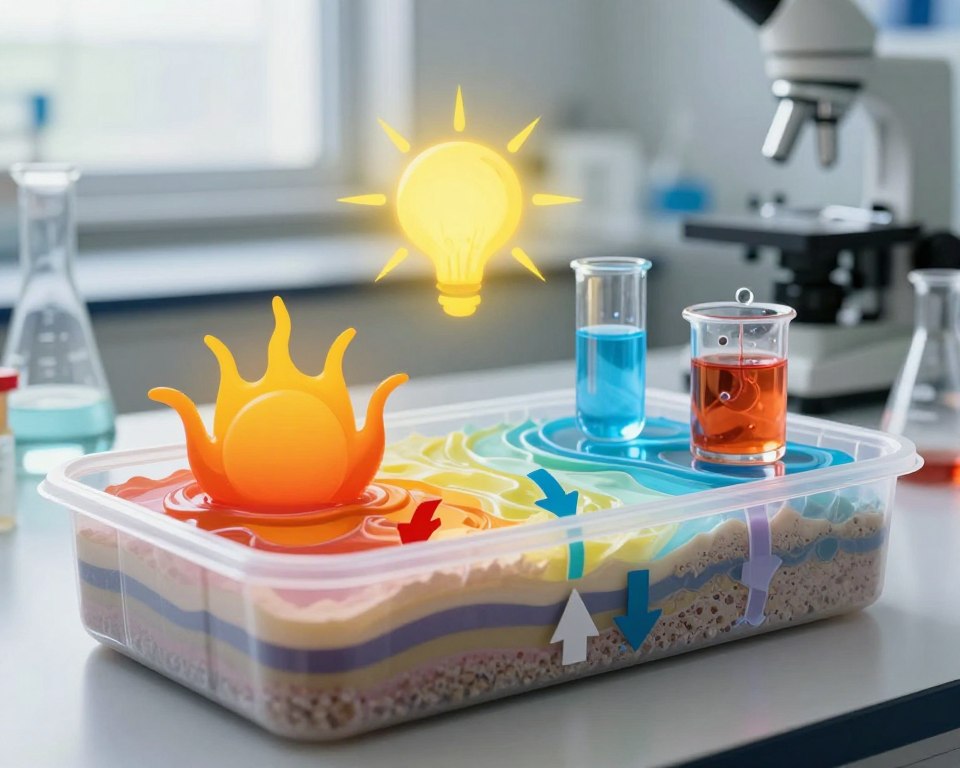
Chemical leaching from plastic containers into food is not random. It’s caused by physical and chemical stressors that weaken the material over time.
Knowing these factors is key to keeping your food safe. By understanding how the environment affects plastic, you can choose better items for your kitchen.
The Impact of Heat and Microwave Usage
Heat is the main cause of chemical migration. When plastic gets hot, its molecules start moving faster.
This movement makes the polymer matrix expand and loosen. As it relaxes, additives trapped in the plastic can leak into food or liquids.
Wear and Tear from Dishwashing Cycles
Dishwashers’ high heat speeds up plastic degradation. Over time, this creates tiny cracks and scratches that are hard to see.
These imperfections increase the container’s surface area. This means more chance of chemical leaching as the material loses its smooth surface.
Acidity and Fat Content in Stored Foods
The type of food stored in a container matters a lot. Foods high in fat or acid can dissolve plastic additives.
Storing oily or acidic foods in poor-quality plastics can release chemicals. Using glass or stainless steel for these foods is a smart move to reduce exposure.
Identifying Safe Plastic Alternatives for Your Home
Choosing the right food containers is key to avoiding harmful chemicals. Many people use plastics for convenience, but it’s important to know what they’re made of. This helps keep your food safe from chemicals.
Understanding Resin Identification Codes
Plastic containers have a small triangle with a number inside, called a resin identification code. These numbers tell you what kind of plastic it is. They were made for recycling, but they also show how safe the plastic is.
Polypropylene (Code 5) is a safe choice for food containers. It can handle high heat and is less likely to break down. When looking for safe plastics, always check for the number 5.
The Benefits of Glass and Stainless Steel
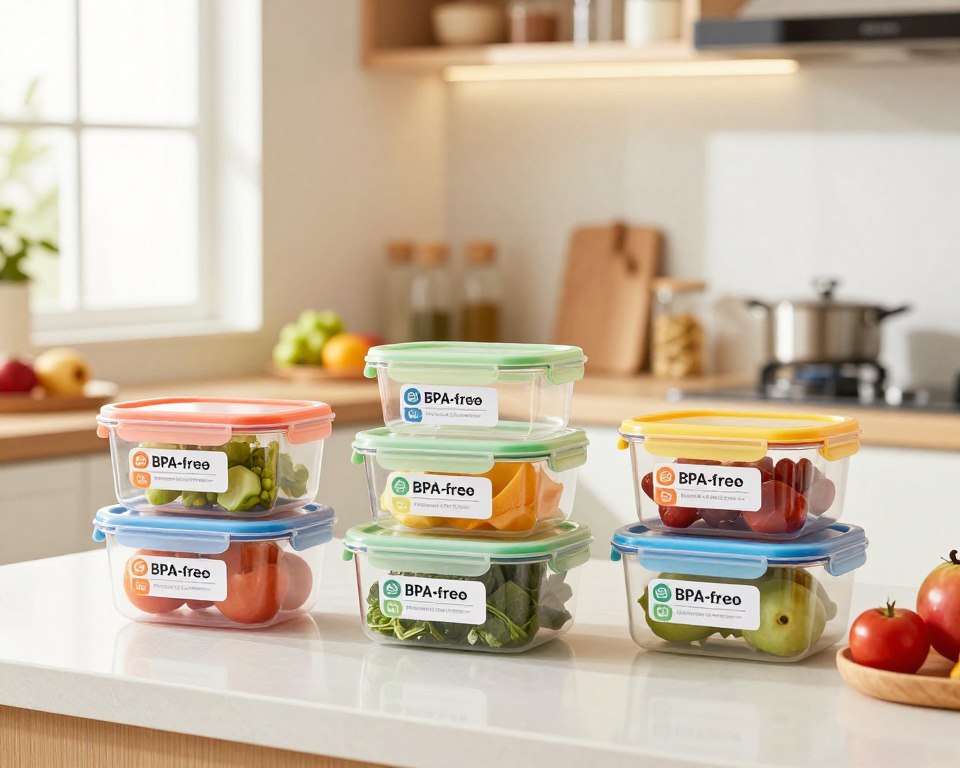
For a safer option, consider glass and stainless steel. These materials don’t leak chemicals and are safe at high temperatures. They keep your food safe and healthy.
- Glass: It doesn’t react with food, is easy to clean, and lets you see what’s inside.
- Stainless Steel: It’s strong, light, and won’t break easily.
- Versatility: Both are great for the freezer and oven.
Silicone as a Food-Grade Alternative
Silicone is a flexible, safe choice for food storage. High-quality silicone is safe and doesn’t have harmful chemicals. It’s perfect for baking mats, storage bags, and covers.
Make sure silicone products are labeled as 100% food-grade. This ensures they’re safe to use. Choosing safe plastics and alternatives helps keep your family healthy.
Health Implications for Vulnerable Populations
It’s important to protect the most vulnerable in our society. We need to understand how plastic additives affect them. The general public faces synthetic chemicals daily, but some groups are more sensitive. Knowing about toxicity of BPA and similar compounds is key for those caring for infants, expectant mothers, and the elderly.

Risks During Pregnancy and Fetal Development
The prenatal period is critical for development. Even small chemical changes can have big effects. Fetuses can’t process synthetic substances well, which can disrupt important signals for organ growth.
Studies show that exposure to plastics during pregnancy can affect development. Using glass or stainless steel can help reduce potential health risks of BPA and other harmful chemicals.
Impact on Childhood Growth and Development
Children grow fast and metabolize quickly. They eat and drink more than adults, so they get more contaminants. Their immune and endocrine systems are still developing, making them more vulnerable.
Parents should watch what materials are used in feeding bottles, sippy cups, and containers. Avoiding polycarbonate plastics can help reduce health risks of BPA in these critical years.
Considerations for Elderly Health
As we age, our bodies detoxify less efficiently. This means older adults may hold onto chemicals longer. The toxicity of BPA is a concern due to a lifetime of exposure and age-related changes.
| Population Group | Primary Vulnerability | Key Risk Factor |
|---|---|---|
| Fetuses | Organogenesis | Maternal exposure |
| Children | Rapid growth | High intake per body weight |
| Elderly | Reduced metabolism | Cumulative chemical load |
Navigating Marketing Claims and Labeling
Understanding plastic packaging means being careful with marketing words. Companies use buzzwords to sway your choice, but these words don’t always tell the whole story about safety. It’s important to look beyond the packaging to know what’s inside.
Decoding BPA-Free Marketing Labels
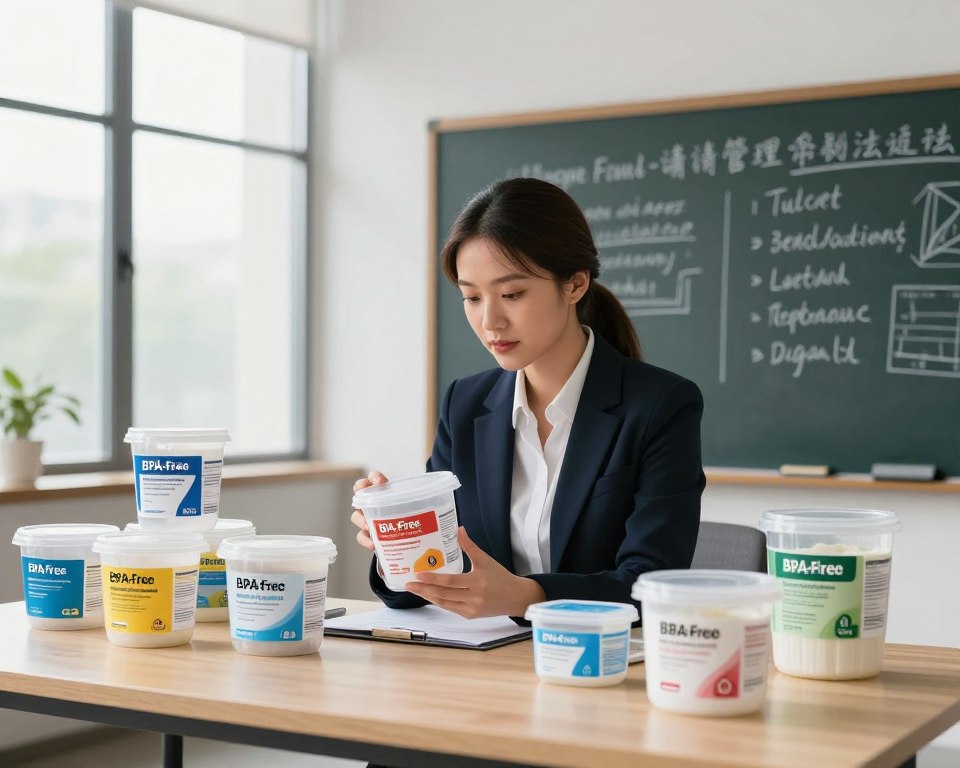
The term BPA-free is common on kitchen items. It means the product doesn’t have Bisphenol-A, but it’s not the whole truth. It doesn’t mean there are no other harmful chemicals.
Buying BPA-Free Plastic tells you only about one chemical. But, some companies use similar chemicals like BPS or BPF. These might also be harmful, even if they’re not BPA.
The Difference Between BPA-Free and Non-Toxic
Being BPA-free doesn’t mean a product is safe for everyone. A label saying a product is Bisphenol-A Free Plastics doesn’t mean it’s free from all harmful substances. Companies might use these labels to make their products seem safer than they are.
True non-toxicity means checking all materials used. Many BPA-Free Products still have chemicals that can leak into food. Just because a product is BPA-free doesn’t mean it’s safe for the long term.
Third-Party Certifications to Look For
For safer household items, look for third-party certifications. These are more reliable than what companies say. Groups that test products thoroughly show if they’re safe.
Choose items with certifications from trusted health and environmental groups. These labels mean the product has been tested for safety. Here’s how different labels compare to real safety standards.
| Label Claim | What It Means | Safety Limitation |
|---|---|---|
| BPA-Free | No Bisphenol-A added | May contain BPS or BPF |
| Food-Grade | Meets basic FDA standards | Does not test for all leachates |
| Certified Non-Toxic | Third-party verified | Requires ongoing re-certification |
| Recyclable | Material can be processed | Irrelevant to chemical safety |
Veterinary Perspectives on Plastic Safety
Our pets are often exposed to the same plastics as us. It’s important to know about the toxicity of BPA and other plastics. Animals can react differently to chemicals than humans do.

Common Plastic Exposures in Household Pets
Pets touch and eat their surroundings, making them prone to chemical exposure. Items like plastic bowls, containers, and toys are common culprits.
These items can break down over time, releasing more toxicity of BPA. This can happen when they get hot or are washed a lot. Your pet might eat these chemicals during meals or play.
Signs of Chemical Sensitivity in Animals
It’s hard to tell if animals are sensitive to chemicals. Look for changes in appetite, tiredness, or skin problems that won’t go away.
Long-term exposure to harmful chemicals can lead to hormonal issues. If you think your pet is reacting to something, consult your veterinarian. They can check for health problems and suggest safer options.
Image Disclosure: Some images used in this article may be AI-generated for educational purposes. They are intended to illustrate veterinary concepts and should not replace professional veterinary examination or diagnosis.
The pictures in this section are for learning only. They show how toxicity of BPA works in homes. But, they can’t take the place of a vet’s check-up or diagnosis for your pet.
Practical Tips for Reducing Plastic Exposure
Changing how you store and prepare meals can greatly reduce chemical intake. Many people use BPA-Free Products, but these might still leak chemicals into food. Being careful in your kitchen is key to protecting your health.
Safe Storage Practices for Kitchen Staples
Using inert materials is the best way to avoid chemical migration. Glass and stainless steel are top choices for storing food because they don’t release harmful substances. When organizing your pantry, choose containers that are easy to clean and maintain.
Make sure your storage lids are safe, like silicone or glass. Don’t use plastic wrap on hot food, as it can transfer chemicals. By picking safe plastics only when needed, you protect your family.
Choosing Better Containers for Food Preparation
Meal prep often involves heating, which can cause chemicals to leach. If plastic containers are used, make sure they’re microwave-safe. Glass is better for reheating leftovers.
Look for high-quality borosilicate glass or food-grade stainless steel when buying new kitchenware. These materials are durable and don’t harbor bacteria or odors. Investing in these items keeps your kitchen healthy.
Reducing Reliance on Single-Use Plastics
Single-use items are a big source of chemical exposure. Many disposable containers are made from low-quality materials that aren’t safe for repeated use or heat. Knowing about microplastics in our food shows why avoiding disposables is important. Making small changes in your shopping can make a big difference.
| Material Type | Heat Resistance | Leaching Risk | Durability |
|---|---|---|---|
| Borosilicate Glass | High | Negligible | High |
| Stainless Steel | High | None | Very High |
| Standard Plastic | Low | Moderate to High | Low |
| Food-Grade Silicone | Moderate | Low | High |
Choosing BPA-Free Products that are also free from other harmful additives is wise. Remember, choosing safe plastics means picking materials that last and can handle heat. Your efforts will make your home safer and more sustainable.
The Future of Sustainable and Safe Materials
Designing sustainable materials is key for companies wanting to cut down on Health Risks of BPA. As science improves, the industry is moving towards safer, eco-friendly materials. These materials focus on human safety and protecting the environment.
Innovations in Bio-Based Plastics
Scientists are working on bio-based plastics made from renewable sources like corn starch and sugarcane. These aim to replace harmful plastics that can leak chemicals into our food and drinks.
These new plastics are promising, but their safety needs ongoing evaluation. It’s crucial to make sure they don’t have harmful additives. This is to avoid the hormone-disrupting effects seen in older plastics.
The Role of Circular Economy in Material Safety
A circular economy aims to make products last longer, be reused, and recycled safely. This approach helps control the chemicals used in making materials.
This change encourages companies to use Choosing Safe Plastics without harmful toxins. When products are made with their whole life in mind, the risk of chemicals getting into our bodies goes down.
Advocating for Stricter Chemical Regulations
Advancements in technology need strong rules to protect consumers. Health experts and advocacy groups are pushing for clear testing for all food-contact materials.
Stronger rules help reduce Health Risks of BPA and similar chemicals. This forces companies to prove their products are safe before they hit the market. Choosing Safe Plastics needs both informed consumers and strict policies from lawmakers.
Pharmacist-Verified Guidance for Consumers
As a pharmacist, I get many questions about food storage. The market has many options, but keeping your home safe is key. You don’t have to throw away everything to stay healthy.
How to Evaluate Product Safety Data Sheets
When you see technical papers for kitchen items, look at what they’re made of. Check for resin codes and if the maker has a safety data sheet. These sheets tell you about the chemicals in Bisphenol-A Free Plastics, which helps avoid harmful chemicals.
Balancing Convenience with Long-Term Health
You can keep your health in mind without giving up daily needs. Use BPA-Free Plastic for cold things and glass or stainless steel for hot food. This way, you avoid chemicals when food gets hot.
When to Replace Your Kitchenware
Kitchen items can only last so long. I say replace any plastic that’s scratched, cloudy, or changed color. These signs mean the plastic might not be safe anymore.
| Material Type | Durability | Safety Indicator |
|---|---|---|
| Glass | High | No surface degradation |
| Stainless Steel | Very High | No rust or pitting |
| Hard Plastic | Moderate | No cracks or cloudiness |
| Silicone | High | No sticky residue |
Conclusion
We need to change how we see consumer goods to make kitchens safer. Labels might say a product is BPA-free, but it’s still a big worry for health. Many products use similar chemicals that could be just as harmful.
Using glass, stainless steel, and food-grade silicone is a safer choice. These materials don’t release harmful chemicals into food or drinks, even when heated or exposed to acids. Choosing these options can help lower our daily chemical intake.
Knowing the limits of tests for BPA alternatives helps you make better choices at home. Getting rid of old or damaged plastics and picking durable storage options is a big step. Making informed choices is the best way to protect your health from the dangers of synthetic materials.
FAQ
Is BPA-free plastic really safe for long-term food storage?
“BPA-free” means the product doesn’t have Bisphenol-A. But, research shows many BPA-free products use similar chemicals like Bisphenol-S (BPS) or Bisphenol-F (BPF). These BPA alternatives can still affect hormones. For the safest option, use glass or stainless steel containers.
What are the specific health risks of BPA and its chemical cousins?
BPA is a hormone disruptor. It can cause reproductive problems, metabolic issues, and developmental delays in kids. Even small amounts of BPA can harm us over time.
Why do manufacturers use BPS or BPF in BPA-free plastic?
BPS and BPF are used because they make plastics clear and strong like BPA. They let companies say their products are BPA-free plastic. But, these chemicals are very similar to BPA.
How does heat affect the safety of my plastic containers?
Heat makes chemicals in plastics leak into food. This happens in dishwashers or microwaves. To stay safe, never microwave food in plastic, even if it’s labeled safe.
What should I look for when choosing safe plastics for my family?
Look for the resin ID code on the bottom of containers. Avoid codes 3 (PVC) and 7 (polycarbonates with bisphenols). Code 5 (Polypropylene) is safer, but keep it away from heat.
Are BPA-free products safe for household pets?
Pets are also at risk from endocrine disruptors. Using bisphenol-A free plastics for pets can still expose them to harmful chemicals. Opt for stainless steel or ceramic bowls to protect them.
As a pharmacist, how do you recommend I evaluate “non-toxic” claims?
Ignore marketing terms like “non-toxic.” Look for third-party certifications from NSF International or UL Solutions. Also, check the Safety Data Sheet (SDS) for industrial products.
Can I reduce my exposure without replacing every plastic item in my home?
Yes. Start by replacing items that contact fatty or acidic foods. Use OXO silicone or wood spatulas and glass jars instead of plastic. Making small changes can help a lot.