Recent studies found synthetic polymer fragments in human placenta and meconium. This shows that these pollutants reach us from the start of life.
The discovery of these materials in reproductive organs is alarming. It makes us wonder about developmental toxicity. Researchers are looking into how these exposures affect our health.
They want to know if these particles harm us at a cellular level. To find out, they rely on solid, evidence-based research. This is key to understanding if these pollutants impact reproductive health in the U.S.
Key Takeaways
- Synthetic polymers have been detected in human placental tissue and meconium samples.
- The presence of these particles prompts new investigations into developmental toxicity.
- Scientists utilize the developmental origins of health and disease framework to assess long-term risks.
- Current research focuses on identifying potential biological disruptions at the cellular level.
- Evidence-based evaluation is necessary to clarify the relationship between environmental exposure and reproductive success.
Understanding the Prevalence of Microplastics in the Environment
It’s important to know how much plastic pollution exists to understand the risks of microplastics on fertility. In 2018, the world produced 359 million metric tons of plastic waste. This huge amount shows how serious the problem of plastic pollution is today.
Our throw-away culture is a big part of the problem. We make plastics that last a long time but throw them away after just one use. These plastics take centuries to break down into tiny pieces called micro- and nanoplastics.
These tiny pieces have spread everywhere, from mountains to the ocean. Scientists worry about how they might affect our fertility. To learn more, check if are microplastics dangerous to our health.
| Plastic Type | Common Source | Persistence Level |
|---|---|---|
| Polyethylene (PE) | Packaging/Bottles | Very High |
| Polypropylene (PP) | Containers/Textiles | High |
| Polystyrene (PS) | Foam/Insulation | Extreme |
| Polyvinyl Chloride (PVC) | Pipes/Construction | High |
The Biological Pathways of Microplastic Exposure
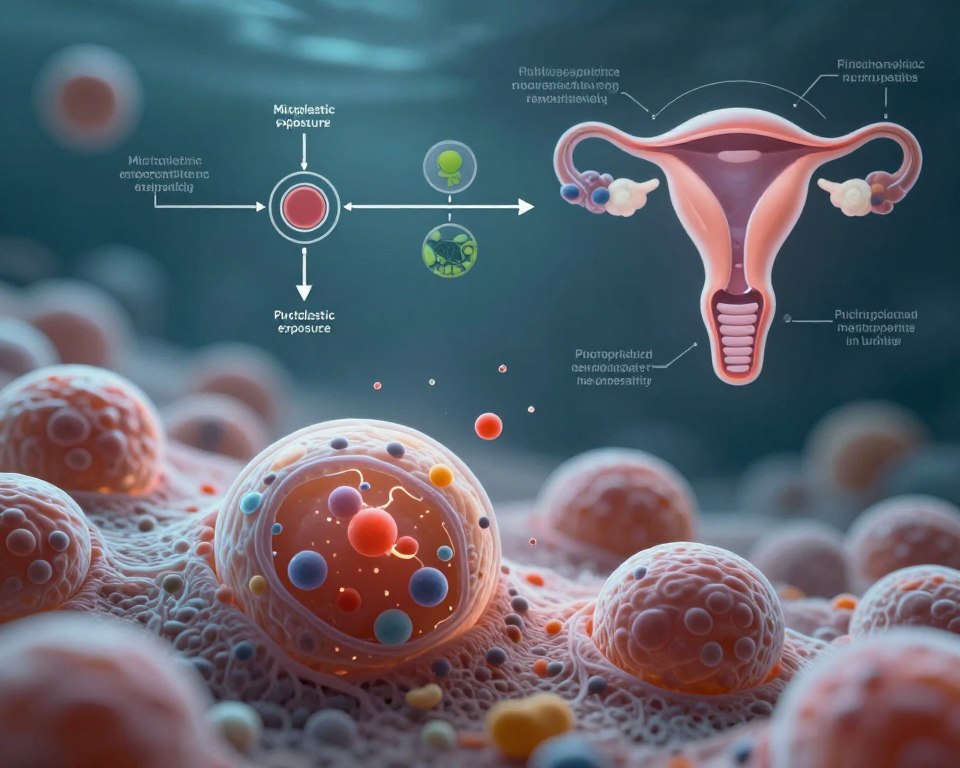
It’s important to know how synthetic particles get into our bodies. This helps us understand the impact of microplastics on reproductive health. Studies show we might swallow about 74,000 to 121,000 microplastic particles each year. These come from things like synthetic clothes, broken-down plastic, and food packaging.
Ingestion and Inhalation Routes
These contaminants mainly get in through our digestive and respiratory systems. We can swallow them in contaminated water, seafood, and processed foods. We also breathe them in, as plastic fibers are common in the air inside and outside.
Once inside, these particles meet our mucosal surfaces. While many leave our bodies, some stay. This is a big worry for scientists studying the impact of microplastics on reproductive health.
Translocation Through the Circulatory System
Smaller particles can move through our bodies after passing the gut lining or lung tissue. This lets them get into our blood and reach places like the liver, kidneys, and reproductive organs. The ability of these particles to bypass natural biological defenses is a critical factor in their potential toxicity.
In our blood, these particles can cause inflammation. The table below shows how these pathways affect our bodies.
| Exposure Route | Primary Mechanism | Systemic Impact |
|---|---|---|
| Ingestion | Gastrointestinal absorption | Inflammation of the gut lining |
| Inhalation | Alveolar translocation | Respiratory stress and systemic circulation |
| Circulatory | Vascular distribution | Accumulation in reproductive organs |
Can Microplastics Affect Fertility in Human Populations
The scientific world is looking into if microplastics can affect fertility. These tiny particles are everywhere, and scientists are now studying them in people. They want to know if being around them can hurt our ability to have kids.
Current Epidemiological Evidence
Studies have found microplastics in human fluids and tissues. This shows they can get into our bodies and reach our reproductive areas. But, we still don’t know what this means for our health.
Experts are worried about how these plastics might affect our fertility. They’re asking if plastics in our daily lives are making our reproductive health worse. For example, is plastic food packaging safe for us to use at home?
Challenges in Establishing Direct Causality
Figuring out if microplastics can affect fertility is hard. Almost everyone is exposed to plastics, making it hard to find people who aren’t. This makes it tough to compare and find answers.
Our fertility can be influenced by many things, like our genes and lifestyle. To understand the impact of microplastics, we need big studies that follow people for years. We need better data and ways to measure the effects of microplastics on fertility.
Even though the evidence is worrying, we’re still in the early stages of research. We need to know exactly how much plastic is harmful. Until then, the question of can microplastics affect fertility is still being explored.
Impact of Microplastics on Male Reproductive Health
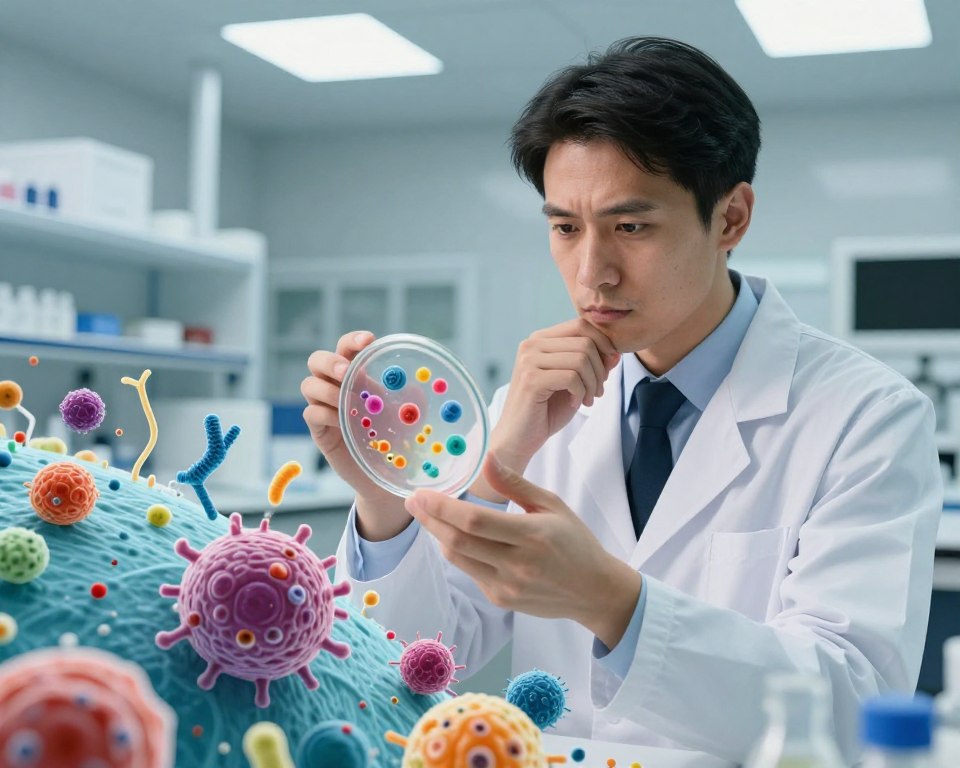
Scientists have found synthetic polymers in human testicular tissue. This raises big questions about the impact of microplastics on reproductive health. Studies show these tiny particles in 100% of testicular tissue samples from 23 donors after death.
This finding suggests our bodies might be storing synthetic debris more than we thought. The medical field is taking a closer look at this.
Sperm Quality and Motility Alterations
Foreign plastic particles in the testes can change how sperm matures. Reduced motility and lower sperm counts are seen as possible effects of this exposure.
Researchers are looking into if these plastics block sperm from fertilizing eggs. The drop in male fertility worldwide matches the rise in plastic production. This is making experts look closer at plastics’ role.
Testicular Tissue Accumulation and Inflammation
Microplastics in the testes likely cause inflammation and oxidative stress. They might also break the blood-testis barrier. This barrier is key for protecting sperm from toxins.
When this barrier is broken, the body’s immune response can cause long-term irritation. This makes it hard for healthy cells to grow.
Microplastics can mess with the balance of hormones and cells. This can harm reproductive function over time.
| Biological Factor | Observed Effect | Clinical Significance |
|---|---|---|
| Sperm Motility | Decreased velocity | Reduced fertilization potential |
| Testicular Tissue | Chronic inflammation | Disruption of spermatogenesis |
| Oxidative Stress | Increased ROS levels | DNA damage in germ cells |
| Blood-Testis Barrier | Increased permeability | Systemic toxin exposure |
Microplastics and Female Reproductive Function
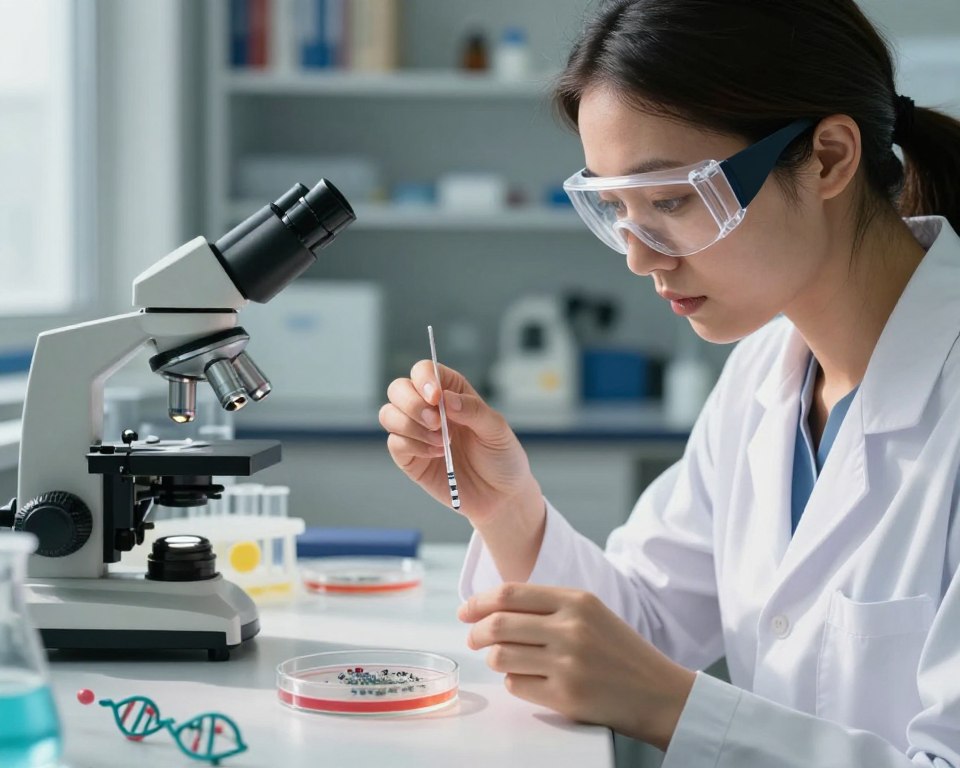
New evidence shows microplastics can reach the follicular fluid, affecting human egg maturation. A recent study found these particles in 14 out of 18 women’s follicular fluid during IVF. This finding stresses the need to study the fertility effects of plastic pollution on women’s reproductive health.
Ovarian Follicle Development and Plastic Exposure
Ovarian follicle development is very sensitive and needs precise communication. Foreign particles can disrupt this process. Preliminary data suggests plastic debris may lower egg quality and affect the ovarian reserve.
Scientists are studying how plastic particles interact with ovarian tissue. They think microplastics might cause inflammation, which could stop egg maturation. The fertility effects of plastic pollution are a major focus for reproductive health studies.
Hormonal Disruptions and Endocrine Interference
Microplastics might carry chemicals that mess with hormone signals. The endocrine system needs hormones to control ovulation and keep reproductive cycles healthy. Exposure to these particles could mimic or block natural hormones, causing endocrine interference.
This interference can mess with the signals needed for fertilization and implantation. The table below shows the risks of these environmental contaminants.
| Biological Marker | Potential Impact | Clinical Significance |
|---|---|---|
| Follicular Fluid | Particle Accumulation | High (Direct Exposure) |
| Ovarian Reserve | Accelerated Decline | Moderate (Long-term) |
| Hormonal Balance | Signaling Disruption | High (Ovulation) |
| Egg Quality | Structural Damage | Critical (Fertility) |
Research is ongoing to understand how these factors affect fertility effects of plastic pollution. Protecting reproductive health means learning how these invaders impact our bodies.
Endocrine Disrupting Chemicals Associated with Plastics
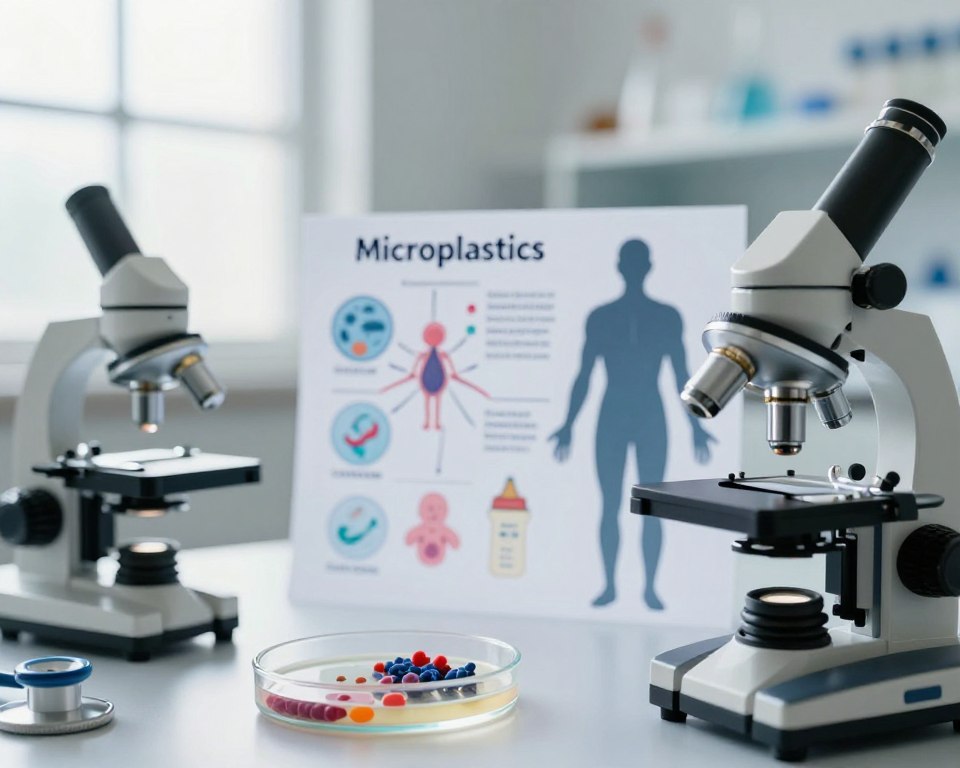
Microplastics carry many synthetic additives. Over 10,000 chemicals are used to make plastics better. These chemicals can get into our bodies and the environment.
Bisphenol A and Phthalates in Reproductive Health
Bisphenol A (BPA) and phthalates are harmful additives. They can mess with our hormones. This can affect how our bodies make gametes and keep hormones balanced.
Studies are looking into how these chemicals affect fertility. They can act like hormonal imposters. This can change when we ovulate or affect sperm quality. These chemicals are hard to get rid of, making them a big concern for reproductive health.
Synergistic Effects of Microplastics and Chemical Additives
Microplastics carry harmful chemicals into our bodies. This mix of physical and chemical harm is a big worry. It’s why scientists are looking into the link between microplastics and infertility.
Experts think the mix of physical and chemical harm is a big risk. This could explain why there’s a strong link between microplastics and infertility. Knowing how these work together is key to protecting our reproductive health.
Mechanisms of Cellular Toxicity and Oxidative Stress
To understand how microplastics influence fertility, we must explore cellular toxicity. These tiny particles can harm cells, leading to oxidative stress. This stress can damage reproductive tissues.
Reactive Oxygen Species Production
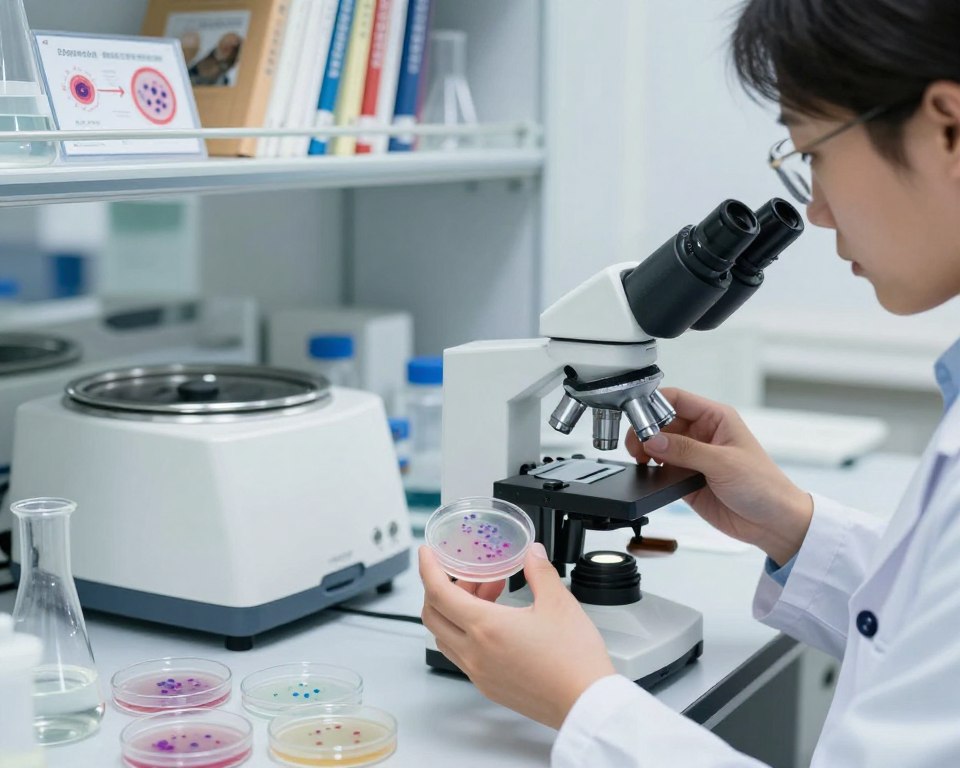
Studies show that polystyrene micro- and nanoplastics (PS-MNP) increase reactive oxygen species (ROS) in human placental cells. ROS damages cells, including lipids, proteins, and mitochondria. This damage affects energy levels needed for reproductive health.
ROS creates a harmful environment for reproductive cells. While we worry about daily habits, like using plastic microwave containers, the impact of internal particles is key. Oxidative stress is a major way microplastics affect fertility in both men and women.
DNA Damage and Epigenetic Modifications
Long-term exposure to plastic particles can harm our genes. ROS can break DNA strands, disrupting genetic replication. This is a big concern during gametogenesis, when cells are very sensitive.
Also, research suggests that plastic particles can cause epigenetic changes. These changes affect gene expression without altering DNA. Microplastics may disrupt the development of healthy gametes. So, understanding how microplastics influence fertility involves looking at both physical damage and lasting genetic changes.
Veterinary Perspectives and Animal Model Studies
Animal model studies are key in showing the dangers of microplastics to the reproductive system. They help scientists understand how these particles might affect humans. This is because they can see how these particles act in living systems.
These studies are done in controlled settings. This makes it easier to study than in human trials. They show how synthetic materials affect reproductive tissues over time.
Insights from Wildlife and Laboratory Research
Recent studies have found microplastics in domestic animals. One study found them in about 50 dogs’ testicles.
This shows that these particles can get past natural barriers. They can build up in important fertility organs. This is a big problem that needs more study across different species.
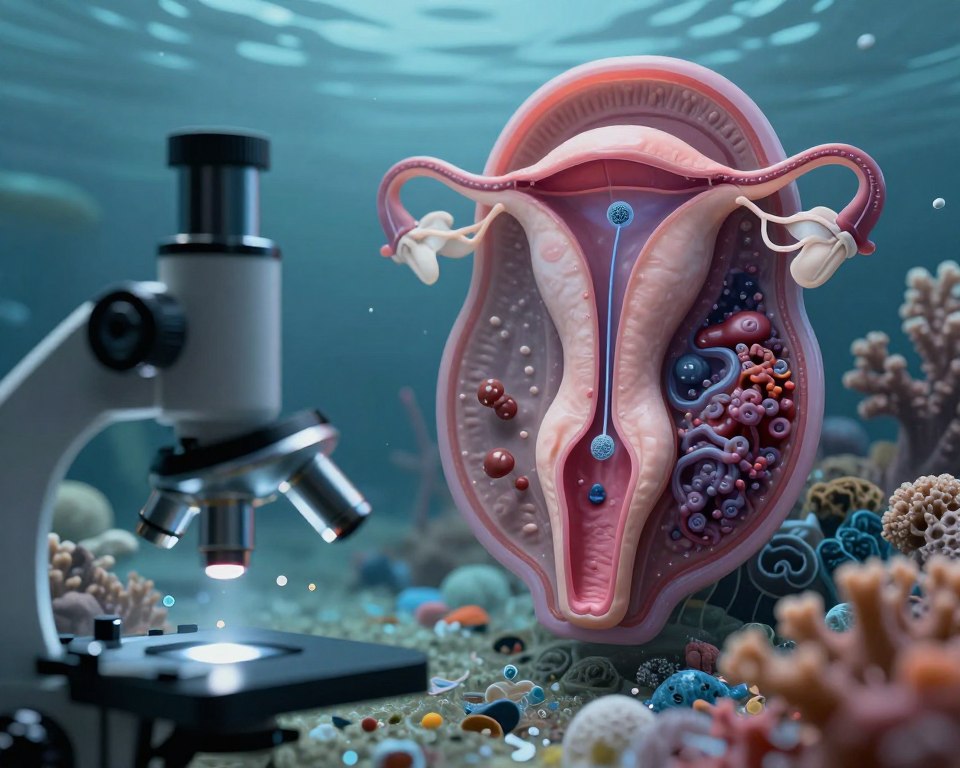
Image Disclosure: AI-Generated Veterinary Illustrations
Some images in this article are AI-made for learning. They help show vet concepts. But, they should not replace a vet’s real check-up or diagnosis.
“The use of animal models in toxicology research is crucial. It helps us understand how environmental pollutants work.” — Veterinary Toxicology Review
Understanding Veterinary Diagnostic Concepts
Vets use histopathology to check for foreign stuff in tissues. When looking at the dangers of microplastics to the reproductive system, they look for signs of harm. This includes inflammation or damage to cells.
- They look for micro-particles in reproductive organs.
- They check for signs of inflammation in testicular tissue.
- They compare sperm quality in exposed and unexposed groups.
Limitations of AI-Generated Educational Imagery
AI images are good for showing complex ideas, but they’re not a real substitute for actual data. These images are simple and meant to help people understand hard concepts.
For accurate medical info, look at scientific studies. Always talk to a vet about your pets’ health.
Microplastics and Developmental Risks in Offspring
New studies show that microplastics can harm fertility not just in parents but also in the unborn. These tiny particles get into our bodies and affect the earliest stages of life. It’s important to understand how they impact future generations.
Transplacental Transfer of Microscopic Particles
Studies have found synthetic polymers in the womb. They’ve found microplastics in amniotic fluid and fetal meconium. This shows these particles can get past the placenta.
The placenta filters out many toxins but not all plastic debris. This means the fetus might be exposed to harmful substances. This is a big worry for scientists.
Long-term Developmental Consequences
The worry is that these particles could harm development. While we don’t know all the effects yet, it’s a big concern. The risks of microplastics on fertility and growth are serious.
Being exposed to these particles in the womb might mess with how our bodies work. It could affect growth or make us more likely to get certain diseases. We need more research to understand these risks and keep mothers safe.
Lifestyle Factors and Exposure Mitigation
Reducing the dangers of microplastics to reproductive system begins with your choices at home. While big pollution issues seem hard to tackle alone, small changes can make a big difference. Focus on key areas to cut down on synthetic particles.
Dietary Sources of Microplastic Ingestion
Food is a main way microplastics get into our bodies. Studies show that how we package and prepare food matters a lot. Here are some easy steps to lower your risk:
- Replace plastic food containers with glass, ceramic, or stainless steel, for hot leftovers.
- Don’t heat food in plastic, as it makes chemicals and tiny particles leak into your food.
- Use high-quality water filters, like reverse osmosis, to catch tiny debris.
“Small, consistent changes in how we store and prepare our food can drastically alter our chemical exposure profile over time. Prioritizing inert materials like glass is a simple yet powerful act of self-care.”
Household Products and Environmental Exposure
Your home can also be a source of plastic dust and fibers. Clothes made from synthetic materials like polyester and nylon release microfibers. Vacuuming with a HEPA-filter can help catch these before they’re breathed in or eaten.
Also, check your personal care products for plastic microbeads or synthetic polymers. Look for “polyethylene” or “polypropylene” in ingredient lists. By avoiding these, you reduce the dangers of microplastics to reproductive system and make your home safer.
Regulatory Landscape and Public Health Policy
Understanding the link between microplastics and fertility issues requires tackling the complex regulatory landscape. Current policies struggle to keep up with plastic manufacturing’s fast pace and the variety of chemicals used.
There’s a big challenge in overseeing the vast number of substances. Scientists have found about 2,400 chemicals in plastic production that are now a concern for health.
Current Environmental Standards in the United States
In the United States, many agencies, like the Environmental Protection Agency (EPA) and the Food and Drug Administration (FDA), manage chemical safety. But these laws were made before microplastic pollution became widespread.
Today’s standards have several weaknesses:
- Fragmented oversight: Different agencies handle chemicals based on their use, like food packaging versus industrial runoff.
- Chemical complexity: Many additives are secret, making it hard for regulators to understand their total impact.
- Lagging updates: Laws often don’t keep up with the latest research on how environmental particles affect humans.
Future Directions for Plastic Pollution Control
Public health policy needs a new approach to manage chemicals. Policymakers are now focusing on the link between microplastics and fertility issues to set stricter standards.
Future plans for controlling plastic pollution might include:
- Requiring all chemicals in plastic making to be disclosed.
- Investing in better water filtration to cut down on particle intake.
- Starting long-term studies to track synthetic polymers in the human body.
By taking these steps, the United States can reduce plastic-related risks. It’s crucial to act now to protect reproductive health for generations to come.
Diagnostic Challenges in Assessing Plastic Burden
Finding a link between microplastics and infertility is hard because we can’t always see these tiny particles. It’s tough to know how much plastic is inside us. This makes it hard to say how plastic affects our ability to have kids.
Limitations of Current Detection Technologies
There are many types and sizes of plastics in our environment. For example, studies found microplastics in human placenta, from 0.28 to 9.55 particles per gram. Standardizing these measurements is a big challenge because different labs use different methods.
Many methods can’t tell plastics from natural stuff. Some people look into is Tritan plastic safe as an alternative. Scientists are working on better ways to find plastics, like mass spectrometry and infrared spectroscopy. But without the same technology everywhere, proving the microplastics and infertility correlation is hard.
Biomarkers for Microplastic Exposure
We need good biomarkers to see how plastics affect us over time. A good biomarker would let doctors check for plastics without taking tissue samples. But, we don’t have a reliable way to know if plastics are toxic to our reproductive system yet.
Researchers need to find specific signs in our bodies that show we’ve been exposed to plastics. This would help us understand the microplastics and infertility correlation better. The table below shows what methods are used now in research.
| Methodology | Primary Use | Detection Limit | Accuracy Level |
|---|---|---|---|
| Micro-Raman Spectroscopy | Polymer Identification | High (down to 1µm) | Excellent |
| Pyrolysis-GC/MS | Mass Quantification | Moderate | High |
| Fluorescence Microscopy | Particle Counting | Low | Variable |
| FTIR Imaging | Chemical Mapping | Moderate | Good |
Future Research Priorities and Scientific Gaps
The study of reproductive toxicology needs to focus on big, detailed studies. We must learn how microplastics affect fertility more clearly. Right now, we have some evidence, but we need more to be sure.
Longitudinal Studies on Human Fertility
Right now, we only see a part of the problem with cross-sectional data. We need long-term studies to really understand the effects. These studies are crucial for seeing if small amounts of plastic can harm us over time.
“The transition from identifying the presence of microplastics to understanding their long-term biological consequences is the next great challenge in environmental medicine.”
By watching groups of people for years, scientists can figure out what really causes problems. This will show us if certain times in life are more risky. Knowing this will help us make better health plans.
Standardizing Microplastic Measurement Protocols
One big problem is that different labs measure plastic in different ways. This makes it hard to compare studies. We need to agree on how to measure plastic to move forward.
We should focus on a few key things to make sure our data is good:
- Find consistent ways to get particles from samples.
- Make sure everyone agrees on what counts as a particle.
- Use shared databases to track findings worldwide.
When we all use the same methods, our research gets better. This makes it easier to make big decisions about health. It’s a step towards understanding the risks of plastic in our lives.
Conclusion
Recent studies show the fertility effects of plastic pollution are complex. Human studies are still growing, but they point to problems like oxidative stress and endocrine disruption. It’s wise to reduce exposure for our health.
Everyone can start making changes today. Using safe cleaning products from brands like Seventh Generation or Branch Basics is a good step. These choices help avoid harmful chemicals in our homes.
Eating fresh, whole foods and using glass or stainless steel containers also helps. Keeping up with new research on plastic pollution helps families make smart choices. By making these changes, we protect our health and the health of our children.
FAQ
Can Microplastics Affect Fertility?
Research shows microplastics might interfere with fertility. They are found in human reproductive tissues. This could affect our ability to conceive or keep a pregnancy healthy.
What are the primary risks of microplastics on fertility in men?
Men face risks from microplastics in their testicles. This can cause inflammation and damage. It might lower sperm count and quality.
How does the impact of microplastics on reproductive health affect women?
Microplastics can mess with women’s hormones. This might affect ovulation. It could also harm egg quality, making it harder to get pregnant.
What are the fertility effects of plastic pollution on future generations?
Microplastics can pass through the placenta. This might harm fetal development. It could affect the reproductive health of future generations.
Is there a proven microplastics and infertility correlation?
While it’s hard to prove in humans, studies show a link. High plastic exposure is linked to reproductive issues. Animal studies confirm this, showing microplastics harm fertility.
How microplastics influence fertility at a cellular level?
Microplastics harm fertility by causing oxidative stress. They reach reproductive organs and damage DNA. This affects the development of sperm and eggs.
What are the dangers of microplastics to reproductive system hormones?
Microplastics carry harmful chemicals like BPA and Phthalates. These chemicals disrupt hormones. They can harm reproductive health.
Is there a link between microplastics and fertility issues that can be mitigated through lifestyle changes?
Yes, you can reduce plastic exposure. Use glass or stainless steel instead of plastic. Avoid plastics in the microwave and use good water filters. Reducing single-use plastics helps too.
Why is it difficult for doctors to diagnose a "plastic burden" in patients?
Diagnosing plastic burden is hard due to lack of biomarkers. There’s also a wide range of plastics. New technologies are needed to help doctors assess exposure.