
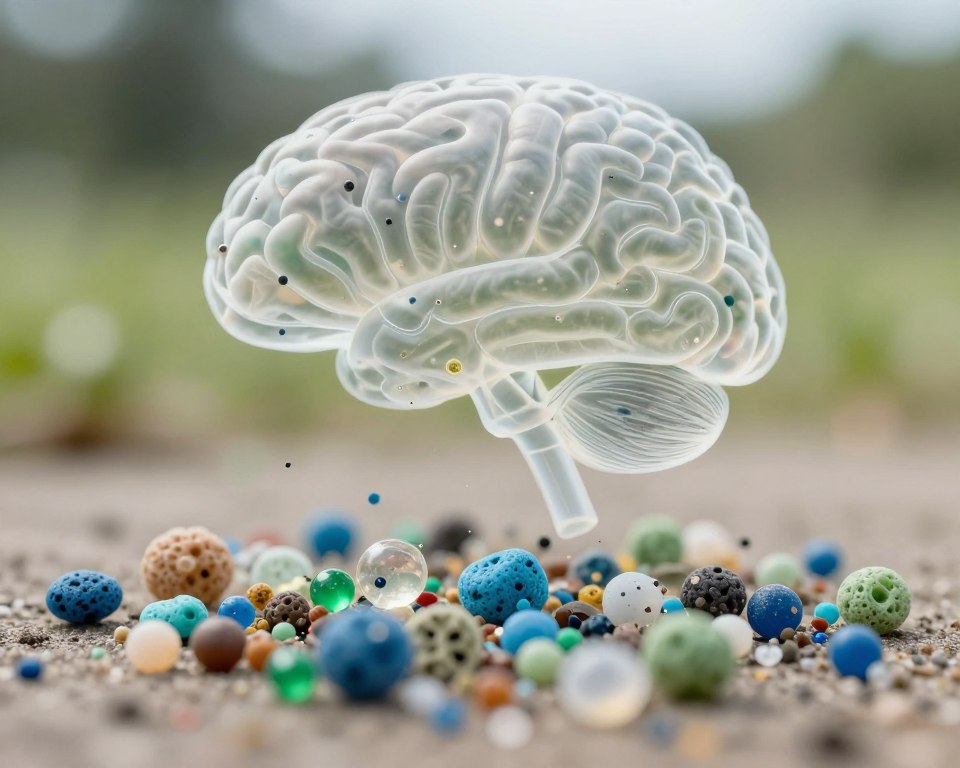
Recent studies have shown a shocking truth: synthetic polymers are now found in our brains. Scientists found that our brain tissues have more polyethylene than our liver or kidneys.
This discovery changes how we think about microplastics and our brains. We used to think they only affected our digestive system. But now, we see they can get past our body’s defenses easily.
It’s important to know if Can Microplastics Enter the Brain to protect our brains. We need to understand how these particles get into our bodies and what harm they can cause. This helps us tackle the big problem of environmental pollution.
Key Takeaways
- Polyethylene has been identified in human neural tissue at higher levels than in the liver or kidneys.
- Synthetic polymers possess the ability to cross biological barriers previously thought to be impenetrable.
- Current research focuses on how these particles impact long-term neurological health and cognitive function.
- Exposure mechanisms remain a primary area of investigation for toxicologists worldwide.
- Evidence-based analysis is essential for understanding the systemic risks of environmental polymer accumulation.
The Ubiquity of Microplastics in the Modern Environment
Modern life is deeply connected to plastic, leading to the spread of microplastics everywhere. Over the last 50 years, the amount of these plastic particles in our world has skyrocketed. Now, they are a permanent part of our planet.
Studies show that microplastics are found almost everywhere, from the deepest ocean to the highest mountains. This widespread contamination is a big problem that affects the whole world. Because they don’t break down easily, they build up in both land and water.
Being around microplastics is something we can’t avoid. We touch them every day through the water, air, and food we use. This makes it hard to reduce our exposure, even with big changes in our lives.
It’s crucial for scientists to find out how much of these plastics we carry inside us. By understanding how microplastics move around, they can guess the health risks they might pose. This knowledge helps us start to figure out how these plastics could affect our bodies.
Defining Microplastics and Nanoplastics
Microplastics and nanoplastics are big concerns for our environment. They are polymer-based particulates that come in different sizes. They can be as small as a single nanometer (nm) or as big as 500 micrometers (µm).
The term microplastics usually means anything smaller than 5 millimeters. But nanoplastics are even smaller. They are so tiny that they can affect living things in ways big pieces can’t.
Physical Characteristics and Chemical Composition
These particles are not all the same. They can be fibers, fragments, or spheres. This depends on where they came from and how they broke down.
They also have chemical additives like plasticizers or flame retardants. These can leak out and make the particles more harmful.
Pathways of Environmental Exposure
People get exposed to these pollutants in a few main ways. The most common is eating or drinking things that have them. This puts the particles straight into our stomachs.
Another way is breathing in the air. This is a big problem in cities. Scientists worry about nanoplastics in the brain because they can get past our body’s defenses easily.
The Blood-Brain Barrier Explained
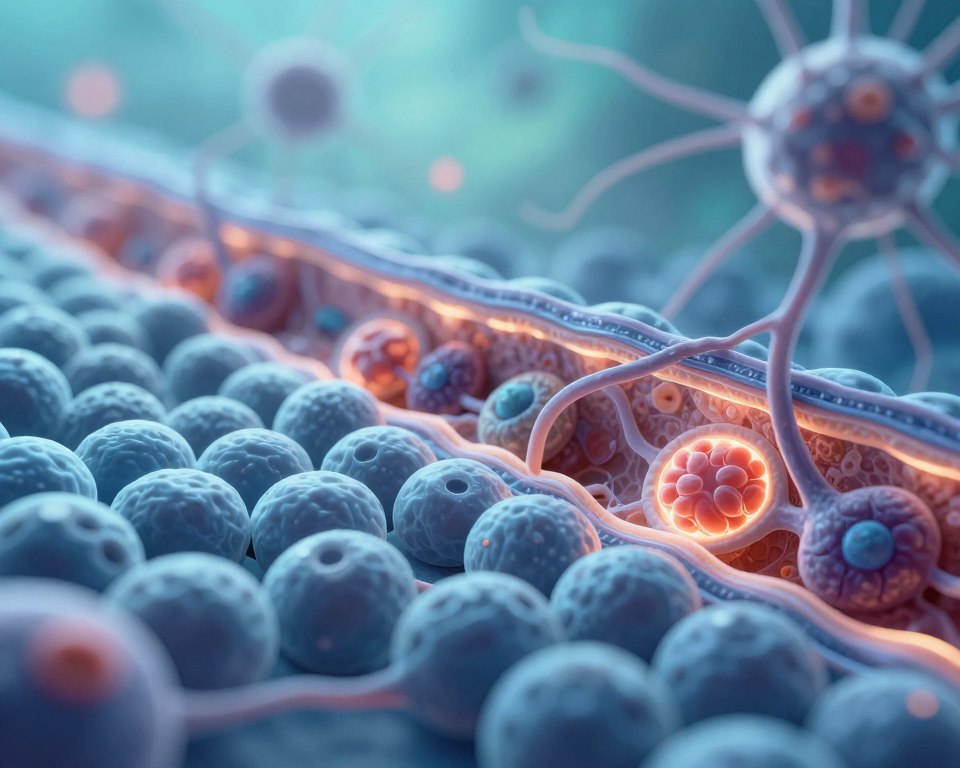
The blood-brain barrier is a key protector. It controls what moves from the blood to the brain. This system keeps the brain safe from harmful substances.
Anatomy and Function of the Protective Shield
The heart of this defense is the neurovascular unit. It has special endothelial cells. These cells are connected by tight junctions that block most big molecules from entering the brain.
Astrocytes and pericytes add more support. They help create a selective environment. This lets in only what the brain needs, like glucose and oxygen, while keeping out harmful things.
Mechanisms of Barrier Permeability
Even though it’s strong, the barrier can be broken. This happens when the body is under stress or has inflammation.
When the barrier weakens, tight junctions can open. This lets harmful particles get into the brain. Research, like the studies at this scientific resource, shows how inflammation can damage these layers over time.
| Factor | Effect on Barrier | Clinical Outcome |
|---|---|---|
| Tight Junctions | Maintains stability | Protection of neurons |
| Systemic Inflammation | Increases permeability | Potential toxin entry |
| Oxidative Stress | Weakens integrity | Cellular damage |
| Particle Size | Determines passage | Risk of accumulation |
Can Microplastics Enter the Brain? Current Scientific Evidence
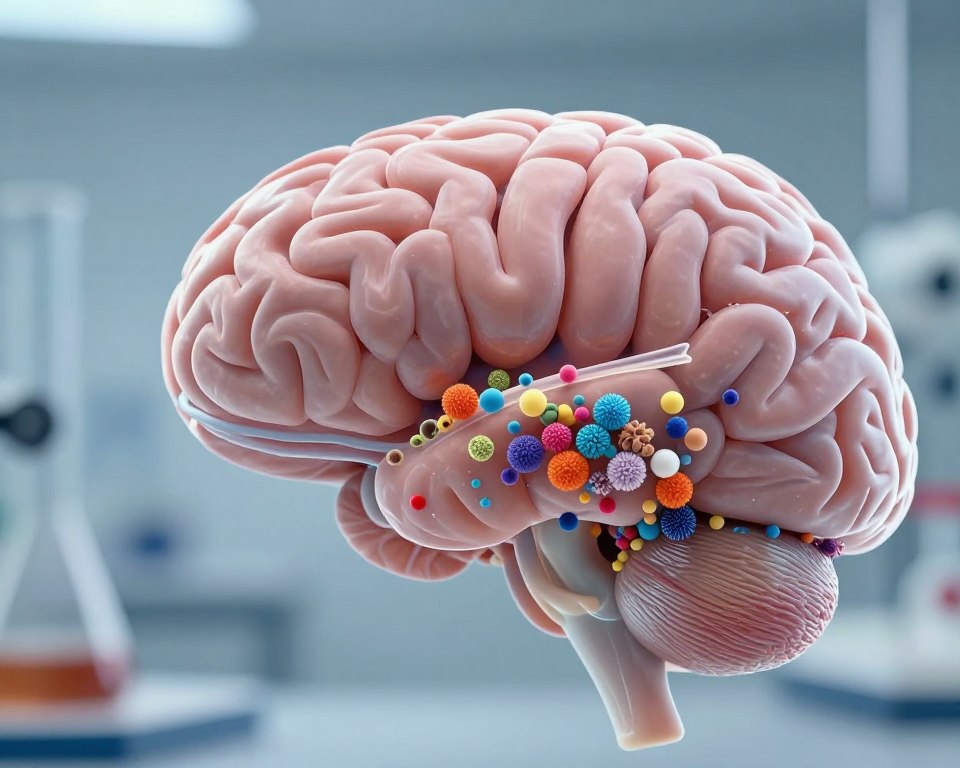
Recent studies show that plastic particles can be found in human brain tissue. This was once thought to be unlikely. Now, scientists are closely looking into how these materials can get past our body’s defenses. It’s important to know if Can Microplastics Enter the Brain to understand its impact on our brain health.
Recent Findings in Mammalian Models
Studies have focused on how much plastic is in our organs. They found that the brain is not safe from plastic. Researchers have seen disturbing patterns in how these particles spread.
- Brain concentrations of microplastics were found to be significantly higher than those in the liver or kidney.
- Statistical analysis confirms these findings with a high level of confidence (P
- The presence of nanoplastics in the brain shows that tiny particles can reach deep into our brain.
Tracing Particle Migration from the Gut to the Cranium
Scientists are studying how plastic debris moves from the gut to the brain. This journey involves crossing several barriers, like the intestinal wall and the blood-brain barrier. Many wonder are microplastics dangerous when they reach these areas. The evidence suggests they can cause stress to cells.
The journey of these particles is complex. It depends on their size, shape, and chemical makeup. As scientists learn more about nanoplastics in the brain, they are figuring out how these particles move through our body. This research is crucial to understand if Can Microplastics Enter the Brain through our blood or if there are other ways.
The Role of the Olfactory Pathway in Particle Inhalation
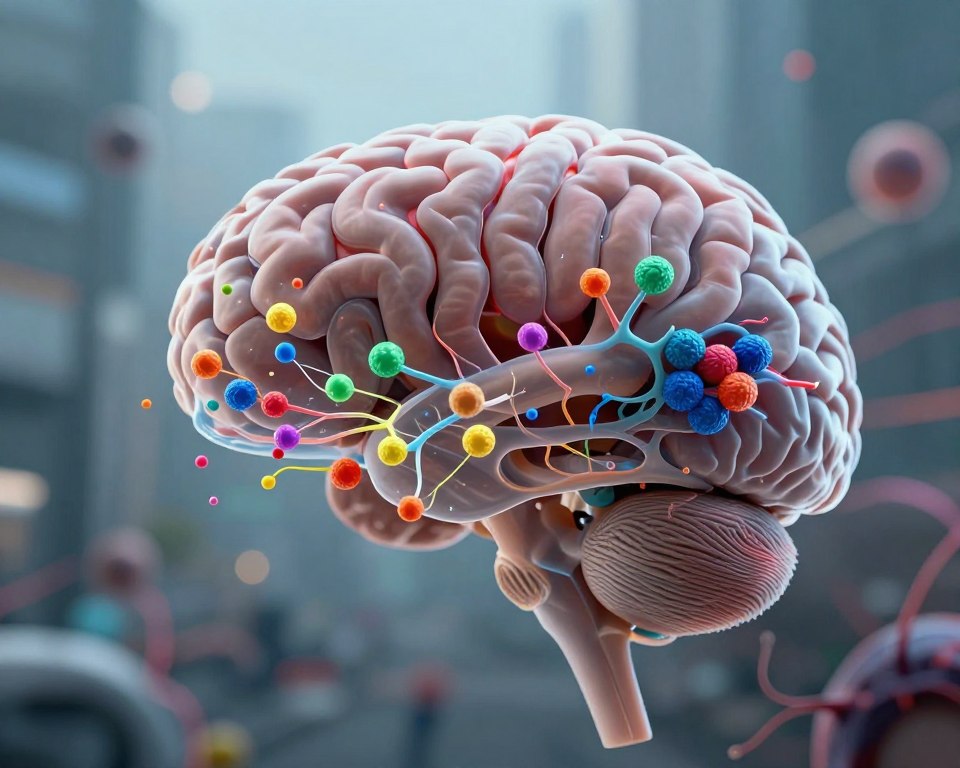
The respiratory system is a fast track for particles to get past our defenses. The nasal cavity is a special route that lets substances reach the brain without going through blood first.
Direct Access via the Nasal Cavity
Studies on human olfactory bulb tissue show how particles can move. They found that inhaled stuff can translocate along the olfactory nerves, going straight to the brain. This way, they avoid the usual filters that keep toxins out.
The olfactory bulb is close to the nose, making it a weak spot. Particles can then travel through nerve axons to deeper brain areas. This shows how nanoplastics in the brain can get there just by breathing.
Implications for Airborne Microplastic Exposure
Plastic in the air is a big worry in cities and homes. People in polluted areas might breathe in harmful stuff all the time. This constant exposure is a risk for the brain.
It’s important to study how this affects us over time. If nanoplastics in the brain are getting in through the nose, we might need to rethink air quality rules. Keeping the olfactory pathway safe is key to our brain’s health in a plastic-filled world.
Nanoplastics and Their Unique Ability to Cross Biological Membranes
Research shows that tiny particles smaller than 100 nanometers have special properties. They act more like molecules than solid objects. This lets them interact with our bodies in ways we never thought possible.
Size-Dependent Cellular Uptake
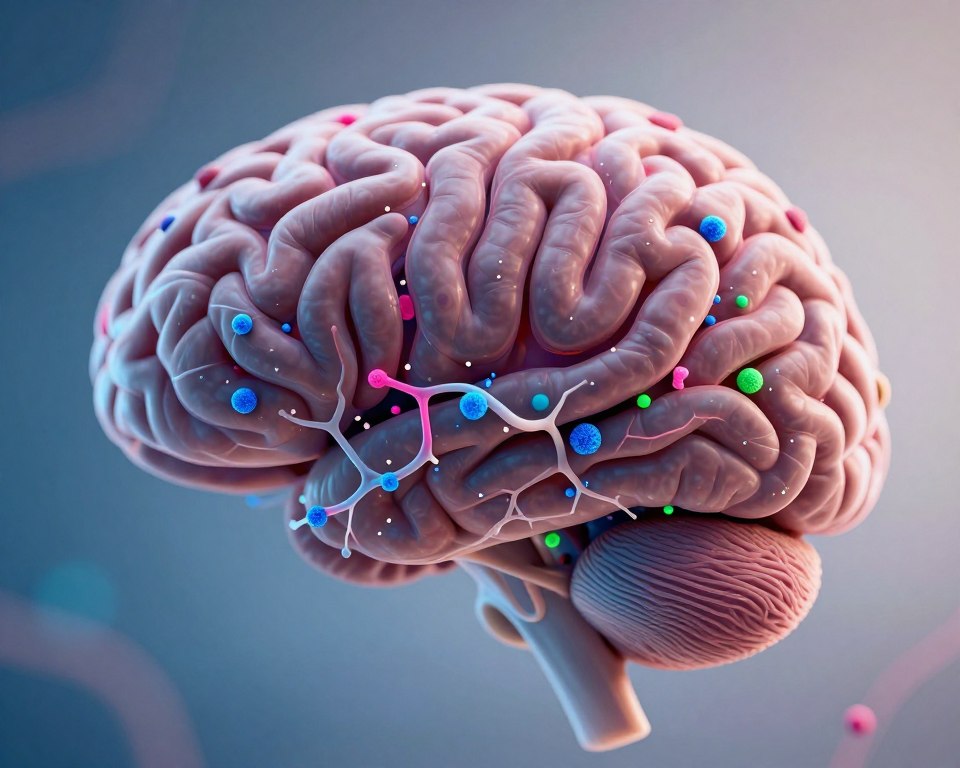
How well a particle can get into a cell depends on its size. Particles under 100 nanometers can sneak past our defenses. They can get deep into tissues that usually stay safe.
When these tiny particles get into the blood, they can easily reach the brain. They’re not seen as threats by our immune system. This means they can stay in our bodies for a long time.
Interaction with the Central Nervous System
The biggest worry is how these particles affect the brain. The blood-brain barrier is meant to keep toxins out. But, the special nature of nanoplastics can make it less effective.
Once in the brain, these plastics can cause problems. They can disrupt how cells talk to each other and how they work. Understanding these effects is key to knowing the dangers of plastic pollution.
Neurotoxic Effects of Microplastic Accumulation
Microplastics entering the brain start a chain of harmful effects. The neurological impact of these particles is a big worry for scientists. They disrupt the brain’s balance needed for thinking clearly.
Oxidative Stress and Inflammatory Responses
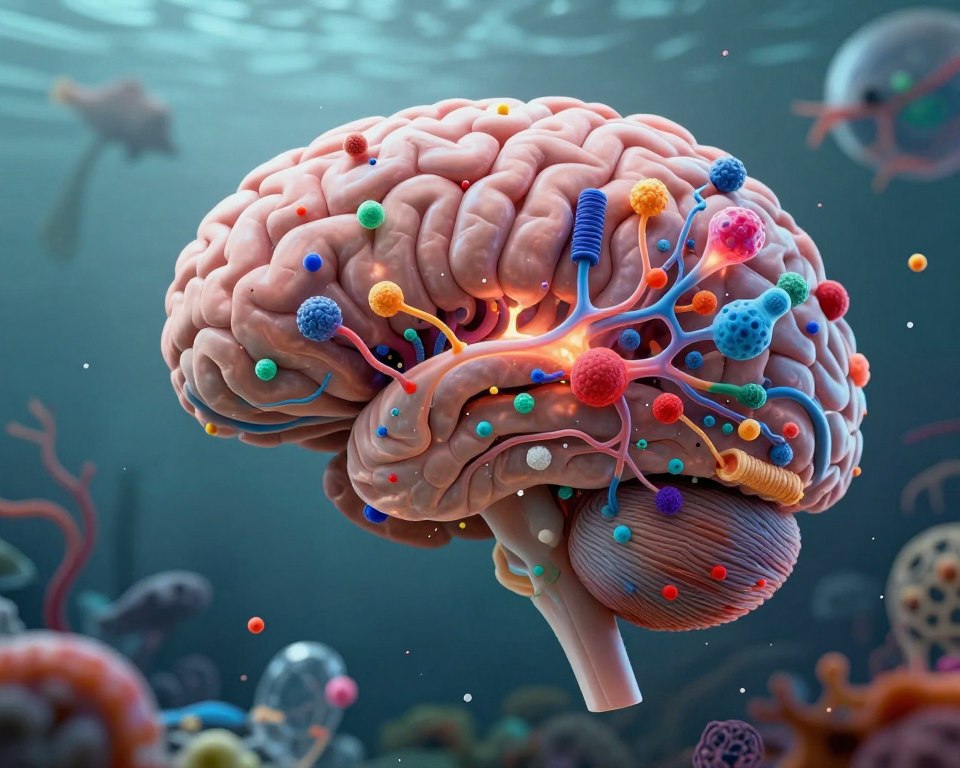
The main damage comes from oxidative stress. The body reacts to these plastics by making too many harmful free radicals. This can damage brain cells.
Also, inflammation stays on for a long time. Brain cells called microglia and astrocytes keep fighting off the plastics. This fight can hurt good brain cells.
Disruption of Neuronal Signaling Pathways
These particles also mess with how brain cells talk to each other. The neurotoxic effects of microplastics can stop signals from getting through. This makes it hard for the brain to work right.
Studies show how plastics mess with brain chemicals. You can learn more about this in this study on neurotoxicity. This can harm mood, memory, and movement over time.
Potential Links to Neurodegenerative Conditions
Looking into the neurological impact of plastic debris is crucial. It shows how these materials can harm brain proteins. Research hints that nanoplastics in the brain might lead to long-term health problems. These findings are just starting points for deeper research into brain health and environmental pollutants.
Microplastics and Protein Aggregation
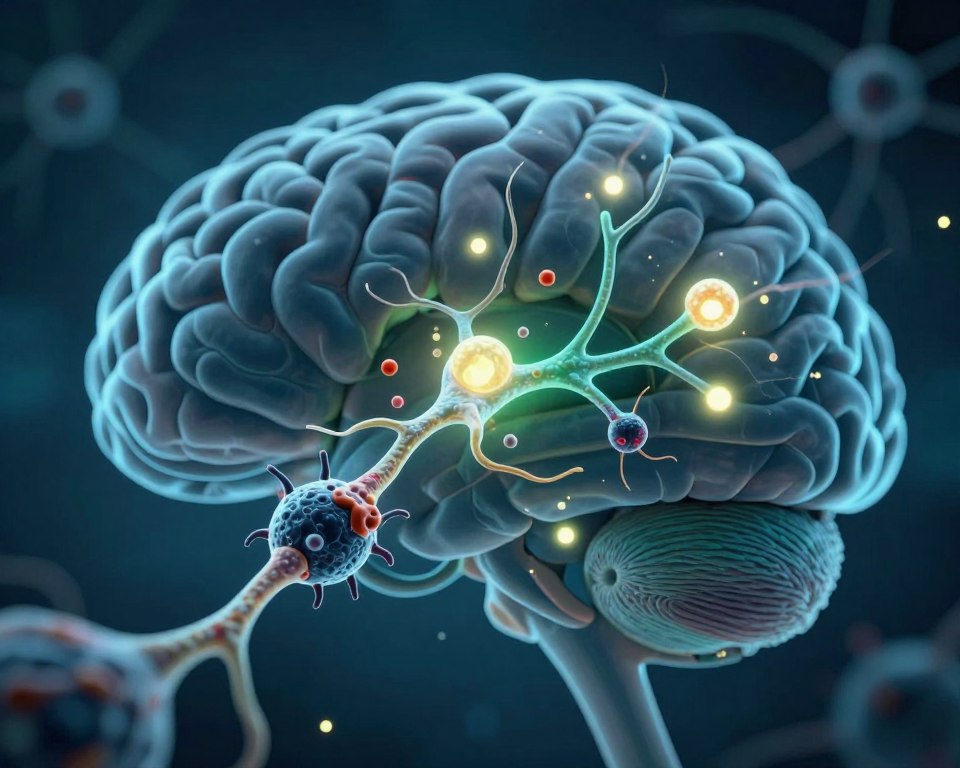
Researchers worry about how nanoplastics can cause proteins to clump. This is a big concern for diseases like Parkinson’s. When these particles get into the brain, they might make proteins misfold and stick together in bad ways.
This messes up the brain’s ability to keep proteins in balance. It’s called proteostasis. By messing with these processes, nanoplastics could make neurodegenerative symptoms come on faster. For more on this, check out this study on particle-induced toxicity.
Comparative Analysis with Known Neurotoxins
Nanoplastics affect the brain in ways similar to traditional neurotoxins. They mess with cell signals and structure. But, plastic particles are hard for the body to get rid of.
The table below shows how nanoplastics compare to other neurotoxins. It looks at how they act in the body and affect the brain:
| Feature | Nanoplastics | Traditional Neurotoxins |
|---|---|---|
| Primary Mechanism | Physical protein aggregation | Chemical receptor interference |
| Persistence | High (non-biodegradable) | Variable (metabolized) |
| Clearance Rate | Very slow | Moderate to fast |
| Cellular Impact | Structural disruption | Metabolic inhibition |
Unlike traditional toxins, nanoplastics harm the brain through their physical presence. This is key for finding new ways to diagnose and treat problems. More research is needed to understand how these exposures affect our brains over time.
Veterinary Perspectives on Environmental Toxin Exposure
Studying environmental toxins and brain function often involves looking at veterinary data. By watching domestic animals, scientists learn a lot. They see how pollutants affect mammals, which helps understand risks to brain health.
Clinical Observations in Domestic Animals
Veterinary studies show synthetic particles aren’t just in the gut. They found high levels of plastic in dog testes. This means these particles spread all over the body. It worries them about how these particles might affect other organs too.

Image Disclosure: AI-Generated Educational Visuals
Some images used in this article may be AI-generated for educational purposes. They are intended to illustrate veterinary concepts and should not replace professional veterinary examination or diagnosis.
These images help explain complex ideas. But, they are not real evidence. Always talk to a vet if you’re worried about your pet’s health.
Understanding Veterinary Diagnostic Limitations
Finding tiny particles in living tissue is hard. Today’s tools can’t spot small plastics in the brain. This makes it tough to link exposure to brain problems in animals.
The Role of Imaging in Assessing Brain Health
Imaging like MRI or CT scans look for big problems, not tiny plastics. To really understand environmental toxins and brain function, vets need better tools. They need ways to see how particles move without hurting animals. This is key to keeping brain health safe.
- Systemic distribution: Evidence shows particles travel beyond the gut.
- Diagnostic gap: Current imaging cannot easily visualize sub-micron plastics.
- Clinical necessity: New biomarkers are required for accurate assessment.
The Impact of Plastic Pollution on Wildlife Brain Function
Research shows that environmental toxins and brain function are linked in aquatic species. These toxins harm their bodies and brains. They mess with how animals move, eat, and avoid predators.
Behavioral Changes in Aquatic Species
Studies on aquatic animals show that microplastics change their behavior. These plastics mess with the brain’s chemicals needed for thinking and making decisions.
This messes up how fish act and react to their surroundings. It’s not just a small problem. It’s a big deal that could hurt many animals’ chances of survival.
Bioaccumulation Trends in the Food Chain
Plastic particles move up the food chain, posing a bigger risk to top predators. Smaller animals eat these plastics, and the toxins build up as they are eaten by bigger ones.
This means that big predators eat a lot more plastic than their prey. It’s important to understand this, like when we wonder if is plastic food packaging safe for us to eat.
These effects are like early warning signs for bigger environmental problems. By studying wildlife brains, scientists learn about the dangers of plastic in our world.
Diagnostic Challenges in Detecting Brain-Bound Plastics
Understanding how environmental pollutants affect brain health starts with finding them. Doctors face a big challenge in spotting synthetic polymers in the brain’s delicate tissues. This makes it hard to know the long-term risks to our thinking abilities.
Limitations of Current Imaging Technologies
Tools like MRI and CT scans can’t see tiny debris. They’re good for bigger stuff, but miss the small stuff that can get into our brains. This is because they can’t spot particles smaller than 5 µm.
These tiny particles are hard to find because they look like normal body stuff. They’re invisible to doctors during a patient’s lifetime. So, scientists have to study them after someone has died, which limits our understanding.
“The analytical challenge lies not just in the size of the particles, but in their chemical diversity and the complexity of the biological matrix they inhabit.”
The Need for Advanced Biomarkers
To better watch over brain health, doctors are looking at new ways to test. Pyrolysis gas chromatography–mass spectrometry (Py-GC-MS) is a big step. It breaks down samples to find tiny plastic pieces that regular microscopes can’t see.
But, we still need better ways to know if plastics are building up in our brains without hurting us. Finding these markers could help us catch problems early and keep our brains safe. Here’s a look at what we can currently detect:
| Methodology | Detection Limit | Clinical Utility |
|---|---|---|
| Standard Microscopy | > 50 µm | Low |
| Micro-Spectroscopy | > 5 µm | Moderate |
| Py-GC-MS | High (Research) |
Getting better at finding these pollutants is key to protecting brain health. As we improve our tools, we’ll learn more about how plastics affect us.
Mitigation Strategies for Reducing Personal Exposure
Keeping your health safe from plastic pollution and health issues starts with simple steps. These particles are everywhere, but you can limit your intake. By focusing on how you get exposed, you can cut down on synthetic materials in your body.
Dietary Adjustments and Water Filtration
Most people get microplastics from food and water. Meat often has more because of the food chain. Eating whole, unprocessed foods can lower your risk of plastic in your diet.
Water quality is key in fighting plastic pollution and health. A good water filter, like a reverse osmosis unit, can remove many microplastics. It’s a strong defense against harmful contaminants.
Reducing Plastic Use in Daily Life
The best way to reduce exposure is to use less plastic. Choose glass, stainless steel, or ceramic for food and drinks. These don’t leach chemicals into your food like plastic does.
Be careful when heating food. Microwaving in plastic can break it down, releasing particles into your food. Use glass dishes for leftovers to stay safe.
Think about how your daily actions affect plastic pollution and health. Small choices, like avoiding plastic wrap or choosing natural clothes, help a lot. These habits empower you to fight environmental toxins.
Public Health Policy and Environmental Regulation
The link between plastic pollution and health calls for stronger environmental rules. As studies show, synthetic particles stay in our environment for a long time. This shows we need better oversight to protect both people and nature.
Current Legislative Landscape in the United States
In the U.S., managing synthetic waste is still a patchwork effort. Agencies like the Environmental Protection Agency (EPA) and the Food and Drug Administration (FDA) handle parts of chemical safety. But, there’s no single law that tackles microplastic pollution well.
Current laws, like the Clean Water Act, don’t do much to stop tiny plastic fibers from being released. This makes it hard to track the harm caused by plastic pollution and health. Without stronger laws, it’s up to researchers to prove plastics are safe, not the makers.
Future Directions for Plastic Waste Management
Dealing with the global plastic problem means stopping pollution before it starts. We need to move from just cleaning up to stopping plastics from being made in the first place. This means setting higher standards for filters and encouraging eco-friendly products.
To really tackle this issue, we need laws that work together at all levels. By using science in making laws, we can keep people safer from plastic dangers. Here’s what needs to change for our safety:
| Regulatory Focus | Current Status | Proposed Action |
|---|---|---|
| Industrial Discharge | Limited Oversight | Mandatory Filtration |
| Consumer Packaging | Voluntary Reduction | Extended Producer Responsibility |
| Water Quality Standards | Non-Specific | Microplastic Monitoring |
| Chemical Safety Data | Fragmented | Unified Toxicological Database |
The Future of Neurotoxicological Research
We need a new era of science to understand the neurological impact of plastic particles. We must use human models that mimic real life. This change is key to seeing how plastic affects our brains over time.
Emerging Methodologies in Particle Tracking
New tools are being made to track plastic in our bodies. These emerging methodologies help us see how plastic moves from our stomach to our brain. High-tech imaging lets scientists study the neurotoxic effects of microplastics at a tiny scale.
Researchers are also looking into the dangers of different plastics. For example, they’re studying if Tritan plastic is safe compared to other plastics. By comparing plastics, they can learn which ones are more harmful.
Collaborative Efforts Between Environmental and Medical Sciences
The future of this research relies on teamwork between environmental and medical scientists. Working together helps link animal studies to human health. This way, studies can focus on real-life exposure scenarios, not just high doses in labs.
This team effort makes sure we understand the neurological impact of pollutants correctly. Future studies will look at how microplastics affect people over time. The table below shows how research is moving from old to new methods.
| Research Focus | Traditional Methods | Emerging Approaches |
|---|---|---|
| Exposure Levels | High-dose acute | Chronic low-dose |
| Model Systems | Animal-only models | Human-centric organoids |
| Tracking Tech | Basic microscopy | Advanced isotope labeling |
| Data Integration | Isolated silos | Cross-disciplinary teams |
Addressing Knowledge Gaps in Human Health
We need to use animal model findings to help humans. We have some data, but we still don’t know much about long-term effects of microplastics on people. We must study how these particles affect humans over many years carefully.
The Need for Longitudinal Epidemiological Studies
We still don’t know how microplastics affect human health over time. We lack the long-term data needed to link plastic exposure to chronic diseases. Long-term studies are key to understanding the risks.
These studies must consider many factors like diet and where people live. By following people over time, we can learn more about the dangers of long-term exposure. This helps us understand how brain barrier permeability might be affected.
Translating Animal Data to Human Clinical Reality
Animal studies have given us insights, but they often use high doses. These doses don’t match how humans are exposed. We need to understand how these particles affect humans differently.
“The transition from controlled laboratory environments to the complex reality of human exposure is the most significant hurdle in modern toxicology. We must ensure our findings are not just statistically significant, but clinically relevant.”
The table below shows the differences between animal studies and what we need for human studies:
| Research Factor | Animal Models | Human Clinical Reality |
|---|---|---|
| Exposure Duration | Short-term/Acute | Chronic/Lifelong |
| Dosage Levels | High/Concentrated | Low/Variable |
| Biological Impact | Controlled Variables | Complex Systemic Interaction |
| Barrier Assessment | Direct Observation | Indirect Biomarker Analysis |
To progress, we must better understand brain barrier permeability in humans. Research on environmental health and plastic safety is crucial. By focusing on these areas, we can move from uncertain findings to clear knowledge about human health risks.
Conclusion
Studies show that microplastics and nanoplastics can reach our brains. Their levels are increasing over time. This is a big concern for our health.
To keep our brains safe, we need to cut down on synthetic materials. Making small changes in our daily lives can help a lot.
For example, using stainless steel, bamboo, or silicone instead of black plastic utensils is a good start. These materials don’t release harmful chemicals into our food. Also, checking our tools for damage often can stop us from accidentally eating plastic pieces.
Having clear tests and strong environmental laws is crucial for our safety. More research is needed to understand how these particles affect our brains. Following the best advice based on science is key to protecting our brains from plastic pollution.
FAQ
Can microplastics enter the brain through the air we breathe?
Yes. Research shows that inhaled nanoplastics can reach the brain. They travel along the olfactory nerves from the nasal cavity into the brain.
What is the specific neurological impact of microplastic accumulation?
Microplastics cause oxidative stress and chronic inflammation in the brain. This happens when the brain’s immune cells react to the foreign particles.
How do microplastics affect blood-brain barrier integrity?
Environmental toxins and brain function interference can weaken the blood-brain barrier. This allows smaller nanoplastics to enter the central nervous system.
Are nanoplastics in the brain more dangerous than larger microplastics?
Generally, yes. Nanoplastics are more dangerous because they can cross cellular membranes and enter lysosomes more easily than larger microplastics.
Is there a link between plastic pollution and health issues like Alzheimer’s?
Research is exploring how microplastics may contribute to neurodegenerative diseases. While the link is still being studied, the effects of microplastics on the brain are concerning.
How can I reduce the amount of microplastics entering my system?
To reduce plastic pollution, use advanced water filtration. Avoid heating food in plastic containers. Also, eat less bottom-dwelling seafood and highly processed meats.