
Every year, over 10,000 cases of accidental exposure to rodenticides are reported in the U.S. These chemicals are made to kill pests but harm more than just pests.
It’s important for homeowners to know about these dangers. These products can harm all mammals, including pets and kids, because they disrupt vital body functions.
We look into how these chemicals affect living things. Our aim is to help you find safer ways to manage pests at home.
Key Takeaways
- Rodenticides are designed to kill pests but pose significant health risks to humans and domestic animals.
- Accidental ingestion remains a leading cause of household emergency calls in the United States.
- These substances work by interfering with blood clotting or cellular respiration, which can be fatal if untreated.
- Homeowners should prioritize exclusion methods and traps over chemical interventions to ensure family safety.
- Professional guidance is essential if you suspect exposure to any pest control product.
Image Disclosure
We use many visual resources in this guide to give you the best learning experience. These images help explain toxicological concepts and show how substances affect living things.
Some images in this article might be AI-made or edited for learning. They aim to help you grasp veterinary concepts. But, they should not be a substitute for a vet’s advice or treatment.
Remember, digital pictures can’t replace the health history of your pet or family member. Always talk to a vet or medical expert for health worries about poison exposure.
“The interpretation of clinical symptoms requires a trained eye and diagnostic testing that no image or online guide can replicate. When in doubt, seek immediate professional care.”
This table explains the role and limits of the images in this article. It helps you learn about safety better.
| Visual Type | Primary Purpose | Limitation |
|---|---|---|
| AI-Generated Graphics | Conceptual clarity | Not a clinical reference |
| Digitally Enhanced Photos | Highlighting key features | Does not replace lab tests |
| Educational Diagrams | Explaining mechanisms | Requires expert interpretation |
These resources help you understand the dangers of household chemicals. But, always choose real advice from experts over digital info in emergencies.
Understanding the Core Question: Is Mouse Poison Toxic

Homeowners often wonder: is mouse poison toxic? The answer is yes. These products are made to harm rodents by disrupting their biology.
These baits are made tasty with ingredients like peanut butter and molasses. Grains are also used to attract rodents.
But these baits are not just for mice. They can harm pets and children too. This is because they are not selective in who they harm.
“There is no such thing as a safe level of exposure to rodenticides for non-target species. The chemical design intended to kill a mouse remains equally potent when ingested by a dog, cat, or human.”
Let’s look at how these substances affect different living things in a home.
| Exposure Factor | Rodent Impact | Non-Target Risk |
|---|---|---|
| Attractant Type | High (Food-based) | High (Appealing to pets) |
| Biological Selectivity | None | None |
| Safety Threshold | Lethal | Lethal |
Knowing these products are dangerous is key to a safe home. Remember, is mouse poison toxic is a yes. This is because they harm anyone who eats them, not just mice.
The Chemical Composition of Common Rodenticides

Understanding the chemical makeup of common rodenticides helps us see how they impact living things. These substances work in different ways, each causing its own set of problems. Knowing how they work is key to understanding the effects of mouse poison in cases of accidental exposure.
Anticoagulant Rodenticides and Their Mechanism
Anticoagulants are the most common type of rodenticide. They stop the body from recycling Vitamin K, which is needed for blood to clot. Without it, animals suffer from uncontrolled internal hemorrhaging.
Symptoms can take days to show up after eating the poison. This delay can make it hard for owners to connect their pet’s weakness to the effects of mouse poison. Vets usually give Vitamin K1 to help the blood clot again.
“The clinical management of toxic ingestion requires precise identification of the active ingredient, as the physiological response varies drastically between chemical classes.”
Bromethalin and Neurotoxic Effects
Bromethalin works differently than anticoagulants. It’s a strong neurotoxin that messes with the brain’s energy. This leads to serious problems with the nervous system.
Signs of bromethalin poisoning include shaking, seizures, and paralysis. The effects of mouse poison with bromethalin can happen fast. Quick action to clean the animal is often the best way to prevent lasting harm.
Cholecalciferol and Calcium Overload
Cholecalciferol, or Vitamin D3, is found in some baits. In large amounts, it raises calcium levels in the blood too high. This is called hypercalcemia and can cause tissues to harden.
The kidneys, heart, and blood vessels are most affected by this. If not treated, the effects of mouse poison with cholecalciferol can lead to kidney failure. Treatment involves giving lots of fluids and medicines to lower blood calcium.
Primary Dangers of Mouse Poison to Household Pets

Knowing the dangers of mouse poison is key for pet owners in the U.S. Pets are at risk because bait is tasty to rodents. The U.S. Environmental Protection Agency says over 100 pets die each year from mouse poison. Using bug spray indoors safely is also important.
Symptoms of Poisoning in Dogs
The effects of mouse poison on dogs vary by the poison type. Dogs may show signs like tiredness, not wanting to eat, and pale gums. Anticoagulants can cause bleeding, coughing, or trouble breathing. If your dog eats bait, get vet help fast to avoid serious problems.
Signs of Toxicity in Cats
Cats are very sensitive to rodenticide toxins. They might show signs like shaking, seizures, or acting clumsy. Even a little bit of poison can hurt cats a lot. Watch for sudden changes in behavior or vomiting, as these are signs of poisoning.
The Risk of Secondary Poisoning
Secondary poisoning happens when a pet eats a rodent that ate poison. This is a big worry for outdoor pets. The poison in the rodent can harm your pet. It’s important to pick safer ways to control pests.
| Toxin Type | Primary Risk | Common Clinical Sign |
|---|---|---|
| Anticoagulants | Internal Hemorrhage | Lethargy and Weakness |
| Bromethalin | Neurological Damage | Seizures and Tremors |
| Cholecalciferol | Calcium Overload | Kidney Failure |
Human Health Risks and Accidental Exposure
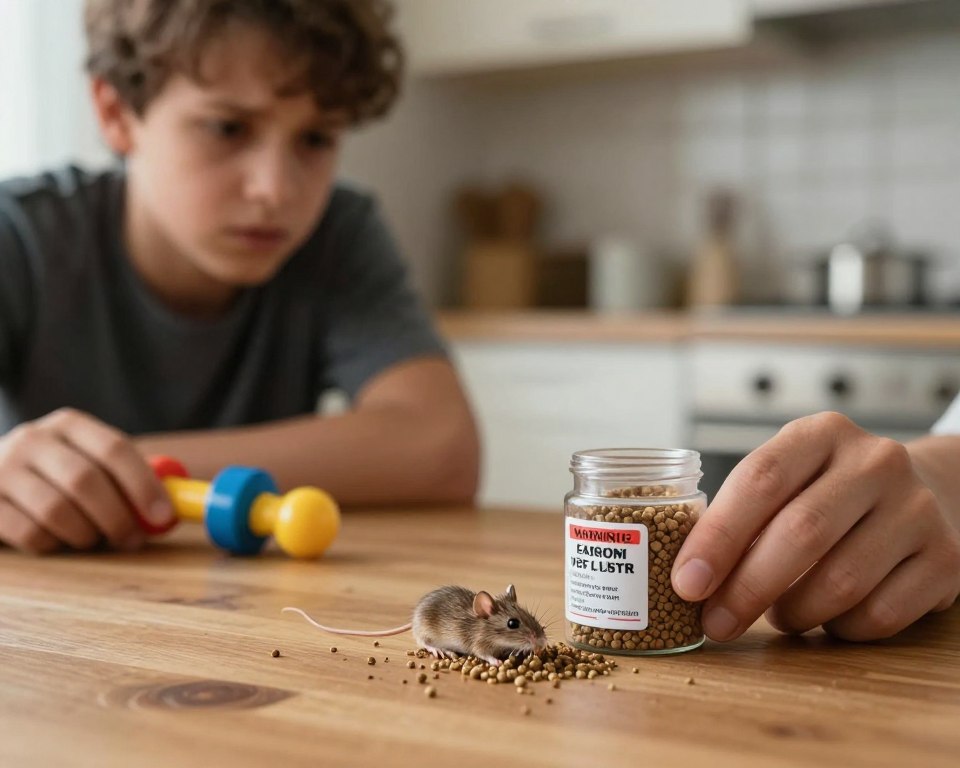
Keeping your family safe from mouse poison dangers is a big job. It needs constant watching and smart safety steps. These products kill pests but have strong chemicals that can hurt people if not used right.
Risks to Small Children and Infants
Every year, over 10,000 kids in the U.S. accidentally eat rodenticides. Babies and toddlers are at high risk because they like to touch and taste things on the floor.
To lower these risks, keep all poison products locked up high where kids can’t get them. Also, use tamper-resistant bait stations. These keep the poison safe, making it less likely for kids to get to it.
Immediate Steps Following Accidental Ingestion
If someone, big or small, eats a rodenticide, act fast. Don’t wait for signs of sickness before getting help.
Keep the product’s packaging because it has important chemical info for doctors. Call your local poison control or emergency services right away. Quick action is key to a good outcome after poisoning.
Environmental Impact of Rodenticide Use

Chemical mouse control can harm more than just a home. It can spread toxins into the environment, affecting many living things. These chemicals can move beyond one property, harming creatures not meant to be part of pest control.
Impact on Local Wildlife Populations
Toxic baits can poison animals not meant to be targeted. Animals like mountain lions and Pacific fishers are at high risk. They get sick from eating poisoned rodents, just like the pests.
This can upset the balance of nature. Conservationists see fewer animals in areas where chemicals are used a lot. We need safer ways to protect wildlife without harming them.
Bioaccumulation in the Food Chain
Predators face a big risk from secondary poisoning. Birds of prey, like owls and hawks, eat rodents poisoned by bait. These toxins stay in the prey’s body, building up in the predator over time.
This buildup of toxins can be deadly. A single predator might eat many poisoned rodents. This table shows how different groups are affected by these toxins.
| Exposure Type | Primary Risk | Affected Species |
|---|---|---|
| Primary | Direct ingestion of bait | Rodents, birds, pets |
| Secondary | Consumption of poisoned prey | Raptors, wild carnivores |
| Environmental | Soil and water runoff | Aquatic life, soil microbes |
Knowing these risks helps us make better choices. Using traps or keeping pests out is safer. This way, we protect our ecosystems without harming them.
Non-Toxic Mouse Control Options for Homeowners
Homeowners can use non-toxic mouse control options that are safe for families and pets. These methods avoid harmful chemicals, keeping your home safe. You can manage mouse populations without using dangerous substances.
Mechanical Trapping Methods
Mechanical traps are the most reliable for dealing with mice right away. Snap traps work well when placed along walls where mice often go.
If you want a kinder option, live-capture devices catch mice without hurting them. These traps need regular checks to release mice far from your home quickly.
Ultrasonic Repellent Devices
Ultrasonic devices are seen as a modern, easy way to keep mice away. They make sound waves that mice find uncomfortable.
But, how well these devices work depends on your home’s layout and the mice species. Rodents might get used to the sound over time. So, these devices should be used as a backup, not the main solution.
Using both physical methods and regular checks is the best strategy. This way, you can keep your home safe from mice without the dangers of chemical poisons.
Safe Mouse Removal Methods and Exclusion Techniques

Keeping mice out of your home is the best way to control pests. Instead of using harmful chemicals, you can use safe mouse removal methods. These include physical barriers and managing your environment. They solve the problem at its source.
Sealing Entry Points to Prevent Infestation
Mice can fit through tiny openings, so your home’s structure is key. Check your home’s foundation, utility lines, and vents for gaps. Use steel wool, hardware cloth, or caulk to seal these spots.
Blocking these entry points keeps mice out. For more tips on safe methods, check out safe rodent control solutions. Keeping up with these barriers helps protect your home from future invasions.
Sanitation Practices to Deter Rodents
Exclusion is just part of the solution. Removing things that attract mice is also key. Mice come to homes for food and places to nest. Keeping your home clean can help prevent them.
Put all food in airtight glass or metal containers to keep mice away. Clean up behind appliances and get rid of clutter. These steps make your home less appealing to mice, encouraging them to look elsewhere.
Effective Mouse Poison Alternatives
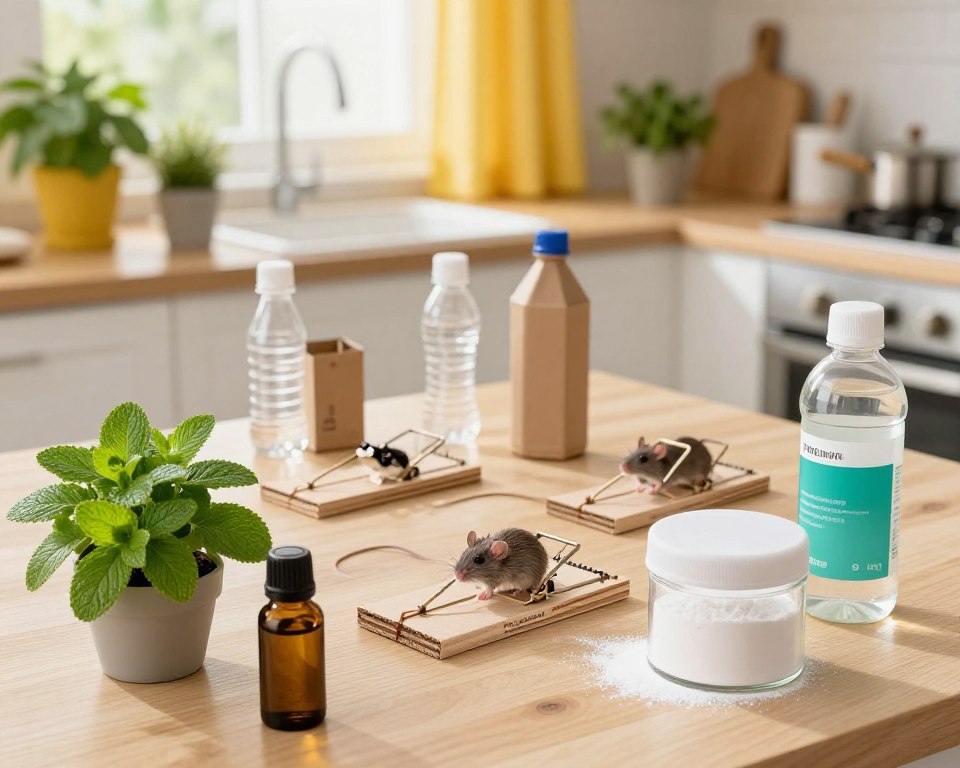
Finding safe mouse poison alternatives is key for families. Chemical rodenticides can harm pets and kids. Some, like phosphide rodenticides, are very dangerous because they release toxic gas when mixed with stomach acid.
Homeowners should see natural deterrents as extra tools, not the only solution. Scents alone can’t get rid of mice. It’s best to use them with fixes to keep rodents out.
Essential Oils as Natural Deterrents
Essential oils can keep rodents away by using their sense of smell. Rodents don’t like strong smells that mess with their sense of smell or finding food. Peppermint oil is a top choice because mice find its scent unpleasant.
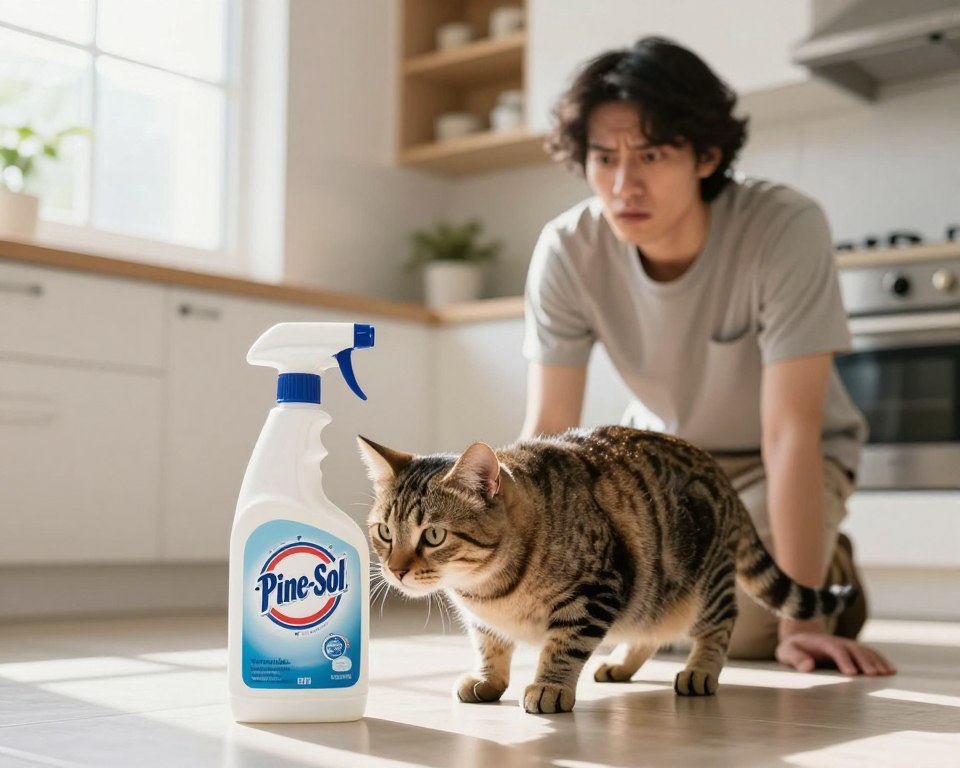
To work, essential oils need to be used often and updated. They’re best in small places like cabinets to stop mice from getting in. But, make sure they’re safe for your home, as some can harm pets, like Pine-Sol is toxic to cats.
Peppermint Oil and Vinegar Solutions
Many make DIY sprays with peppermint oil, water, and vinegar. Vinegar cleans and removes mouse trails, while peppermint oil keeps them away. This mix makes your home less appealing to mice.
“Natural deterrents are most successful when integrated into a broader strategy that includes sanitation and physical exclusion. They are not a substitute for sealing entry points.”
When looking at mouse poison alternatives, compare their safety and effectiveness. The table below shows how these methods compare to chemical options.
| Method | Primary Benefit | Safety Level | Effort Required |
|---|---|---|---|
| Essential Oils | Natural Scent Barrier | High | Frequent Reapplication |
| Physical Exclusion | Permanent Prevention | Very High | Moderate (One-time) |
| Chemical Poisons | Rapid Elimination | Low | Low |
The best way to handle rodents is to mix natural deterrents with good cleaning and sealing. By doing this, you make your home less welcoming to mice, reducing the need for harmful chemicals.
Eco-Friendly Mouse Control Strategies
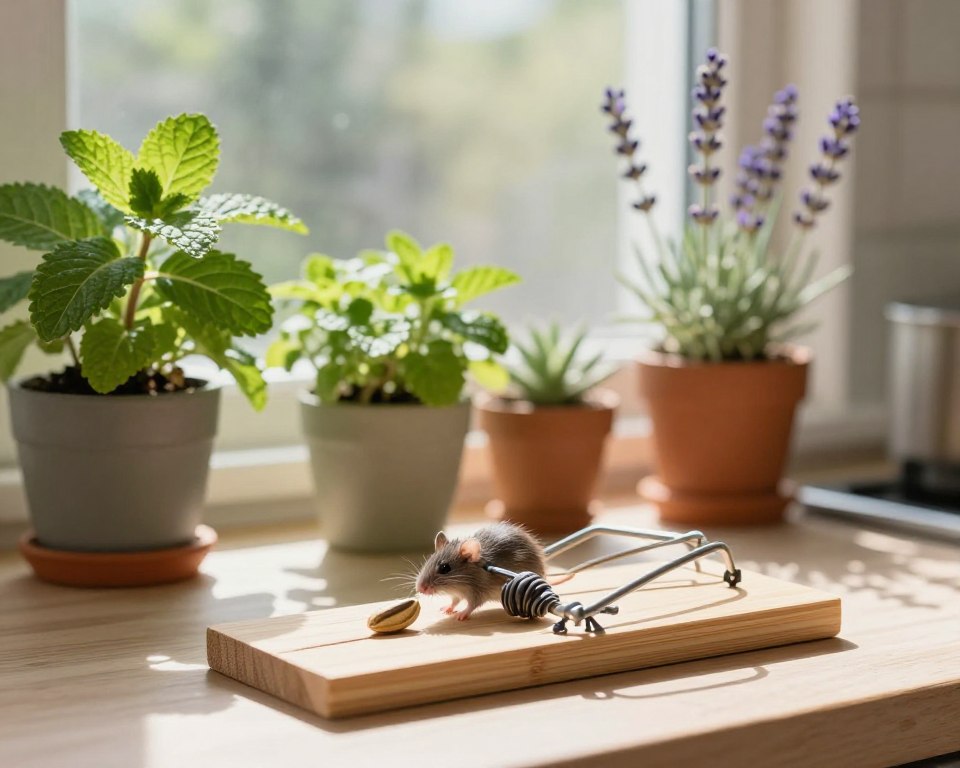
More homeowners are choosing safe ways to deal with mice. They’re moving away from harmful chemicals. This approach helps create a healthier home environment and keeps pests away naturally.
Promoting Natural Predators in the Garden
Encouraging birds like owls and hawks is a great way to control mice outdoors. These birds act as a natural deterrent. They help keep mouse numbers down without using harmful substances.
To attract these helpful birds, you can make your land more welcoming. Here are some steps to help:
- Install nesting boxes for barn owls or kestrels.
- Keep tall grass or brush piles in your yard for hunting birds.
- Don’t use outdoor lights that might disturb owls’ nighttime hunting.
“Nature has its own way of balancing things out. When we support these predators, we let nature take care of itself.”
Sustainable Pest Management Practices
Sustainable pest management is all about prevention, not quick fixes. It keeps the ecosystem in balance and controls pests effectively. For reliable advice, check out non-toxic rodent control solutions.
Good eco-friendly mouse control needs patience and careful watching. Focus on keeping mice out and changing their habitat. This way, your home stays safe from pests and chemicals, protecting your family and local wildlife.
Why Mouse Poison Is Harmful to the Ecosystem
Understanding why mouse poison is harmful goes beyond just pest control. Many rodenticides stay active in the environment for a long time. This means they keep affecting the ecosystem long after they’re first used.
These chemicals can move through soil and water, posing risks to many organisms. This creates a cycle of exposure that’s harmful to more than just rodents.
Disruption of Local Biodiversity
Toxic baits can have cascading effects on the local food web. Predators like hawks, owls, and foxes may eat poisoned rodents. This leads to secondary toxicity.
This process can greatly reduce the numbers of natural predators. These predators are key to keeping the ecosystem balanced. Without them, the natural control of pests is lost, destabilizing the environment further.
Long-term Soil and Water Contamination
Chemical residues from rodenticides don’t just disappear. They can seep into the soil and reach groundwater. This poses a threat to aquatic life and plants.
It’s important to know why mouse poison is harmful for sustainable land management. Choosing safer alternatives can prevent these toxins from building up in nature.
| Control Method | Environmental Impact | Persistence |
|---|---|---|
| Chemical Rodenticides | High (Bioaccumulation) | Long-term |
| Mechanical Traps | Minimal | None |
| Natural Deterrents | Negligible | Short-term |
Choosing not to use toxic chemicals helps protect the ecosystem. Knowing why mouse poison is harmful leads to better choices. These choices prioritize environmental health over quick fixes.
Poison Free Mouse Extermination Best Practices
Keeping your home rodent-free doesn’t need harmful chemicals. Many people now choose poison free mouse extermination to keep their families and pets safe. This safer approach focuses on solving the problem at its source.
Integrated Pest Management Approaches
Integrated Pest Management, or IPM, is the top choice for safe control. It uses a three-step plan: inspect, exclude, and clean. This method stops rodents from finding what they need to survive indoors.
First, find out how mice get in and where they eat. Then, seal these spots with strong materials like steel wool. Lastly, clean up to remove food that might attract pests.
Monitoring and Maintenance for Long-term Success
Keeping your home rodent-free with a poison free mouse extermination plan means staying alert. Rodents can find new ways in as your home settles or materials wear out. Regular checks help catch these issues early.
Keep an eye on traps or barriers for mouse signs. Being proactive makes your home less welcoming to rodents. This approach is safer and more effective than using harmful chemicals.
Natural Mouse Repellents That Actually Work
Using natural mouse repellents is safer for homes with pets and kids. These methods make your home less appealing to mice. This encourages them to find other places to live. These options are safer than chemical poisons and better for families.
Plant-Based Barriers
Physical and smell barriers can keep mice away. Some plants and extracts bother mice, making them stay away. This helps keep your home mouse-free.
- Peppermint oil: A strong smell that messes with a mouse’s sense of direction.
- Dried lavender: Used in closets and pantries to keep mice out.
- Clove oil: A strong irritant for mice when applied to entry points.
Strategic Use of Scent-Based Deterrents
The success of natural mouse repellents depends on how and where you use them. Place them in spots where mice are likely to be, like behind appliances or near baseboards. This helps keep your home mouse-free.
To get the best results, mix these repellents with physical traps. Using scent to guide mice to traps can boost your non-toxic trapping success. Strategic placement makes your home less welcoming to mice without using harmful chemicals.
Conclusion
Choosing to avoid rodenticides is a big step for your family’s health and the environment. Using physical barriers and traps keeps your home safe for kids and pets. It also helps control rodents well.
Integrated pest management is a smart choice for homeowners. It aims for long-term solutions, not quick fixes with chemicals. By sealing holes and keeping your home clean, you stop pests from coming in.
Using proven methods keeps your home pest-free without harmful chemicals. This way, you can relax knowing your home is safe. We suggest these steps to keep your family’s living space healthy and pest-free.
FAQ
Is Mouse Poison Toxic to humans and household pets?
Yes. Rodenticides are made to kill mammals by messing with their biology. Products like Tomcat or d-CON use tasty attractants that are dangerous to dogs, cats, and kids. There’s no safe amount for any mammal.
What are the primary clinical effects of mouse poison if accidentally ingested?
The effects of mouse poison depend on the ingredient. Anticoagulants stop blood from clotting, causing bleeding inside that might not show for days. Bromethalin harms the brain, causing swelling and shakes. Cholecalciferol raises calcium levels, leading to kidney failure.
What are the best non-toxic mouse control options for families with pets?
A: Non-toxic mouse control options use traps instead of poison. Traps like the Victor Metal Pedal Snap Trap or catch-and-release ones are safe. These methods keep pets and kids safe from poison.
Why mouse poison is harmful to the local environment and wildlife?
The dangers of mouse poison harm the environment and wildlife. When a rodent eats bait and is eaten by a predator, the toxin spreads. This kills many animals and messes with nature’s balance.
Are there safe mouse removal methods that prevent infestations from returning?
Yes, using traps and sealing holes is key. Safe mouse removal methods include using steel wool or Great Stuff Pestblock foam. Keeping food away and storing things clean also helps keep mice out.
Do natural mouse repellents like peppermint oil actually work?
A: Natural mouse repellents like peppermint oil can help. Mighty Mint oil makes a smell mice don’t like. But, they’re best used with traps for the best results.
What should I do if I suspect my pet has been exposed to rodenticide?
If you think your pet has been poisoned, call a vet or Pet Poison Helpline right away. Even if your pet seems fine, it might already be hurt inside. If you can, give the vet the poison’s packaging to help figure out what to do next.