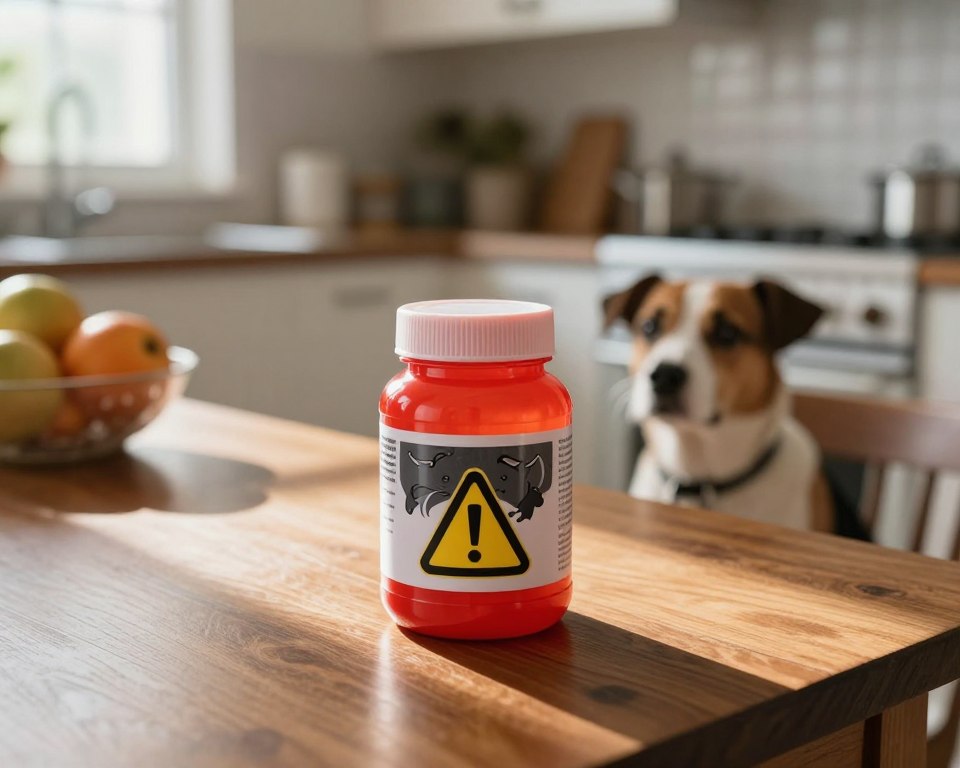
Every year, thousands of homes in the United States use chemicals to fight pests. These products can get rid of rodents that spread diseases and spoil food. But, they also pose risks to people and pets. It’s important to know how these chemicals work to keep our homes safe.
Many people don’t realize how dangerous common pest control products can be. These agents are made to harm pests by messing with their biology. This makes them good at killing pests but can be bad for other living things. It’s key to understand how these chemicals work and why we need to be very careful when using them.
Key Takeaways
- Rodenticides are chemical tools designed to control pest populations that threaten public health.
- These substances are inherently toxic and require careful handling to prevent accidental exposure.
- Effective pest management balances the need for control with the safety of household members.
- Proper storage and placement are critical to minimizing risks in domestic settings.
- Consulting with professionals can help homeowners choose safer alternatives for pest mitigation.
Understanding the Chemical Composition of Rodenticides
To understand the danger of these substances, we need to look at their chemical makeup. Rodenticides use different chemicals to harm pests. Knowing these differences helps us see how effects of rat poison can harm living things.
Anticoagulant Rodenticides and Their Mechanism
Anticoagulants are the most common type of rodenticide in homes. They stop the body from recycling Vitamin K. Vitamin K is key for making blood clots.
Without Vitamin K, animals can’t make blood clots. This causes internal bleeding that’s hard to spot until it’s serious. The toxicity of rat poison in this group is often delayed. Animals may seem fine for days before showing symptoms.
Non-Anticoagulant Poisons and Acute Toxicity
Other poisons work differently to harm animals. For example, bromethalin is a neurotoxin that messes with brain energy. This causes severe brain problems.
Cholecalciferol, on the other hand, raises calcium levels in the blood too high. This can cause organs like the kidneys and heart to fail. These poisons are quick and severe in their effects.
The Role of Additives and Attractants
Manufacturers add things to make the bait more effective. These include grains, molasses, or fake flavors that attract rodents.
These additives make the bait more appealing but also riskier for other animals. Palatability is a big part of why these baits are so dangerous. They’re made to be tempting to rodents.
Is Rat Poison Dangerous to Household Pets
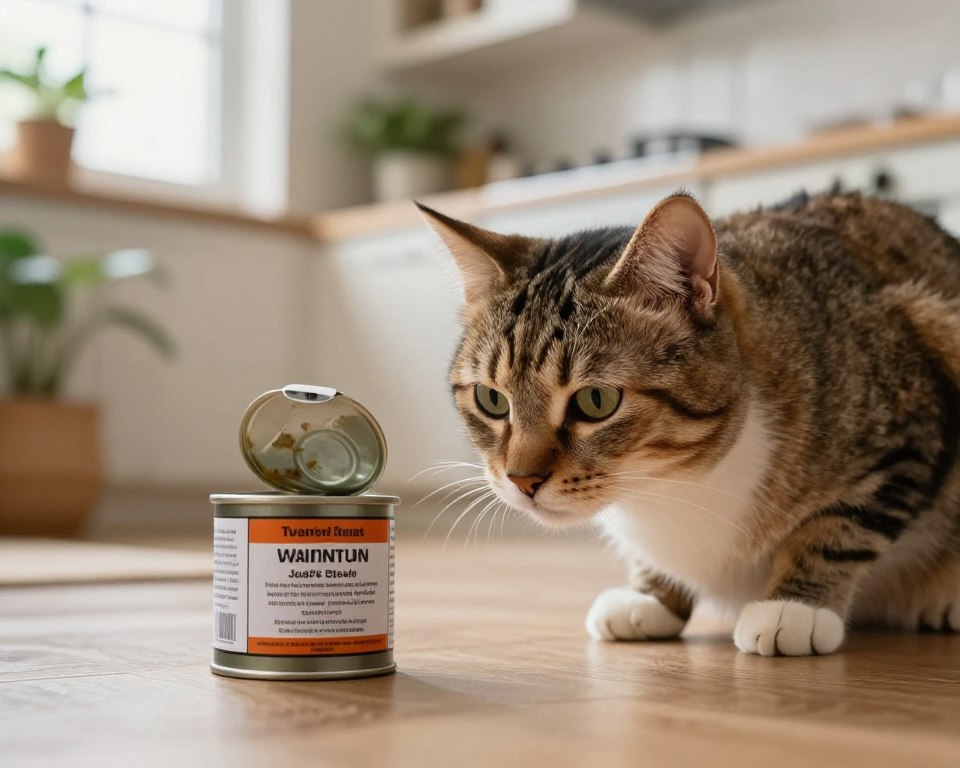
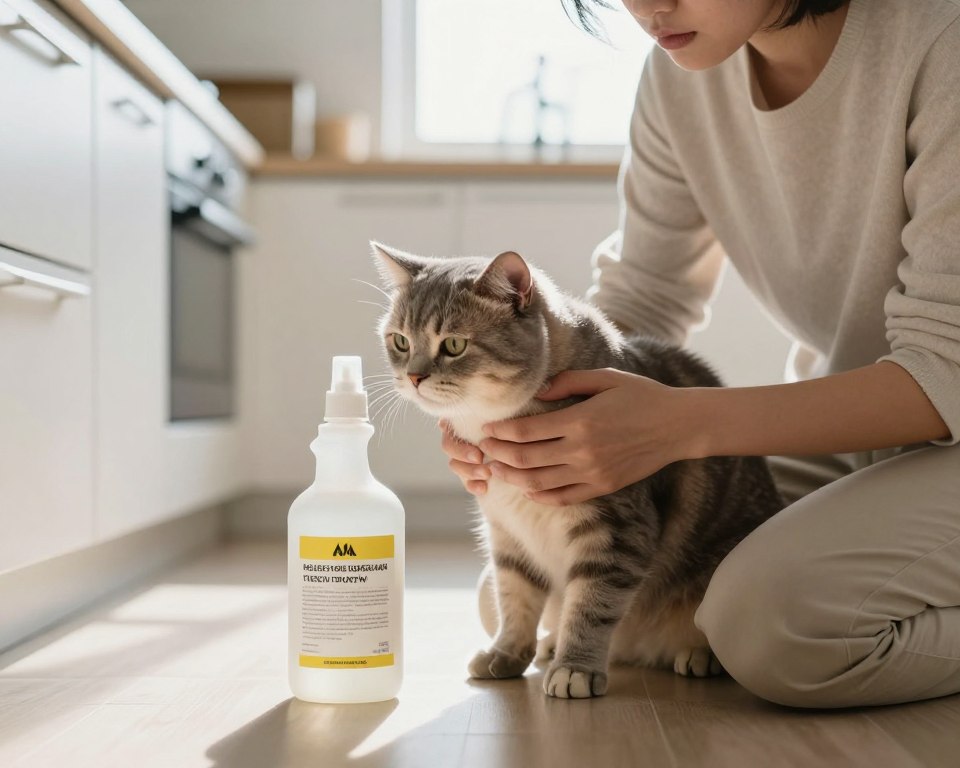
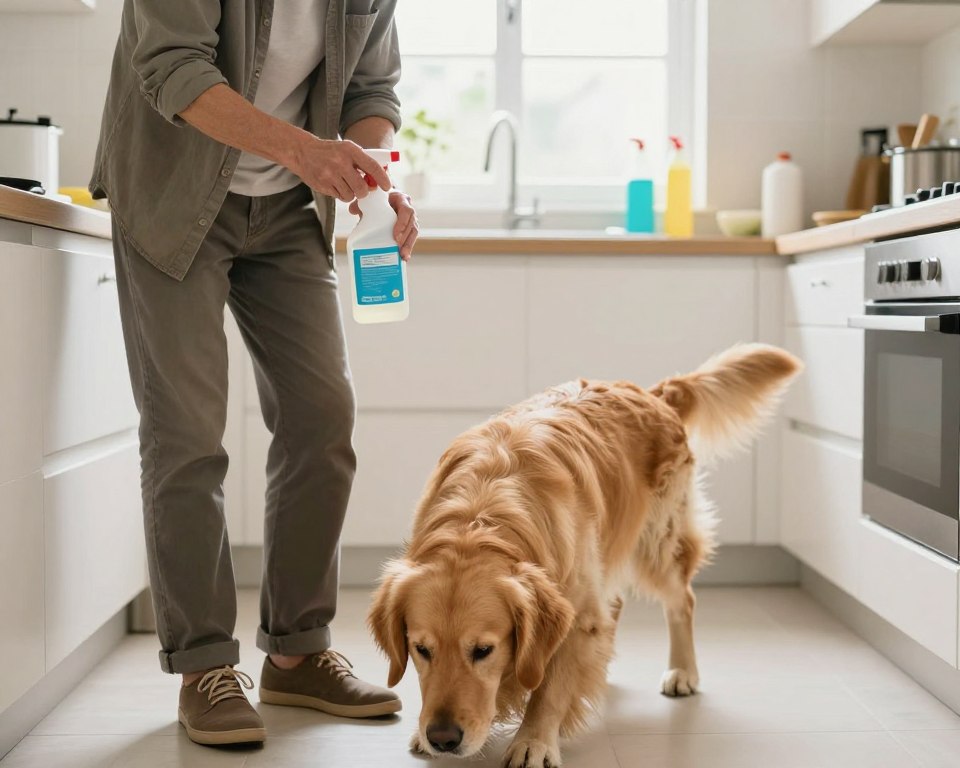
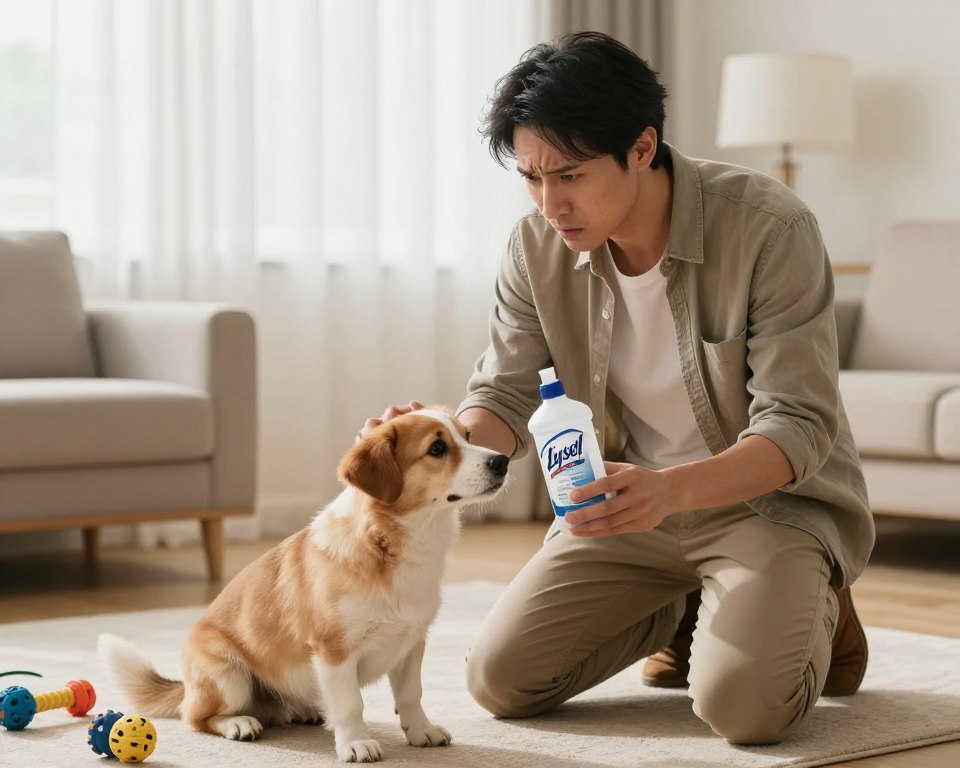
Keeping cats and dogs safe from harmful effects of rat poison is key. These products aim to control rodents but are risky for pets. Even a little bit can cause serious health issues.
Common Exposure Pathways for Dogs and Cats
Pets might get poisoned by eating the bait or a rat that ate it. Dogs often find bait in places like garages or basements. Cats might get exposed by grooming themselves after touching bait dust.
Putting bait in spots you think pets can’t reach is risky. Pets can find these spots. Spotting poisoning early is vital to avoid organ damage.
Why Pets Are Attracted to Rodent Baits
Rodenticides are made tasty with ingredients like peanut butter and molasses. These attract pets as much as rodents.
Because bait tastes like treats, pets are more likely to eat it. This is a big risk, as pets roam freely. Treat bait stations as dangers, not safe spots.
Species-Specific Sensitivity to Toxic Compounds
Dogs and cats react differently to poison. Dogs might eat more because they eat everything. Cats are more sensitive to certain poisons because of how they metabolize.
| Risk Factor | Dogs | Cats |
|---|---|---|
| Primary Exposure | Scavenging/Ingestion | Grooming/Ingestion |
| Attraction Level | High (Food-based) | Moderate (Curiosity) |
| Metabolic Sensitivity | Variable | High (Specific toxins) |
| Clinical Urgency | Immediate | Immediate |
Recognizing the Clinical Signs of Poisoning
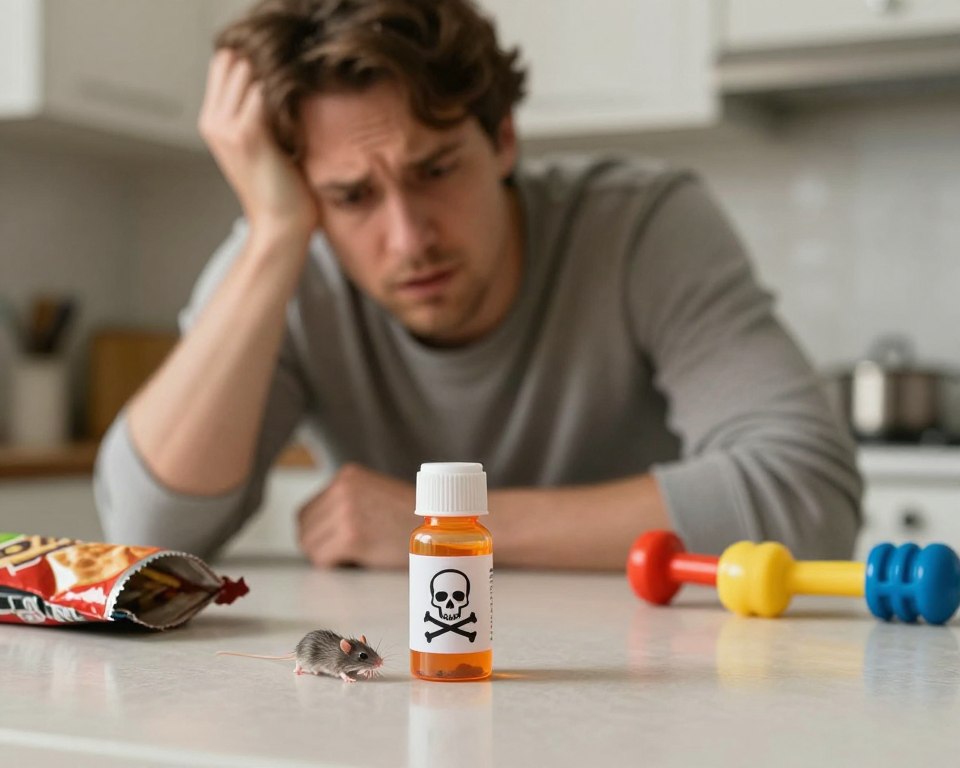
Spotting the dangers of rat poison ingestion means watching for small changes in your pets. Many toxic baits taste good, so pets might eat them without showing signs of trouble right away. Catching it early is key to a good vet outcome.
Early Warning Symptoms in Domestic Animals
At first, signs are often vague and easy to miss. Your pet might seem really tired or not want to eat. These small changes can be the first clues something’s off.
Other early signs include mild vomiting or acting restless. These could mean many things, but if you think your pet ate rat poison, act fast. Watching your pet closely can help your vet a lot.
Delayed Onset of Toxicity Symptoms
Anticoagulant rodenticides can be tricky because symptoms don’t show up right away. It can take up to five days for signs of poisoning to appear. During this time, the poison is messing with your pet’s blood clotting.
Because pets might seem fine during this time, owners might wait too long to get help. It’s very important to act fast if you think your pet ate bait. Waiting too long can make treatment harder.
Neurological and Respiratory Indicators
As the poison takes hold, pets may show more serious signs. Signs like fast or hard breathing mean they’re having trouble getting enough air. These are signs the rat poison side effects are getting worse.
Neurological signs, like muscle weakness or trouble standing, are also common. If your pet has pale gums, keeps coughing, or has unexplained bruises, get vet help right away. These are serious signs that need quick attention.
The Dangers of Secondary Poisoning in Wildlife
Toxic baits pose a risk not just to the rodents that eat them. These substances can harm animals that weren’t meant to be affected. This is known as rat poison hazards and can spread through the environment.
How Predators Consume Toxic Rodents
Secondary poisoning happens when a predator eats a rodent that has eaten poison. The poison stays active in the rodent’s body for days before it dies.
Predators like hawks, owls, and foxes find these weak rodents easy prey. They eat the rodents, unknowingly taking in the poison too.
Impact on Local Ecosystems and Birds of Prey
Birds of prey face a big risk from these rat poison hazards. They hunt many rodents, which can build up poison in their bodies.
“The persistence of anticoagulant rodenticides in the food chain represents a significant, often overlooked threat to raptor populations and broader biodiversity.”
This buildup can cause bleeding and death in these important predators. When they decline, the ecosystem gets out of balance. This can lead to more rodents, the very problem the poison aimed to solve.
Mitigating Risks to Non-Target Species
Managing your property well can help reduce these risks. Remove dead rodents quickly to stop scavengers from eating them.
The table below shows the risk levels for different wildlife when rodenticides are around.
| Wildlife Group | Exposure Risk | Primary Pathway |
|---|---|---|
| Birds of Prey | High | Ingestion of poisoned rodents |
| Scavenging Mammals | Moderate | Consumption of carcasses |
| Small Songbirds | Low | Direct bait consumption |
Securing bait stations and watching for carcasses can help protect wildlife. Using mechanical traps instead of poison is the safest choice for non-target species.
Human Health Risks and Accidental Exposure
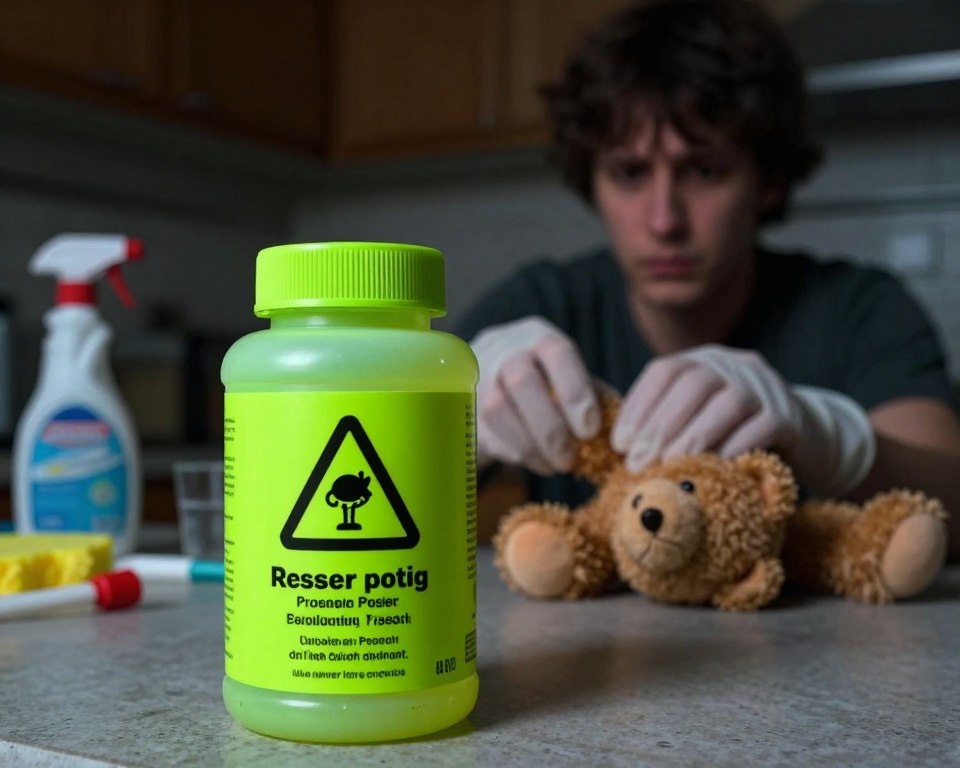
It’s important to know how rat poison hazards affect humans. These chemicals are made to kill rodents but can harm people too. They are toxic and can cause serious health issues if someone gets exposed.
Dermal and Inhalation Hazards
Some rodenticides can be harmful if you touch them or breathe in their particles. Products with metal phosphides are extra dangerous. They can release phosphine gas when they come into contact with moisture.
This gas can cause breathing problems and harm your body. Make sure the area where you put the bait is well-ventilated. Also, wear gloves to avoid skin contact.
Risks to Children and Vulnerable Populations
Children and pets are more likely to get into rat poison because they like to explore. Even a little bit of bait can be harmful. Modern baits are made to be tasty to pests.
Older people or those with health issues might get sicker from exposure. Keep all rat poison in safe places where kids and pets can’t get to.
Immediate Actions Following Accidental Contact
If someone touches rat poison, act fast to avoid rat poison hazards. Here’s what to do:
- Skin Contact: Wash the area with soap and water for 15 minutes right away.
- Inhalation: Get the person to fresh air fast. Call for help if they can’t breathe well.
- Ingestion: Don’t make them throw up unless a doctor or poison control says it’s okay.
- Medical Help: Call your local Poison Control or emergency services right away. Have the product label ready for the doctor.
Getting help quickly is key to dealing with poisoning. Always read the instructions before using any pest control products.
Diagnostic Procedures in Veterinary Medicine
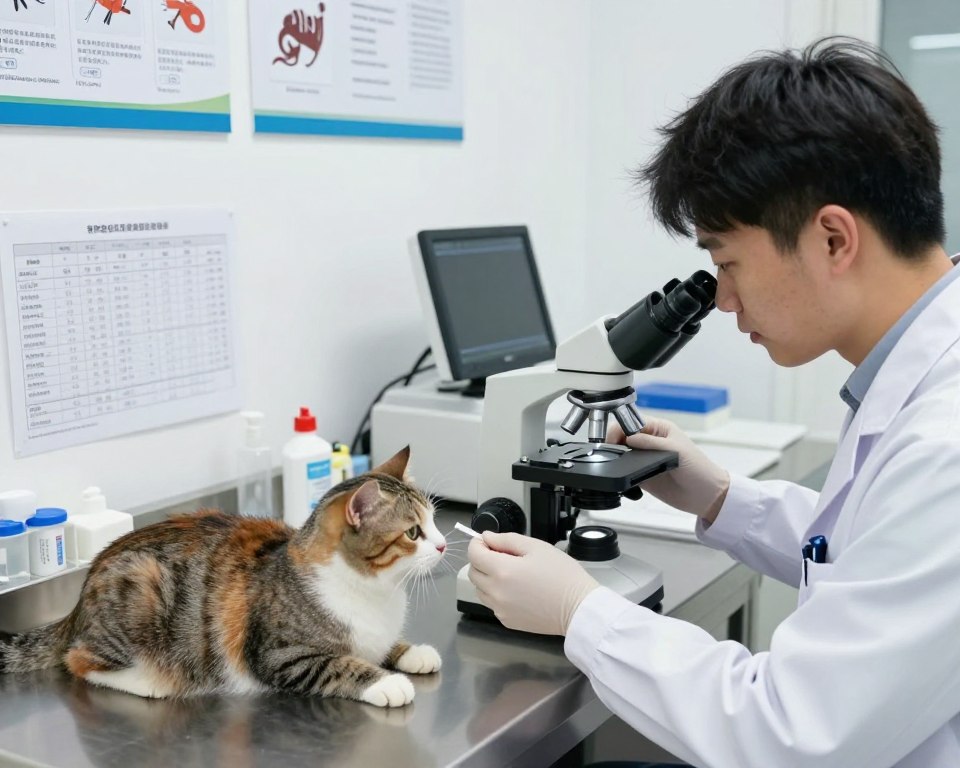
Diagnosing rodenticide poisoning in pets involves both the pet’s history and lab tests. When a pet comes in, the vet team must act fast. Time is often the most critical factor in treatment success.
Blood Clotting Profiles and Laboratory Testing
The key tool for anticoagulant exposure is blood clotting profiles. Vets check Prothrombin Time (PT) and Activated Partial Thromboplastin Time (aPTT) to spot bleeding risks.
Lab tests show abnormal prothrombin time and INR 48 hours after exposure. High values mean the blood can’t clot right. It’s important to test early, even if the pet seems fine.
The Importance of Identifying the Specific Bait
It’s critical to give the vet the bait packaging for a correct diagnosis. Different poisons need different treatments. If the packaging is lost, a bait sample can help identify the poison.
Knowing the bait’s brand or active ingredient helps the vet plan the right antidote or supportive therapy. Without this info, diagnosing becomes harder and slower.
Differential Diagnosis for Poisoning Symptoms
Vets must rule out other diseases that look like poisoning. Illnesses like liver disease or trauma can cause similar symptoms. A detailed physical exam and blood tests help figure out what’s wrong.
The table below shows tests used to tell different diseases apart:
| Diagnostic Test | Purpose | Clinical Significance |
|---|---|---|
| PT/INR | Assess clotting | Detects anticoagulant toxicity |
| CBC | Blood cell count | Identifies anemia or infection |
| Chemistry Panel | Organ function | Rules out liver or kidney failure |
| Urinalysis | Kidney health | Checks for internal bleeding signs |
Emergency Protocols for Rodenticide Ingestion

Handling the dangers of rat poison ingestion needs a calm and careful approach. If someone accidentally eats rat poison, every minute is critical. You must stay calm to give the right information to doctors.
If you think someone or a pet ate rat poison, call the Poison Control Center at 1-800-222-1222 or your vet right away. Don’t wait for symptoms to show up, as damage could already be done.
When to Induce Vomiting at Home
Many think vomiting is the first step to fix dangers of rat poison ingestion. But, never try this at home without a vet or poison control saying it’s okay. Vomiting can sometimes make things worse, like if the poison is harsh or if the person is acting strangely.
Experts know how to do this safely. If they tell you to vomit, they’ll give you exact steps based on the poison and how long ago it was eaten.
The Role of Activated Charcoal in Treatment
Activated charcoal is a key tool in treating dangers of rat poison ingestion. It catches the poison in the stomach, stopping it from getting into the blood. This helps get rid of the poison safely.
This treatment works best when done right after eating the poison. It’s a medical action, so a pro must do it to get the right amount and watch for side effects.
Professional Veterinary Intervention Steps
At the vet’s office, they’ll focus on making the patient stable. They’ll check the patient physically and might do blood tests to see how organs are doing. Professional help is key to getting the right treatments, like Vitamin K1 for bleeding problems.
The vet team will also give supportive care, like IV fluids or blood if needed. Getting help fast is the best way to help someone after dangers of rat poison ingestion.
Long-Term Health Consequences of Exposure
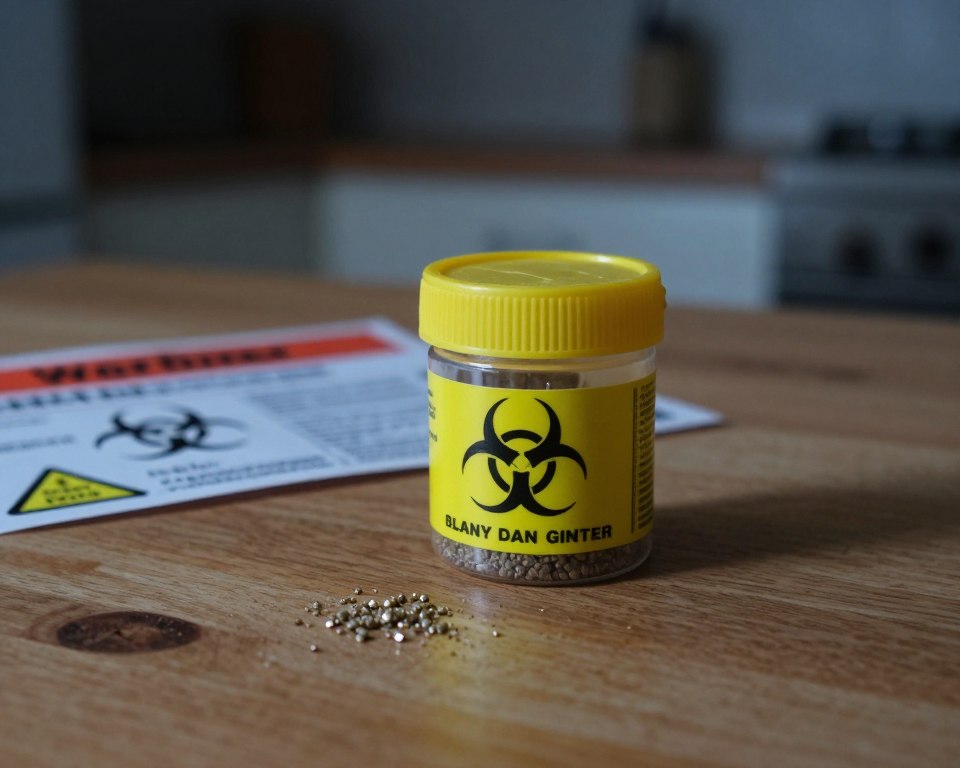
Rat poison dangers don’t stop after the first emergency. Many patients seem better after treatment, but toxicity of rat poison can harm vital systems for a long time. It’s key to understand these risks for a full recovery.
Organ Damage and Recovery Timelines
Some rat poisons, like Brodifacoum, stay active in the body for months. This means organs, like the liver, face long-term stress.
Recovery times vary a lot, depending on the poison and dose. Owners need to be patient, as the body takes a long time to get rid of these toxins. Consistent veterinary oversight is vital to track progress.
Monitoring for Chronic Toxicity Effects
Even when patients seem fine, doctors must watch for rat poison side effects that come later. Issues like blood not clotting right can show up weeks after exposure. Other long-term worries include:
- Chronic liver problems from toxin buildup.
- Recurring bruising or feeling very tired.
- Small changes in the brain that show the body is stressed.
Regular blood tests are needed to check for these signs. By watching clotting over time, vets can see if the toxicity of rat poison is affecting the body.
Rehabilitation and Supportive Care Strategies
Rehab aims to help the body heal naturally. It includes medical help and lifestyle changes to ease the patient’s burden.
Key parts of a recovery plan are:
- Nutritional support: Foods high in Vitamin K1 help with blood clotting.
- Activity restriction: Avoiding too much activity to prevent bleeding or injury.
- Environmental safety: Making sure the home is safe to avoid exposure again.
Dealing with rat poison side effects takes time and following doctor’s advice. With the right care and monitoring, many can get past the challenges of accidental poisoning.
Regulatory Landscape and Safety Standards in the United States
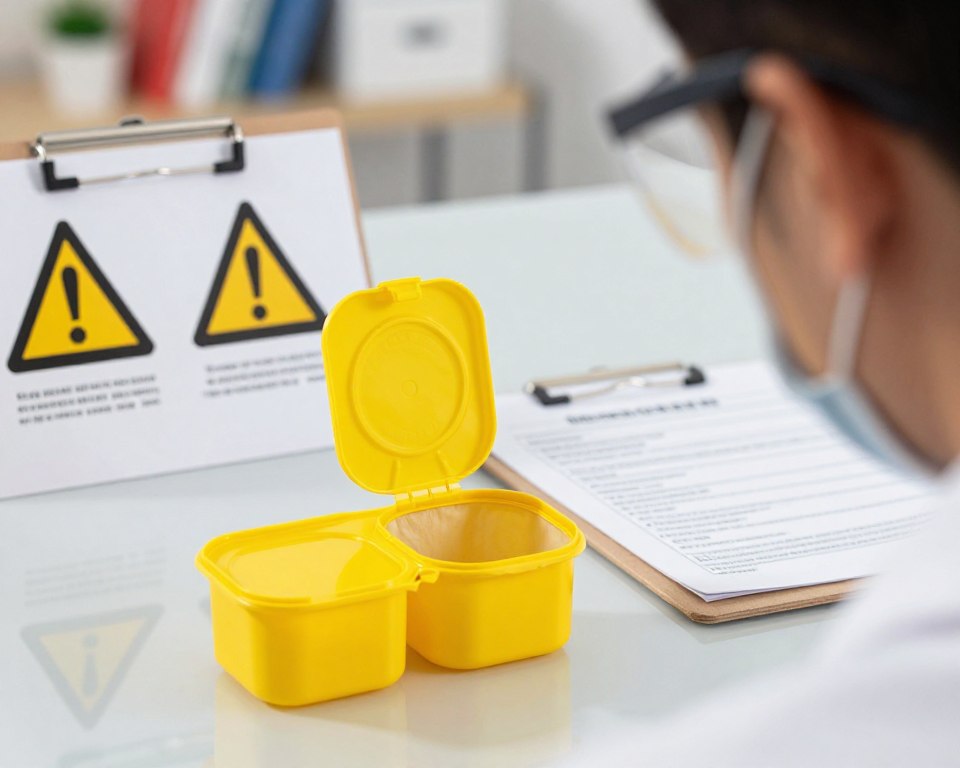
Understanding the rules for rodenticides is key to knowing about rat poison safety concerns. The U.S. government has strict rules to make sure these products are safe. They make sure these products don’t harm people or the environment.
EPA Guidelines for Rodenticide Distribution
The Environmental Protection Agency (EPA) is in charge of toxic baits. They add special ingredients to make the bait safe for humans and pets. These ingredients make the bait taste bad and have colors that show if it’s been eaten.
These rules help keep people safe. If you have health concerns, check our medical disclaimer. The EPA keeps checking these rules to stay up-to-date.
Restricted Use Products vs. Over-the-Counter Options
There are big differences between products for professionals and those for everyone. Professional products have stronger ingredients and need special training. But, products for everyone have safer ingredients to avoid accidents at home.
| Feature | Over-the-Counter | Restricted Use |
|---|---|---|
| Target User | General Public | Licensed Professionals |
| Toxicity Level | Lower/Moderate | High |
| Safety Additives | Mandatory | Variable |
| Application | Residential | Commercial/Agricultural |
Labeling Requirements for Consumer Safety
Labels on products are very important. They tell you how to use the product safely. These labels are the law to keep you safe from rat poison safety concerns.
Always read the label before using the product. This helps you follow safety rules. Knowing these rules helps keep your home safe.
Safe Alternatives to Chemical Rodent Control

Dealing with rodents doesn’t have to mean using harmful chemicals. Homeowners can use an integrated pest management approach. This method keeps children and pets safe while getting rid of pests for good.
Mechanical Trapping Methods and Effectiveness
Mechanical traps are a top choice for getting rid of rodents. Modern snap traps work well when set up along baseboards or where droppings are seen. They offer quick results and avoid the worry of how a rodent might die after eating bait.
Electronic traps are another humane and effective option. They use a high-voltage shock for a quick kill. Consistency in placement and using good attractants like peanut butter or oats boosts their success.
Exclusion Techniques to Prevent Infestation
The best way to control rodents is to keep them out. Exclusion techniques mean finding and sealing all entry points, no matter how small. Rodents can fit through tiny gaps, so checking your foundation is key.
Use strong materials like steel wool, hardware cloth, or metal flashing to block holes. Expanding foam alone is not enough because rodents can chew through it. Strengthening your home’s structure creates a lasting barrier against pests.
Natural Repellents and Their Limitations
Many turn to natural repellents like peppermint oil or ultrasonic devices to keep rodents away. These methods are safe but often don’t work well or last long. Rodents can get used to smells or sounds over time.
See natural repellents as extra help, not the main solution. Relying only on them won’t solve a rodent problem. A mix of physical barriers and traps is the best way to keep your home pest-free.
| Method | Primary Benefit | Effectiveness | Safety Level |
|---|---|---|---|
| Snap Traps | Immediate removal | High | High (if placed correctly) |
| Exclusion | Prevents entry | Very High | Maximum |
| Natural Repellents | Non-toxic scent | Low | Maximum |
| Electronic Traps | Humane kill | High | High |
Proper Storage and Disposal of Toxic Baits
Keeping your home safe from poisoning starts with how you store and throw away pest control items. It’s important to handle rat poison safety concerns with care. By following strict rules, you lower the chance of accidents happening to your family and pets.
Securing Baits Away from Children and Pets
The best way to stop accidents is to keep chemicals in a locked cabinet or a place that’s hard to reach. Never leave bait packets or loose pellets where kids or pets can get to them. Using a rodent bait station safe kids home product adds extra safety to your home.
Make sure the original packaging is kept, as it has important info on what to do in emergencies. If you need to move the bait, label the new container clearly. Keeping storage consistent is key to avoiding accidents.
Environmental Hazards of Improper Disposal
Getting rid of unused rodenticides needs careful thought to avoid harming the environment. Don’t throw leftover bait in regular trash, as animals might eat it. Also, don’t flush these chemicals down the drain or toilet, as they can harm water and animals.
Throwing away toxic materials the wrong way can poison other animals. By handling your waste right, you reduce rat poison safety concerns and protect the environment.
Local Waste Management Regulations
Every town has rules for throwing away hazardous waste. Before getting rid of any chemicals, check your local waste management website or call them. Many cities have special days for collecting pesticides and other toxic stuff safely.
| Action Item | Recommended Practice | Safety Benefit |
|---|---|---|
| Storage Location | Locked, high cabinets | Prevents unauthorized access |
| Container Use | Tamper-resistant stations | Reduces accidental ingestion |
| Disposal Method | Hazardous waste facility | Protects local water and soil |
| Labeling | Keep original packaging | Ensures clear identification |
Image Disclosure and Educational Context
We want to make sure you get the best info. So, we need to talk about the pictures in this article. It’s key to be clear about the images we use to keep things accurate and trustworthy.
Purpose of Visual Aids in Veterinary Education
Visual aids are super important in veterinary education. They help make hard-to-understand topics easier to grasp. By showing you pictures, we hope to help you understand how toxins affect animals.
Clarification on AI-Generated and Enhanced Imagery
Some pictures in this article might be made by AI or enhanced for learning. These tools help us show you clear, detailed images. But remember, these pictures are not real photos of actual cases.
We follow strict rules to make sure these images match medical facts. Even though we aim for accuracy, these pictures are meant to help explain things, not be the main source of info. Learning about dangers like toxic substances in drugs needs solid medical research.
Limitations of Digital Illustrations in Diagnosis
Digital illustrations are great for learning, but they can’t replace a real vet visit. A vet needs to see your pet, do tests, and know your pet’s history. If you think your pet was poisoned, get help right away from a vet.
Using pictures to try to figure out what’s wrong with your pet can be risky. It might make you wait too long to get help. Always listen to your vet more than any picture. We want to give you useful info, not take the place of your vet.
Myths and Misconceptions About Rat Poison
Dealing with pests means knowing what’s real and what’s not to keep your home safe. False info about rat poison can make you think you’re safe when you’re not. This can lead to harmful effects of rat poison in ways you might not expect. Instead of listening to stories, it’s better to trust science to fight pests and keep your family safe.
Debunking Common Safety Myths
Some think rodents won’t eat bait if they sense danger. But this is only half true. Rodents might avoid bait if it makes them sick, but that doesn’t mean it’s safe for other animals. Many people believe if a rodent stops eating bait, it’s safe for pets and kids.
But the truth is, harmful effects of rat poison stay even after the rodent is gone. The bait can be very toxic to other animals that find it. Thinking a place is safe just because you don’t see any rodents is a big mistake.
Understanding the Efficacy of Home Remedies
Some people try home fixes like peppermint oil or ultrasonic devices to avoid chemicals. But these methods rarely solve the problem for good. They let rodent numbers grow without control.
When these home fixes don’t work, people might use stronger chemicals without knowing how. This can lead to accidents. The best way to deal with rodents is to call a professional.
The Reality of Pet-Safe Bait Claims
The term “pet-safe” is often used but can be misleading. No rat poison is completely safe, as it can harm mammals too. Even “safer” products can be very dangerous if pets eat enough of them.
It’s important to see all rat poison as dangerous. Knowing the harmful effects of rat poison means understanding that safety comes from careful use and professional help, not just the bait itself.
| Common Myth | Scientific Reality | Risk Level |
|---|---|---|
| Bait shyness means the poison is gone. | Bait remains active and toxic in the environment. | High |
| Home remedies are effective alternatives. | Most lack clinical evidence for long-term control. | Moderate |
| “Pet-safe” baits are non-toxic. | All rodenticides pose risks to non-target species. | High |
Preventative Measures for Homeowners
Managing rat poison risks proactively is key to a safe home. Focus on prevention to avoid accidental exposure. Knowing the dangers of rodenticides is as important as knowing if is drain cleaner toxic.
Conducting a Home Safety Audit
Start by walking through your home to find where rodents might get in. Seal any gaps in foundations, vents, and lines to stop them before they arrive. Choosing not to use chemicals is always safer.
Store rodent control products in their original containers. Keep them in high, locked places where kids and pets can’t get to. Check these spots often to make sure there are no leaks or spills.
Educating Family Members on Poison Hazards
Talking openly about rat poison risks is important in any family. Everyone should know these products are not toys and can be very harmful. Teach kids to stay away from bait stations, no matter how they look.
Pet owners should watch out for curious pets. Make sure everyone knows the signs of poisoning so they can act fast if needed. Knowing what to do is your best defense against accidents.
Collaborating with Professional Pest Control Services
Professional pest control services have skills you might not. They use methods that focus on keeping pests out and cleaning up, not just using toxic baits. Working with a pro means any chemicals used are done safely.
| Strategy | Safety Level | Effectiveness |
|---|---|---|
| Mechanical Trapping | High | Moderate |
| Professional IPM | Very High | High |
| DIY Chemical Baits | Low | High |
To reduce rat poison risks, be careful and get help from experts. By checking your home, teaching your family, and getting advice from pros, you make your home safer. Putting safety first today means avoiding problems later.
Conclusion
Managing rodents needs a careful balance. It’s important to know if rat poison is dangerous. These chemicals can harm more than just pests.
Keeping your home safe starts with knowing the risks of baits. You must think about the dangers to kids, pets, and wildlife. Choosing mechanical traps or exclusion methods is often safer.
When using commercial products, follow the instructions carefully. Keep them out of reach and in safe places. If unsure, talk to a pest control expert for a safer solution.
Being informed helps keep your home safe for everyone. By choosing safer options, you reduce the risk of poisoning. Understanding the dangers of rat poison is key to protecting your home and the environment.
FAQ
Is rat poison dangerous to humans and domestic animals?
Yes, rat poison is very dangerous. It’s made to kill living things. This includes anticoagulants like d-CON and neurotoxins like Tomcat. If animals or birds eat it, they can bleed inside, have brain problems, or fail organs.
What are the primary biological effects of rat poison on the body?
Rat poison’s effects vary by type. Anticoagulants, like brodifacoum, stop blood from clotting. Non-anticoagulants, such as bromethalin, harm the brain. Cholecalciferol (Vitamin D3) causes too much calcium, leading to kidney failure. These effects can be permanent without quick medical help.
Why are pets specially at risk for toxicity of rat poison?
Bait makers use tasty ingredients like grain or peanut butter to attract rodents. Dogs and cats find these appealing too. Pets may eat a lot of poison, making the danger worse.
What are the early symptoms of poisoning in dogs and cats?
Poison symptoms can take days to show. Anticoagulant poisoning might not be obvious for 3 to 7 days. Early signs include tiredness, not wanting to move, and pale gums. As it gets worse, you might see brain problems, hard breathing, or bruises. Spotting these signs early is key to saving your pet.
Can a pet be poisoned by eating a dead rodent?
Yes, this is called secondary poisoning. If a cat or bird eats a poisoned rodent, it can get sick too. This is why the EPA limits some rodenticides for sale.
What are the human health risks associated with rodenticide use?
Humans can get sick from rat poison too. Kids might accidentally eat it, and touching it can also be harmful. Some poisons release gas that you can breathe in. If you think you’ve been exposed, call the Poison Control Center at 1-800-222-1222.
How do veterinarians diagnose rodenticide exposure?
Vets use blood tests to check for poison. They look at clotting times. If you think your pet has been poisoned, bring the poison packaging. This helps the vet find the right treatment.
What is the standard emergency protocol for rat poison ingestion?
You need a vet right away. They might make your pet vomit and give charcoal to stop more poison. For anticoagulants, they’ll give Vitamin K1 for a long time. Never try to make your pet vomit without a vet’s say-so.
Are there any safe alternatives to chemical rodent control?
Yes, there are safer ways. Using traps or sealing holes are good options. These methods don’t poison pets and keep pests away.
How should I dispose of unwanted or old rat poison?
Rat poison is hazardous waste. Don’t throw it away or pour it down the drain. Check with your local waste management for safe disposal.
Are there actually "pet-safe" rat poisons available?
No, there’s no such thing as “pet-safe” rat poison. Even baits that seem safer can harm pets. There’s no non-toxic poison for killing rodents.