Every year, over 700,000 people worldwide die from illnesses spread by insects. This makes stopping bites very important for public health. Many people wonder: Is Mosquito Spray Dangerous to our health in the long run?
The truth is a delicate balance between fighting off diseases and avoiding chemicals. Most products are tested well to be safe when used right.
Knowing how the chemicals in these products work helps you make better choices. By using them correctly, you can lower risks and keep your family safe.
Key Takeaways
- Vector-borne diseases are a bigger risk than repellents if used right.
- Agencies check all bug sprays for safety before they hit the market.
- Using sprays wisely, like not getting them on broken skin or in eyes, cuts down on harm.
- DEET and Picaridin have been safe for decades in studies.
- Always follow the directions on the label to keep the product safe and effective.
Understanding the Chemical Composition of Common Repellents
Looking into your favorite mosquito spray shows how it works. Most repellents create a vapor barrier. This barrier stops insects from sensing the carbon dioxide and lactic acid from human skin.
“The goal of an effective repellent is not to kill the insect, but to mask the chemical cues that attract them to a host.”
The Role of DEET in Modern Insect Control
N,N-diethyl-meta-toluamide, or DEET, is a top choice for bug protection. The U.S. Army created it. It works by blocking mosquitoes from landing and biting.
Some worry about DEET’s strength. But, it’s thoroughly tested for safety when used right. It offers strong protection, hard to beat in areas with lots of bugs.
Picaridin and IR3535 as Synthetic Alternatives
Picaridin and IR3535 are good DEET alternatives. Picaridin is made like piperine, found in black pepper. It’s liked because it’s odorless and safe for plastics and fabrics.
IR3535 works like beta-alanine, a natural amino acid. It’s gentle on the skin, making it great for families. Both block mosquito smells without feeling greasy.
Oil of Lemon Eucalyptus and Plant-Based Compounds
Plant-based repellents use oils from plants to keep bugs away. Oil of Lemon Eucalyptus is a key example. It has PMD, a plant-based ingredient that’s very effective.
It’s key to know the difference between natural and synthetic in these products. For example, pyrethrins come from chrysanthemum flowers, while pyrethroids are made to act like them. Knowing this helps pick the right product for your needs and values.
Is Mosquito Spray Dangerous to Human Health
Many wonder if mosquito spray is safe for humans. The answer depends on how you use it and its ingredients. Most repellents are safe if you follow the label instructions.
Acute Toxicity and Skin Sensitivity Reactions
Reactions to repellents are usually mild but can happen if used wrong. For example, synthetic pyrethroids might cause stinging skin, dizziness, or nausea. These signs usually mean a mosquito spray risk and not poisoning.
If you react, clean the area with soap and water right away. See a doctor if symptoms don’t go away. Staying away from your eyes and mouth helps avoid these problems.
Long-term Exposure Concerns and Regulatory Standards
The harmful effects of mosquito spray are kept low by strict rules in the U.S. The Environmental Protection Agency (EPA) checks each repellent for safety before it’s sold. This makes sure products are safe when used as directed.
Studies on long-term use look at if ingredients build up in the body or cause long-term health problems. So far, the risk is very low if you follow the label. Rules are updated as new science comes in.
Evaluating the Risks for Vulnerable Populations
Some groups need more care when using insect repellents. Infants, young kids, and the elderly might react differently. It’s important to pick products made for their age and use them carefully.
| Risk Factor | Potential Symptom | Recommended Action |
|---|---|---|
| Skin Sensitivity | Redness or stinging | Wash with mild soap |
| Inhalation | Dizziness or nausea | Move to fresh air |
| Accidental Ingestion | Nausea or vomiting | Contact Poison Control |
| Chronic Exposure | Unknown/Rare | Follow EPA label limits |
Always talk to a doctor or healthcare provider before using repellents on kids. By using repellents wisely, you can keep your family safe from bugs while avoiding too much chemical use.
Safety Guidelines for Using Mosquito Spray Around Children

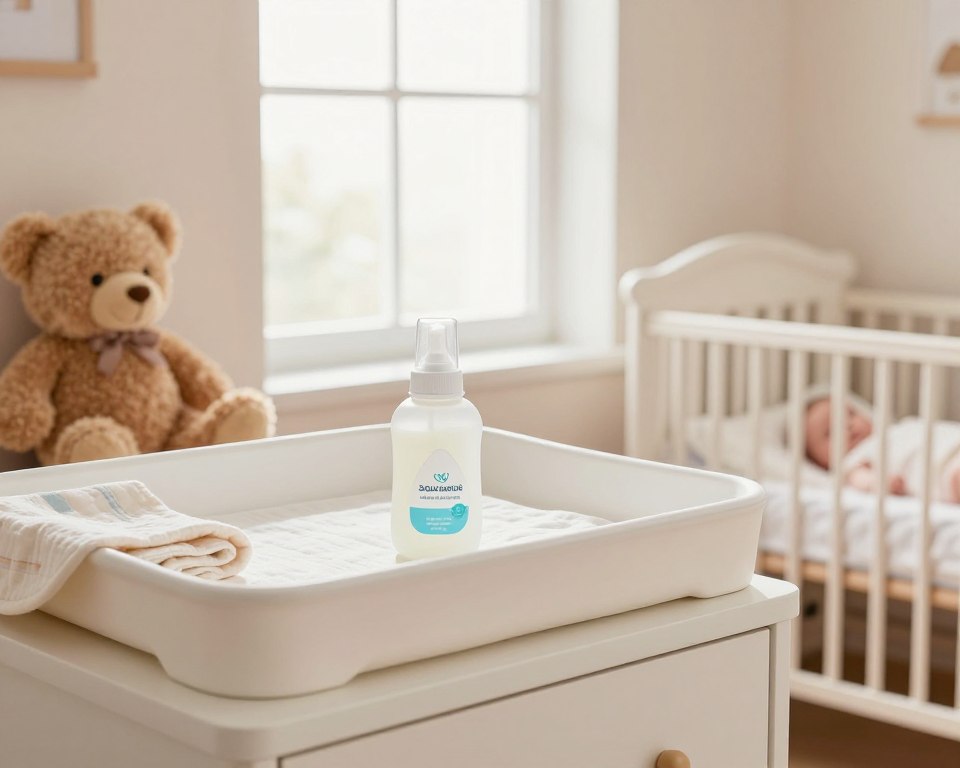
When thinking about safety concerns mosquito spray, parents need to think about kids first. Kids’ bodies take in chemicals differently than adults. So, it’s key to use less product and follow strict rules.
Age-Appropriate Application Techniques
DEET can be harmful to young kids, as it might cause seizures. Always check the label for age limits before using. Never let kids apply repellent themselves to avoid accidents.
Instead of spraying on the child, apply it to your hands first. Rub your hands together and then gently put the product on the child’s skin. This way, you avoid inhaling chemicals and ensure even coverage.
Avoiding Sensitive Areas Like Eyes and Mouth
Don’t apply repellent near a child’s eyes, mouth, or open wounds. These areas absorb chemicals quickly. If you must protect the face, use a small amount on your palms and pat it around the ears and forehead.
If repellent gets in the eyes, flush them with clean water for a few minutes. Watch for skin sensitivity signs. If a rash or redness appears, wash with mild soap and water and stop using it.
Best Practices for Applying Repellent to Clothing
Putting repellent on clothes is a good way to reduce skin contact. It acts as a barrier between the chemical and the child’s body. Make sure the fabric is dry and treat it in a well-ventilated area before the child wears it.
| Application Method | Primary Benefit | Safety Level |
|---|---|---|
| Direct Skin Spray | High coverage | Moderate |
| Hand-Applied Lotion | Controlled dosage | High |
| Clothing Treatment | Zero skin absorption | Highest |
By focusing on these safety concerns mosquito spray, you can protect your family well. Always keep products out of reach to prevent accidents. This ensures a safe space for your kids.
Protecting Pets from Insect Repellent Exposure
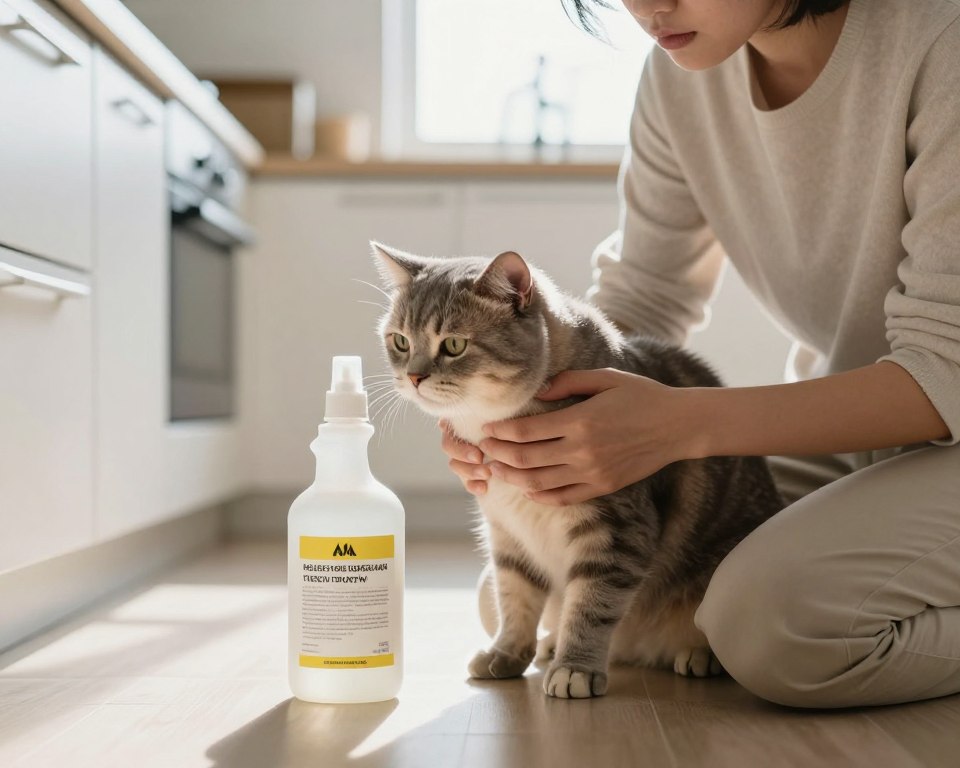
Household pets are more sensitive to synthetic repellents than humans. They can ingest chemicals from their fur or skin. Strict safety protocols are key to prevent accidental exposure and toxicity.
Identifying Toxic Ingredients for Dogs and Cats
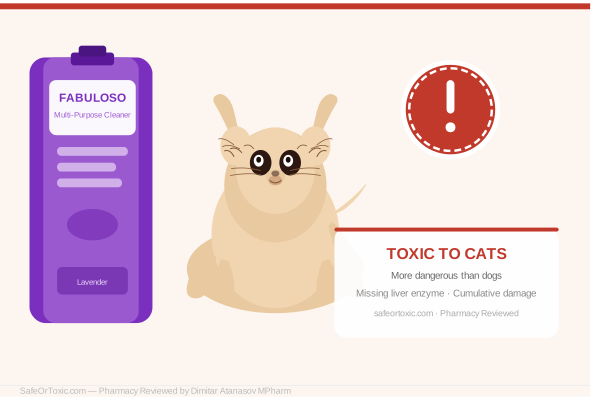
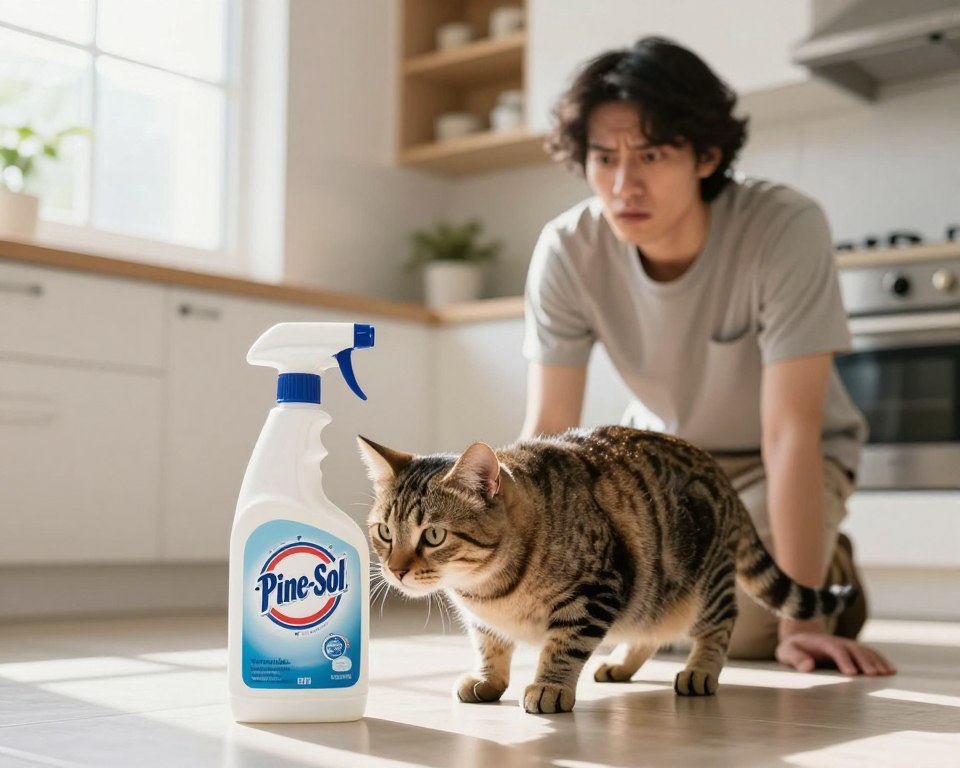
Many mosquito repellents are safe for humans but harmful to animals. Pyrethroids, from chrysanthemum flowers, are toxic to cats. They can harm small animals’ nervous systems, even in small amounts.
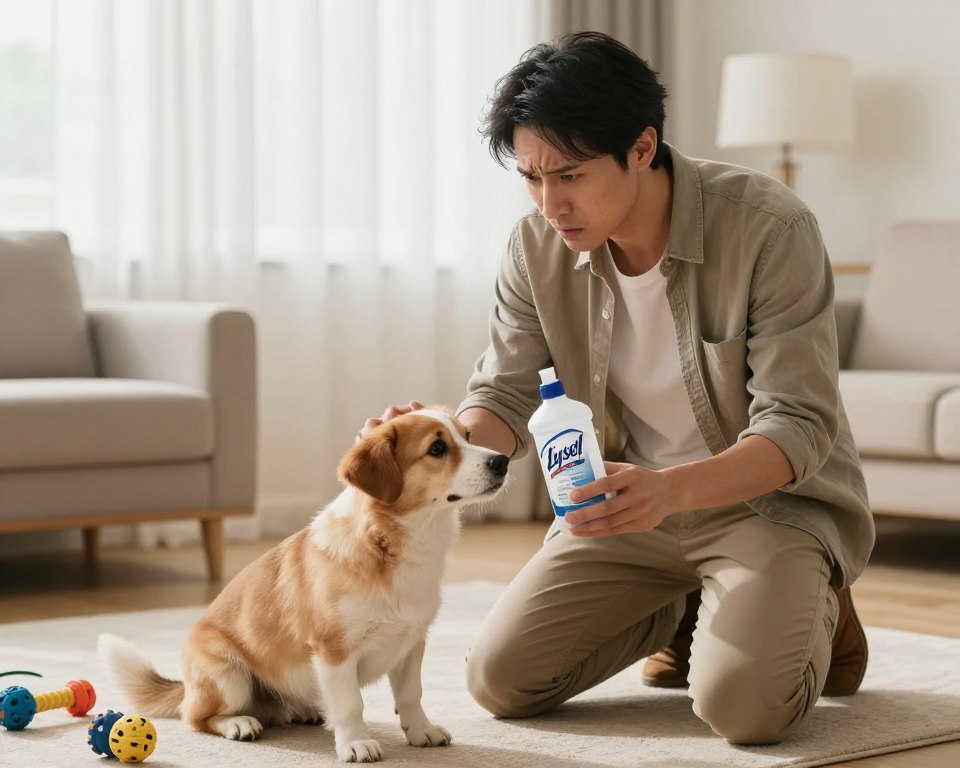
Always check the label before using repellents near pets. Avoid DEET or permethrin products. Consulting your veterinarian about specific brands is the safest approach.
Signs of Repellent Poisoning in Household Pets
Early signs of chemical exposure are critical. Pets exposed to pyrethroids may show sudden changes. Look for vomiting, diarrhea, and lethargy.
In severe cases, pets may have muscle tremors, excessive drooling, or trouble breathing. If you think your pet has been exposed, seek immediate veterinary intervention.
Safe Distance Protocols for Indoor and Outdoor Use
Keeping a safe distance during and after repellent use is vital. Apply repellent in a well-ventilated area away from pets. Allow the product to dry completely before letting pets near.
For outdoor use, apply sprays while pets are inside. If using yard-wide treatments, keep pets indoors until the product dries. Consistent vigilance is key to keeping pets safe during mosquito season.
Environmental Impact of Chemical Mosquito Control

We must think about the environment when we fight mosquitoes. Many mosquito control agents harm other insects too. This can hurt our local ecosystems. Knowing this helps us make better choices about using these substances.
Effects on Local Pollinator Populations
Insecticides like permethrin are very harmful to bees. They can kill bees right away or harm them for days after treatment. This is bad for gardens and farms that need bees to grow plants.
When these chemicals spread, they mess up the balance of insects in our area. Protecting pollinators is key to keeping our landscapes healthy. We should use less of these sprays in places where bees are important.
Persistence of Synthetic Chemicals in Soil and Water
Some repellents and insecticides don’t break down fast. They stay in the soil and can get into water. This can harm fish and other small animals in the water.
These chemicals can build up in the environment. Even small uses can add up and pollute. Responsible usage means avoiding these chemicals near water and storm drains.
Balancing Personal Protection with Ecological Responsibility
It’s possible to protect ourselves and the environment at the same time. We don’t always need to use lots of chemicals to keep mosquitoes away. Using physical barriers and targeted treatments can help a lot.
Here’s a comparison to help you choose:
| Control Method | Target Specificity | Environmental Persistence | Pollinator Risk |
|---|---|---|---|
| Permethrin Sprays | Low (Broad-spectrum) | Moderate to High | High |
| DEET Repellents | High (Personal use) | Low | Low |
| Physical Barriers | N/A (Non-chemical) | None | None |
| Targeted Traps | High (Species-specific) | None | Minimal |
The best approach is to use the least toxic method that works. Choosing local, non-chemical solutions helps our environment and keeps our families safe from mosquitoes.
Navigating Regulatory Labels and EPA Approval
Understanding chemical labels is key to handling safety concerns mosquito spray users face. Many people focus on brand names, but the fine print is where health and environmental info is. Knowing this helps you choose safer options for your health.
Decoding EPA Registration Numbers
Every repellent sold in the U.S. must have an EPA registration number. This code shows the product has been scientifically reviewed. It means the EPA has checked the formula for mosquito control safety when used as directed.
Checking these numbers on the EPA database is important. It helps ensure the product is real. This is key when using bug spray indoors or in sensitive areas. Using registered products offers a safer choice than unregistered ones.
Understanding Active Ingredient Percentages
The amount of active ingredients affects a repellent’s safety and effectiveness. Higher percentages don’t always mean better. They often mean longer protection, not stronger. Choosing the right concentration is important to avoid too much chemical exposure.
- Low concentration: Good for short times outdoors or low bug areas.
- High concentration: Needed for long activities or high bug areas.
- Balanced approach: Pick the lowest effective percentage for your needs.
Why Following Label Instructions is Mandatory for Safety
Label instructions are not just suggestions; they are the law. Not following them can harm your health or make the product less effective. Following them strictly is the best way to stay safe.
Always check the label for warnings about using the spray on kids or pets. Treating these instructions as a safety concerns mosquito spray rule helps keep you safe. Sticking to these guidelines is the best way to manage pests safely at home.
Natural Alternatives to Synthetic Mosquito Repellents

Looking for a chemical free insect repellent often leads people to essential oils and plant extracts. Many want to avoid synthetic compounds. But, it’s key to know that natural doesn’t always mean safe or effective for everyone.
Efficacy of Essential Oils Like Citronella and Peppermint
Essential oils like citronella, peppermint, and lemongrass are found in many natural products. They work by hiding the smells that attract mosquitoes. But, they don’t last as long as synthetic repellents.
It’s also important to think about their impact on the environment. These oils can be harmful to bees and other pollinators. So, it’s important to use them carefully to avoid harming the environment.
Limitations of Natural Repellents in High-Infestation Areas
The big problem with natural alternatives mosquito repellent is how well they work in places with lots of mosquitoes. In areas with many mosquitoes or where diseases are spread, these products often don’t do enough. They evaporate fast, so you need to apply them often to stay protected.
Studies show that natural oils can’t keep mosquitoes away as well as EPA-registered products. Relying only on natural products in high-risk areas can leave you open to bites. It’s important to know the risk in your area before choosing a repellent.
DIY Solutions and Their Scientific Validity
Some people make their own sprays using kitchen items and essential oils. These might seem cheap, but they often lack the scientific validation of store-bought products. Homemade sprays can have uneven amounts and not last long.
| Repellent Type | Protection Duration | Scientific Evidence | Environmental Impact |
|---|---|---|---|
| Synthetic (DEET) | 6–8 Hours | High | Moderate |
| Essential Oils | 30–60 Minutes | Low to Moderate | High (Pollinator Risk) |
| Physical Barriers | Indefinite | High | Minimal |
Commercial products go through tests to ensure they are safe and work well. Without lab tests, DIY sprays might not be as safe as they seem. Always choose methods backed by science to protect your family from bugs.
Physical Barriers and Environmental Management

Using physical barriers and controlling the environment is a safe way to reduce mosquitoes at home. This method focuses on your surroundings to stop mosquitoes without chemicals. It’s all about prevention and keeping your home safe.
The Role of Mosquito Netting and Protective Clothing
Physical barriers are a first line of defense against mosquitoes. Fine-mesh netting works well for sleeping areas and outdoors, keeping them out. Wearing long-sleeved clothes and pants made of tight fabric also helps.
Wearing light-colored clothes helps too, as mosquitoes are drawn to dark colors. Make sure your clothes fit well to avoid gaps that mosquitoes can get through. This is great for kids or people who don’t like sprays.
Eliminating Standing Water to Reduce Breeding Grounds
Getting rid of standing water is key to controlling mosquitoes. They need it to lay eggs. Check your property for places where water might collect.
Clear out clogged gutters, empty birdbaths, and turn over flower pots. Removing these breeding sites stops mosquitoes from reproducing. Regular upkeep keeps your yard mosquito-free during warm months.
Using Fans and Airflow to Deter Mosquitoes
Mosquitoes can’t fly well in moving air. Using fans on patios or decks makes it hard for them to land. This is a simple way to enjoy the outdoors without chemicals.
The fan also helps by spreading out the carbon dioxide and heat that attract mosquitoes. This makes it harder for them to find you. Position the fan to blow directly across where you’ll be sitting.
| Method | Primary Benefit | Ease of Use | Maintenance Level |
|---|---|---|---|
| Mosquito Netting | Total physical block | High | Low |
| Protective Clothing | Mobile protection | High | Low |
| Drainage/Cleaning | Eliminates breeding | Moderate | High |
| Outdoor Fans | Deters flight | High | Low |
Health Risks Associated with Mosquito-Borne Diseases
It’s important to balance chemical safety with disease prevention. When looking at health risks insect repellents might cause, we must also think about the dangers from local insects.
Assessing the Risk-Benefit Ratio of Repellent Use
Everyone needs to consider the risk of skin irritation or chemical absorption against the chance of getting sick. Some people worry about the safety of certain sprays, like whether they are safe to breathe or apply to skin. But, the truth is often that certain sprays are safer than the diseases they protect against.
Choosing products with the right amount of active ingredients is key. This ensures you get the best protection without unnecessary risks.
Common Diseases Transmitted by Mosquitoes in the United States
Mosquitoes are more than just a nuisance; they spread serious diseases. In the United States, health officials watch for the West Nile virus, which can cause severe brain problems. Other threats include Zika and Chikungunya, found in different parts of the country.
When Chemical Protection Outweighs Possible Side Effects
In places where these viruses are common, the benefits of EPA-registered products are clear. Using an effective mosquito repellent is a key way to fight off diseases without vaccines or cures. In high-risk areas, using proven repellents is a smart move for your health and safety.
Best Practices for Safe Application and Storage

Keeping your home safe from harmful effects of mosquito spray is more than just applying it right. It’s also about how you store and handle these products. By sticking to safe storage and handling, you lower the risk of accidents for everyone at home.
Proper Storage to Prevent Accidental Ingestion
Always keep insect repellents in their original containers. This way, you can see the labels and safety tips. Store them in a cool, dry spot that kids and pets can’t reach, like a locked cabinet or high shelf.
- Never store repellents near food, beverages, or cooking utensils.
- Avoid leaving spray bottles in vehicles where extreme temperatures can compromise the chemical integrity of the product.
- Ensure all caps are tightly secured after every use to prevent leaks or accidental spills.
Disposal Methods for Expired or Unused Sprays
Don’t use expired repellents because they might not work well anymore. Don’t pour leftover repellent down the drain or into the toilet. This can harm local water systems.
Find out how to safely throw away household hazardous waste from your local waste management. Many places have special days for chemical waste disposal. This is the safest way to get rid of unwanted containers.
Cleaning Skin After Returning Indoors
After you’re inside and no longer need protection, clean your skin. Use soap and warm water to wash where you applied the repellent. This helps get rid of the chemicals.
If you accidentally get the product in your eyes or on sensitive skin, rinse with clean water for at least 15 minutes. If it’s not better after washing, see a doctor. Keeping your skin clean is a big part of keeping your family safe from harmful effects of mosquito spray.
Addressing Common Myths About Mosquito Repellents
It’s key to know the truth about mosquito control products. False information can lead people to buy things that don’t work. By looking at the science, you can pick the best protection for your family.
Debunking Claims About Ultrasonic Devices
Many products say they keep mosquitoes away with sound waves. But, studies have shown they don’t work. Mosquitoes don’t change their behavior because of these sounds.
The Truth About Vitamin B and Dietary Repellents
Some think eating a lot of Vitamin B or certain foods can keep mosquitoes away. But, research has found no proof of this. Instead of relying on food, use proven ways to protect yourself.
Clarifying Misconceptions Regarding Natural vs Synthetic
People often choose natural alternatives mosquito repellent because they think they’re safer. But, some natural products need to be applied more often than synthetic ones. Remember, “natural” doesn’t always mean safe or long-lasting.
| Myth | Scientific Reality | Recommended Action |
|---|---|---|
| Ultrasonic devices | No proven efficacy | Avoid purchase |
| Vitamin B supplements | No repellent effect | Use topical products |
| Natural alternatives mosquito repellent | Variable duration | Check EPA registration |
Technological Advancements in Mosquito Control
The world of pest control is changing. Now, we have smarter ways to keep mosquitoes away without using harmful chemicals. Homeowners can now control mosquito numbers more effectively than ever.
Smart Traps and Automated Backyard Systems
Smart traps use sensors and AI to track mosquitoes in real-time. They mimic human breath or heat to catch mosquitoes, reducing numbers without harming the environment.
Automated systems can turn on when mosquitoes are most active. This means less disruption during the day, unlike old methods that sprayed everywhere.
Innovations in Long-Lasting Fabric Treatments
New fabrics can keep mosquitoes away for a long time. These fabrics have special treatments that last through many washes, creating a strong barrier against bites.
This is great for people who spend a lot of time outside. It means they don’t have to use sprays as much, which is better for their skin and health. Learn more about this at this link.
Future Trends in Non-Toxic Repellent Development
Experts are working on a chemical free insect repellent that really works. They’re looking at plant-based solutions that naturally keep mosquitoes away.
These innovative solutions aim to protect us without the risks of synthetic repellents. As these options get better, we’ll have more safe ways to enjoy the outdoors.
Image Disclosure and Educational Context
We want to be clear about the images in this article. We focus on being accurate and clear in our educational materials. This helps you make smart safety choices.
Understanding the Use of Digitally Enhanced Visuals
Some images in this article might be AI-made or enhanced. They help explain complex vet and environmental health topics. These visuals make tough concepts easier to grasp.
Using digital tools, we create clear images of hard-to-photograph scenarios. These enhancements show important details that are critical for your learning experience.
Purpose of AI-Generated Illustrations in Veterinary Education
We use these illustrations to connect technical data with real-world use. They help make hard-to-understand topics like insect repellent safety and animal health easier to grasp.
These illustrations are great for several reasons:
- They offer visual clarity for complex biological interactions.
- They standardize safety protocols for pet owners.
- They help keep important information in your mind with high-quality graphics.
Limitations of Visual Aids in Medical Diagnosis
Remember, these illustrations are for learning only. They are not meant to replace a vet’s diagnosis or treatment.
Visual aids can’t replace a vet’s knowledge of your pet’s health history, breed, or current condition. If you think your pet has been harmed or is sick, do this:
- Call your vet right away for a check-up.
- Don’t use online images to diagnose poisoning or skin issues.
- Get professional advice for ongoing health problems or reactions.
Professional Veterinary Advice and Medical Consultation
Knowing when to seek professional help is key to using repellents safely. Most products are safe if used as directed. But, unexpected reactions can happen in humans and animals. Spotting signs of distress early helps get timely help and better health.
When to Seek Help for Repellent-Related Reactions
If you think someone or a pet has had a bad reaction to a mosquito repellent, act fast. Look out for signs like skin irritation, trouble breathing, or feeling very tired. In these cases, getting expert advice is vital to know what to do next.
The best way to get quick help is to call the national Poison Help hotline. They offer expert advice on chemical exposure 24/7.
- Call 1-800-222-1222 to reach the national Poison Help hotline.
- Have the product label ready to provide the active ingredients to the specialist.
- Watch the affected person or pet closely while waiting for further instructions.
Consulting Experts for Chronic Sensitivity Issues
Some people or pets might be more sensitive to chemicals. If you see redness, rashes, or discomfort after using repellents, see a specialist. A dermatologist can check human skin, while a vet can check if a product is safe for pets.
Experts can find out what ingredients cause your sensitivity. They might suggest safer products or methods. This way, you avoid trial and error that can harm your skin.
Integrating Professional Advice into Your Safety Routine
Adding expert advice to your safety routine keeps you safe long-term. Keep a list of products that cause problems to avoid them. Tell your doctor or vet about your repellent use to add it to your medical history.
Proactive communication with your healthcare providers is important. Treating professional advice as part of your pest control plan keeps you alert. This way, you can enjoy the outdoors safely, knowing you’re prepared for anything.
Selecting the Most Effective Mosquito Repellent for Your Needs
Finding the best mosquito spray can be tough without a clear plan. Every outdoor spot has its own mosquito challenges. Picking the right repellent is key to keeping you and your family safe.
Matching Repellent Strength to Activity Levels
How long you’ll be outside affects the repellent’s strength. For quick trips, a lower concentration might be enough. But for longer times in wooded areas, you need stronger stuff.
DEET is a top choice for fighting mosquito-borne diseases. For long outings, pick a repellent that lasts but is also comfortable. Always choose the right strength for your time outside to avoid too much chemical.
Comparing Spray Formulations and Delivery Methods
Choosing the right effective mosquito repellent also means picking how you apply it. Aerosol sprays cover a lot of area fast, great for groups. Lotions and creams are better for precise use, avoiding sensitive spots.
Wipes are handy for travelers or those who don’t like mess. They’re good for targeted skin use without breathing in mist. The goal is to block insects well, no matter the form.
Final Checklist for Choosing a Safe and Effective Product
Before buying, check this list to pick the best mosquito spray for you. Focus on safety and how well it works to enjoy the outdoors worry-free.
- Verify EPA Registration: Make sure the label has an EPA number. This means it’s safe and works.
- Check Active Ingredients: Look for DEET, Picaridin, or IR3535. They’re known to be effective.
- Assess Your Environment: Think about the local mosquito numbers. Pick a strength that fits the risk.
- Read Application Instructions: Make sure it’s right for your age and use, on skin or clothes.
By following these tips, you can lower your mosquito spray risk and stay protected. The best effective mosquito repellent is one you use right and often.
Conclusion
Understanding chemical risks and personal health needs is key to effective pest management. Many wonder if mosquito spray is dangerous. The answer depends on how you use it and the product you choose.
Choosing the right mosquito spray means looking at your environment and how active you are. EPA-registered products are a good starting point for safety and effectiveness. Always read labels to find ingredients that are safe for your family and pets.
Using physical barriers like screens and clothing can also help. This approach, combined with chemical sprays, offers strong protection without overusing chemicals. By staying informed, you control your health better.
Focus on proven methods to keep your home safe from insects. Regular habits lead to safer environments for everyone. Making informed choices is the best way to protect yourself outdoors.
FAQ
Is mosquito spray dangerous to human health?
Most EPA-registered products like DEET and Picaridin are safe when used right. But, misuse can lead to problems like skin irritation or breathing issues. Pregnant women and those sensitive to chemicals should be extra careful.
What are the most common harmful effects of mosquito spray?
Common issues include skin reactions like rashes and eye irritation. Too much spray can cause headaches or nausea. Always use in open spaces and wash off when inside.
Are there safety concerns mosquito spray poses for household pets?
Yes, some human repellents are toxic to pets. Pyrethroids and permethrin can harm cats and dogs. Never use human products on pets and keep them away from treated areas.
What is the best mosquito spray for children?
For kids, look for EPA-registered products with Picaridin or low DEET. Avoid chemical repellents for babies under two months. Apply to your hands first before rubbing on the child’s skin.
Is a chemical free insect repellent as effective as DEET?
Natural repellents like essential oils may offer short-term relief. But, synthetic options like DEET are often more effective. Oil of Lemon Eucalyptus is a plant-based choice recommended by the CDC.
What are the most reliable natural alternatives mosquito repellent?
Oil of Lemon Eucalyptus and IR3535 are good natural choices. DIY essential oil sprays may need frequent reapplication. Picaridin is a synthetic option with a good safety record.
How can I minimize the environmental impact of mosquito control?
Avoid using chemicals like permethrin, which harm bees and butterflies. Manage your environment by removing standing water. Use physical barriers and fans to reduce chemical use.
Why is the risk-benefit ratio important when choosing a repellent?
Mosquito-borne illnesses like West Nile virus are serious. The risk of skin irritation is small compared to the danger of severe illness. EPA-registered products are safer and more effective.
Do ultrasonic devices or Vitamin B supplements work for mosquito control?
No, studies show they don’t work. For real protection, use EPA-approved repellents, wear protective clothing, and remove mosquito breeding sites.
How should I store and dispose of mosquito repellents safely?
Keep repellents in a cool, dry place out of reach of kids and pets. Dispose of expired or unused spray according to the label. Don’t pour it down the drain or into the environment.