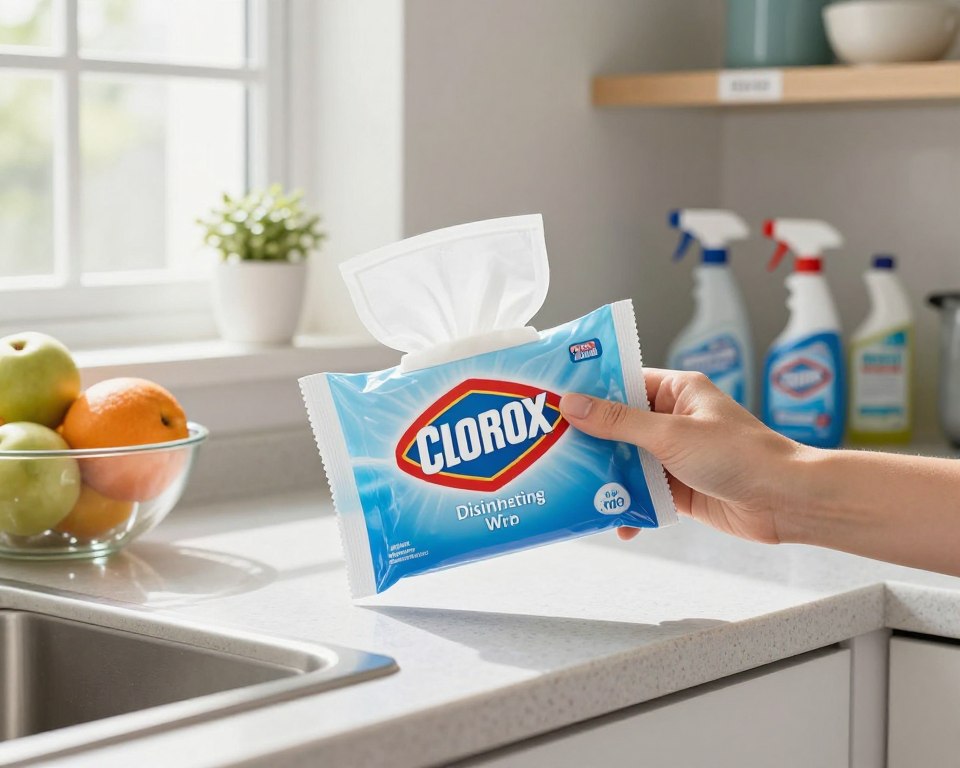
Nearly 80% of American homes use pre-moistened cleaning cloths to keep their spaces clean. These tools promise a germ-free home. But, recent studies show that disinfecting wipes have downsides that need attention. Many families use these products without thinking about the chemicals left on surfaces.
It’s crucial to find a balance between keeping things clean and avoiding health risks. These wipes are meant to kill germs but can cause irritation or skin problems. Learning about toxic ingredients helps you choose safer options. By using these wipes correctly, you can keep your home safe and clean.
Key Takeaways
- Always follow the manufacturer’s label instructions to ensure proper contact time and surface safety.
- Improve indoor air quality by keeping windows open or using fans while cleaning.
- Be aware that chemical residues can linger on surfaces, potentially affecting children and pets.
- Consider fragrance-free alternatives to reduce exposure to volatile organic compounds.
- Store all cleaning supplies securely out of reach of small children and animals.
Understanding the Chemical Composition of Clorox Disinfecting Wipes
Keeping your home clean often depends on the chemicals in your disinfecting wipes. Knowing about Clorox wipes safety means understanding what happens at a tiny level. These wipes are made to kill germs fast and well.
Active Ingredients and Their Functions
These wipes aim to stop harmful microbes like bacteria and viruses. They do this with strong active ingredients that damage the germs’ cell walls. When the cell wall is damaged, the germ can’t survive or grow on your surfaces.
Understanding Quaternary Ammonium Compounds
The main ingredients in these wipes are called quaternary ammonium compounds, or quats. Quats are very good at breaking down germ layers. Because they are so effective, quats are watched closely by the Environmental Protection Agency as pesticides. This means they are safe for your family when used right.
The Role of Solvents and Surfactants
Wipes also have solvents and surfactants to help clean. Solvents dissolve grease and dirt, making it easy to clean. Surfactants make the liquid spread out evenly, covering the area well.
| Component | Primary Function | Benefit to User |
|---|---|---|
| Quaternary Ammonium | Disinfecting | Kills bacteria and viruses |
| Solvents | Degreasing | Removes stubborn stains |
| Surfactants | Cleaning | Ensures even surface coverage |
By mixing these parts, the product works in two ways. It cleans your surface and keeps Clorox wipes safety in mind. Knowing how they work lets you use them with confidence.
Are Clorox Disinfecting Wipes Safe for Everyday Home Use
Keeping your home clean often means using disinfecting products. But safety is always a big concern for families. Understanding the safety of Clorox disinfectant wipes for daily use is key.
Evaluating EPA Registration and Safety Standards
In the U.S., the Environmental Protection Agency (EPA) watches over disinfecting products. Each wipe must pass tough tests to show it can kill harmful germs like Pseudomonas aeruginosa, Salmonella enterica, and Staphylococcus aureus.
An EPA registration number means the product has been proven safe and effective. Always follow the label to use these products safely.
“Cleanliness is the hallmark of a healthy home, but true protection comes from understanding the tools we use to maintain that environment.”
Distinguishing Between Cleaning and Disinfecting
Many confuse cleaning and disinfecting. Cleaning means removing dirt and dust with soap or detergent.
Disinfecting kills 99.9% of germs on hard surfaces. Cleaning makes surfaces look clean, but disinfecting fights off germs and viruses.
The Importance of Dwell Time for Efficacy
Wiping a surface too fast is a common mistake. For disinfectants to work, the surface must stay wet for a while, called dwell time.
If you wipe and the surface dries right away, the disinfectant can’t kill germs. Always check the packaging for the right dwell time to kill germs effectively.
Potential Health Concerns and Exposure Risks
Keeping your home clean is important, but there are hidden health risks with disinfecting wipes. These products kill germs well, but knowing about Clorox wipes health concerns is key to a safe home for your family.
Respiratory Sensitivities and Volatile Organic Compounds
Disinfecting wipes release chemicals into the air that can cause breathing problems. This is true for people with asthma or lung issues. Proper ventilation helps reduce these airborne particles.
A 2022 study found chemicals in human breast milk. It showed that frequent use of disinfectants can lead to chemical buildup in the body.
Skin Irritation and Dermatological Considerations
Touching the chemical residue on wipes can irritate your skin. If you have sensitive skin, you might get redness, itching, or dryness. Washing your hands well after cleaning helps avoid these Clorox wipes health concerns.
“The goal of cleaning is to improve health, not to introduce unnecessary chemical burdens into the home environment. Always prioritize safety by minimizing direct skin contact with concentrated disinfectants.”
Risks Associated with Ingestion or Eye Contact
Accidental ingestion or eye contact is dangerous with disinfecting wipes. These chemicals are toxic to germs but can harm human tissues. Keep these products away from children and pets to avoid accidents.
| Exposure Type | Potential Risk | Prevention Strategy |
|---|---|---|
| Inhalation | Respiratory irritation | Open windows while cleaning |
| Skin Contact | Dermatitis or redness | Wear gloves during use |
| Eye Contact | Severe stinging/damage | Wash hands before touching face |
| Ingestion | Internal toxicity | Keep containers tightly closed |
Knowing about Clorox wipes health concerns helps you make better choices for your home. Simple steps like wearing gloves or ensuring good airflow can protect your health.
Best Practices for Using Clorox Wipes Around Children
Using Clorox wipes at home needs careful thought to keep your kids safe and healthy. These products kill germs well but have chemicals that need careful handling around kids.
Safe Storage and Child-Proofing Strategies
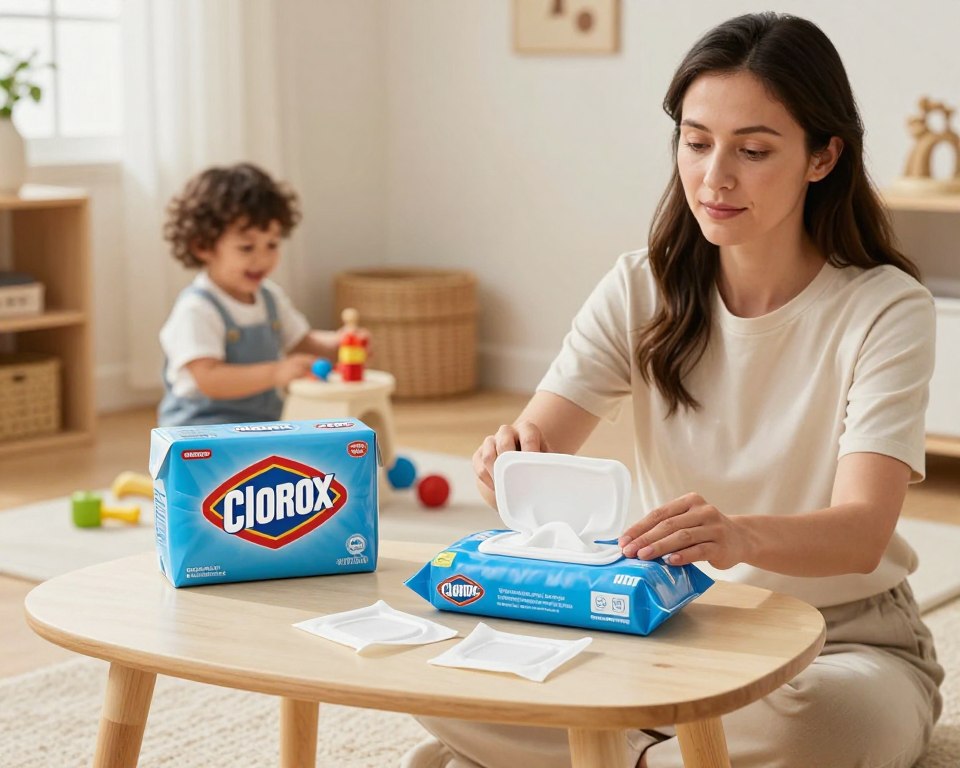
Keep cleaning supplies out of reach. Always store your wipes in a high cabinet or a locked utility closet that kids can’t get into.
Don’t leave containers on low counters or under sinks where toddlers might find them. Securing these items is a simple yet vital step in preventing accidental ingestion or skin contact.
Minimizing Residue on High-Touch Surfaces
When using Clorox wipes on surfaces like high chairs or toy bins, chemical residue is a worry. It’s a best practice to rinse surfaces with water after disinfecting if your child is likely to touch or mouth them.
Letting the surface air-dry completely before letting children play is also key. This makes sure the active ingredients have done their job and the surface is safe for little hands.
Teaching Proper Usage to Older Children
As kids grow, they might want to help with household chores. You can safely involve them by teaching them the correct way to handle cleaning supplies under your direct supervision.
Explain that these wipes are for adults and should never be used as toys. By setting clear boundaries and modeling safe habits, you help your children understand the importance of maintaining a clean and healthy home environment.
Using Disinfecting Wipes in Households with Pets
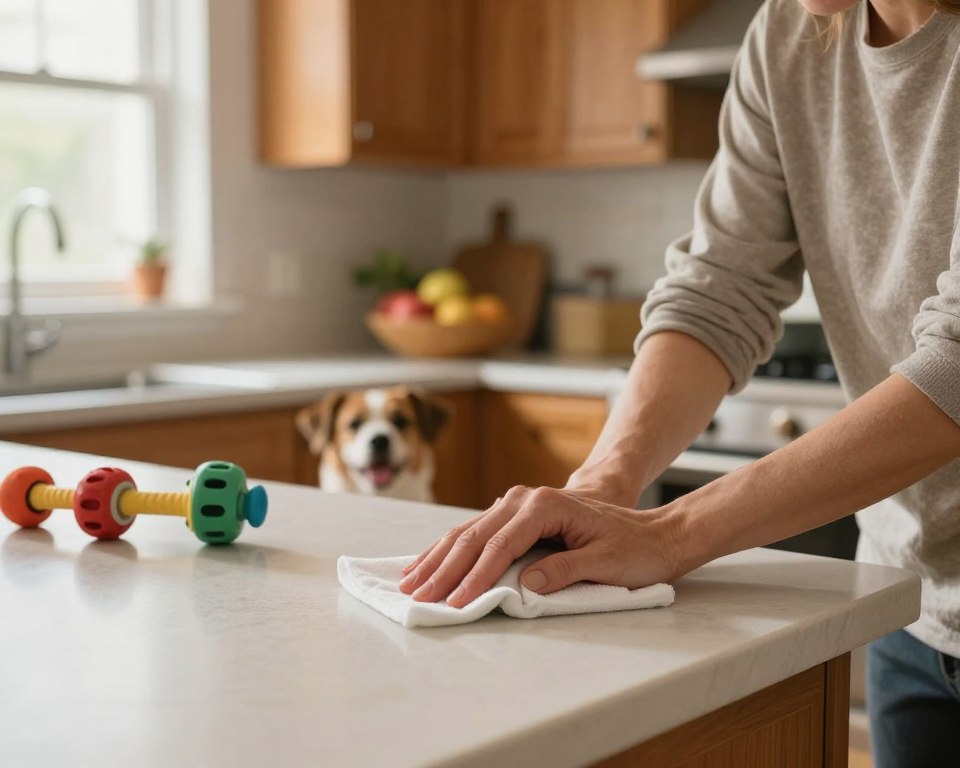
Keeping your pets safe from harmful chemicals is crucial when using Clorox wipes at home. Animals often lick or rub against surfaces, making them more exposed than humans. Cleaning wisely can help avoid health risks for your pets.
Toxicological Risks for Cats and Dogs
Cats and dogs are very sensitive to chemicals in disinfectants. Cats are at a higher risk because they groom themselves, ingesting chemicals. Even a little residue can upset their digestive or respiratory systems.
Safe Application on Pet-Related Surfaces
When using Clorox wipes at home, make sure surfaces stay wet for 4 minutes. Then, wipe them clean with a damp cloth or rinse with water. This removes excess chemicals, making areas like pet toys safe for everyone.
- Keep pets out of the room while you are actively cleaning.
- Allow surfaces to dry completely before letting animals return.
- Avoid using wipes directly on pet bedding or food bowls.
Recognizing Signs of Chemical Exposure in Animals
If you think your pet has been exposed to harmful chemicals, watch for signs. Look for excessive drooling, lethargy, vomiting, or mouth irritation. If you see these signs, call your vet right away to get your pet the care they need.
| Action | Safety Level | Recommended Frequency |
|---|---|---|
| Wiping hard floors | Moderate | Weekly |
| Cleaning pet toys | Low | Avoid Wipes |
| Disinfecting counters | High | Daily |
| Rinsing surfaces | Essential | Every Use |
Surface Compatibility and Material Safety
Using Clorox wipes everyday cleaning is easy, but be careful where you use them. These wipes are great for cleaning, but not all materials in your home are safe. Knowing which surfaces are okay will help you clean without damaging things.
Safe Surfaces for Clorox Wipes
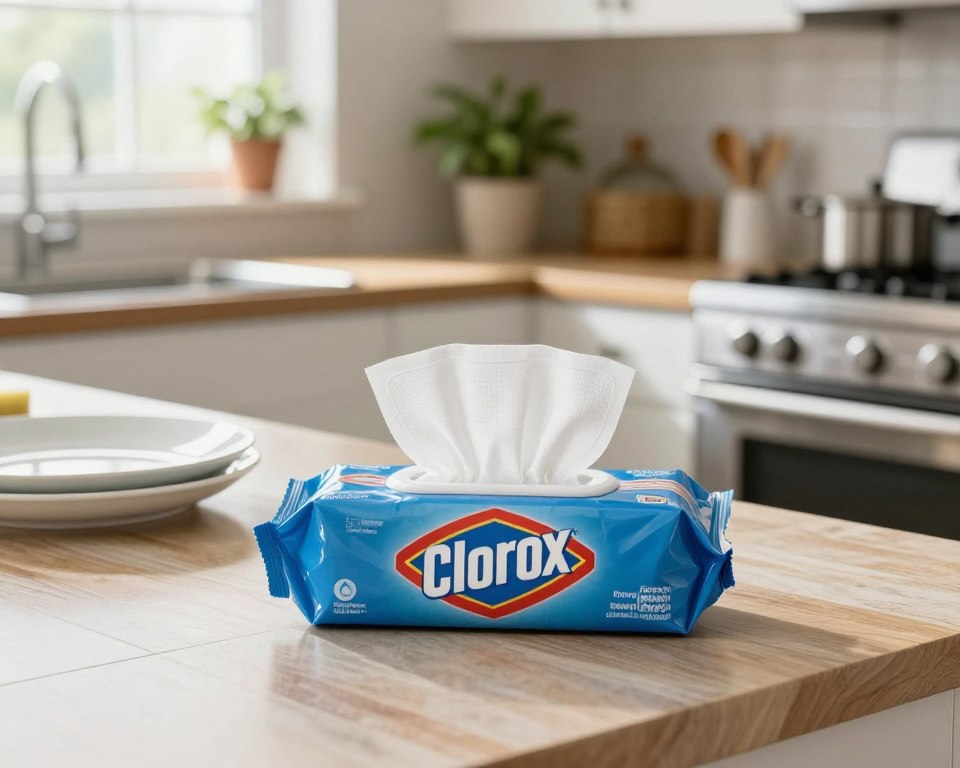
Hard, non-porous surfaces are usually safe for Clorox wipes. You can use them on kitchen counters, bathroom fixtures, and light switches. Consistency is key to keep these areas germ-free.
- Stainless steel appliances
- Glazed ceramic tiles
- Finished plastic surfaces
- Glass mirrors and windows
Materials to Avoid to Prevent Damage
Some materials can get damaged by harsh chemicals. Avoid using Clorox wipes on natural fibers or porous surfaces. For example, never use them on leather or silk because the chemicals can harm the material.
Also, be careful with unsealed wood or antique furniture. The moisture and chemicals can cause damage over time. Always think about the long-term safety of your items when cleaning with Clorox wipes everyday cleaning.
Testing Surfaces Before Full Application
If you’re not sure about a material, do a spot test first. Apply the wipe to a small, hidden area and wait a few minutes. Check for any damage before cleaning the whole surface.
| Surface Type | Compatibility | Recommendation |
|---|---|---|
| Laminate Countertops | Safe | Wipe and dry |
| Leather Furniture | Avoid | Use leather cleaner |
| Finished Wood | Caution | Test small area |
| Silk Fabrics | Avoid | Dry clean only |
The Impact of Daily Disinfection on Indoor Air Quality
Keeping your home clean shouldn’t harm the air you breathe. Using Clorox wipes everyday cleaning routines kills germs. But, it’s key to know how these products affect your home. Small changes in your habits can make your home fresher and safer.
Ventilation Strategies During Cleaning
To improve air quality while cleaning, increase airflow. Open a window or turn on an exhaust fan. This helps get rid of volatile organic compounds that cleaning can release. Proper ventilation ensures any scents or particles are quickly removed from your home.
If you’re cleaning in a room without windows, keep the door open. Use a portable fan to circulate the air. This simple step prevents cleaning agents from building up to uncomfortable levels. Fresh air is your best ally for a clean home.
Managing Chemical Buildup in Enclosed Spaces
Using disinfecting products often can cause chemical buildup, more in small or poorly ventilated areas. Many wonder is disinfectant spray toxic to breathe. The answer depends on managing your environment well during and after cleaning. It’s smart to avoid overusing products on surfaces where they’re not needed.
When using Clorox wipes everyday cleaning, only wipe down surfaces when necessary. This reduces chemicals in your indoor air. Being mindful of your usage keeps your home balanced and healthy.
Alternatives for Maintaining Air Purity
You can balance your disinfection routine with natural habits to keep your air crisp. Use air-purifying plants or high-quality HEPA air filters to catch dust and particles. These tools help your cleaning efforts without relying on chemicals.
Combining Clorox wipes everyday cleaning with natural ventilation and air filtration is a sustainable home maintenance approach. This mix protects your indoor air quality while keeping surfaces germ-free. Consistency and moderation are the keys to a healthy home.
Comparing Clorox Wipes to Natural Cleaning Alternatives
Choosing between natural cleaners and strong disinfectants is a big decision for families. Many like the smell and ease of DIY cleaners. But, it’s key to know how these products keep our homes healthy.
Effectiveness of Vinegar and Essential Oil Solutions
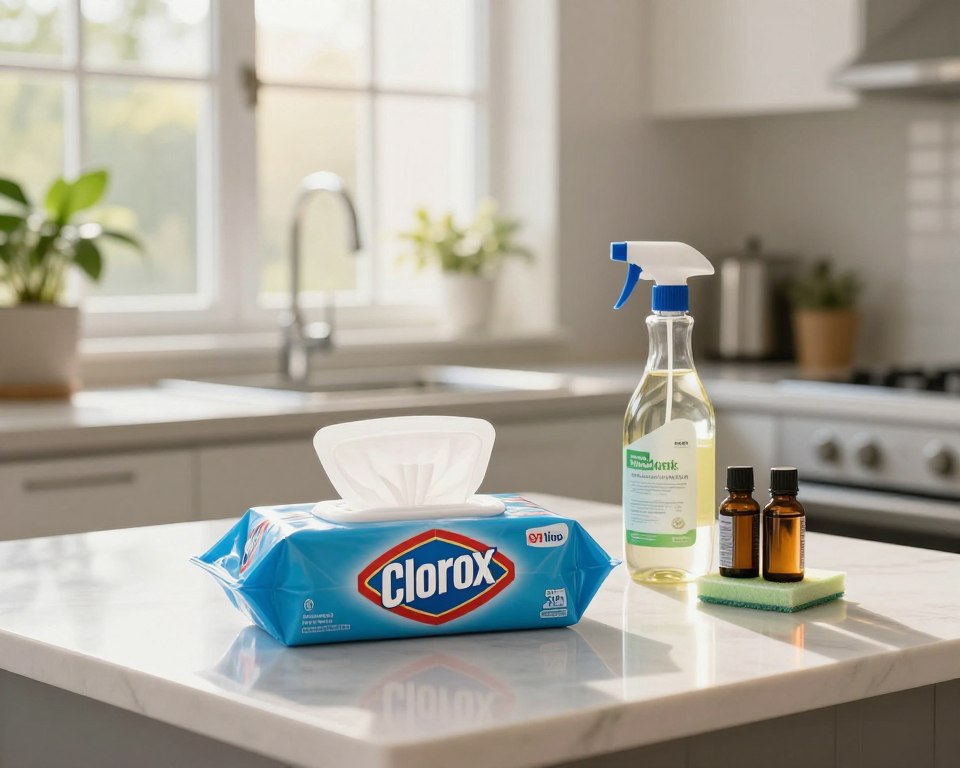
Vinegar and essential oils are favorites for cleaning up. They’re great for removing light grease and freshening surfaces. Yet, they’re not EPA-registered disinfectants.
This means they can’t kill viruses and bacteria that are harmful at home. Effectiveness is the main difference between a simple cleaner and a disinfectant.
When to Choose Disinfectants Over Natural Cleaners
There are times when EPA-registered products are a must. If someone in your family is sick, or when cleaning high-touch areas, you need the best disinfectant wipes for home.
These products are tested to ensure they’re safe and work well. Skipping disinfectants can expose you to harmful germs.
Balancing Germ Control with Eco-Friendly Habits
You don’t have to pick between a green home and a clean one. Many families use natural cleaners for everyday surfaces. They save the strong disinfectants for high-traffic areas or when someone is sick.
For daily cleaning, consider using reusable cleaning wipes to cut down on waste. By choosing when to use the best disinfectant wipes for home, you can stay clean and eco-friendly. Consistency and common sense are key to good cleaning.
Proper Disposal and Environmental Considerations
Keeping your home clean is important, but so is the environmental impact of your cleaning supplies. A household disinfecting wipes review shows that convenience can harm our planet and local infrastructure.
The Problem with Flushing Wipes
Many think “disposable” wipes are okay to flush. But, they don’t break down like toilet paper. They can cause catastrophic damage to your plumbing and sewer lines.
Flushing these wipes can lead to expensive clogs and “fatbergs.” These blockages harm water flow. Always throw used wipes in the trash to protect your pipes and the environment.
Biodegradability and Waste Management
Most disinfecting wipes are made from synthetic fibers like polyester or polypropylene. These materials are not biodegradable and can last decades in landfills.
Even “flushable” or “natural” products often have plastic binders. This makes them hard to break down. Knowing what your cleaning tools are made of is key in any household disinfecting wipes review.
Reducing Plastic Waste in Your Cleaning Routine
Lowering your environmental impact is easy with smart choices in your daily cleaning. Here are some simple ways to keep your home clean while being eco-friendly:
- Use reusable cloths: Switch to microfiber or cotton towels for hundreds of washes.
- Choose concentrated cleaners: Use spray bottles with refillable solutions to cut down on plastic packaging.
- Limit wipe usage: Use disinfecting wipes only for high-risk areas like bathroom fixtures or kitchen counters during illness.
- Proper disposal: Always throw used wipes in the trash, not the toilet or recycling bin.
By making these changes, you can control germs while being sustainable. Small steps in cleaning can make a big difference over time.
Common Mistakes When Using Disinfecting Wipes
Many people unknowingly reduce the effectiveness of their cleaning routine through simple, avoidable mistakes. While finding the best disinfectant wipes for home use is a great first step, how you apply them matters just as much as the product itself. Avoiding these common pitfalls ensures your surfaces are truly clean and safe.
Using One Wipe for Multiple Rooms
One of the most frequent errors is attempting to clean an entire house with a single wipe. Once a wipe becomes dry or visibly soiled, it loses its ability to effectively kill germs and may actually spread bacteria from one surface to another. Always discard a wipe as soon as it dries out or becomes dirty, and reach for a fresh one to maintain proper hygiene.
Ignoring Manufacturer Instructions
Every product comes with specific guidelines that are crucial for success. Many users skip reading the label, which often leads to improper application or damage to delicate surfaces. You can learn more about cleaning with disinfecting wipes by reviewing the official manufacturer recommendations. Following these steps is vital to ensure you are using the best disinfectant wipes for home maintenance correctly.
Misunderstanding the Difference Between Sanitizing and Disinfecting
It is easy to confuse sanitizing with disinfecting, but they serve different purposes. Sanitizing reduces the number of germs to a safe level, while disinfecting is designed to kill nearly all bacteria and viruses on a surface. To achieve the best results, keep these key differences in mind:
- Sanitizing: Best for food-contact surfaces where you need to lower germ counts quickly.
- Disinfecting: Necessary for high-touch areas like doorknobs, light switches, and bathroom fixtures.
- Dwell Time: Always check the label to see how long the surface must remain wet to ensure the product works as intended.
By avoiding these common mistakes, you can maximize the efficiency of your cleaning supplies. Using the best disinfectant wipes for home care properly will help you maintain a healthier living environment for your entire family.
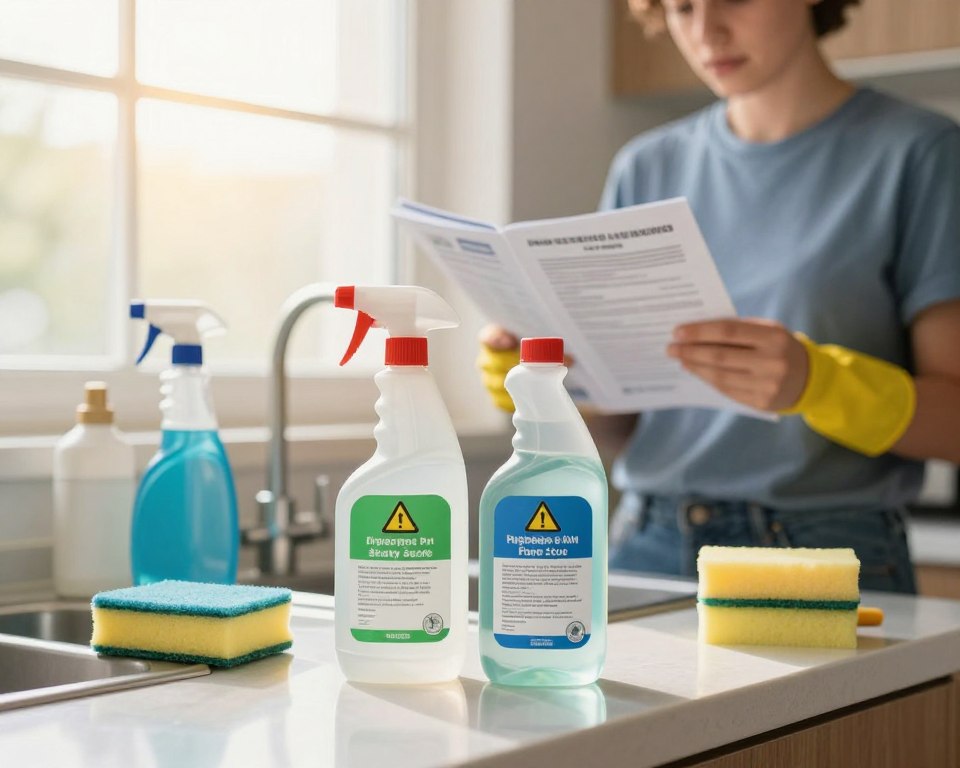
Navigating Product Labels and Safety Data Sheets
Understanding the fine print on your cleaning supplies is key to keeping your home safe. Many people overlook labels, but they are crucial for safe use. Reading them carefully can prevent accidents and keep your home healthy.
How to Read EPA-Approved Labels
Every EPA-approved label has a special number that shows it’s been tested. Look for the directions for use section. It tells you how long a surface needs to stay wet to kill germs. Following these steps is important for Clorox wipes safety in your daily cleaning.
Interpreting Hazard Warnings and Precautionary Statements
Labels use words like “Caution” or “Warning” to warn you of risks. These statements tell you if you need to rinse surfaces or if you should open windows. Paying close attention to these warnings helps avoid skin or breathing problems.
“The label is the law; it provides the necessary framework for using chemical products safely and effectively in any residential setting.”
Accessing Safety Data Sheets for Household Chemicals
To learn more about your cleaners, search for the Safety Data Sheet (SDS) online. These documents give detailed info on ingredients, first-aid, and storage. Looking up these sheets is a smart move for anyone serious about Clorox wipes safety and health at home.
When to Use Disinfecting Wipes Versus Traditional Cleaning
Knowing the difference between regular cleaning and deep disinfection is crucial for a healthy home. You don’t need to use strong chemicals for every little spill or smudge. It’s important to know when to use Clorox disinfectant wipes for daily use versus just soap and water to save time and money.
Targeting High-Traffic Areas and Germ Hotspots
Focus on surfaces that people touch a lot every day. These germ hotspots include light switches, doorknobs, and remote controls. Using a wipe here is very effective because these items carry bacteria from constant use.
If you’re worried about what’s in your cleaning products, learning about quaternary ammonium disinfectant safe home practices is helpful. By only cleaning these high-touch areas, you avoid too much chemical use while keeping your home clean.
Routine Cleaning Versus Deep Disinfection
For most household surfaces, soap and water are enough to remove dirt, dust, and grime. Soap lifts debris away, which is usually enough for everyday cleaning. Deep disinfection is for when you really need to remove pathogens.
See Clorox disinfectant wipes for daily use as a special tool, not for everyday cleaning. Using them too much can lead to chemical buildup on surfaces. For everyday cleaning, use mild detergents to keep your home balanced.
Strategic Use During Illness Outbreaks
When someone in your family gets sick, you should clean more often. Increase the disinfecting of high-touch surfaces to stop germs from spreading. This is when you should use your wipes more.
After the illness is gone, go back to your usual cleaning routine. This strategic approach helps you not overuse chemicals when they’re not needed. Keeping your home safe is about finding the right balance between cleanliness and chemical safety.
The Role of Personal Protective Equipment During Cleaning
Keeping your home clean is important, but your safety should always come first. Many people use household cleaners without thinking about the risks. Knowing about Clorox wipes health concerns helps you make better choices for cleaning.
By taking simple steps, you can keep your home germ-free and safe for everyone. This is crucial for a healthy living space.
When to Wear Gloves While Cleaning
Wear gloves if you have sensitive skin or clean for a long time. Chemicals in disinfecting wipes can dry out your hands. Always prioritize your comfort when doing big cleaning jobs like deep-cleaning kitchens or bathrooms.
Curious about other household items? Learn about is Mr. Clean toxic to understand the chemicals in your home. Gloves protect your skin from harmful ingredients.
Protecting Your Eyes and Skin During Heavy Use
When doing heavy cleaning, make sure your area is well-ventilated. This prevents harmful fumes from building up. Be careful of splashes or residue that could hurt your eyes when cleaning overhead or in small spaces.
If your eyes get red or uncomfortable, stop cleaning right away. Rinse the area with cool water. Proper ventilation helps avoid breathing in harmful fumes during intense cleaning. Open windows or use fans to reduce air pollution.
Post-Cleaning Hygiene Practices
After cleaning, it’s crucial to follow a routine to stay safe. Wash your hands well with soap and water after using disinfecting wipes. This removes any chemicals and prevents accidental ingestion if you touch your face or eat soon after.
- Wash your hands for at least 20 seconds with warm water.
- Avoid touching your eyes or mouth until your hands are clean.
- Store your cleaning supplies in a secure, dry location away from food.
By following these tips, you can address Clorox wipes health concerns and keep your home clean. Consistency is key to a healthy and safe home for your family.
Conclusion
Cleaning is more than just wiping surfaces. It’s about using the right chemicals and methods to keep your home clean. Our household disinfecting wipes review shows that wiping is as important as the chemicals used.
Clorox disinfecting wipes are great for keeping your home germ-free if you use them right. Knowing what’s in them and following safety rules helps keep your family safe. Remember to dispose of them properly to avoid harming the environment and plumbing.
Using these products wisely is key. It keeps your home safe and protects the environment. Knowing what you’re using helps keep your cleaning routine effective and eco-friendly for a long time.
FAQ
Are Clorox Disinfecting Wipes Safe for Everyday Home Use?
Yes, they are safe for daily use if you follow the instructions. But, make sure to ventilate well and avoid using too much in small spaces. To reduce chemical exposure, focus on high-traffic areas more than every surface.
What are the active ingredients that ensure Clorox wipes safety and efficacy?
Clorox Disinfecting Wipes contain quaternary ammonium compounds, or “quats.” These break down bacteria and viruses. Knowing about these ingredients helps you trust their cleaning power in your home.
How long is the required dwell time for Clorox disinfectant wipes for daily use?
The surface needs to stay wet for about four minutes to fully disinfect. This “dwell time” is key for effective cleaning with Clorox wipes.
Are there any specific Clorox wipes health concerns I should be aware of?
Frequent use can cause respiratory issues and skin irritation. Wear gloves and wash hands well after using them. This prevents accidental ingestion or eye contact.
Can I use these products for home cleaning with Clorox disinfecting wipes around my pets?
Be careful, as pets are sensitive to chemicals. Keep pets away from treated surfaces until they dry. Always rinse pet bowls and toys after cleaning to prevent chemical ingestion.
Which surfaces are considered the best disinfectant wipes for home application?
Use them on hard, nonporous surfaces like stainless steel and laminate. Avoid unpainted wood and natural marble. Test a small area first to ensure safety.
What is the most common mistake identified in a household disinfecting wipes review?
The biggest mistake is using one wipe for many rooms or large areas. This spreads germs. Always use a fresh wipe and follow EPA-approved instructions.
Is there a difference between sanitizing and disinfecting during my Clorox wipes everyday cleaning?
Yes, sanitizing reduces bacteria, while disinfecting kills bacteria and viruses. For effective cleaning, allow the full disinfection time. Quick wipes only clean superficially.