Did you know the average American spends over 400 hours a year cleaning? We all want a clean home, but we worry about our health. Many of us wonder if cleaning products are safe for us.
This product is meant for cleaning hard surfaces only, as the label says. Understanding the chemical nature of these items helps us make better choices. We want to help you keep your home clean and safe for your health.
Key Takeaways
- Most household products are safe when used according to manufacturer instructions.
- Proper ventilation is essential when applying any chemical spray in small spaces.
- Always read the label to identify potential respiratory irritants before starting.
- Avoid mixing different chemical agents to prevent dangerous reactions.
- Prioritize your safety by wearing protective gear if you have sensitivities.
Understanding the Chemical Composition of Scrubbing Bubbles
Looking into your favorite bathroom cleaner shows a mix of ingredients for cleaning. Using Scrubbing Bubbles Cleaner means applying a formula to tackle tough soap scum and grime.
Knowing what’s in these cleaners helps you use them safely at home. Even though they work well, it’s good to know what you’re spraying.
Active Ingredients and Their Functions
The main strength of this cleaner comes from certain chemicals. It usually has sodium hypochlorite, sodium chloride, and sodium carbonate. These are in amounts from 1% to 5%.
Sodium hypochlorite is a strong disinfectant and whitener. It changes stains and bacteria’s structure, making them easy to clean. Some wonder about harmful chemicals in Scrubbing Bubbles and their effects on the air.
Surfactants and Solvents Explained
The cleaner also uses surfactants and solvents for a deep clean. Surfactants are surface-active agents that make water spread better.
This lets the cleaner get into and remove grease or soap scum. Solvents help dissolve things water can’t. Together, they make the cleaner stick to surfaces for better cleaning.
The Role of Fragrances in Cleaning Products
Fragrances are added to make cleaning more pleasant. They don’t help with cleaning but make the smell of the cleaner better.
But, these scents can hide the smell of harmful chemicals in Scrubbing Bubbles. Always make sure your bathroom is well-ventilated. Using Scrubbing Bubbles Cleaner safely means balancing cleaning power with safety.
Is Scrubbing Bubbles Bathroom Cleaner Toxic to Inhale?
Many homeowners wonder: Is Scrubbing Bubbles bathroom cleaner toxic to inhale? Breathing in cleaning fumes can be scary. But, it’s key to know the difference between temporary discomfort and real health risks. Knowing about bathroom cleaner inhalation risks helps keep your home clean and safe.
Differentiating Between Irritation and Toxicity
This product is classified as causing skin and eye irritation under the Globally Harmonized System (GHS). It’s not labeled as acutely toxic through inhalation when used correctly. But, using it wrong can irritate your respiratory tract, which is a local reaction, not a systemic toxicity.
The toxicity of Scrubbing Bubbles inhalation is generally low for healthy adults in well-ventilated areas. If you’re curious about other substances, you might also want to learn about is bleach toxic when inhaled to compare safety profiles. Remember, irritation is your body’s way of saying a substance is present, not that it’s causing permanent damage.
Understanding Volatile Organic Compounds (VOCs)
Cleaning products often have Volatile Organic Compounds, or VOCs. These chemicals turn into gas at room temperature. They’re what give cleaning products their smell. While some people are sensitive to these vapors, they’re not always considered harmful chemicals in Scrubbing Bubbles in standard household exposure.
The amount of these compounds is closely watched to keep them safe for home use. By keeping your bathroom door open or running an exhaust fan, you can cut down on these vapors in the air. This simple step helps reduce your exposure to airborne particles.
Regulatory Standards for Household Cleaning Agents
Manufacturers must follow strict safety standards set by government agencies to protect consumers. These rules require products to be tested for potential hazards before they hit the stores. Thanks to these strict guidelines, you can trust that the product is safe for its intended use when you follow the label instructions.
Proper usage is your primary defense against any potential discomfort. Always avoid mixing this cleaner with other products, as this can create unexpected chemical reactions. By respecting the product’s design and maintaining good airflow, you ensure a safe and effective cleaning experience every time.
Common Symptoms of Inhalation Exposure
When you spray bathroom cleaners, you might notice subtle changes in how you feel or breathe. These products are designed for household use. But, the effects of inhaling Scrubbing Bubbles can show up if the area isn’t well-ventilated. Spotting these early signs is key to protecting your health.
Immediate Respiratory Reactions
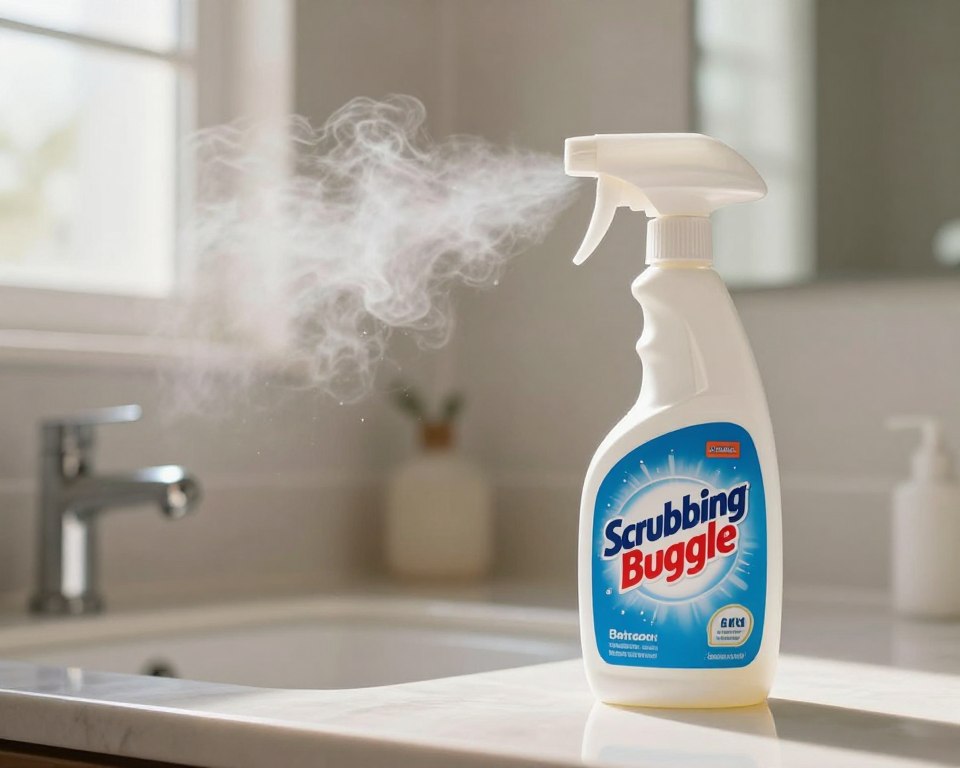
The most common reaction to aerosolized cleaning agents is in the upper respiratory tract. You might get a sudden scratchy throat or feel the need to cough after spraying. These happen because the fine mist particles hit your airway lining.
“Proper ventilation is the single most effective way to minimize the risk of respiratory irritation when using household chemical sprays.”
Signs of Mucous Membrane Irritation
Your mucous membranes are very sensitive to chemical mists. You might see your eyes water or feel a sting in your nasal passages. These effects of inhaling Scrubbing Bubbles are usually mild. But, they’re a clear sign that the air is too chemical-heavy.
Systemic Symptoms to Watch For
In some cases, exposure can cause more widespread symptoms if you stay in a small space for too long. Some people feel lightheaded or get a mild headache after cleaning. If you see these signs, get out of the bathroom right away to breathe fresh air.
| Symptom Category | Common Signs | Recommended Action |
|---|---|---|
| Respiratory | Coughing, scratchy throat | Move to fresh air |
| Mucous Membrane | Watery eyes, nasal sting | Increase ventilation |
| Systemic | Headache, dizziness | Stop cleaning and rest |
Vulnerable Populations and Increased Sensitivity
Choosing the right bathroom cleaner is crucial for your family’s respiratory health. Some people might be more sensitive to cleaning fumes. Making sure your home is clean and safe for everyone is important.
Risks for Individuals with Asthma and COPD
People with asthma or COPD are more sensitive to chemicals. Cleaning fumes can cause coughing, wheezing, or breathing problems. It’s important to watch how they feel when cleaning.
If you or a family member has lung issues, clean in well-ventilated areas. Look for cleaners with low VOC levels to reduce Scrubbing Bubbles Safety Concerns. Always choose comfort and breathing ease over quick cleaning.
Protecting Children and Pets During Cleaning
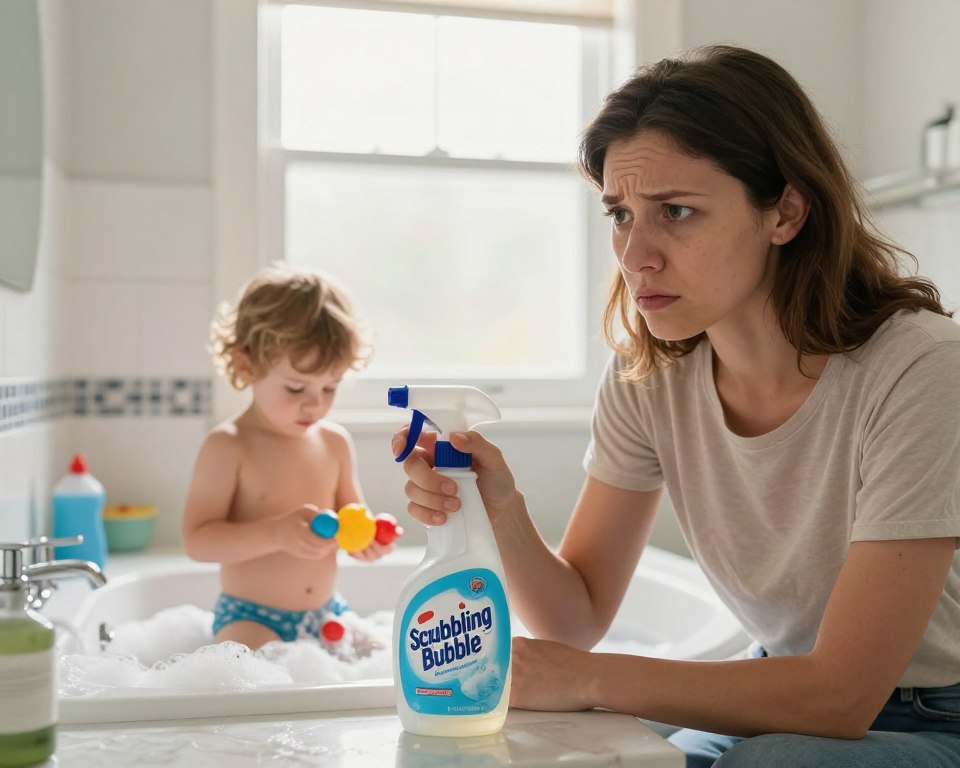
Children and pets are more at risk from chemicals because they’re closer to the cleaning area. Their bodies might react more to chemicals than adults. The safety data sheet warns to keep the product away from kids and pets.
- Keep bathroom doors closed while cleaning to keep pets out.
- Rinse surfaces well to remove chemicals before kids use the tub or shower.
- Store cleaning supplies in a locked cabinet, out of reach of kids and pets.
Pregnancy and Chemical Sensitivity
Pregnancy can make smells stronger and increase sensitivity to chemicals. Many expectant parents worry about their cleaning routine. For more info, check out are cleaning products safe during pregnancy.
Putting safety first is key to responsible cleaning. Being aware of these sensitivities helps keep your bathroom clean without risking your loved ones’ health. Making a few changes to your cleaning routine can greatly improve your home’s atmosphere.
How Scrubbing Bubbles Interacts with the Respiratory System
Your respiratory system reacts to airborne particles from cleaning agents through a specific biological process. When you use a product like Scrubbing Bubbles, the fine mist can enter your airways if you are not careful. Understanding these Bathroom Cleaner Inhalation Risks is the first step toward creating a safer home environment.
The Mechanism of Inhaled Chemical Irritants
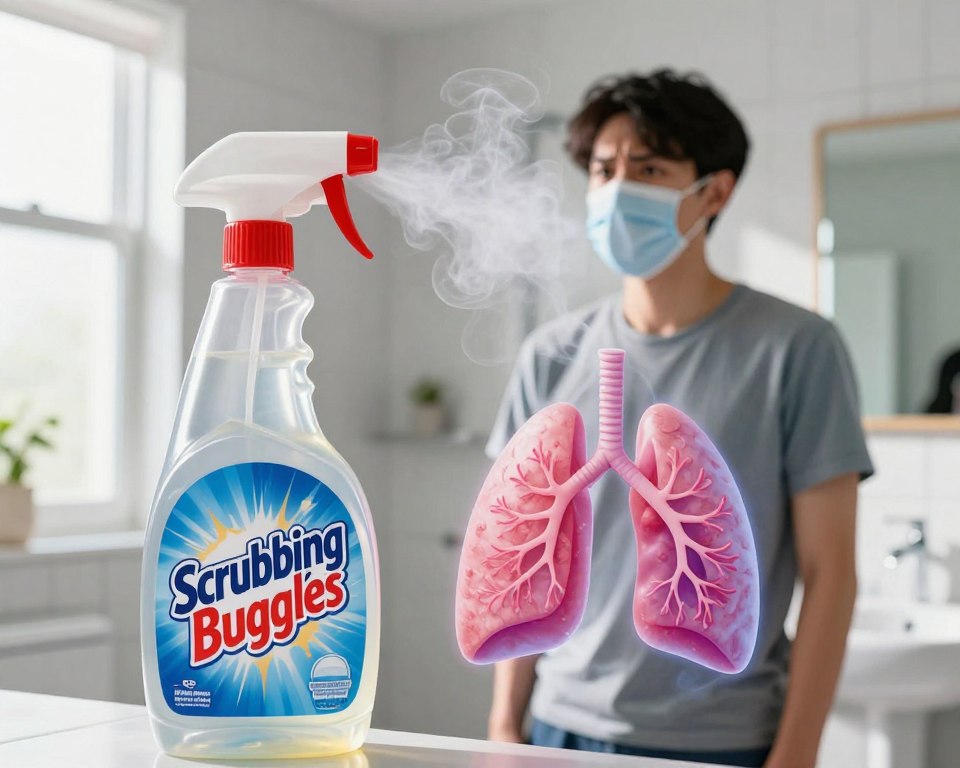
When you inhale chemical mists, they travel through your nose or mouth and reach the delicate tissues of your throat and lungs. These particles can trigger an inflammatory response, which is why some people feel a scratchy throat or cough after cleaning. Research into respiratory health and chemical exposure highlights how sensitive these membranes are to synthetic ingredients.
The body naturally attempts to expel these irritants through mucus production or coughing. If the concentration of chemicals is high, this reaction becomes more intense. Protecting your airways is vital to avoid unnecessary discomfort during your chores.
How Aerosolized Particles Travel in the Air
Aerosolized particles are tiny droplets that stay suspended in the air for several minutes after spraying. Because they are lightweight, they can easily drift toward your face before settling on surfaces. This movement is a primary factor in the Risks of Inhaling Bathroom Cleaners, specially if you are standing directly over the area you are cleaning.
In industrial settings, professionals use local exhaust ventilation to pull these mists away from the breathing zone. At home, you can mimic this by ensuring good airflow. By keeping your face away from the spray path, you significantly reduce the amount of mist you might accidentally breathe in.
The Impact of Enclosed Bathroom Spaces
Bathrooms are often small, tiled rooms with limited air circulation. When you spray a cleaner in such a tight space, the concentration of fumes rises rapidly because there is nowhere for the air to escape. This buildup makes it much easier to inhale a higher volume of chemicals than you would in an open, airy room.
The following table outlines how different environmental factors influence your exposure levels during routine cleaning tasks.
| Factor | Low Risk Condition | High Risk Condition |
|---|---|---|
| Ventilation | Open window and fan on | Closed door and no fan |
| Spray Distance | Arm’s length away | Close to face |
| Room Size | Large, airy bathroom | Small, cramped stall |
| Cleaning Time | Short, quick bursts | Long, deep scrubbing |
By managing these variables, you can minimize the Risks of Inhaling Bathroom Cleaners effectively. Always prioritize fresh air to keep your cleaning experience safe and comfortable.
Proper Ventilation Techniques for Bathroom Cleaning
Proper ventilation is key to avoiding the risks of inhaling bathroom cleaners. When you spray surfaces with products like Scrubbing Bubbles, chemicals can spread in the air. Fresh air helps lower the amount of these particles you breathe in.
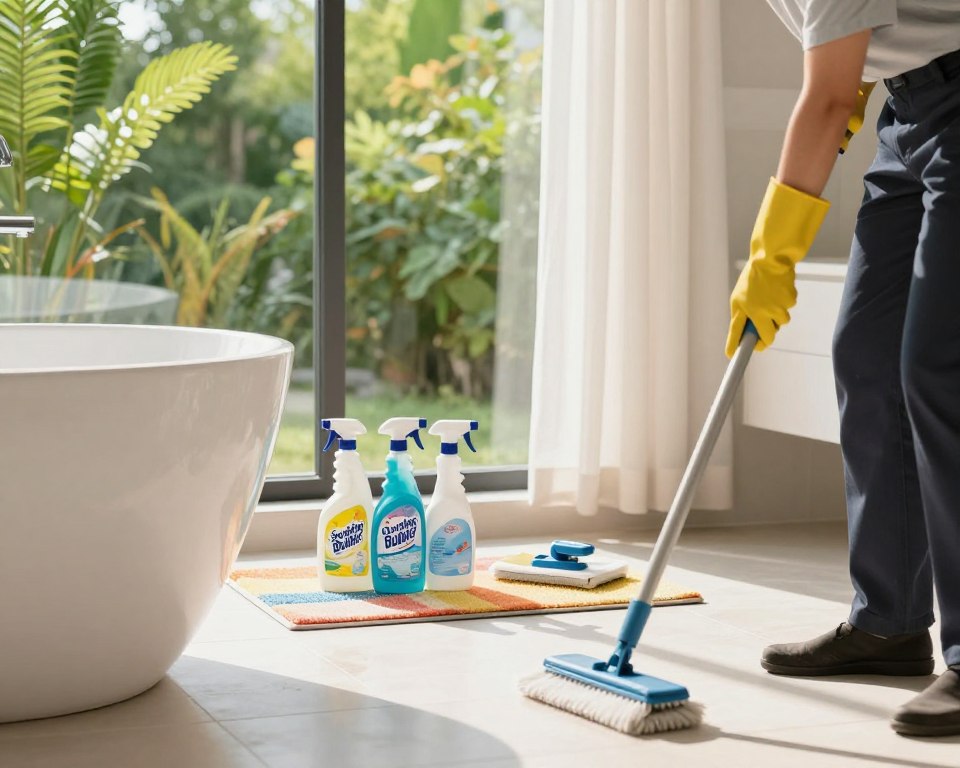
To keep your home healthy, check if you’re breathing in your cleaning products. You can detox your home by learning more. These steps are crucial for chemical exposure prevention in any home.
Maximizing Airflow with Exhaust Fans
Most bathrooms have an exhaust fan to remove moisture and odors. Always turn it on before spraying cleaning agents. Run it for at least fifteen minutes after cleaning to clear all fumes.
The Importance of Opening Windows and Doors
If your bathroom has a window, open it wide for a cross-breeze. Also, open the bathroom door to let fresh air in. This simple habit is essential for proper ventilation for cleaning and keeps air quality high.
Using Portable Fans to Disperse Fumes
Not every bathroom has a window, making ventilation harder. Use a small portable fan near the doorway to push fresh air in and pull chemical mists out. Always place the fan so it blows air away from your face while you work.
Personal Protective Equipment for Safer Cleaning
Preventing chemical exposure starts with small choices before cleaning. While most household cleaning doesn’t need heavy gear, knowing when to use PPE is key. By focusing on household cleaning safety, you can keep your home clean without risking your health.
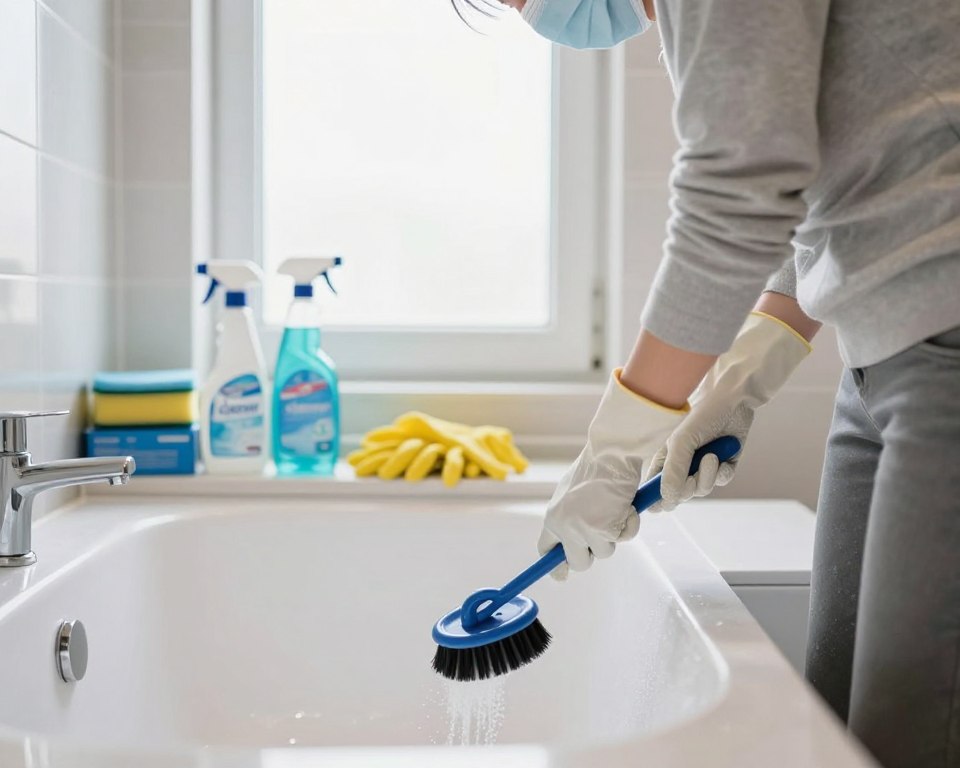
When to Consider Using a Face Mask
If you’re sensitive to strong smells or chemical mists, a face mask can help. It’s great for deep cleaning in small, poorly ventilated bathrooms. Using a face mask lets you breathe better while cleaning.
“The best way to stay safe is to treat every cleaning product with respect and use the proper barriers to prevent unnecessary contact.”
Protecting Your Eyes and Skin During Application
Wearing gloves and safety glasses with side-shields is recommended. Even quick clean-ups can lead to splashes. Protective eyewear greatly reduces the risk of chemical exposure.
Keep your skin covered when using strong formulas. If you’re curious about the safety of products like Mr. Clean, remember to always prioritize your safety.
Choosing the Right Gloves for Chemical Handling
Choosing the right gloves is crucial for household cleaning safety. Not all materials protect equally against chemicals.
- Nitrile gloves: These are highly recommended for their durability and resistance to a wide range of chemicals.
- Rubber gloves: A classic choice that provides a strong barrier against liquids and splashes.
- Latex gloves: Useful for light tasks, though some individuals may have sensitivities to the material itself.
Always check your gloves for damage before use. Replace them often to keep your hands safe during cleaning.
Comparing Scrubbing Bubbles to Other Bathroom Cleaners
It’s important to know the differences between bathroom cleaners. Many products claim to make your bathroom shine, but they have different chemicals. This affects how you use them at home.
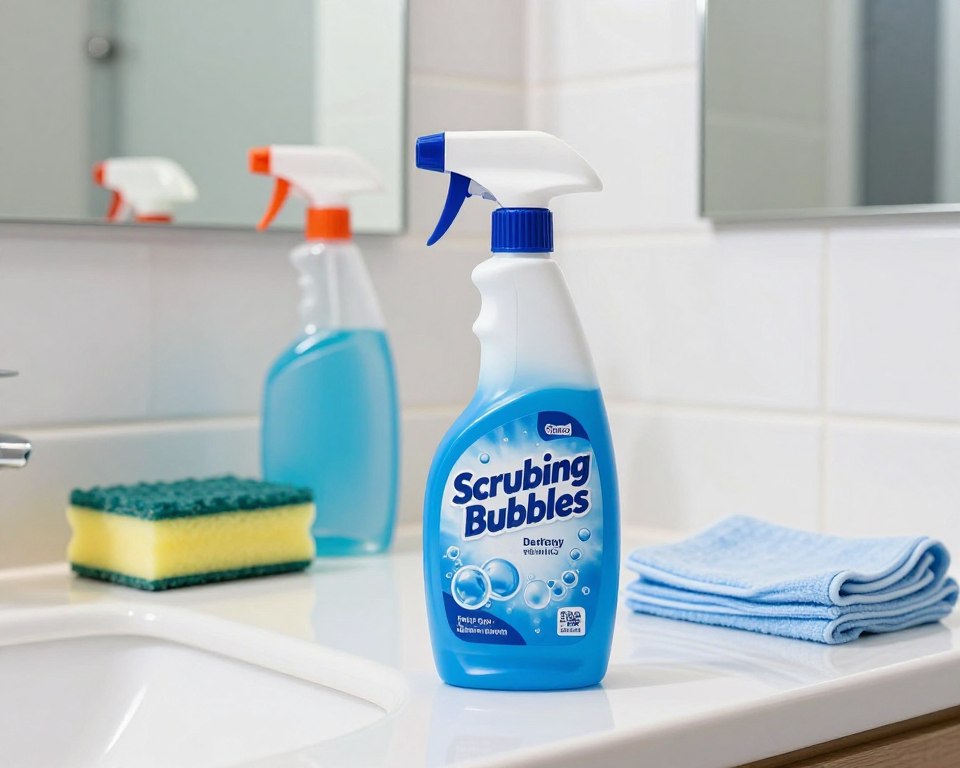
Bleach-Based Cleaners vs. Scrubbing Bubbles
Many people compare Scrubbing Bubbles Cleaner to bleach-based cleaners. Bleach is strong against germs but can irritate your lungs if you’re not in a well-ventilated area.
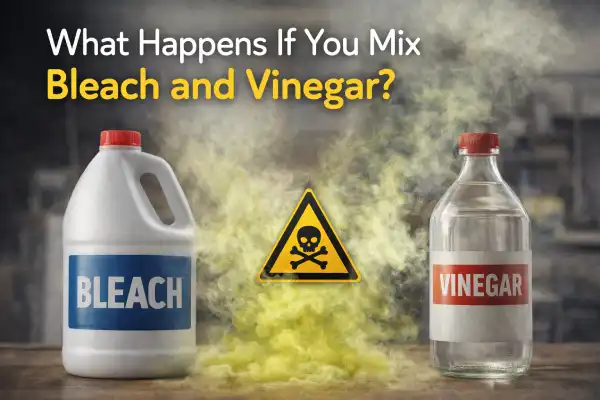
Remember, you should never mix bleach with other cleaners. Doing so can release harmful gases. Always use one cleaner at a time for your safety.
Acidic Cleaners and Their Inhalation Risks
Some toilet bowl cleaners use strong acids to remove mineral buildup. You can learn more about these risks by reading about is toilet bowl cleaner toxic to. These cleaners have a strong smell, unlike the foamy Scrubbing Bubbles Cleaner.
- Surfactant-based cleaners: Generally milder on the lungs.
- Acidic cleaners: Often require extra caution and ventilation.
- Bleach-based cleaners: High risk of toxic reactions if mixed.
Evaluating Safety Profiles Across Brands
When looking at different brands, check the ingredients and safety warnings. You can find more information on product safety at is Scrubbing Bubbles toxic. Choosing the right Scrubbing Bubbles Cleaner means finding a balance between cleaning power and your sensitivity to fumes.
| Cleaner Type | Primary Benefit | Inhalation Risk |
|---|---|---|
| Foaming Surfactant | Easy application | Low to Moderate |
| Bleach-Based | Strong disinfection | High |
| Acidic | Deep descaling | Moderate to High |
What to Do If You Inhale Too Much Cleaner
Accidents can happen, but knowing how to react is key. If you feel overwhelmed by fumes, stay calm and act fast. This can stop a small issue from becoming a big problem.
Immediate Steps for Fresh Air Exposure
If you think you’ve inhaled too much cleaner, get to fresh air right away. If toxic gas is formed, leave the room and don’t go back until it’s safe. Don’t wait for symptoms to get worse before getting outside or opening windows.
Once you’re in a safe place, breathe slowly and deeply. If the cleaner touched your skin or eyes, rinse with cool water for 15 minutes. For more help, check out this guide on cleaning product fumes.
When to Seek Professional Medical Attention
While some irritation might go away with fresh air, other times you need a doctor. Get medical help if you have a persistent cough, trouble breathing, or chest pain. Emergency response for chemicals is needed if you feel dizzy, nauseous, or symptoms don’t get better after getting air.
“When dealing with household chemical exposure, time is of the essence. Always prioritize your respiratory comfort and do not hesitate to seek help if you feel unwell.”
Contacting Poison Control Centers
If you’re not sure about your exposure, it’s best to call for help. Reach out to experts in chemical safety for advice. For example, the Poison Control Center has great resources for handling accidental exposure to cleaners.
| Symptom Level | Recommended Action | Urgency |
|---|---|---|
| Mild Irritation | Move to fresh air | Low |
| Persistent Cough | Monitor and consult | Medium |
| Difficulty Breathing | Seek medical help | High |
Always have the product container ready when calling for help. Knowing the effects of inhaling Scrubbles and other products helps you clean safely and confidently.
Long-Term Health Considerations of Chemical Exposure
Keeping your respiratory health safe is more than just opening a window. It’s about knowing the long-term effects of the products you use. While bathroom cleaners are usually safe, using them too often can be risky. It’s important to be careful to keep your home healthy.
Cumulative Effects of Frequent Cleaning
The toxicity of Scrubbing Bubbles inhalation depends on how often you use it. The product has a HMIS health rating of 2. This means it needs careful handling to avoid health problems over time.
Cleaning your bathroom often can lead to small but harmful exposures. If you want to know more about the safety of these products, check out whether multi-surface sprays are toxic. This can help you make better choices for your home.
Chronic Respiratory Sensitivity
Inhaling chemical fumes often can make your lungs more sensitive. Over time, your lungs may react more to the chemicals in cleaners.
If you cough or feel short of breath while cleaning, it might be a sign of sensitivity. Paying attention to these signs and changing your cleaning habits can help.
Understanding Safety Data Sheets (SDS)
Reading the SDS safety guidelines is a great way to stay informed. These documents list the chemicals and risks of long-term contact.
You can find these sheets on the company’s website. By following the SDS safety guidelines, you can protect your health. Knowing the data helps you handle products safely, keeping your cleaning routine healthy.
Eco-Friendly and Natural Alternatives for Bathroom Maintenance
Switching to eco-friendly cleaning can greatly improve your air quality. Many families now choose household cleaning safety over harsh chemicals. Using gentler ingredients keeps your bathroom clean and reduces harmful exposure.
Vinegar and Baking Soda Solutions
White vinegar and baking soda are great for soap scum and stains. They create a fizz that removes grime from tiles and grout. Always use proper ventilation for cleaning to keep your bathroom fresh.
Mix baking soda with water to make a paste. Apply it to surfaces, then spray with vinegar. Let it sit before rinsing. This method avoids harsh product risks, like those in our guide on is mold remover spray toxic.
Plant-Based Commercial Cleaning Options
Many brands now offer plant-based cleaners. These use citric acid, essential oils, and plant surfactants. They clean well without strong fumes.
Always check labels for health-friendly ingredients. These products are often biodegradable and come in eco-friendly packaging. Choosing them helps keep your home and planet safe.
The Benefits of Reducing Synthetic Chemical Use
Using safe cleaning practices improves your health and well-being. It reduces skin and respiratory risks. This makes your home a healthier space, good for everyone.
Consistency is key in switching to green cleaning. Your bathroom will stay clean without harsh chemicals. Here’s a comparison to help you choose the best for your home.
| Cleaning Method | Primary Benefit | Safety Level | Ease of Use |
|---|---|---|---|
| Vinegar & Baking Soda | Cost-effective | Very High | Moderate |
| Plant-Based Sprays | Convenience | High | Very High |
| Traditional Chemicals | Heavy-duty power | Low | High |
Best Practices for Storing and Handling Cleaning Products
Storing and handling household cleaners safely is key to avoiding accidents and keeping products fresh. We often focus on cleaning, but managing supplies is just as important for a safe home.
Safe Storage Away from Heat and Children
Always keep cleaning containers tightly closed when not in use. Store them in a dry, cool, and well-ventilated area. This keeps the chemicals stable. It’s also crucial to keep these items out of children’s and pets’ reach.
Don’t store bottles near heat sources like radiators or direct sunlight. This can damage the formula. Following these steps helps keep your products safe and effective.
Avoiding Chemical Mixing Hazards
Never mix different cleaning products. Mixing can cause dangerous reactions and release harmful gases. Always check the labels and follow SDS safety guidelines to be sure.
“Safety is not just a practice; it is a mindset that protects your home and your health every single day.”
Even safe-looking products can react badly when mixed. Use one cleaner at a time and make sure the area is well-ventilated.
Proper Disposal of Empty Containers
Don’t throw away empty bottles without checking local disposal rules. Follow SDS safety guidelines to protect the environment and sanitation workers.
If a bottle still has some liquid, rinse it as directed by the manufacturer. Then, recycle or dispose of it properly. These steps are crucial for managing Scrubbing Bubbles safety concerns and keeping your home safe.
Conclusion
Keeping your bathroom clean doesn’t mean you have to harm your lungs. Scrubbing Bubbles products work well if you follow the label. You can make your bathroom shine while keeping your lungs safe.
Using safe cleaning practices is key. Open a window or turn on the exhaust fan before cleaning. These steps help keep the air in your home clean.
Save the number for your local poison control center in your phone. Knowing how to handle chemical spills gives you peace of mind. It helps you act fast if someone gets sick from cleaning.
Your health is the most important thing when cleaning. Use these tips to stay safe and informed. We hope you feel confident and careful in taking care of your home.
FAQ
Is Scrubbing Bubbles Bathroom Cleaner Toxic to Inhale during normal use?
Scrubbing Bubbles is safe when used as directed in a well-ventilated area. It’s a mild irritant. But, using it in small, closed spaces without air can cause discomfort.
What are the immediate Effects of Inhaling Scrubbing Bubbles mists?
Inhaling Scrubbing Bubbles mist can cause a scratchy throat, coughing, or sneezing. These symptoms happen because the particles irritate your mucous membranes. Move to fresh air if you notice these signs.
Are there any particular Harmful Chemicals in Scrubbing Bubbles I should know about?
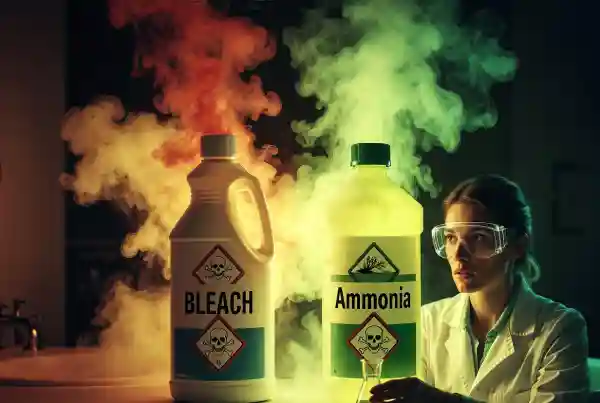
Scrubbing Bubbles contains surfactants, solvents, and sometimes bleach. These can be harsh on your lungs. But, the risk of serious irritation is low unless you mix it with other cleaners like ammonia.
How can I minimize the Risks of Inhaling Bathroom Cleaners in a small room?
To lower inhalation risks, always use the exhaust fan and keep the door open. If possible, open a window. Wearing a mask can also help filter out the mist.
Is it safe for people with asthma to use Scrubbing Bubbles Bathroom Cleaner?
People with asthma or COPD should be careful. The fumes and VOCs can cause breathing problems. It’s best to use a mask or choose non-aerosol cleaners to avoid risks.