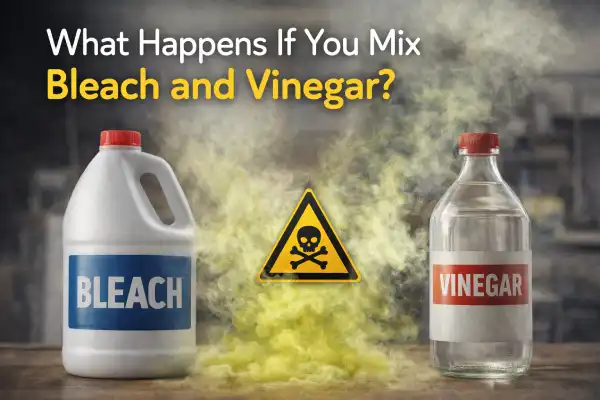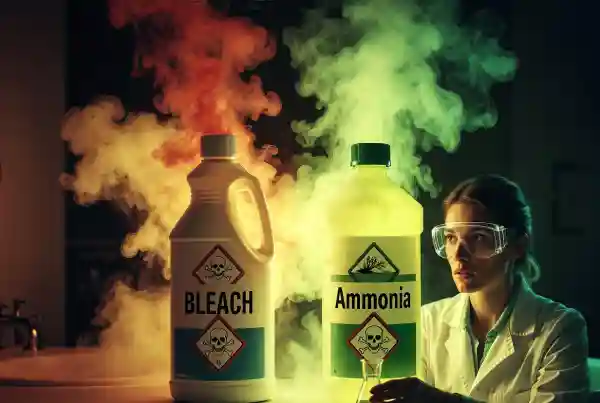
Did you know indoor air can be up to five times more polluted than outside? Many people unknowingly bring harsh chemicals into their homes while trying to clean. This is a big problem for families who want effective cleaning power without harming their health.
The popular brand often appears on store shelves, promising a gentle, plant-based approach to chores. But, many wonder if these products are truly safe for a non-toxic home. Just because a product says it’s “plant-based” doesn’t mean it’s safe for everyone.
We will look into the ingredients and the brand’s reputation to help you decide. Knowing what’s in your cleaning products is key to creating a healthier sanctuary for your family.
Key Takeaways
- Indoor air pollution is often caused by common household cleaning supplies.
- “Plant-based” labels do not always mean a product is entirely non-toxic.
- Sensitive individuals should look beyond marketing claims to verify ingredient safety.
- Transparency in labeling is vital for maintaining healthy indoor air quality.
- Evaluating specific chemical components helps protect skin and respiratory health.
Understanding the Composition of Mrs. Meyer’s Clean Day
Choosing a plant-based formula means finding a balance between cleaning power and safety. Many families want to avoid harsh chemicals that stay around after cleaning.
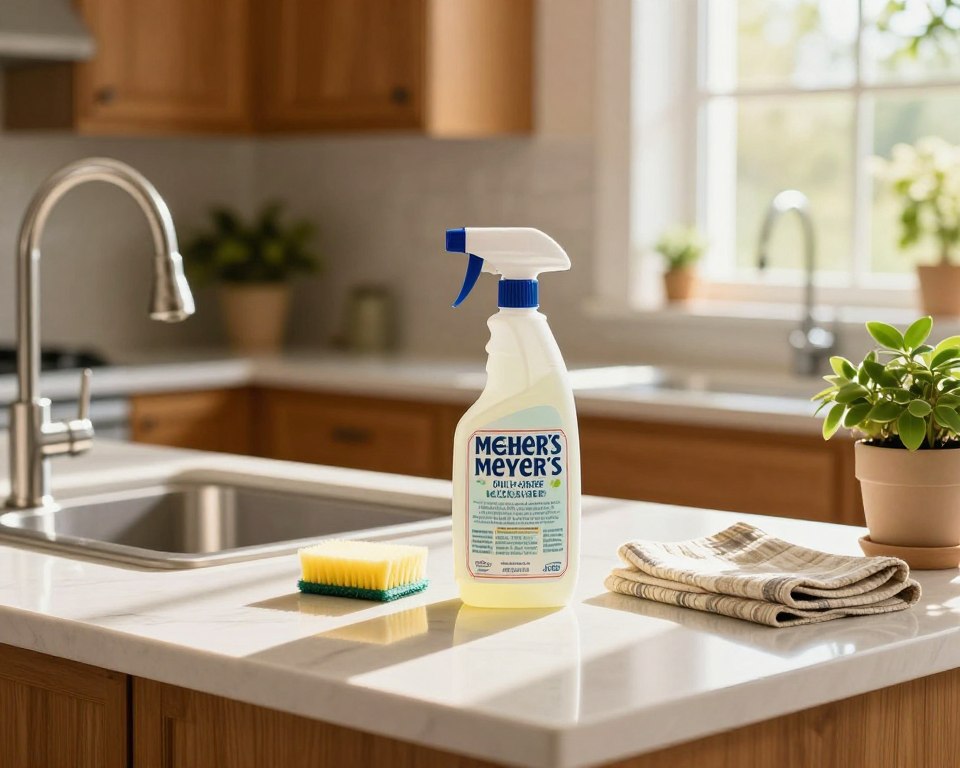
Mrs. Meyer’s Clean Day stands out by using garden-inspired scents and natural ingredients. This makes cleaning counters a nicer experience.
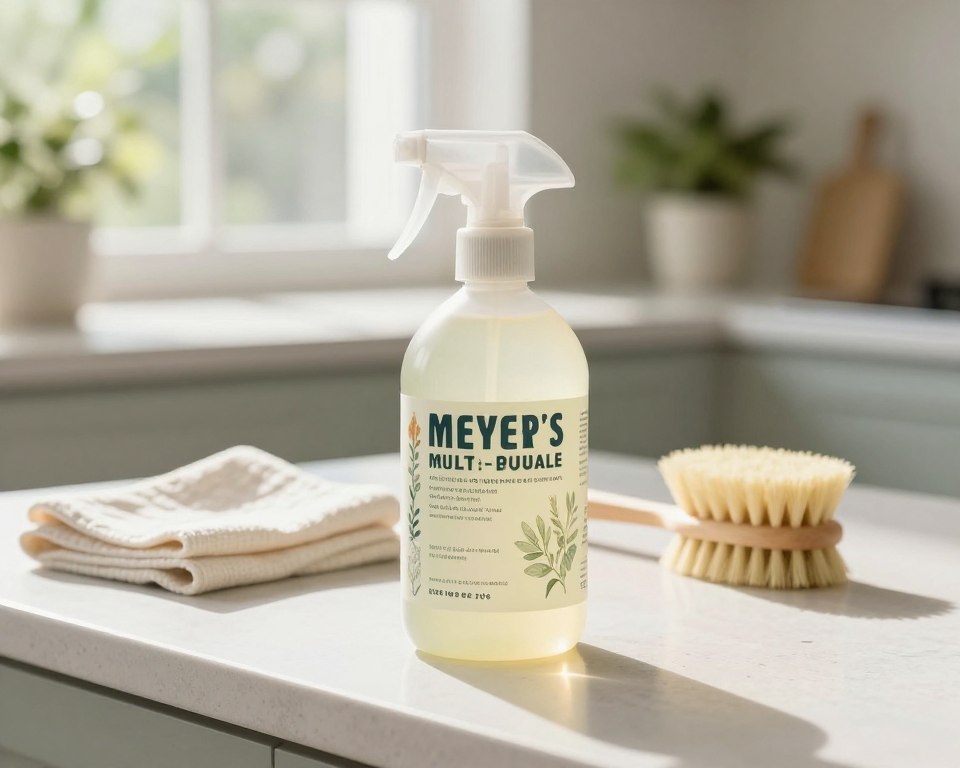
The Philosophy Behind Plant-Based Formulas
The brand believes in cleaning agents that are tough on dirt but gentle on the home. They use plant-based ingredients to create a gentle cleaning product that works well.
“We believe that cleaning should be a simple, honest, and even enjoyable part of your day.”
This belief guides their research and development. They make sure every bottle has safe, thoughtful ingredients. This way, users can trust what they’re using on their surfaces.
Key Ingredients Found in Multi-Surface Sprays
The sprays contain a mix of surfactants and essential oils. These ingredients help remove dirt and grease without harsh chemicals.
Some key ingredients are:
- Decyl Glucoside: A mild, plant-based surfactant that foams well and is safe.
- Essential Oils: These give the sprays their natural fragrances.
- Sodium Citrate: Helps adjust pH levels and boosts cleaning power.
Using these ingredients, the brand stays true to its gentle cleaning product promise. This focus on a plant-based formula draws families who want clean homes and peace of mind.
Is Mrs. Meyer’s Multi-Surface Cleaner Safe for Sensitive Homes?
Living in a sensitive home means every cleaning product counts. Families often choose products with fewer harsh chemicals. But, it’s important to check how your body reacts to these substances.
Defining Sensitivity in the Modern Household
Home sensitivity often comes from fragrances, preservatives, or volatile organic compounds. People with asthma, allergies, or sensitive skin might react to even mild cleaners. A non-toxic cleaner should avoid ingredients that cause these issues.
Today’s homes are more aware of chemical exposure. People want products that are labeled clearly and made from plants. Knowing what irritates you is the first step to a safer home.
Assessing the Risk Profile for Vulnerable Individuals
When checking if this brand is good for sensitive homes cleaner, look at preservatives. Some cleaners have isothiazolinones, which prevent germs but can irritate skin for some.
The brand uses a lot of plant-based ingredients. But, essential oils in it can also be risky. These oils are strong and might cause skin or breathing problems in very sensitive people. Watching how your household reacts to these smells is key.
Safety depends on your health. If you’re very sensitive to chemicals, test a small area first. Finding a balance between a nice-smelling home and low-irritant products is a personal choice.
Analyzing the Role of Plant-Derived Ingredients
Nature gives us strong cleaning agents, but getting them from plant to bottle is complex. Many people choose a plant-based formula because they think it’s safer. But, it’s important to know the science behind these ingredients for smart choices at home.
Benefits of Biodegradable Surfactants
Surfactants are key in cleaning solutions, helping to remove dirt and grease. Modern cleaners often use plant-derived surfactants like glucosides. These are great at breaking down grime and are gentle on the environment.
They are biodegradable, so they break down easily in your drain. This makes them a good choice for those wanting to lessen their environmental impact. A good plant-based formula uses these surfactants for a deep clean without harsh chemicals.
“The true measure of a cleaning product lies not just in its origin, but in the integrity of its entire lifecycle.”
Why Plant-Based Does Not Always Mean Non-Toxic
Many think all plant-based ingredients are safe for everyone. But, even natural ingredients can become harmful during processing. For example, some steps might add 1,4-dioxane, a substance that worries some users.
This is important for families who think a plant-based formula is always safe. It’s key to check labels for safety. Look for brands that test their products thoroughly to keep ingredients safe.
The Truth About Fragrances and Essential Oils
Many people think a nice smell means a clean home. But, the truth about fragrances is more complicated. A pleasant smell can make a place feel welcoming. Yet, the chemicals causing that smell can stay in the air for a long time.
For those with breathing problems, these particles can cause more harm than good. They can make breathing harder, not easier.
How Natural Scents Impact Indoor Air Quality
Even products called “plant-based” can release harmful chemicals into your home. These chemicals change from liquid to gas, affecting the air you breathe. If you’re worried about these additives, learning about are air fresheners safe for babies and others in your family is a good start.
Proper ventilation is the best way to reduce these risks while cleaning. Open windows or use an exhaust fan to spread out the scent. Even natural-smelling scents can cause problems for people who are very sensitive. This is because their bodies might see these strong plant extracts as allergens.
Distinguishing Between Synthetic and Natural Fragrances
The term “fragrance” on a label can mean many different things. It often hides a mix of chemicals. Companies don’t always tell you what’s in their scents, making it hard to know what might bother you.
Some brands use real essential oils, but others use cheaper synthetic versions. Transparency is key when checking if cleaning supplies are safe. Some companies list all the ingredients in their fragrances. This lets you check if any might be a problem for you. Remember, just because something is natural doesn’t mean it’s safe. Concentrated oils can still irritate your skin or lungs.
Evaluating Potential Irritants for Sensitive Skin
Protecting your skin starts with knowing what’s in your cleaners. Many think all cleaners are gentle, but some have harsh additives. A dermatologist tested cleaner is key to a comfortable home.
Common Chemical Triggers in Household Cleaners
Some preservatives can cause skin reactions. Methylisothiazolinone is a common one. It can lead to redness and itching on your skin.
Not all products are safe. Some use harsh chemicals that harm your skin. If you’re worried, check if is Mr. Clean toxic for you.
Dermatologist Tested Claims and What They Mean
The label “dermatologist tested” might seem clear, but it’s not always. In personal care, it means a doctor checked the product. But in cleaning, it’s not as strict.
Choosing a dermatologist tested cleaner means you’re safe. Look for clear testing details. Here’s what to do when shopping:
- Check the ingredient list for known allergens like synthetic fragrances.
- Look for third-party certifications that verify the product’s safety claims.
- Prioritize formulas that are free from harsh preservatives like parabens or isothiazolinones.
Choosing a dermatologist tested cleaner is wise for those with sensitive skin. Knowing what’s in your cleaners helps avoid skin problems while keeping your home clean.
Comparing Mrs. Meyer’s to Traditional Chemical Cleaners
Modern, plant-based formulas are surprisingly effective against harsh chemical cleaners. Many think using a non-toxic cleaner means giving up on deep cleaning. But, green chemistry has made a big difference.
The Shift Toward Gentle Cleaning Products
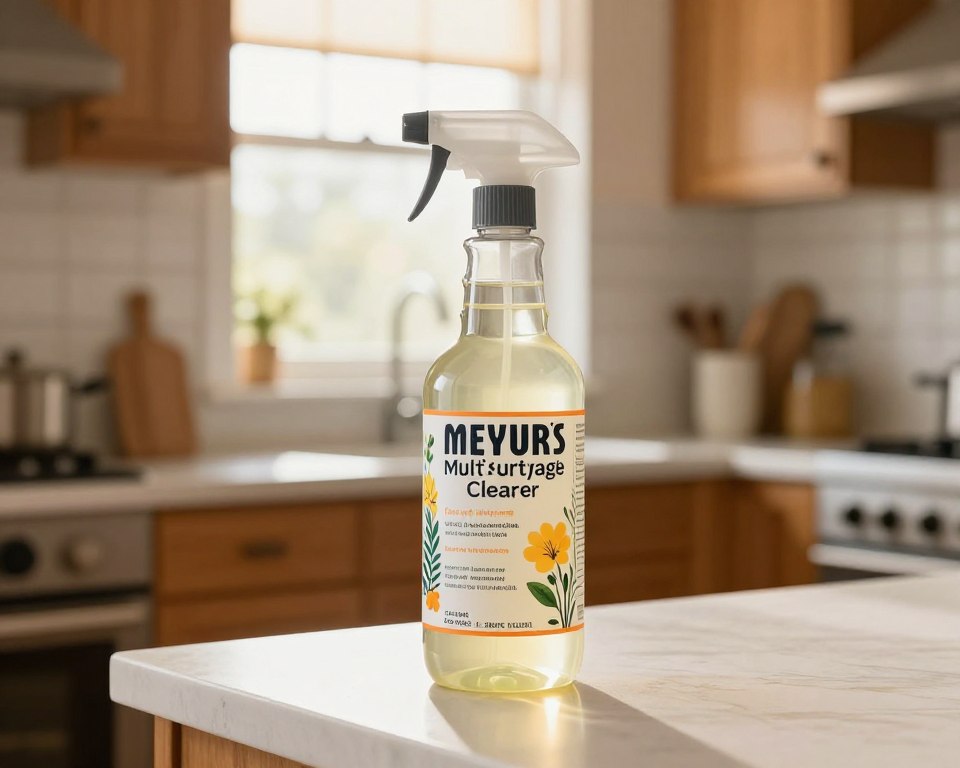
People want to avoid harmful chemicals in cleaners. Traditional cleaners can irritate your skin or lungs. But, Mrs. Meyer’s uses plant-based ingredients that clean well without harsh chemicals.
This change is key for families who care about air quality. If you’re wondering about the safety of cleaners during pregnancy, check out this resource.
Performance Differences in Heavy-Duty Cleaning
When dealing with tough messes, the main difference is in how they work. Traditional cleaners act fast, but plant-based ones might need a bit more time. Be patient when switching to natural cleaners.
Letting the cleaner sit for a moment helps it work better. This simple change keeps your home clean without using harmful chemicals. Choosing a non-toxic cleaner means you can have a clean home without worrying about toxins.
Best Practices for Using Cleaners in Homes with Allergies
Creating a safe home for your family means using sensitive homes cleaner wisely. Choosing the right cleaner is just the start. How you use it affects your air quality. By changing your cleaning habits, you can cut down on harmful smells and chemicals.
Ventilation Strategies During Cleaning
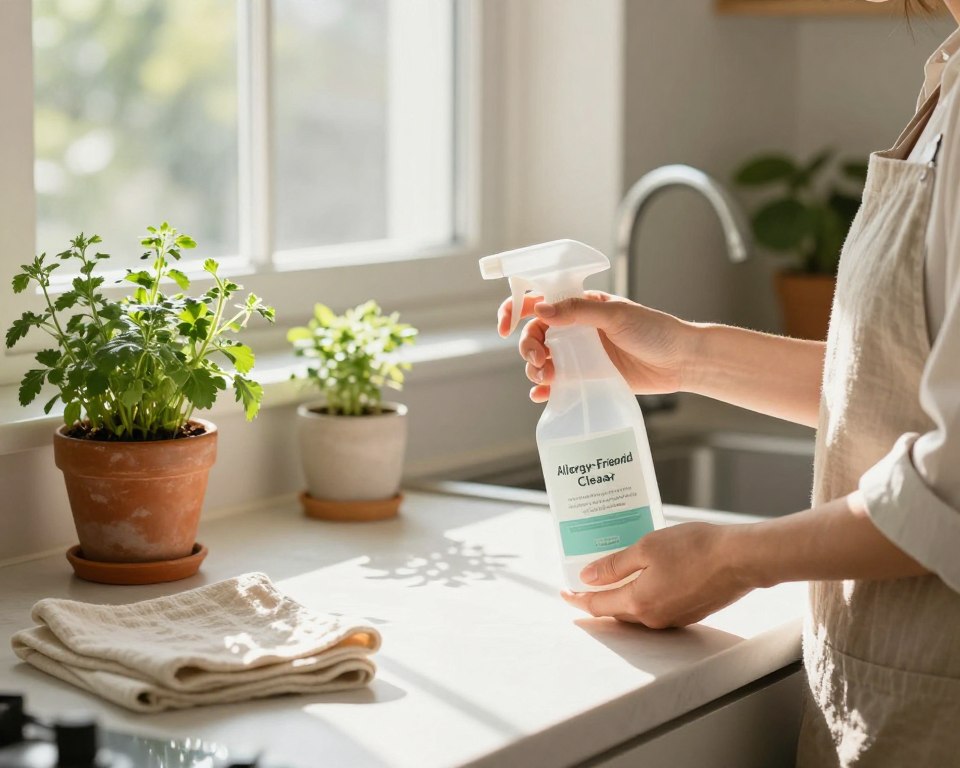
Good airflow is key to avoiding strong cleaning smells. Always open windows or doors while cleaning. If it’s too cold outside, use a top-notch air purifier or exhaust fan to clear the air.
Cleaning at the right time is also important. Clean when no one sensitive is around. This way, any bad air clears before they get back in.
Reducing Residue on High-Touch Surfaces
Even gentle cleaners can leave residue on surfaces like doorknobs and countertops. Always finish with a clean, damp cloth to remove extra cleaner. This step keeps surfaces dust-free and safe.
Wondering if your cleaners are safe? Check if they’re toxic by how well you rinse them. Diluting your cleaner a bit more can also make it safer for your home.
| Cleaning Habit | Benefit for Sensitivity | Frequency |
|---|---|---|
| Cross-Ventilation | Reduces airborne irritants | Every cleaning session |
| Damp Cloth Rinse | Removes chemical residue | After every spray application |
| Product Dilution | Lowers concentration levels | As needed for light tasks |
| Microfiber Usage | Traps dust and allergens | Daily maintenance |
Environmental Impact and Eco-Friendly Considerations
Choosing an eco-friendly cleaning solution is a great step for a healthier planet and a safer home. Many families now look beyond a product’s cleaning power. They consider its entire lifecycle, from how it’s made to what happens after use.
Sustainability of Packaging and Ingredients
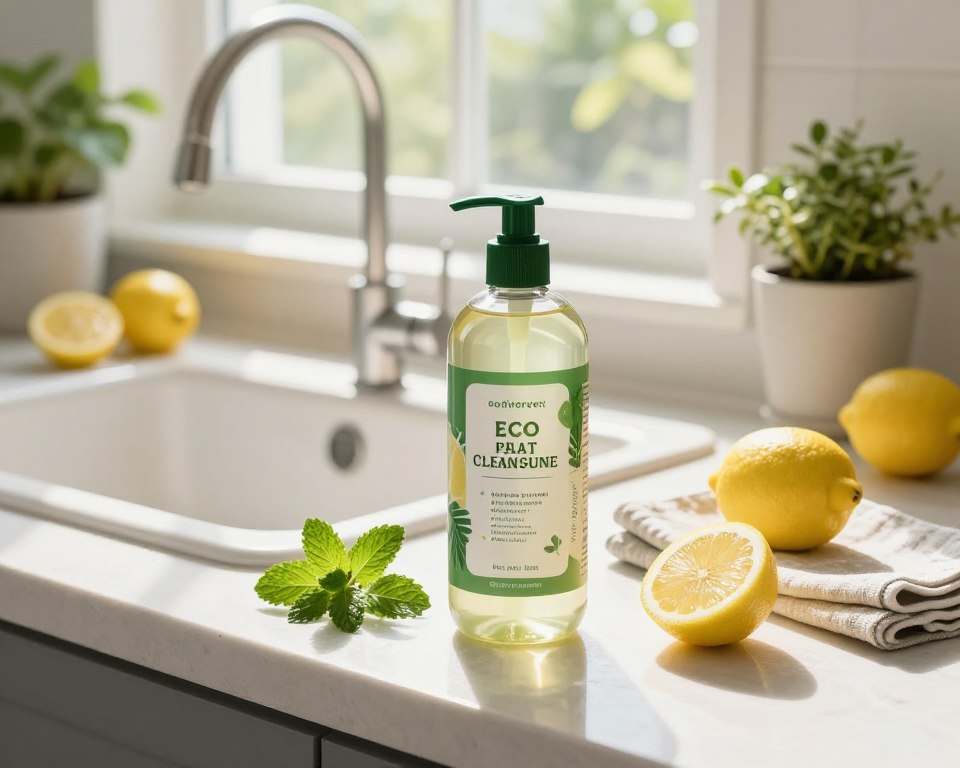
The brand works to reduce waste with smart packaging. Many products now have refillable systems, cutting down on single-use plastic. This is key for families wanting to reduce their environmental impact.
The ingredients are also chosen with the earth in mind. The company uses biodegradable formulas that naturally break down in water. Some might wonder about the safety of certain soaps, like is Dawn dish soap toxic. But, the brand’s transparency in ingredients shows it cares about safety.
“Sustainability is not just about the product inside the bottle; it is about the entire journey from the factory to your home.”
The Role of Eco-Friendly Cleaning Solutions in Green Homes
Using an eco-friendly cleaning solution in your routine makes your home balanced. These products avoid harsh chemicals that can harm the air or surfaces. Choosing eco-friendly items supports a healthier home for your family and pets.
The table below shows how modern, conscious cleaning products differ from traditional ones:
| Feature | Traditional Cleaners | Eco-Friendly Options |
|---|---|---|
| Packaging | Single-use plastic | Refillable/Recycled |
| Ingredients | Synthetic chemicals | Plant-derived |
| Biodegradability | Low | High |
| Waste Impact | High | Minimal |
Choosing an eco-friendly cleaning solution is about making consistent choices. Small changes, like using concentrated refills or picking brands with clear goals, make a big difference. This way, your home stays clean without harming the planet.
Navigating Labeling and Transparency in Cleaning Products
Understanding cleaning product labels can be tricky. Many brands claim to be pure, but the details often reveal a different truth. To find a safe household cleaner for your family, start by ignoring marketing jargon.
How to Read Ingredient Lists Effectively
Many think all ingredients are listed on cleaning products. But, unlike food or cosmetics, cleaning supplies have less strict rules. You might see terms like “surfactants” or “fragrance,” which hide many chemicals.
Look for brands that show full ingredient transparency on their websites. You can find detailed info by scanning a QR code or visiting their online portal. For more insight, check out a detailed Mrs. Meyer’s review to see how they disclose ingredients.
“True transparency is not just about listing ingredients; it is about providing the context that allows consumers to make informed decisions about their health and environment.”
Understanding Regulatory Standards for Safe Household Cleaners
The rules for cleaning products in the U.S. are not clear-cut. Unlike food, makers don’t always list every chemical. This means some ingredients that might bother people are not shown.
When looking for a safe household cleaner, know the rules. Choose companies that follow strict standards or go beyond what’s required. For more info, learn about whether baby-safe laundry detergent is really safer for your home.
- Check the company website for a complete list of ingredients.
- Look for certifications from reputable environmental organizations.
- Avoid products that rely solely on vague terms like “natural” or “green.”
Tips for Testing New Products on Sensitive Surfaces
Protecting your home’s delicate surfaces is easy with a simple test. Before using a new cleaner, make sure it won’t damage your materials. A quick test can save you from costly mistakes or surprises.
Performing a Patch Test for Surface Compatibility
A patch test is key to ensuring a product is safe for your home. Choose a hidden spot, like the back of a chair leg. Apply a small amount and wait before wiping it off.
Watch the area for 24 hours for any changes. If nothing changes, you can use it on visible areas. This is crucial for materials like natural stone or antique wood.
Monitoring Reactions in Shared Living Spaces
Think about how a new product affects your home’s air and comfort. Notice any smells or physical reactions after cleaning. If someone sneezes or gets skin irritation, it’s a sign the product isn’t right.
Keep a log of products and reactions to find out what works. This helps make your home a healthier living space for everyone. Here’s a table to guide you on testing different household materials.
| Surface Type | Testing Method | Observation Time | Success Indicator |
|---|---|---|---|
| Hardwood Floors | Small corner spot | 24 Hours | No finish dulling |
| Natural Stone | Hidden edge test | 48 Hours | No etching or spots |
| Upholstery | Underside fabric | 12 Hours | No color bleeding |
| Stainless Steel | Back panel area | 6 Hours | No streaking or haze |
Addressing Common Concerns for Pet-Friendly Households
Creating a safe space for pets starts with knowing what’s in your cleaning products. Pets are at risk because they spend a lot of time on the ground. Being proactive about what you use to clean is crucial for pet safety.
Safety Considerations for Cats and Dogs
Many cleaners have harsh chemicals that can harm pets if they get them on their paws or eat them. It’s important to know about cleaning products that harm pets, like strong antibacterial agents or bleach. These can irritate or even harm pets if they groom their paws after walking on wet floors.
Choosing plant-based cleaners can be safer. But, even natural products need caution. Make sure the area is dry before letting pets back in to avoid them tracking wet residue.
Managing Residue on Floors and Pet Bedding
To keep your home safe for pets, managing residue is key. Use a damp mop with a diluted solution for cleaning floors. This method reduces leftover product while still cleaning well.
For pet bedding, avoid strong chemical cleaners that leave synthetic fragrances. These can upset a pet’s sensitive nose and cause breathing problems. Instead, use mild, unscented, or natural soaps that wash away easily.
| Cleaning Task | Pet Safety Tip | Frequency |
|---|---|---|
| Floor Mopping | Use diluted solutions and allow to air dry completely. | Weekly |
| Pet Bedding | Wash with fragrance-free, mild detergents. | Bi-weekly |
| Surface Wiping | Avoid direct contact with pet food bowls. | Daily |
| Spot Cleaning | Ensure area is dry before pet re-entry. | As needed |
By following these simple guidelines, you can keep your home clean without risking your pets’ health. Consistency is key to keeping your home safe and comfortable for all family members.
Expert Perspectives on Hypoallergenic Cleaning Standards
Understanding cleaning labels can be tricky. Many people look for a hypoallergenic cleaner to ensure safety. But, the term is often used too loosely in ads. This can confuse shoppers who want a non-toxic cleaner for their families.
What Makes a Cleaner Truly Hypoallergenic
A product is called hypoallergenic if it’s made to avoid allergic reactions. But, since there’s no strict rule, companies can use this term without thorough tests. This means a hypoallergenic cleaner might still cause problems for some people.
To really know if a cleaner is safe, you need to look at its ingredients. A good non-toxic cleaner should not have harsh dyes, synthetic smells, or irritants. It’s important to remember that no product is 100% safe for everyone.
The Importance of Third-Party Certifications
Getting a product tested by an independent group is the best way to know it’s safe. These groups do real tests to check if a non-toxic cleaner really works. Their stamps of approval are more reliable than ads.
Seeing these seals means you can trust your purchase more. These groups check everything from where the ingredients come from to how the product affects the environment. Choosing products with these stamps helps keep your home clean and your family safe. Transparency is the gold standard for any household item.
Conclusion
Choosing the right cleaning supplies is key. It’s about finding products that work well and are safe for your health. Mrs. Meyer’s offers a nice scent with plant-based cleaners, but it might not be for everyone.
People with severe allergies or sensitivities might prefer fragrance-free cleaners. These options can give you peace of mind.
It’s important to know what’s in your cleaning products. Knowing the ingredients helps you avoid things that might irritate you. If you want to learn more about cleaning products, you can check out this link.
Being informed about what you use at home is crucial. It helps you create a healthier space for everyone.
Small changes can make a big difference in your daily life. Make sure to ventilate well, wear protective gear, and keep things stored safely. Always test new products on a small area first to see if you have any reactions.
By doing your research and choosing safe ingredients, you can make your home a place of comfort and cleanliness.
FAQ
Is Mrs. Meyer’s Multi-Surface Cleaner safe for sensitive homes with asthma?
While Mrs. Meyer’s is gentle, its natural essential oils can still be a problem for those with severe respiratory issues. Always clean in well-ventilated areas for the best air quality.
Is this considered a non-toxic cleaner?
It’s seen as non-toxic for most household use. But, it does have preservatives like Methylisothiazolinone. Some people with specific allergies may want to avoid it.
Does Mrs. Meyer’s offer a hypoallergenic cleaner option?
Most Mrs. Meyer’s products have fragrances, which can be allergens. For a strictly hypoallergenic option, look for scent-free products or those labeled for ultra-sensitive skin.
How does the plant-based formula handle heavy grease?
The plant-based formula uses surfactants like Decyl Glucoside to clean well. It works great on kitchen counters and daily messes, just like harsh chemicals.
Is Mrs. Meyer’s a dermatologist tested cleaner?
Yes, many of their products are marketed as dermatologist tested. This means they are unlikely to irritate most people during normal use.
Can I use this as an eco-friendly cleaning solution in a greywater system?
Yes, it’s a good choice for eco-friendly cleaning. It uses biodegradable ingredients and avoids harsh chemicals, making it safe for greywater systems.
What makes this a safe household cleaner for families with pets?
It’s safe because it avoids harsh chemicals like bleach and ammonia. Always make sure surfaces are dry before pets can walk on them.
Why is Mrs. Meyer’s preferred as a sensitive homes cleaner?
It’s preferred because it balances cleaning power with a focus on avoiding harsh chemicals. This makes it a better choice for sensitive homes.