Did you know indoor air can be up to five times more polluted than outside air? Many homeowners clean surfaces well but forget about the chemical vapors in the air. Properly maintaining your indoor air quality is as important as cleaning visible dirt.
Airing out a room after cleaning is key to avoiding high humidity and condensation. Fresh air circulation stops harmful microbes from spreading. Knowing how long to ventilate is crucial for a healthy home.
Remember, cleaning product fumes can last for hours, depending on the surface. Refreshing your space ensures it stays safe and comfy for all.
Key Takeaways
- Indoor air quality often suffers due to trapped chemical residues from household products.
- Ventilation is the most effective way to reduce peak concentrations of airborne pollutants.
- High humidity and condensation can lead to mold growth if rooms are not properly aired out.
- Surfaces like upholstery and curtains can act as reservoirs, releasing vapors long after you finish.
- Opening windows or using exhaust fans creates a necessary exit path for stagnant, contaminated air.
The Importance of Air Quality After Cleaning
Knowing the importance of ventilating rooms is key to a healthy home. We often focus on making our homes look good. But, the air quality is just as important for our health. Good airflow helps keep our homes safe and fresh to breathe.
Why Indoor Air Becomes Stagnant
When we keep windows and doors shut, our indoor air gets stale. This stillness lets moisture build up, which is bad for microbes and mold. Without air movement, pollutants stay inside, making it crucial to keep rooms well-ventilated.
The Role of Cleaning Agents in Air Pollution
Many household cleaners release harmful chemicals that stay around after cleaning. Learning about cleaning products and indoor air quality can help. Some cleaners, like those with harsh solvents, need extra care. It’s like checking if nail polish remover or acetone is safe for certain surfaces.
Benefits of Fresh Air for Respiratory Health
Getting fresh air is vital for good breathing health in your home. It helps remove chemical residues, lowering irritation risks. Understanding the importance of ventilating rooms helps make your home a healthier place.
| Factor | Impact on Air Quality | Recommended Action |
|---|---|---|
| Chemical Residue | High irritation risk | Increase ventilation |
| Humidity Levels | Promotes mold growth | Open windows/vents |
| Stagnant Air | Traps allergens | Use cross-breeze |
| Fresh Air Intake | Improves oxygen levels | Daily air exchange |
Factors That Influence Ventilation Duration
Creating a healthy indoor space is more than just opening a window. It’s about knowing what affects airflow. Many think a standard time works for all, but it doesn’t. Tailoring your approach keeps your home safe after cleaning.
Size and Layout of the Room
The size of your space affects air refreshment speed. Small areas like bathrooms trap pollutants quickly. So, small rooms need ventilation 3-4 times more often than big ones.
Layout also impacts air flow. Rooms with one window or limited entry points have stagnant air. If your room is complex, fans can help with ventilation duration.
The Potency of Cleaning Chemicals Used
Not all cleaning products are safe for indoor air. Heavy-duty agents increase airborne particles. Knowing if your cleaning chemicals are harmful to breathe is crucial.
Stronger solvents or aerosol sprays take longer to clear than mild soaps. Always check labels for air recovery times. Prioritizing safety means waiting for vapors to fully dissipate before returning.
Humidity Levels and Their Effect on Evaporation
High humidity slows down ventilation. Moist air makes chemical residue evaporation slower. This means ventilation time might be longer in humid weather.
Dry air, on the other hand, allows for faster evaporation. Monitoring humidity helps decide when it’s safe to close windows. By considering these factors, you can improve air quality after cleaning.
Understanding Volatile Organic Compounds in Cleaning Products
Cleaning your home is important, but the products you use might harm your air quality. Many household items release chemicals called Volatile Organic Compounds, or VOCs. These can stay in the air long after cleaning. It’s key to know about these substances for better indoor air.
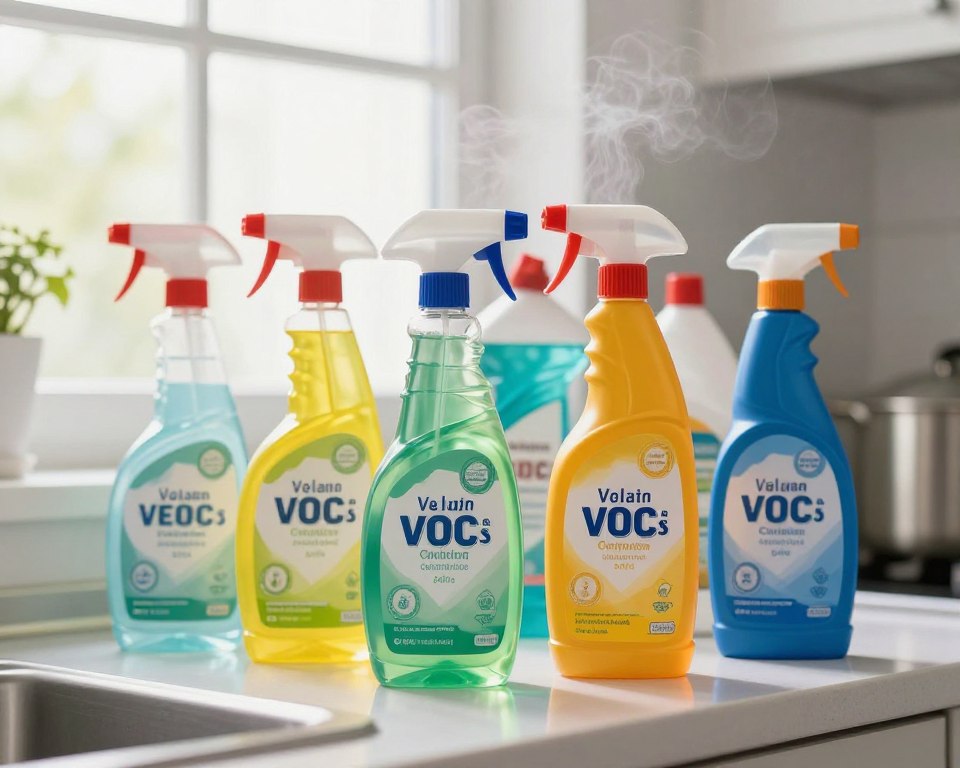
What Are VOCs and Why They Matter
VOCs are chemicals that turn into gas at room temperature. Using cleaning products with VOCs releases them into the air. Everyone in the house can breathe them in.
In apartment buildings, these gases can spread through gaps around pipes. This affects neighbors, even if they didn’t clean their units.
If you feel dizzy or lightheaded while cleaning, know what to do. Learn how to protect your respiratory from these gases. They are not just a smell; they are harmful chemicals.
Identifying High-VOC Cleaning Supplies
Not all cleaners are the same. Some have more VOCs than others. Look for terms like “fragrance,” “solvents,” or specific alcohols on labels. Aerosol sprays, oven cleaners, and heavy-duty degreasers often have high VOCs.
Choose products labeled as “low-VOC” or “VOC-free” to reduce risks. Being careful about what you bring into your home helps keep your indoor air quality safe for your family.
| Product Type | Common VOC Source | Risk Level |
|---|---|---|
| Aerosol Sprays | Propellants | High |
| Degreasers | Glycol Ethers | Moderate to High |
| Glass Cleaners | Ammonia/Solvents | Moderate |
| Natural Cleaners | Essential Oils | Low |
Long-Term Exposure Risks
Long-term exposure to VOCs can cause more than just short-term problems. It may lead to chronic respiratory issues or headaches. Long-term exposure is a big concern, mainly in poorly ventilated homes where these gases get trapped.
“The cumulative effect of indoor air pollutants is often underestimated, yet it plays a critical role in our overall well-being and daily comfort.”
By using fewer harsh chemicals and ensuring good airflow, you can lower these risks. Small steps today can make your home safer and healthier for the future.
Natural Ventilation Techniques for Faster Air Exchange
Using nature’s power is the best way to improve your air quality. Effective room ventilation strategies help get rid of cleaning smells and particles fast. These methods save money and are good for the environment, keeping your home healthy.
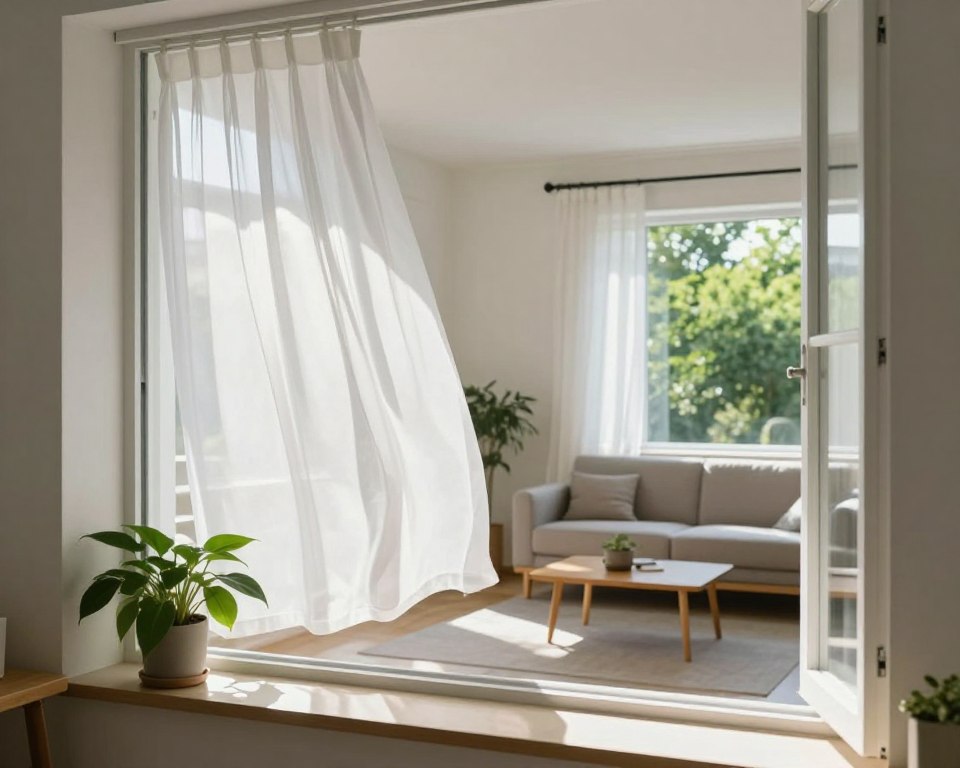
Creating Cross-Ventilation Patterns
To refresh a room, make a path for air to move. Open windows on opposite sides of your home. This creates a strong draft that pushes out old air and brings in fresh air. It’s key for keeping air moving well in your space.
- Find windows that face each other across a room or hallway.
- Open both windows fully to make the most of the air difference.
- Make sure interior doors are open to let air move between rooms.
The Stack Effect Explained
The stack effect is another natural air movement. Warm air is lighter than cold air, so it rises and goes out through higher openings. This creates a vacuum that pulls cooler, fresh air in through lower windows or vents.
To use this, open windows on the lowest and highest levels of your home. This vertical airflow works well in multi-story homes or places with tall ceilings. It helps air move without needing machines.
Using Window Fans Effectively
At times, nature needs a bit of help to move air. Window fans are a great effective room ventilation strategy when there’s no breeze outside. The right placement is crucial for these devices.
Here are some tips for the best results:
- Exhaust Mode: Put the fan in a window to blow air out, which pulls fresh air in through other open windows.
- Intake Mode: Use the fan to push fresh outdoor air directly into the room.
- Strategic Positioning: Use fans in rooms where you used the strongest cleaning chemicals to ensure those specific areas are cleared first.
Mechanical Ventilation and Air Purification Systems
When natural breezes can’t clear the air, mechanical systems help keep your home healthy. Technology ensures air circulation after cleaning stays consistent, even when it’s not windy outside.
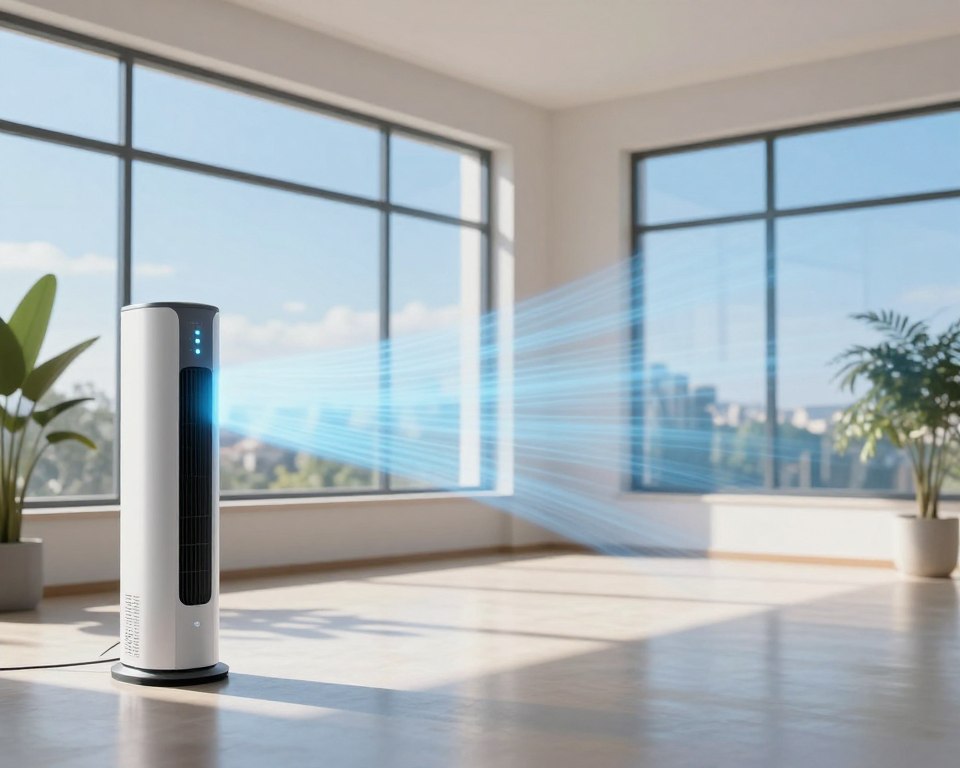
Role of HVAC Systems in Air Circulation
Your home’s HVAC system is a key tool for fresh air. Running it at 0.5 air changes per hour can cut chemical contaminants to 1% of their original amount.
To achieve this purity, keep the system on for over 9 hours after a deep clean. This steady flow ensures fresh air spreads evenly, avoiding stagnant air in corners or closets.
“The quality of the air we breathe indoors is just as vital as the cleanliness of the surfaces we touch.”
Using HEPA Air Purifiers Post-Cleaning
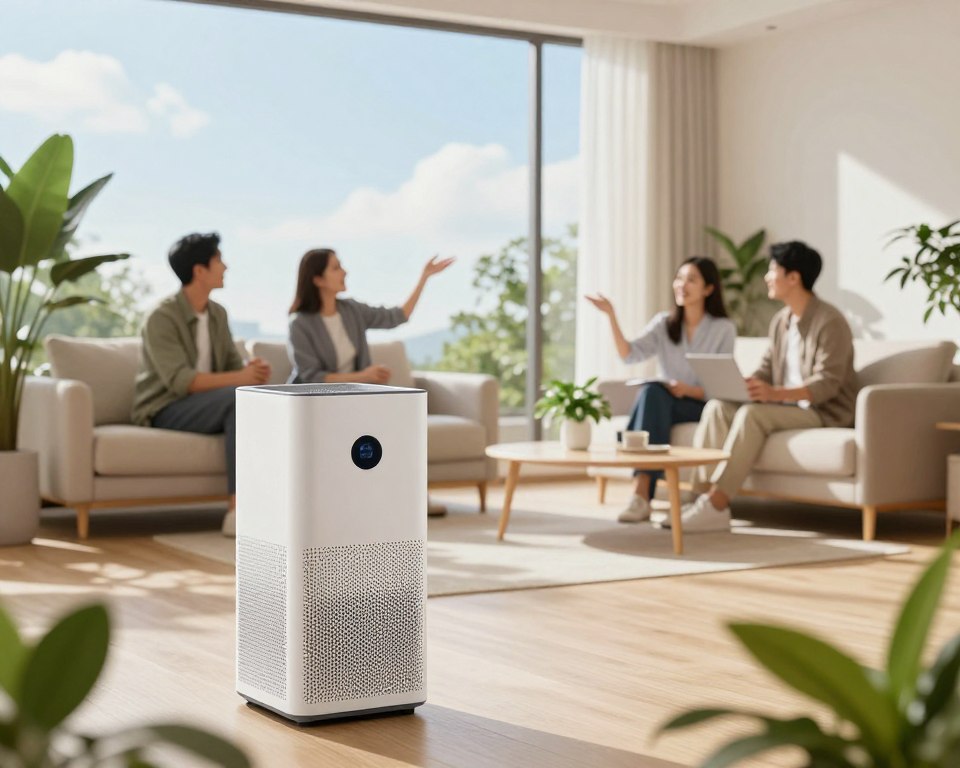
While HVAC systems circulate air, HEPA air purifiers catch tiny particles left after cleaning. These devices are essential for catching dust, dander, and chemical residues that regular filters might miss.
Having a purifier in the room you cleaned will greatly improve air circulation after cleaning. It acts as a local air scrubber, keeping the air you breathe clean and free of irritants.
Exhaust Fans in Bathrooms and Kitchens
High-moisture areas need special care to avoid mold and chemical buildup. Exhaust fans pull out humid, contaminated air, which is crucial for air circulation after cleaning.
- Always run bathroom fans for at least 30 minutes after cleaning with harsh chemicals.
- Use kitchen range hoods to vent grease-cutting agents outside.
- Ensure your exhaust vents are clean to maintain maximum airflow efficiency.
By using these mechanical methods together, you build a strong defense against indoor pollutants. This multi-layered approach keeps your home a safe and comfortable space for your family.
Room-Specific Ventilation Requirements
Every room in your home has its own purpose. This means your ventilation needs to be unique too. While general airflow is good, some areas need special attention. This helps manage moisture, odors, and chemicals better. By tailoring your ventilation to each room, you can greatly improve your indoor air quality.
Ventilating Bathrooms After Deep Cleaning
Bathrooms are very moist and can grow mold and mildew if not well-ventilated. After a deep clean, turn on the exhaust fan for at least 30 minutes. This helps remove any remaining humidity. If you used strong cleaning products, open the door and window. This lets chemical fumes escape quickly.
Kitchen Airflow After Degreasing
Kitchens need extra care, mainly after dealing with grease. Heavy-duty degreasers can be strong and harmful if not aired out. Always use your range hood during and after cleaning. If your kitchen doesn’t have a strong exhaust, open windows on opposite sides for better air flow.
Bedroom Ventilation for Better Sleep Quality
Your bedroom should be a place for rest and clean air. Poor air circulation can lead to bad air and dust, which can mess up your sleep. Open windows for at least 15 minutes before bed. This helps you breathe fresh air all night, leading to better sleep quality and feeling more alert in the morning.
| Room Type | Primary Concern | Recommended Action |
|---|---|---|
| Bathroom | Humidity & Mold | Run exhaust fan for 30+ minutes |
| Kitchen | Grease & Fumes | Use range hood and cross-ventilation |
| Bedroom | Stagnant Air | Open windows before sleep |
Seasonal Considerations for Airing Out Your Home
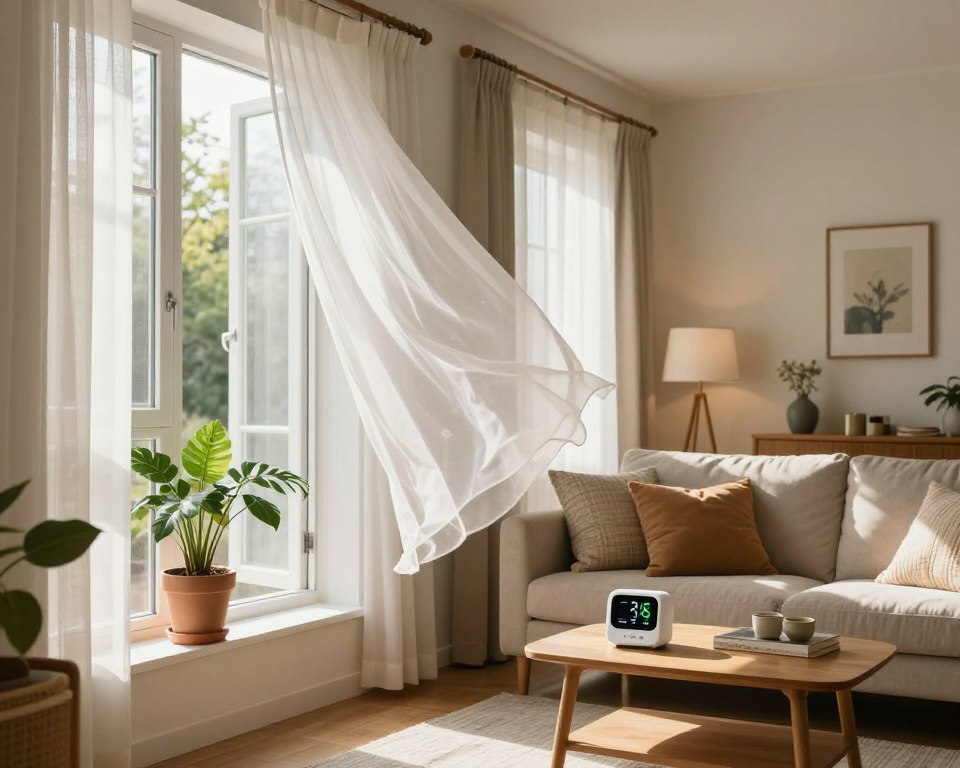
Changing your seasonal ventilation habits with the weather is key to a healthy home. Cleaning gets rid of surface dirt, but your home’s air needs regular freshening. By adjusting your routine with the seasons, you can keep your home comfortable and the air quality optimal.
Ventilation Strategies During Summer Heat
In the warmer months, you can keep windows open longer. To clear out odors and humidity, open windows for up to 30 minutes. Do this 5 to 6 times a day for consistent home airflow.
If it’s too hot outside, ventilate in the cooler morning or evening. This keeps your home comfortable while refreshing it. Fans can help push out stale air on these hot days.
Managing Airflow in Cold Winter Months
In winter, keeping indoor air quality right is tricky without losing too much heat. Use the “short burst” method. Open windows wide for just 5 minutes, 3 to 4 times a day, for a quick air exchange.
This method is great at removing moisture and odors without cooling your home too much. It also saves energy by not overworking your heating system. Always close windows tightly after to keep your home warm.
Dealing with High Pollen Counts During Spring
Spring’s high pollen counts make ventilation hard for those with allergies. Ventilate when pollen levels are lower, like late at night or after rain. Window screens can also help filter out big particles.
If pollen is bad outside, use air purifiers with HEPA filters instead. This way, you can keep windows closed and still have clean air. Mixing these methods keeps your home comfortable all year.
| Season | Duration per Session | Frequency per Day | Primary Goal |
|---|---|---|---|
| Summer | 30 Minutes | 5-6 Times | Humidity Control |
| Winter | 5 Minutes | 3-4 Times | Energy Efficiency |
| Spring | Variable | As Needed | Allergen Reduction |
Monitoring Indoor Air Quality During and After Cleaning
Now, you can stop guessing about ventilation with smart tools. These devices show you the pollutants in your home after cleaning. They help your home get back to being healthy fast by tracking air circulation after cleaning.
Using Smart Air Quality Monitors
Modern smart monitors are like your own indoor health lab. They track VOCs, particles, and humidity in real-time. Investing in a high-quality sensor lets you see how cleaning products affect your air.
These devices connect to your phone, sending alerts when air quality drops. This tech helps you find out which cleaners harm your air the most. You can then adjust your ventilation based on real data, not guesses.
Interpreting Air Quality Index Data
The Air Quality Index (AQI) shows how clean or polluted the air is. Most monitors use a color-coded scale for easy reading. Following room air quality guidelines is key to a safe home.
When the AQI hits “moderate” or “unhealthy,” it’s time to boost airflow. Consistency is key when checking these metrics. Watching trends helps you know how long it takes for your home to clear out chemicals.
When to Stop Ventilating Based on Sensor Readings
Knowing when to close windows depends on air change rate and ventilation time. Keep windows open until your monitor shows “good” or “green” air. This approach saves energy by avoiding over-ventilation.
| AQI Level | Air Quality Status | Recommended Action |
|---|---|---|
| 0-50 | Good | Close windows to maintain temperature |
| 51-100 | Moderate | Keep minimal ventilation active |
| 101-150 | Unhealthy for Sensitive Groups | Increase airflow immediately |
| 151+ | Unhealthy | Use mechanical purifiers and maximize cross-ventilation |
Following these room air quality guidelines keeps your home a safe haven. Smart monitoring optimizes air circulation after cleaning without sacrificing comfort. Smart monitoring is the best way to protect your indoor air.
Best Practices for Effective Room Ventilation
Good room ventilation is key to a fresh, healthy home. It’s important after cleaning. By following some room ventilation tips, you can keep your home air clean and free from chemical smells. Staying consistent is the best way to keep your home’s air quality good.
Timing Your Cleaning Sessions
When you clean matters a lot. Try not to clean when air pollution is high, like during rush hour. This is because traffic fumes can bring in bad stuff you don’t want inside.
Instead, clean in mid-morning or early afternoon. These times usually have better air quality. This way, you can get the air in your home to change without bringing in pollution from outside. Following these best practices for room ventilation helps keep your home clean.
Establishing a Routine for Daily Air Exchange
Having a regular routine is important for a healthy home. Open windows for at least ten minutes every morning. This simple step keeps the air fresh and prevents stale air from building up.
Use these cleaning tips for proper ventilation to make your routine easier. If you live in a busy area, open windows on the side away from the road. This helps keep dust and exhaust out while bringing in fresh air.
Safety Precautions While Cleaning
Always make sure you have enough airflow before using strong chemicals. Keep doors and windows open to avoid the buildup of harmful fumes. If you start to feel dizzy or smell something strong, get outside right away.
Using effective room ventilation strategies keeps you and your family safe from breathing problems. Wear protective gear when using strong cleaners in small spaces. Being careful is the best way to ensure a safe cleaning session.
| Strategy | Benefit | Frequency |
|---|---|---|
| Avoid Rush Hour | Reduces pollutant intake | Daily |
| Cross-Ventilation | Speeds up air exchange | During cleaning |
| Morning Airing | Removes overnight CO2 | Daily |
| Exhaust Usage | Targets moisture removal | Post-cleaning |
Common Mistakes to Avoid When Ventilating Rooms
Many homeowners accidentally block fresh air from entering their homes. Even with good intentions, small mistakes can stop air from circulating well. By following room ventilation tips correctly, you can keep your home healthy and free from pollutants.
Closing Windows Too Early
One common error is closing windows too soon. People often shut them when the cleaning smell fades. But, tiny particles can still linger. Patience is key for truly refreshing your indoor air.
In colder climates, keeping windows shut to save on heating costs is tempting. But, be careful not to freeze indoor plants. Finding a balance between comfort and best practices for room ventilation is crucial for both you and your plants.
Over-relying on Air Fresheners
Many think a nice smell means clean air. Homeowners often use aerosol sprays or plug-in fresheners to hide cleaning odors. But, these products add more chemicals to the air, not remove them.
Instead of using artificial fragrances, focus on exchanging the air. Relying on synthetic scents can irritate your lungs. True freshness comes from replacing stale air with clean outdoor air, not from covering up odors with artificial perfumes.
Ignoring Air Intake Vents
While many focus on windows, they often forget about air intake vents. These vents help control airflow but are often blocked by furniture or dust. If vents are blocked, your home can’t breathe well, even with open windows.
Take time to check your vents and make sure they’re clear. Keeping these pathways open is a key cleaning tip for proper ventilation. By maintaining these systems, your home can breathe efficiently, keeping it healthy for everyone.
Health Impacts of Poor Post-Cleaning Ventilation
Many homeowners don’t realize the dangers of chemical fumes after cleaning. The importance of ventilating rooms is huge. If you don’t clear the air, harmful particles can build up, harming your home’s air quality.
Symptoms of Chemical Sensitivity
Being around strong cleaning agents can cause quick reactions. You might feel unexplained headaches, dizziness, or feel lightheaded soon after cleaning. Some people also get watery eyes, throat irritation, or a cough out of nowhere.
These signs mean the air quality has dropped too low. Good post-cleaning room ventilation helps dilute these harmful substances, preventing discomfort.
Long-Term Respiratory Concerns
Regularly breathing in chemical residues can harm your health over time. It can make existing conditions worse or even cause chronic respiratory problems. Protecting your lungs is crucial when using strong cleaning products.
Not letting in fresh air makes your home a source of irritation. By keeping the importance of ventilating rooms in mind, you lower the risk of long-term health issues.
Protecting Vulnerable Household Members
Some people are more at risk from poor air quality. Kids, the elderly, and those with asthma or allergies need extra care. Their bodies are more sensitive to the chemicals in cleaners.
Make sure to do thorough post-cleaning room ventilation before letting vulnerable family members or pets back in. This simple step makes your home safer and healthier for everyone.
How Long Should You Ventilate a Room After Cleaning
Creating a healthy indoor space is more than just cleaning surfaces. It’s also about letting in fresh air. Knowing how long should you ventilate a room after cleaning is key to keeping your home safe. Without enough air, dust and chemicals can stay, harming your breathing.
General Guidelines for Light Cleaning
For simple tasks like dusting or vacuuming, the rules are easy. You only need to air out a room after cleaning for 15 to 30 minutes. This short time lets all the air mix, removing dust from your cleaning.
If you use green or safe products, you might not need to open windows for long. But, a little bit of air coming in is good. Always aim for good airflow to keep your home feeling fresh.
Extended Ventilation for Heavy-Duty Chemical Use
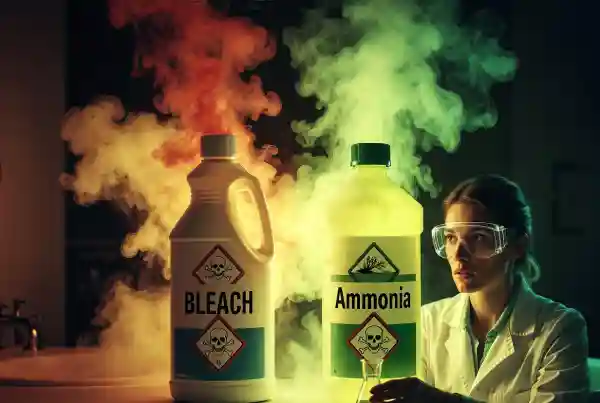
Strong cleaners like those with ammonia or bleach need more care. You must make sure to post-cleaning room ventilation to get rid of harmful fumes. Wondering if a certain cleaner is safe? You can check if an ammonia-based cleaner is toxic to help you choose better.
“The time you ventilate should match the pollution level from cleaning. Good air exchange is the best way to avoid breathing in chemicals.”
For tough jobs, ventilate for at least one to two hours. Without windows, use fans or air purifiers to help. Never go back into a room with a strong smell.
Determining the “Safe to Re-enter” Threshold
Knowing when it’s safe to go back in depends on the cleaner’s strength and room size. Wait until the air is clean, following these room air quality guidelines. If you feel dizzy or smell something strong, keep airing out.
| Cleaning Intensity | Recommended Time | Ventilation Method |
|---|---|---|
| Light Dusting | 15 Minutes | Open Window |
| General Surface Scrub | 30 Minutes | Cross-Ventilation |
| Heavy Chemical Use | 60-120 Minutes | Fans & Open Windows |
| Deep Disinfecting | 2+ Hours | Mechanical Exhaust |
Conclusion
Turning your home into a peaceful place starts with clean air. Using proper ventilation is key. It keeps your home healthy and comfy by removing hidden pollutants.
Choosing the right cleaning products is also important. Going for safe cleaning products during pregnancy is crucial. These natural options keep your home clean and air fresh without harming your health.
Being aware is the first step to a well-ventilated home. By making a few changes, like using windows and fans, you can greatly improve your home. We aim to help you make choices that lead to a healthier, safer home for everyone.
FAQ
How long should you ventilate a room after cleaning with bleach?
Ventilate for at least 2 to 4 hours after using bleach. Make sure the bleach smell is gone and surfaces are dry before returning.
What are the best room ventilation tips for people with allergies?
Use an air purifier with a HEPA filter, like the Honeywell HPA300. Open windows in the late afternoon for 10-15 minutes when pollen counts are low.
Is an air purifier enough for post-cleaning room ventilation?
Air purifiers are good for particles but not for gas-phase chemicals (VOCs). Always air out the room first, then use a purifier as a supplement.
Why is airing out a room after cleaning better than using air fresheners?
Air fresheners just hide odors with synthetic fragrances, which can harm air quality. Ventilation removes pollutants, making it a better choice for a healthy home.
What are the room air quality guidelines for families with pets?
Pets are more sensitive to chemicals. Ventilate for an extra 30 minutes and ensure floors are dry before letting pets back in.
Can I use a regular box fan for effective room ventilation strategies?
Yes! A box fan in a window facing outward is great for ventilation. It pulls chemical-laden air out faster than an open window alone.
What is the importance of ventilating rooms during the winter?
Indoor air can be up to five times more polluted in winter. A 5-minute “flash vent” after cleaning helps prevent toxin buildup without losing too much heat.