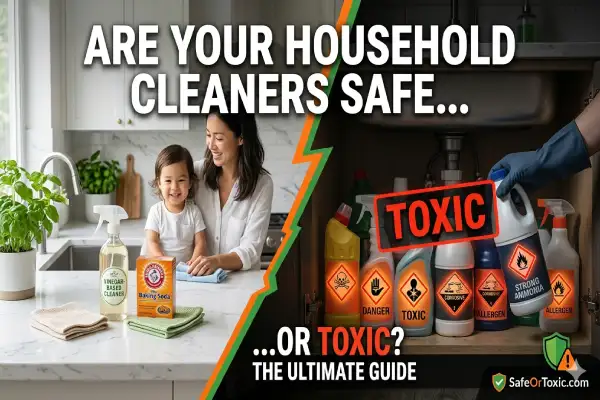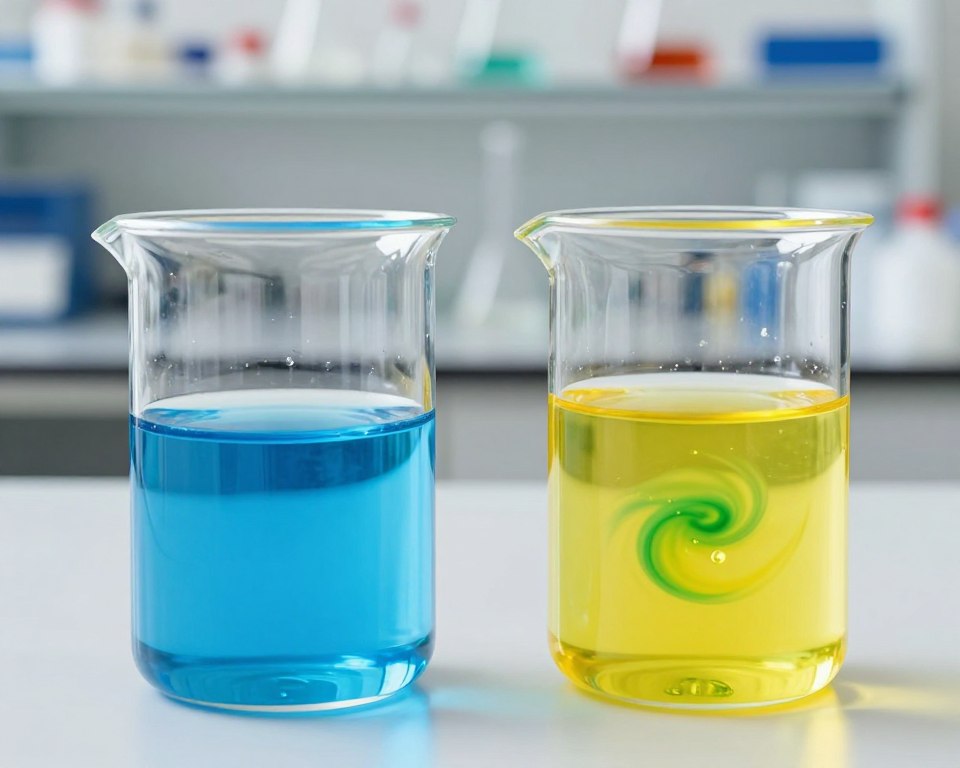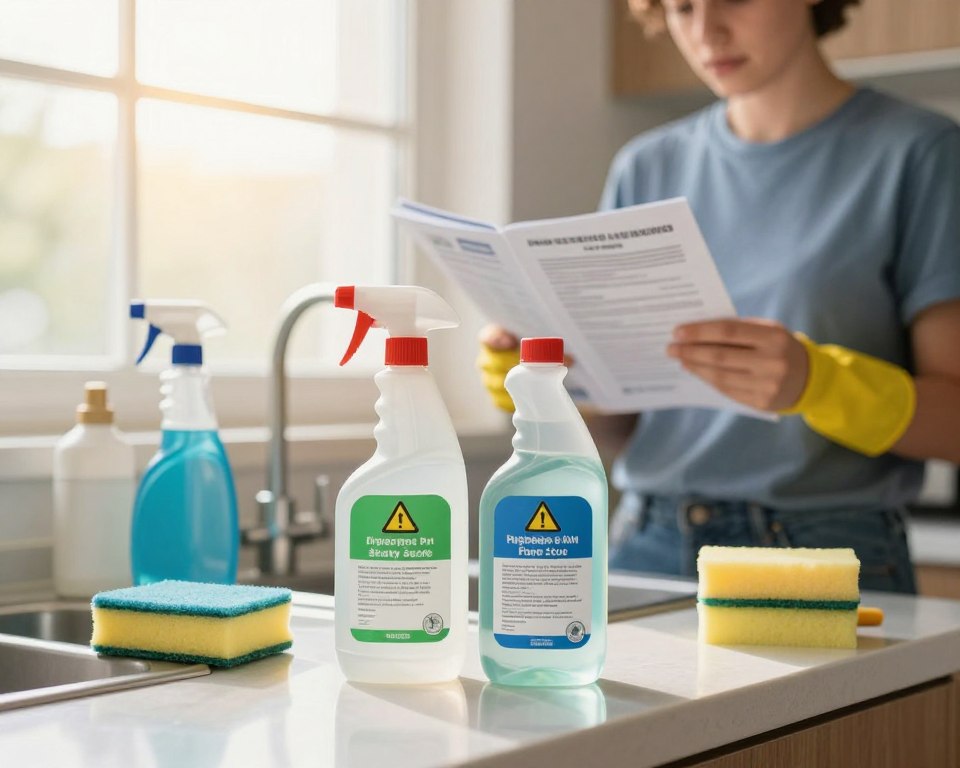
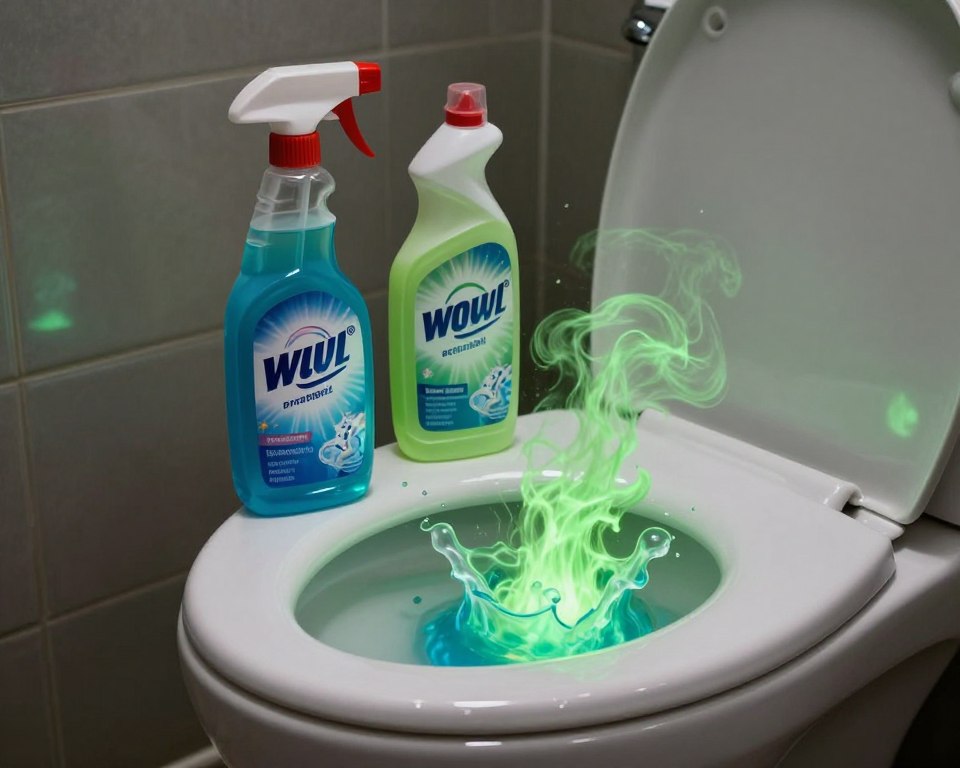
Did you know over 50% of household poisonings happen because of mixing cleaning supplies wrong? Many think mixing strong cleaners will make things cleaner. But, this can lead to dangerous chemical reactions.
When you mix these products, you might release harmful gases in your home. Knowing about these dangers is the first step to keep your family safe from unintentional exposure.
It’s important to know that bleach can be toxic when inhaled in these cases. The fumes can badly hurt your breathing. By learning which substances don’t mix, you can keep your home safe for everyone.
Key Takeaways
- Combining cleaning agents can trigger life-threatening chemical reactions.
- Small, enclosed spaces significantly increase the risk of toxic fume inhalation.
- Always read product labels to identify incompatible ingredients before cleaning.
- Proper ventilation is essential when using any strong chemical disinfectants.
- If an accidental mixture occurs, evacuate the area immediately and seek fresh air.
The Chemistry Behind the Reaction
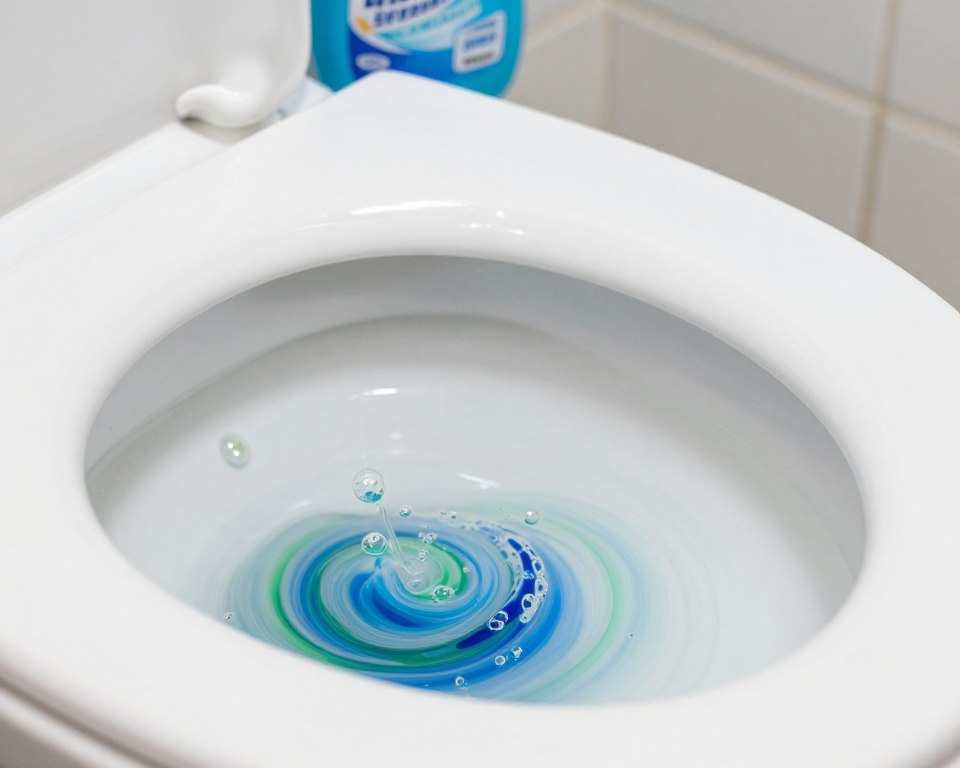
Many people don’t know that mixing certain cleaning products can be dangerous. These items are safe alone but not together. Knowing about the bleach and toilet bowl cleaner reaction helps keep your home safe.
Understanding Sodium Hypochlorite
Bleach is common in American homes for its disinfecting power. It has sodium hypochlorite, which kills germs. It’s good for cleaning and whitening.
The Role of Acidic Toilet Bowl Cleaners
Toilet bowl cleaners fight tough stains like rust. They use strong acids like hydrochloric acid or phosphoric acid. These acids break down mineral buildup that soap can’t.
Why These Chemicals Should Never Meet
Mixing these chemicals is dangerous. The bleach and toilet bowl cleaner reaction happens when acid changes the bleach’s pH. This creates toxic chlorine gas, which is harmful to breathe. It’s important to know about these chemical reactions in household cleaning to avoid accidents.
| Product Type | Active Ingredient | Primary Purpose |
|---|---|---|
| Bleach | Sodium Hypochlorite | Disinfection |
| Toilet Bowl Cleaner | Hydrochloric/Phosphoric Acid | Mineral Removal |
| Combined Mixture | Chlorine Gas | Toxic Hazard |
What Happens If You Mix Bleach With Toilet Bowl Cleaner
Many people think mixing strong cleaners will make cleaning better. But, it’s crucial to know what happens if you mix bleach with toilet bowl cleaner before cleaning. This mistake can make a simple cleaning job very dangerous.
The Formation of Chlorine Gas
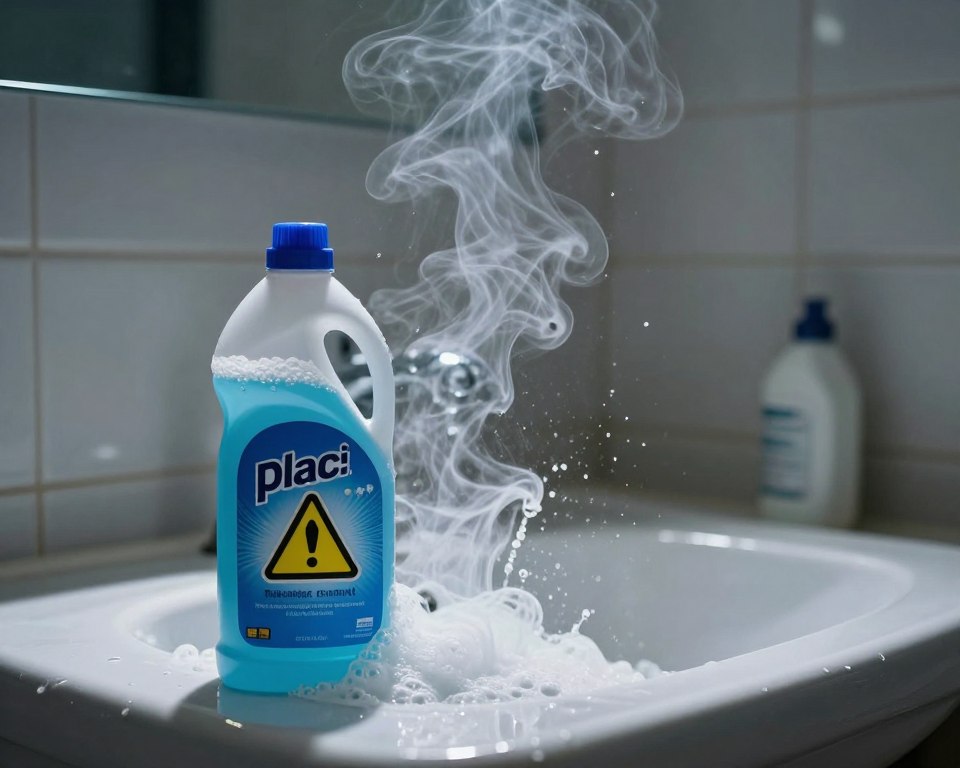
When bleach meets acidic toilet bowl cleaner, a fast chemical reaction happens. This reaction creates chlorine gas, a very harmful substance. Since this gas is highly soluble, it quickly gets into your lungs when you breathe it in.
“Mixing bleach with acids creates a hazardous environment that can cause immediate and severe respiratory distress.”
Immediate Chemical Transformations
The bleach and toilet bowl cleaner reaction happens fast. When the two liquids mix, they change into something that releases harmful fumes. You might smell a strong, sharp odor right away, which is a warning to get out of there.
- Rapid release of toxic chlorine gas.
- Immediate irritation to the eyes and throat.
- Potential for severe lung damage if exposure continues.
Why Household Environments Increase Risk
Bathrooms are small, closed spaces with little air. When you make toxic fumes in such a place, the gas becomes very dangerous fast.
Without good air flow, these fumes get trapped. Safety should always be your priority when using household chemicals. Always use cleaning products as directed and never mix them to avoid these risks.
Identifying the Dangers of Mixing Bleach With Toilet Bowl Cleaner
Knowing the dangers of mixing bleach with toilet bowl cleaner is key to your health. Many think mixing products makes them stronger, but it’s very dangerous. Always keep these chemicals apart to avoid bad reactions.
Respiratory System Impacts
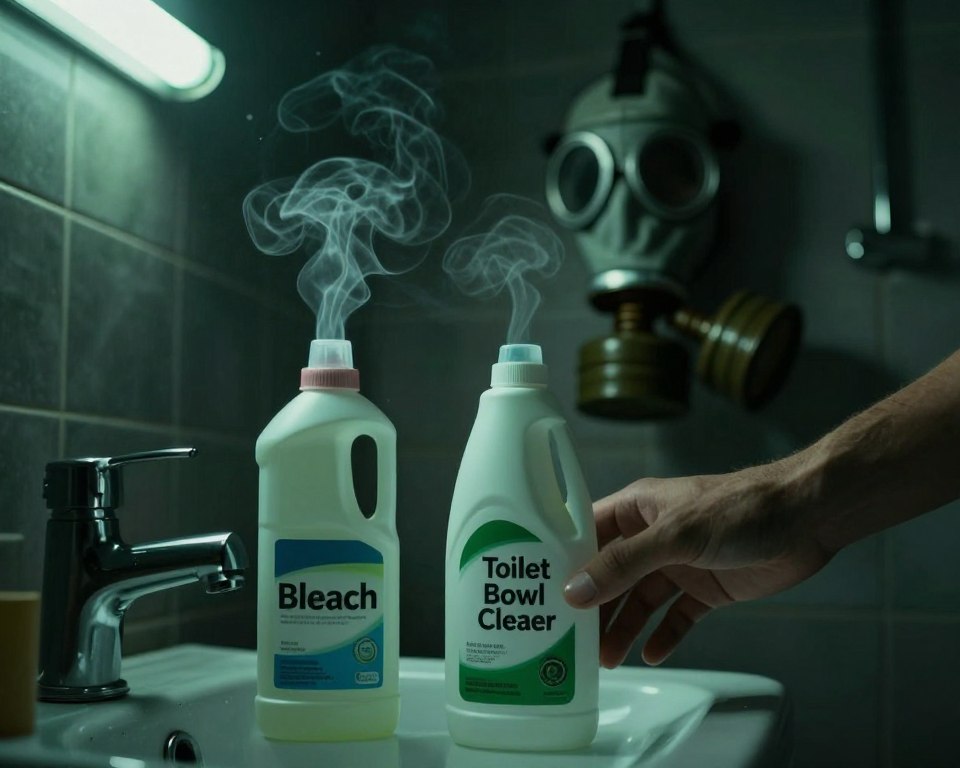
When these substances mix, they release toxic chlorine gas. This gas can block your airways and cause severe coughing. If this happens, you might have trouble breathing and need medical help right away.
Being exposed to a lot of this gas can also cause lung inflammation. It’s crucial to know the risks of mixing chemicals to keep your home safe. These fumes can quickly harm your breathing.
Skin and Eye Irritation Risks
Direct contact with the mixture can also harm you. Splashes can cause severe skin burns that are hard to heal. Your eyes are very sensitive, and contact with these fumes can damage your cornea permanently.
Remember, mixing different cleaners can lead to harmful reactions. Always wear protective gear when using strong cleaners. If you spill something, treat it as a serious danger to your skin and eyes.
Long-term Health Consequences
The immediate effects are scary, but the long-term damage is just as bad. Repeated exposure can cause permanent lung damage or chronic breathing problems. These issues can greatly affect your life long after the accident.
Understanding the dangers of mixing bleach with toilet bowl cleaner is vital for a healthy home. By following safety rules, you protect yourself and your family from these risks. Always read labels carefully to use cleaners correctly.
Recognizing Symptoms of Chemical Exposure
Knowing how your body reacts to cleaning accidents can save your life. When you accidentally mix harmful fumes from bleach and toilet bowl cleaner, your body sends out warning signs right away. Paying attention to these signals helps you get out of danger before it gets worse.
Early Warning Signs of Inhalation
The first signs of exposure are often small but very important. You might feel a sudden, sharp runny nose or a scratchy throat after opening cleaning supplies. Persistent coughing is another sign as your body tries to get rid of the harmful stuff.
If you notice these symptoms, leave the room right away. Don’t wait to see if the air gets better on its own. You can learn more about the dangers by watching this informative video on chemical safety.
Physical Reactions to Toxic Fumes
As you keep breathing in the harmful fumes from bleach and toilet bowl cleaner, your body might react more strongly. Hearing wheezing is a big warning sign that the chemicals are harming your airways. In bad cases, this can cause chemical pneumonitis, a serious lung inflammation.
“Chemical exposure in the home is a silent danger that requires immediate action. Never underestimate the power of household products when they are combined incorrectly.”
When to Seek Emergency Medical Attention
Get professional help if you have trouble breathing or chest pain. These signs mean your lungs are struggling. Call emergency services if you feel dizzy, lightheaded, or if your breathing doesn’t get better after moving to fresh air.
| Symptom Category | Common Indicators | Urgency Level |
|---|---|---|
| Mild Irritation | Runny nose, watery eyes | Low – Leave area |
| Respiratory Distress | Coughing, sore throat | Medium – Seek fresh air |
| Severe Reaction | Wheezing, chest pain | High – Call 911 |
Always put your health first, even if it means stopping a cleaning task. If you think you’ve inhaled harmful fumes from bleach and toilet bowl cleaner, get medical help right away.
Immediate Steps to Take During a Chemical Accident
When you realize you have created a dangerous chemical reaction in your bathroom, immediate action is required. The situation can escalate quickly. Your main goal is to remove yourself and others from the source of the harmful fumes from bleach and toilet bowl cleaner as fast as possible.
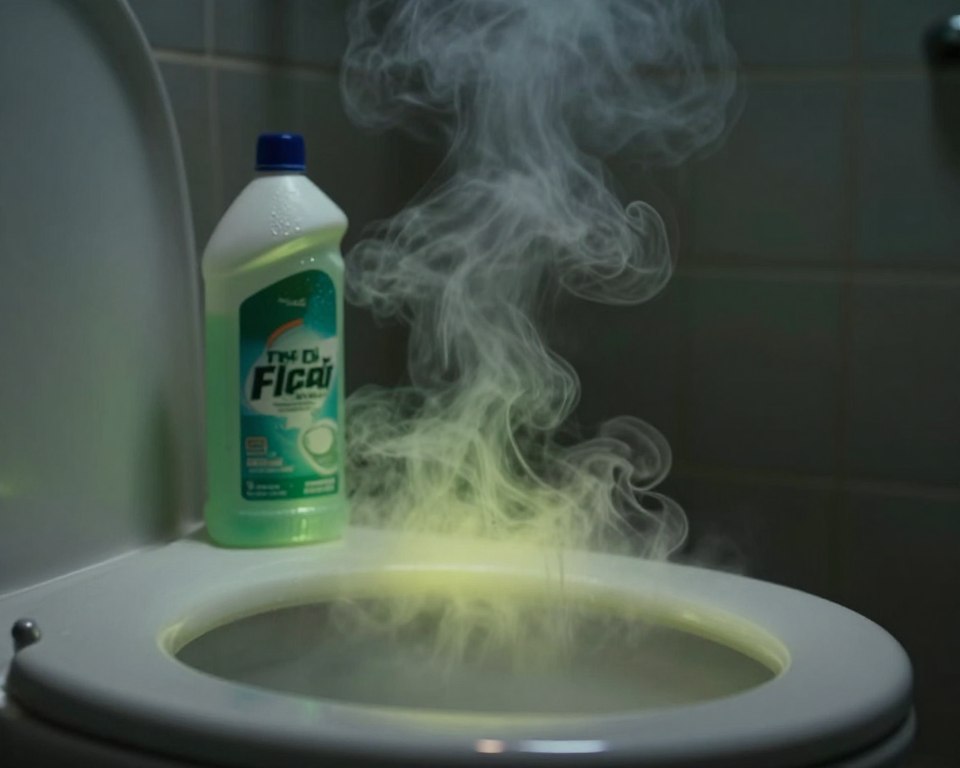
Evacuating the Affected Area
The best way to limit your exposure is to leave the room immediately. Do not stay to clean up the spill or try to neutralize the mixture once the reaction has started. Move to an area with fresh, clean air right away to allow your lungs to recover from any inhaled vapors.
Ventilating the Bathroom Properly
If you can do so safely while exiting, try to increase airflow in the space. Opening a window or turning on an exhaust fan can help dissipate the concentration of toxic gases. But, never prioritize ventilation over your own safety if you are already feeling dizzy or lightheaded.
Protecting Yourself While Leaving
As you exit, try to hold your breath or cover your nose and mouth with a cloth to minimize inhalation. Move quickly and calmly to ensure you do not trip or fall while navigating out of the room. Once you are in a safe, well-ventilated space, you can better assess the situation. Then, determine if you need to seek medical help for exposure to the harmful fumes from bleach and toilet bowl cleaner.
Emergency First Aid Procedures
Acting quickly is key if you mix cleaning products by mistake. Quick first aid can lessen the harm from chemicals. Staying calm is crucial for your safety and others at home.
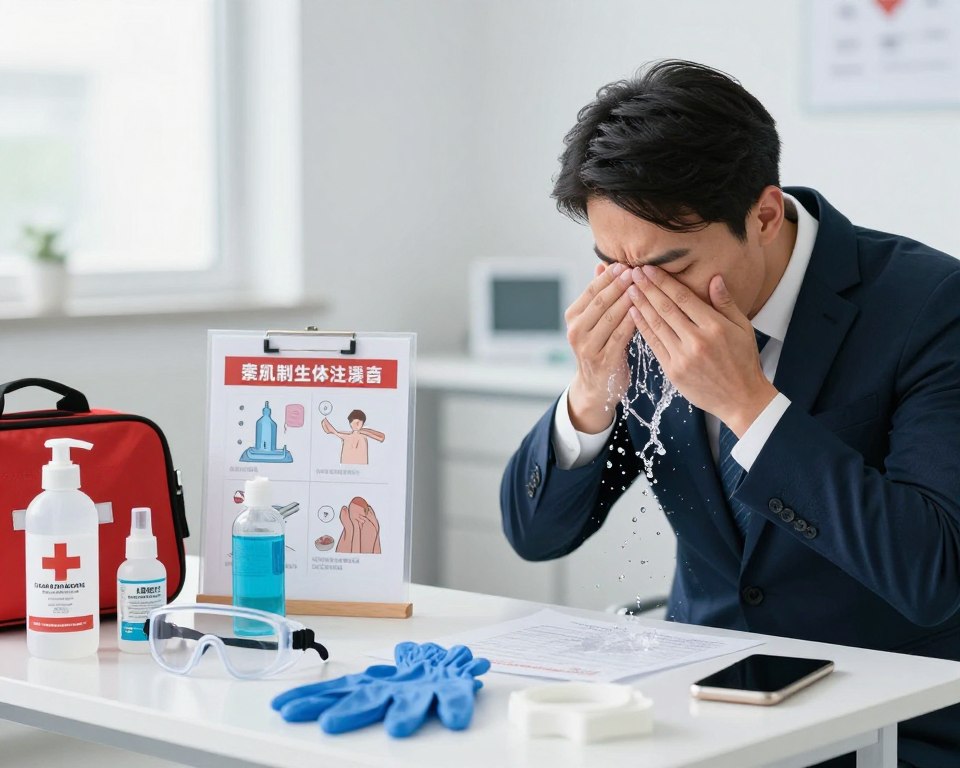
Treating Inhalation Exposure
If you breathe in harmful fumes, get to fresh air right away. Move out of the room and find a place with good air. Check if toilet bowl cleaner is toxic to breathe.
After you’re in a safe spot, watch your breathing. If you cough a lot, can’t breathe well, or feel tight in your chest, get medical help fast. Don’t go back until someone else has made the area safe.
Managing Skin and Eye Contact
Chemical splashes need quick action to avoid harm. For skin or eye contact, rinse with clean water for 10 to 15 minutes. For more help, see first aid for chemical exposures.
While rinsing, take off any clothes that might hold the chemical. Don’t rub your eyes to avoid more irritation. Use a gentle water stream to clean the chemicals off.
When to Call Poison Control
Keep the number for your local poison control, 1-800-222-1222, handy for expert advice. They offer free, confidential help 24/7. Don’t wait for symptoms to get worse before calling.
Quickly identifying the substance and getting expert advice is key in a household emergency.
| Exposure Type | Immediate Action | Duration |
|---|---|---|
| Inhalation | Move to fresh air | Until symptoms subside |
| Skin Contact | Flush with water | 10-15 minutes |
| Eye Contact | Rinse with water | 15 minutes |
| Ingestion | Call Poison Control | Immediate |
Common Household Cleaning Product Hazards
Want a sparkling bathroom? Mixing cleaning products can make your home dangerous. Many think using two cleaners makes their work better. But, this can lead to harmful chemical reactions that harm your health.
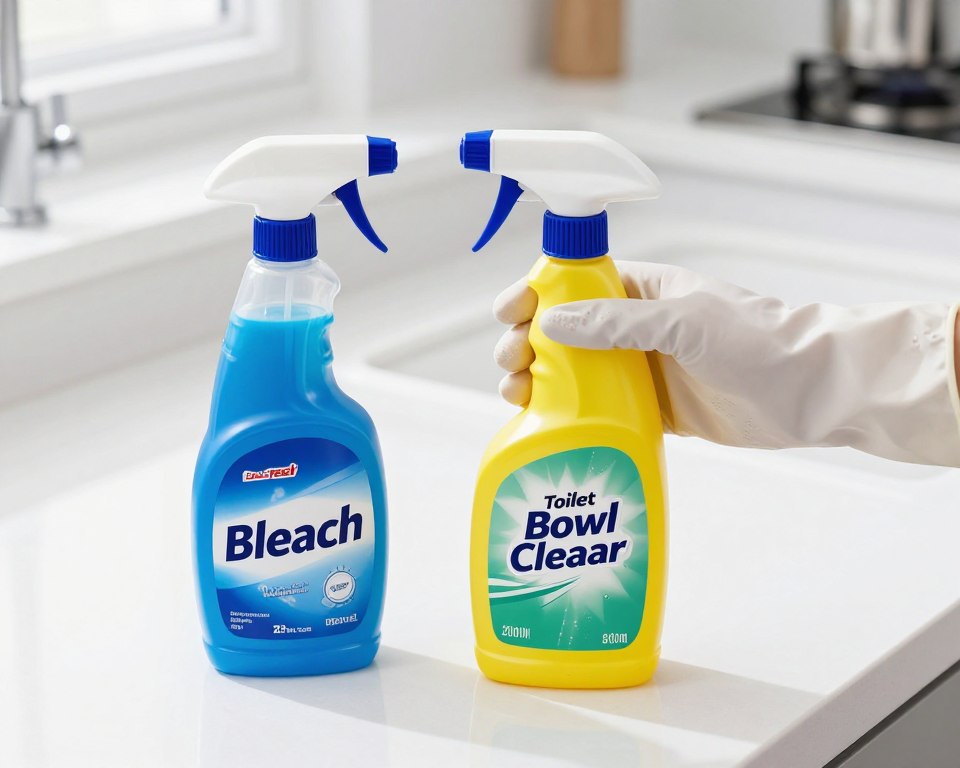
Bleach and Ammonia Reactions
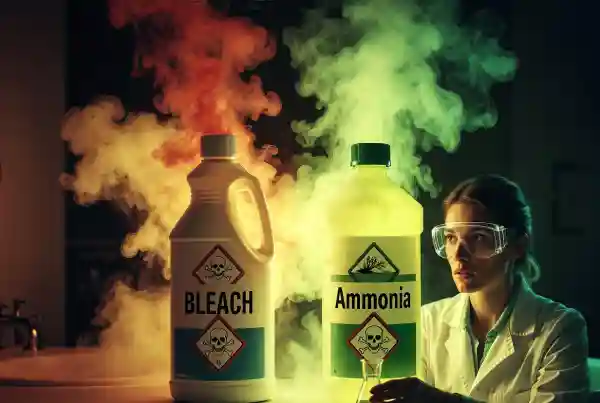
One big mistake is mixing bleach with ammonia. These bleach and ammonia reactions make toxic chloramine gas. This gas can cause serious breathing problems, pneumonia, and fluid in the lungs.
Always check your labels to avoid using ammonia-based cleaners with bleach. Keeping these apart is key for safe air inside your home.
Mixing Bleach With Vinegar
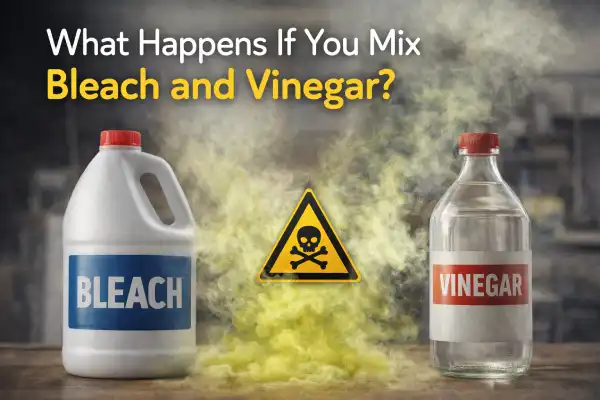
Mixing vinegar with bleach is another mistake. Both are natural cleaners but shouldn’t be mixed. This mix can burn your eyes, nose, and throat with harmful vapors.
“The chemistry of household cleaning is not a game; mixing substances without knowledge can turn a routine chore into a medical emergency.”
The Dangers of Combining Multiple Cleaners
The dangers of combining household cleaners go beyond just these examples. Many products have complex ingredients that don’t mix well. To keep your home safe, follow these simple rules:
- Never mix different liquids in the same bucket.
- Always rinse surfaces well between using different cleaners.
- Store all chemicals in their original, labeled containers.
By not mixing cleaners, you keep your family safe. A clean home should be safe, not a chemical lab.
Safe Cleaning Practices for Your Bathroom
Creating a routine for safety precautions when cleaning is key to keeping your home safe. Choosing the right products and handling them carefully helps keep your space clean and risk-free.
Reading and Understanding Product Labels
Always read the label before you start cleaning. The instructions tell you about the chemicals and how to use them right.
Look for products with Green Seal, EcoLogo, or Safer Choice labels. These show the product is safe for people and the planet. Following these guidelines is crucial for your safety precautions when cleaning.
“An ounce of prevention is worth a pound of cure.”
The Importance of Proper Ventilation
Chemical fumes can build up fast in small spaces like bathrooms. To keep the air clean, make sure the room is well-ventilated.
- Open windows for fresh air.
- Use exhaust fans to remove moisture and vapors.
- Keep the bathroom door open for better air flow.
Using Personal Protective Equipment
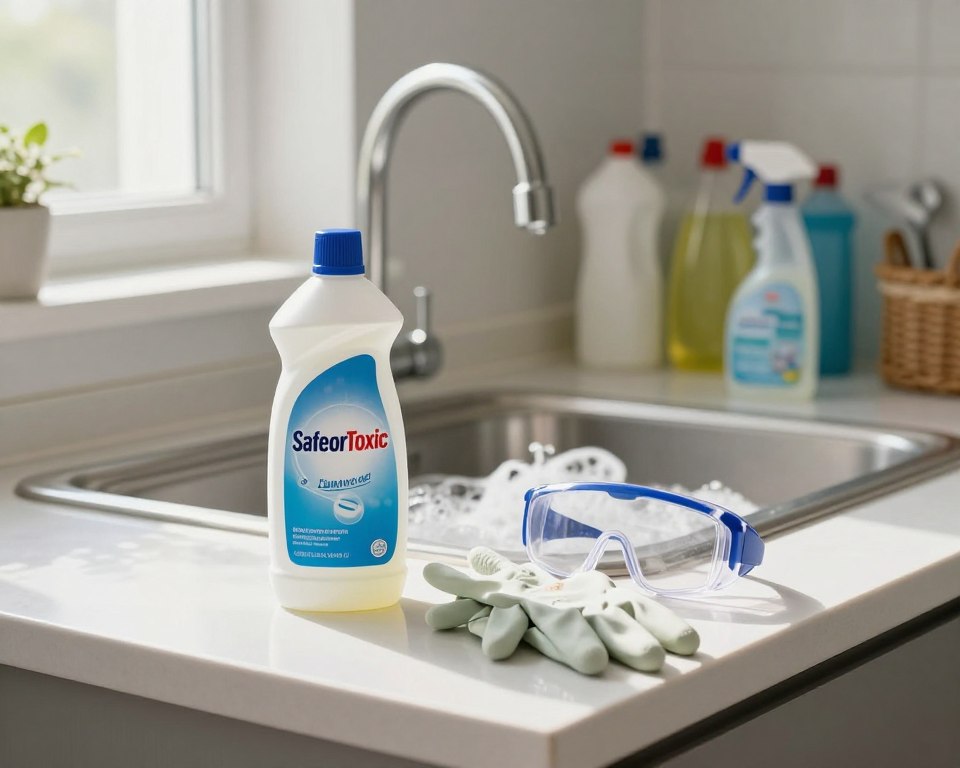
Wearing the right gear protects you from harsh cleaners. Even with mild products, safety precautions when cleaning include basic protection to avoid splashes or irritation.
Keep these items in your cleaning kit:
- Rubber gloves to protect your hands.
- Safety glasses to protect your eyes.
- Long sleeves to cover your skin during deep cleaning.
Using these tools regularly makes your home secure and healthy for everyone.
Effective and Safe Alternatives to Harsh Chemicals
You don’t need harsh chemicals to keep your bathroom clean. There are many safe alternatives that protect your family and the environment. By avoiding combining household cleaners, you can keep your home fresh without toxic risks.
Natural Cleaning Solutions
Many common items can clean tough bathroom grime. White vinegar, baking soda, and coarse salt are great for scrubbing. They break down soap scum and mineral deposits without harmful fumes.
Using Baking Soda and Vinegar Safely
These ingredients are powerful but must be used carefully. Never mix them with bleach, as it’s dangerous. Instead, clean surfaces with them separately or in sequence. For more tips, check out how to say goodbye to bleach for a safe cleaning routine.
Commercial Eco-Friendly Cleaners
For store-bought cleaners, choose products with third-party certifications. Look for Green Seal or Safer Choice labels. These ensure the product is safe and effective, avoiding the risks of combining household cleaners wrong.
| Cleaning Agent | Primary Use | Safety Level |
|---|---|---|
| White Vinegar | Descaling & Shine | High (Non-toxic) |
| Baking Soda | Scrubbing & Deodorizing | High (Non-toxic) |
| Eco-Certified Cleaner | General Surface Care | High (Verified) |
| Bleach | Disinfection | Low (Requires caution) |
Proper Storage of Household Cleaning Agents
Storing cleaning agents properly is key for family safety. Many focus on cleaning but forget about storage. Organizing your space well prevents chemical reactions in household cleaning.
Keeping Chemicals in Original Containers
Always use the original bottles for cleaning products. These are made to keep chemicals safe and prevent leaks. The labels also have crucial safety instructions and emergency numbers.
Transferring liquids into unmarked bottles can lead to accidents. It’s important to keep the original labels on. This way, everyone knows what they’re handling.
Organizing Your Cleaning Supply Closet
A tidy closet is your first defense against accidents. Group supplies by type, like floor cleaners and glass cleaners separately. This keeps incompatible substances apart.
Use plastic bins or trays to keep bottles upright. If a bottle leaks, the tray will catch the spill. Also, keep supplies on low shelves to avoid heavy bottles falling.
Preventing Accidental Mixing
Be careful about what you store together. Don’t keep bleach near acidic products to avoid dangerous fumes. For more tips, check out these safe storage practices.
If you have kids or pets, use child-proof locks on cabinets. These precautions keep your supplies safe and your home protected from chemical risks.
Educating Your Household on Chemical Safety
To keep your family safe from chemical accidents, start by teaching everyone about the dangers. When everyone knows the risks, you lower the chance of accidents. Making sure to follow safety precautions when cleaning is a team effort that keeps your home safe.
Teaching Children About Cleaning Hazards
Children are always curious, so it’s important to teach them that cleaning supplies are not toys. Explain that these items have strong chemicals that can hurt if touched or swallowed. Always keep these products locked away in high places where kids can’t reach them.
Use simple words to tell kids why they can’t play with spray bottles or containers. Setting these rules early helps them understand the importance of safety. Also, show them where these items are stored so they know to stay away.
Setting Rules for Cleaning Staff
If you have professional cleaners or housekeepers, it’s crucial to talk about chemical safety. Make sure they know how to use every product they handle. This includes never mixing different substances, which can be dangerous.
Give your staff a list of safe cleaning agents and how to use them. Learn more about the dangers of mixing common chemical products to share with them. Setting these rules from the start keeps everyone safe.
Creating a Safety-First Home Environment
Creating a safe home is more than just rules; it’s about being aware all the time. Check your storage often to make sure hazardous materials are in their original containers. Find tips on how to safely store household cleaners to keep your home safe and organized.
Here are key steps to keep your home safe:
- Label all secondary containers clearly if you choose to dilute products.
- Keep a list of emergency contacts, including the Poison Control Center, in an easy-to-find spot.
- Encourage everyone to speak up if they see a spill or mixing incident.
By focusing on safety precautions when cleaning, you make your home a safe place for everyone. Education and clear rules are the best ways to prevent accidents. This way, you give everyone peace of mind in your home.
The Role of Professional Cleaning Services
If you’re overwhelmed by tough cleaning tasks, professional services are a safer choice. Entrusting your home to experts brings peace of mind. They ensure every corner is cleaned right, avoiding the potential hazards of mixing cleaners seen in DIY efforts.
When to Hire Professionals
Think about hiring pros if you’re unsure about certain cleaning tasks. This is crucial for tackling heavy grime that needs strong solutions. Expert cleaners know which products go together and which don’t.
Ensuring Safety Standards in Professional Cleaning
Professional teams follow strict safety rules to keep your space safe. They understand the chemicals they use and focus on proper ventilation and safety gear. This way, they reduce the risk of harmful fume exposure.
Benefits of Expert Knowledge
Hiring a pro means you get their deep knowledge of cleaning science. They clean your home well without using risky chemical mixes. Their skill helps you avoid the potential hazards of mixing cleaners, keeping your home safe for everyone. Investing in professional cleaning is a smart way to keep your home clean and risk-free.
Myths and Misconceptions About Cleaning Safety
Many people think mixing cleaning products makes them stronger. But, this is very dangerous. The dangers of mixing bleach with toilet bowl cleaner can be deadly. Household chemicals are made to work alone, not mixed together.
Debunking Common Cleaning Myths
Some believe mixing products makes a “super cleaner.” But, this is not true and is very harmful. When you mix cleaning products, you can release harmful fumes.
“The most dangerous thing you can do in your home is assume that more chemicals equal a safer or cleaner environment.”
Why More Product Does Not Mean Cleaner
Many think more cleaner means a deeper clean. But, disinfectants are made to kill germs, not remove dirt. Too much cleaner can leave a sticky mess that attracts more dirt.
- Follow the manufacturer’s instructions for the correct dilution ratio.
- Focus on mechanical scrubbing rather than chemical saturation.
- Remember that mixing two cleaning sprays is dangerous and provides no added benefit.
The Truth About Mixing Cleaners for Extra Strength
Some believe mixing products saves time. But, mixing certain cleaners can be very harmful. For example, bleach and ammonia reactions can release harmful gas.
Always use products as the maker says. If something is still dirty, pick a different cleaner. Keeping your home safe means knowing what to do and following safety rules.
Conclusion
Keeping your home clean shouldn’t hurt your health. Mixing household products can be dangerous, but it’s avoidable with the right info.
To keep your home clean, learn about the science behind cleaning products. Always check labels and work in well-ventilated areas. Make sure to not mix household cleaners to avoid harmful fumes.
Don’t think mixing cleaners will make them work better. Stick to what the makers say, like Clorox or Lysol. If you mix something wrong, get out fast and get help.
A safe home is a clean home. Your health is key when cleaning. Knowing the risks of mixing bleach and vinegar keeps your home safe. Start these simple habits today for a stress-free cleaning routine.
FAQ
What are the dangers of mixing bleach with toilet bowl cleaner?
Mixing bleach with toilet bowl cleaner can release chlorine gas, a toxic substance that can cause severe respiratory damage, chemical burns, and fluid buildup in the lungs. In a small, poorly ventilated space like a bathroom, these fumes can become life-threatening very quickly.
Why is the bleach and toilet bowl cleaner reaction so toxic?
The reaction is toxic because bleach contains sodium hypochlorite and many toilet cleaners contain acids like hydrochloric acid. When combined, the acid forces the bleach to release pure chlorine gas, which is an aggressive oxidant that attacks the living tissue in your respiratory tract.
Can mixing cleaning products other than bleach and acid be dangerous?
Yes. Mixing bleach with ammonia creates chloramine gas, which is extremely hazardous. Mixing bleach with vinegar or different brands of drain openers can also lead to potential hazards, resulting in explosions or toxic vapors.
What should I do if I accidentally inhaled fumes while cleaning?
If you accidentally inhale fumes, leave the room immediately and get to fresh air. If you are coughing, wheezing, or have chest pain, seek emergency medical attention. You can also call the Poison Control Center at 1-800-222-1222 for expert guidance on how to manage your symptoms.
What are some safety precautions when cleaning to prevent these accidents?
Always read product labels carefully, ensure the room is well-ventilated by opening windows or using fans, and never use more than one product in the same area at the same time. Using rubber gloves and eye protection also helps mitigate the risk of accidental chemical exposure.
Are there safe alternatives to using heavy chemicals in the bathroom?
Yes, there are safe alternatives. Natural solutions like Arm & Hammer Baking Soda or distilled white vinegar (used separately from bleach) are effective for many tasks. You can also look for commercial products with the EPA Safer Choice label, which are designed to be safer for human health and the environment.
Is it safe to use vinegar and bleach together for extra disinfecting power?
No, it is never safe. Mixing vinegar with bleach creates chlorine gas, the same dangerous byproduct produced by mixing bleach with acidic toilet cleaners. Even though vinegar is a natural food product, its acidity reacts violently with the sodium hypochlorite in bleach.