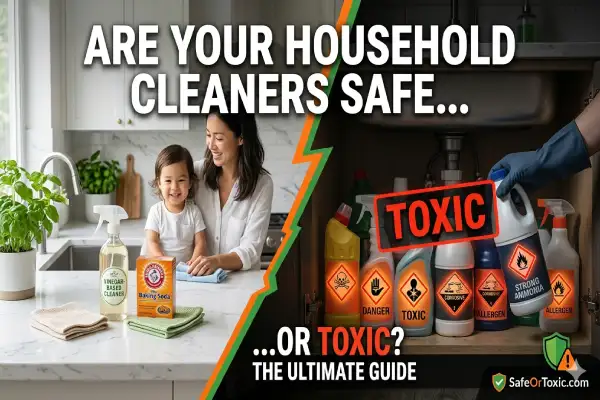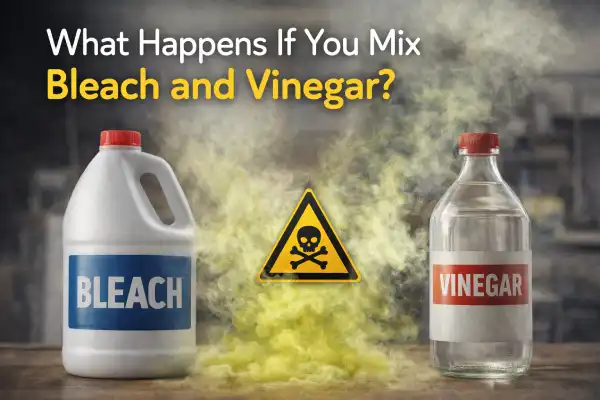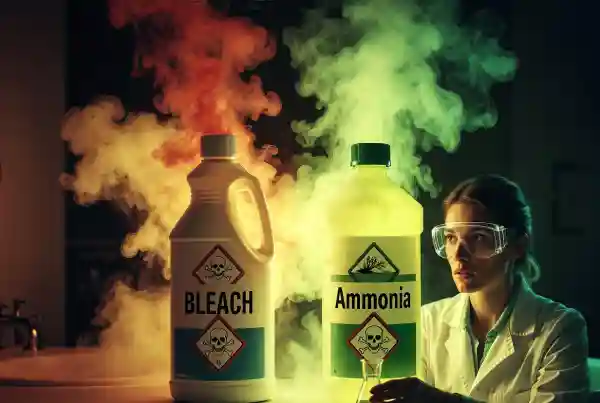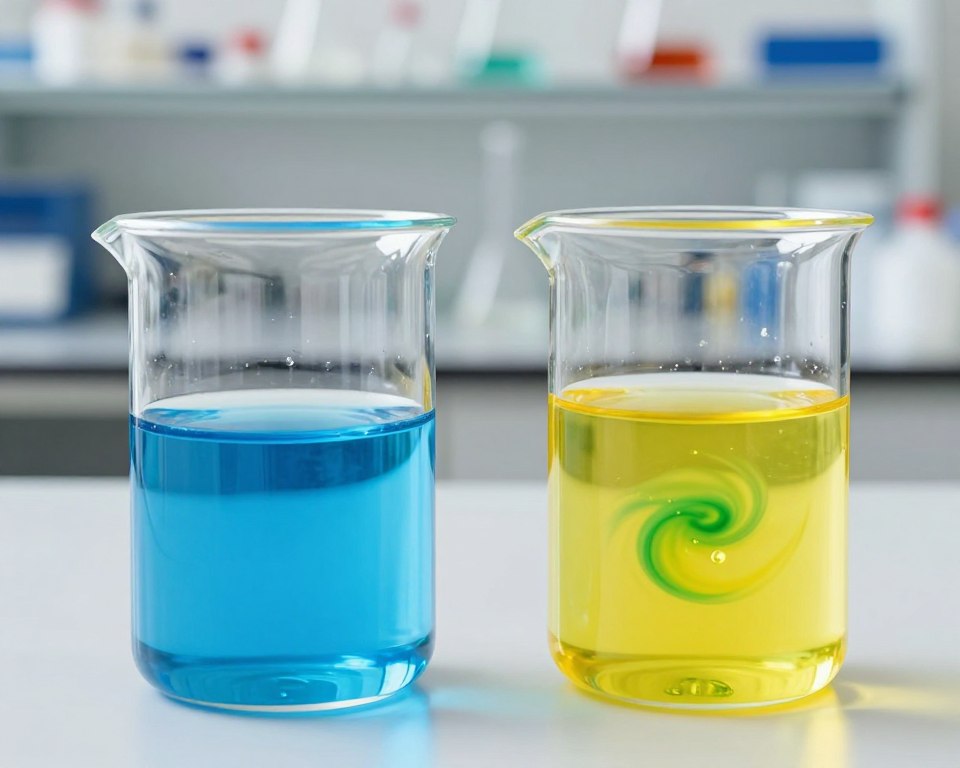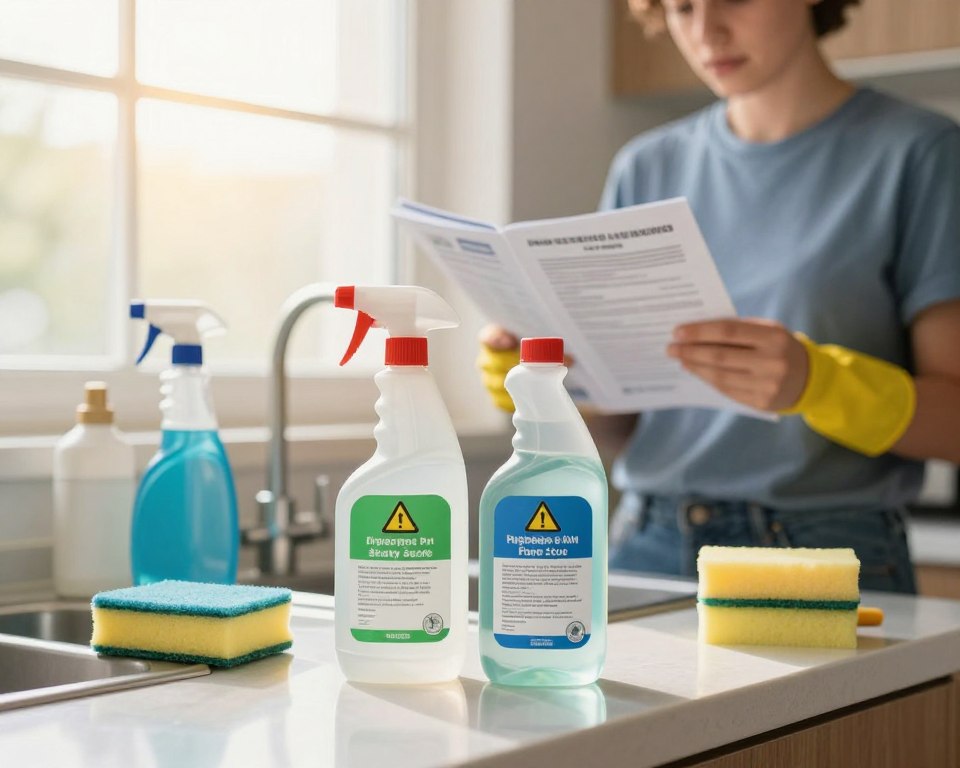

Did you know that nearly 60% of household cleaning products contain chemicals that are never meant to be eaten? Many people think that if a cleaner kills germs on a countertop, it’s okay for where they cook. But, proper hygiene means knowing the difference between cleaners for the house and those for the kitchen.
Using the wrong chemicals near your food can cause contamination. It’s crucial to follow specific disinfectant spray guidelines to keep your kitchen safe. Even though some experts question if isopropyl alcohol is safe for food contact, the main thing is to manage residues well for your family’s health.
Key Takeaways
- Always check that your cleaning product is safe for food-contact surfaces.
- Know the difference between sanitizers and disinfectants, as they affect bacteria differently.
- Stay away from products with quaternary ammonium compounds or synthetic fragrances near where you cook.
- Look for third-party certifications like NSF/ANSI to make sure the product is safe.
- If unsure, rinse surfaces well with warm water after using any chemical cleaner to avoid eating it.
Understanding the Chemistry of Common Disinfectants
Keeping your kitchen clean often means using strong cleaning products to fight germs. It’s essential to know these products are complex chemical solutions. Understanding how they work helps you use them safely and wisely.
Active Ingredients in Household Sprays
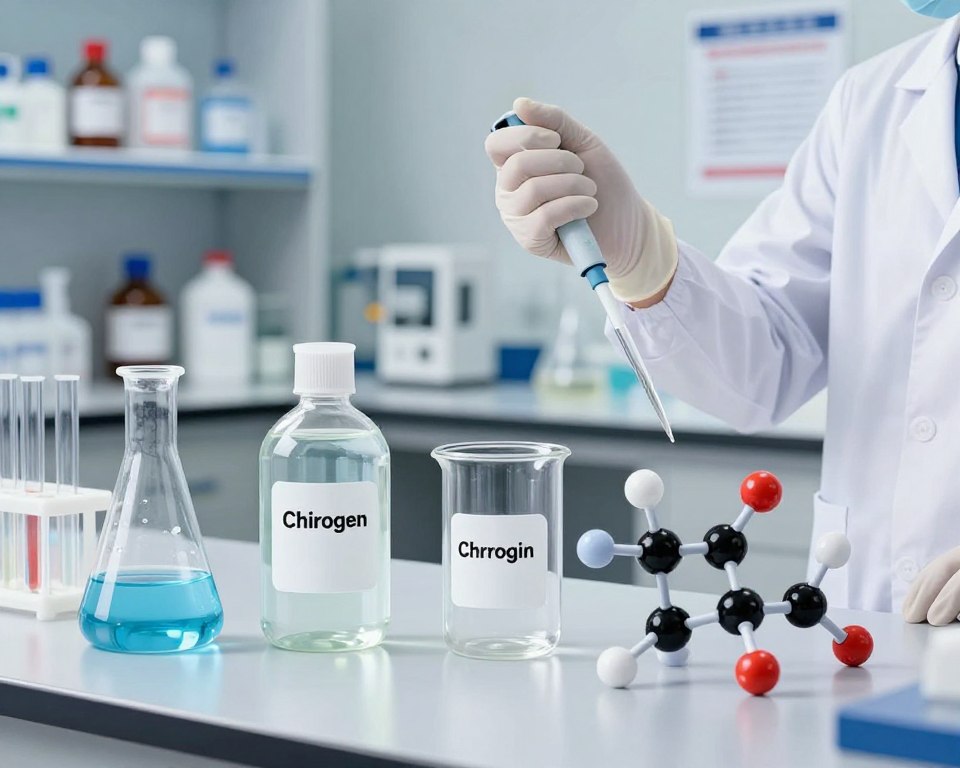
Household disinfectants use special ingredients to kill bacteria and viruses. Quaternary ammonium compounds, or “quats,” and sodium hypochlorite, found in bleach, are common. These chemicals work well on hard surfaces like tile or stainless steel.
These sprays are great for cleaning floors or bathroom fixtures. But, they’re not safe to eat. They’re made to evaporate or be wiped away after a while. Used right, they make surfaces germ-free, but the chemicals can still be a problem if they touch your food.
How Chemicals Interact with Food Surfaces
Disinfectants are made to stick to surfaces and kill germs. When they meet food, they don’t just disappear. They might stick to food or leave a film on surfaces that can get on your ingredients.
These chemicals are made for cleaning, not for food. Direct exposure to them can be harmful. It’s important to see these sprays as tools for cleaning, not for cooking.
| Disinfectant Type | Primary Use | Safety Note |
|---|---|---|
| Quaternary Ammonium | General Surface Cleaning | Requires thorough rinsing |
| Sodium Hypochlorite | Heavy-Duty Disinfection | Corrosive to some metals |
| Phenolic Compounds | Hard Surface Sanitizing | Avoid near food prep |
| Hydrogen Peroxide | Mild Surface Cleaning | Breaks down into water |
Is It Safe to Use Disinfectant Spray Around Food?
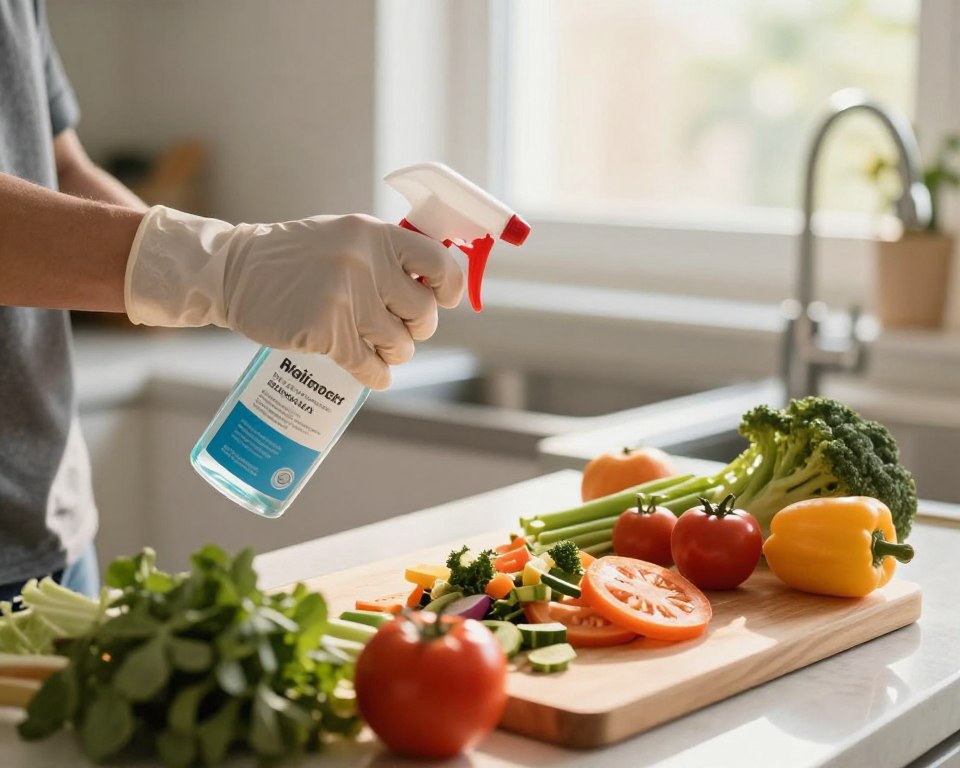
You might be tempted to spray everything to kill germs, but is it safe to use disinfectant spray around food? The answer is no. Many people think Lysol can be used on food or cutting boards. But these chemicals are only for non-food surfaces.
The Risks of Chemical Residue
When you use disinfectant around food, you risk leaving toxic residues. These chemicals kill germs but can harm humans or pets if eaten. Even after cleaning, tiny amounts can stay behind.
To keep your family safe, follow these guidelines:
- Never spray disinfectant directly onto food items like fruits or vegetables.
- Always rinse surfaces thoroughly with water after using a disinfectant spray.
- Ensure the area is completely dry before placing any food items back on the counter.
Distinguishing Between Sanitizing and Disinfecting
It’s key to know sanitizing and disinfecting differ. Sanitizing makes surfaces safe for food prep. It’s safer for areas where food is prepared.
Disinfecting kills almost all germs on a surface. It uses harsh chemicals that need a specific time and rinse to avoid ingestion. Always check the label to see if it’s safe for food surfaces, as most sprays aren’t.
Regulatory Standards for Food-Contact Surfaces
Knowing the rules for food surface disinfection is key for home cooks. The CDC says surface infections are rare, but keeping surfaces clean is crucial. Federal agencies set rules to keep the chemicals we use safe.
EPA Guidelines for Surface Safety
The Environmental Protection Agency (EPA) oversees home disinfectants. Each product must pass tough tests before getting a registration number. This ensures the chemicals work against germs and are safe to use as directed.
Always look for the EPA registration number on the bottle. It’s important to know how to use quaternary ammonium disinfectant safe home to avoid harmful buildup. Following these steps keeps your food surface disinfection high without harsh residues.
FDA Regulations on Food Preparation Areas
The FDA looks after food preparation areas, not just chemicals. The FDA Food Code gives clear rules for cleaning surfaces. It says any chemical near food must be thoroughly rinsed or used safely.
Following these standards is important for your kitchen, not just restaurants. Sticking to these guidelines means your food surface disinfection meets national safety levels. Always choose products labeled safe for food-contact surfaces to keep your family safe.
Potential Health Risks of Ingesting Disinfectant Residue
Ever thought about what happens if cleaning agents get into your food? We all want a clean kitchen, but the disinfectant ingestion risk is real. Even a little chemical residue can cause health problems that affect your daily life.
Acute Toxicity Symptoms
If you accidentally eat cleaning spray residue, your body will react fast. You might feel immediate irritation in your mouth, throat, or esophagus. This can feel like a burning or constant discomfort after eating.
In serious cases, you could get nausea, vomiting, or stomach pain. These signs mean your digestive system is fighting off harsh chemicals. If you think you’ve had too much disinfectant ingestion risk, get medical help right away.
Long-term Health Considerations
Chronic, low-level exposure to cleaning chemicals is also a concern. Over time, these substances can stress your internal organs. Protecting your family means being careful with how and when you use these strong agents.
To lower your disinfectant ingestion risk, adopt safer cleaning habits. Choose gentler cleaners or make sure surfaces are well rinsed. These small steps can greatly improve your household’s health over time.
Identifying High-Risk Areas in Your Kitchen
Keeping your home healthy means knowing the difference between cleaning and food surface disinfection. Not every kitchen area needs strong chemicals. Using them wrong can be harmful.
Some kitchen surfaces can’t handle regular household cleaners. Focus on the right spots to keep your kitchen clean and safe. This way, you protect your family’s health.
Countertops and Food Preparation Zones
Your countertops are key for food prep, making them a hygiene hotspot. But, never use harsh cleaners like Lysol on these areas. They’re meant for non-food surfaces.
Using these chemicals on food prep areas can contaminate your food. Stick to soap and water for food surface disinfection. This method is safe and effective.
Refrigerator Shelves and Storage Containers
Be careful inside your fridge. Spraying shelves to kill bacteria can trap harmful fumes. These fumes can then settle on your food.
Always take out shelves and wash them with mild soap. If you need a stronger cleaner, make sure to rinse and dry the shelves well. Also, keep cleaning supplies away from food to avoid accidents.
| Surface Type | Cleaning Method | Risk Level |
|---|---|---|
| Cutting Boards | Soap and Hot Water | High |
| Countertops | Mild Detergent | Medium |
| Fridge Shelves | Soap and Rinse | Medium |
| Cabinet Handles | Disinfectant Spray | Low |
By understanding your kitchen zones, you can effectively food surface disinfection. Remember, consistency in cleaning is better than using harsh chemicals.
Best Practices for Cleaning Kitchen Surfaces
Keeping your kitchen clean is key to food safety. A regular cleaning routine helps keep your kitchen safe for cooking. Using disinfectant spray best practices ensures your kitchen stays clean and your food stays fresh.
The Importance of Rinsing After Disinfection
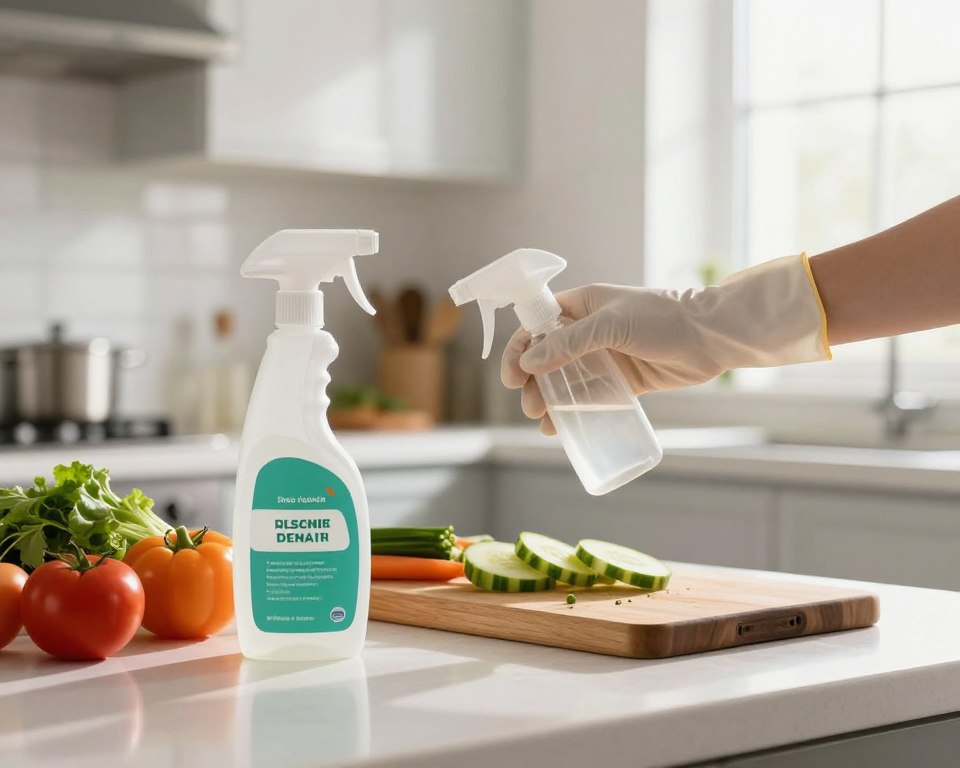
Many people forget that chemicals can stay on surfaces after cleaning. It’s important to rinse all areas that touch food with clean water after disinfecting. This step removes any harmful chemicals from your kitchen surfaces.
Choosing Food-Safe Cleaning Agents
Choosing the right cleaning products is crucial. Look for products made for kitchens to ensure they’re safe for food surfaces. Always check the label to make sure it’s safe for food areas.
| Product Type | Primary Use | Rinsing Required |
|---|---|---|
| Mild Dish Soap | General Cleaning | Yes |
| Food-Safe Sanitizer | Reducing Pathogens | No (if labeled) |
| Heavy-Duty Disinfectant | Deep Cleaning | Yes |
| Vinegar Solution | Light Maintenance | Optional |
By following these essential guidelines, you make your kitchen clean and safe. Consistency is key to a healthy kitchen. Remember, a little extra care in cleaning keeps your family safe.
Natural Alternatives for Kitchen Sanitization
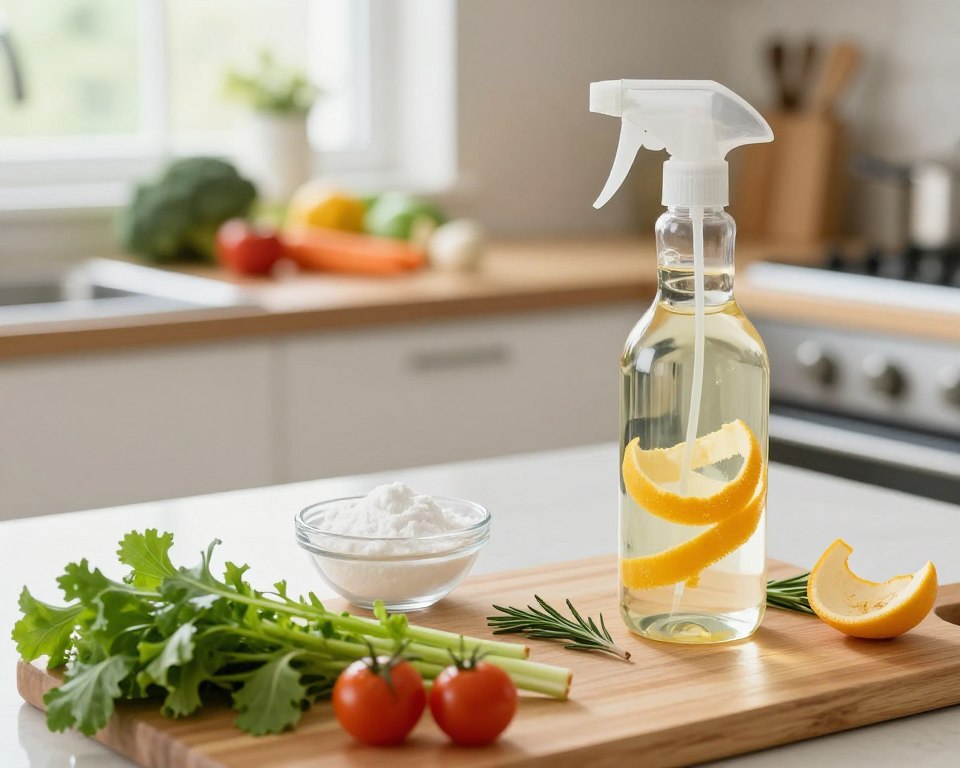
Keeping your kitchen clean doesn’t need harsh chemicals. Simple household items can do the job well. Using natural cleaners means less risk of harmful chemicals on your surfaces.
The Efficacy of Vinegar and Hydrogen Peroxide
White vinegar is great for fighting grease and mineral buildup. It also stops kitchen bacteria from growing. Mixing it with hydrogen peroxide makes a strong cleaning solution.
Keep vinegar and hydrogen peroxide in separate bottles. Spray vinegar first, then hydrogen peroxide. Let it sit for a few minutes before wiping it off with a clean cloth.
Using Steam Cleaning for Chemical-Free Results
Steam cleaning is a modern way to sanitize without chemicals. It uses hot water vapor to remove grime and kill germs. It’s perfect for surfaces where chemicals might stay.
Steam cleaning is great because it leaves no chemical residue. It’s safe for families with kids or pets. Just move the steamer slowly to get into all the nooks and crannies.
How to Properly Read Disinfectant Labels
Reading your cleaning product labels can greatly improve your home’s cleanliness. By following disinfectant spray guidelines, you can keep your family safe and kill germs effectively. Many people overlook these instructions, but they are crucial for safe use.
Decoding Hazard Statements
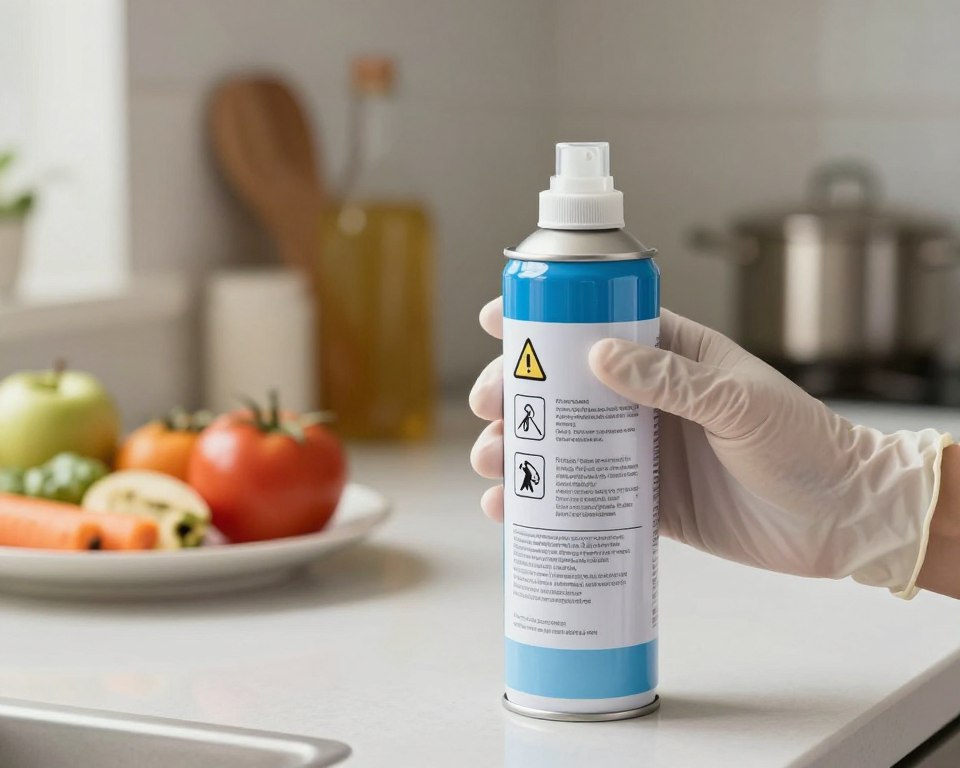
Manufacturers include hazard statements to alert you to potential risks. You’ll see signal words like Danger, Warning, or Caution on the bottle. These words tell you about the product’s toxicity or irritation risk if not handled right.
Always check for ventilation or protective glove instructions. Following these disinfectant spray guidelines prevents skin irritation or breathing problems. If a label says to use in a well-ventilated area, open a window or turn on your kitchen exhaust fan.
Understanding Dwell Time Requirements
The dwell time is crucial when using any cleaner. It’s the time the surface must stay wet to kill germs. If you wipe it away too fast, you might not sanitize the area properly.
Dwell times vary from thirty seconds to ten minutes. You’ll find these disinfectant spray guidelines on the back of the container. Always check this section to ensure the chemicals have enough time to work.
| Label Term | Meaning | Action Required |
|---|---|---|
| Danger | High toxicity or corrosive | Use gloves and eye protection |
| Warning | Moderate hazard | Ensure good ventilation |
| Dwell Time | Required wet contact | Do not wipe until dry |
| Caution | Low to mild hazard | Avoid direct contact |
Preventing Cross-Contamination During Cleaning
Keeping your kitchen clean and germ-free is key. It’s easy to spread bacteria around when cleaning. By following disinfectant spray best practices, you can make your kitchen safer.
Managing Cleaning Cloths and Sponges
Cleaning tools can spread germs easily. A sponge used on raw meat should not touch clean surfaces. Here are some tips to keep your kitchen clean:
- Use color-coded cloths for different areas of the kitchen.
- Wash cloths in hot water with bleach after each use.
- Change sponges often because they hold moisture and germs.
“The most effective way to stop the spread of bacteria is to treat every cleaning tool as a potential carrier of contamination.”
Protecting Open Food Containers
Airborne particles or splashes can reach your food. Before cleaning, make sure your food is safe. This is a crucial part of disinfectant spray best practices.
Move open containers and bowls of fruit away from your cleaning area. If you can’t move them, cover them well. These extra steps will help you clean your kitchen safely.
Safe Procedures for Disinfecting After Raw Meat Preparation
After preparing raw proteins, your main goal is to kill harmful bacteria safely. Cleaning your workspace well helps avoid spreading germs. This way, you keep your family safe from harmful pathogens like Salmonella and E. coli.
Targeting Pathogens Without Chemical Overuse
You don’t have to flood your kitchen with harsh chemicals to clean it. Start by wiping down surfaces with a paper towel to remove visible dirt and juices. Mechanical action is often more effective than just spraying and leaving.
When you do use a cleaner, apply it only to the area where the meat touched. Don’t soak your countertops, as this can leave chemical residue near your food. For tough stains, consider using a grill cleaner spray safe for food areas.
When to Use Soap and Water Versus Disinfectants
Soap and water should be your first choice for cleaning. Often, hot, soapy water is enough to remove bacteria and food bits. This is usually the safest option when you’re not using disinfectants.
Use stronger disinfectants only for high-risk items like raw poultry or ground meat. Always follow the instructions for dwell time and rinsing. Proper rinsing is key to removing any chemical residue from your surfaces.
Common Mistakes When Using Disinfectant Sprays
Even the most careful cleaners can make mistakes that put their food areas at risk. It’s common to think more spray means a cleaner surface. But, knowing how to use these sprays correctly is crucial for your disinfectant spray precautions.
Over-Spraying and Surface Saturation
Many people soak their countertops in too much liquid. Using too much disinfectant spray leaves behind a chemical residue that’s hard to remove. This residue can end up on your food, which is something you definitely want to avoid.
Instead, apply a light, even mist. Consistency is key for a sanitized kitchen without chemical buildup. Remember, a little spray goes a long way to keep your family safe.
Ignoring Ventilation Requirements
Another common mistake is cleaning in a closed space without air flow. Not using ventilation can lead to breathing in strong chemical fumes. This can cause irritation or breathing problems. It’s wise to open a window or turn on the kitchen exhaust fan before you start.
Good ventilation is a key disinfectant spray precaution. It keeps you from inhaling harsh vapors. By ensuring air flows freely, you make your cleaning safe and effective for everyone at home.
Protecting Vulnerable Family Members
Keeping your home clean doesn’t have to harm your family’s health. If you live with infants, pets, or people with health issues, you need a proactive approach. Knowing the risks of disinfectant ingestion is key to a safe home for all.
Safety Considerations for Infants and Pets
Infants and pets are always exploring and touching surfaces. They often put their hands or paws in their mouths. So, it’s crucial to be careful with chemicals. Follow strict disinfectant spray precautions to avoid accidents.
Make sure surfaces are dry before letting kids or pets back in. If you spray, wipe the surface with a damp cloth. This reduces the risk of harmful contact.
Managing Allergies and Chemical Sensitivities
Some family members might react badly to strong smells or chemicals in cleaners. They could get respiratory problems or skin rashes. Use products with low VOCs and keep rooms well-ventilated.
If someone has severe allergies, choose fragrance-free cleaners. Watch how your family reacts to products. This helps you make choices that keep everyone healthy and comfortable.
| Vulnerable Group | Primary Risk | Safety Strategy |
|---|---|---|
| Infants | Hand-to-mouth contact | Rinse surfaces thoroughly |
| Pets | Licking floors/surfaces | Keep pets out during cleaning |
| Sensitive Adults | Respiratory irritation | Use fragrance-free products |
When Professional Cleaning Services Are Necessary
Knowing when to call in the pros is key for food sanitization at home. Daily cleaning keeps things looking good, but some jobs need experts. This ensures your home is safe.
Handling Large-Scale Contamination
Big messes, like kitchen accidents or plumbing problems, are tough for DIY cleaning. If you face a huge sewage spill or mold outbreak, get help from professional cleaners.
They use heavy-duty tools and special cleaners not found in stores. Their work gets rid of hidden germs, keeping your family safe.
Maintaining Commercial Kitchen Standards
Commercial kitchens must follow strict rules for food sanitization. They use detailed plans and systems like HACCP to keep food safe.
Home cooks can learn from these standards. Keeping a cleaning log and using color-coded tools helps make your kitchen safer and more professional.
| Feature | Home Cleaning | Professional Service |
|---|---|---|
| Equipment | Standard Sprays | Industrial Steam/Chemicals |
| Protocol | Ad-hoc | HACCP Standards |
| Scope | Surface Level | Deep Decontamination |
| Frequency | Daily/Weekly | Scheduled/As Needed |
Conclusion
To have a clean cooking area, you need to balance cleanliness with safety. You can keep your home safe by choosing the right products. This is a big step in protecting your family.
Small changes in your daily life can make a big difference. Start by checking product labels from companies like Clorox or Lysol. This helps you know how long the products work.
Using natural cleaners can also give you peace of mind. They are good for surfaces that touch your food. This makes your kitchen a safe place for cooking healthy meals.
By following these steps, your kitchen becomes a healthy place to cook. Tell your family about the importance of cleaning surfaces. This way, everyone knows how to keep the kitchen clean and safe for meals.
## FAQ
### Q: Is it safe to use disinfectant spray directly on fruits or vegetables?
A: No, it’s not safe. Never spray Lysol or Clorox on food. These products are for hard surfaces, not food. Always wash fruits and veggies under running water instead.
### Q: What is the difference between food sanitization and disinfection?
A: Food sanitization makes surfaces safe for food by reducing bacteria. Disinfection kills almost all germs but uses harsh chemicals. These need a good rinse with water before food contact.
### Q: What are the official disinfectant spray guidelines for kitchen countertops?
A: EPA and FDA say only approved sprays can be used on food surfaces. Always follow the label’s “dwell time” and rinse with clean water before cooking.
### Q: Can I use disinfectant spray inside my refrigerator?
A: You can use sprays on fridge handles but be careful around food areas. If using Lysol on shelves, rinse them well. Use warm, soapy water or safe cleaners instead.
### Q: What are the best practices to avoid over-spraying in the kitchen?
A: Spray the cloth, not the surface, to avoid too much mist. Always open a window or turn on a fan to avoid inhaling fumes.
### Q: Does the CDC recommend disinfecting surfaces to prevent illness?
A: The CDC says clean surfaces are key to food safety. Using the right spray guidelines helps kill germs from raw meat or unwashed produce.
### Q: What should I do if I accidentally get disinfectant residue on my food?
A: If food touches a wet disinfectant surface, throw it away. Always dry and rinse countertops after using strong cleaners. If someone eats a lot of cleaner, call a doctor or Poison Control.