Did you know that nearly 80% of families used more chemical cleaners during the recent pandemic? Keeping a clean home is important, but finding the right balance is hard. Many people struggle to know when to clean and how to kill germs.
To keep your home healthy, you need to know when to use strong cleaners. It’s not just about scrubbing all the time. By knowing which areas are germ hotspots, you can protect your loved ones without using too much harsh stuff.
This guide will show you how to keep your home clean without overdoing it. We’ll help you create a plan that keeps your home safe. And it won’t expose you to too many strong chemicals.
Key Takeaways
- Regular cleaning with detergent is usually enough for daily maintenance.
- Increase sanitization efforts only during illness or after known exposure.
- Focus exclusively on frequently touched points like knobs and handles.
- Follow public health guidelines during active outbreaks.
- Prioritize safety to reduce the total chemical load in your living space.
Understanding the Difference Between Cleaning and Disinfecting
To keep your home healthy, it’s key to know the difference between cleaning and disinfecting. Both aim to make your home better, but they do it in different ways. Learning about household surface cleaning is the first step to a safer home for your family.
Defining Surface Cleaning
Cleaning is the first step in keeping your home in order. It removes dirt, dust, and grime from surfaces. Using soap, water, and a bit of scrubbing helps remove daily dirt.
This step is enough for most daily cleaning tasks. Regular cleaning helps reduce germs by washing them away. It prepares surfaces for deeper sanitizing.
The Science of Disinfection
Disinfecting is more than just cleaning. It uses chemicals to kill germs like bacteria and viruses on hard surfaces. Unlike regular household surface cleaning, disinfecting is crucial for killing invisible threats.
Disinfectants need time to work, known as dwell time. Wiping them away too fast can ruin their effectiveness. Always follow the product’s instructions for best results.
| Feature | Cleaning | Disinfecting |
|---|---|---|
| Primary Goal | Remove dirt and debris | Kill germs and pathogens |
| Main Tools | Soap, water, cloths | EPA-registered chemicals |
| Frequency | Daily maintenance | As needed or scheduled |
| Effectiveness | Reduces germ count | Eliminates specific threats |
Why High-Touch Surfaces Require Special Attention
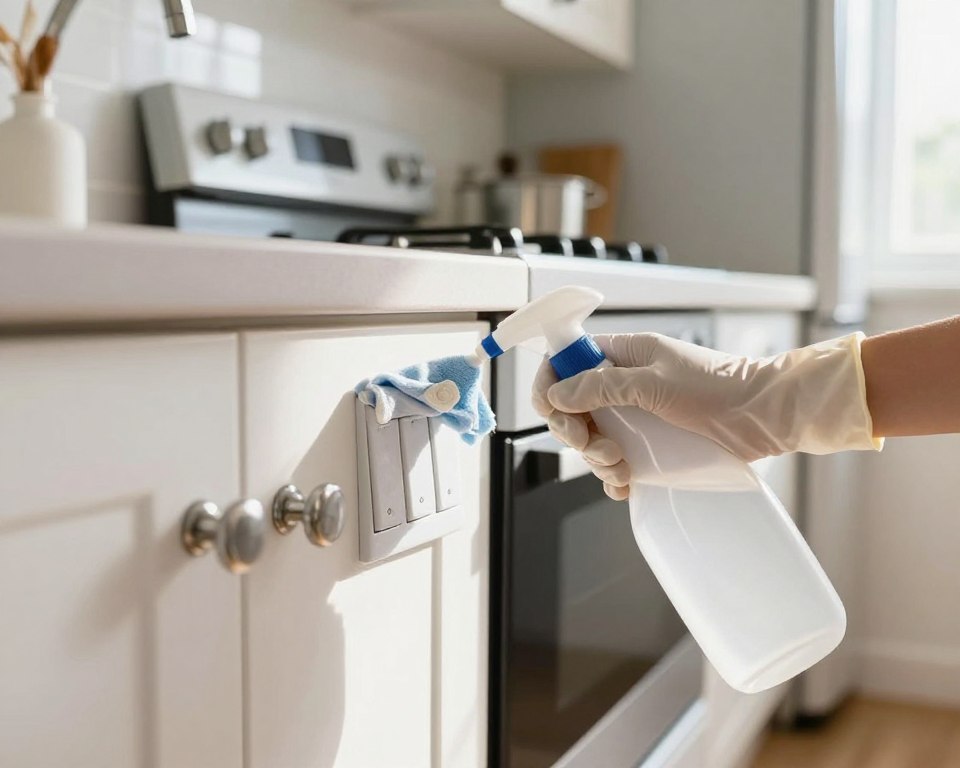
Every time you touch a doorknob or light switch, you might spread germs. These items are touched by many family members every day. By focusing on these spots, you can make your household surface cleaning more effective.
Identifying Common High-Touch Zones
To keep your home healthy, know which items need extra care. Kitchen counters, bathroom faucets, and cabinet handles are key. Also, don’t forget about smaller items like pens, remote controls, and light switches.
Regular high-touch areas sanitization stops grime and microbes from building up. Spotting these hotspots lets you focus your cleaning efforts. This way, you save time and keep your family healthier.
The Role of Pathogens in Household Transmission
Pathogens often spread through our hands. When someone touches a germ-covered surface, they can spread germs everywhere. This is why targeted cleaning is crucial for a safe home.
Knowing how germs move helps you stop them. Clean high-traffic areas to lower illness risk. Proper household surface cleaning is more than looks. It’s a proactive defense against germs in our homes.
How Often Should You Disinfect High-Touch Surfaces at Home?
Many homeowners wonder how often to disinfect high-touch surfaces. It’s important to find a balance between cleanliness and a manageable routine. By understanding your needs, you can create a recommended cleaning schedule at home that fits your lifestyle.
Establishing a Baseline Frequency
For most homes, a daily routine is enough to keep things clean. When no one is sick, cleaning high-traffic areas once a day is key. This consistent approach stops germs without needing to clean every corner.
Focus on surfaces everyone touches, like light switches and kitchen counters. Keeping these areas clean is crucial. It helps you feel sure your home is safe for your family.
Adjusting Schedules Based on Household Health
Life can change quickly, and your cleaning habits should too. If someone gets sick, you need to clean more often. Clean high-touch surfaces several times a day to keep everyone safe.
Here’s a table to help you figure out the best cleaning schedule for your home:
| Household Status | Cleaning Frequency | Primary Focus |
|---|---|---|
| Healthy/Standard | Once Daily | High-touch points |
| Guest Visits | Before and After | Entryways and bathrooms |
| Active Illness | Multiple Times Daily | Shared surfaces and isolation areas |
| Post-Recovery | Deep Clean Once | All high-contact zones |
Daily Disinfection Priorities for Busy Households
When your schedule is packed, focusing on specific high-touch areas sanitization makes all the difference. You don’t need to scrub your entire home every day. Instead, prioritizing the most frequently used surfaces helps maintain a healthy environment with minimal effort.
Kitchen Countertops and Food Preparation Areas
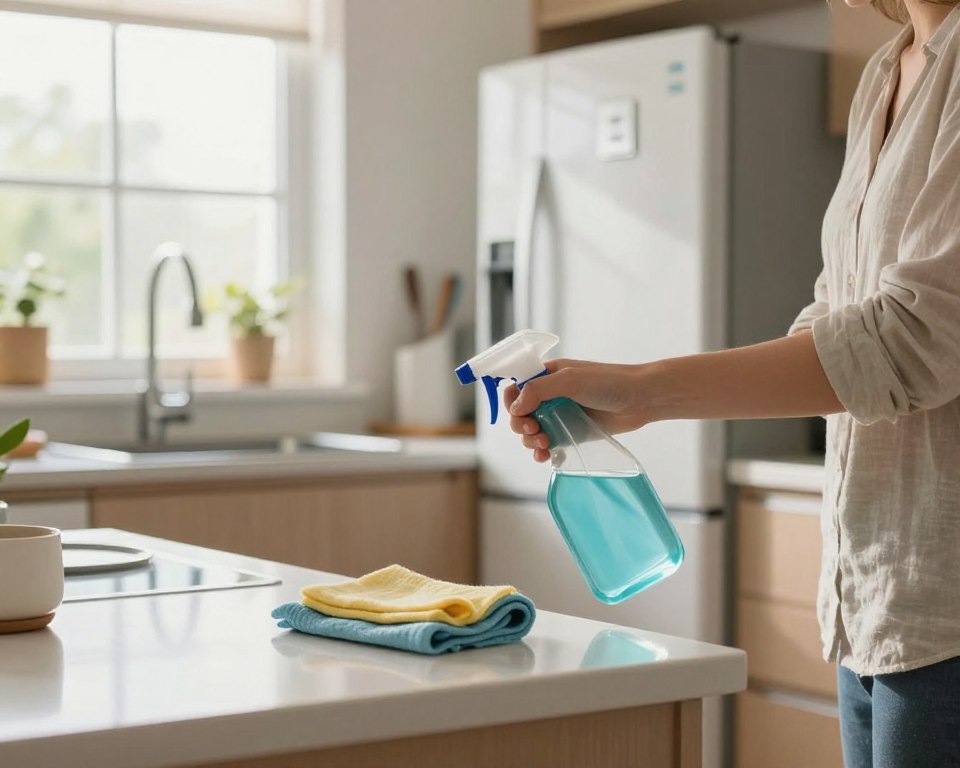
The kitchen is the heart of the home but also a germ hotspot. Daily cleaning of food preparation areas prevents harmful pathogens. Consistent cleaning stops cross-contamination while cooking for your family.
Bathroom Faucets and Toilet Handles
Bathrooms are high-traffic zones needing daily cleaning to fight bacteria. Faucets and toilet handles are touched often by everyone. Quick daily cleaning of these areas reduces illness risk.
To stay organized, use the table below to track your daily priorities. Keeping this list visible can turn these tasks into effortless habits for everyone in the house.
| Surface Area | Primary Concern | Recommended Action |
|---|---|---|
| Kitchen Countertops | Foodborne Pathogens | Wipe with disinfectant daily |
| Bathroom Faucets | Bacterial Transfer | Sanitize handles after use |
| Toilet Handles | Viral Contamination | Disinfect every morning |
| Prep Surfaces | Cross-Contamination | Clean before and after cooking |
Weekly Deep Cleaning and Disinfection Routines
Daily chores keep your home tidy, but cleaning routines for high-touch surfaces are key for long-term hygiene. Daily cleaning focuses on visible messes. But, a weekly deep clean tackles hidden spots that build up bacteria over time. This way, your home stays healthy without constant cleaning.
Managing Light Switches and Door Knobs
Light switches and door knobs are often overlooked but are hotspots for germs. They get touched by everyone in the family many times a day. Make sure to include them in your weekly deep cleaning schedule for a truly clean home.
Here’s how to clean them effectively:
- Use a microfiber cloth with a mild solution to clean switch plates.
- Don’t forget the edges and the toggle, as they collect the most dirt.
- For door knobs, use a gentle disinfectant to avoid damaging the finish.
For more home disinfecting tips, focus on high-traffic areas. Consistency is crucial in stopping the spread of germs.
Sanitizing Electronic Devices and Remote Controls
Electronics like remote controls and tablets are often handled but rarely cleaned. They’re perfect for your weekly cleaning routines for high-touch surfaces, more so in winter when we’re indoors more. Be careful with your cleaning supplies to avoid damaging these items.
Many are curious about the safety of disinfectant wipes. It’s smart to check if they’re safe for your devices. Always follow the manufacturer’s advice when cleaning electronics. Gentle care keeps your tech working well while keeping it clean for everyone.
Disinfecting Surfaces During Times of Illness
When someone in your family gets sick, it’s crucial to act fast to keep others healthy. Maintaining a clean space is key to stopping viruses like the flu or norovirus. By following disinfecting frequency guidelines, you can make a safe area for your loved ones to recover.
Isolating Contaminated Areas
First, limit germ movement by isolating the sick person. Clean and disinfect any area they’ve been in the last 24 hours right away. This proactive approach stops germs from spreading to others.
Focus on high-touch areas like light switches, door handles, and bedside tables. Use an EPA-registered disinfectant to kill viruses. Consistency is key to keep the infection from spreading.
Increased Frequency Protocols for Sick Family Members
When someone is recovering, regular cleaning isn’t enough. You need to follow stricter disinfecting frequency guidelines to fight off germs. Clean shared surfaces often, not just once a day.
The table below shows how to increase cleaning when someone is sick:
| Surface Type | Standard Frequency | Illness Protocol |
|---|---|---|
| Door Knobs | Weekly | Twice Daily |
| Bathroom Faucets | Daily | After Every Use |
| Remote Controls | Weekly | Daily |
| Light Switches | Weekly | Daily |
Following these increased cleaning schedules reduces viral load in your home. Wear gloves and ensure good ventilation to stay safe. These steps give you peace of mind while caring for your family.
Choosing the Right Disinfectants for Your Home
Choosing the right disinfectant is key to keeping your home healthy. Many think all cleaning products work the same. But, picking the right one ensures you kill germs, not just move them.
Evaluating EPA-Registered Products
When buying cleaning supplies, look for an EPA registration number on the label. This shows the product has been tested to kill certain germs. Without this, a product might not protect your family well.
Reading the label is crucial for safe and effective use. Make sure to check for:
- The specific types of viruses and bacteria the product targets.
- The required dwell time, which is how long the surface must remain wet.
- Instructions for proper dilution if the product is a concentrate.
Natural Alternatives and Their Limitations
Many prefer natural cleaners like vinegar or essential oils for everyday cleaning. But, they often can’t kill dangerous germs on high-touch surfaces. Natural substances haven’t been proven to eliminate harmful pathogens.
It’s important to know the difference between cleaning and disinfecting. Natural cleaners can remove dirt and grime but don’t meet the stringent standards for killing viruses. If you have a sick family member or high-risk areas, use EPA-registered solutions for safety.
“The most effective way to protect your home is to use products that have been scientifically validated for the specific germs you are trying to eliminate.”
Safe Application Techniques for Household Surfaces
Learning how to disinfect your home is key. Many think just spraying and wiping is enough. But, to really kill germs, you need to follow best practices for home disinfection.
Understanding Dwell Time for Maximum Efficacy
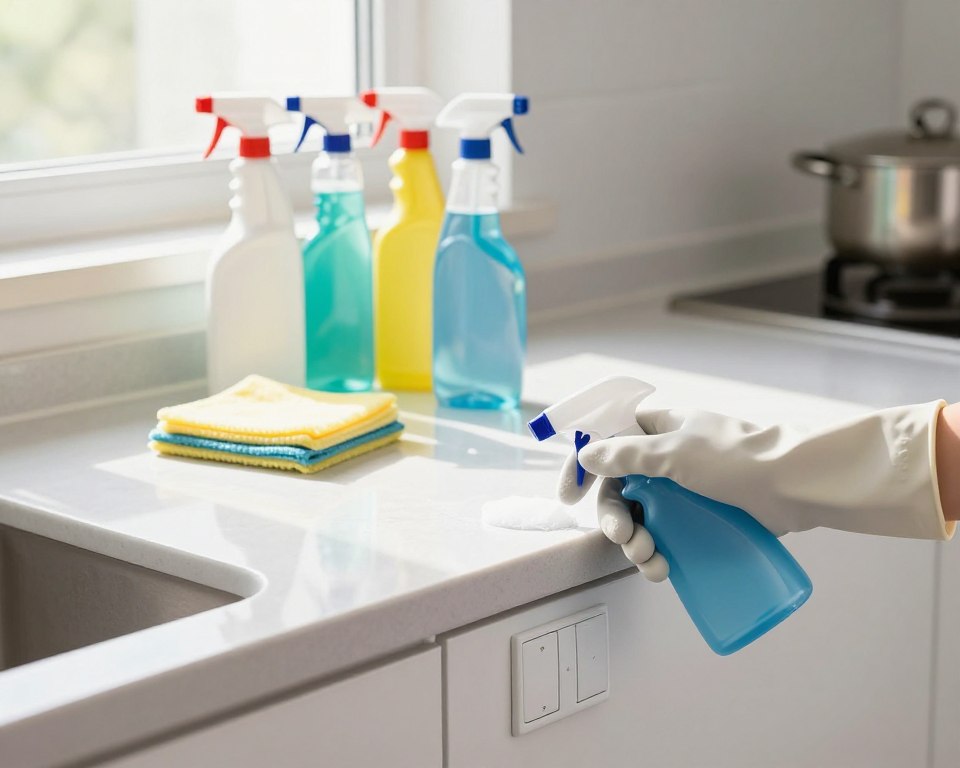
Dwell time is crucial for cleaning. It’s the time a surface must stay wet with disinfectant to kill germs. If you wipe too fast, the germs won’t die.
Check your cleaner’s label for dwell time. Some need just thirty seconds, others up to ten minutes. Patience is key for a clean home.
Proper Ventilation and Protective Gear
When using cleaners, safety comes first. Good air flow is vital to avoid breathing in harmful fumes. Open windows or use an exhaust fan to improve air quality.
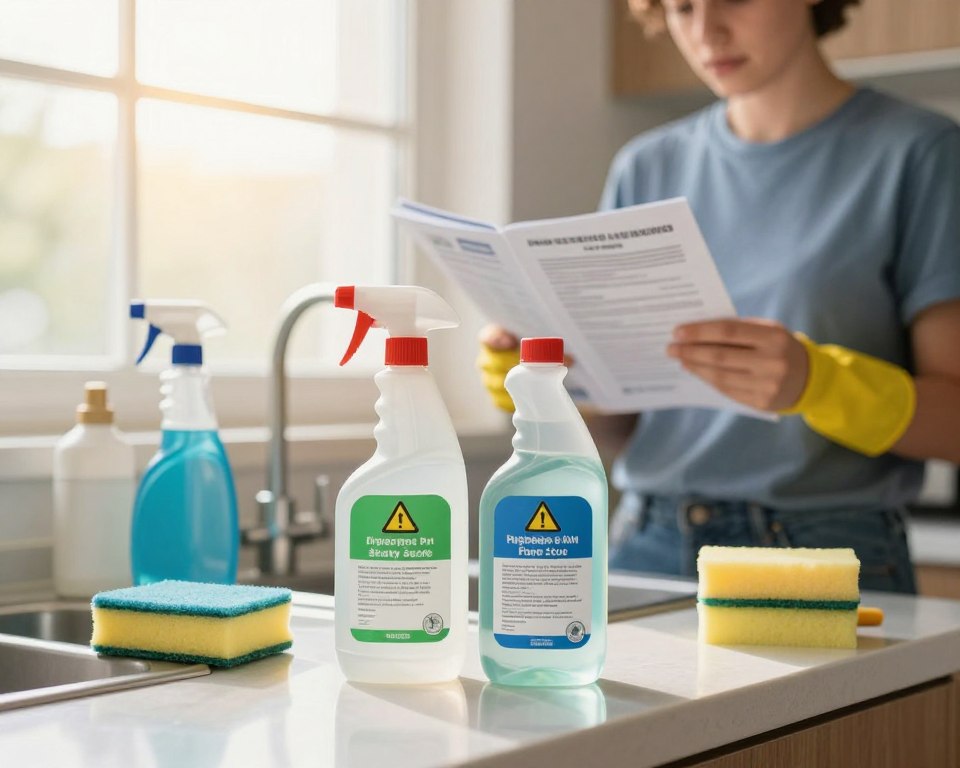
Wear gloves to avoid skin problems. Following these best practices for home disinfection keeps your home and health safe. Here are some tips:
- Always read the label before using any new cleaning agent.
- Ensure the room is well-ventilated by opening doors or windows.
- Wear rubber gloves to protect your skin from harsh ingredients.
- Allow the surface to air dry or wait for the full dwell time before wiping.
- Store all chemicals in a cool, dry place away from children and pets.
By making these habits part of your routine, you’ll have a safer home. Sticking to these best practices for home disinfection will give you peace of mind for you and your family.
Common Mistakes to Avoid When Disinfecting
To keep your home clean and safe, it’s important to know what not to do. By following best practices for home disinfection, you can keep your home safe for your family. You also protect your belongings from damage.
Mixing Cleaning Chemicals Safely
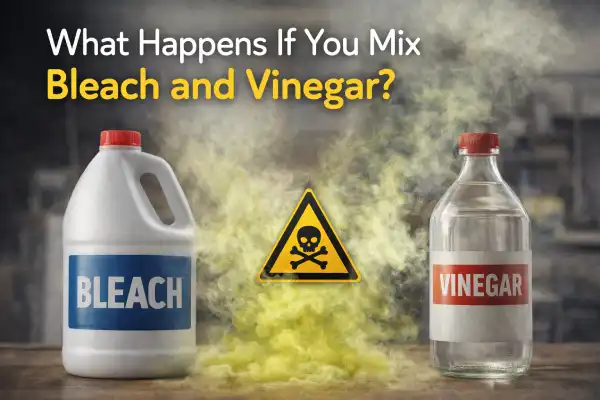
Mixing the wrong cleaning agents is very dangerous. Never mix bleach with rubbing alcohol, ammonia, or vinegar. This can create toxic fumes that are extremely dangerous to breathe.
These reactions can cause serious health problems. Before cleaning, learn why mixing two cleaning sprays is dangerous. Always read labels and use one cleaner at a time for safety.
Over-Applying Products on Sensitive Materials
Many think more disinfectant means a cleaner surface. But this is not true. Too much liquid can damage wood, leather, and electronic screens.
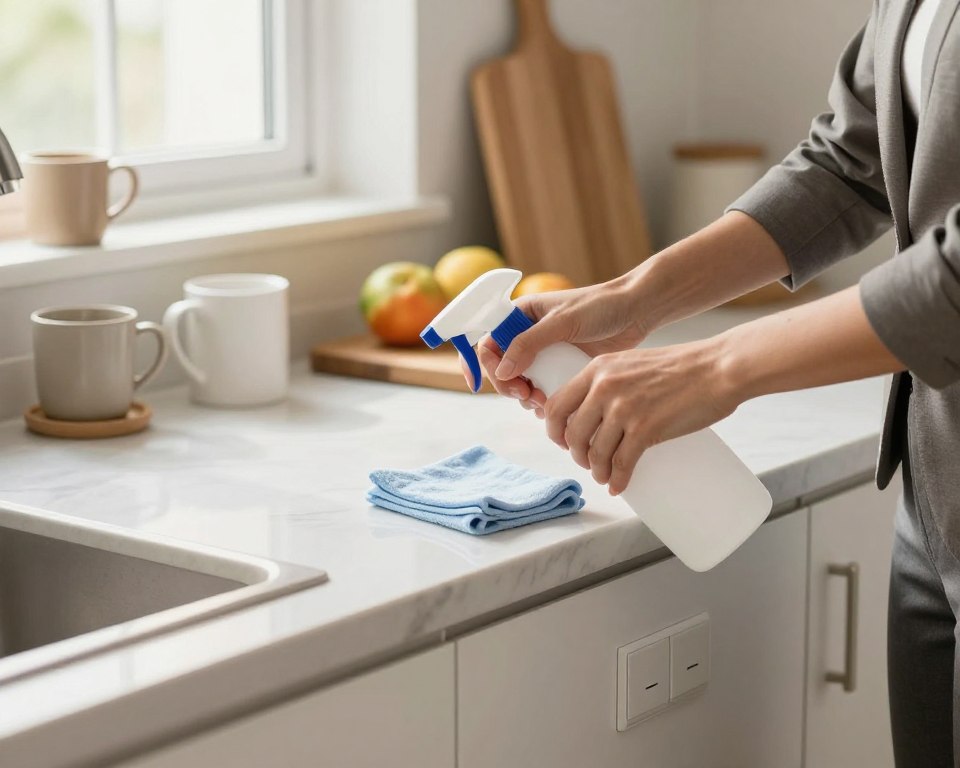
Too much moisture can harm electronics or damage furniture. Instead, apply the product to a microfiber cloth first. Then, gently wipe the area. This keeps your home’s surfaces safe while following best practices for home disinfection.
Protecting High-Touch Surfaces in Shared Living Spaces
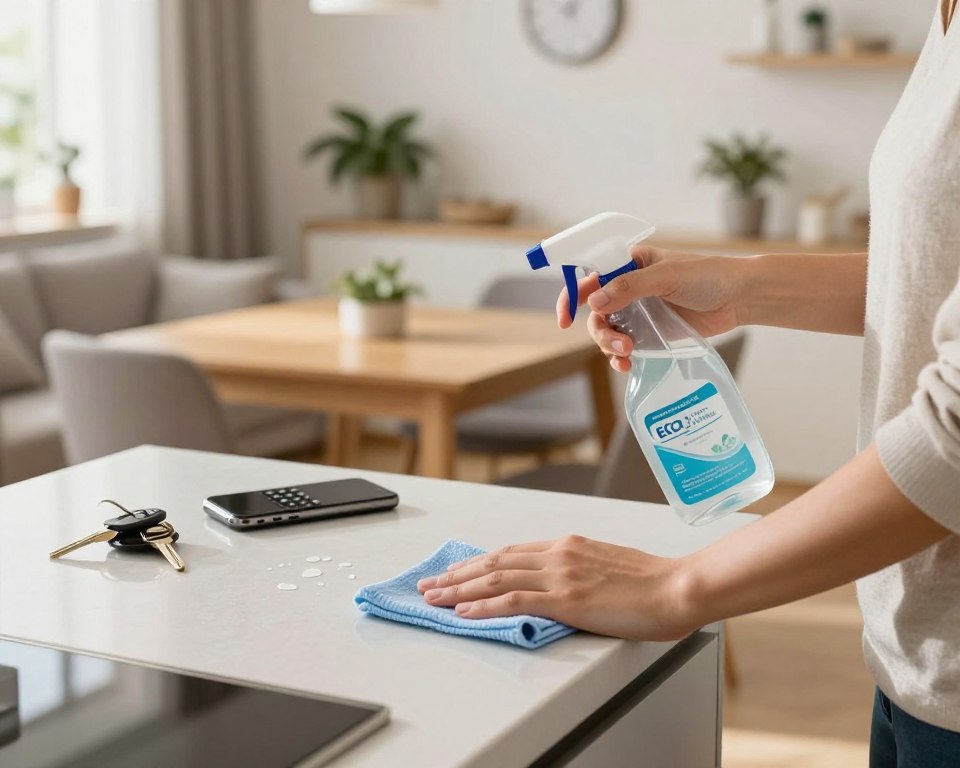
Keeping surfaces clean in a shared home is easier when everyone helps out. It’s not fair to put all the cleaning on one person. Working together keeps everyone safe from germs.
Coordinating Cleaning Duties with Family Members
Good communication is key to a clean home. Have a quick family meeting to decide who cleans what. Focus on areas like light switches and door handles.
Make a simple chart to share cleaning tasks. This way, no one feels too much work. Always check if disinfectant spray is safe to breathe before using it.
Maintaining Hygiene in Multi-Generational Homes
Multi-generational homes need special care. Different ages have different health needs. Keeping a routine is crucial for everyone’s safety.
Pay extra attention to busy areas like the kitchen and bathroom. Assign tasks based on age and ability. This teamwork keeps your home healthy and happy for all.
| Family Member | Primary Responsibility | Frequency |
|---|---|---|
| Adults | Deep cleaning bathrooms and kitchen | Weekly |
| Teens | Wiping light switches and door knobs | Daily |
| Children | Organizing toys and personal surfaces | Daily |
The Impact of Surface Material on Disinfection
Not all surfaces in your house are the same when it comes to cleaning. The type of material in your furniture and fixtures affects how well you can get rid of germs. Understanding these differences is key to a cleaner, safer home.
Treating Porous Versus Non-Porous Surfaces
Non-porous surfaces like stainless steel, glass, and hard plastics are easy to sanitize. They don’t soak up liquids, so disinfectants can kill germs effectively. You can usually clean these areas with standard EPA-registered solutions.
Porous materials like wood, fabric, and some stones need more care. They can soak up cleaners, which might harm them over time. Always check manufacturer guidelines before using any liquid cleaner on these materials.
Preserving Finishes on Wood and Metal
Many items have special finishes that can be damaged by harsh chemicals. Wood furniture, for example, has varnishes or oils that don’t mix well with alcohol-based cleaners. The wrong cleaner can make your wood look dull or even crack.
For metal items like brass or copper, avoid acidic cleaners to prevent tarnishing. Use pH-neutral solutions that sanitize without damaging the metal’s shine. Test a small, hidden area first to avoid damage and keep your home looking great.
| Surface Material | Porosity Level | Cleaning Ease | Recommended Care |
|---|---|---|---|
| Stainless Steel | Non-Porous | High | Mild soap or disinfectant spray |
| Finished Wood | Porous | Low | Damp cloth with wood-safe cleaner |
| Hard Plastic | Non-Porous | High | Standard disinfectant wipes |
| Upholstery | Highly Porous | Very Low | Steam cleaning or vacuuming |
Integrating Disinfection into Your Daily Chores
Adding small disinfection tasks to your daily routine is key to fighting household germs. Instead of seeing cleaning as a big task, break it down into quick, effortless steps. Regular home disinfection frequency keeps your space safe for everyone.
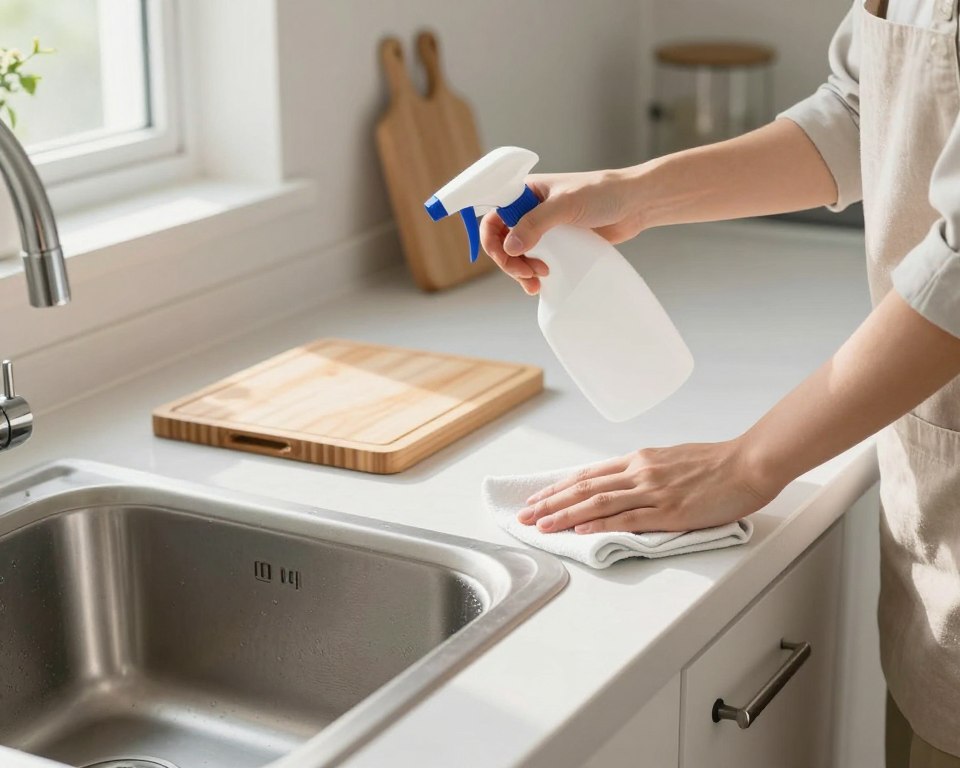
Keep your cleaning supplies, like disinfecting wipes and microfiber cloths, in easy spots. This makes it simple to clean high-touch areas without feeling overwhelmed. It’s a small change that makes a big difference in keeping your home clean.
Creating a Sustainable Cleaning Calendar
A good cleaning plan is essential for a healthy home. It helps you stay on track and avoid feeling stressed. Use this guide to create a recommended cleaning schedule at home that fits your lifestyle.
| Surface Type | Frequency | Action Required |
|---|---|---|
| Kitchen Counters | Daily | Wipe with disinfectant |
| Light Switches | Weekly | Sanitize thoroughly |
| Door Handles | Weekly | Disinfect high-touch points |
| Remote Controls | Bi-Weekly | Wipe with damp cloth |
Using Reminders and Habit Stacking
Habit stacking is a great way to start new habits. For example, clean the bathroom faucet right after brushing your teeth. This makes cleaning a natural part of your routine.
“The secret to getting ahead is getting started, and the secret to staying ahead is making it a habit.”
Remember to ventilate well while cleaning to keep air quality high. Learn about cleaning product fumes to protect your family. Set reminders on your phone to stay on track with your cleaning goals.
Special Considerations for Homes with Pets and Children
When kids and pets explore your home, the right cleaning supplies are crucial. Keeping your home clean is important, but safety comes first. You can keep your home clean and safe for your family.
Selecting Pet-Safe Disinfecting Agents
Many disinfectants can be harmful if pets or kids touch them. Look for EPA-registered products that are safe for animals. Choose products that don’t leave strong smells or require a lot of rinsing.
Here are some tips for picking the right supplies:
- Look for non-toxic or plant-based ingredients that kill germs well.
- Stay away from products with strong fragrances, as they can upset a pet’s sense of smell.
- Make sure the product is safe for surfaces your pets often touch, like floors or low furniture.
Minimizing Chemical Exposure for Toddlers
Toddlers are always exploring and often put their hands in their mouths. To keep them safe, be careful with cleaning products. Always store cleaning and disinfecting products securely in high cabinets or locked cupboards, far out of the reach of children.
Here’s how to reduce risks while cleaning:
- Apply disinfectants when kids are in another room to let surfaces dry before they return.
- If you use a strong disinfectant on a surface like a coffee table, wipe it down with a damp cloth after it dries to remove excess residue.
- Make sure the area is well-ventilated by opening windows or running a fan while you clean.
By following these simple steps, you can protect your family from harmful chemicals. Being consistent with storage and application will give you peace of mind. It will also keep your home clean and healthy.
Monitoring Surface Hygiene in High-Traffic Entryways
Your entryway is the first line of defense against outside dirt and germs. It’s where most foot traffic happens, making it a hotspot for bacteria. By having a dedicated hygiene protocol at your door, you can stop germs before they enter your home.

Managing Shoes and Bags Near the Door
Removing your shoes as soon as you enter is key to keeping your home clean. Use a sturdy shoe rack or tray to keep them in one place. This keeps dirt and germs from spreading across your floors.
Bags and backpacks also carry germs from public places. Hang them on hooks instead of putting them on counters. This keeps your home cleaner and healthier for everyone.
“The entryway is the gatekeeper of your home’s health; what you leave at the door stays out of your living space.”
Sanitizing Mail and Package Delivery Zones
Mail and packages go through many hands before they reach you. While the risk is low, it’s still important to handle them carefully. Have a special table or bin for opening and disposing of deliveries.
Always wash your hands or use sanitizer after handling packages. Keep a disinfectant spray or wipes nearby to quickly clean surfaces. Here’s how to manage these items effectively.
| Item Type | Hygiene Action | Frequency |
|---|---|---|
| Outdoor Shoes | Remove at threshold | Daily |
| Handbags/Backpacks | Hang on wall hooks | Daily |
| Cardboard Packages | Open and recycle | Upon arrival |
| Mail/Envelopes | Sort and sanitize hands | Daily |
Long-Term Benefits of a Consistent Hygiene Regimen
Keeping a regular cleaning schedule has big benefits over time. It’s not just about making your home look nice. It’s about creating a proactive shield against germs and viruses.
By cleaning high-touch areas, you make your home a safe haven. This makes cleaning feel like caring for your family, not just a chore.
Reducing Seasonal Illness Transmission
Cleaning well can stop the spread of common illnesses. Viruses like the flu and RSV can stay on surfaces, waiting to infect someone. By cleaning often, you reduce the total germ load in your home.
This is very important during cold and flu season. Sanitizing regularly stops germs from spreading to your kids or elderly relatives. Consistency is the key to keeping these illnesses away all year.
Creating a Healthier Indoor Environment
Cleaning regularly also makes your home healthier. Dust, allergens, and germs can cause breathing problems. A good cleaning routine minimizes these irritants, helping you breathe easier and sleep better.
Spending time on cleaning is worth it for your family’s health and peace of mind. You’re not just cleaning; you’re creating a space where your family can be happy and healthy. This dedication to cleanliness is a foundational pillar of a happy home.
Conclusion
Keeping your home clean and disinfected is a great way to protect your family all year. It creates a safe place by knowing the difference between cleaning and disinfecting. Focus on high-touch surfaces to keep everyone safe.
Being consistent is key to a routine that fights germs. Small daily habits stop germs from building up on things like Clorox wipes containers or Lysol spray handles.
Your hard work helps lower the spread of seasonal illnesses. You protect your loved ones by sticking to your cleaning routine.
Begin your new cleaning routine today to see the benefits right away. Share your best tips for keeping surfaces clean with others. Your dedication to a clean home encourages others to do the same.
FAQ
How Often Should You Disinfect High-Touch Surfaces at Home to stay safe?
Disinfect high-touch surfaces at least once a day for most households. If someone is sick or you have many guests, disinfect more often.
What are the most important areas for high-touch areas sanitization?
Focus on doorknobs, light switches, faucets, toilet levers, refrigerator handles, and TV remotes. These are key areas for germ spread.
Is household surface cleaning the same as disinfecting?
No. Cleaning removes dirt and germs with soap and water. Disinfecting uses chemicals to kill germs. Both are important for a clean home.
What are the disinfecting frequency guidelines for electronics?
Disinfect electronics like smartphones and remotes weekly. Use a 70% isopropyl alcohol solution on a microfiber cloth to sanitize without damage.
Why is "dwell time" important in a household surface hygiene regimen?
Dwell time ensures disinfectants work. Always follow label instructions to keep the disinfectant wet long enough to kill germs.
Can I mix different cleaning products to make them stronger?
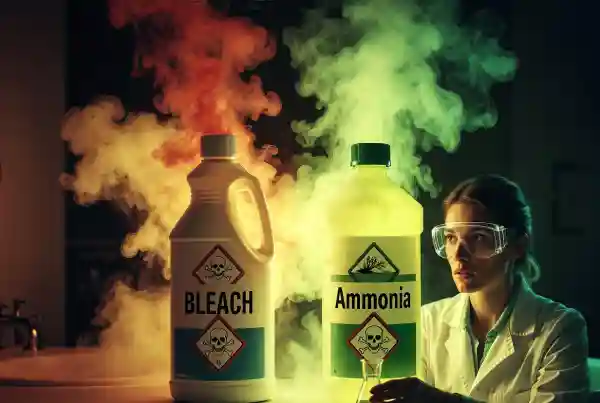
Absolutely not. Never mix chemicals, like bleach and ammonia, as it creates toxic gas. Always use one EPA-registered product at a time.
How can I maintain a recommended cleaning schedule at home with pets and kids?
Use child and pet-safe brands like Seventh Generation or Clean Smart. These products are effective without harming pets or children.