Did you know indoor air can be more polluted than outdoor air? Many think sealing homes keeps out pollutants like mold spores or PM2.5. But, this traps harmful substances inside. Managing your indoor environment is about keeping dust out and avoiding breathing in chemicals.
Homeowners often wonder if they can keep their homes clean without opening windows. Knowing how long cleaning product fumes last is key to keeping your family healthy. Surfaces like curtains and upholstery soak up residues, releasing them into the air long after cleaning.
Prioritizing your respiratory health means more than just habits. By picking low-VOC products and smart ventilation, you can keep your home clean. We’ll dive into air quality science to guide you to a healthier home.
Key Takeaways
- Outdoor air quality can sometimes be better than trapped indoor air.
- Common household surfaces absorb chemical residues and release them over time.
- Ventilation is crucial, but it is not a complete solution for chemical exposure.
- Choosing low-VOC or fragrance-free products significantly reduces health risks.
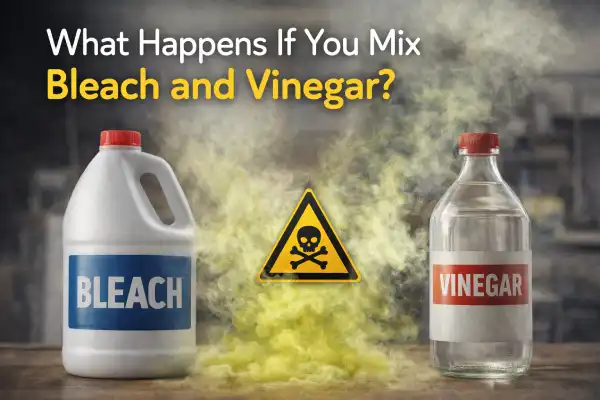
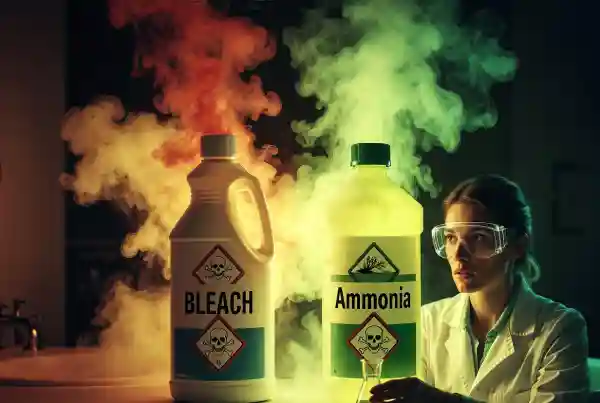
- Mixing certain cleaning agents can create dangerous gases, even in ventilated rooms.
Understanding the Risks of Cleaning Without Ventilation
Keeping windows shut while cleaning might seem cozy. But it traps harmful particles inside. When you clean without ventilation, you block the escape of chemical fumes and dust. This makes your space a breeding ground for pollutants, irritating your lungs and throat.
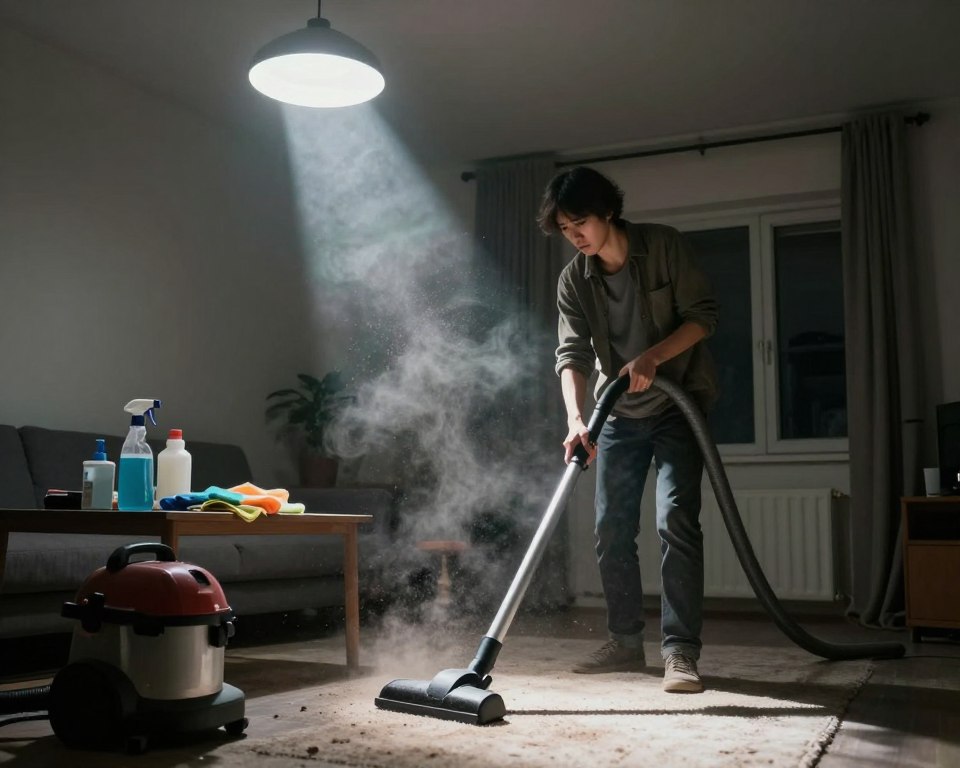
Many think indoor air is safer than outdoor air. But your home can become a hazardous zone with cleaning agents. Without fresh air, these substances build up fast.
“The air we breathe indoors is often more polluted than the air outside, specially when we trap chemical vapors in small, unventilated spaces.”
Be extra careful in places like bathrooms or closets where air moves less. By cleaning without ventilation, you breathe in a cloud of chemicals. Simple steps to improve air flow can greatly benefit your health and comfort.
Is It Safe to Clean Without Opening the Windows?
Many people wonder if is it safe to clean without opening the windows? This is a big concern for those in apartments or homes with little air flow. Some think closing windows keeps homes clean. But, it can actually trap bad particles inside.
How safe your home is depends on the cleaning products you use and how long you clean. Quick tasks like dusting a shelf with a damp cloth are usually safe. But, deep cleaning with harsh chemicals in a closed room is risky.
Using strong solvents or sprays can make fumes build up fast in small spaces. It’s key to know what’s in your cleaning supplies. Just like checking if nail polish remover or acetone is safe for your skin and lungs. A strong smell means the air quality has dropped a lot.
It’s all about finding a balance between cleaning and safety when working in a small space. Always check your surroundings before starting. If you’re unsure, is it safe to clean without opening the windows?, it’s wise to find other ways to ventilate to keep yourself safe.
The Science of Indoor Air Quality and Chemical Exposure
Your home is like a sealed container where chemicals mix every time you clean. Keeping the air inside clean is all about balancing chemicals and air flow. When you spray cleaners, you release VOCs into the air.
These chemicals don’t just disappear after cleaning. They stay in the air, building up in poorly ventilated rooms. Knowing how these chemicals act is key to staying healthy while cleaning.
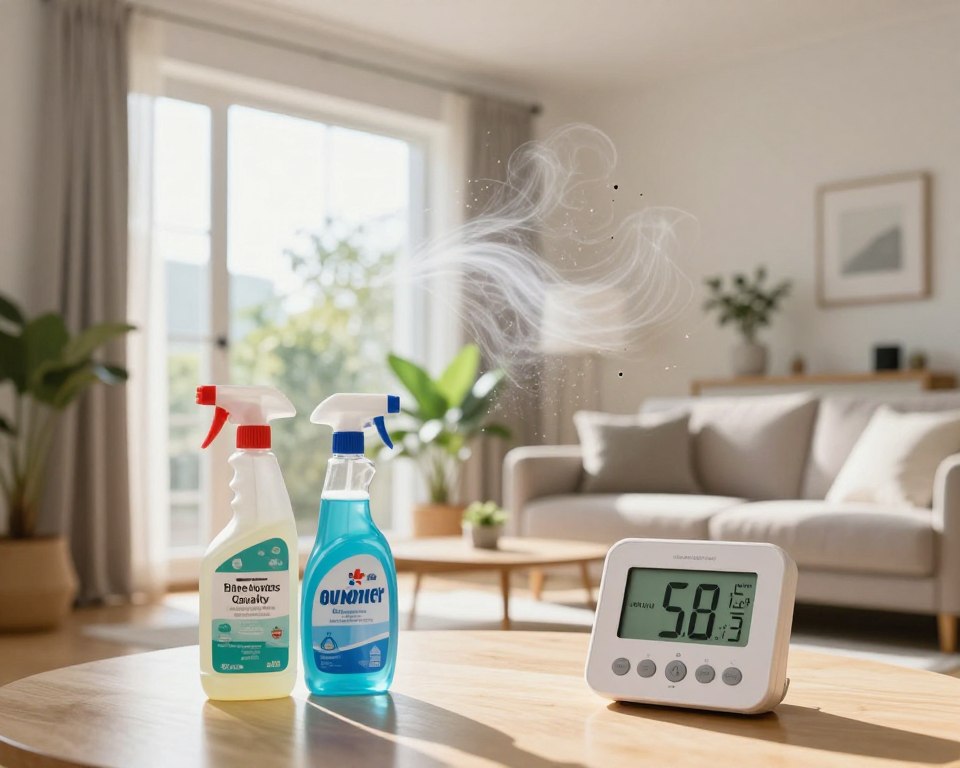
Many think opening a window is the best way to improve indoor air quality. But, outside pollutants like car exhaust and smoke can get in, making your air worse. You need to think about the benefits of fresh air and the risks of outside pollutants.
“The air we breathe indoors is a complex mixture of chemicals, particles, and gases that change constantly based on our daily activities.”
Cleaning in a closed space quickly raises the amount of airborne particles. Without good air flow, these chemicals stay trapped, increasing everyone’s exposure. By understanding indoor air quality, you can choose better cleaning products and manage your home better.
Common Household Cleaning Products and Their Volatile Organic Compounds
Your daily cleaning routine might expose you to more than just dirt and grime. Many cleaning supplies contain harmful ingredients that can harm your indoor air quality. This is true, mainly when used in rooms without good airflow. Making sure to choose cleaning products safety is a simple way to keep your home safe from harmful chemicals.
Identifying Harsh Chemicals in Common Sprays
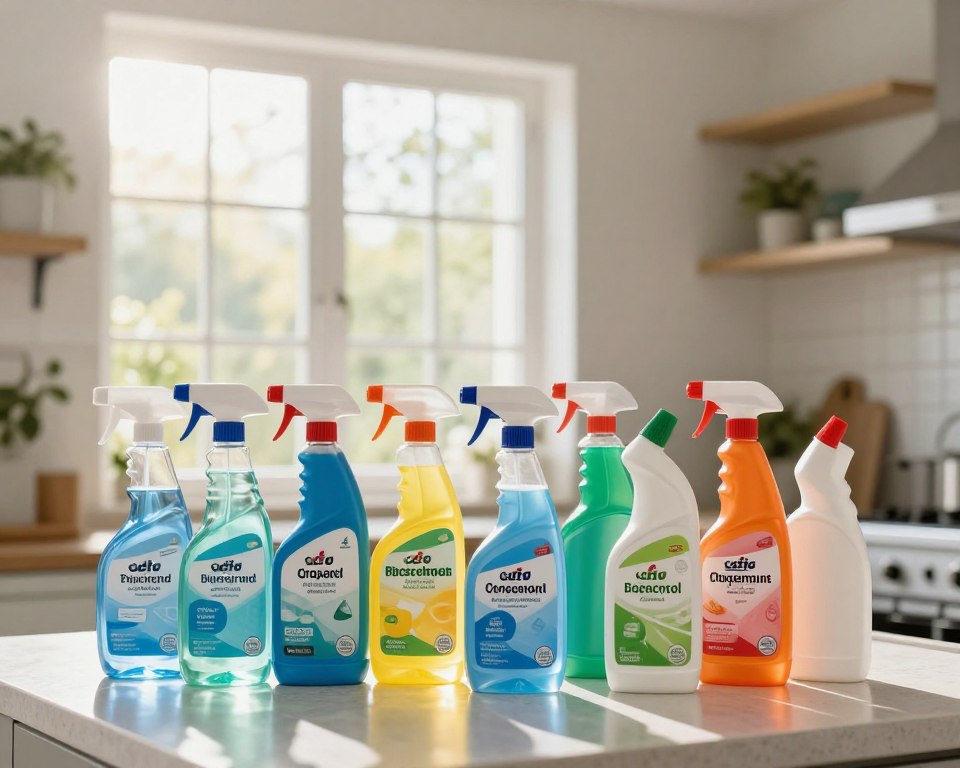
It’s important to check the labels on your favorite cleaners. Many products have Volatile Organic Compounds, or VOCs, which turn into vapors easily. Knowing about these ingredients helps you make better choices for your home.
Common offenders include ammonia, chlorine bleach, and synthetic fragrances. Using these in small, windowless areas can quickly increase the concentration of these fumes. Choosing products with fewer harsh additives is key to maintaining cleaning products safety.
The Impact of Aerosols on Respiratory Health
Aerosol sprays are tricky because they release fine particles that stay in the air. In a room without windows, these particles have nowhere to go. This means you breathe them in for a long time, leading to unpleasant respiratory distress or irritation.
Regular exposure to these fumes can cause coughing, wheezing, or throat irritation. Understanding how aerosols act in still air helps you manage cleaning products safety better. Simple changes, like using trigger sprays instead of aerosols, can greatly improve your comfort.
Signs That Your Indoor Air Quality Is Compromised
Your body often acts as a silent alarm when the air quality in your home begins to drop. You might think a clean house is always healthy. But, the products used to clean can sometimes be harmful. Paying close attention to how you feel during and after cleaning is key to staying safe.
Physical Symptoms of Chemical Sensitivity
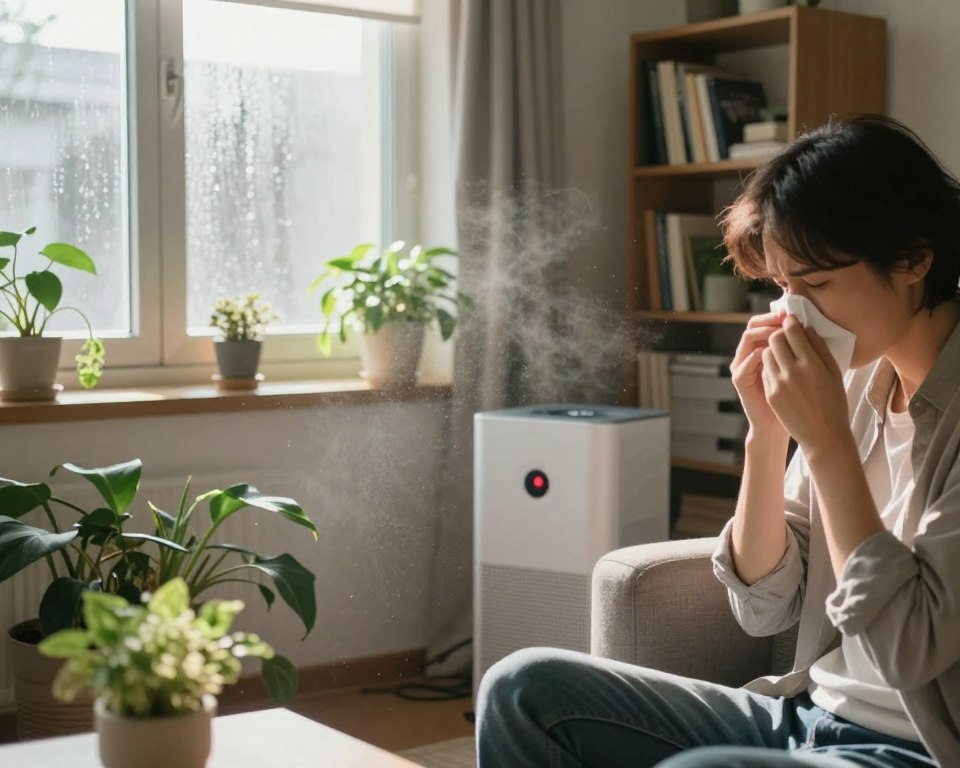
Many people react right away to strong cleaning fumes in a closed room. You might get dry, itchy eyes or a cough that won’t go away. These are signs of respiratory irritation from inhaling harmful compounds.
Other signs include tension headaches or a sore throat. If you need fresh air to finish a task, your body is telling you something. Listen to these cues instead of ignoring them.
Environmental Indicators of Poor Air Circulation
The environment itself can also show signs of poor air circulation. A key sign is lingering odors that stay long after cleaning. If bleach or ammonia smells linger, it means the air is not clearing.
You might also feel a “heaviness” or stuffiness in the room. This happens when humidity rises or air doesn’t move well. The table below shows the main differences between physical and environmental warning signs.
| Category | Primary Indicator | Common Result |
|---|---|---|
| Physical | Respiratory Irritation | Coughing or scratchy throat |
| Physical | Sensory Discomfort | Dry eyes or headaches |
| Environmental | Lingering Odors | Chemical smells persist |
| Environmental | Air Stagnation | Feeling of heavy, thick air |
Safe Cleaning Practices for Windowless Rooms
Cleaning a space without natural airflow requires careful planning. Just opening doors is not enough to remove chemical vapors or moisture. By following safe cleaning practices, you can keep your home healthy, even in tight spots.
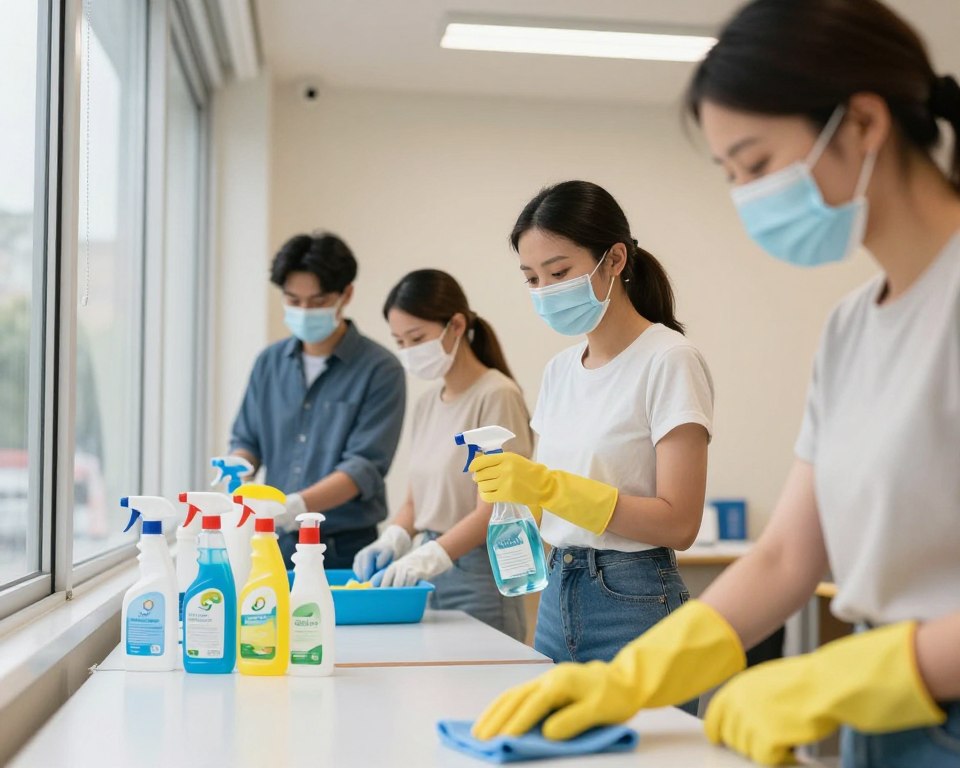
Utilizing Bathroom Exhaust Fans Effectively
The exhaust fan is your best ally for windowless cleaning. It’s made to remove steam, moisture, and chemicals from the air. Always switch it on before you start cleaning.
For the best results, keep the fan on for at least fifteen minutes after cleaning. This makes sure all particles are removed from the room. For more tips on improving airflow, check out how to ventilate a room without windows.
The Role of Portable Air Purifiers During Cleaning
At times, an exhaust fan is not enough for strong cleaning products. Portable air purifiers step in as a backup. They help capture VOCs and small particles that could harm your lungs.
Put the purifier close to the cleaning area to catch fumes early. Consistency is key. Running it on high during cleaning greatly improves air quality. Using both mechanical solutions makes your space safer for cleaning.
Natural Alternatives to Harsh Chemical Cleaners
Start improving your cleaning products safety by looking at your kitchen. Many sprays have harmful compounds that can hurt your lungs. Choosing natural ingredients lowers the risk of breathing in bad fumes.
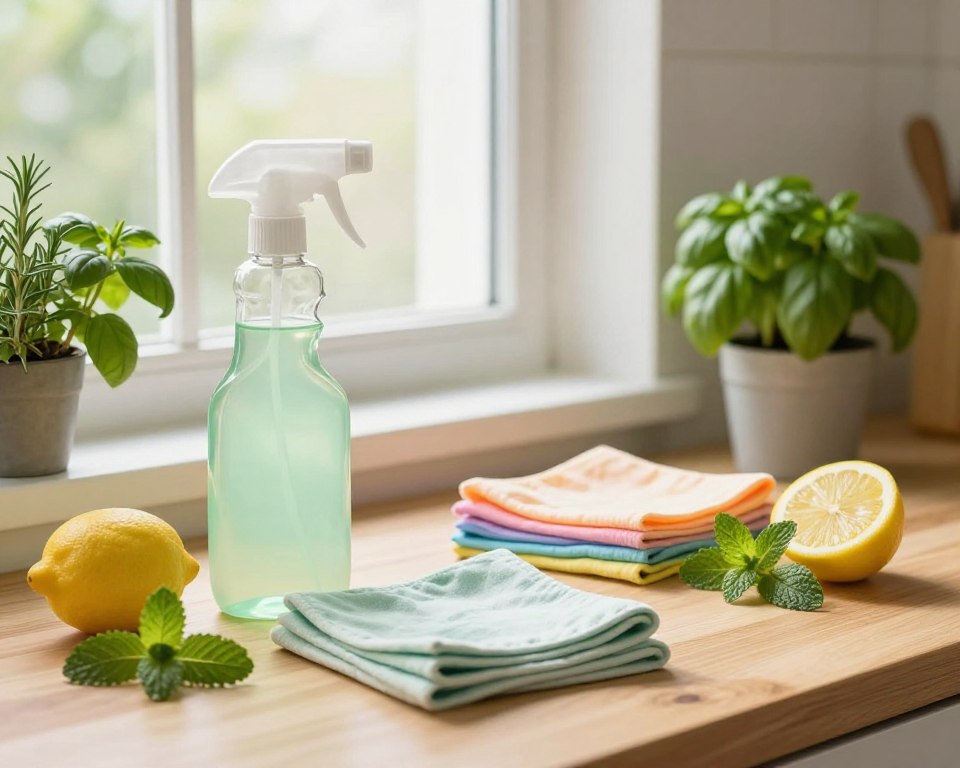
Benefits of Using Vinegar and Baking Soda
Vinegar and baking soda are powerhouse staples for cleaning. White vinegar is a natural disinfectant and cuts through grease. Baking soda gently removes tough stains.
These items are safer for your air than harsh chemicals. They are cheap, easy to find, and don’t leave harmful residues. Using them is a big step in making your cleaning safer.
Essential Oils and Their Limitations in Enclosed Spaces
Many people add essential oils to their cleaners for a nice smell. But, these oils can also affect air quality in small rooms. It’s key to use them sparingly to avoid strong odors.
If you use essential oils, check if you’re sensitive to the scent first. Even natural smells can cause breathing problems in small spaces. Be careful not to overdo it to keep your home safe.
Strategic Cleaning Techniques to Minimize Fumes
Many people don’t think about how they clean affecting the air they breathe. Even with good ventilation during cleaning, how you use products matters a lot. Simple changes can make your home’s air cleaner and safer for everyone.
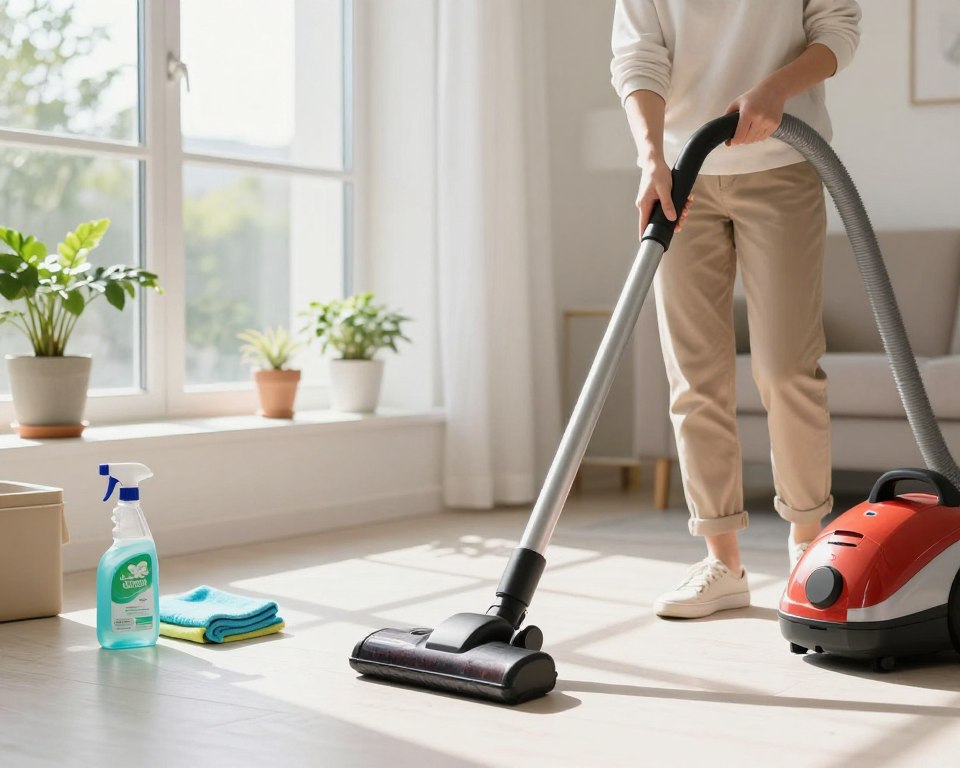
Applying Products to Cloths Instead of Surfaces
Stopping direct spraying is key to avoiding chemical mist. When you spray surfaces, a lot of liquid turns into airborne droplets that stay in the air. Instead, put your cleaner on a microfiber cloth or paper towel.
This change keeps the product where you want it. It stops chemicals from spreading into the air, which is crucial without good ventilation during cleaning. This method cleans well without harming your lungs.
Reducing the Frequency of Spraying
Using too much cleaning agent is another mistake. Household sprays are often very concentrated. So, you only need a little to clean effectively. Spraying less keeps the air cleaner.
Adopt a “less is more” mindset for cleaning. If you’re always spraying, you might be using too much. Good ventilation during cleaning is easier when there’s less chemical mist.
| Application Method | Air Quality Impact | Chemical Usage |
|---|---|---|
| Direct Spraying | High airborne particles | High (Excessive) |
| Cloth Application | Minimal airborne particles | Low (Controlled) |
| Diluted Solutions | Low chemical odor | Moderate |
By making these changes, you make your home safer for your family. These small steps make a big difference in your comfort and health, even in small rooms.
Managing Air Circulation in Apartments and Small Spaces
Managing air circulation while cleaning is key in small homes. Chemical vapors can quickly build up, causing discomfort or irritation. It’s important to move air well to keep your space safe and fresh.
Using Box Fans to Create Cross-Ventilation
Box fans can help even when you can’t open windows. Place a fan in a doorway to pull out stale air. Another fan elsewhere pushes fresh air in. This makes a cross-ventilation effect that keeps fumes from sticking around.
“Proper ventilation is the foundation of a healthy home, ensuring that the air you breathe remains free from harmful pollutants and stagnant odors.”
This method is great for using strong cleaners, like those in guides on whether certain cleaners are toxic. Moving air reduces how long chemicals stay in your air.
The Importance of Keeping Interior Doors Open
Many close doors to keep mess in, but it traps bad particles. Keeping doors open lets air flow everywhere. This is a basic step in learning to air your rooms, even in small spaces.
Keeping your floor plan open during cleaning stops volatile organic compounds from building up. Consistent airflow is your best defense against bad indoor air. By making these habits a priority, your home stays a comfortable place after cleaning.
Protecting Vulnerable Household Members
Keeping your home clean doesn’t have to harm your family’s health. When you live with kids, pets, or people with sensitivities, it’s crucial to use safe cleaning practices. These family members are more likely to get sick from the air pollution left after cleaning.
Safety Precautions for Pets and Children
Children are more at risk from chemicals because they breathe faster and play on the floor. This is where chemicals settle after spraying. To keep them safe, always keep them out of the room while you clean.
Here are some easy steps to lower the risk:
- Wait for surfaces to dry before letting children or pets back in.
- Keep all cleaning supplies in high, locked cabinets out of reach.
- Choose gentle, non-toxic cleaners to reduce chemicals in your home.
Considerations for Individuals with Asthma or Allergies
People with breathing problems can easily get sick from even small fumes. It’s key to find safe cleaning products for asthma sufferers. Opting for fragrance-free or plant-based cleaners can make the air better.
If someone at home has asthma, clean when they’re not there. This lets the air clear before they come back. By following these safe cleaning practices regularly, you can make your home a healthier place for everyone.
When to Use Personal Protective Equipment
When you tackle heavy-duty cleaning, personal protective equipment is your last defense. Ventilation is key, but some tasks need extra care. Taking these simple steps can greatly lower your risk of exposure to harmful substances.
Choosing the Right Masks for Chemical Fumes
Not all masks filter out chemical vapors equally. A standard dust mask or surgical mask won’t protect you from many cleaners’ vapors. You should look for a respirator rated for organic vapors if working in a small space.
If you use mild cleaners, a high-quality N95 mask can help with dust and particles. But for strong bleach or ammonia, a dual-cartridge respirator is safer. Make sure the mask fits well to block fumes from escaping.
Gloves and Skin Protection During Deep Cleaning
Your skin can absorb harsh chemicals easily during cleaning. The right gloves prevent irritation, dryness, and burns. Nitrile gloves are better than latex for many cleaning solvents.
Wear long sleeves or an apron for scrubbing with heavy spray. This extra layer stops chemical splashes. After cleaning, wash your hands well with soap and water to remove any residue.
| Equipment Type | Best Use Case | Key Benefit |
|---|---|---|
| Nitrile Gloves | Heavy-duty scrubbing | Chemical resistance |
| Organic Vapor Mask | Strong chemical sprays | Filters toxic fumes |
| Safety Goggles | Overhead cleaning | Prevents eye splashes |
| Long-Sleeve Apron | Deep bathroom cleaning | Protects skin/clothes |
The Role of Humidity and Temperature in Air Quality
Managing heat and moisture is key for windowless cleaning. Many overlook the impact of their home’s climate on indoor air quality. Knowing these factors helps make your home safer for your family.
How Heat Affects Chemical Evaporation Rates
Temperature greatly affects how chemicals act in the air. Warm rooms speed up the release of VOCs from cleaning products. This can make air fumes more concentrated, which is a big concern in small spaces.
For better air, try steam cleaning instead of sprays. Keeping your home cool during cleaning slows down chemical evaporation. This simple change improves your indoor air quality.
Managing Moisture Levels in Windowless Bathrooms
Bathrooms without windows trap moisture, perfect for mold and mildew. Keeping humidity between 30 and 60 percent is crucial. Make sure your exhaust fan is on full blast during windowless cleaning.
If your bathroom’s fan isn’t strong, a dehumidifier might be needed. Good airflow is essential to prevent humid air that harbors allergens. The table below shows how different conditions affect your home.
| Condition | Ideal Range | Risk if Exceeded |
|---|---|---|
| Relative Humidity | 30% – 60% | Mold and bacterial growth |
| Room Temperature | 68°F – 74°F | Increased chemical off-gassing |
| Air Circulation | Constant flow | Stagnant pollutant buildup |
Best Practices for Deep Cleaning Projects
Deep cleaning needs more than just hard work. It also requires a smart plan for keeping the air clean. By focusing on ventilation during cleaning, you keep your air safe from harmful chemicals. This way, your home stays a safe place, even when you’re cleaning hard.
Staggering Tasks to Allow for Air Recovery
Deep cleaning can feel too much to handle. But breaking it down into smaller tasks helps a lot. By doing tasks one at a time, you give the air a chance to clear out. This stops harmful chemicals from building up, which can happen when using disinfectant sprays in small spaces.
Consistency is key for keeping your air clean. Instead of cleaning every room in one day, focus on one area at a time. This way, you can better control the air quality in your home.
Scheduling Cleaning During Low-Occupancy Times
Choosing the right time to clean is also important for air circulation while cleaning. It’s best to do heavy cleaning when the house is empty, like when everyone is out. This reduces the risk of people getting sick from bad air.
Planning your cleaning around your household’s daily life makes it safer for everyone. Cleaning when the house is empty lets you air out the space before others come back. This is a key part of keeping your home safe and clean.
| Cleaning Strategy | Air Quality Impact | Efficiency Level |
|---|---|---|
| All-at-once scrubbing | High chemical buildup | Low (Fatigue-prone) |
| Staggered tasking | Controlled recovery | High (Sustainable) |
| Low-occupancy timing | Minimal exposure | High (Safe) |
Conclusion
Keeping your living space clean without open windows is possible with smart planning. You can manage indoor air quality by choosing safer cleaning products. Also, using mechanical ventilation systems is key.
Small changes in your routine can greatly improve your health. Look for plant-based cleaning products from brands like Seventh Generation or Method. These options help reduce harmful chemicals in your home.
Staying safe is an ongoing effort, depending on your home’s layout. Watch how your body reacts to deep cleaning. Using portable air purifiers from Dyson or Levoit can make a big difference.
We urge you to take action to improve your home’s air quality. By adopting these habits, you’ll create a healthier space for everyone. Share your best tips with friends and neighbors to help them breathe better too.
Is it safe to clean without opening the windows?
It’s generally safe with non-toxic, natural products like vinegar or baking soda. But, using bleach or ammonia-based cleaners without ventilation is risky. Always use an exhaust fan or air purifier if windows are closed.
How can I maintain good indoor air quality while cleaning?
To keep your indoor air quality good, avoid aerosol sprays. Use an air purifier with a HEPA filter and keep doors open. Choose products with low-VOC labels for safety.
What are the best safe cleaning practices for windowless bathrooms?
In windowless bathrooms, rely on your exhaust fan. Spray cleaners on cloths, not surfaces, to reduce airborne particles. Consider using a portable fan to bring in fresh air.
Why is ventilation during cleaning so important?
Ventilation lets VOCs and particles escape. Without it, these chemicals stay in the air, causing headaches, dizziness, or respiratory problems.
Can air purifiers help with air circulation while cleaning?
Yes, air purifiers from brands like Dyson or Blueair help. They filter out toxins and odors from cleaning products. They’re great for improving air quality during cleaning.